The title of this article comes from the parting words in one of my articles (https://columbusbee.blog/2020/09/07/life-is-a-beach-second-of-two-parts/) where I talked about making lemonades out of lemons particularly during these trying times. I am using the same words again, not in the context of adversities, but literally how my new smile has brought me a new life. It may not have been noticeable before, but even at a young age I have already noticed that my upper and lower teeth are not properly aligned. When I was younger, people thought that I have wore braces before coz my upper teeth are pretty even. But even then, the upper teeth do not sit well with the lower and that I believe is how it (the deterioration) all started.
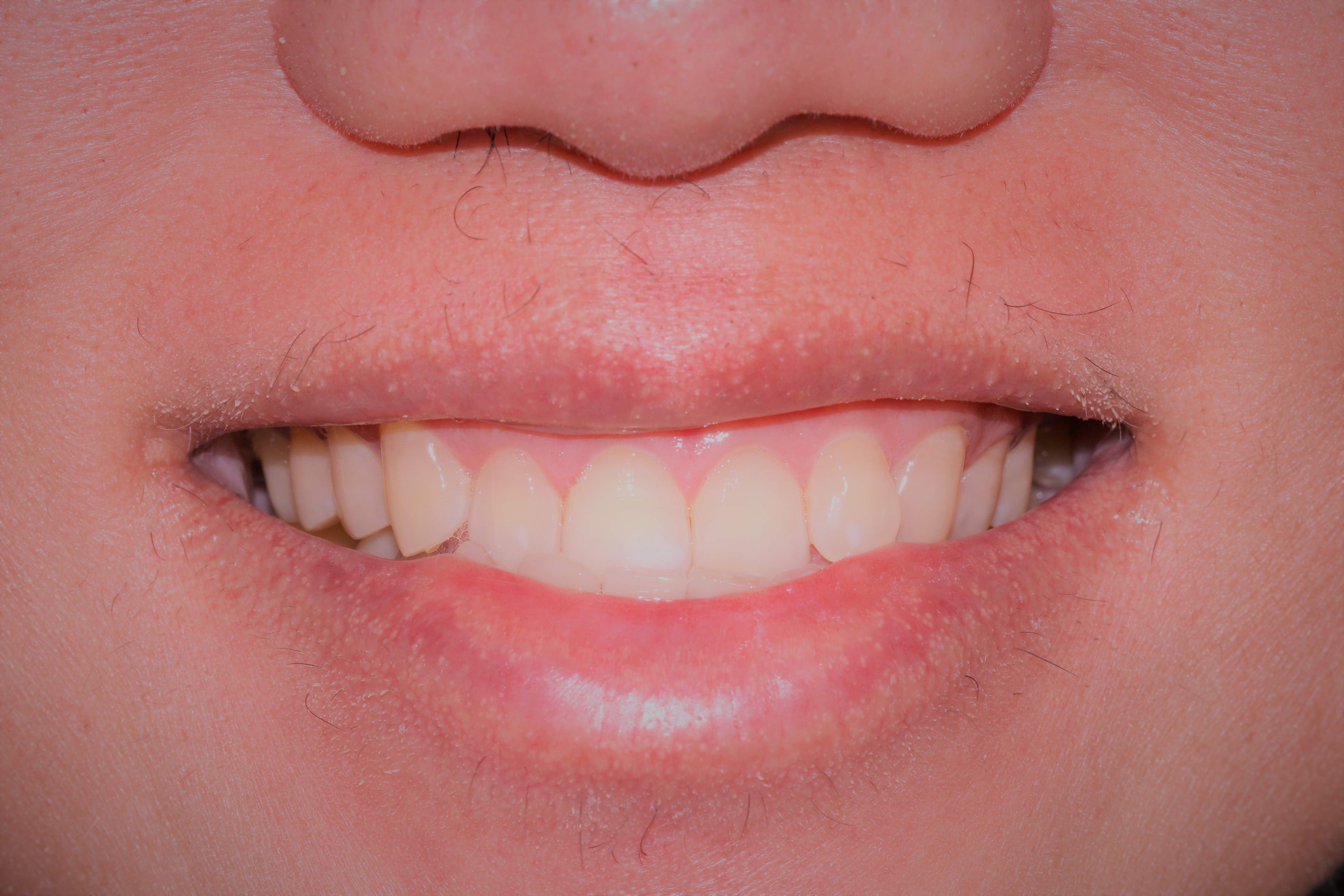
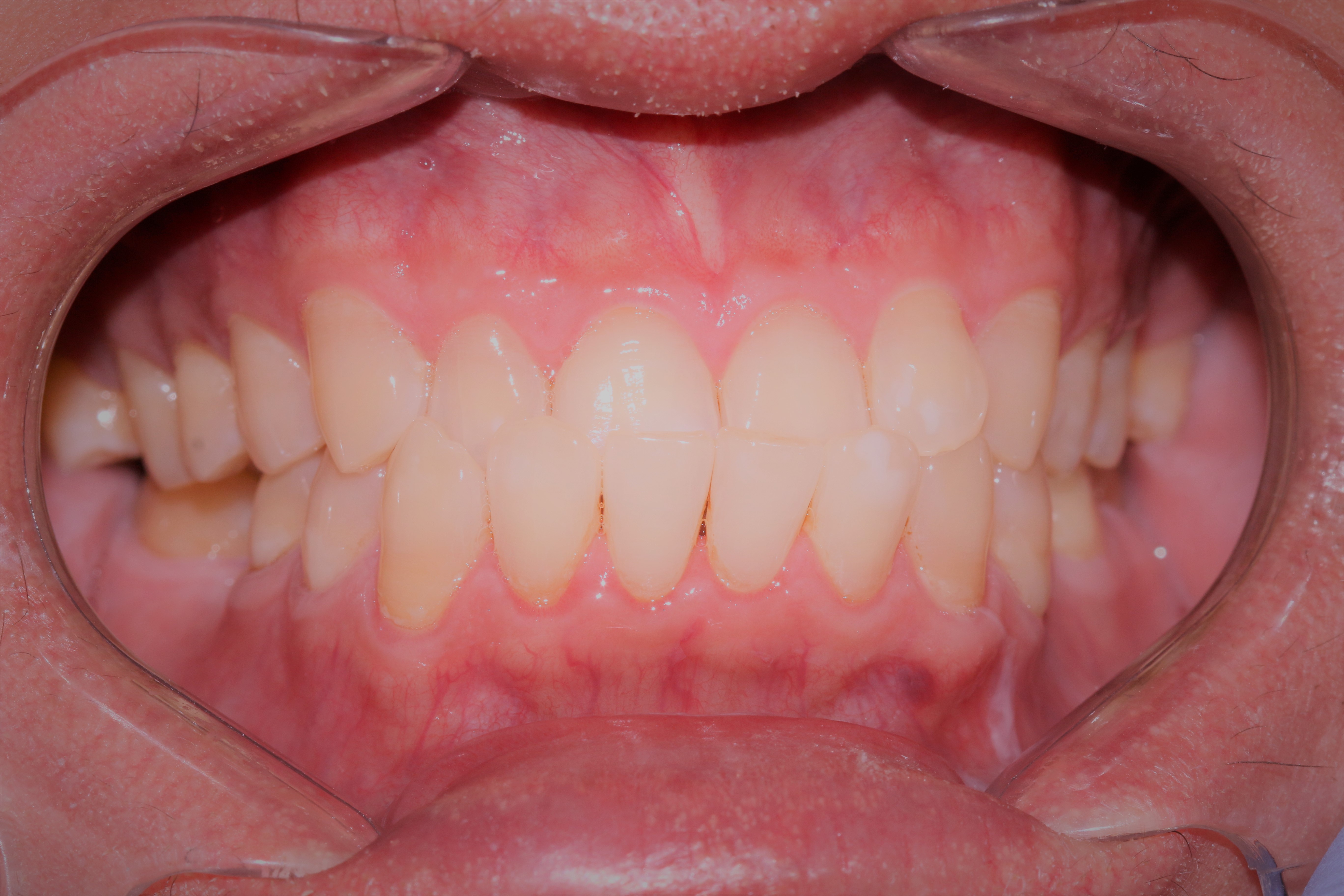
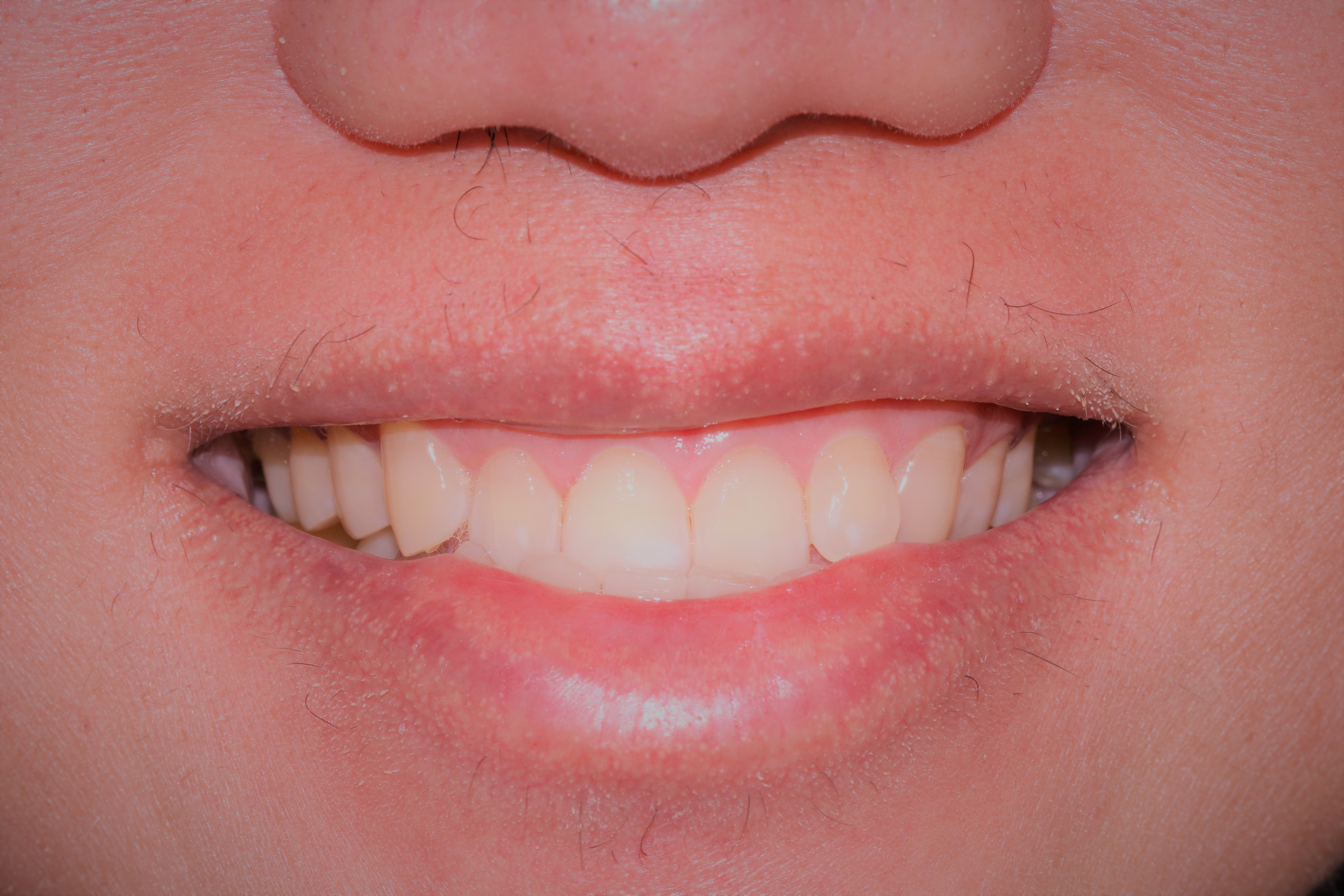
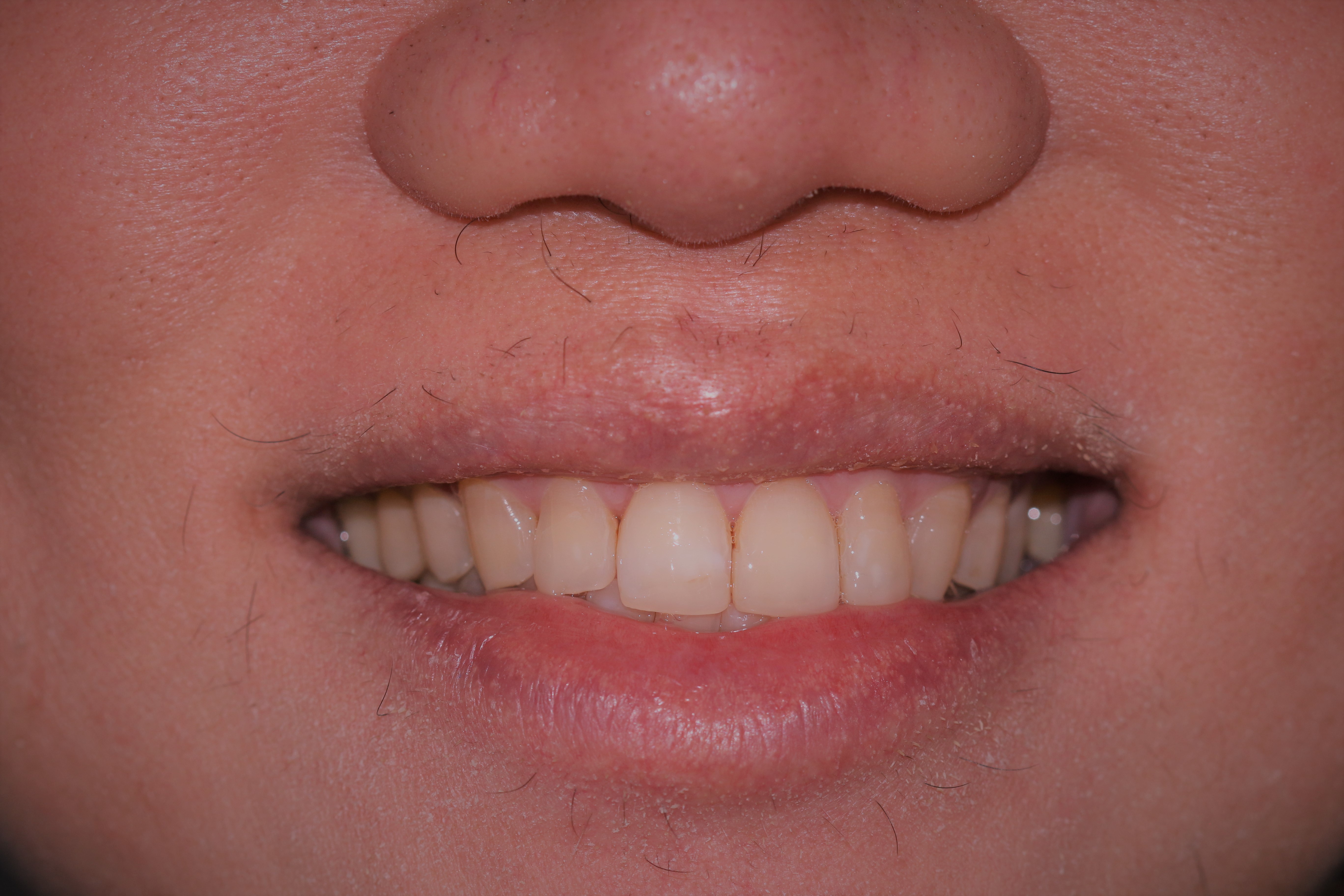
Yes dear readers, I have both underbite and crossbite. Underbite is when the lower teeth protrudes compared to the upper teeth, which means that the lower jaw is also more forward than the upper. Crossbite on the other hand, is when some of the upper teeth rest over and under the lower teeth. Both my underbite and crossbite became more pronounced when I got older. I suppose it has started to affect the appearance of my smile but then I wasn’t really conscious and particular with how my smile looks, much more how I look in general.
(Left) From a distance, my smile before seems ok, which appears to have even set of teeth, but if you take a closer look (right), you will notice the underbite/crossbite
It also didn’t help that having sat on different dental chairs with as much number of dental professionals and no one ever mentioned anything wrong with my teeth other than a cavity here and there that requires tooth filling. It was not until I decided to have oral prophylaxis at Gan Advanced Osseointegration Center (GAOC) where the dentist who checked on me noticed that my back teeth were starting to break down and my upper front teeth were in varying states of erosion. The dentist also asked me if I am experiencing occasional migraines (which I had) which can be likely caused as well by the uneven grind and bite. She then broached the idea of having braces.
I was sort of laughing inside my head, coz the thought of wearing braces at my age is just bizarre. Braces are pretty common among teens and young adults, where their young teeth haven’t really settled in and cemented by age unlike the older generation where I belong. But then again, I asked myself why did I choose this dental clinic in the first place. I remember choosing it coz I wasn’t really happy with any of the dental works from the different HMO affiliated dental clinics where I didn’t pay anything every visit. Nobody really told me anything else that’s wrong either with my teeth or my bite. So for the first time, I found a clinic that has identified what needs to be fixed. That I need to have braces.
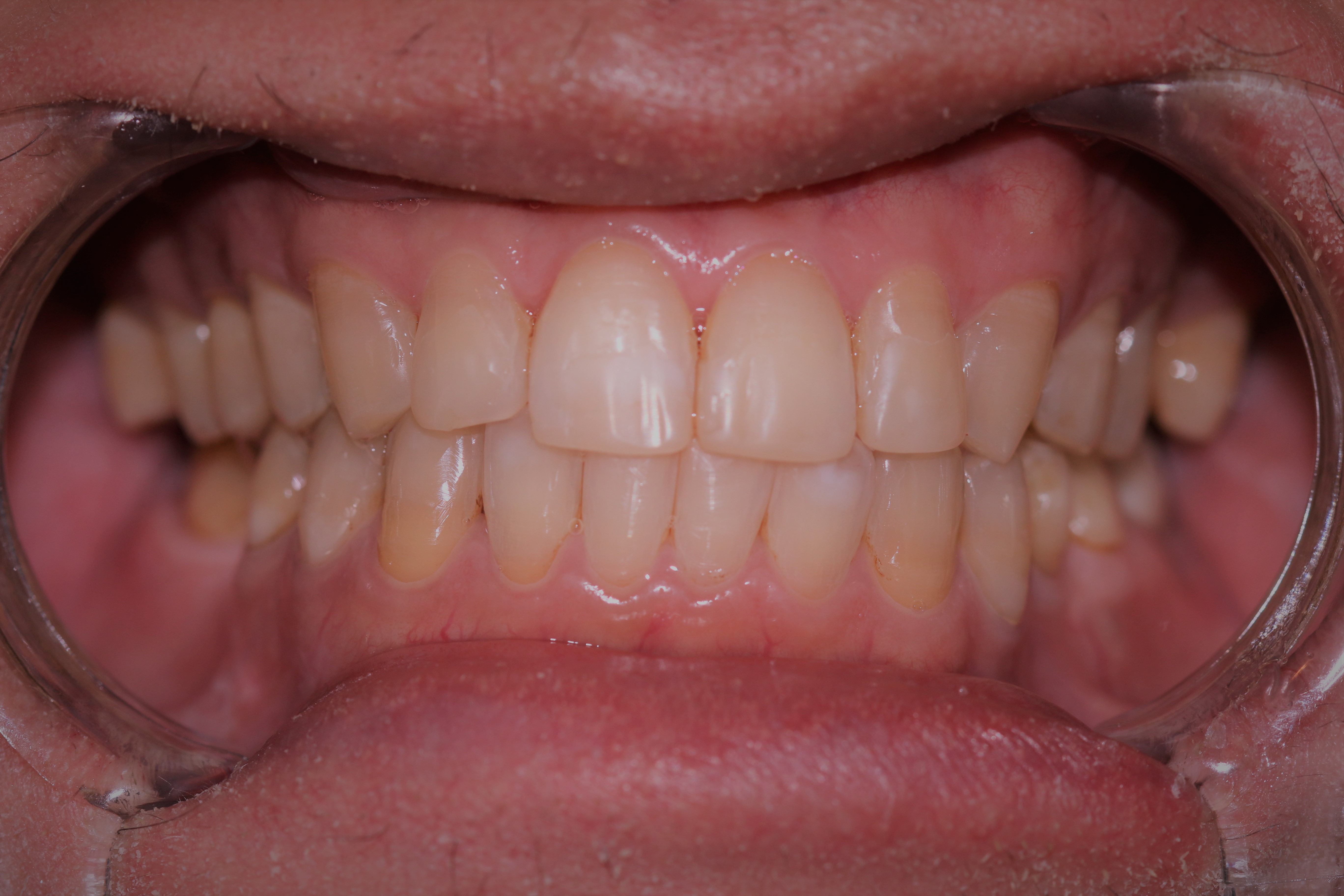
Before and After Treatment Plan
So I went on with the idea and they referred me to their TMJ consultant after they have taken different x-ray views of my mouth. Temporomandibular joint or TMJ for short is what connects your jawbone to your skull. The reason why a TMJ specialist needs to handle my treatment plan is because there is a need to correct the alignment of the teeth and the jaw to fix the grind and the bite. So it’s not just getting the teeth even, but aligning both upper and lower jaw. Braces alone won’t achieve that, so a sagittal appliance was included in the treatment plan where it is placed on the roof of the mouth to create room in the upper jaw by pushing the teeth outwards hence increasing the width of the upper jaw while pushing the lower teeth in (effectively decreasing the lower jaw width) thru braces. Sounds painful, right?
It was. For the first few days of wearing braces and the sagittal appliance, I was in excruciating pain. It was so painful that the thought of having it all removed and never to put it back on ever again crossed my mind. Never mind the full amount that I have already paid for the whole treatment plan that would last for about 18-24 months (mind you that clinic is not cheap, nor is this article an ex-deal, partnership, or paid advertorial of the clinic since I haven’t monetized this blog yet). But as the common saying goes, no pain, no gain. I simply have to endure the pain to achieve the end results. My mouth eventually started to adjust and got used to these foreign objects (or monsters to me). But prior to that, I have sores all over and was subsisting on soups and soft food for the first two weeks (on the bright side, I lost weight during that period).
Before and After Smile
It was also a good thing that I didn’t delay it any further coz a year of treatment in, I went thru another bout of pain, this time from sciatica (which I wrote about in my article https://columbusbee.blog/2019/11/01/mlnrd-at-st-lukes-medical-center-global-city-the-good-the-bad-and-the-ugly/). My TMJ specialist, after learning that I went thru spinal surgery, mentioned that she has a patient who was suffering from the same condition (where you wake up one day and you can’t walk because of the pain), but after correcting the skull-jaw-neck alignment, the pain went away. I told her that my case may be different, coz the pain was caused by the nerve root compression as a result of the protruded disk on my lower back.
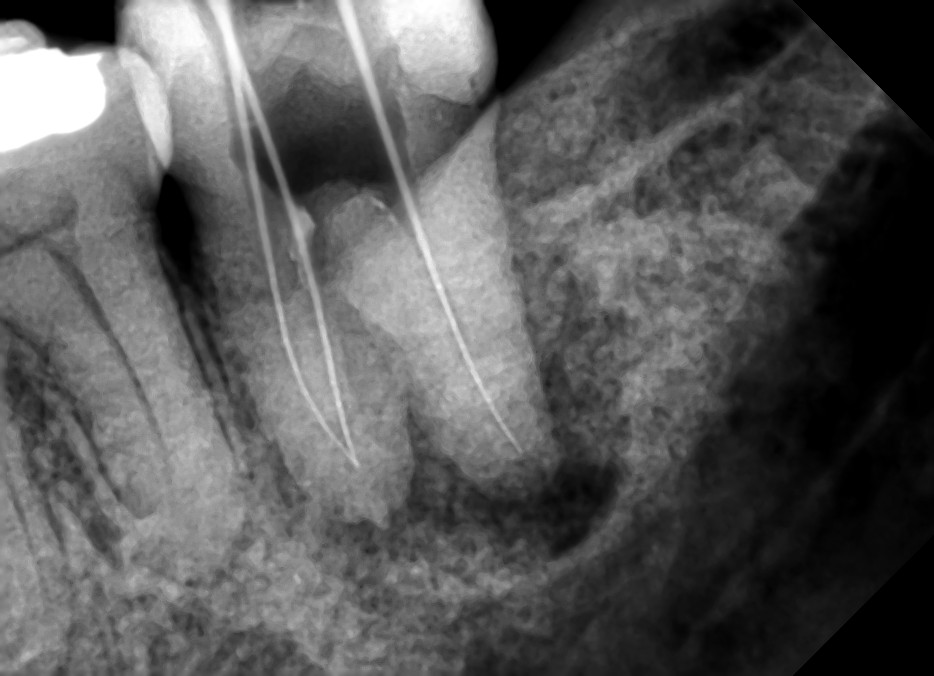
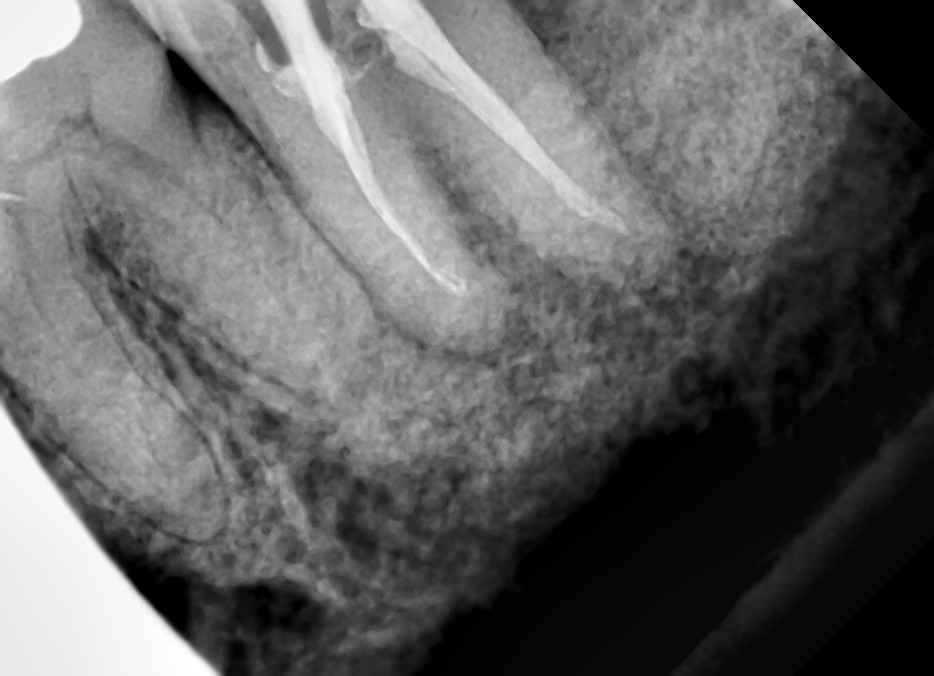
Then pandemic struck, where I probably have only made two visits/adjustments during the whole year of 2020. But even before the start of the lockdown (or after about 17 months of treatment), my teeth and jaw have miraculously aligned in spite of my age. Before starting with the treatment plan, the TMJ specialist told me that there is no guarantee of success (or the desired results may not be achieved) given my age, that they even made me sign a waiver. Though I now understand my body (where I wrote about understanding and listening to your body in my article https://columbusbee.blog/2020/03/28/my-gut-feel-against-the-virus/), I’m still surprised at times on how my body works. Like when I underwent root canal treatment also with the same clinic this year. I have a molar tooth (the tooth at the farthest end) that was decaying and that the infection has already spread both in the gums and the jawline where the x-ray shows loss of bone mass and gum tissue due to infection. Two dentists of the clinic (from different branches) have suggested tooth extraction but after learning what I’ll go thru if I decide to have tooth implant to replace the extracted tooth (denture is no longer an option coz being the farthest tooth, there is only one adjacent tooth to support the same), I decided (and insisted) to save the infected tooth instead thru root canal treatment. Again, miraculously, what seems to be a hopeless case has proven naysayers wrong by just having faith on the body’s healing powers (coupled with mental affirmation that the tooth will be saved). After several bi-weekly visits in a span of 3 months (with the same number of COVID swab test for every visit), the tooth was saved where the infection on the gum tissue started to disappear, the bone mass on the jawline started to regenerate, and what used to be wobbly is now a tooth firmly rooted. My body works in mysterious ways.
(Left) Around the tip of the root of the tooth is a hollow dark spot which is a manifestation of gum tissue infection and loss of bone mass on the jawline. (Right) Three months after the start of the root canal treatment, you see a significant improvement where the dark spot is no longer there which means that the infection is gone and gum tissue and bone mass start to regenerate.
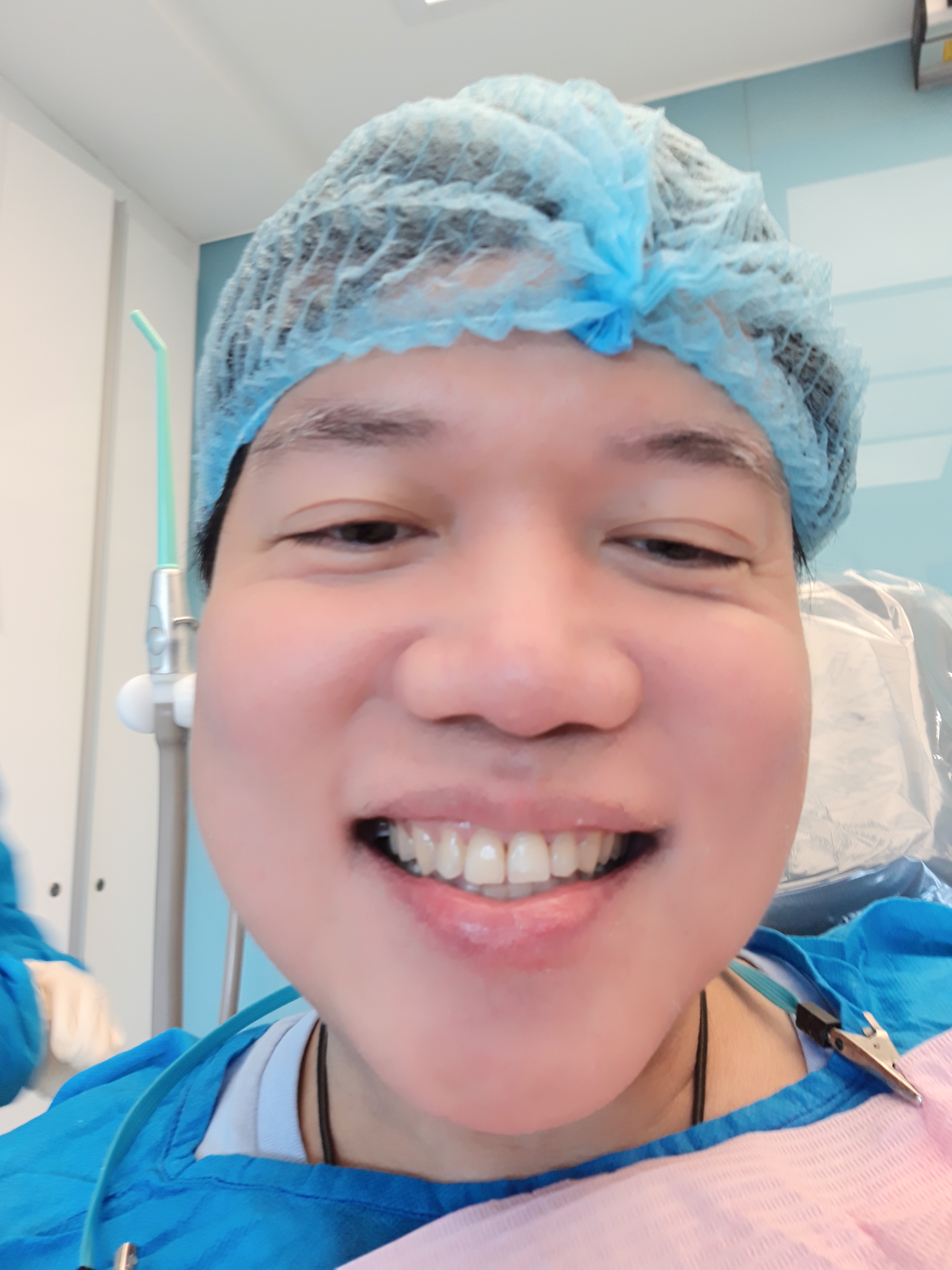
So after about 18 months worth of treatment (excluding the uneventful year 2020), the braces were removed. I thought I have a brand new smile. A few months going into the homestretch, I also noticed some changes in my appearance, not only on how my smile looked. Before the treatment, my upper jaw was concaving and my lower jaw protruding that gave my face a bulldog appearance. Because my upper jaw is concaving, a portion of my upper lip seems to be submerged or buried. After the treatment, I have noticed that my cheekbones have become more prominent (probably due to the upper portion of the skull, jaw, and teeth now resting nicely on the lower jaw and teeth) and my upper lip is fuller, aside from my teeth that are now even and bite aligned.
Me at work (post treatment). Even without a smile, the confidence in me shines through with prominent cheekbones, fuller upper lip, and more defined jawline. What used to be chubby cheeks is now a narrower face (the cuteness factor is gone though lol).
The timing can’t be more perfect as well. Since we have to rely now on video calls for work meetings, I am now more confident with how I look on video (I would scrimp on my smile before in most of my travel pics, much more appear on video). Believe me, that added boost in confidence can do wonders in both presenting during a meeting and selling an idea to peers, colleagues, and superiors across the globe. Not that I’m aiming for a promotion, but it made things easier at work without having to worry about how I look in those video calls. That confidence (plus coming prepared at all times) makes one shine in these calls.
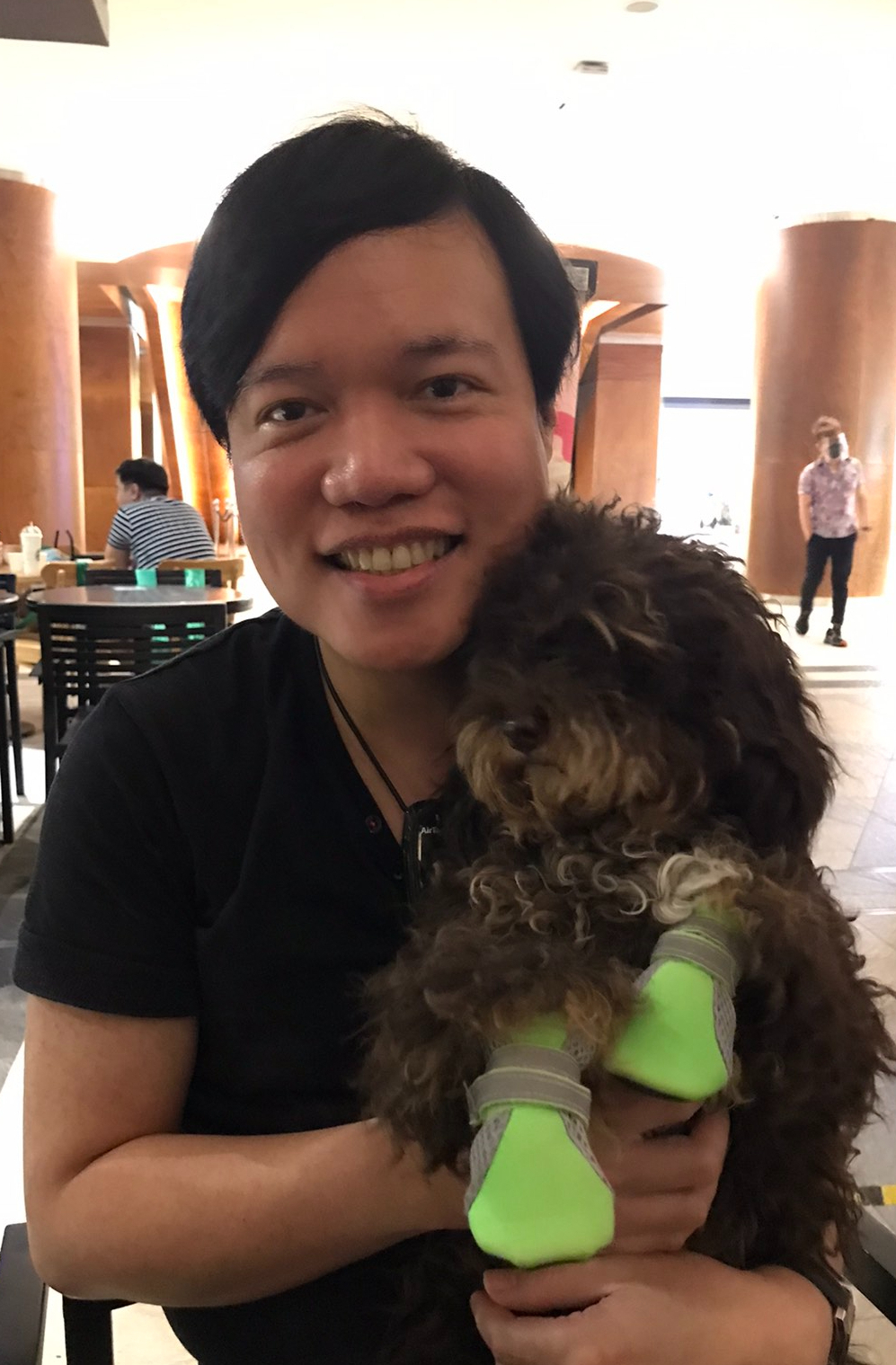
Before (December 2017) and After (June 2021). Which pic do I look younger?
This is why I said earlier that my smile has given me a new life. I started living again that day when they took my braces off and smiled my way thru life.
(Note: Thank you to my TMJ specialist Dr. Eillen Manalang and to my dentists Dr. Pia Alaba and Dr. Vengie Bangloy)
St. Luke’s Medical Center – Global City (Photo courtesy of Wikipedia)
Before I could write the second part of my article The Contrasting Colors of Tokyo & Kyoto, I was diagnosed with sciatica (pain affecting the lower back, right buttock, and down to the back of the right leg due to the compression of the spinal nerve root). If you have read my article #ihaveflaws, you would deduce that this is a deterioration of my disability (slip/herniated and dessicated disk). Apparently, over the years, the nerve keeps adjusting until such time that it can no longer work around the protruded disk, hence the excruciating pain, particularly when I’m inactive (lying in bed at night and upon waking up in the morning). So my orthopedic surgeon, who was the same surgeon at St. Luke’s Medical Center-Global City (SLMC) who first diagnosed me to have slip disk, asked me to undergo another MRI and X-ray (the last time I had the same was 8 years ago). As expected, the MRI results showed that the slip disk has worsened, where disk matter has already flowed out (the medical term they used is caudal migration) instead of just protrusion and constricting the nerve canal. Imagine a peanut butter and jelly bottle (yum) where the top layer has spilled over after accidentally shaking the bottle. The disk matter looks like a dripping peanut butter and jelly from the jar, occupying the space where the nerve root passes. My surgeon broached again the option of undergoing spinal surgery (which was one of the options he raised 8 years ago) and after further research on the other options (physical therapy and nerve injection), I’ve come to a conclusion to give it a go.
The reason why it took 8 years for me to consider the surgical option is because I am fully aware of the risks. Just like any surgery, these are not just plain, ordinary risks. Spinal surgery, if not done right for whatever reason, may potentially result to paralysis (an invasive procedure close to the spinal cord and would actually be in contact with the nerve root), not to mention infection and clotting that can move to the lungs and cause serious complications. Even if I consider the non-invasive options, I would probably still end up undergoing surgery eventually since the other options will not be able to remove the matter that is compressing the nerve. So I thought why not fix it now while the nerve is not totally impaired yet (it’s only been 5 weeks since I started feeling the incessant pain, dragging myself to work just to keep myself active to minimize the pain, notwithstanding the difficulty and discomfort I have to go thru when driving) rather than wait another 8 years where the risk of nerve damage is high and would result to long term rehabilitation post surgery and worst, permanent nerve impairment. So I’ve discussed with my surgeon the different types of surgery and have decided to do the Micro Lumbar Nerve Root Decompression (MLNRD). In layman’s terms, the surgeon will do an incision about an inch long (micro) in that portion of the lower back (lumbar) where the degenerated disc is located, drill into the bone to reach the nerve root, carefully scoot the nerve root over to unveil the protruded disk, shave off that dripping matter and also a portion of the bone at the other side to decompress (free up) the nerve, suction the disc and bone fragments, gently return the nerve to its place and then stitch up the muscle and skin. Since different body parts/tissues are impacted, healing and recovery will take weeks (at least 3 weeks for the muscle to heal, 3-6 months for the bone to form and fill the gaps, and healing/recovery period varies for the nerves depending on the extent of the damage).
After confirming and scheduling the surgery at SLMC (you have to schedule it in advance since the operating room may not be always available), my surgeon then asked me to go thru a battery of tests to see how fit I was for surgery. So I had complete blood work, ECG, 2D Echo, urinalysis (including creatinine), and chest X-ray. Some of these tests are scheduled as well (where the next available date can be in weeks), but if you tell the labs that you are due for surgery, they will prioritize you and squeeze you in. So I passed all tests but I also learned that I have a congenital heart defect (if you have read my article #ihaveflaws, then I could add this to the list in the context of travel). All the tests show though that my heart is in good shape in spite of (I even have a heart rate similar to that of athletes which I could probably attribute to the herbal/organic supplements that I’m taking, which is another story) so my newfound heart condition was not a showstopper. So after the risk assessment of my overall state of health, the cardiologist issued a “low risk” (from potential complications) rating for the surgery that I was scheduled to take.
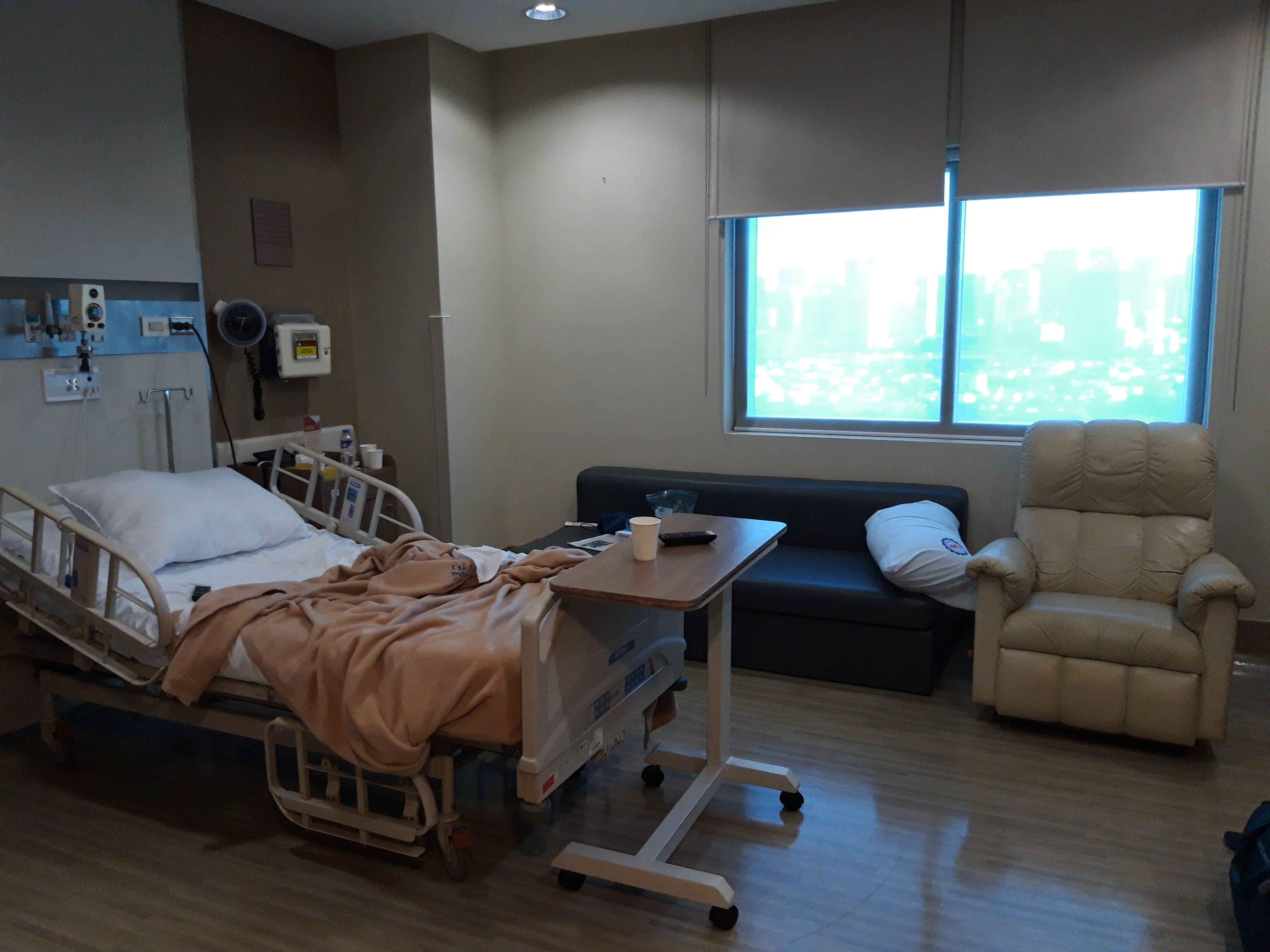
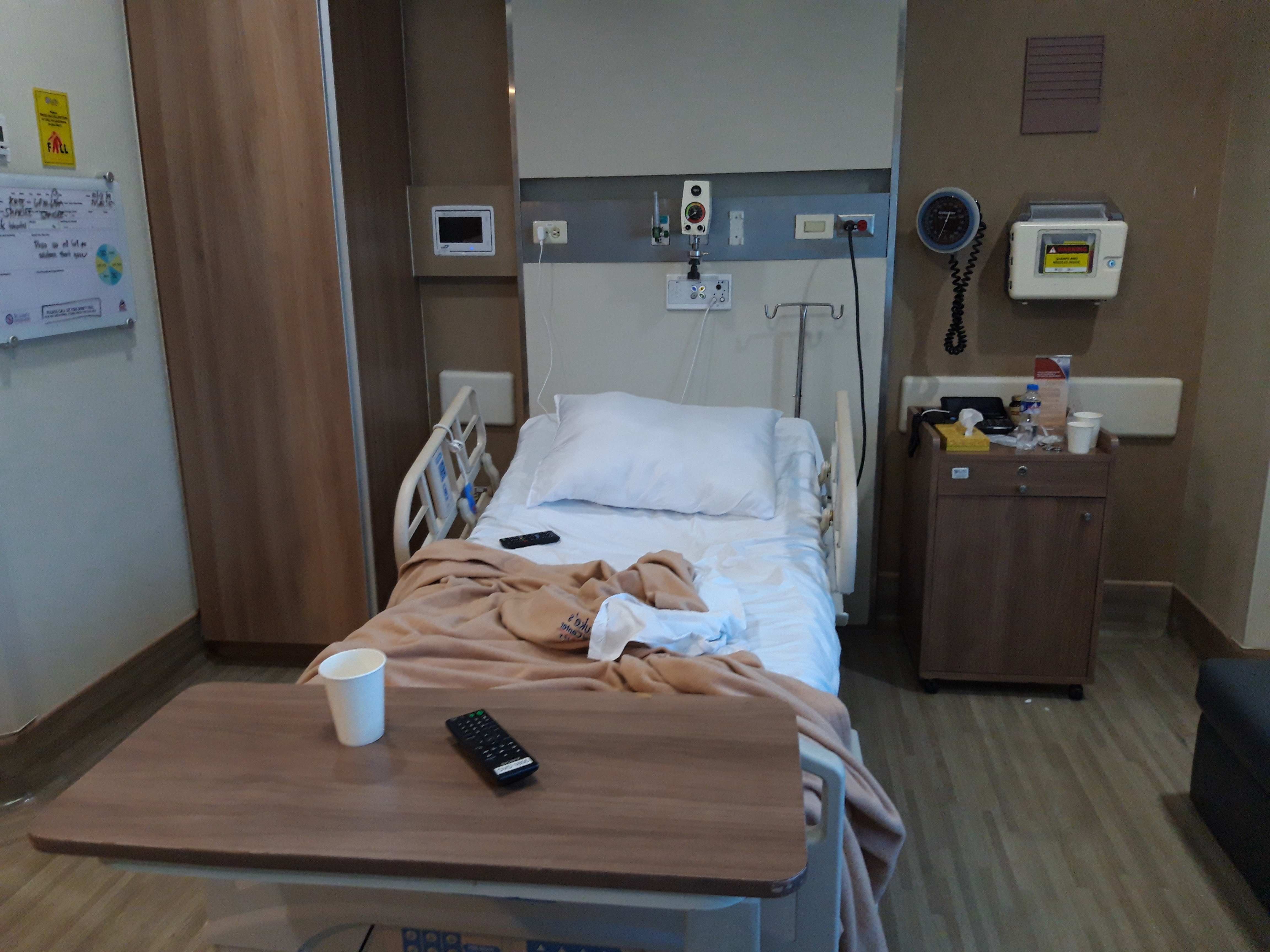
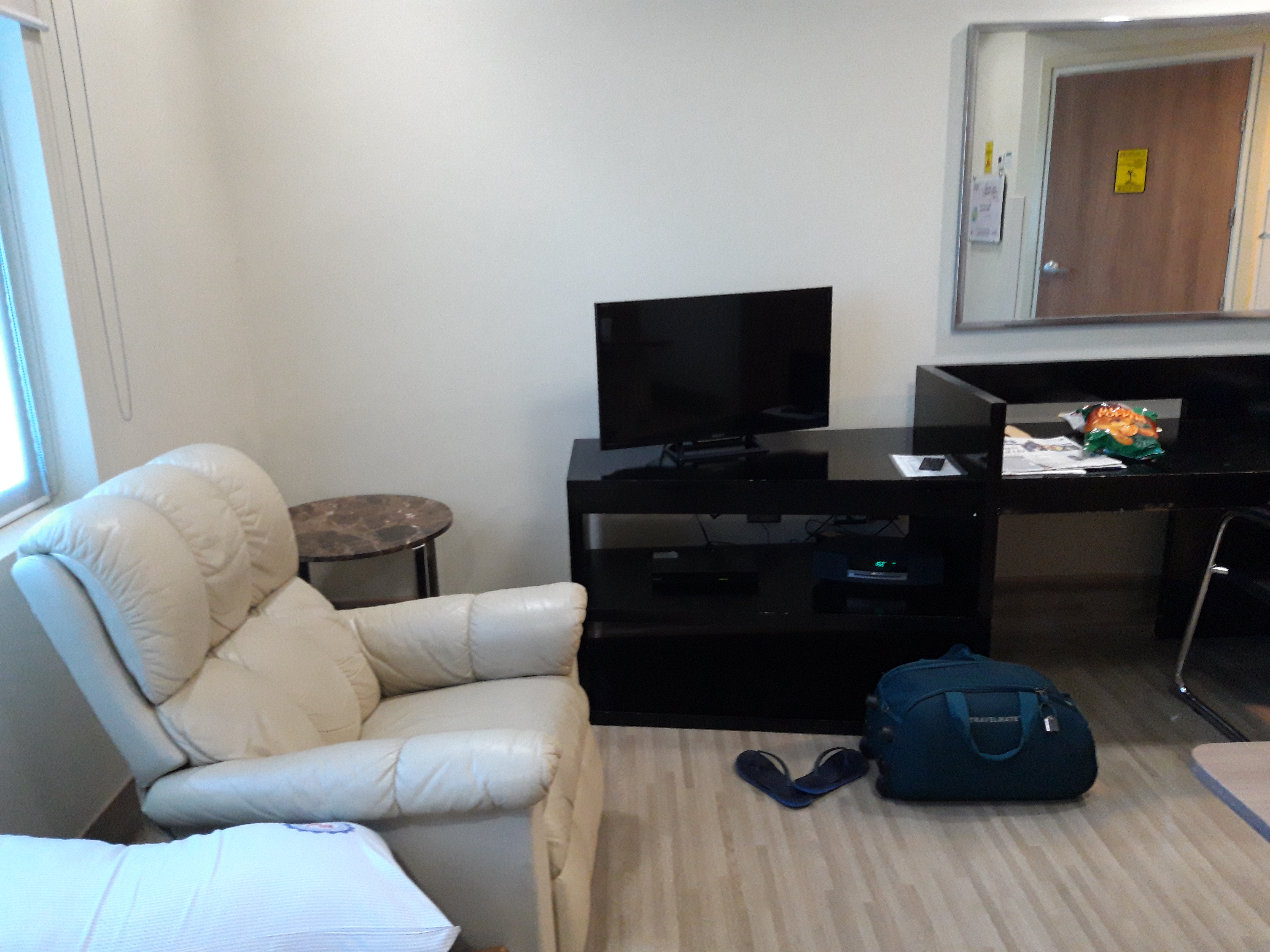
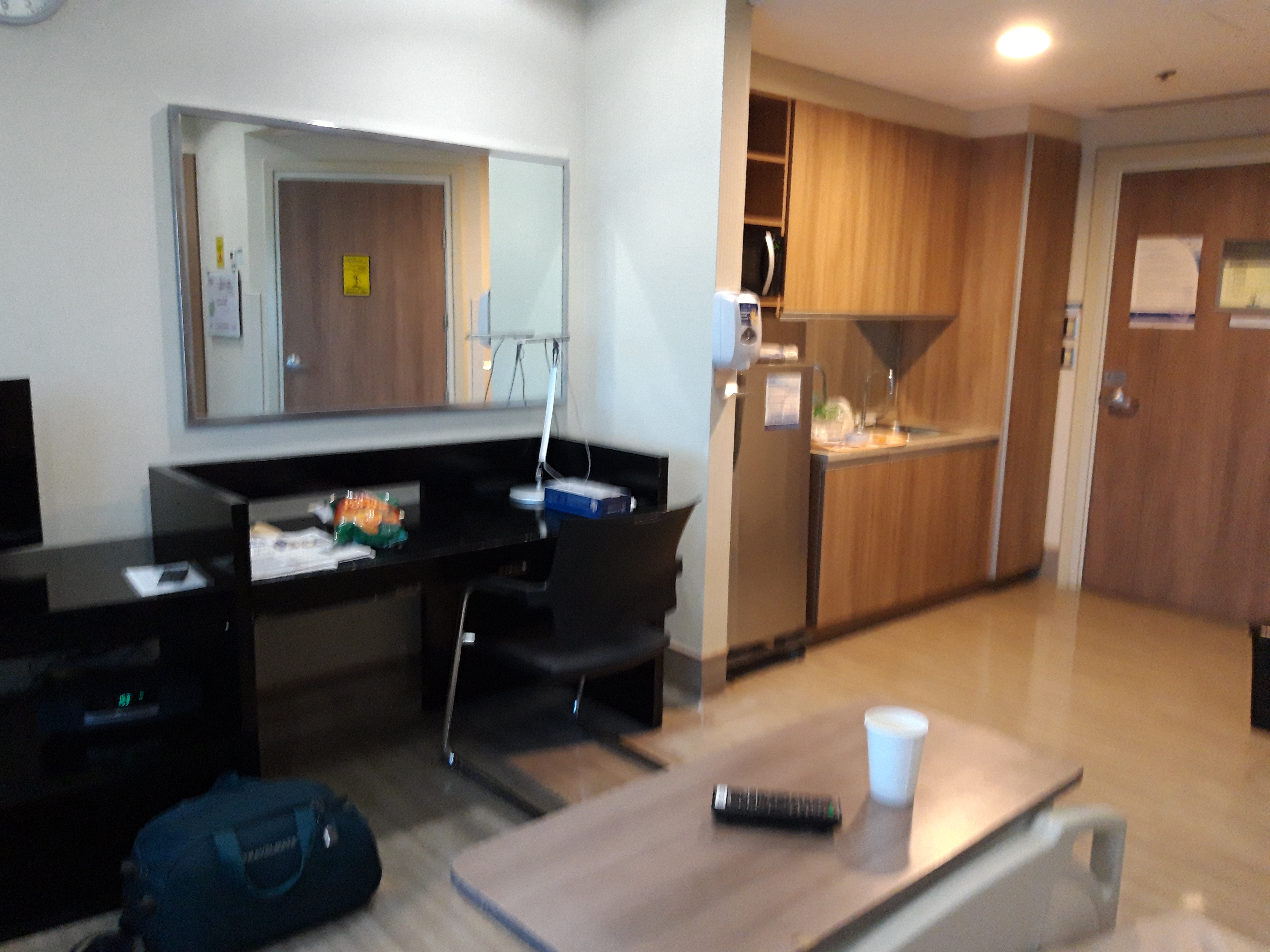
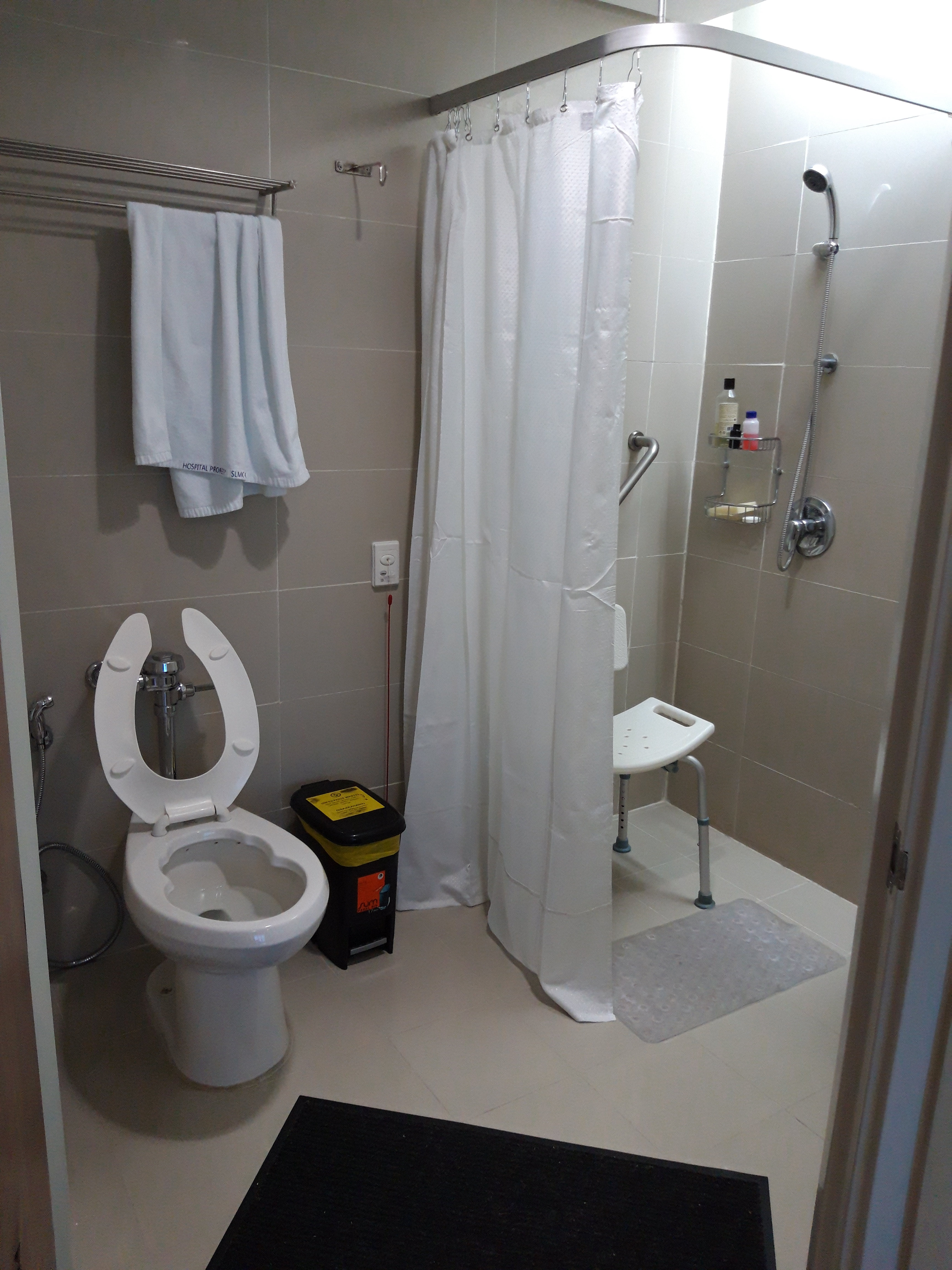
Executive Private Room (St. Luke’s Medical Center-Global City)
I read somewhere that the cost of this particular type of surgery would be about half a million pesos (give or take) where 200 grand is for the hospital bills and the rest for doctor fees. Apparently, this does not include the outpatient costs (ie the battery of tests plus the MRI and X-ray pre-surgery, where those alone cost about 30 grand, and post surgery tests, medicines, physical therapy, and consultations) and if there are complications post surgery, then it could be higher. That’s a whole lot of money involved (I could already buy a new car with that) so good thing I have not one but two medical (HMO) insurance plans, one from the company I work with (Intellicare where the annual limit for a single illness is only up to 250 grand) and the other a personal insurance I took a couple of years back for greater coverage (which has higher limits but also very expensive premiums and this is where a large part of my annual bonus goes to, which I would consider as investment for my health). Since the latter has higher limits (especially the room limit where the former cannot even get me a semi-private accommodation, so if you want to have a private room and you only have Intellicare, then you should be ready to shell out some of your own funds). So we decided to make use of the latter for in-patient expenses (and any outpatient extensions of it) and use the former for other outpatient expenses.
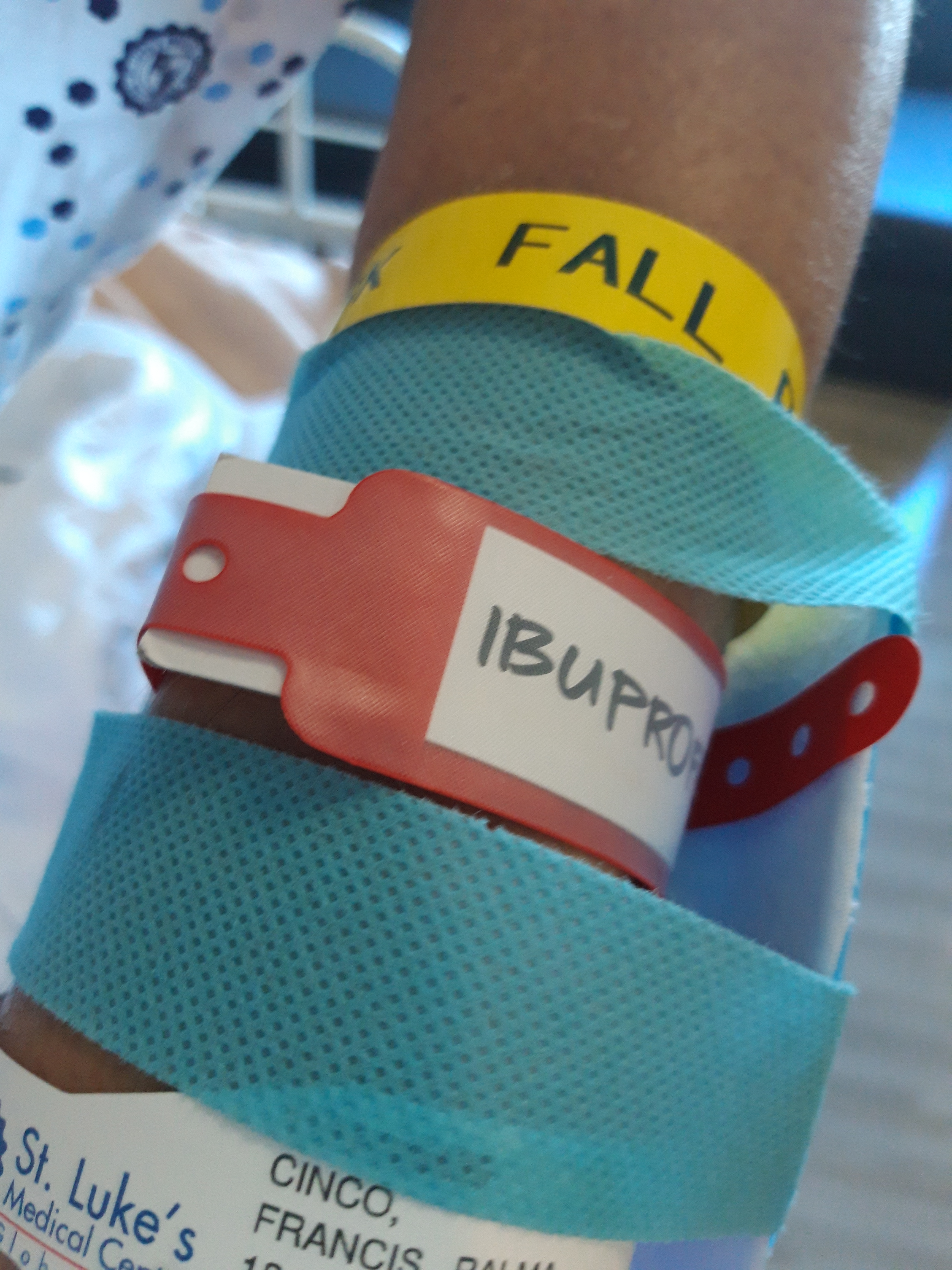
I was admitted the day before the surgery (scheduled 6AM the next day). Upon admission, you’ll be asked if you have any allergies or are allergic to any food and medicines. So I told them that aside from the fact that I have a history of asthma, I am also allergic to Ibuprofen, a non-steroidal anti-inflammatory drug or NSAID which was prescribed years ago by my dental surgeon to manage the pain from dental surgery (impacted tooth extraction). I told them that my whole face swelled where my eyes look like slits on an evenly bloated face that made me look like an alien. Aside from the name band (which they will attach on your left wrist if you’re right handed), they will also attach a red band with the list of meds that you are allergic to (in my case, the band has “Ibuprofen” written on it). They also attached a yellow band for “risk of fall” coz I told them I could be a klutz sometimes (lol). I got admitted early (around 2PM that day) so that the pulmonologist can still assess me on what type of anesthesia would be best for someone with a history of asthma. There are two types of anesthesia, one is general anesthesia (GA) where you will be put to sleep and your brain won’t be receptive to pain as well as no memory of what is on-going, but will put a lot of stress on your whole body (especially your lungs) that it may trigger asthma during surgery. The other one is regional anesthesia where you’ll be temporarily paralyzed from waist down. The latter will keep you awake, but a catheter will be attached to you to help you urinate post surgery until the anesthesia wears off (which could take days). I shudder at the thought of the catheter alone, so it was no brainer for me to choose GA, in spite of the risks. The risks are real, since I’ll be operated face down in prone position, so if for whatever reason that I will have difficulty breathing, they cannot just flip me over with the incision at my back. So choosing GA means that they will insert a tube in my mouth while I’m under just to ensure that the risks are mitigated and the pulmonologist will monitor my condition throughout the surgery. So I have the orthopedic surgeon, anesthesiologist, and pulmonologist on board for the surgery, not to mention the bedside nurse and other surgeons and nurses that will get invited to the soiree.
There should be no food or water intake at least 8 hours before the surgery. That means my last intake should be at 10PM. The nurses will also attach the IV (intravenous) before then, so a few minutes past 9PM, I decided to take the Esonex bath (it’s the bath that they require you to take before surgery to keep the bacteria on the body in check and lessen the risk of infection). I brought in with me my Amiki shampoo (a honey based shampoo which I got from New Zealand in one of my trips and I only use it if it will take more than 24 hours til my next shampoo such as while I’m travelling long haul coz it keeps my hair easy to manage and stay fresh) and my A La Maison body wash which I use as my facial wash. I thought I wanted to go into surgery feeling clean and fresh. Since I have the bands on my left wrist covered in plastic (so that it won’t get soiled and ruined while in the shower), it was a bit hard to shower with only one hand. Feeling refreshed from the bath, I was met by the nurse in my room with pre-surgery meds on hand at around 10 past 10. I asked her what are those and who prescribed the same, so she told me one is for the nerve pain (pregabalin, which I am already taking), two 500mg of paracetamol for the pain, one tablet of Ketesse, and another tablet of Omepron and all were from the orders of the anesthesiologist based on the standard pre-surgery meds that are given to patients of my orthopedic surgeon undergoing the same type of surgery (which is a loose term given that not all patients are alike). The last two meds I wasn’t familiar with, so I asked the nurse if I could keep the packaging that came with it so that I could google it. I have formed this habit of checking out any meds that I’m not familiar with (ie what it is for, side effects, drug interactions, etc.) from my experience with my Mom who was in and out of the hospital last year, as well as my Dad who’s taking at least half a dozen of daily drug maintenance. It also helps that I have my own cocktail of herbal/organic supplements that I had made thorough ‘research’ before taking them, so checking out pharmaceuticals (which I haven’t had any in the last few years after I have shifted to herbal, organic, nutriceuticals even when I’m sick) comes like second skin to me. So I checked out Ketesse, which looks like another pain killer, and Omepron, which reduces the acid in the stomach (to prevent any from going up while I am face down in prone position during the surgery). What I was a bit concerned about was the two large doses of paracetamol along with Ketesse where the latter should not be taken with another pain killer (based on my readings) as it may potentially have adverse effect. But I trusted my doctors, so I shove that concern aside as well as any worries from the impending surgery. I was feeling clean and fresh from the bath and trying to think only of happy thoughts before getting a good night sleep a few hours before the surgery.
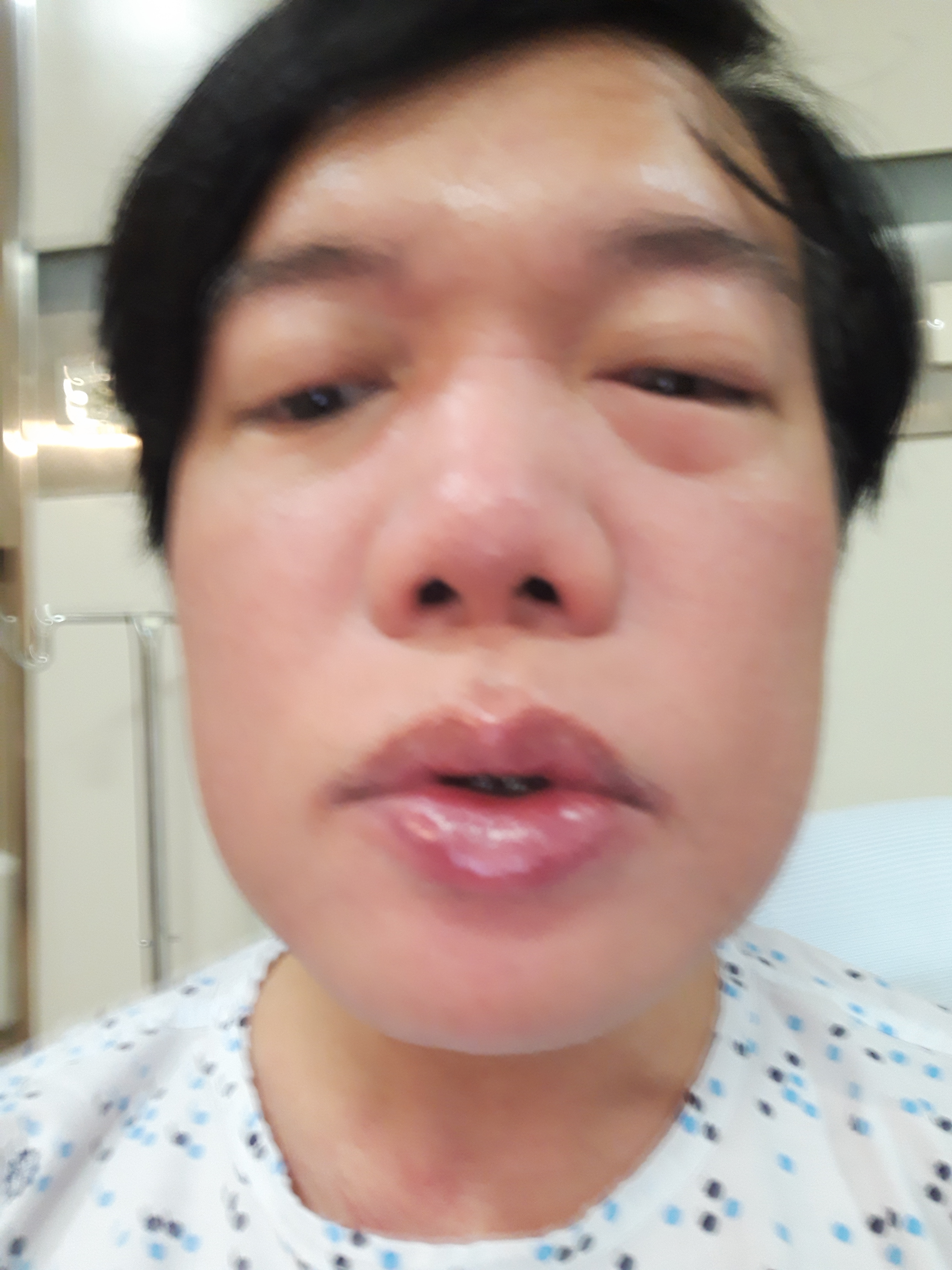
Severe allergic reaction a few hours before the surgery (St. Luke’s Medical Center-Global City)
But alas, it wasn’t a sweet dream. Not even a good night sleep (since I could hardly sleep). I started to feel odd and I know right away there was something wrong. My lips started to swell and then I noticed that there were reddish patches on my face that were starting to swell, mostly under my eyes and partly on the sides of my nose. This was around midnight. So I buzzed the nurse’s station right away, knowing fully well what I was going thru. When the bedside nurse came, I told her that I think I’m having an allergic reaction, not sure from what but I initially suspected the high doses of paracetamol. So I asked her to bring me an antihistamine and she asked me which one in particular. I told her the last time I had the same reaction, I only took Claritin, and the allergy eventually subsided. So she left to see what she can get. While she’s gone, the mucus started to build up like a big incubus, congesting my sinus. I blew my nose every now and then, and started to have that feeling of being sick. My throat started to constrict where I had a hard time swallowing my saliva and the swelling of the face was getting worse. My eyes were watery, my neck and chest have hives. The worst part was when I could hardly breathe. It was a nightmare. I started to google the two meds again thinking that it can’t be the paracetamol that could have caused the allergic reaction and that I may have missed something. Then my attention was caught by the generic name of one of the meds: Dexketoprofen. Eureka! When the nurse came back (she was gone like forever) with the antihistamine (which I later found out to be Benadryl) and a resident in tow, I told them that I think my allergic reaction was triggered by Ketesse. I told them I don’t understand why they would prescribe me that drug. I didn’t like the answer of the resident (or the on duty anesthesiologist, not sure which one she was) and reminded her that there is a vast range of NSAIDs which name does not end with profen. If I’m allergic to Ibuprofen, then I would likely be allergic to Dexketoprofen. So they administered Benadryl thru IV. Before the effect started to kick in, I was miserable for about a couple of hours. I didn’t only suffer from difficulty of breathing, I was also anxious and worried that because of my current condition, my orthopedic surgeon may call off the surgery and set it on a future date if my condition doesn’t improve in a couple of hours (I’m scheduled to be wheeled into the pre operation holding room around 4:30AM and it was already around 2 in the morning). I thought I don’t want to go thru this all over again. Finally, the Benadryl may have kicked in and made me fall into a nap, which was short-lived coz I was awaken by heavy sweating, feeling hot when the aircon was at a steady temperature. I thought there goes the clean and fresh feeling, there goes the Amiki shampooed hair. It wasn’t long when my sister dropped in (she only learned about what I went thru when she noticed that my face was still a bit swollen when she arrived and as a doctor, she was also worried whether the surgery would still be a go and even frowned on me for not calling her that night) and the staff came in to wheel me out and into the pre-operation holding room.
After answering the same set of questions for the nth time (“What’s your name, birthdate, and the procedure you’ll be undergoing?”) to different staff from the time I got admitted, I met the anesthesiologist who gave the order for the pre-surgery meds at the holding room. She apologized and admitted that when she got the nurse’s text message that night about the pre-surgery meds to be administered, she didn’t ask for my background. In her defense, the nurses should have also checked given that they have with them all the necessary information about me (not to mention those bands on my wrist). I was calm and collected and even had a chit chat with her (she was probably impressed with my conversational English and thought I was originally from the US) and was just ready to get the surgery done and over with. When I finally met my orthopedic surgeon, he apologized to me, not because of what I went thru earlier, but because I was made to sign the general consent twice, one which I submitted right after admission, and the other when I was already in the holding room where my annoyance was very transparent to the bedside nurse (when he asked me to sign that other general consent form) who may have relayed that annoyance to him. That’s when I realized he has no idea of what happened hours earlier (no staff has informed him of what transpired earlier). So I told him that the reason why I was irritated that early morning (right after I was wheeled in the holding room and before I met the anesthesiologist) was because I just had a severe allergic reaction to a drug that the hospital has administered, suffered the whole night, and didn’t get sleep at all. He was surprised to learn about that and apologized on behalf of the hospital and I was just glad that after getting me into the nebulizer and checking that I wasn’t allergic to the antibiotic that they plan to administer, he gave the go signal to wheel me in the operating room. That was the last time I could remember being conscious.
I woke up feeling sore but my mind was alert. I buzzed the bedside nurse and when she came, I asked where I was and what time was it. She told me I’m in the recovery/recuperating room and it’s 10:30AM, and I asked how’s my bp (blood pressure). She said 120 over 80. I then asked whether my twisted position in bed (both legs bended at the knees were lying flat on my left while my right shoulder was lying flat on my right with the bp instrument attached to my right arm) was ok given that I just went thru spinal surgery. She didn’t answer the question but instead asked me if I was in pain, and I said yes. She left and came back with the anesthesiologist on duty. The anesthesiologist asked me if other than Ibuprofen, what other meds am I allergic to. That’s when all that has happened the night before came rushing in, and out of my annoyance, I snapped at her by saying “Why don’t you freakin check my charts? Your hospital administered a drug that I was allergic to a few hours earlier and you’re asking me that question?” So she and the bedside nurse went to check my chart and left (probably to get paracetamol for the pain). While both were gone, there’s another patient moaning in pain right next to me (only separated by a curtain) and a village of staff were around him (not sure why they were all there when it didn’t look like an emergency or critical situation, except that he was just vocal about his pain) where one of them bumped my bed. I was not only in pain but already furious, past being annoyed. When the bedside nurse came back to check my bp (125 over 80, 15 minutes after the last reading), I asked her that I be moved back to my room. I thought the longer I stay in that so-called recovery/recuperating room, the more likely that my bp would shoot up. She left and after what feels like eternity, I buzzed her again and I asked what’s taking them so long and told me that they still have to administer the paracetamol. So I told her “Can’t that be administered in my room?” She left again. After waiting and enduring the moaning on the other bed, she came back with the yellow band and told me that they were ready to wheel me out and started to put the yellow band on my right wrist. Then I raised my left hand telling her that I already have it, and that’s when I started to cry.
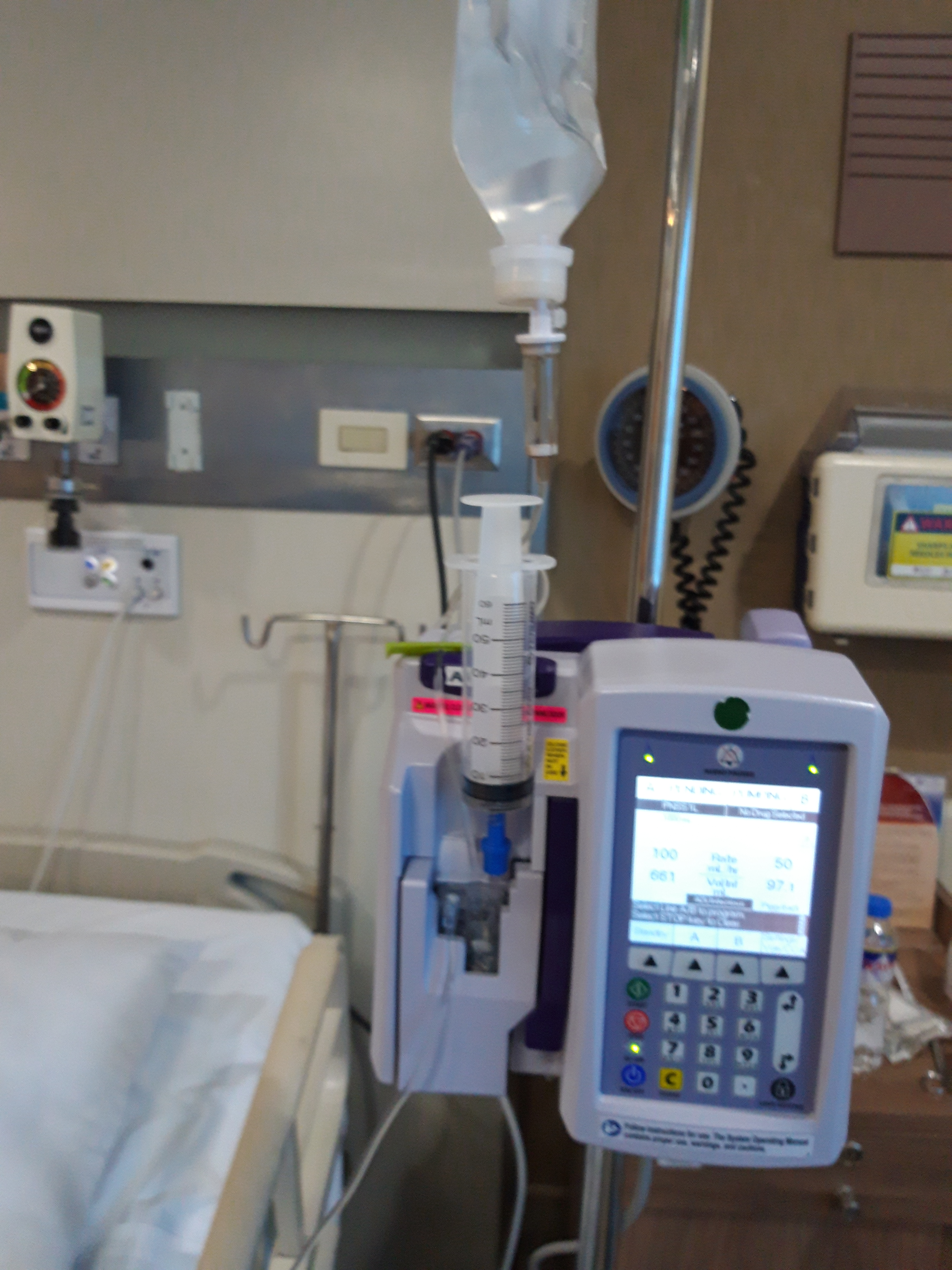
(Left) IV dextrose and antibiotic injection; (Right) the colored bands (St. Luke’s Medical Center-Global City)
I cried out of frustration (not out of pain). I cried because no one seems to even bother to check on the wrist bands. I cried because even with the red band on, I still suffered from severe allergic reaction which was what the band was supposed to prevent and consequently has to take additional meds (Benadryl and God knows what else did they pump into my system that night) that I don’t need if not for the hospital inflicted allergy a few hours before my surgery. I cried because I even protected the bands by taking a shower with only one hand, only to be ignored and neglected (I mean what’s the point of having the bands if no one cares to look?). I cried because no one seems to bother to check my charts, that staff seems to be lazy and just tend to rely everything on the patient. I cried because all my preparations hours before the surgery were wasted. I cried because I was miserable the night before when I should have been relaxed and calm before the surgery. I cried because I didn’t have sleep. I cried because no one in the recovery/recuperating room seems to care that I too was in pain, in spite of my stable condition and quiet demeanor. I cried because of questions that I have to answer right after waking up from GA. I cried because of the insensitivity and lack of inclusivity in that room. I cried because I just had too much.
But my travails didn’t end there. While I was being wheeled out of the recovery/recuperating room, there was a brief stop at a staff station. The staff put a tool/tackle box right next to the area of the surgery (it is not uncommon in Philippine hospitals to use the bed to transport not just the patient but the tools/supplies as well). I was still in that same twisted position since I woke up from GA where the area of surgery was exposed. She then asked me “What’s your name, birthdate, and procedure that was performed?” In a matter of seconds, the emotions that were running high (upset and crying) before that brief stop have now transitioned into anger and spite. I blasted her off by retorting “Before I answer your questions, what the hell is this tool box doing right next to my surgery? I could slap you right now!” (ok, I’m not a violent person, but in a fit of rage, I could have said that but what I probably meant was that I could slap the stupidity out of her). In panic mode, she hastily removed the box (which looks like a mechanic or handyman tool box) and signaled the bedside nurse to carry on, without even waiting for my answers. I thought she was courting disaster by placing the box next to my area of surgery and anything can happen while in transit between the 3rd (where the recovery/recuperating room is) and 16th floor (where my private room was). When I reached my room, I was so distraught that I started crying again when my sister called to check on me (her housekeeper who was watching over me and witnessed the whole incident at the staff station got the call and told her that I was crying and my sister was worried why I was so distressed coz she knows that I don’t or rarely cry). Hours later, I told the housekeeper “Fe, uwi na tayo bukas, na stre-stressed na ako dito” (“Fe, let’s leave tomorrow, I’m so stressed here”). That pretty much sums up my feelings toward the hospital and its staff.
In my desire to leave early, I started to stand up and walk just a few hours after the surgery (my surgery was done at around 8:30AM and I was already standing and walking around 2PM). My orthopedic surgeon even caught me eating while standing when he dropped by that afternoon. I was hungry and thirsty (not to mention emotionally drained and wrecked) that I can’t wait to have my bihon (a Filipino dry noodle dish which is one of my favorite comfort food) and Coke Zero. He asked me to lie down on my back so that he can do some physical tests, which I passed and signified that the surgery was a success. He told me the day after when he was about to give me my discharge clearance that I’m one of those who belong to the top 96% success rate. Though I am immuno-compromised (due to the GA) and vulnerable to risk of infection (and possible bleeding) from the surgery, he thought it would be better if I stay at home to heal and recover (and just call him if there is an emergency) rather than in a hospital where hospital acquired diseases/infections are pretty much common. I couldn’t agree more. I literally walked my way out of the hospital the day after my surgery (only wearing my sacro lumbar support without the need for a wheelchair). Am I not a real trooper or what (haha after being a cry baby)?
There are plenty of good stuff in this experience. Going into the surgery, I knew that I’ll be in good and able hands. My orthopedic surgeon pioneered this type of surgery in the country and he has been easy to work with. Plus the fact that he’s quite animated when he explains things to me, which is the same way I would explain things at work, so he resonated well with me. I was also well protected, when I made an investment on my health when I took that second insurance a while back that defrayed my medical expenses, which was one burden that I don’t have to worry about going into the surgery. Then there’s my sister, a doctor who I can bounce off ideas with from a medical perspective, that gave me comfort and confidence in every decision that I have made for this surgery. Of course, there were bad stuff too. The ordeal I went thru before and after the surgery could have been avoided if only the staff were more adept in their jobs. I am sharing this experience not with the intent to fire people (which I told my orthopedic surgeon when he informed me that an investigation of what happened was already underway on the day of my discharge), but to learn from it and immerse themselves in understanding what patient care truly means. I’m not a doctor or pharmacist or nurse but I’m pretty sure that Ibuprofen and Dexketoprofen belong to the same family of NSAIDs. A little sensitivity won’t hurt, like trying to minimize questions and getting answers from a patient who just woke up from GA and/or recovering and recuperating in a room that was designated for that purpose. I mean what’s with “What’s your name, birthdate, and procedure undertaken?” if the patient is still drowsy and groggy? I know it’s a standard question that a patient has to answer a hundred times during confinement (just like what a call center agent would ask from a scripted phone conversation when they accept food delivery orders, but hospital staff are not call center agents) but this is where appropriateness and common sense should come in. Imagine saying “Mi-cro Lum-bar Ner-ve Ro-ot De-com-pres-sion,” or just the thought of having to say that right after surgery when you are still in pain. That’s painful, right? Just like hotels, hospital staff are front desk staff, receptionists, concierge, or what we call frontliners who can be deal breakers from a hospitality perspective. Knowing when it is appropriate to ask these standard questions is essential. Coz no matter how good or topnotch your surgeons, doctors and specialists are, or how cutting edge and game changing your facilities and services are, but if you lack the basic values of care, understanding, and common sense (including sensitivity), then you cannot really take pride in marketing yourself as a top medical center in the country or one of the best in the region.
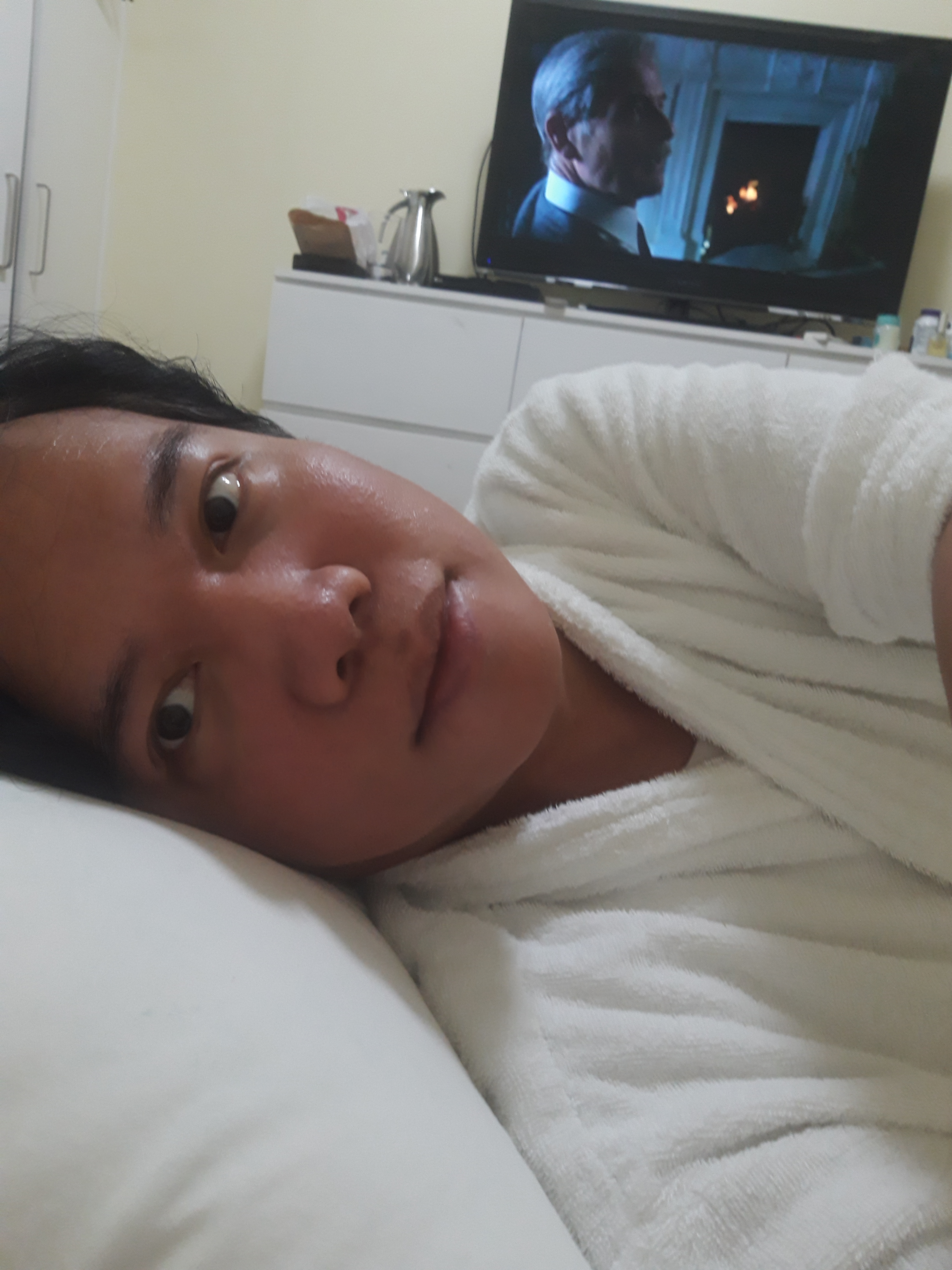
(Left) Waking up at my sister’s guest room (where I’m currently staying while recovering from the surgery); (Right) Netflix binging (#netflixbinge I’m currently hooked with “The Crown”)
Then the ugly part. This whole experience brought out the worst in me. I have a Kardashian moment (#kardashianmoment) and Godzilla demeanor at the same time (toxic combination) that I wasn’t really proud of. I never had that sense of entitlement coz I do understand how people work hard to get to where they are now (coz that’s me). But I’ve been to hell and back, so can you blame me for my actions (or more appropriately, words)? On hindsight, I could have been kinder and more understanding, which is also a learning experience for me. On the other hand, people who know me understand that I have low tolerance for stupidity (if you have read my article “Remembering Miriam Defensor Santiago,” then you’ll understand that it runs in the family). Like what I told my orthopedic surgeon, I can bear the pain of surgery but I can’t bear the pain of stupidity. I have high tolerance for pain but low tolerance for insensitivity, ineptness, inappropriateness, laziness, or simply lack of common sense. Too much of these leave you feeling a little….
…unhinged.
(Note: Thanks to Dr. Mario R. Ver, my orthopedic surgeon, who was a delight to work, collaborate, and partner with and whose Midas touch gave me freedom from sciatica. My gratitude as well to the Sisters of Carmelite for all the prayers.)








 columbusbee