
Travel and Food Buzz
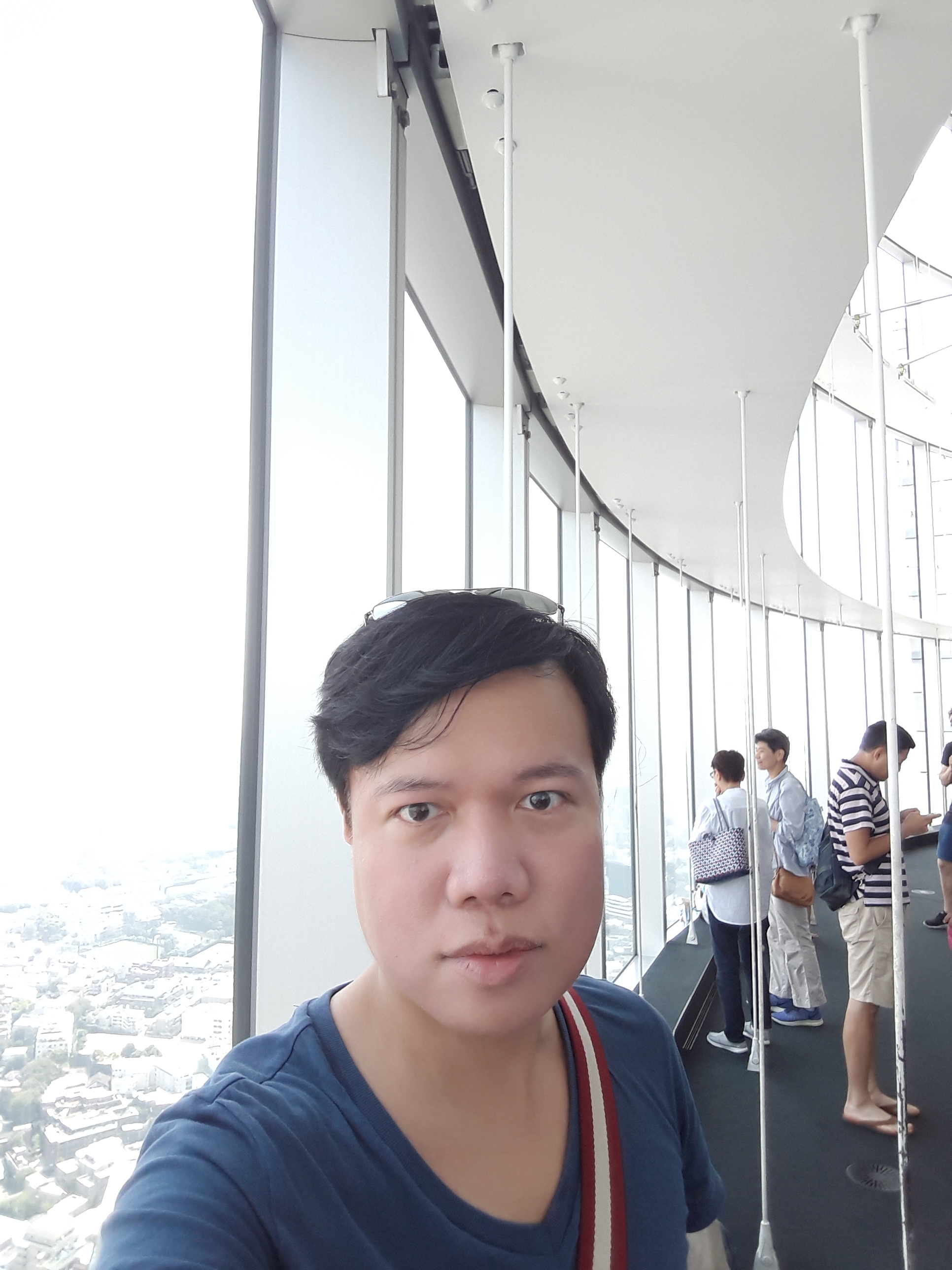
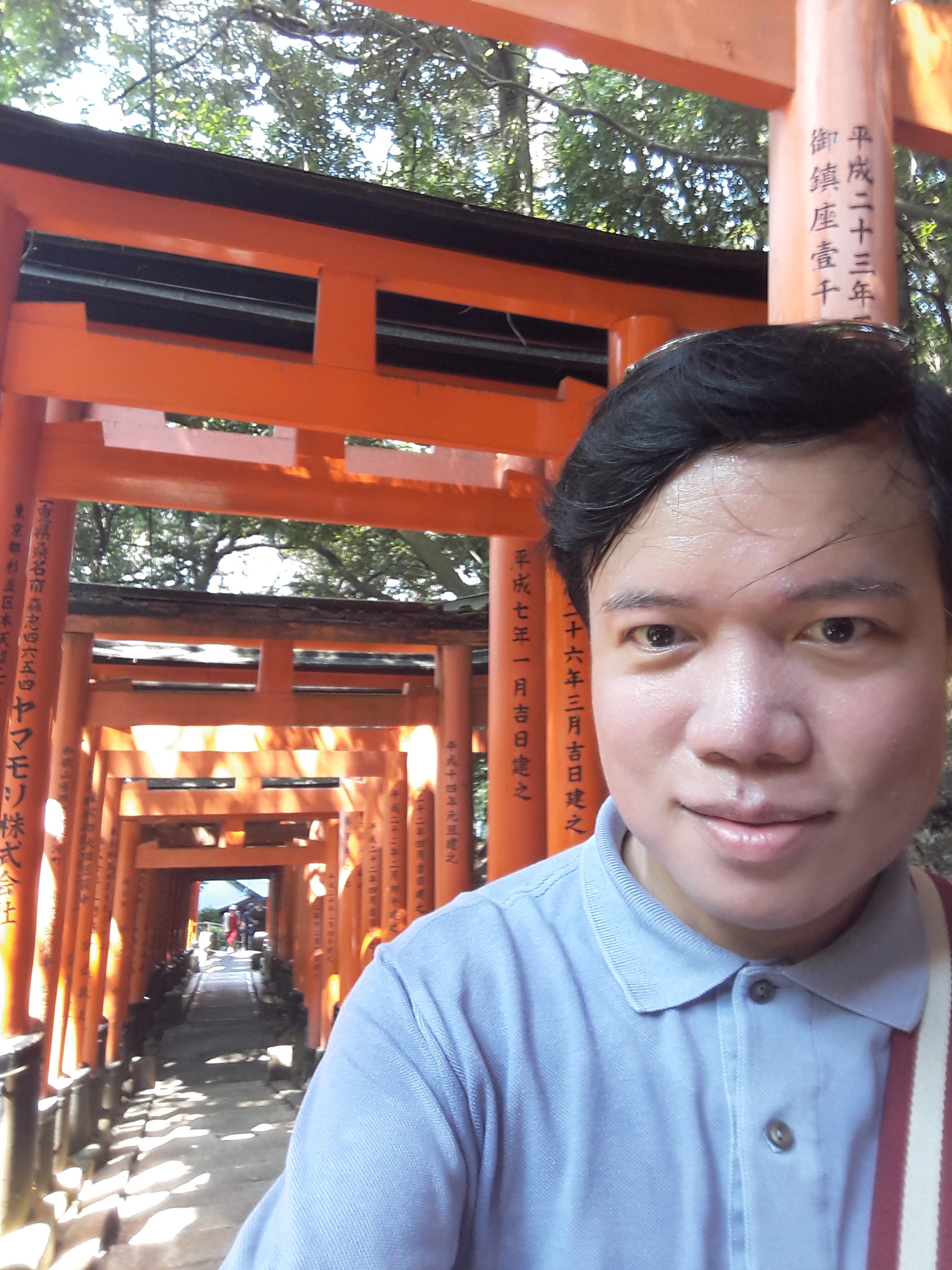
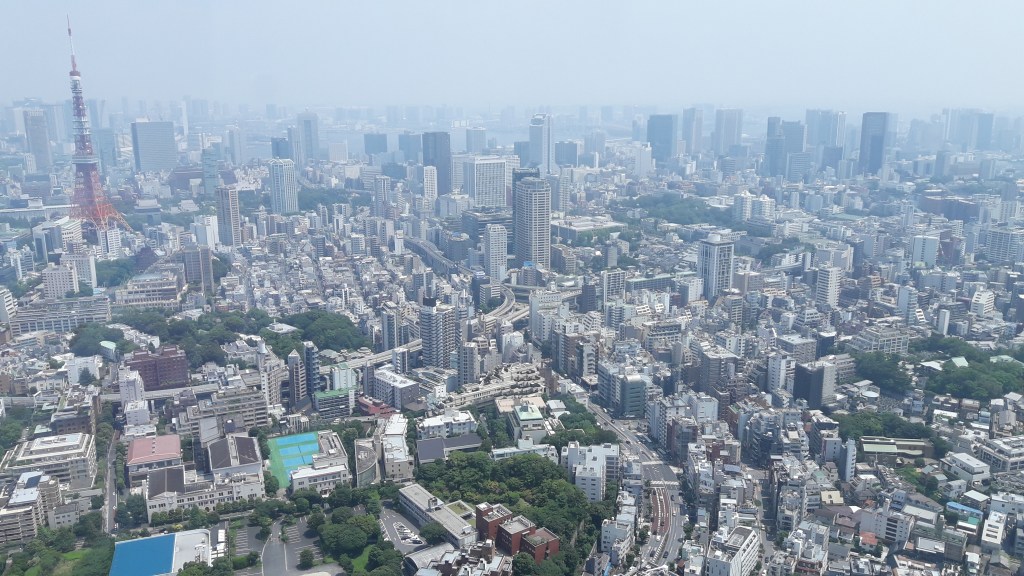
Neutral, metallic shades of Tokyo (Mori Tower Observation Deck) and vibrant, primary hues of Kyoto (Mt. Inari Foot Path)
My sister, brother-in-law, and I are planning to go to Japan in December so I thought why not write something about my last trip to the land of the rising sun. I went to Japan July last year and didn’t know that it was the peak of the summer season. Since it was my first time, I had no idea how hot and humid summers are in that country, which feels like summers in the Philippines. I don’t normally go to places when it’s too warm unless it’s a beach destination, so this is another first for me.
A lot of my friends were asking why it took so long before I finally decided to visit Japan. I don’t really have a ready answer to that, but probably because of its close proximity, I tend to see farther destinations as more desirable. My American ex-boss who’s based there even frowned on me when he learned that I keep going back to Europe almost every year yet I haven’t taken up his standing offer to visit him while he was still there. It was too late when I finally did, since he and his family left the country before the trip.
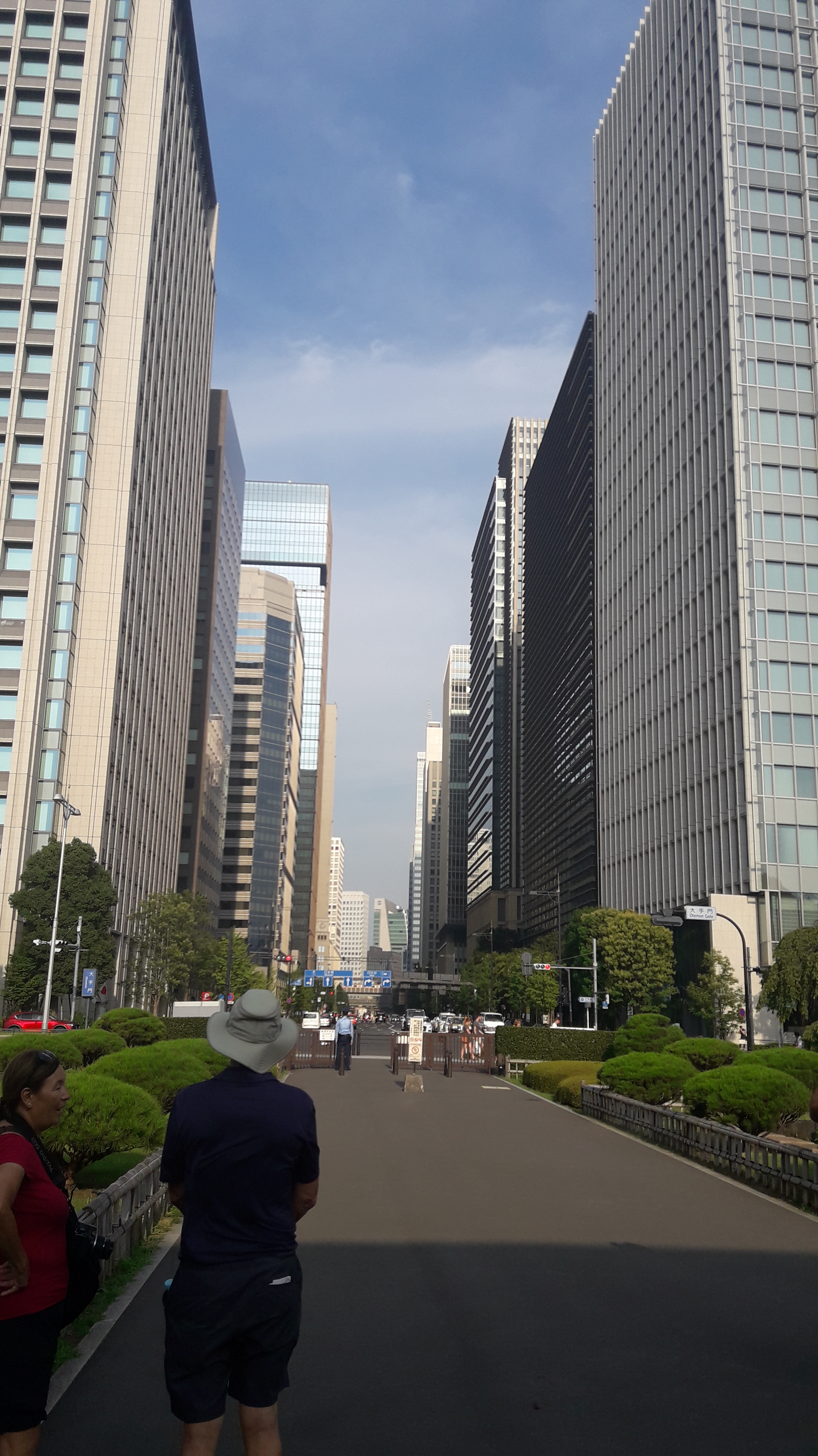
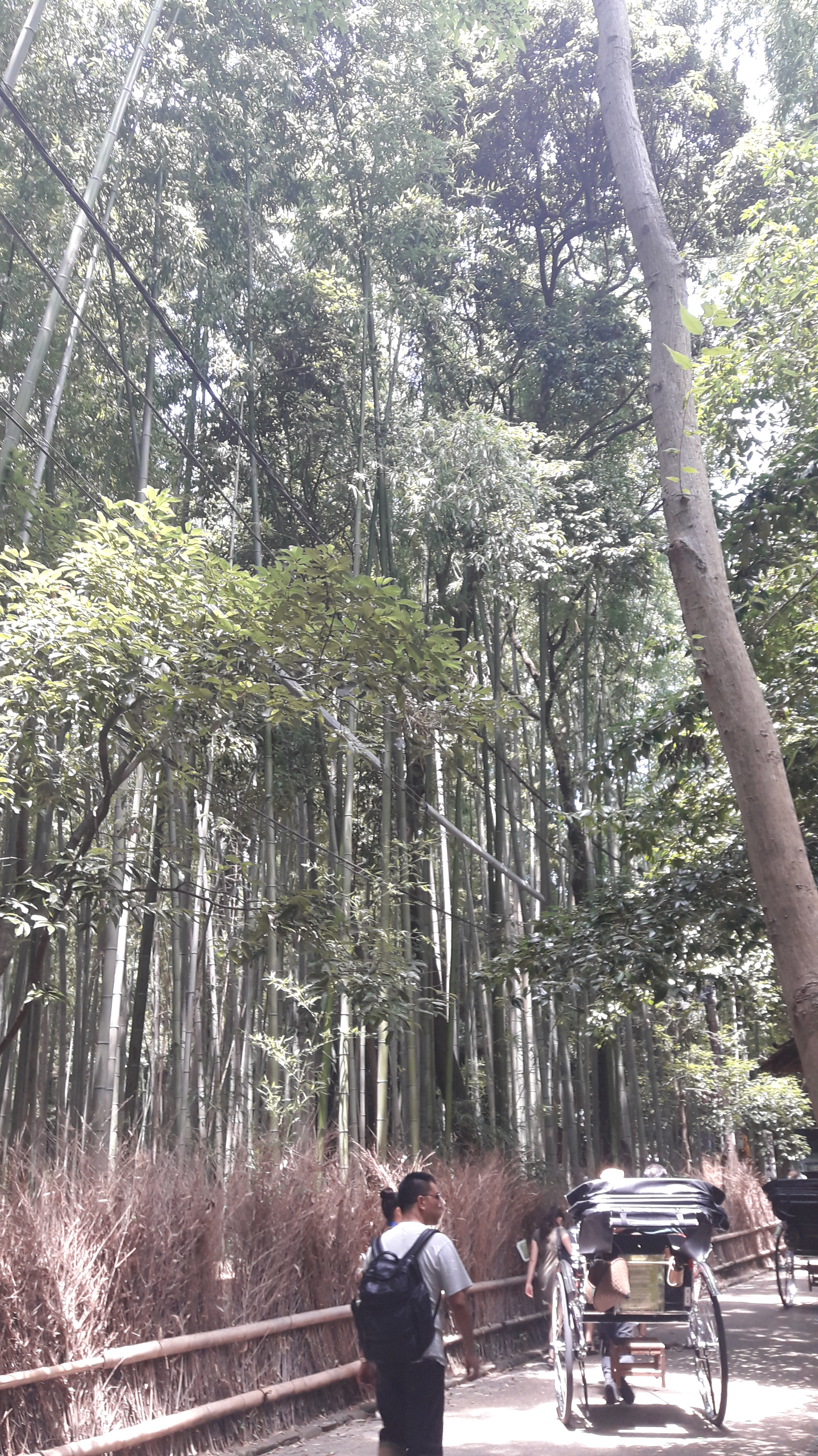
Urban jungle of Tokyo and bamboo jungle of Kyoto
Incidentally there was another fare promo that was very enticing and ultimately was the clincher. The business class fare of Eva Air to Tokyo via Taipei was a good buy (Manila-Taipei-Narita-Taipei-Manila was about $700) so I decided to book it before I changed my mind. Then I have to apply for a visa (which was quick, took only about 3 days processing time thru a travel agency) and bought a JR Pass (only offered to tourists and can only be bought in your home country since it’s not available in Japan). The pass can save you train fare big time especially if you are flying in Narita (it’s an almost 2-hour train ride to Tokyo) and have plans of taking the train to other big cities like Kyoto or Osaka. I got a 7-day pass, so it covered my return trips for Kyoto and Narita with most of my Tokyo subway rides as well. But it doesn’t come cheap (between $250-$400 depending on your choice of cabin class) just like everything else in Japan.
Tokyo
I stayed in Shinjuku area (known as the red light district or the “district that never sleeps”), where I booked a room at Ibis Tokyo Shinjuku. The room came with a mobile phone (called “Handy”) which you can use (for free) for navigating the city as well as knowing which subway line to take to reach certain stations. You can also make free international calls to certain countries (unfortunately, Philippines was not one of those select countries). I learned while I was there that Tokyo is like a cluster of districts (where an area also called Tokyo is one of these districts, along with Shinjuku). I used my Le Club Accor for this accommodation and it is in a very good location since it is accessible to the subway station (to reach the other districts) and most of the dining, shopping, and entertainment spots. As expected, the area was bustling with people day and night in spite of the summer heat. I was quite overwhelmed with the dining options that it took me a while to finally settle for a resto to have my first dinner.
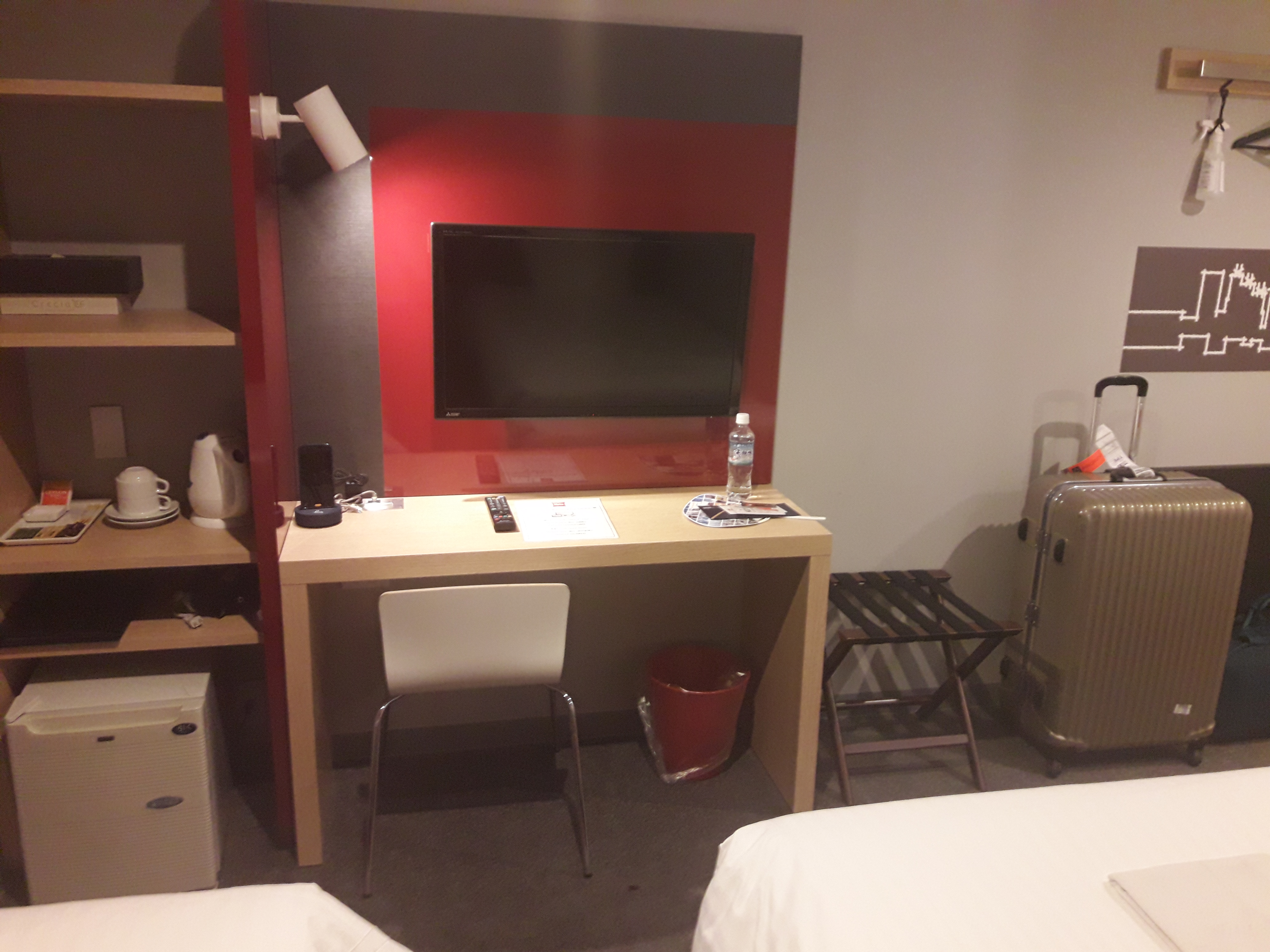
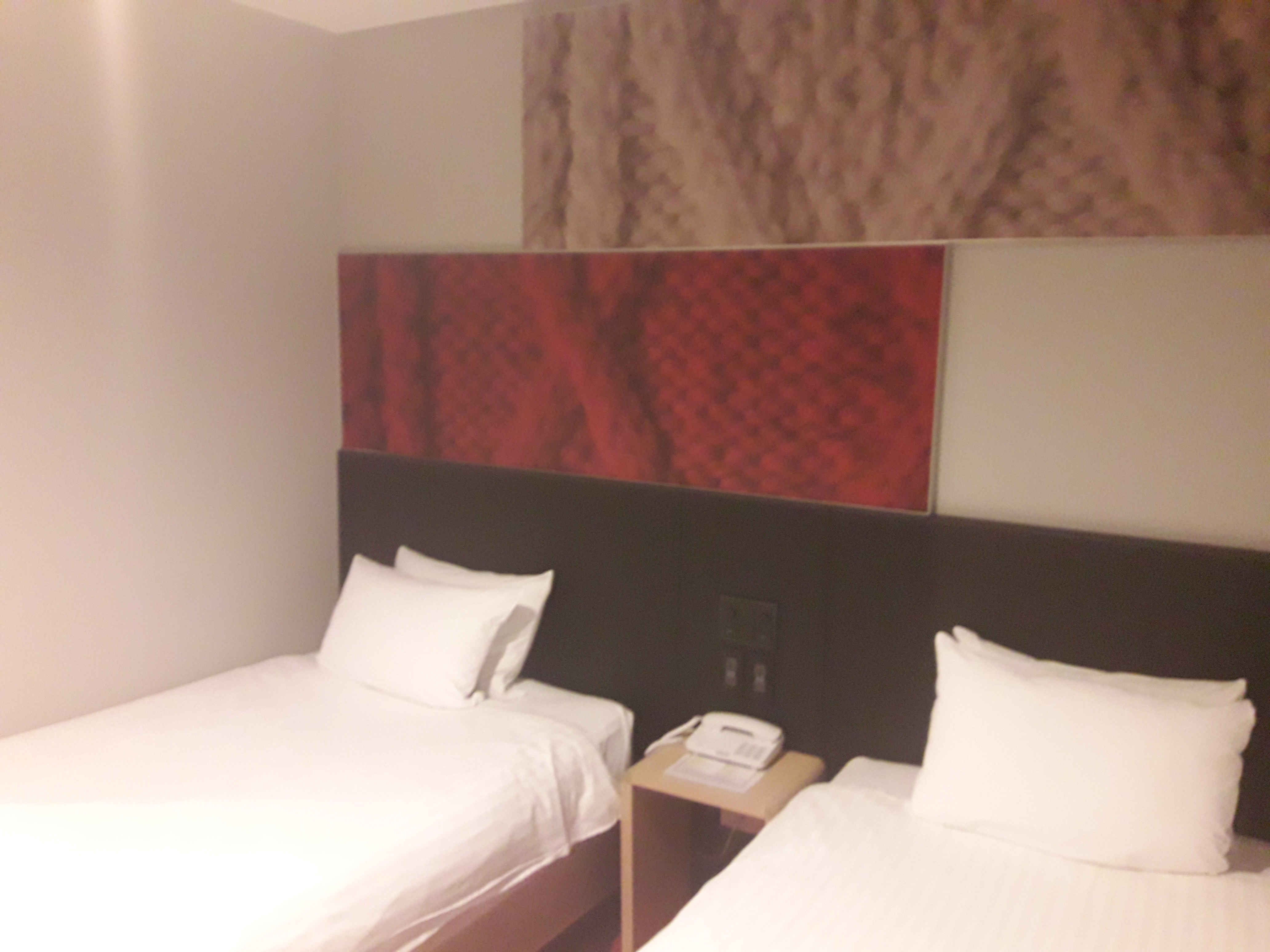
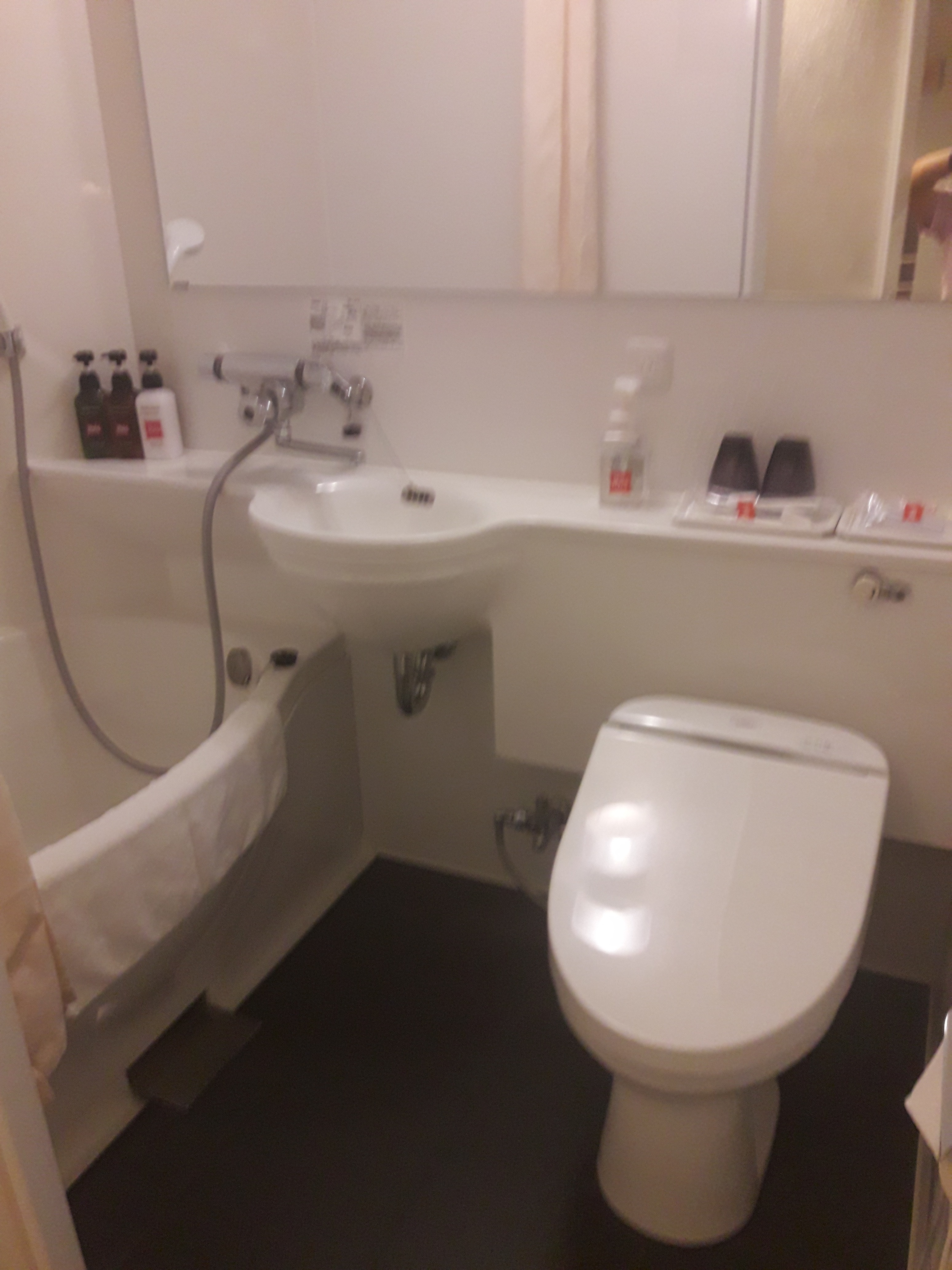
My room (Ibis Tokyo Shinjuku). I got the twin coz it’s the biggest room (in a country where space is a luxury, this one is a good buy)
The first morning since I arrived in the hotel I had breakfast which consisted of typical buffet fare. It was a decent selection, but what really fascinated me was the miso soup machine that operates like a coffee maker. You insert your bowl and press a button and hot water and miso paste come out from separate dispensers. The paste mixes with the running hot water to make a bowl of miso soup. You thought it may just be another fancy invention that produces mediocre, plain, bland, copycat of a miso soup, but this one was delicious! I would have at least two helpings every morning while I was there. I was even wondering where I can buy the machine and the paste, but never cared to ask since I can’t bring home an equipment that is not so light to carry or check in my luggage. Speaking of technology, another thing that I love about Japan is the heated toilet seats and automated bidet. Both private and public restrooms would have these, and for that alone, I would come back to Japan in a heartbeat. If I could only collapse and carry it back home, I would.
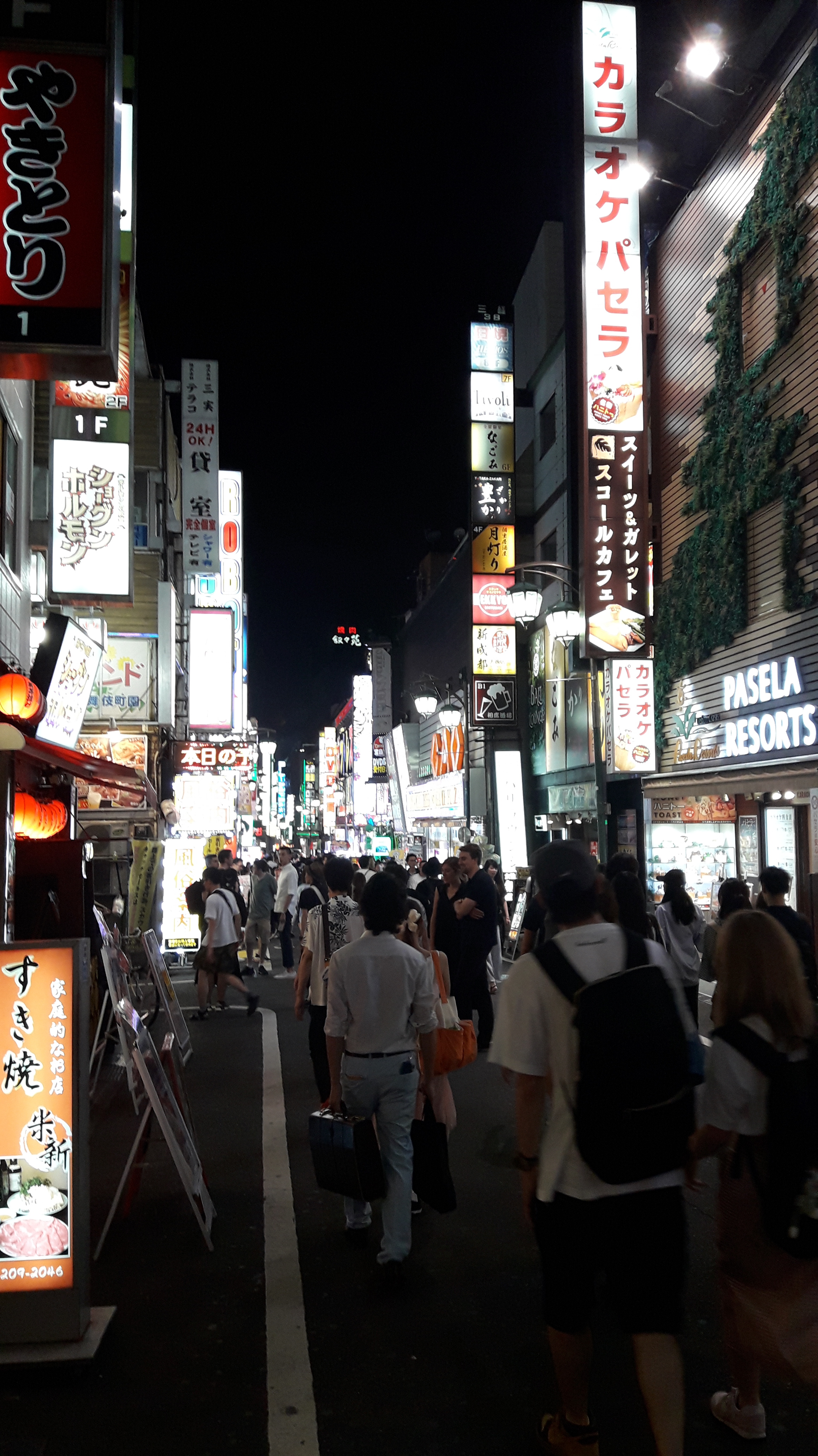
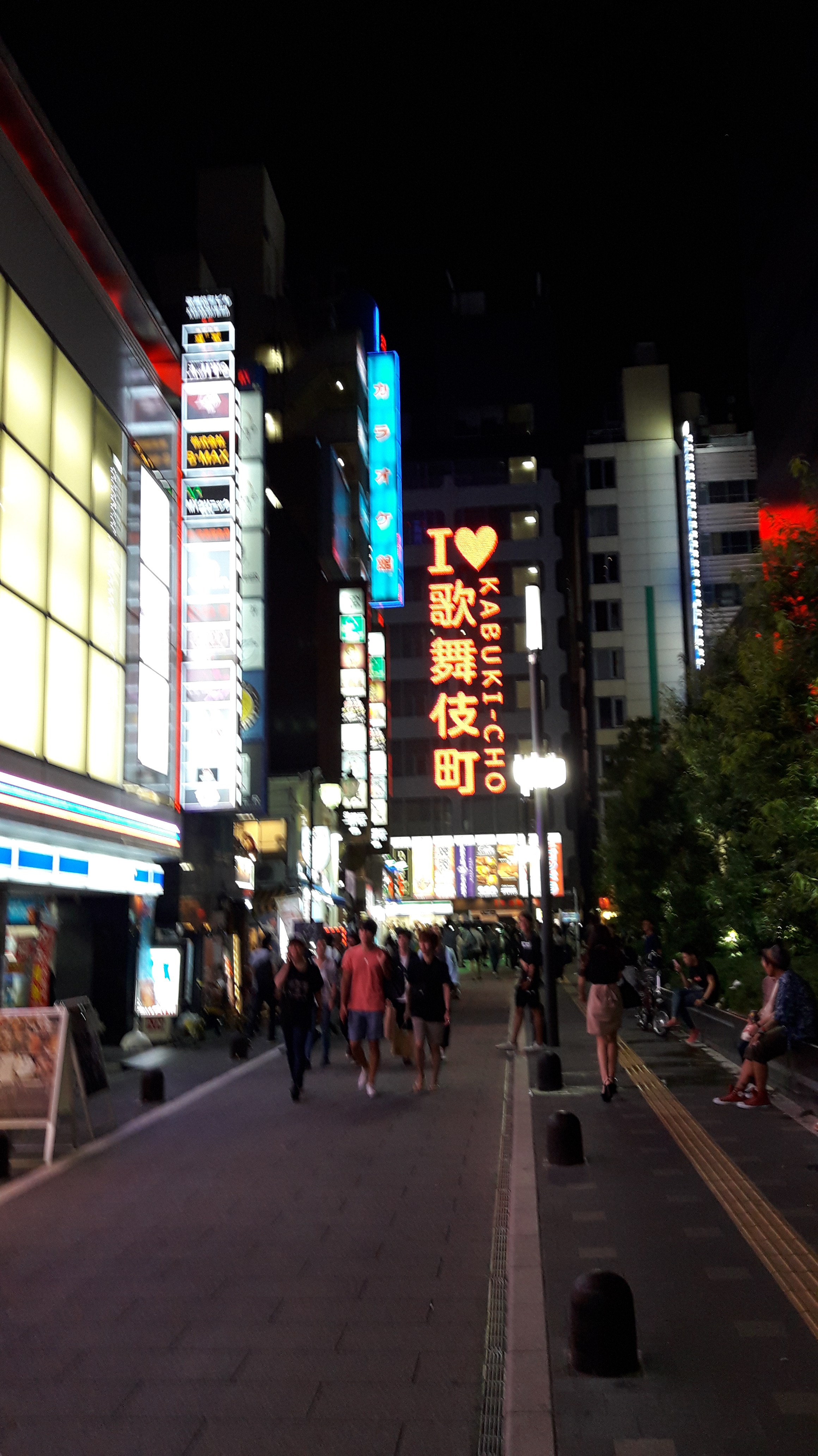
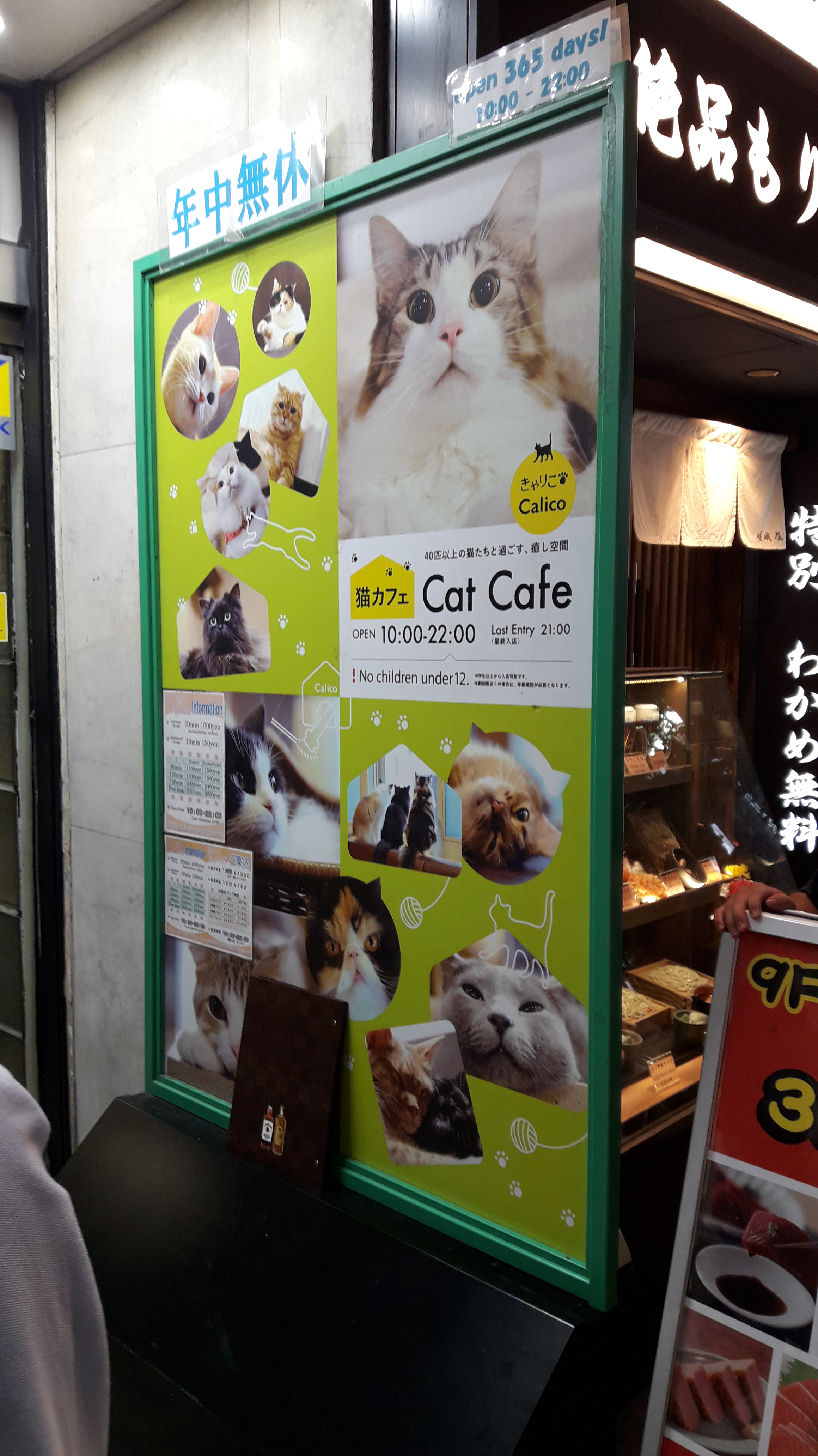
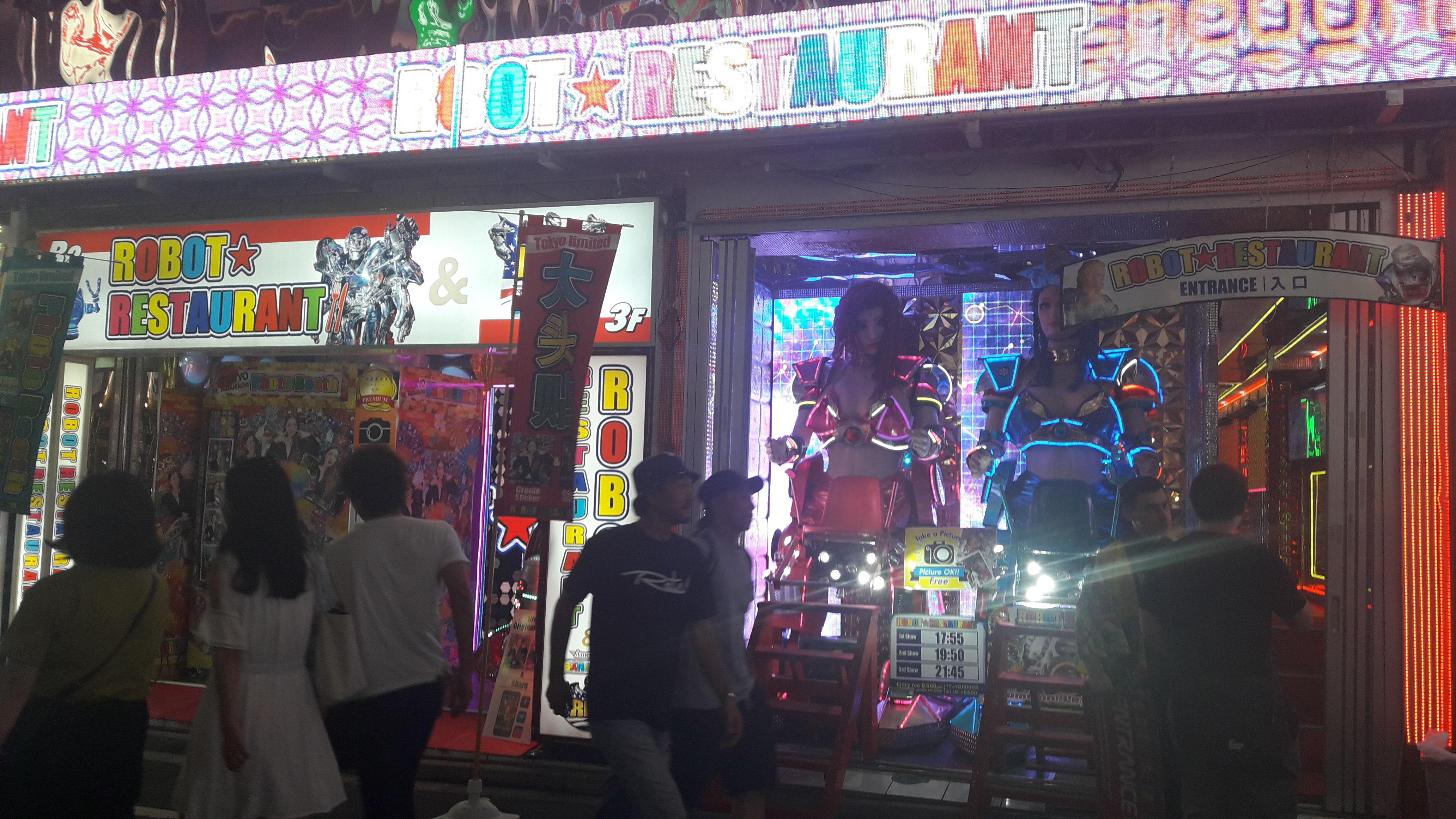
Shinjuku After Dark
With always a full tummy every morning, I would start exploring the city just like any other tourist. It was difficult though to move around under that scorching summer heat but fortunately, there were shops that gave away free plastic hand fans. So imagine me walking around with a fan on one hand and a bottle of water on the other. It is important to get hydrated during this time of the year, when one can easily get a heat stroke (you could hear the sound of the ambulance siren not just once or twice a day, which probably were the ramifications of the heat wave). During nighttime, I would explore Shinjuku area which is known for its varied entertainment fare (arguably the entertainment capital of Tokyo) where some of the notable sights were the robot restaurants and the animal cafes. So during the day I would see other tourist spots like Roppongi Hills (with Mori Tower where you can get a good bird’s eye view of the whole city thru its observation deck as well as thru its sky deck/rooftop/helipad) where I spotted a branch of the popular New York burger resto Shake Shack, Imperial Palace (with its lush parks and gardens), Shibuya (popularly known for its jampacked pedestrian crossing at any given time of the day), Tokyo Skytree (where you can get another good view of the city after dark thru its viewing deck), temples and shrines (where you can write your wishes on an “Ema” and hang it up among the others fronting the statues of the temple gods), and shopping districts.
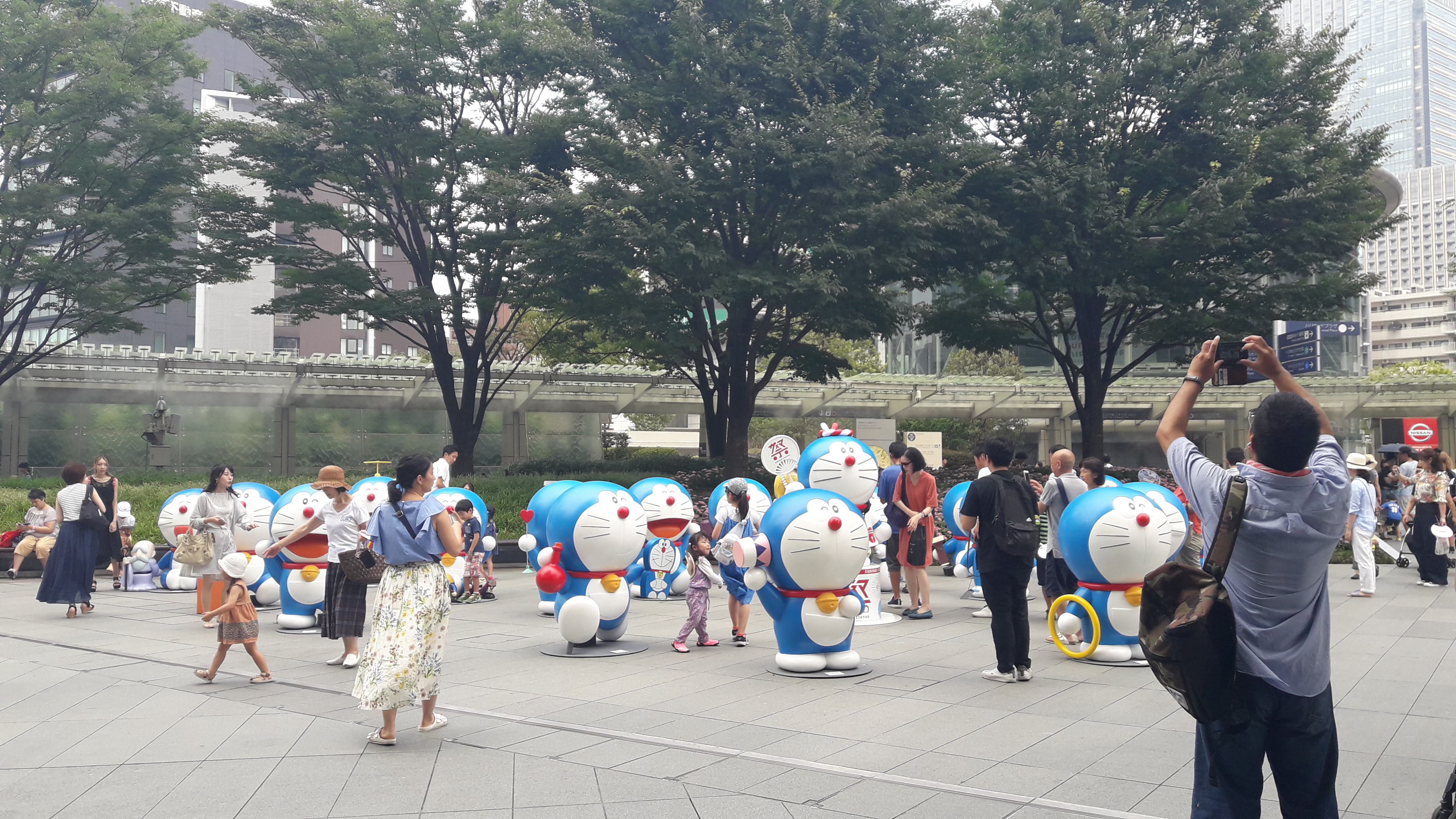
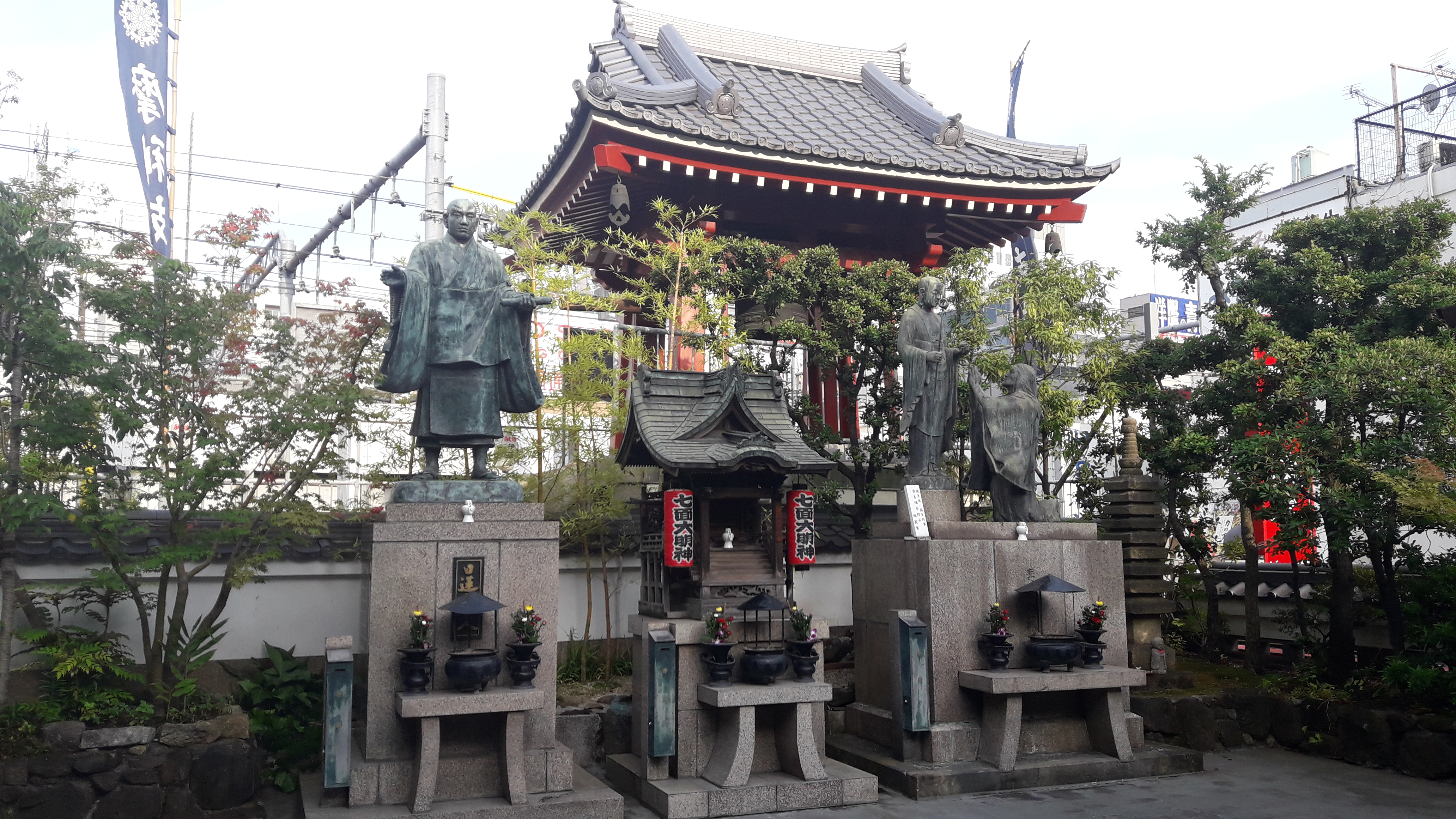
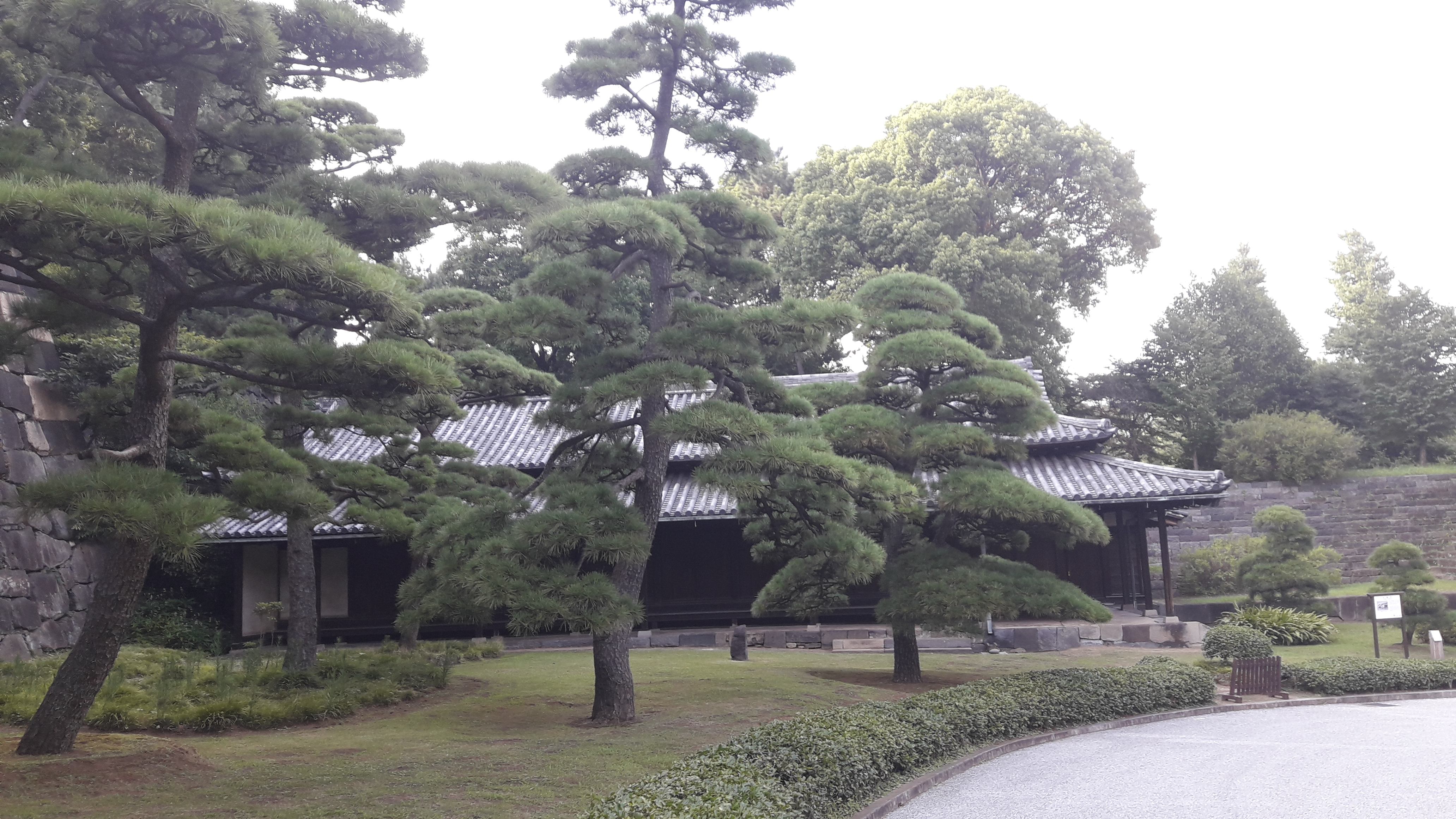
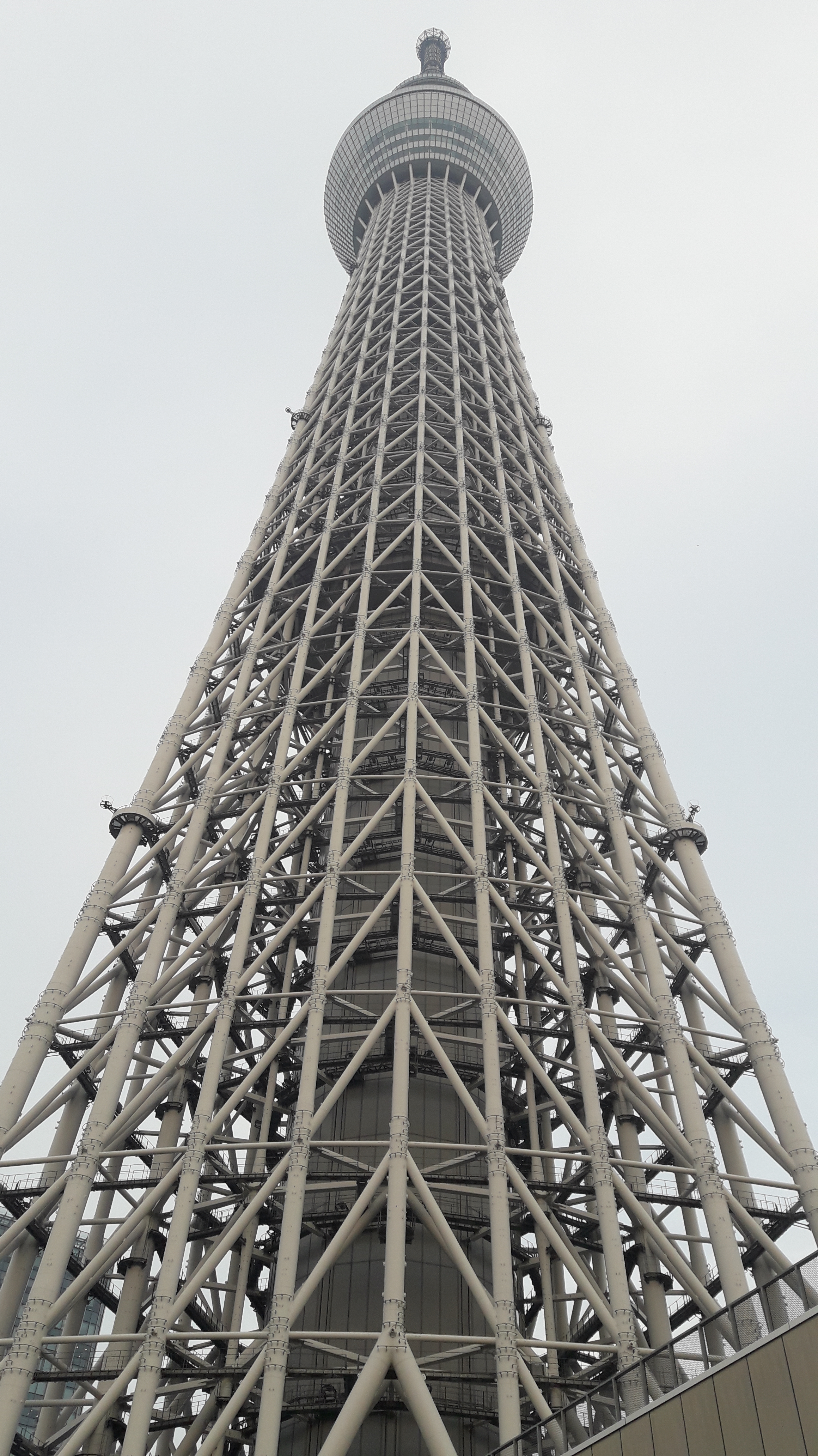

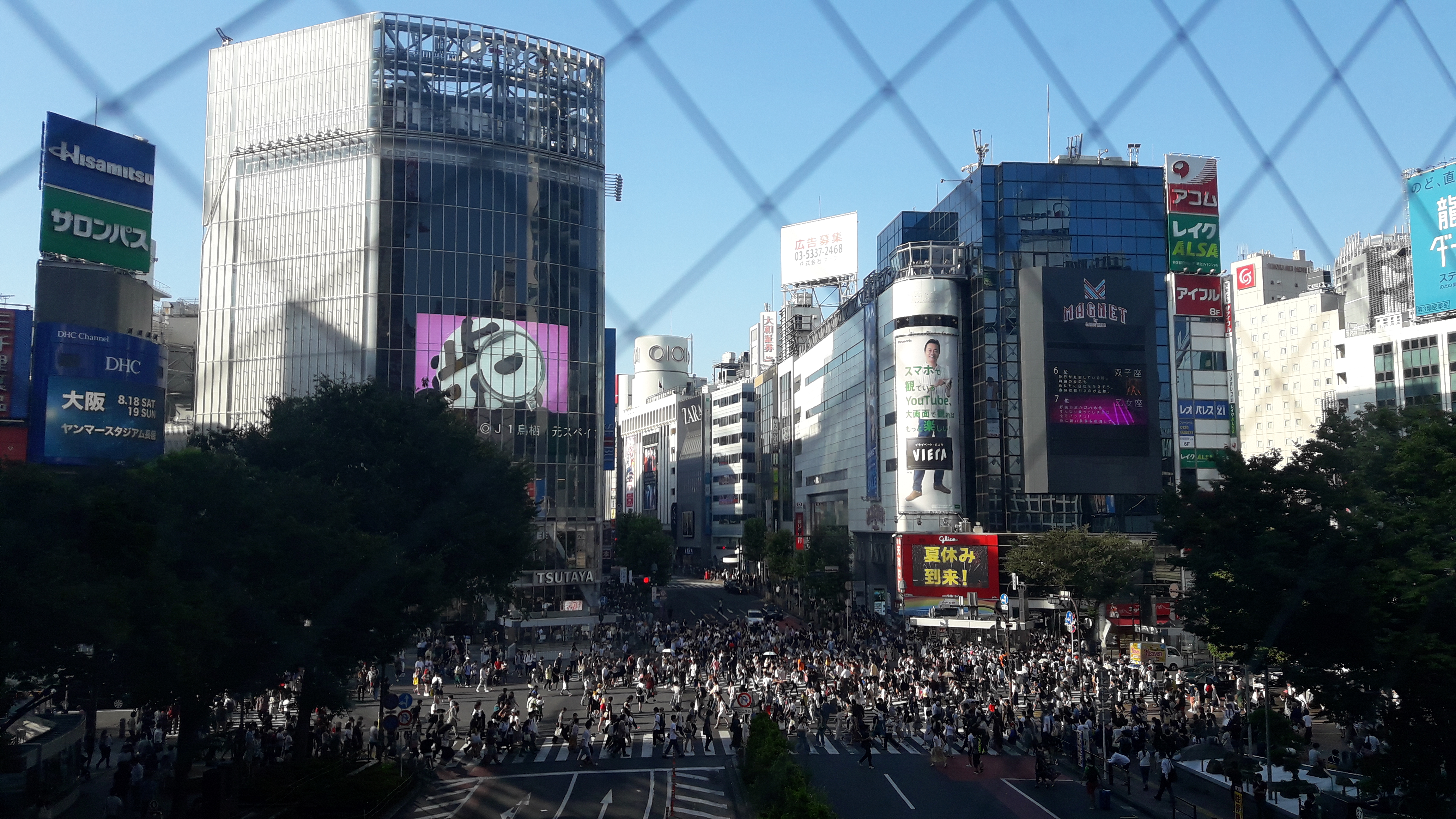
Sights of Tokyo: cute Doraemons (Roppongi Hills), temple/shrine, lush gardens (Imperial Palace), jampacked pedestrian crossing (Shibuya), towering heights (Tokyo Skytree), and “Ema” (wood tablet where locals write their wishes to the temple gods)
When it comes to shopping, Tokyo is shoppers paradise. They have this so-called “shotengai” which is similar to the grand bazaars of Istanbul or the medinas and souks of Casablanca and Marrakesh where shops line up in maze like fashion. If you are a fan of anime (which I’m not, sorry), then these are the places for you. Some of the popular ones are Nakano Broadway (for vintage watches) and Ameyoko Market (for street food and second hand or hand me downs luxury designer bags). Knock off luxury goods are illegal in Japan, so second hand items are very popular among shoppers who look for good buys. Not sure why there were a lot of those, either the Japanese elites just want to declog their closets to free up some precious space (space is a luxury in Japan) and fill them up with in-season (and I’m speaking fashion) items. Or maybe some fell on hard times that they have to let go and sell or pawn their luxury goods. But if you want a hassle free shopping, I’ve discovered (thanks to my cousin Jean who has been to Japan a few times) Don Quijote (yes, they spell it with a ‘j’ instead of an ‘x’) and Daikokuya, where you can find the same items (and more) from the shotengais all under one roof. Guess what? Both are just stone throw away from my hotel.
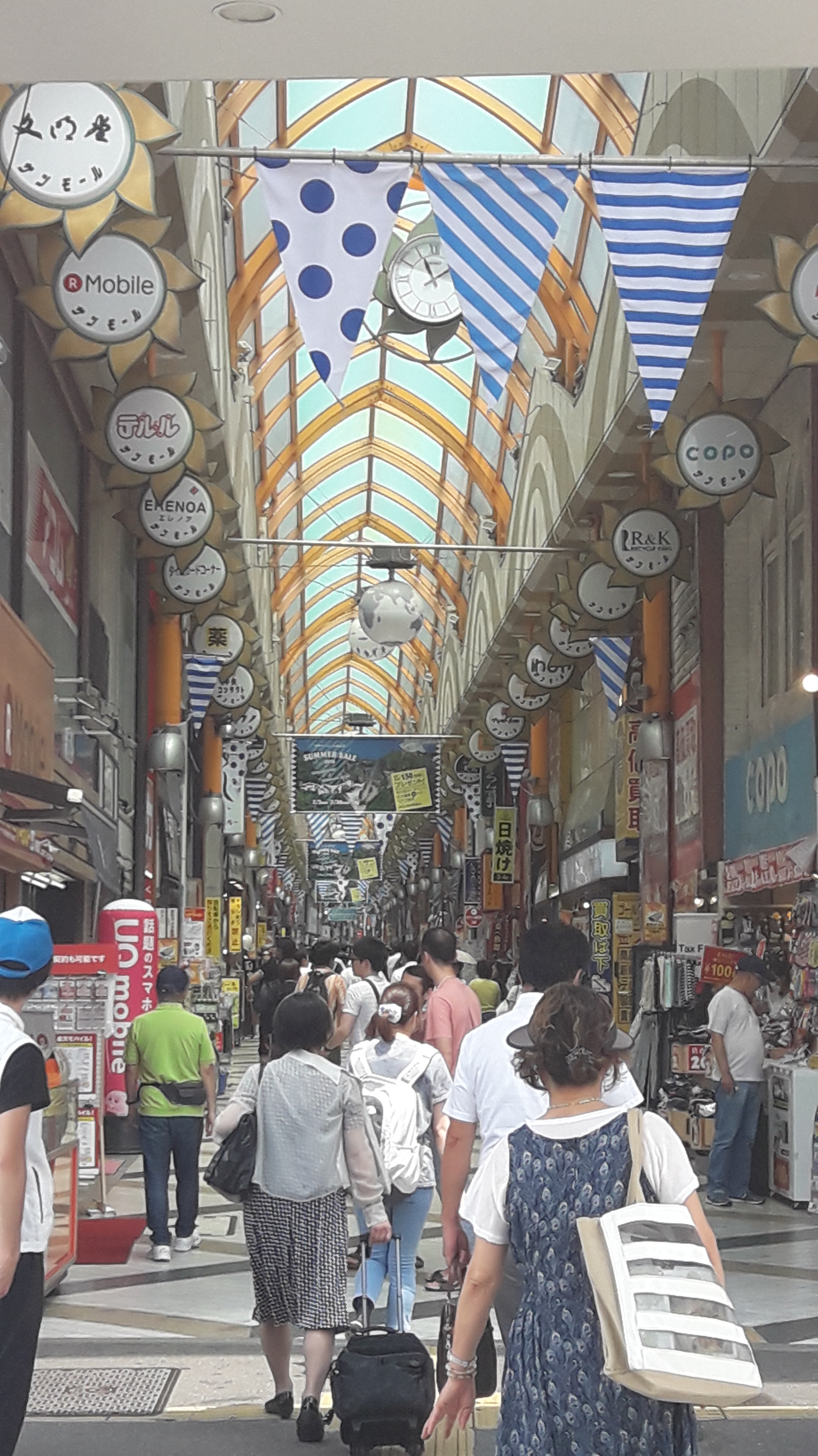
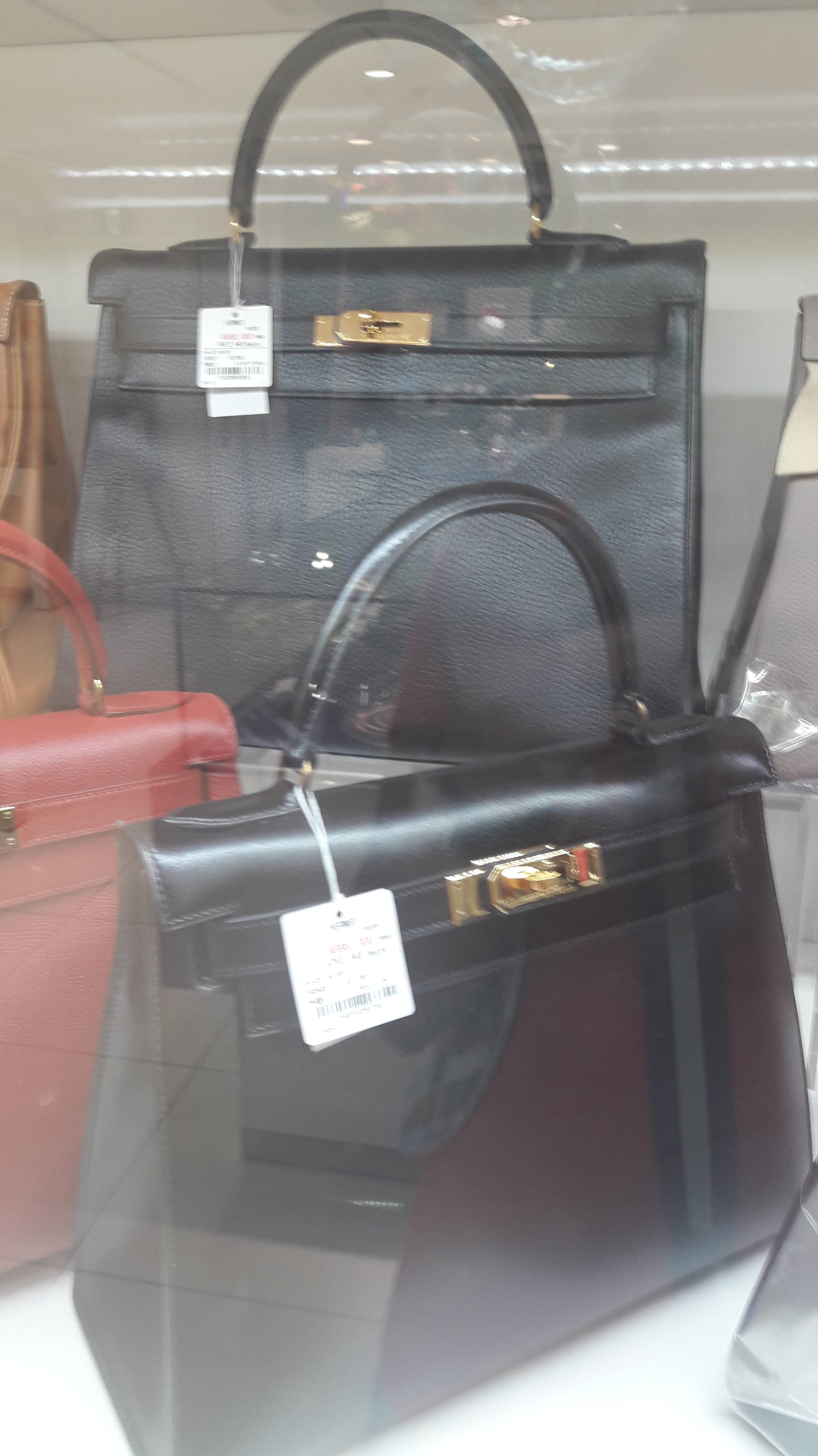
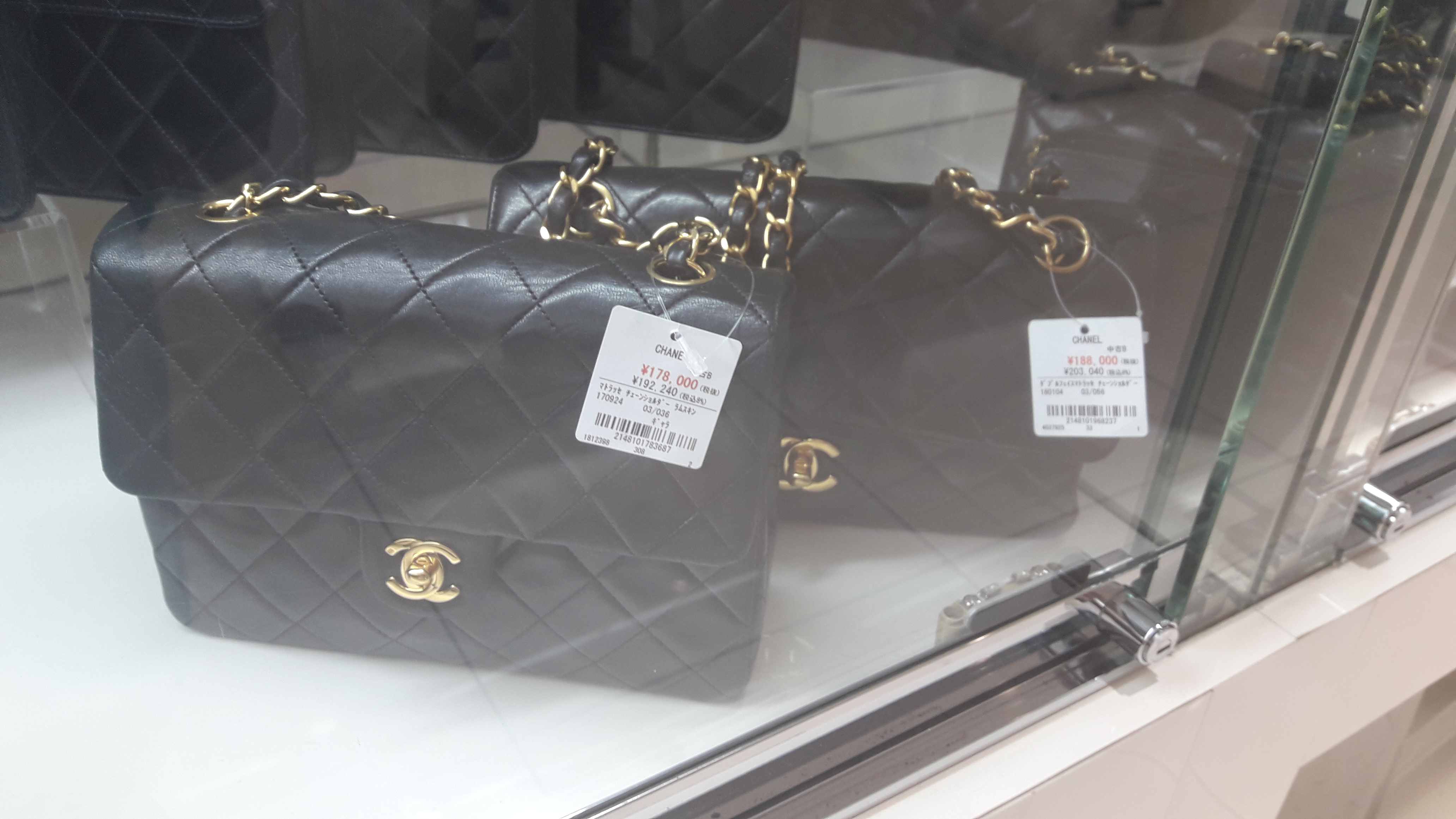

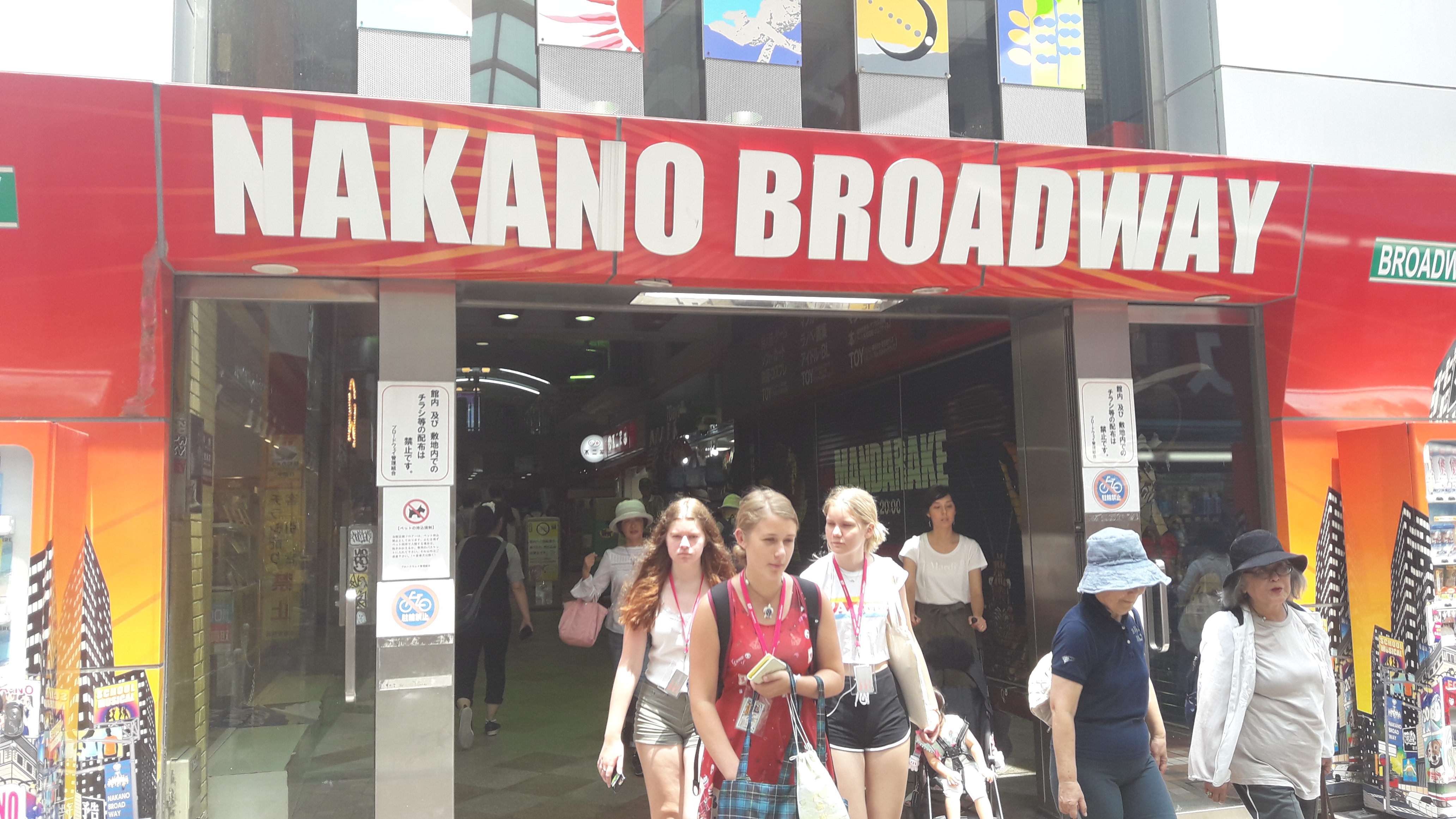
Shotengai or shopping havens where you can splurge on second hand designer bags and vintage watches among other good finds
Of course, the food is just to die for. In my short stay in Tokyo, I have appreciated Japanese food probably more than I could imagine. I never thought I would fall in love with the food. I’m not new to Japanese food, but I’ve never been fond of it until I’ve finally had a few in this food connoisseurs delight of a place. There’s the popular Tsukiji Market for street food, but because it was the peak of summer, I tried to avoid food in such places where it can easily get spoiled, particularly the raw ones. So I ended up having my sashimi fix in a neighborhood resto, which offers lunch specials that consist of a bowl of different seafood sashimi with rice and soup. Then there’s the mouth-watering wagyu beef sirloin that sort of melt in the mouth like butter. I had it in a classy teppanyaki resto in Kabuki-cho called Yasaiya Teppanyaki. You have to have it medium rare (as how steaks should be) and just be prepared to fork out at least $80 for a good meal. I had some firsts as well, like the unagi (Japanese eel) where I had what they call ‘hitsumabushi’ or Nagoya style unagi. I also tried this resto that specializes in beef tongue, where I had a combo of beef kalbi, pork loin, another kind of pork, and of course, beef tongue. The beef tongue was chewy, so good thing I had the other meat viands. My ultimate first though was the iconic Ichiran Ramen. Cousin Jean vibered me saying I can’t leave Tokyo without trying Ichiran Ramen. There’s a branch near my hotel so I went. Boy, am I glad I did. Just like the colors of Tokyo, it was muted, tempered, and yet overwhelming to the senses. This food journey was an experience bigger than the trip itself.
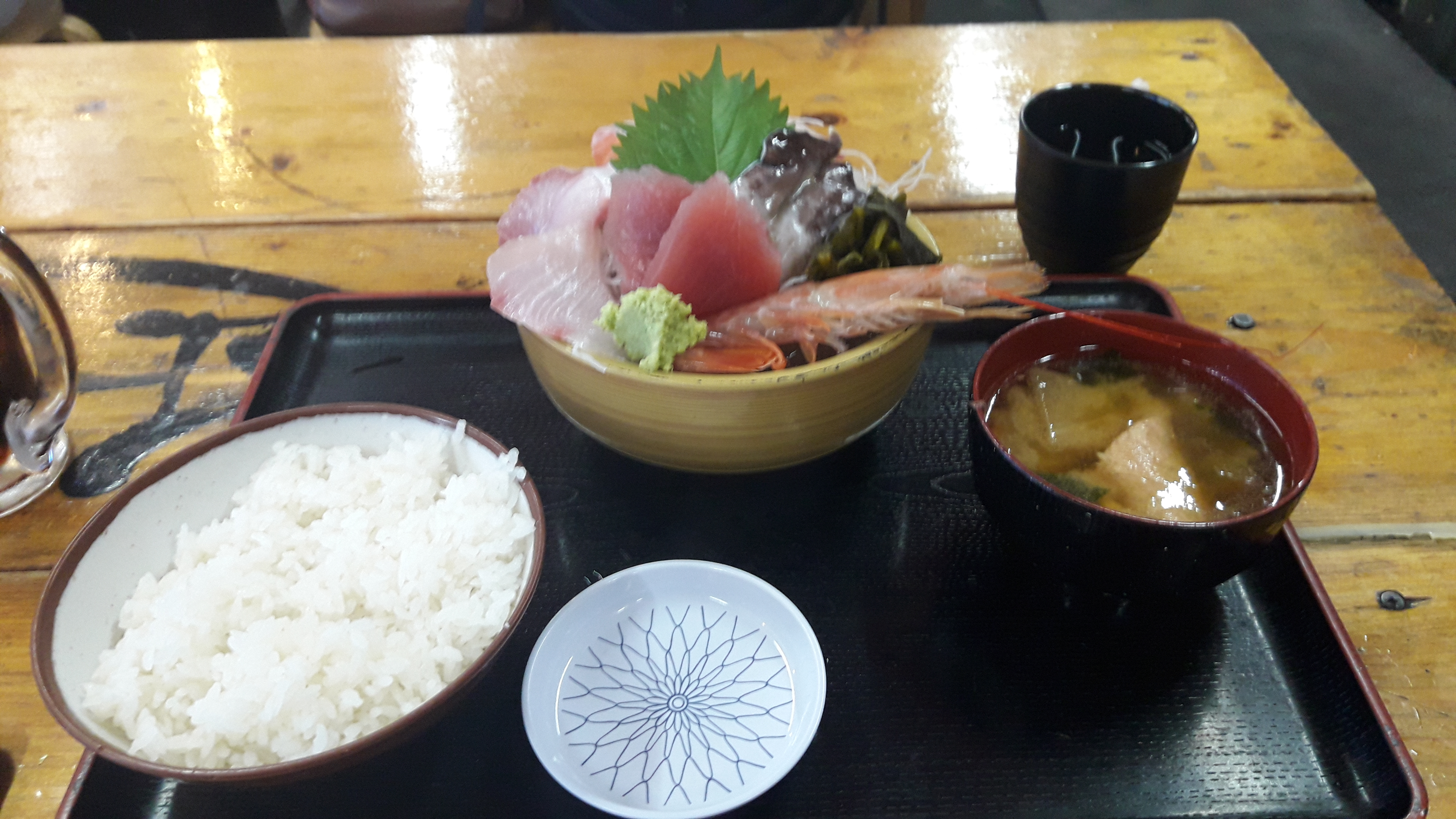
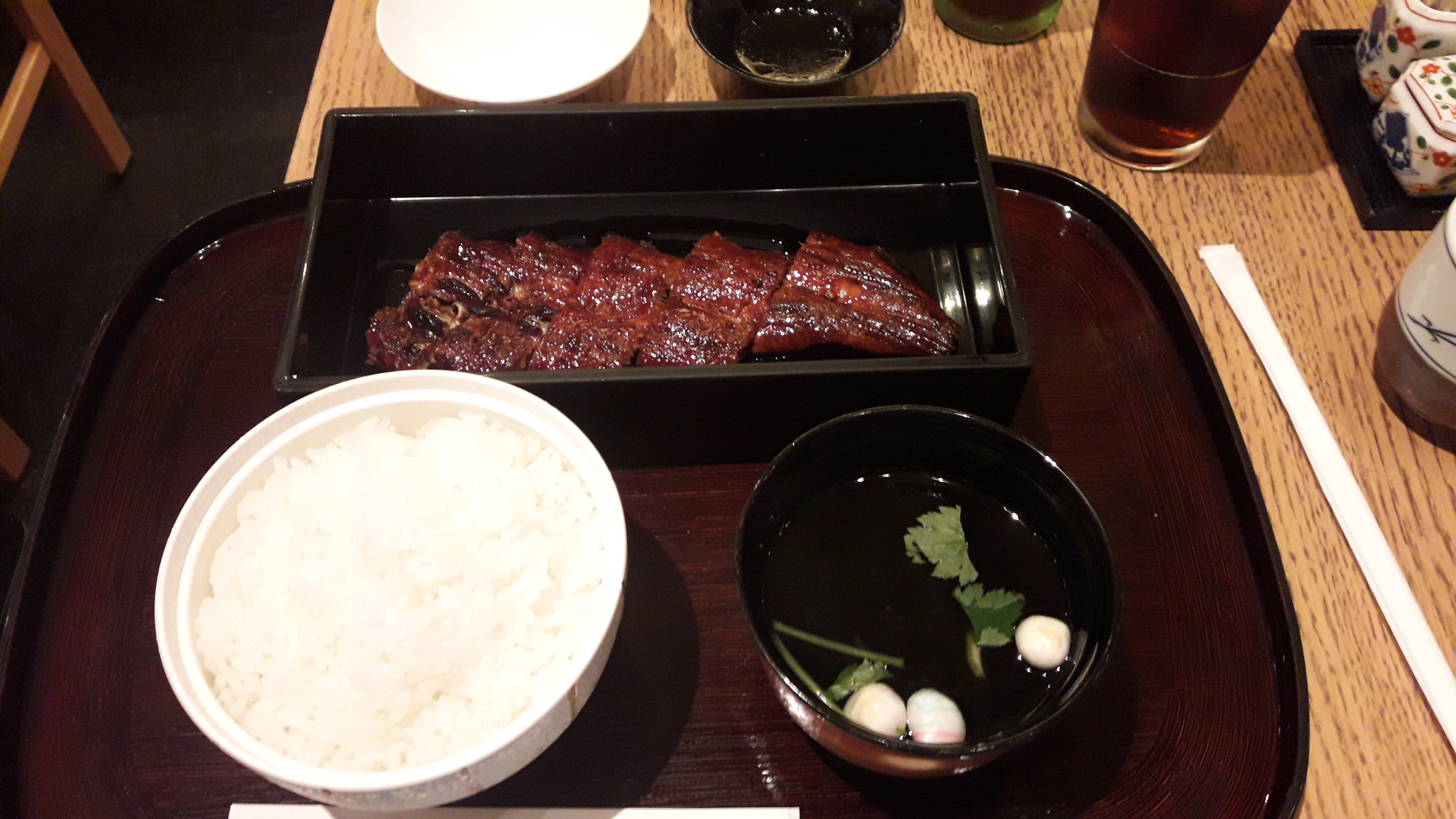
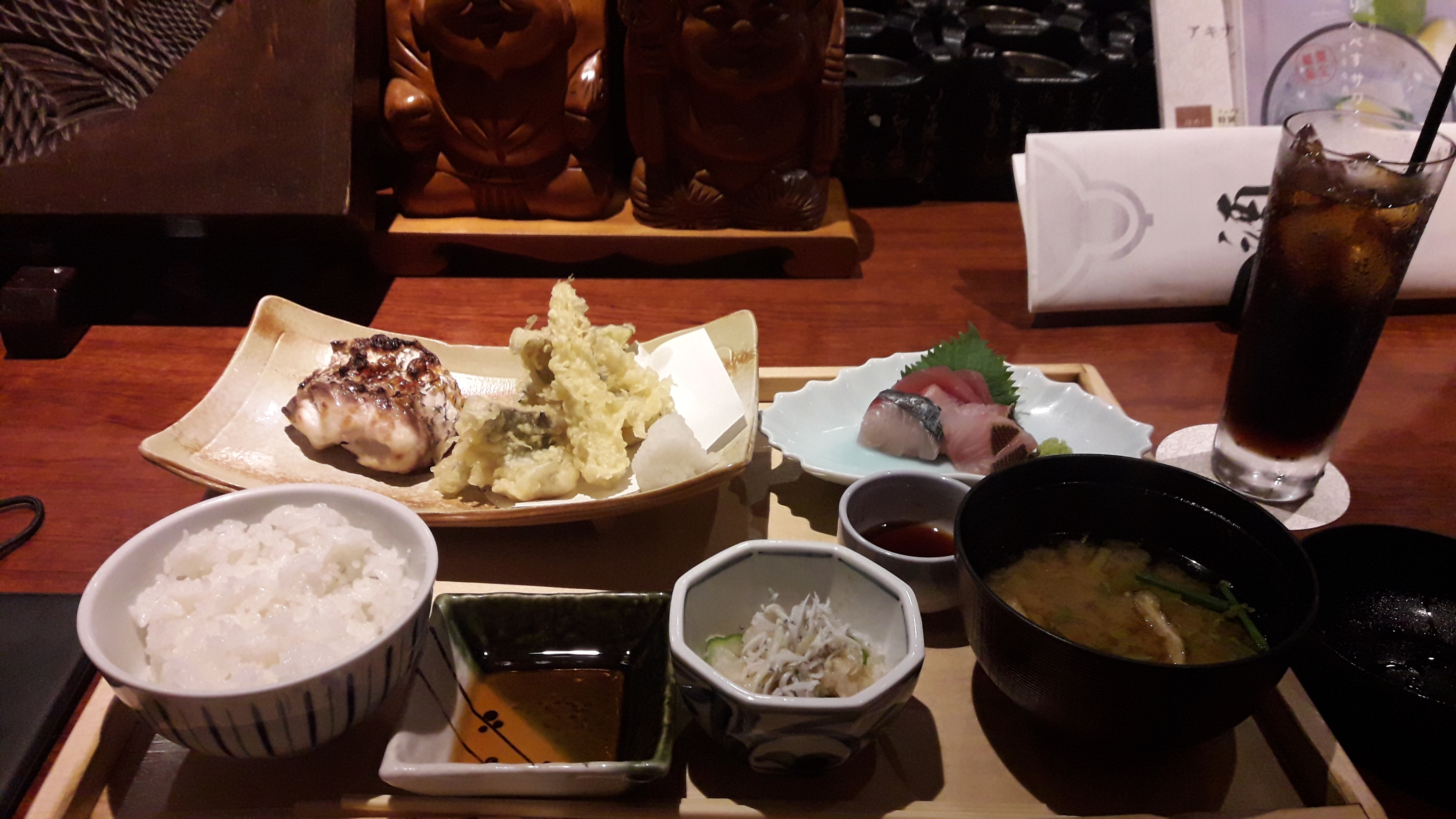
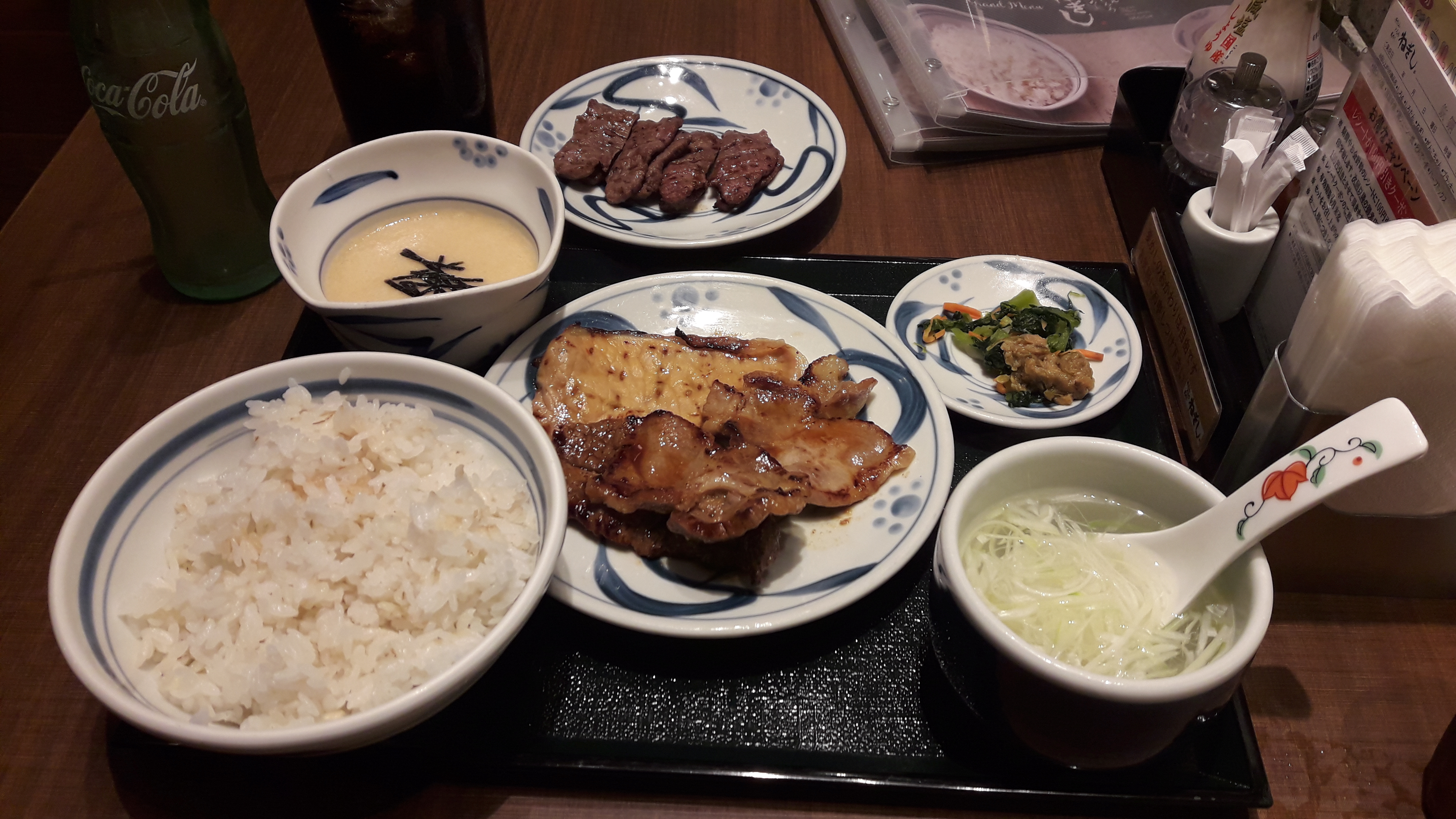
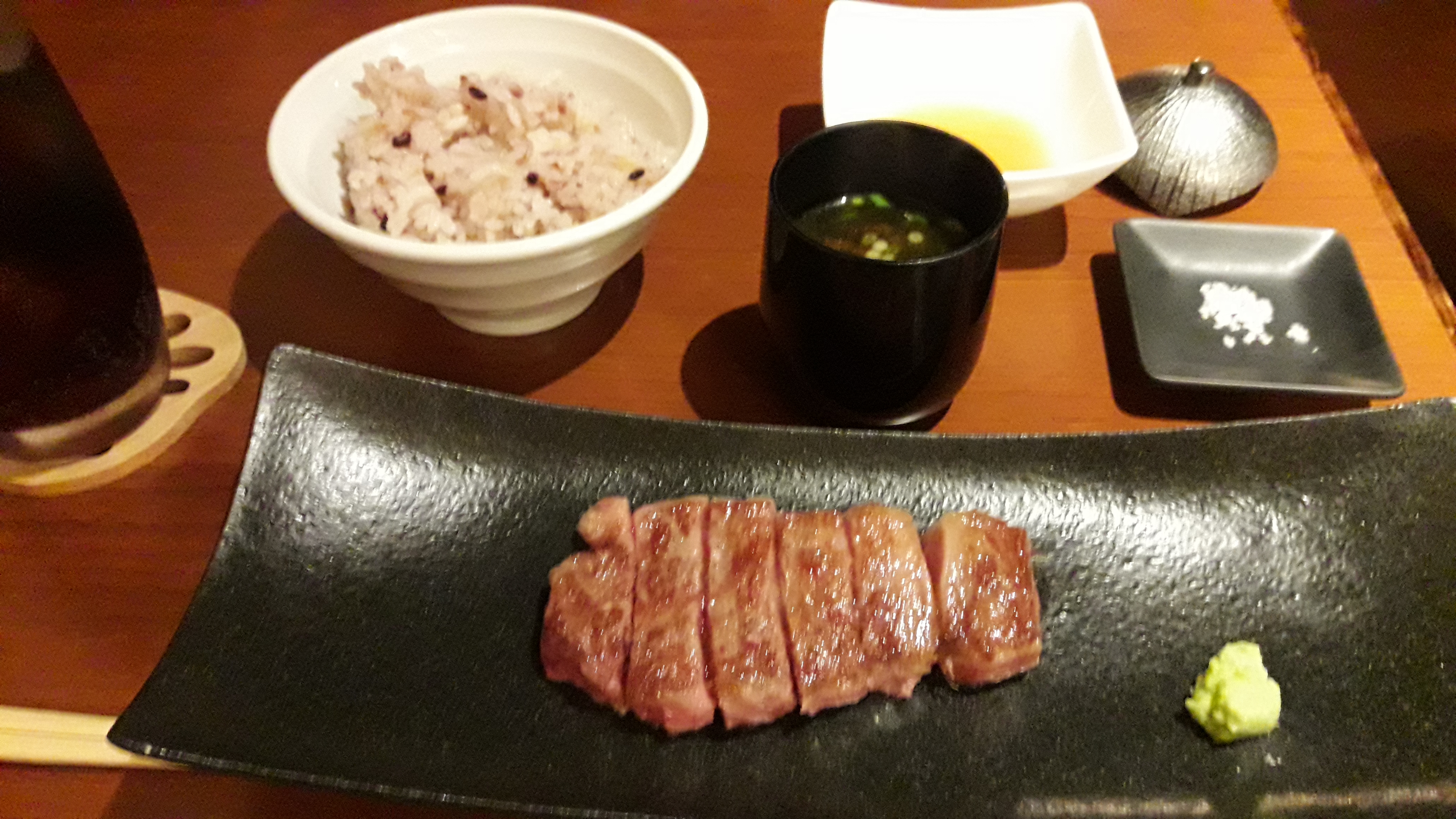
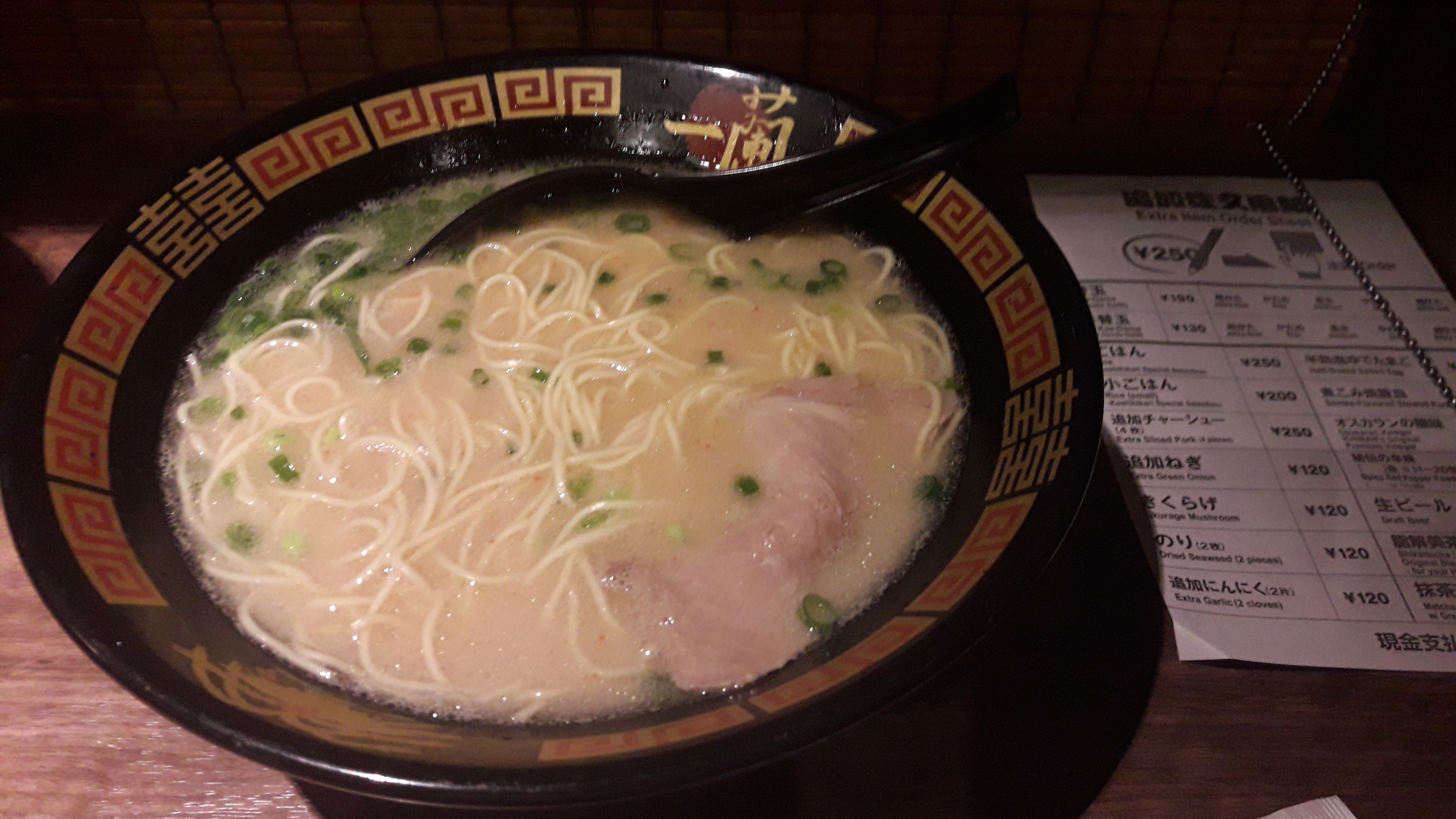

My Japanese food journey (clockwise from top left): bowl of seafood sashimi, unagi (japanese eel), combo of beef tongue and other meat viands, seafood tempura, Ichiran ramen, wagyu beef sirloin, and bento of sashimi, tempura, miso soup, and grilled fish. Did I say all are delish?
(Up next: Kyoto)
 columbusbee