Life is a Beach (Second of Two Parts)

Travel and Positivity Buzz
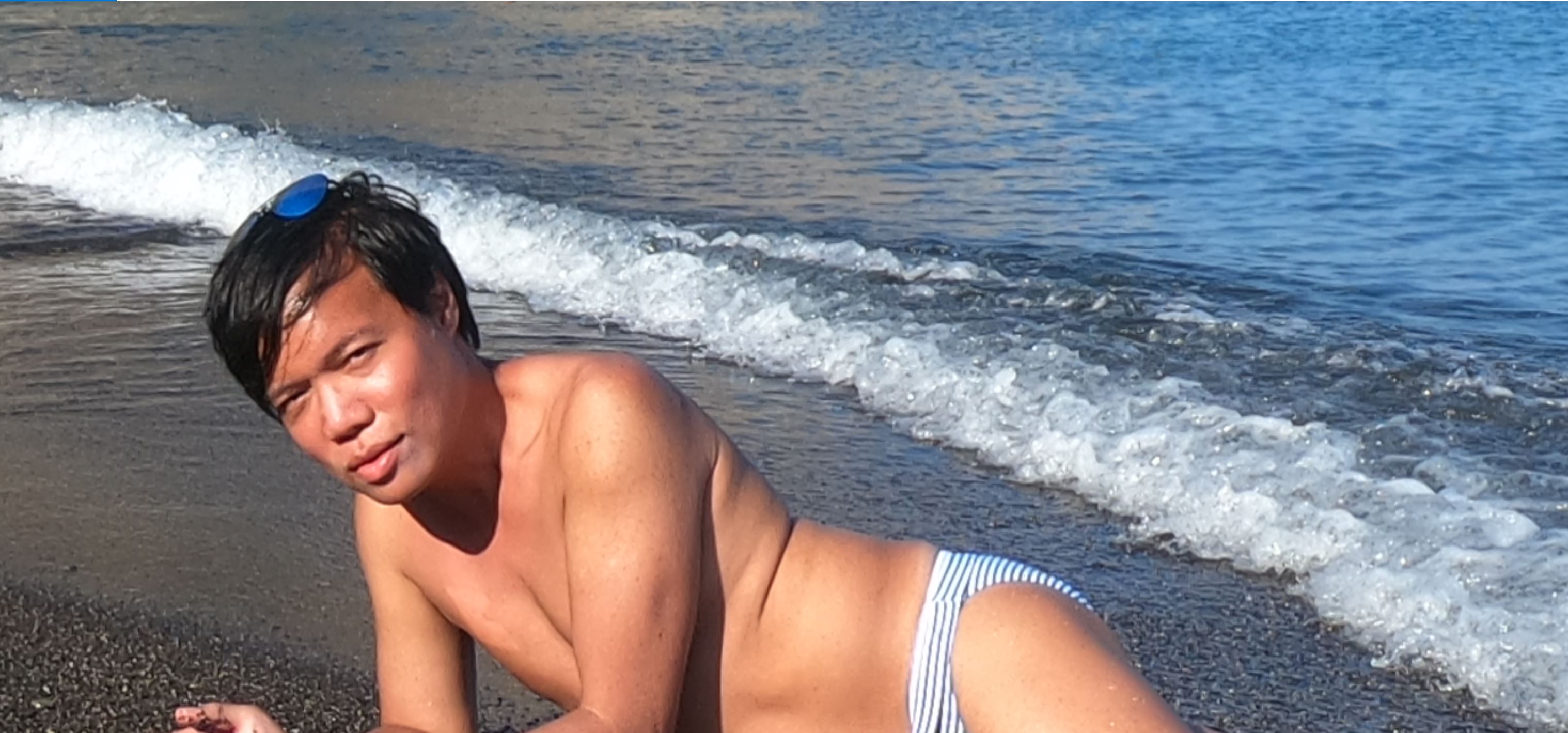
Cool, clear, blue Aegean Sea

There’s a proverbial phrase “when life gives you lemons, make lemonade” which embraces positivity and optimism amidst trying times. What can be truer than this than the situation we are all in right now where it feels like our lives have been taken over by the COVID virus, which is nothing more than the common cold virus except that it’s deadlier. I thought this can only happen in the movies, but looks like life is stranger than fiction. Like in the movies, the contagion has resulted to lockdowns where travel and mobility are restricted. Face mask and shield have become so common like underwear that you cannot be caught dead without wearing one. Given that the best way to handle this health crisis is to treat anyone as potential carrier, no matter how hideous and uncomfortable these protective gears are, we just simply have to appreciate these as something we cannot leave our homes without.

Count your blessings

So how do we make lemonade out of this pandemic? There are people who see opportunities out of a crisis (both good and bad ones) and there are those who simply accept the ‘new normal’ (I’m starting to get annoyed with this phrase). For me, it’s the time to count my blessings, to reflect on life with its ups and downs, and how I could see myself as a survivor. Sounds cliche and corny for most, but if you haven’t appreciated those things that you would normally take for granted (such as freedom to move around), then maybe the lockdown can facilitate such realization of how being free is precious yet vulnerable.
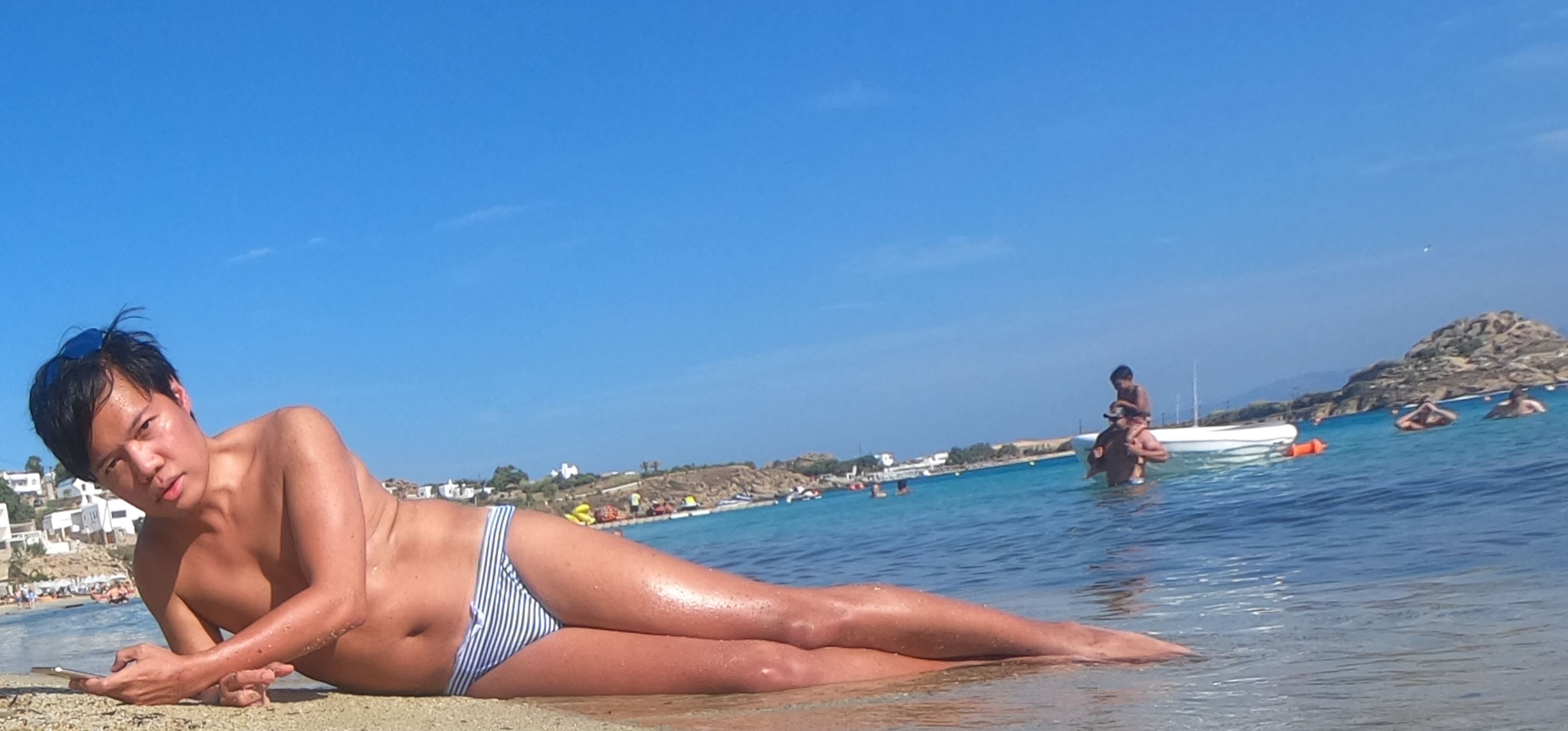
My happy place

This is also the time to go back to your happy place. For me, beaches have always been my happy place. Or any body of water for that matter. I’ve always been attracted to bodies of water. Maybe because my feng shui says that I am a water element, so that would probably explain why I would find myself in that blissful state of peace and serenity when I’m near a body of water. Like lemonade, it feels refreshing, that’s why even if summer went by without being able to go to the beach, just the mere thought of it would already alleviate whatever stress this lockdown has brought on our mental and emotional well-being.

Reliving the ghost of summer past

So to keep our sanity and emotional stability in check, let us continue our virtual trip to the different beaches around the world. In the first part of this article, we were able to cover the 3 A’s (Asia, America, and Africa). In this second part, let’s fly to Europe, Middle East, and Oceania, and explore the beaches that I have been to in more than 20 years of travels.

Europe
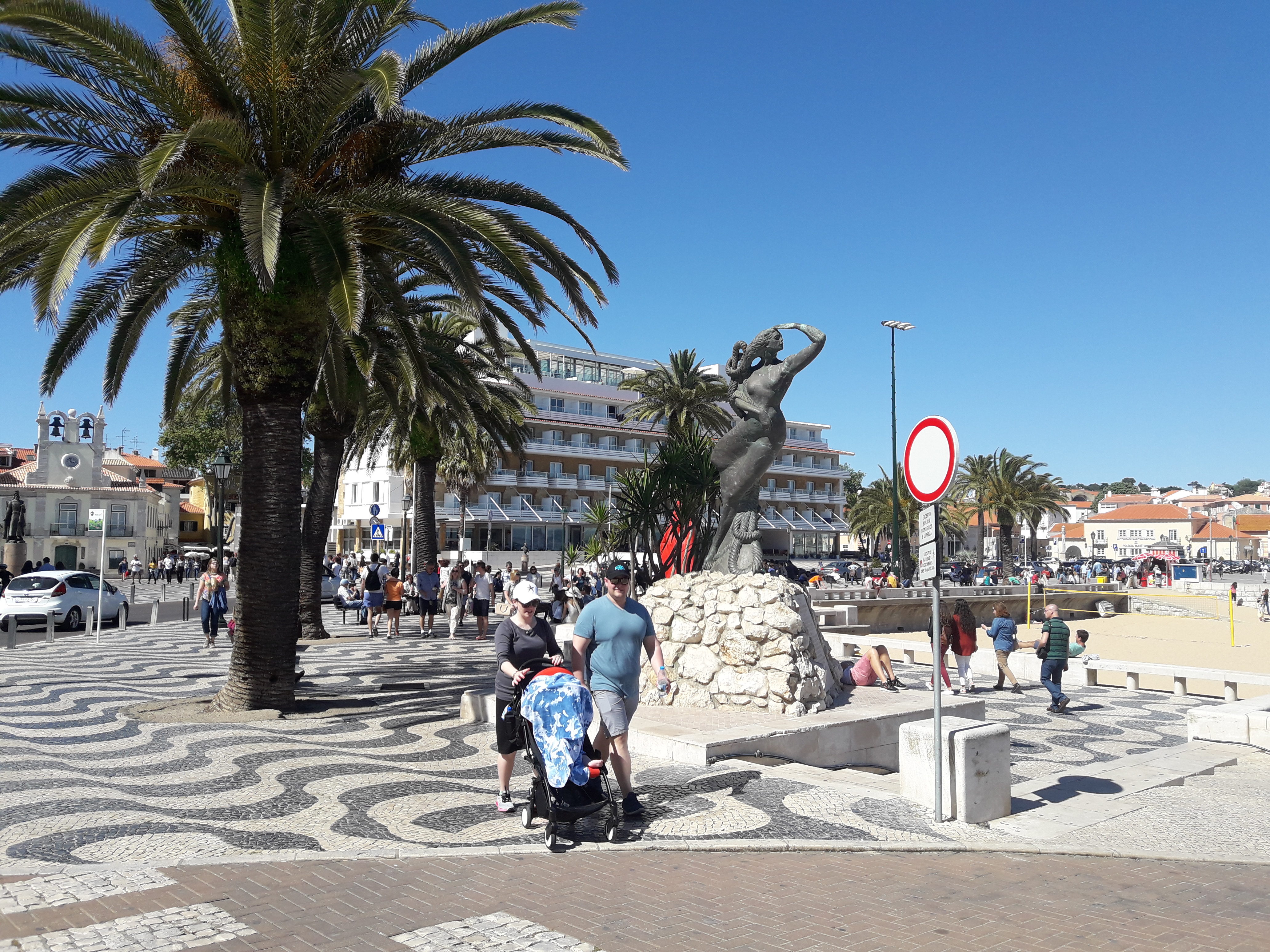
Praia da Ribeira (Cascais, Portugal)

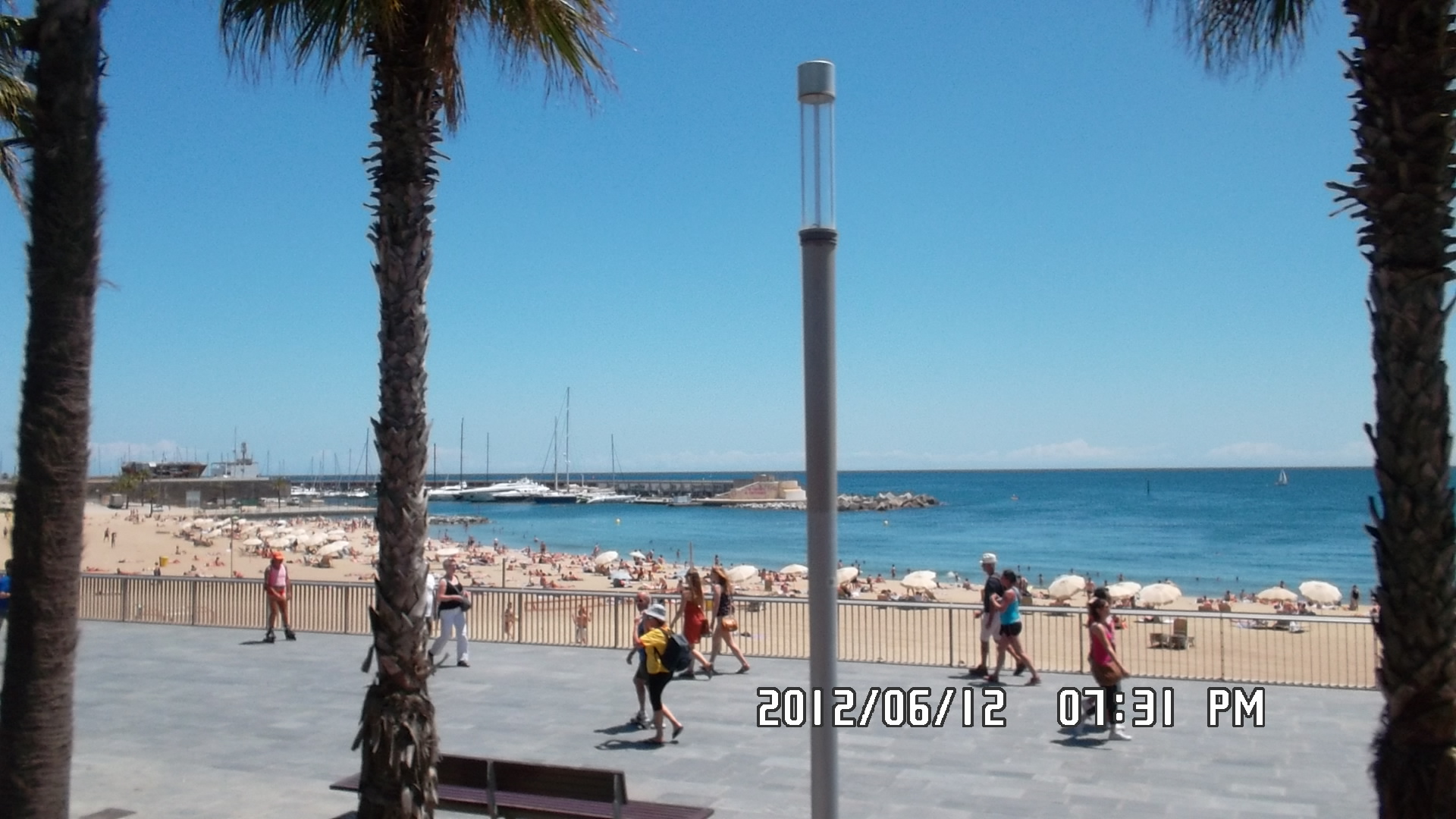
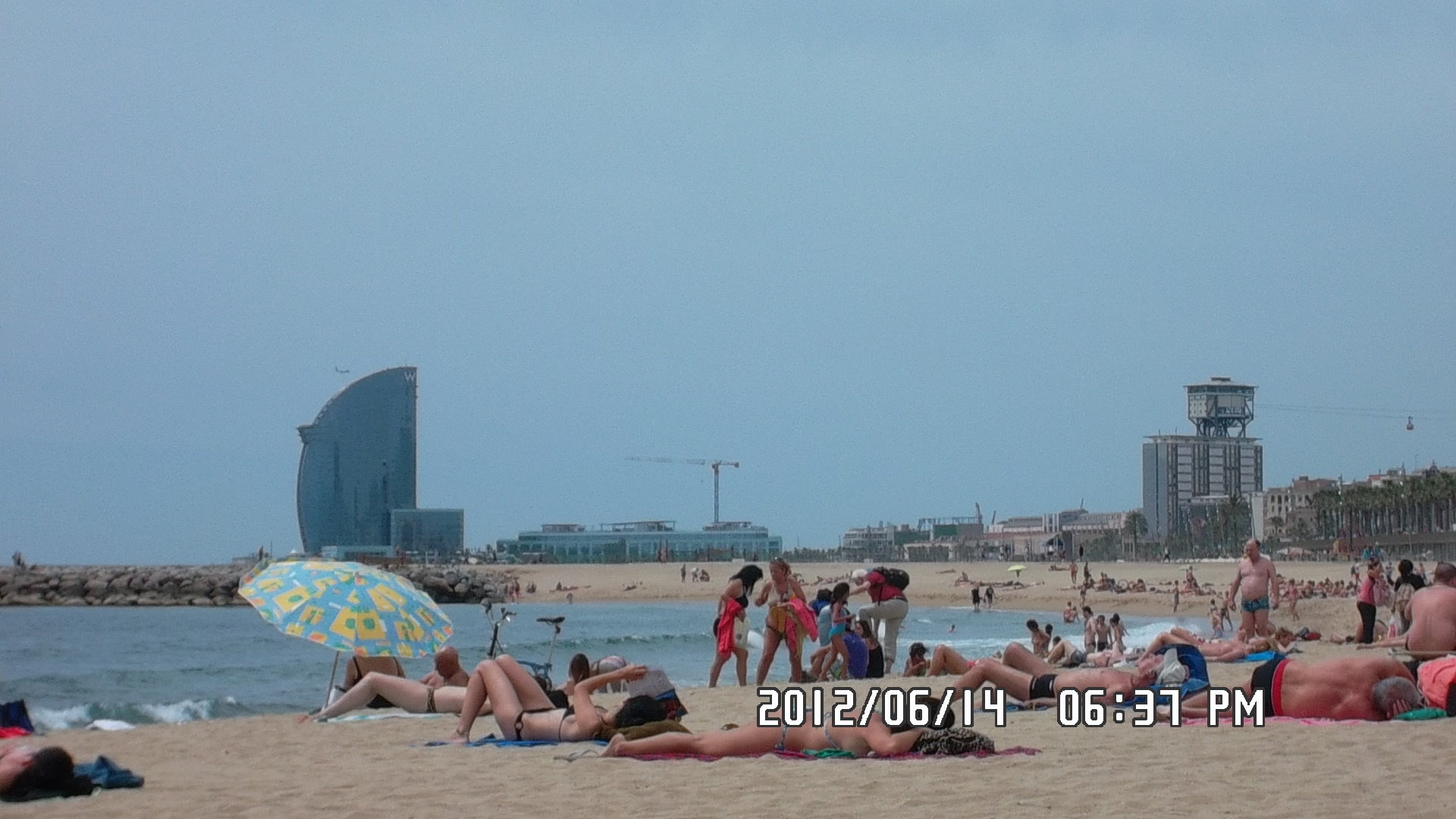
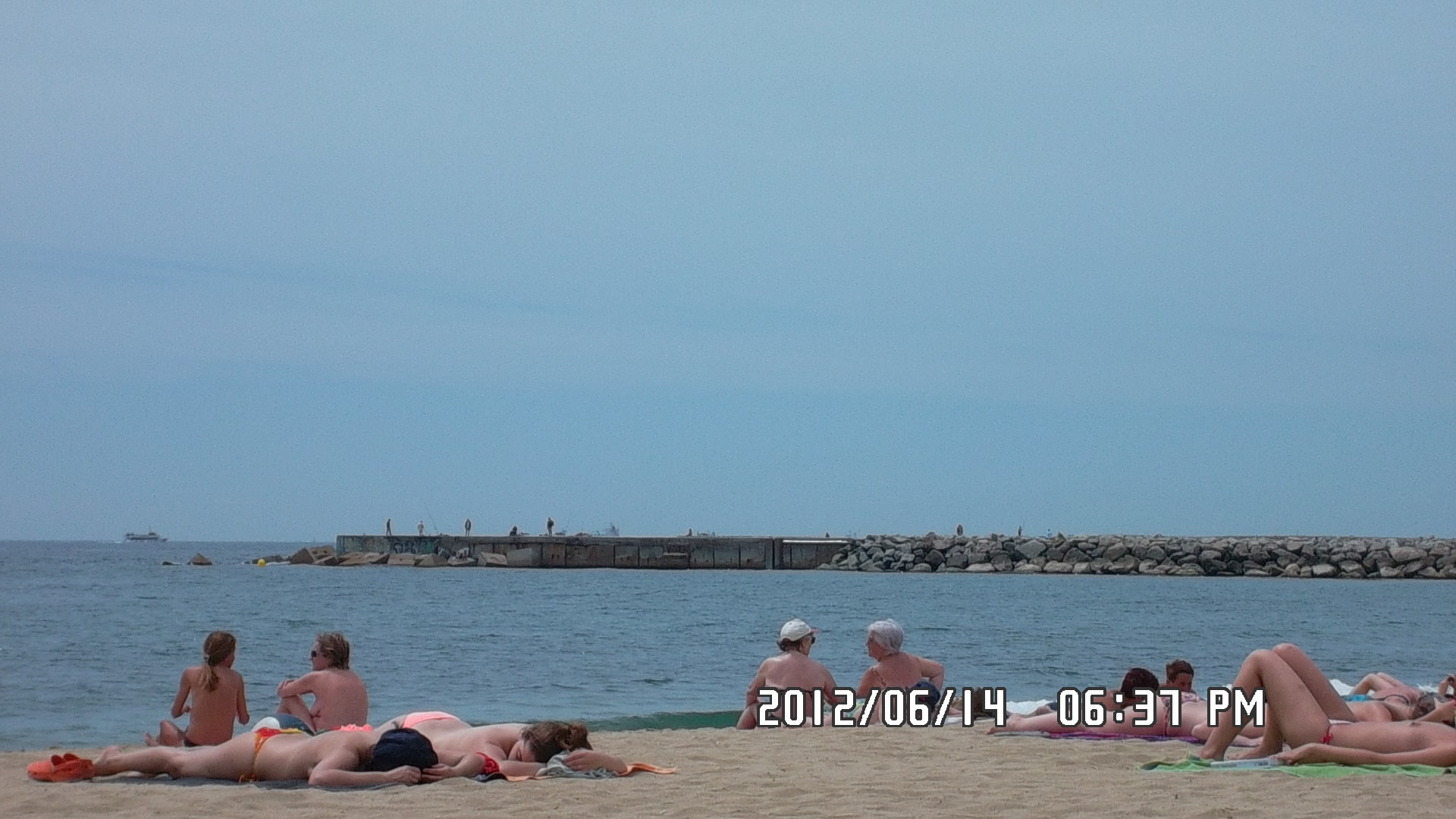
Europe has always been a fave destination of mine. Aside from its rich history, art treasures, bustling culture, and century old architecture, some places have nice beaches. One such place is Barcelona (Spain). The home of Gaudi, this city is a mix of the old and the new. Modern skyscrapers blending in with the works of Gaudi makes this a very livable city. Not to mention beautiful people. To top it all, it has a beach called Barceloneta on its coastline that is easy reach by car, bicycle, public transportation or even by foot if you happen to be staying in one of the hotels that are lining up the whole stretch of the beach (in my case, I stayed at Pullman Barcelona Skipper which is about 200 meters from the beach). Just like any beach in a city, it gets packed on summers. You don’t need to go far or drive a couple of hours just to get to one. No wonder I fell in love with this city the first time I’ve experienced it. This is one of my top five cities in the world that I would love to live in if given the chance.
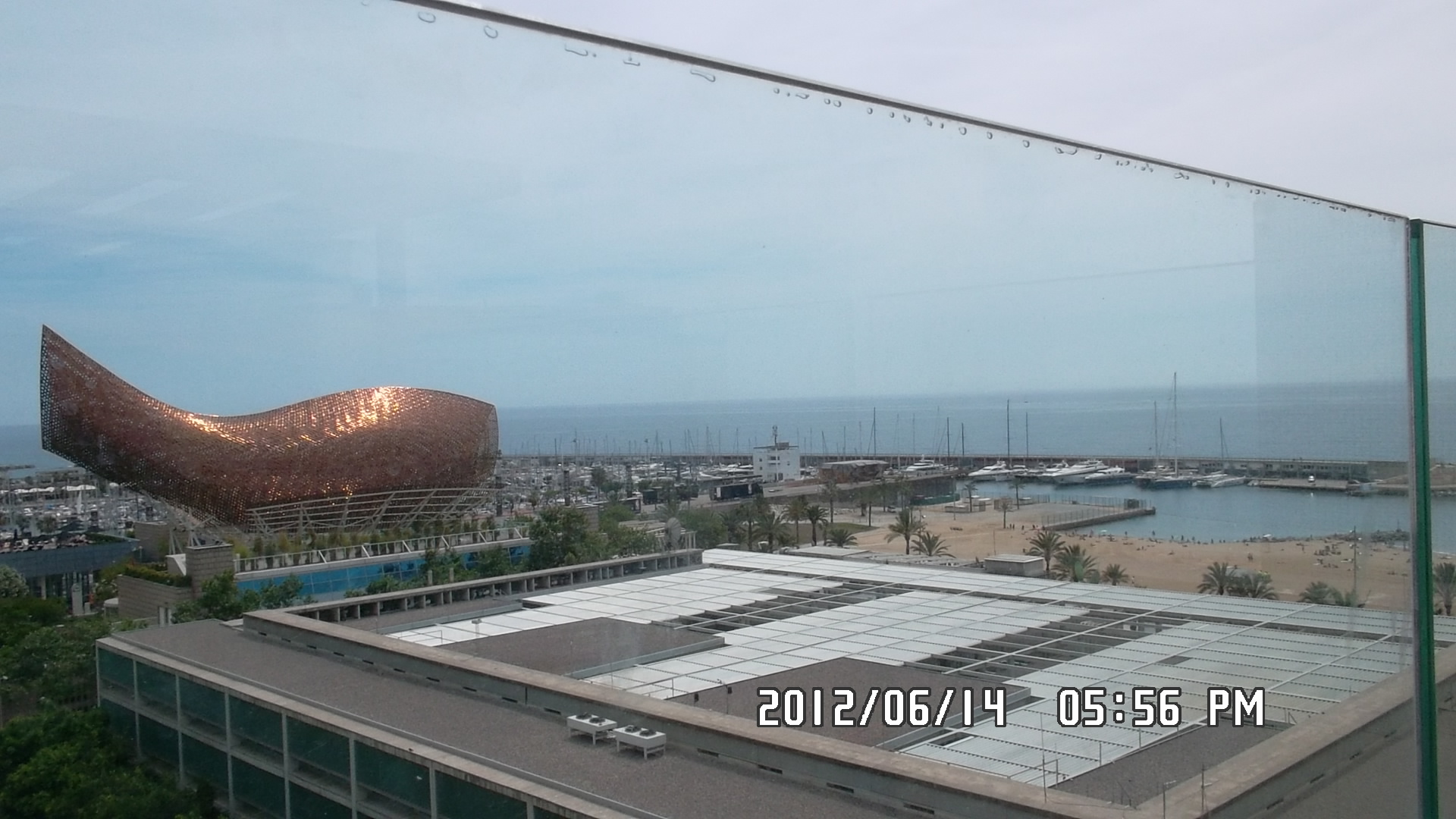
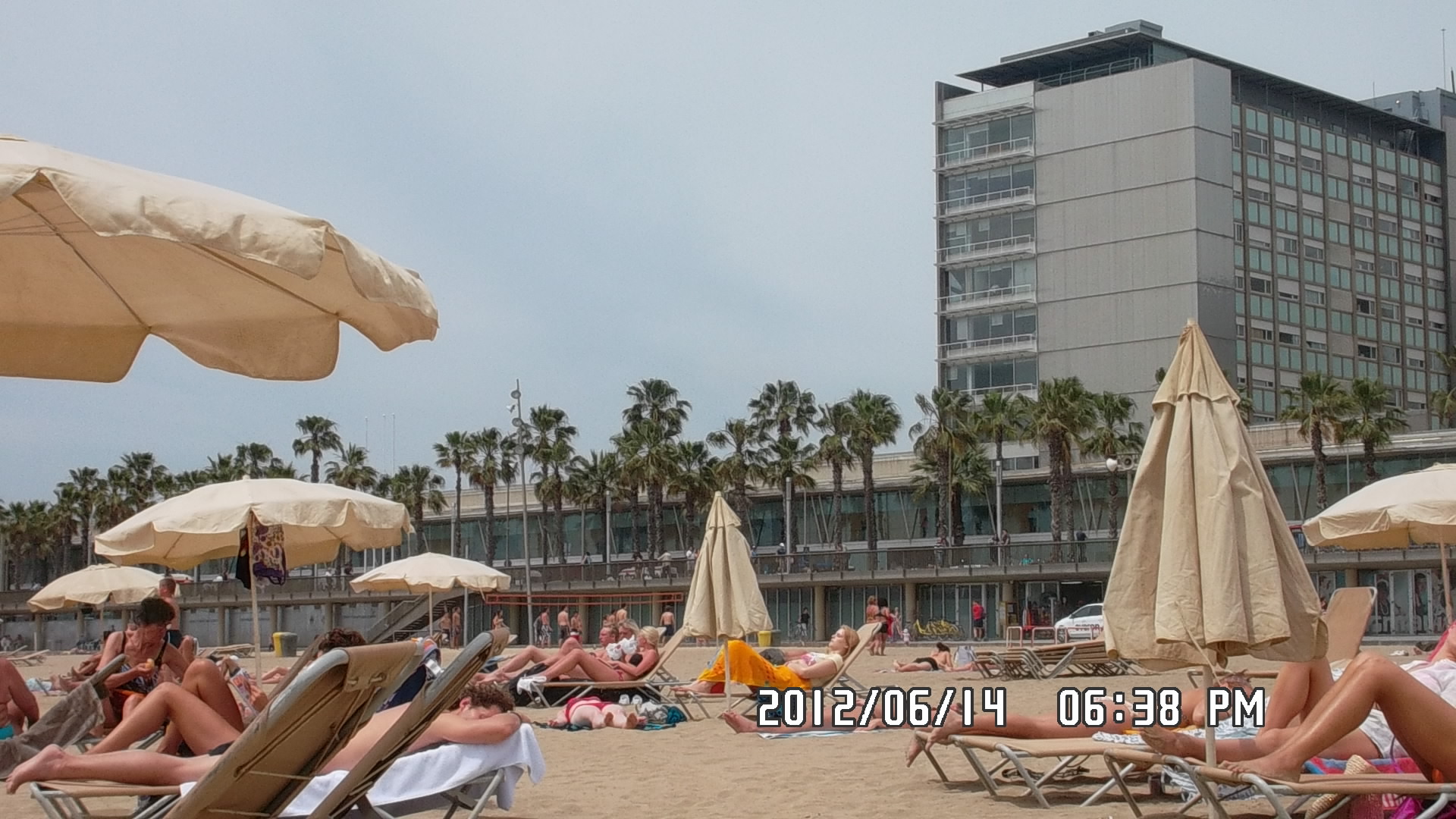
(Top left) Hotel rooftop view of the iconic fish art, the marina, and Barceloneta beach; (top right and bottom) Barceloneta beach, promenade, and topless sunbathers (Barcelona, Spain)

Another such place where the old and the new mesh well is Malta. It is the home of the oldest standing structure in the world (called Gigantia, much older than the pyramids of Egypt) in one of the two main islands called Gozo. Valletta, its capital city, is like an open museum with new architecture blending in. The city has pockets of beaches as well, which provide the locals enough space to enjoy the sun, the sand, and the sea. The city is very scenic and the people are nice. Another great place to live in.

View of the city, marina, and beach from my hotel room balcony (Valletta, Malta)

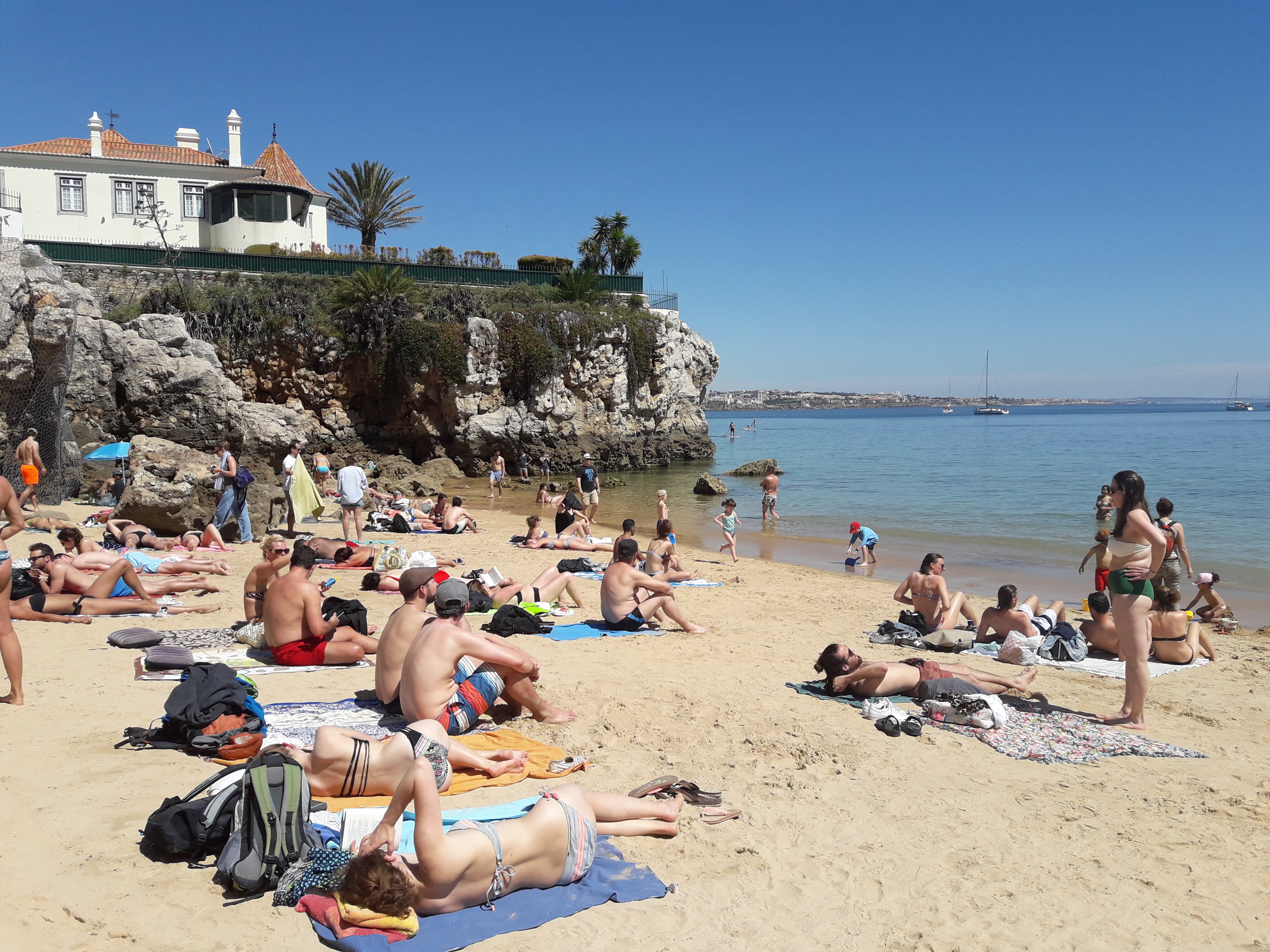
Europe also boasts of beautiful resort towns and islands full of fine beaches along its coastlines. The resort town of Cascais (Portugal) is one such resort town that has a few beaches to choose from. There’s the Praia da Ribeira, a wide stretch of beach that sits along the busy promenade where locals and tourists alike who find the water too cold for swimming (which is common in European beaches even during summers, unlike its Asian counterparts) can sit and enjoy the cool breeze, the sun, and the sights. There’s Praia da Rainha, a secluded beach which you can access thru rows of restos on a cliff, which gives you the option of having a table and order your fave drinks while basking under the sun and enjoying the bird’s eye view of the beach and seascape. You can go down to the beach and take a dip into the cold waters or just do your sunbathing on the fine sands to get that nice tan.

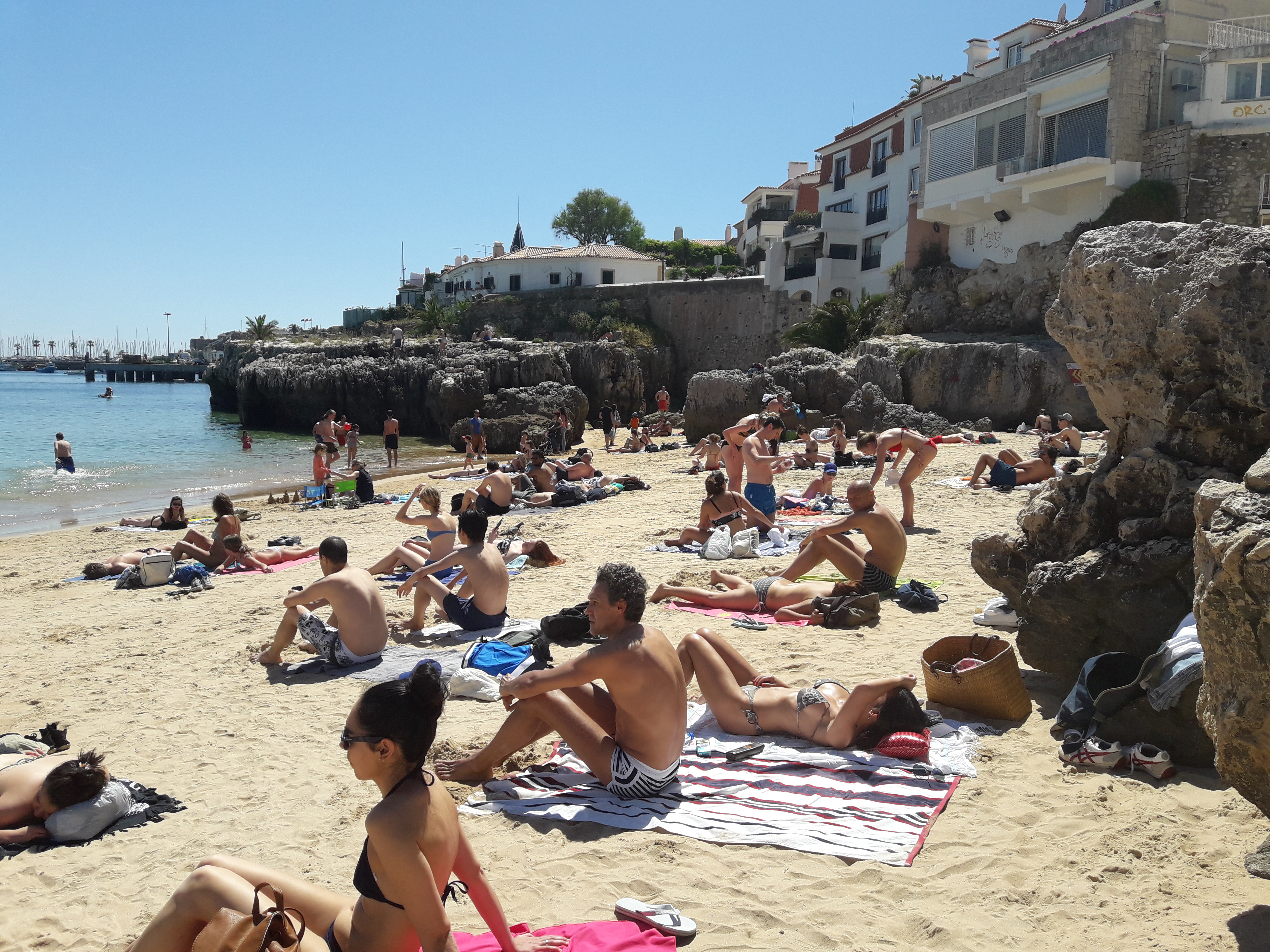
Praia da Rainha (Cascais, Portugal)

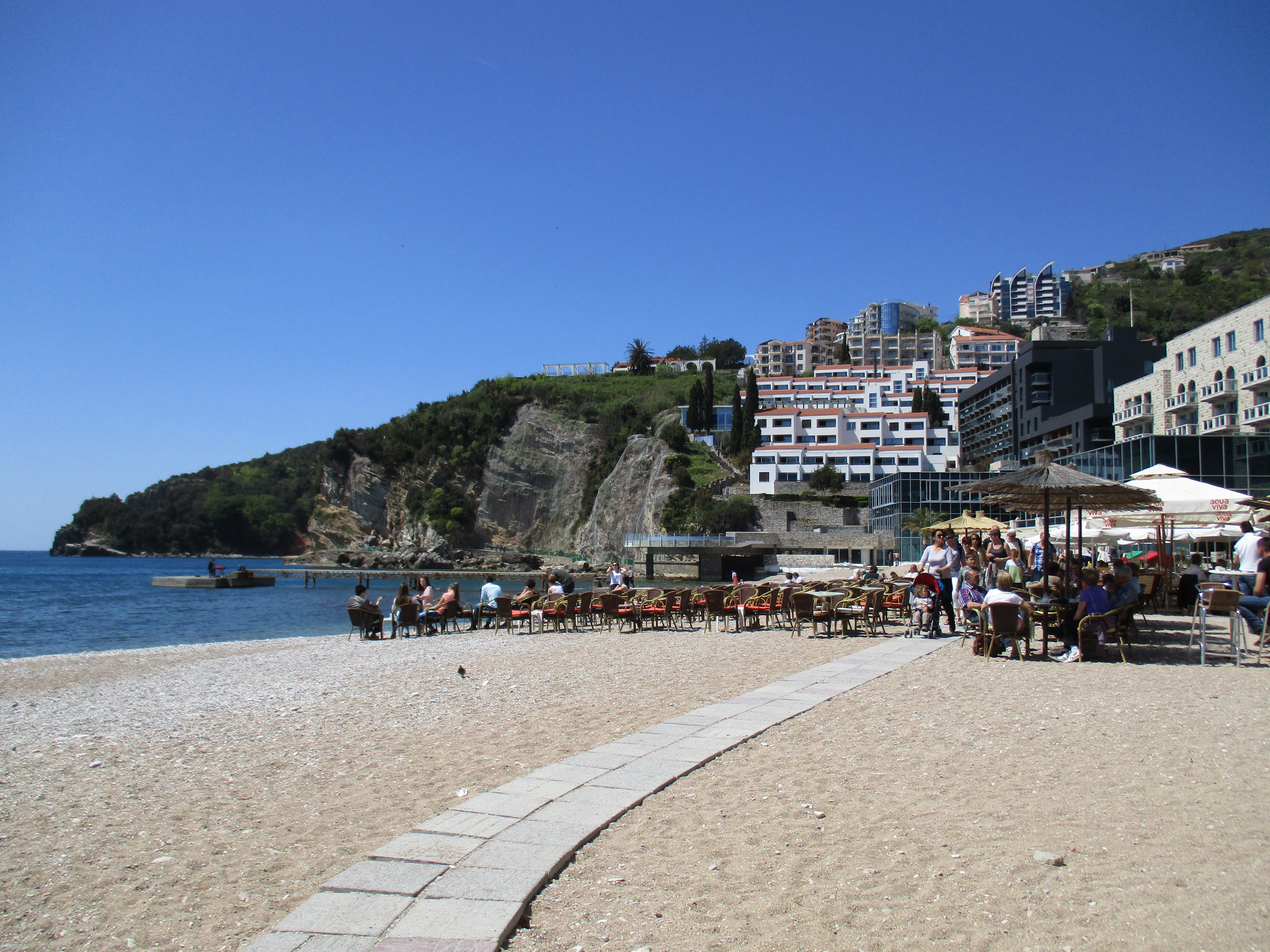
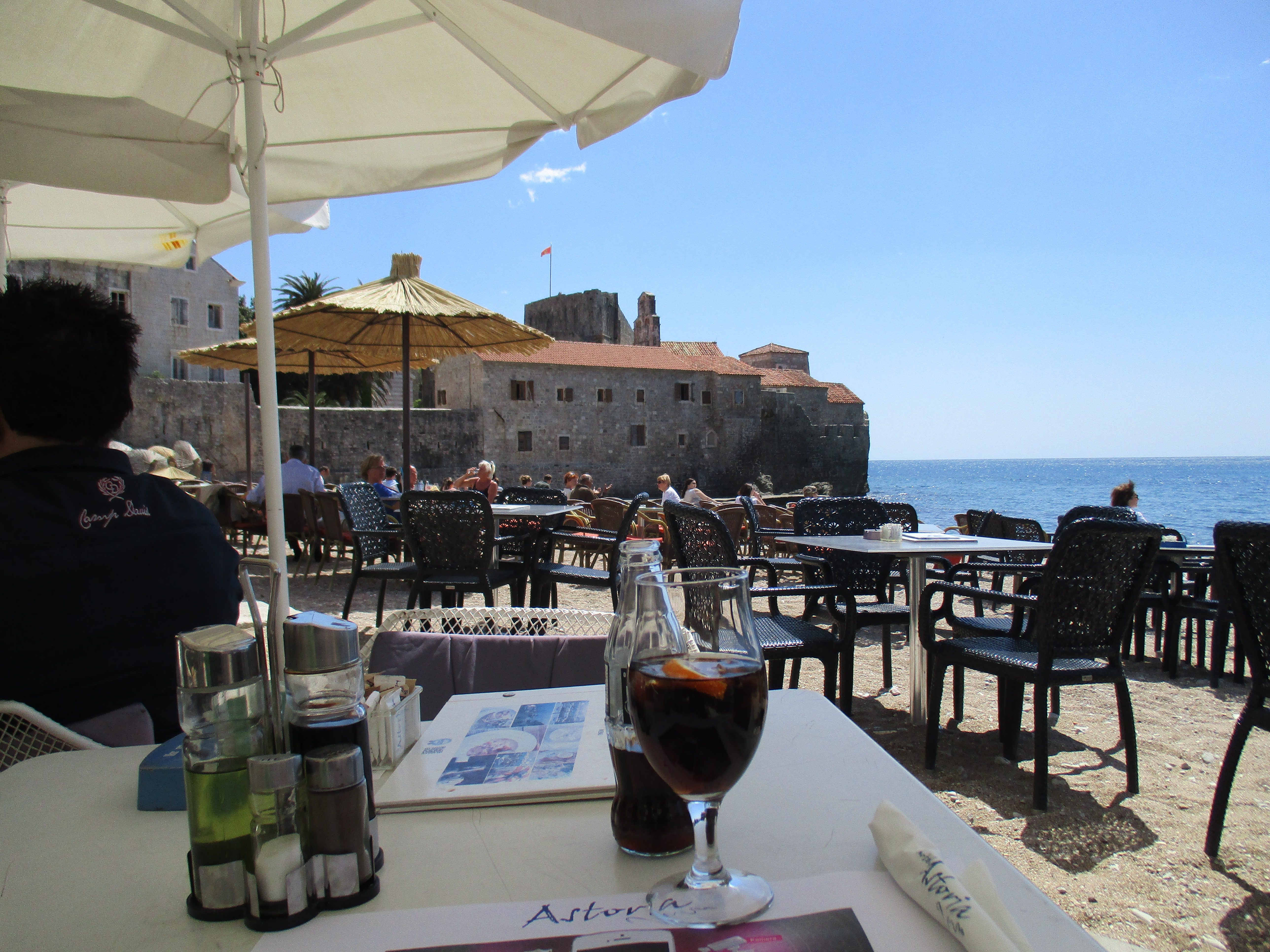
Aside from Spain, Malta, and Portugal, Italy and Montenegro also have nice resort towns with fine beaches. I wrote about the resort towns of Positano and Amalfi in Italy in my previous article (https://columbusbee.blog/2020/03/15/italy-how-thou-i-love-thee-let-me-count-the-ways-part-2-of-2/) as well as the island of Capri. Montenegro has the resort town Budva, which, just like any other resort towns in Europe, is deliciously beautiful with its old charm mixing well with modern marina and pebbly beaches. You can have lunch by the beach if the water is too cold and can sit through all day people watching as well as appreciating the scenery.
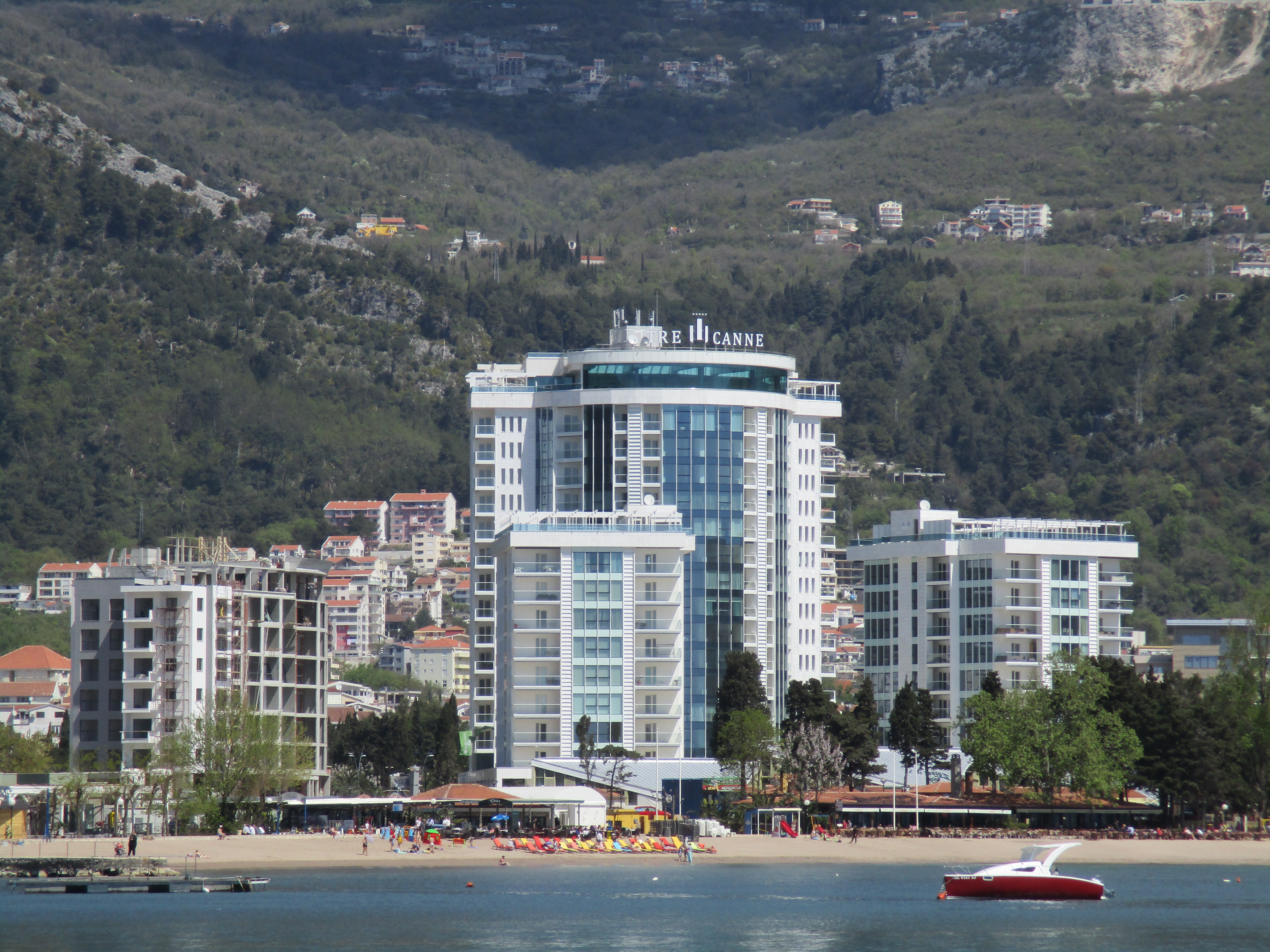
(Top) Beaches of Budva (Montenegro); (bottom) lunch by the beach

Then of course you have the popular isles of Greece. Two of which are Mykonos and Santorini, which I wrote about in my earlier article (https://columbusbee.blog/2019/07/21/greece-of-myths-mediterranean-food-and-beaches-part-2-of-2/). You can do beach hopping in any of these isles, as both have pockets of beaches along its coastline. Just be on a lookout for tourist traps, particularly in Mykonos. You need to be extra cautious in this place. You don’t want to get “robbed” (just like what happened to me as shared in my article) that can potentially ruin an otherwise enjoyable holiday. Tourist traps aside, the beaches tick all the boxes: fair share of sunshine all throughout summers, clear blue or green waters, white to black sands or pebbles from volcanic matter, and cool, light to windy sea breeze (Mykonos at times can be very windy).
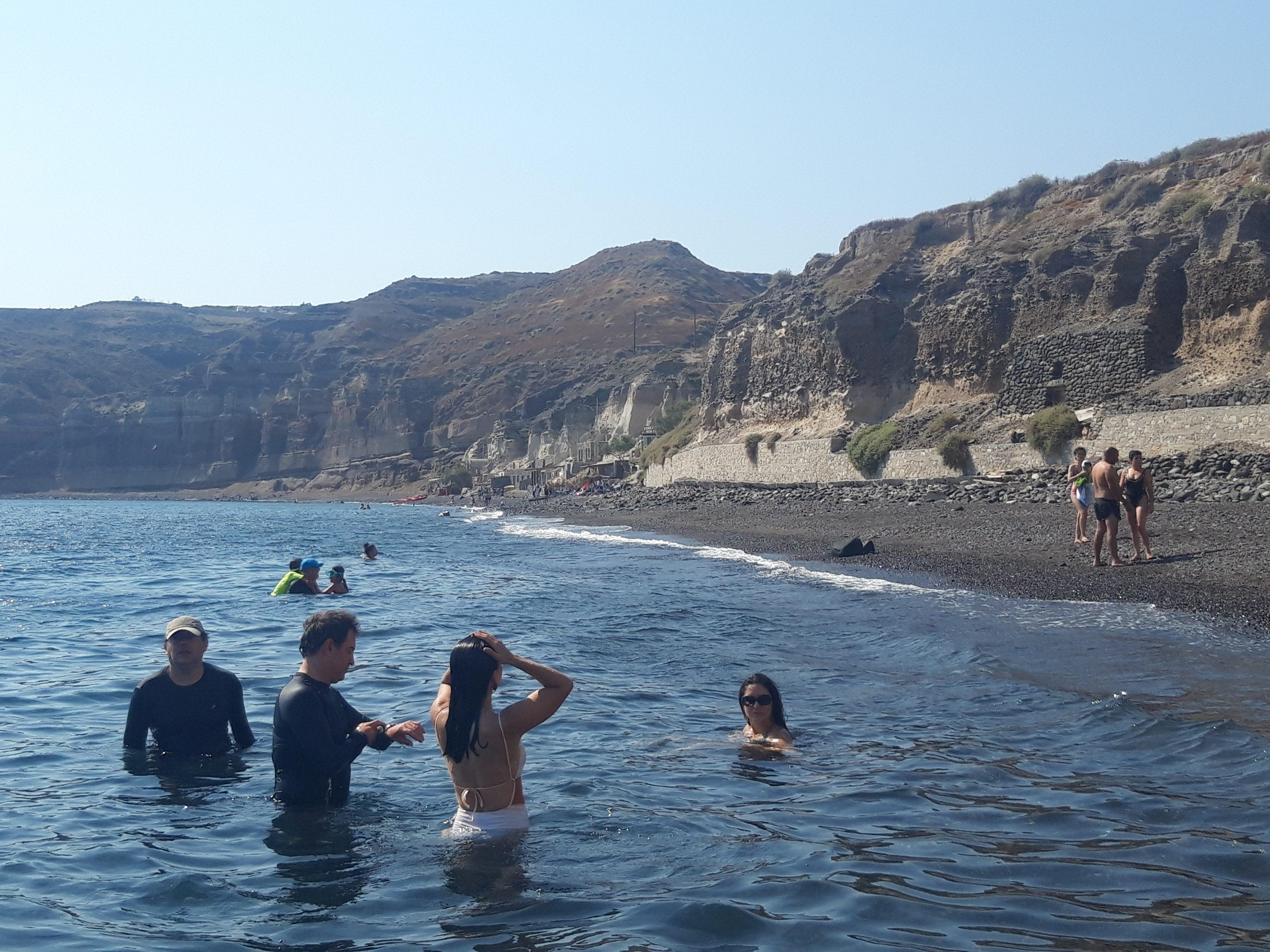
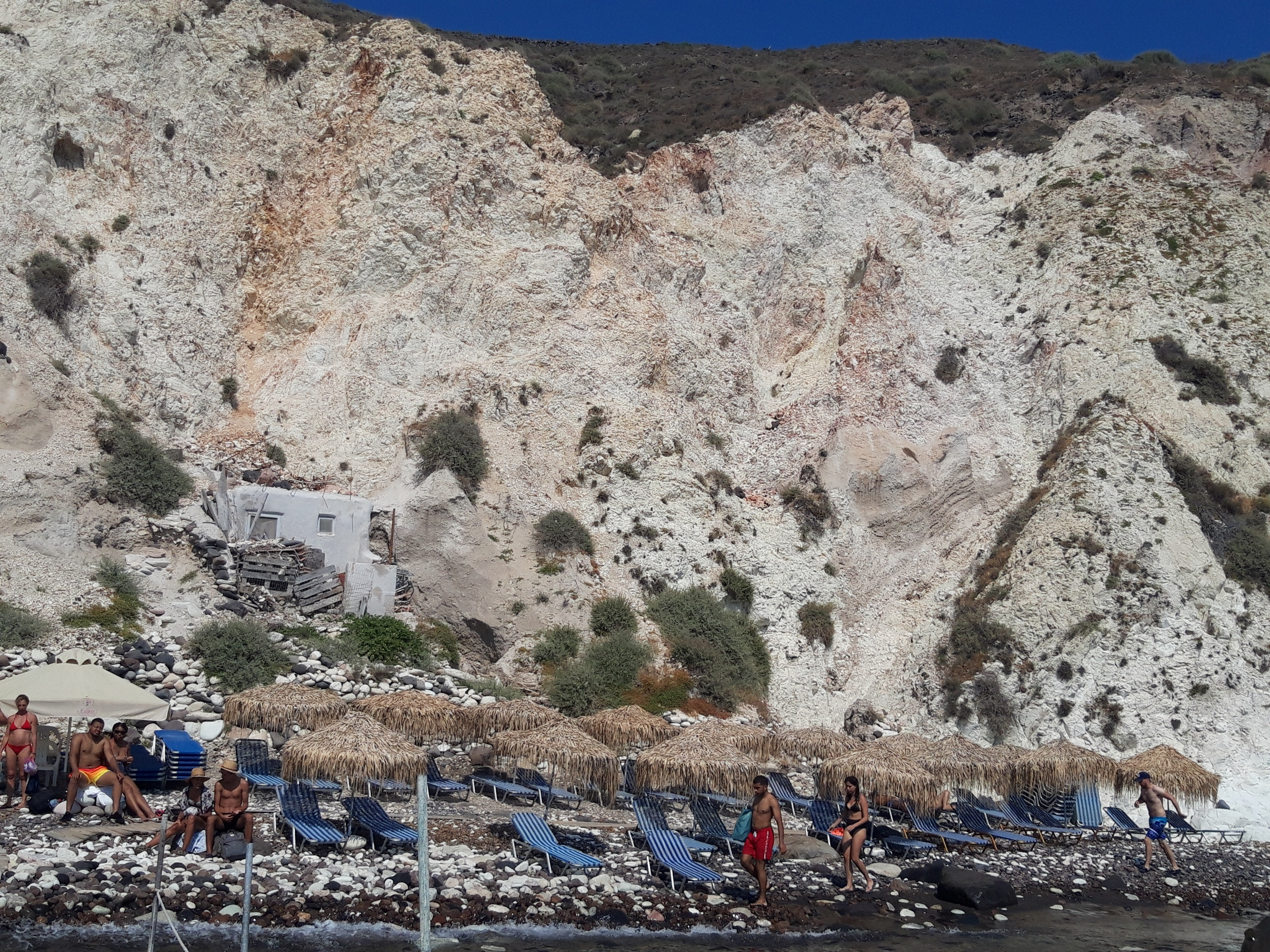
Beach hopping in Santorini (Greece) from left (clockwise): Black Beach, White Beach, Red Beach

What is common among these European beaches is that these rest along the shores of the Adriatic, Aegean, and Mediterranean seas. I don’t know what’s with these seas, but there is something mystical and magical every time I’m near these bodies of water. It’s like something’s calling me to be near it, to feel it, to soak in it. Aside from its crystal clear waters that are always enticing (as well as baffling, like how waters along some of these big cities and towns have been kept clean thru centuries), there is something special and dreamy about these seas, like unicorns. If I have to get mythical about it, I may be a descendant of Poseidon or his demigod son Triton. It seems like I’m forever under the spell of these seas, that’s why I always keep on coming back.
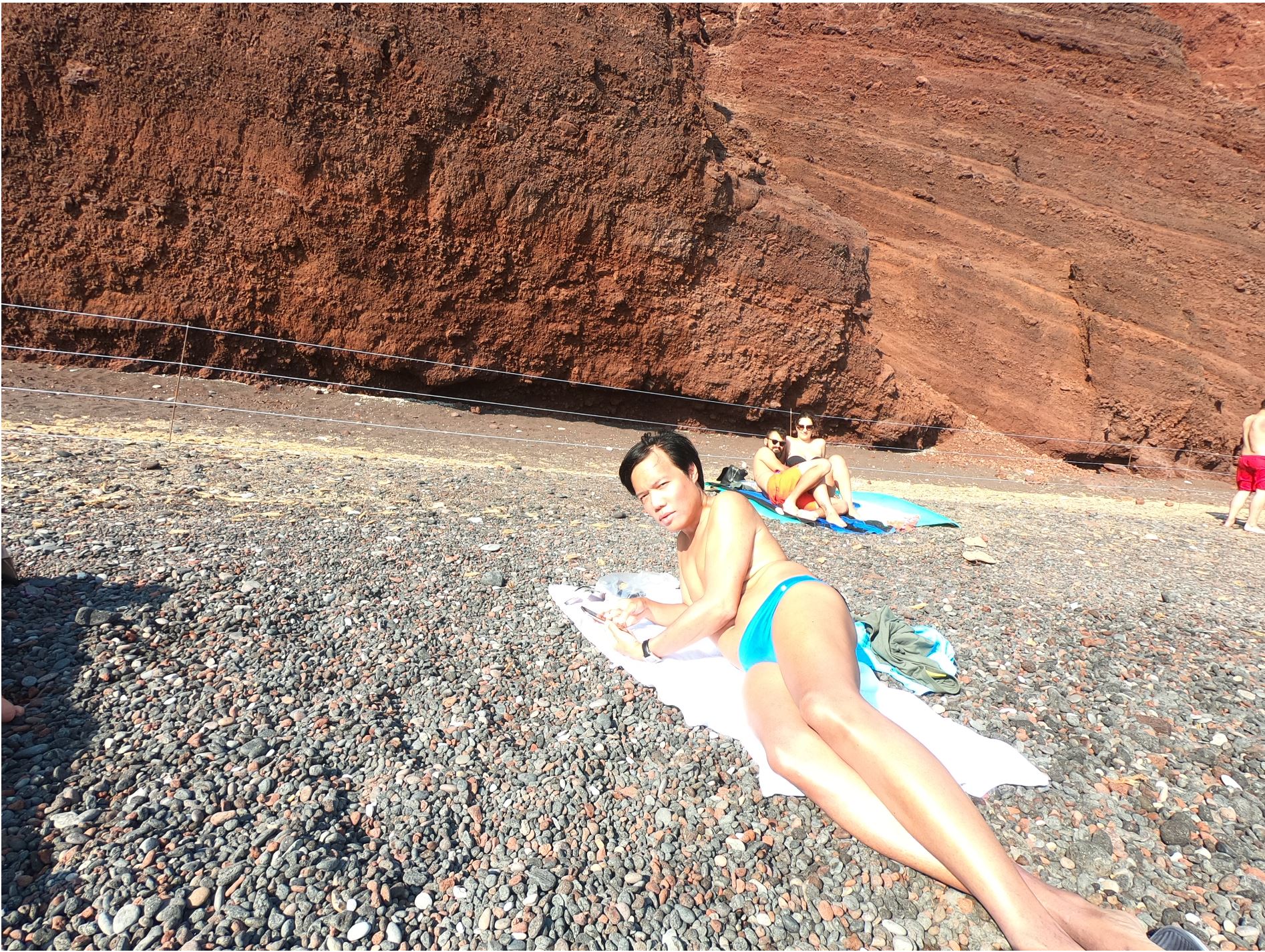
Chillin by the Red Beach

The magical spell seems to also make people less inhibited. It’s not uncommon in these beaches that people can do the full monty regardless of age and let it all hang out like it’s nobody’s business. What can be more freeing than that feeling of being one with nature (or in this case, being one with the sea)? I haven’t done that yet, but if I did, it would be the most courageous and liberating act that I could ever do in this lifetime (I could probably consider skinny dipping lol).

Middle East
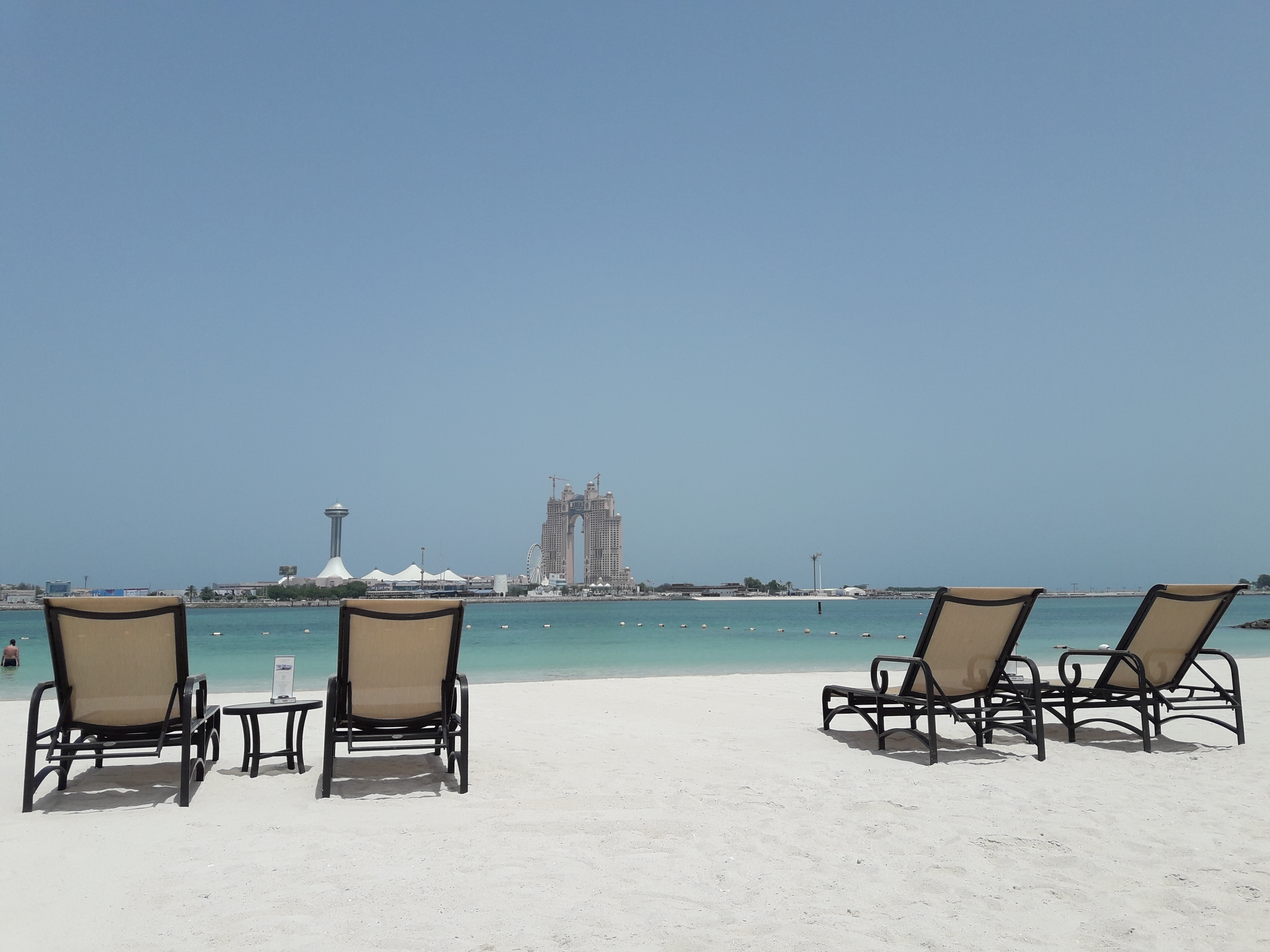
Nation Riviera Beach Club with the view of the Fairmont Marina (the one that looks like Atlantis The Palm) at Al Kasir Island and the Arabian Gulf (Abu Dhabi, United Arab Emirates)

The only time that I was in the Middle East (aside from layover in Muscat in one of my long haul flights) was when I availed of the stopover promo of Etihad Airways where I spent a few days in Abu Dhabi (the airline’s main hub). The business class promo comes with accommodations at The St. Regis Abu Dhabi which entitle guest access to the private Nation Riviera Beach Club. The beach can be easily reached from the hotel thru an air-conditioned underground tunnel underneath the Corniche.
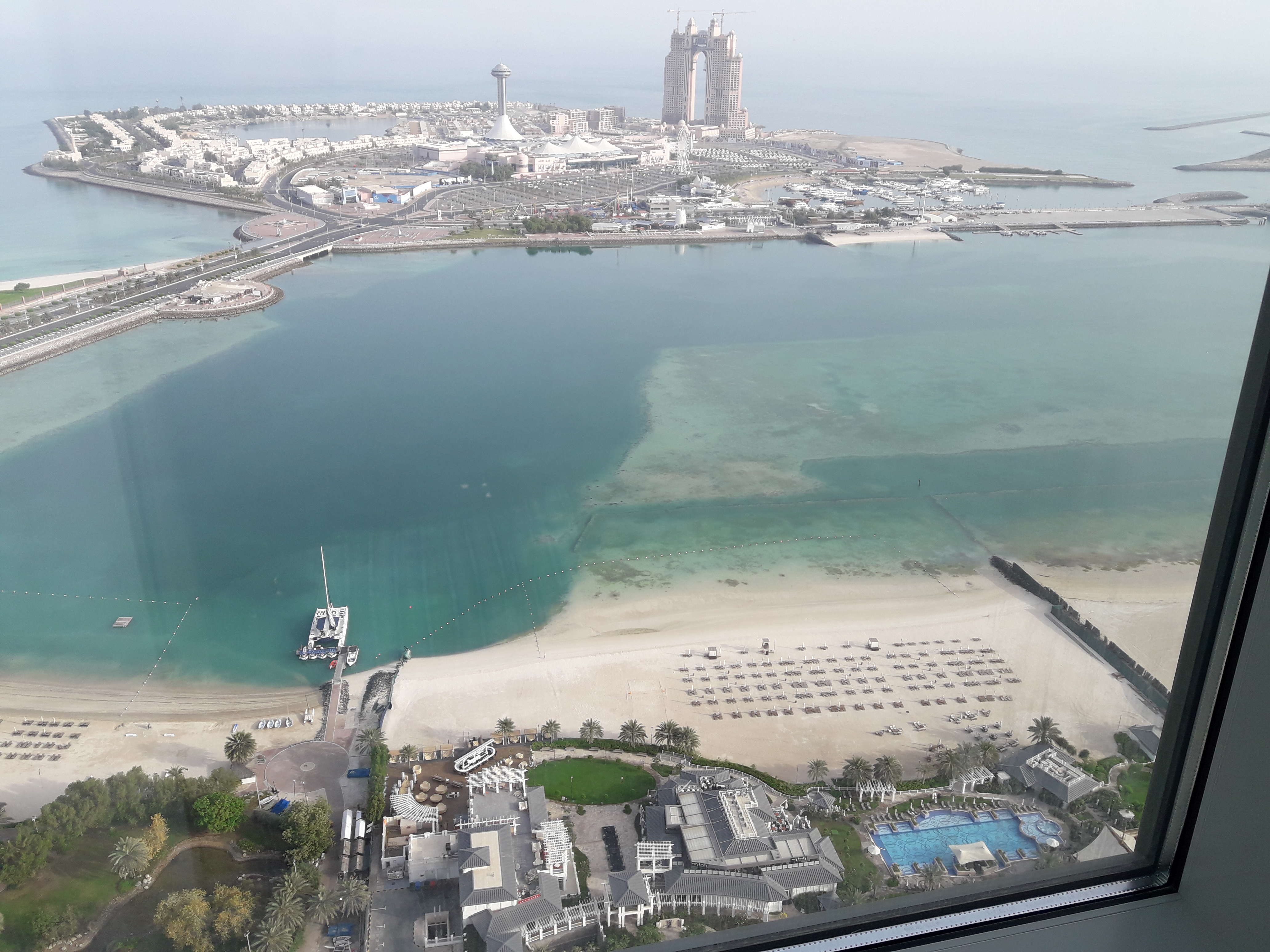
View of Arabian Gulf, Al Kasir Island, and Nation Riviera Beach Club from my hotel room (The St. Regis Abu Dhabi)

The beach is large enough and provides a good view of the Fairmont Marina Abu Dhabi (which is the emirate’s version of Dubai’s Atlantis The Palm) in Al Kasir Island. Coupled with turquoise waters of the Arabian Gulf and the pristine sands give this beach that chill vibe aside from the exclusivity and luxury attached to these private beach clubs.
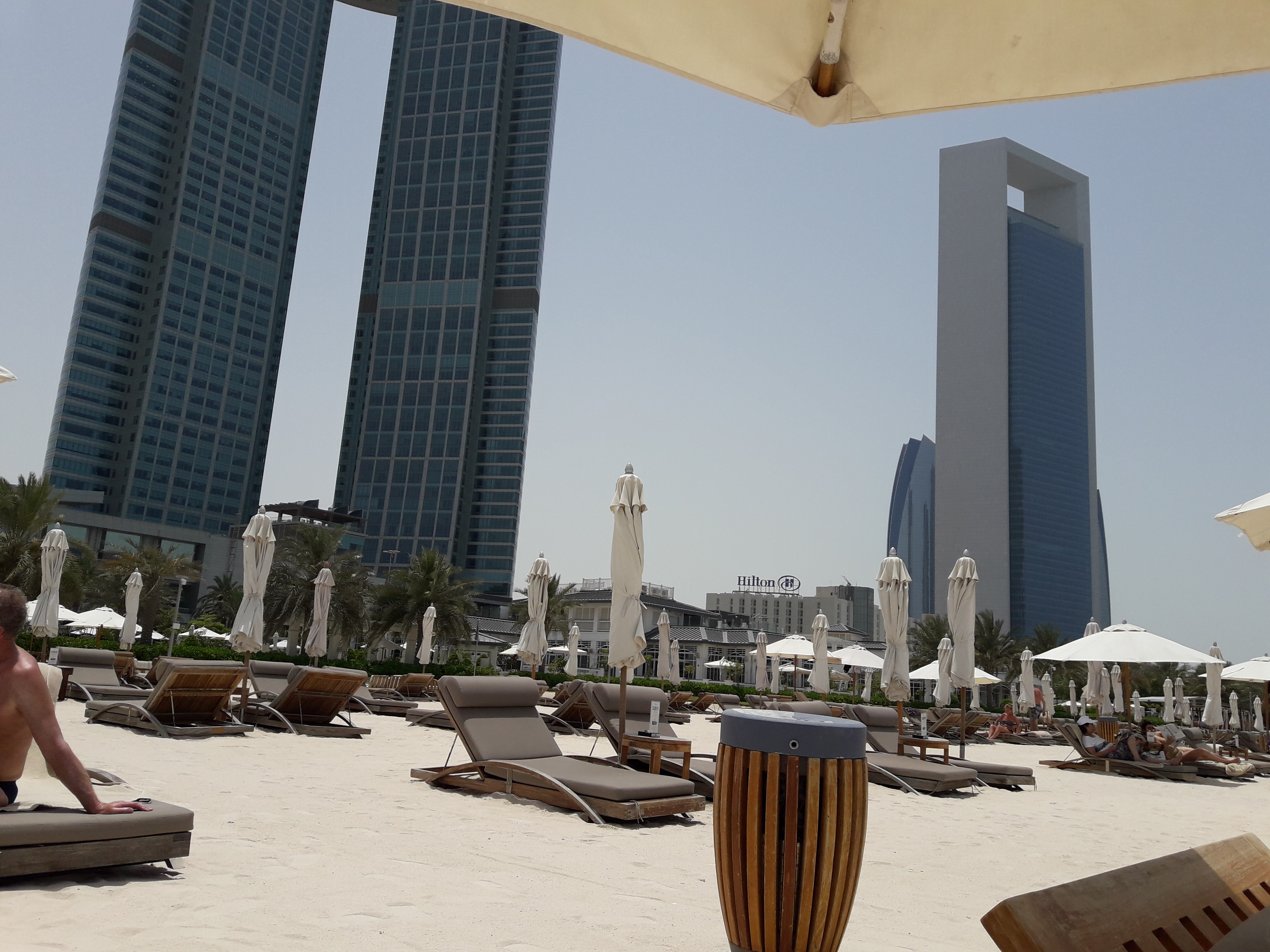
(Left) View of The St. Regis Abu Dhabi; (right) enjoying my fave drink while chillin in one of the beach loungers

Since it was the stopover before my flight back to Manila, it was the perfect break from all the flying and walking while on holiday. What better way to rest those tired feet (from walking) and back (from flying intra-Europe) than to lie on one of the beach loungers and sip my fave drink while enjoying the sun, the cool sea breeze, and the nice view.

Oceania

Pinky Beach (Rottnest Island, Australia)

Hopping to the other side of the globe, this region is known not only for its beaches but also for all bodies of water. Starting off with New Zealand, this country is not really known for its beaches but for its fjords, lakes, rivers, and extreme water adventures. But it still has decent beaches on the shores of its cities such as those in Auckland, Devonport, and Wellington and in the coasts of its islands such as Waiheke. The waters and sands in these beaches may not be as pristine as those in Asia and Europe, but these are still good spots to relax especially during summers (take note that summer in this region is between December to March so a good alternative for those living in winter regions or in my case, a good travel option to get out of Manila during December to escape the holiday madness and horrendous traffic).
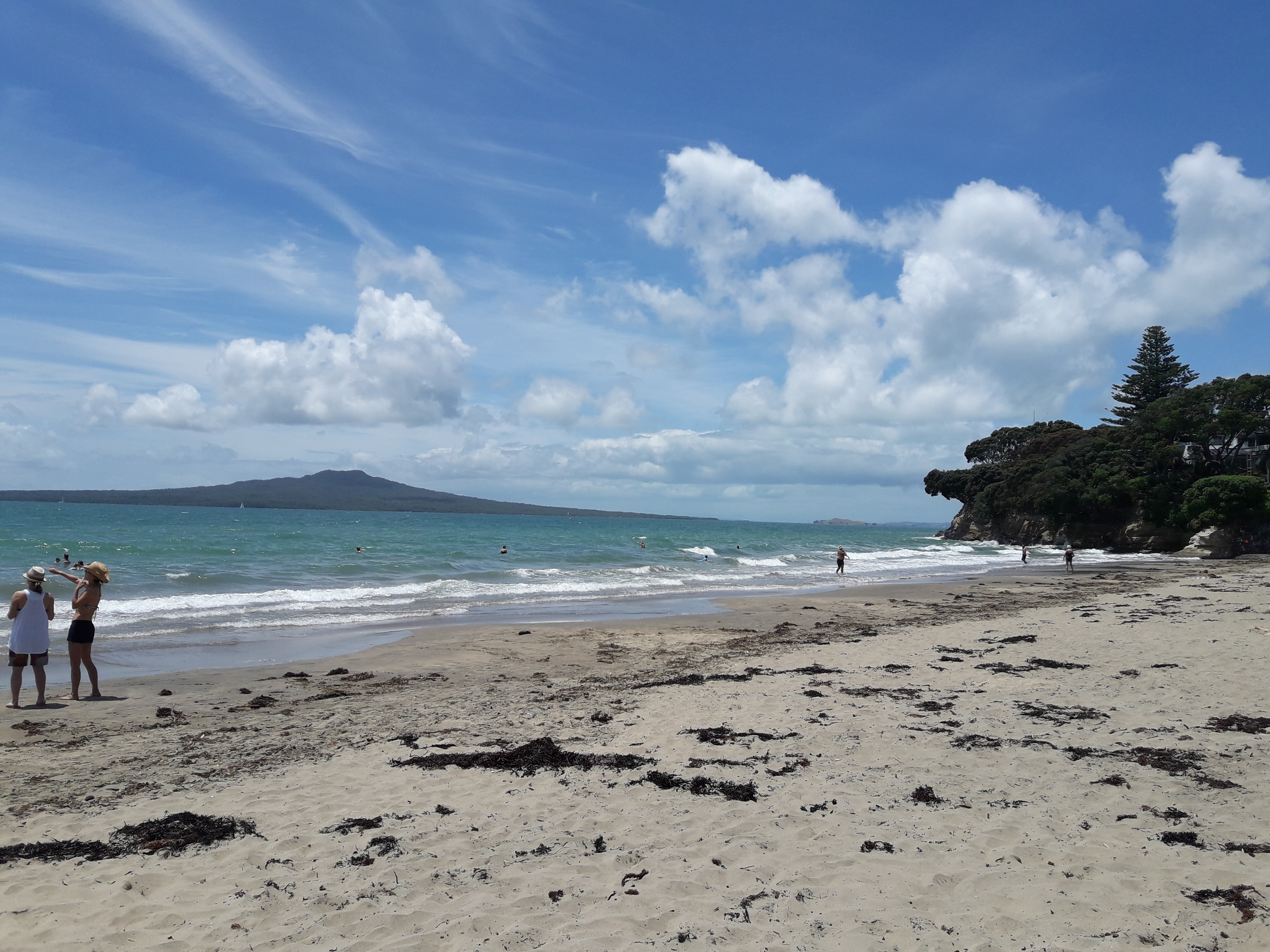
Mission Bay Beach (Auckland, New Zealand)

Wellington, in particular, has pockets of beaches along its coastline where aside from an enjoyable walk along the long stretch of its promenade, the beaches are bustling with life where Kiwis (locals) that are not sunbathing on the sands are enjoying meals in restos lining up the promenade or having either cold drinks or ice cream from kiosks around the area. I remember going to these different beach spots from my hotel on foot. It was a long walk (about 30 minutes walk one way on my pace, which can be longer if you walk slower), but it didn’t feel like one cause I enjoy the stroll and the sights where not only you pass by shops, bars, restos, museums, a marina and activity center on the way to the beach, but also get a glimpse of Kiwi city life. I enjoyed each trip to the beach, not to mention the calories burnt from walking to keep that slender beach body in check (from all the good food during these holidays).
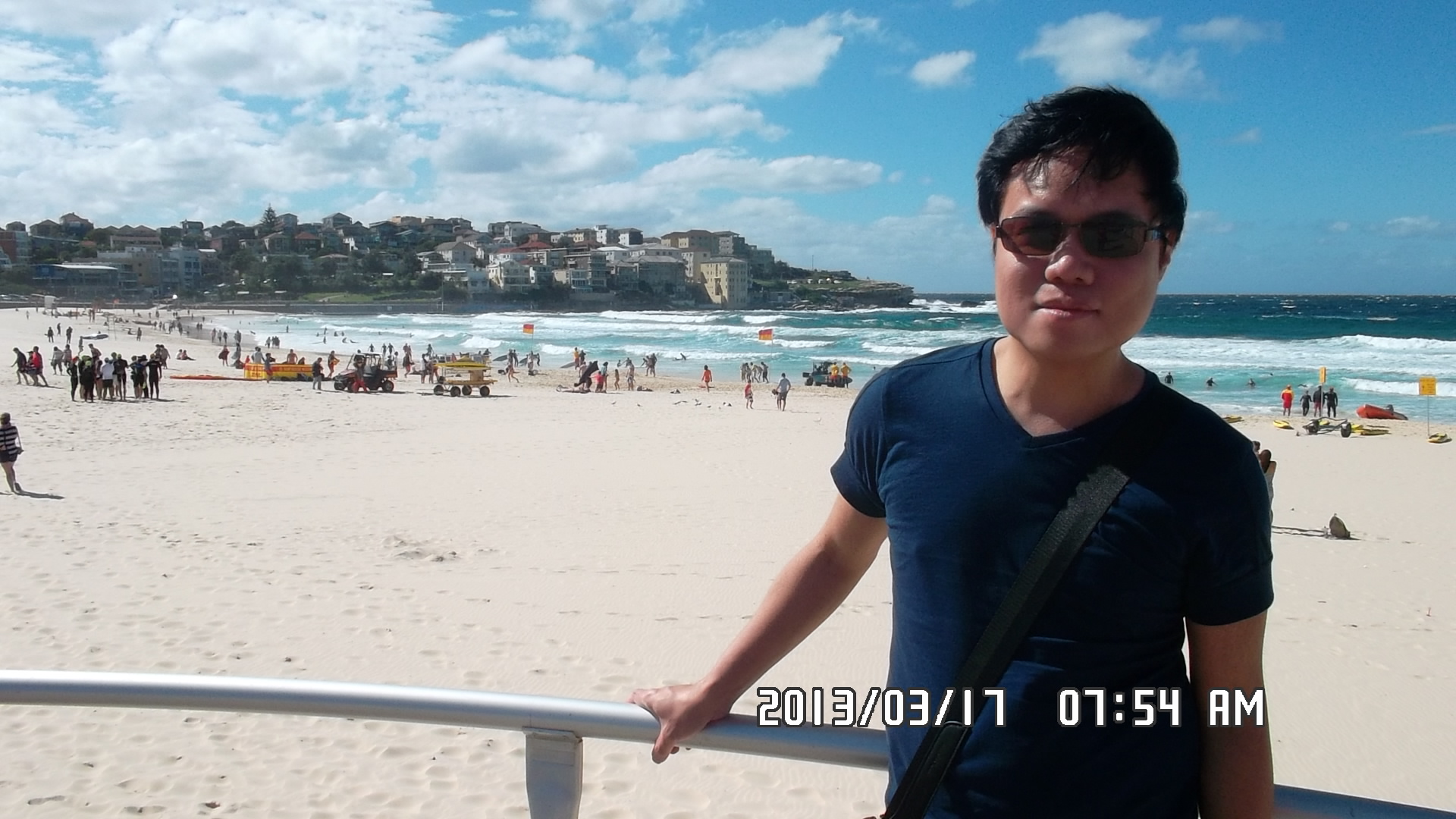
Bondi Beach (Sydney, Australia)

Australia, on the other hand, is a beach country. Every major city across the continent has its own beach, either natural or man-made. I’ve been to this continent a few times, which only speaks of how much I liked this place. Sydney, which is one of my top five cities in the world (along with Barcelona that I mentioned earlier), boasts of several beaches close to the city center, which makes this a very livable city (I would live there if given the chance). A few minutes by car or by public transportation is the popular Bondi Beach. A vast beach with strong currents and fine sands, this is the beach for both surfers and sunbathers alike. A few minutes by ferry from Sydney harbour is Manly Beach. This place exudes resort town vibe, where shops, ice cream and yogurt parlors abound. The beach and the commercial area are teeming with life, which only affirms that Aussies love their beaches. Not far by foot from Manly Beach is Shelly Beach. While Manly has fine sands, Shelly is a pebbly beach. While Manly has strong waves like those in Bondi, Shelly has calm waters as the beach is located in a cove that is sheltered from strong winds. No wonder Shelly Beach is the more suitable beach wedding scene than any other Sydney beaches.
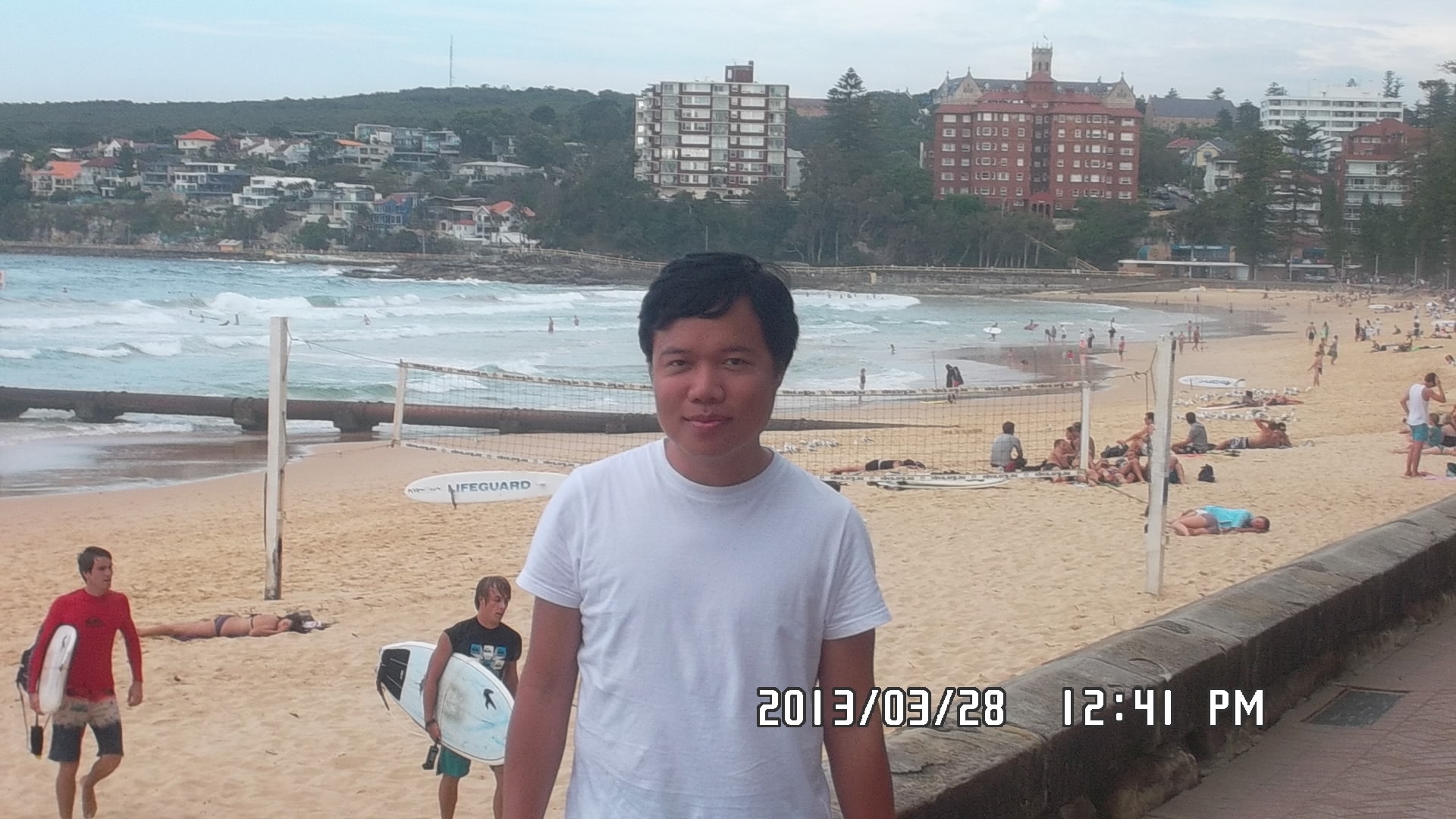
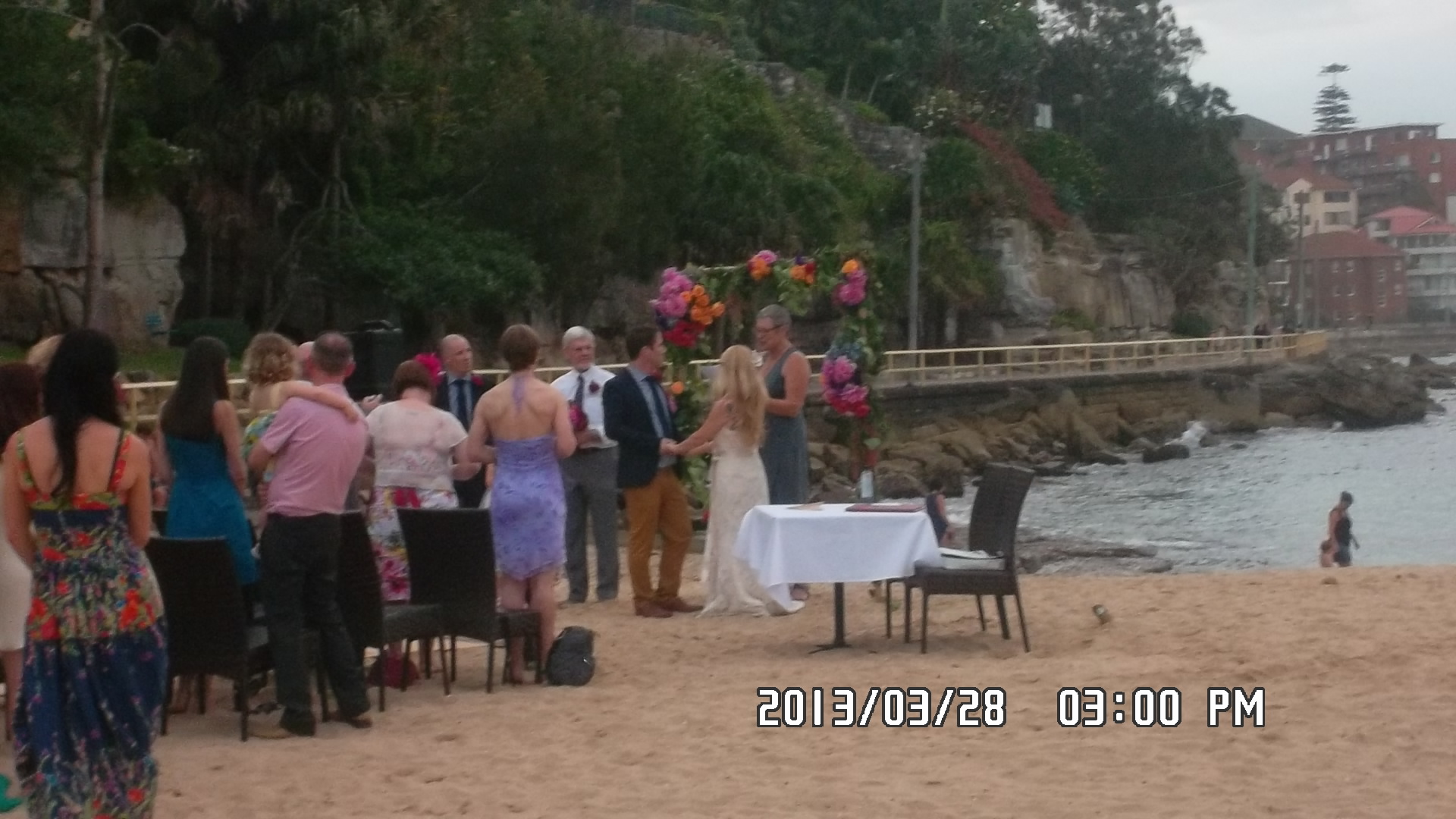
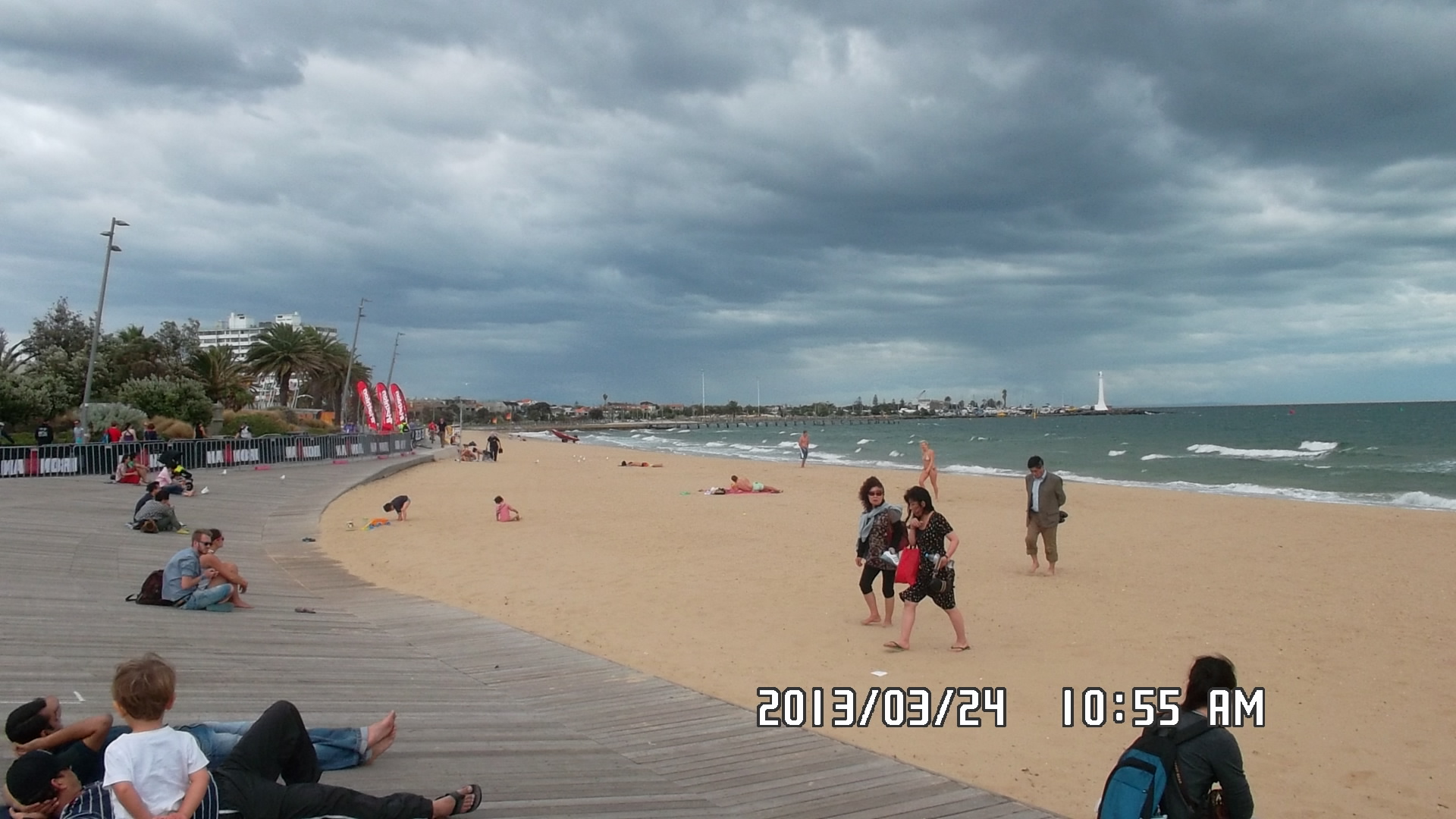
(Top left) Manly Beach; (top right) beach wedding at Shelly Beach (Sydney, Australia). (Bottom) St. Kilda Beach (Melbourne, Australia)

Another Australian city that demonstrates how Aussies mix their eclectic city living with beach culture is Melbourne. Aside from the fact that Melbourne is the cultural hub of the continent (and the most European among all the major cities in Australia), it has some of the spectacular beaches in the region. Not far from the city is St. Kilda, a resort town with a fine beach, promenade, and amusement park. There’s also a weekend market by the beach promenade that sells all kinds of stuff, from organic to art to basic necessities. Of course, Melbourne’s crown jewel is the Great Ocean Road, its coastline similar to Amalfi Coast where pockets of beaches with amazing views of the rock formations abound. A trip to Melbourne won’t be complete without seeing this postcard perfect coastline. This is where Australia’s own version of the 12 Apostles are, which comprised of several rock formations that used to be a dozen when counted but less of that nowadays.
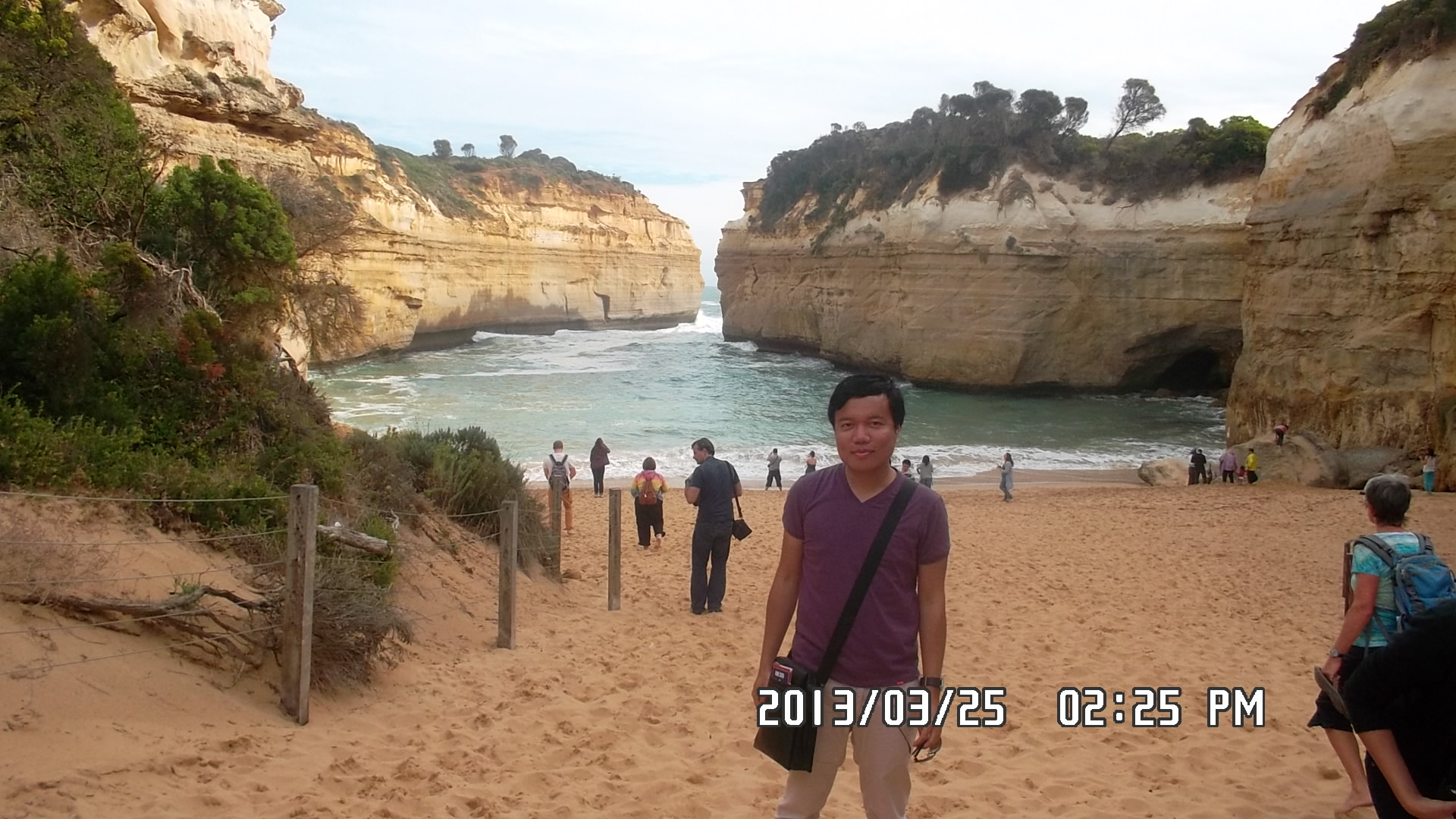
One of the pockets of beaches along the Great Ocean Road (Melbourne, Australia)

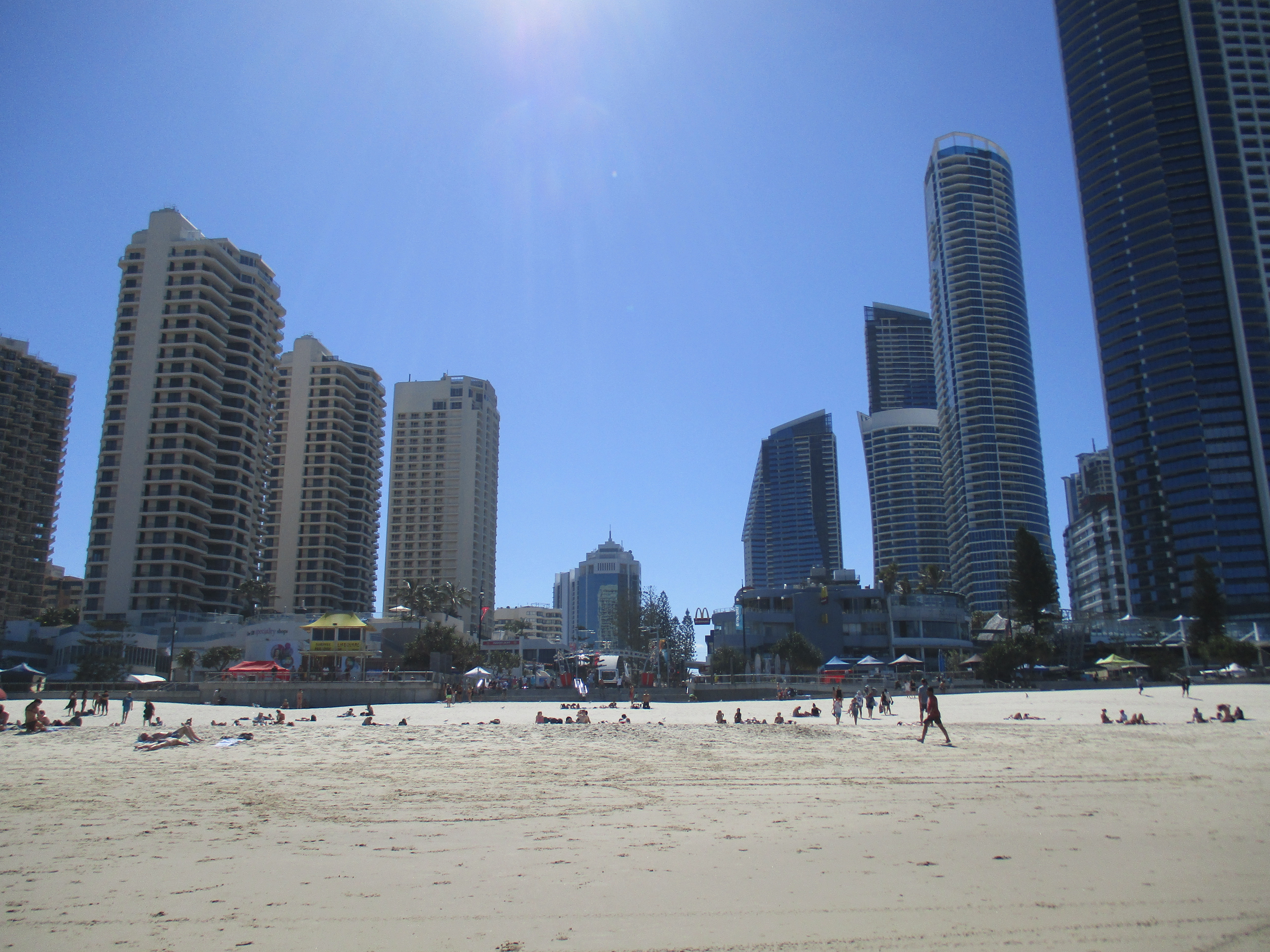
But the beach capital of the country (and the region) is neither of these two cities. Gold Coast is where beach buddies, surfers, and sun worshipers go for the waters, the wave, or just for the sun. When I said in the first part of this article that Guam reminds me of Gold Coast, that’s because of the long stretch of beach lined up with international hotel brands and apartments. I haven’t been to Miami, but I’m pretty sure this is how Miami would look like. Not only a shore full of skyscrapers, but also full of sculpted and tanned bodies.

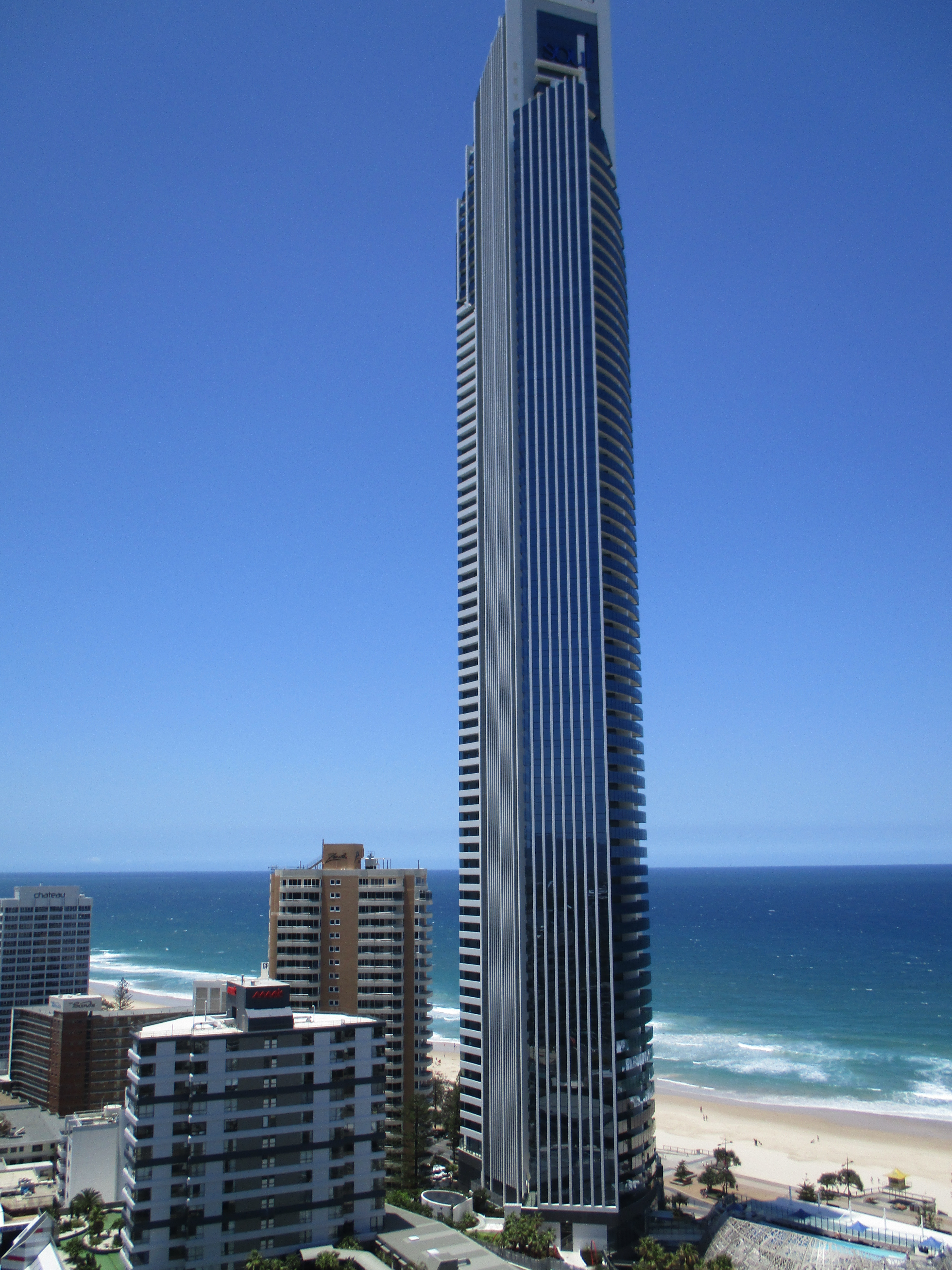
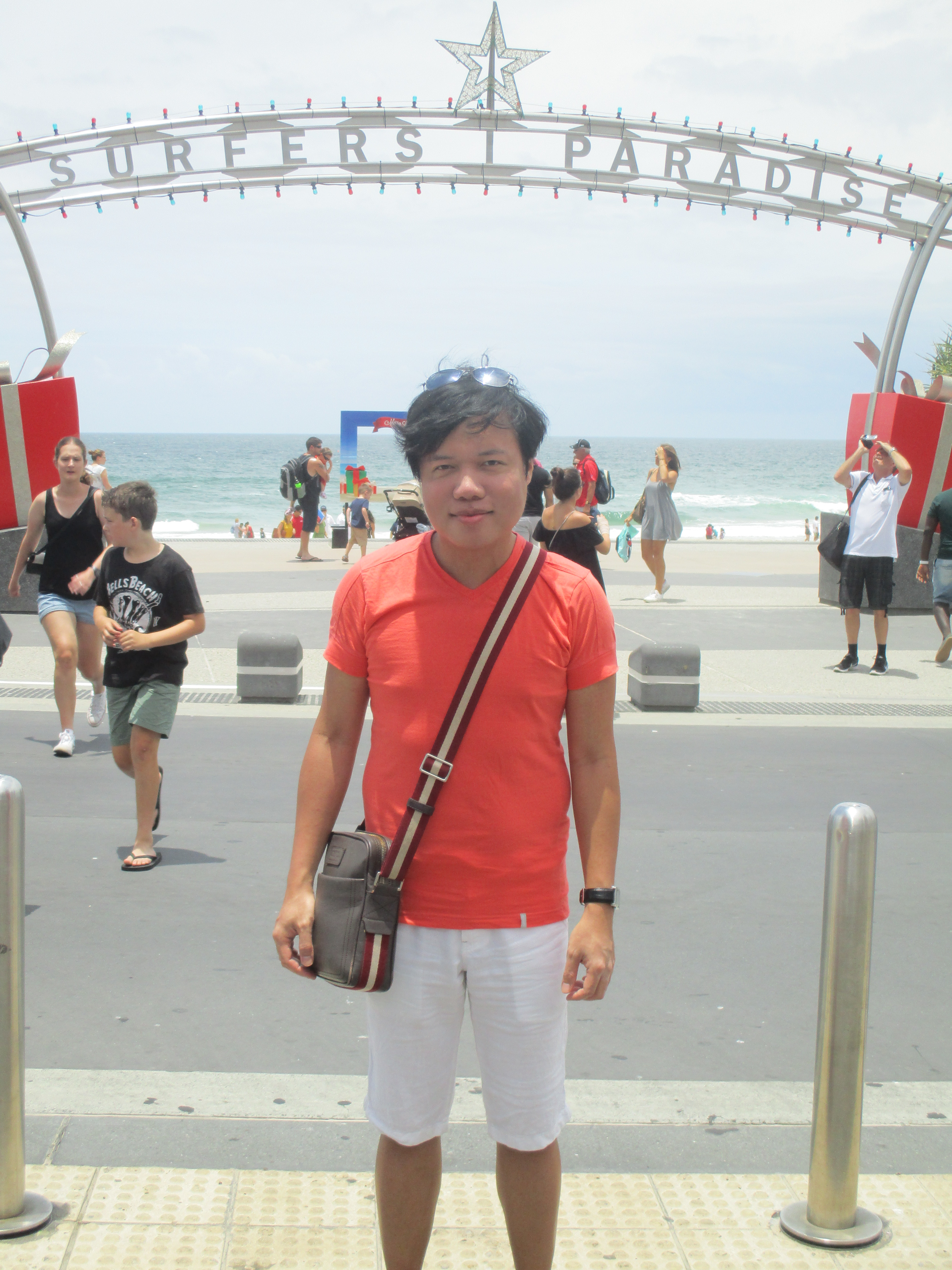
(Clockwise from top left) View of the Surfers Paradise Beach from my hotel room balcony; view of the skyscrapers from the beach; at the main entrance to the beach (Gold Coast, Australia)

Surfers Paradise is the main beach and this looks like the melting pot of summer holidaymakers. It also helps that it has that resort town vibe that makes it more attractive to vacationers all over the world. There’s always entertainment in Cavill Avenue (the heart of Surfers Paradise, which is Aussies’ definition of a mall) amidst the backdrop of shops, bars, and restos. What more can you ask for in a place that has the sun, the waters, the waves, the sands, the shopping, and the entertainment, not to mention beautiful people from all over.

(Top) Glenelg Beach, Adelaide, Australia; (bottom) man-made beach in the heart of Brisbane, Australia

As mentioned earlier, every city in this country seems to have its own beach. Adelaide has Glenelg beach, which looks like the sister of St. Kilda beach, but still maintains its unique old town charm. Brisbane has a man-made beach in the middle of the city, which is a first for me (though this is not the first man-made beach I’ve been to, where Plantation Bay in Mactan Island, Cebu, Philippines has both fresh and salt water beaches). Perth does not have a beach in the city, but off its coast is Rottnest Island, an unspoilt, raw, and natural island blessed with some of the most beautiful beaches I’ve been to. Stunning would be an understatement to describe Pinky Beach. Reaching the beach from the center of the island reminds me of that same feeling I had the first time I’ve seen Boracay Island White Beach in the 90’s (at the time when it wasn’t the party island that it is today). The sun seems to be kissing the fine sands as it deflects the light (like it’s kissing back) while the seascape is mesmerizing. In the absence of any commercial establishments (except for a few restos and shops in the center of the island) and the cleanliness that has been imposed on the island. it has maintained its beautiful natural state over the years. Talk about sustainable tourism.
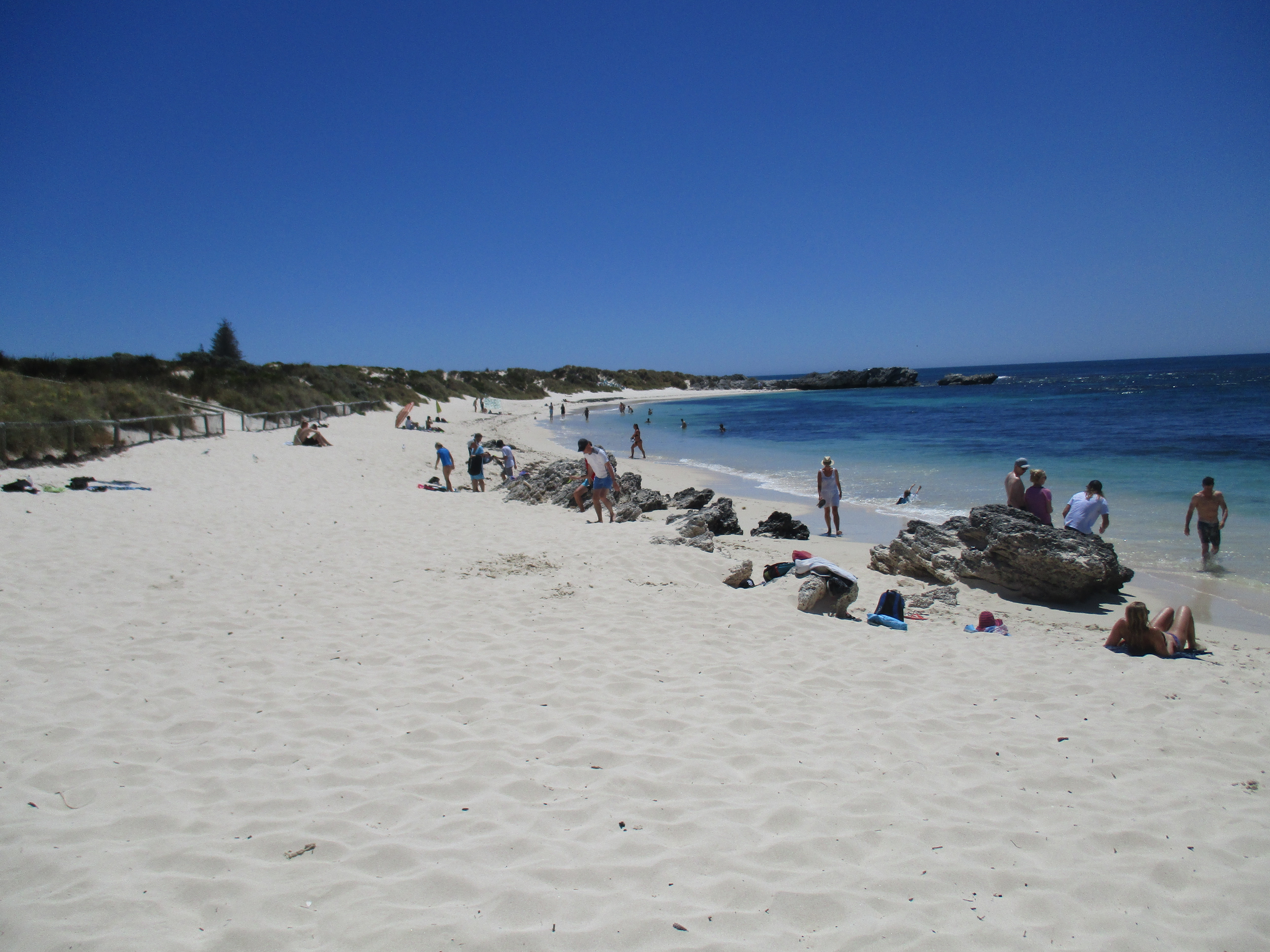
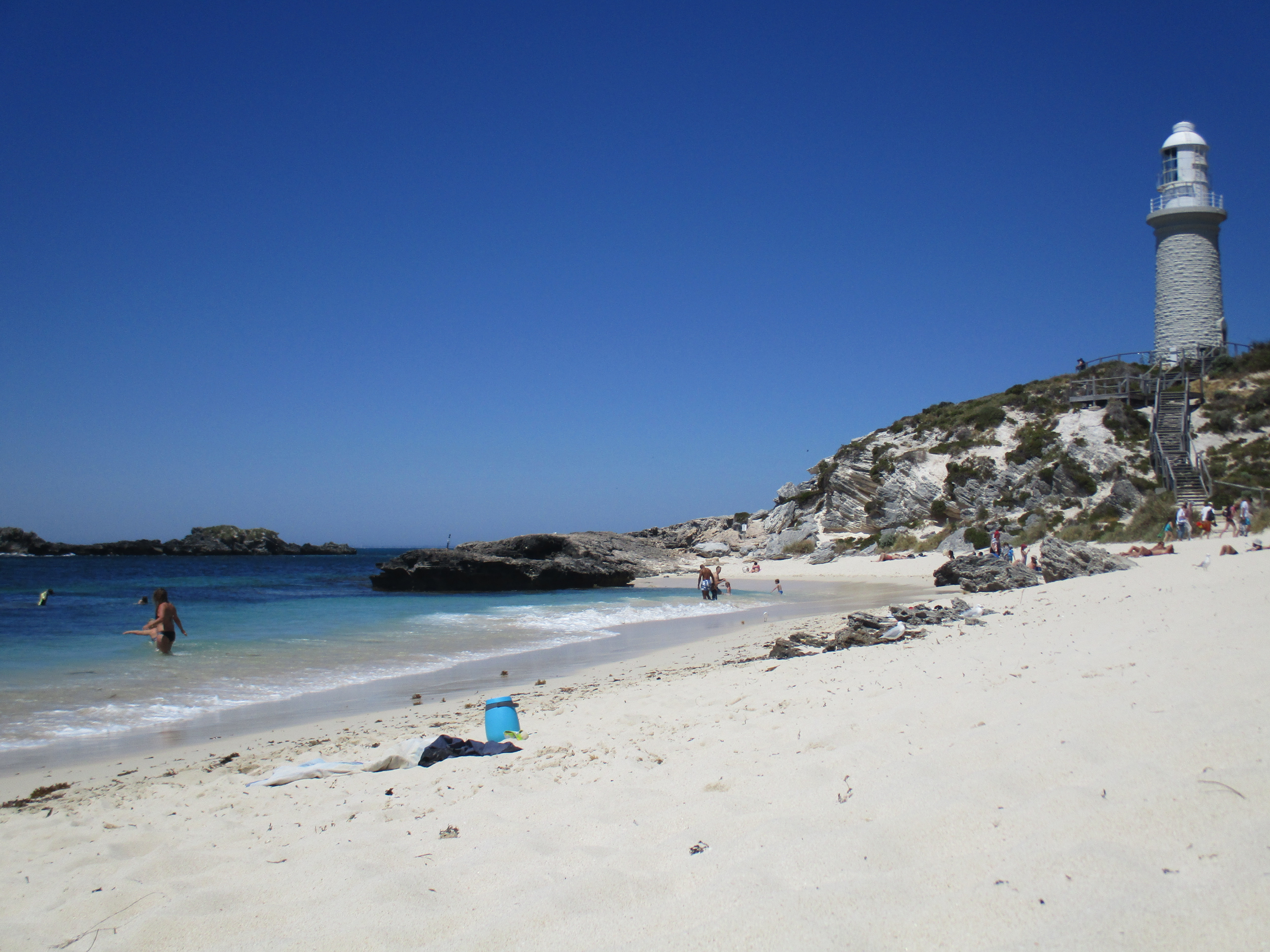
Rottnest Island, Australia

Ever wonder where the island got its name? Apparently an explorer in the 17th century discovered this island and thought the quokkas that are endemic to this island are rats. Since there were a lot of these gentle mammals at that time (and even up to this day), he probably thought the island is a nesting place for rats. Nowadays, people and quokkas have learned to co-exist, maintaining that balance as nature has intended it to be.
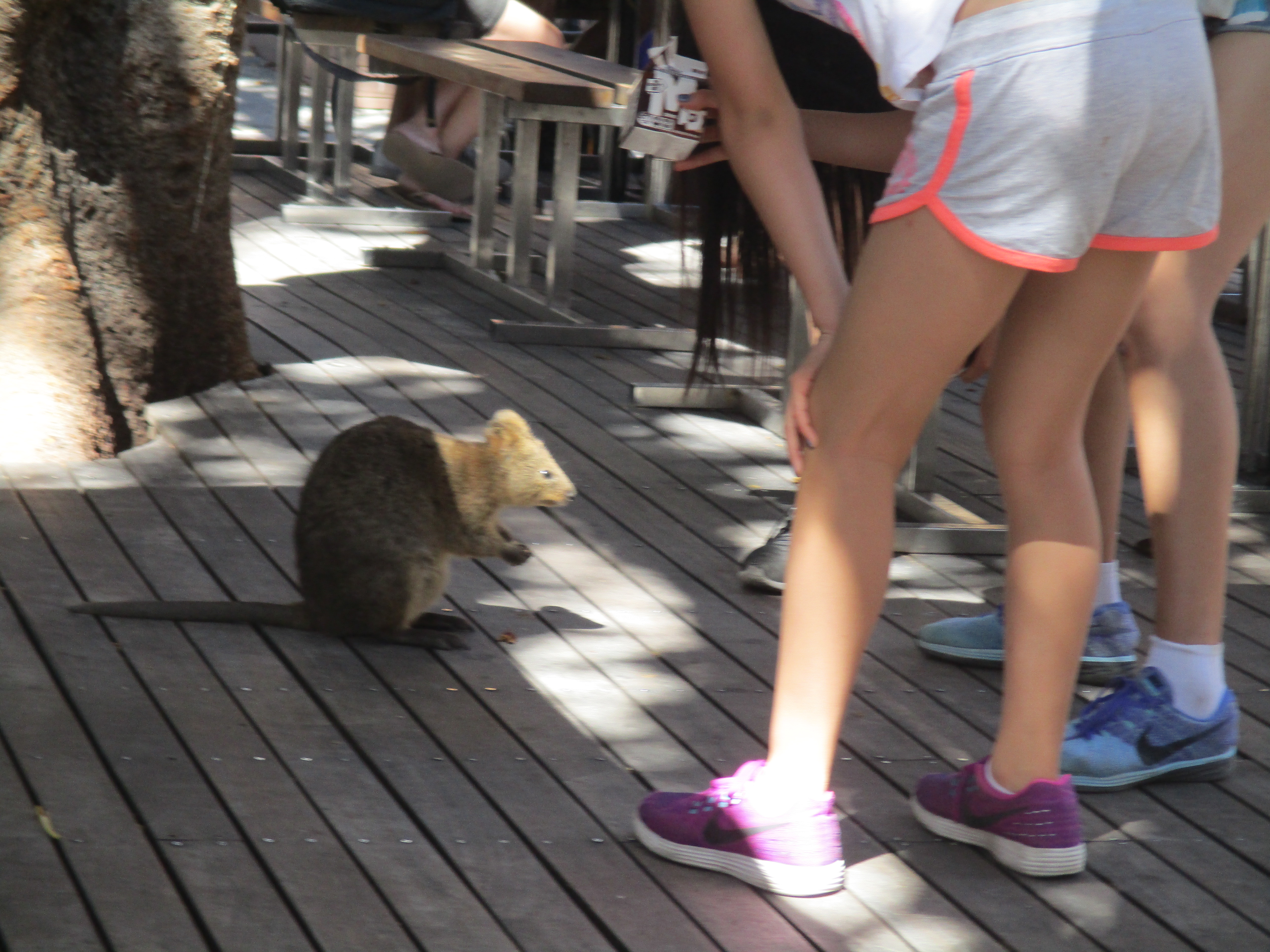
A quokka foraging for scraps (Rottnest Island, Australia)

So we have reached the end of the road for our virtual beach tour around the world. How did you find the trip, dear readers? Did you get some virtual tan while soaking into the joy and serenity that these beaches had to offer? While on quarantine, I hope this has brought sunshine in a phone or in a laptop, a temporary relief from the new reality that we live in right now. This part of our lifetime may not be the worst of experiences that we have gone thru, but if you are starting to feel like life is a bitch, think of all your blessings and come to the realization that life can also be a beach. This is coming from someone who has to go thru life with his own flaws (https://columbusbee.blog/2019/06/15/ihaveflaws/), personal tragedy, betrayal, pain, struggles, and lessons learned. But what’s life without these to live by and with? As the saying goes, what won’t kill you will only make you stronger.
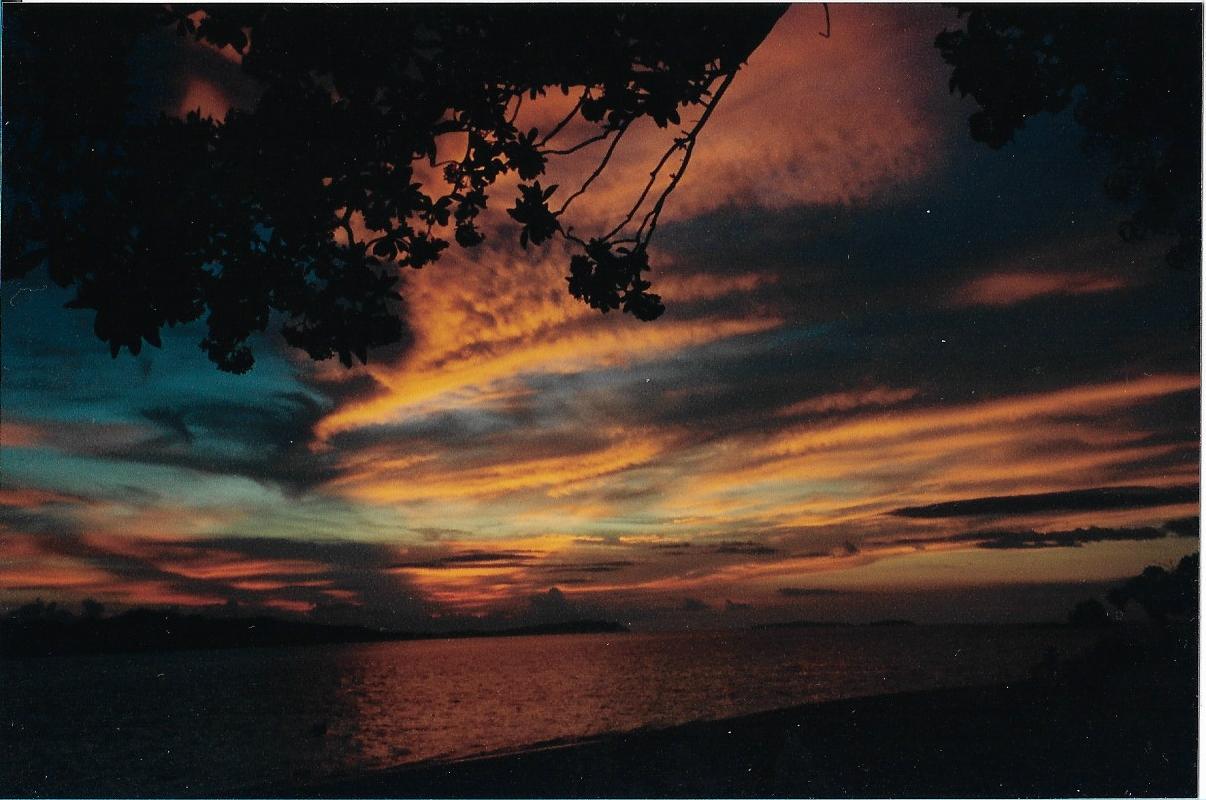
Sunsets signify the end of day that was and the start of new day that will be

So if life gives you lemons, chill and make plenty of cool, refreshing lemonade. Coz you only live once, and life’s too short to realize you haven’t really lived at all. Smile and start living.
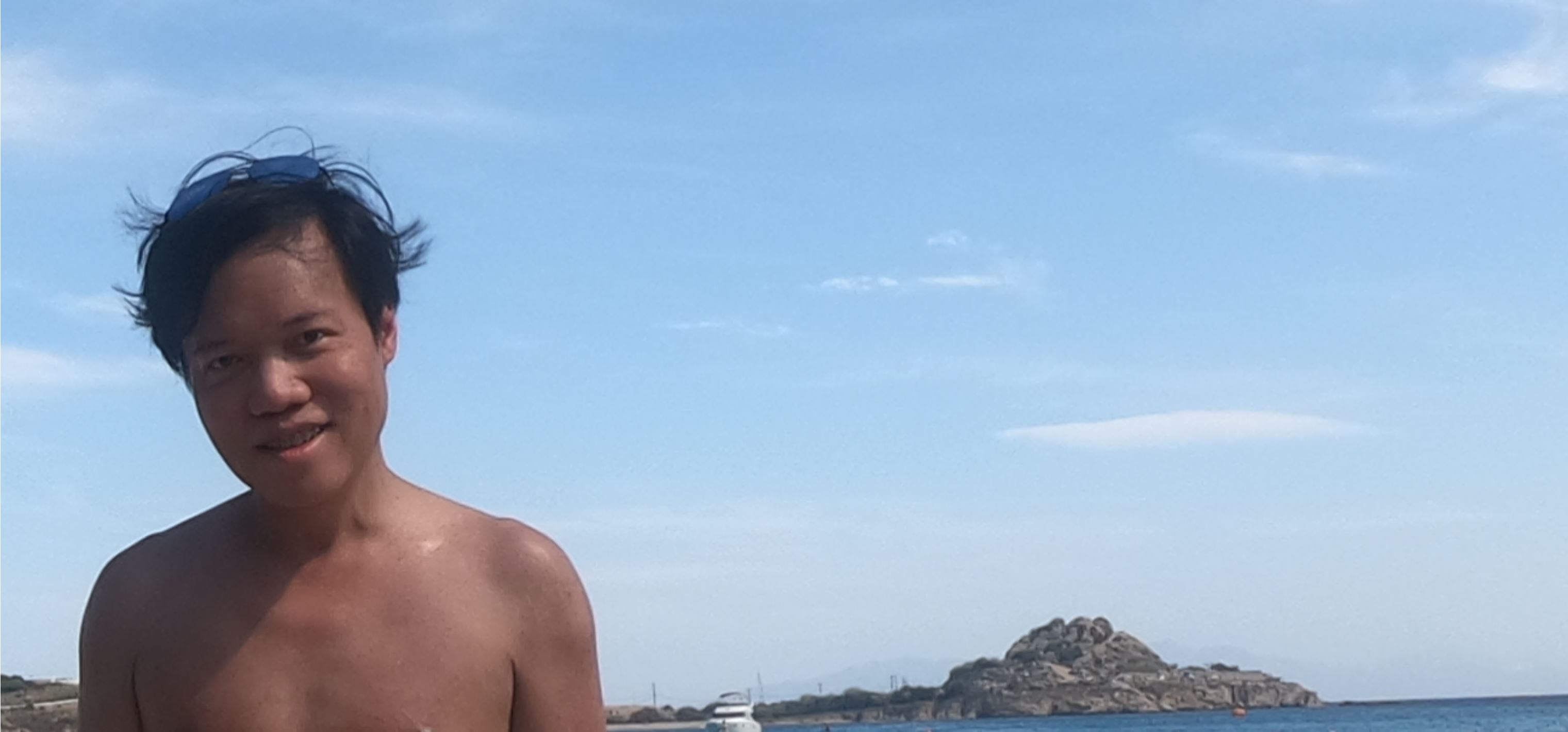
Living life like an island boy
Istanbul: The Ancient City That Never Sleeps

Travel Buzz

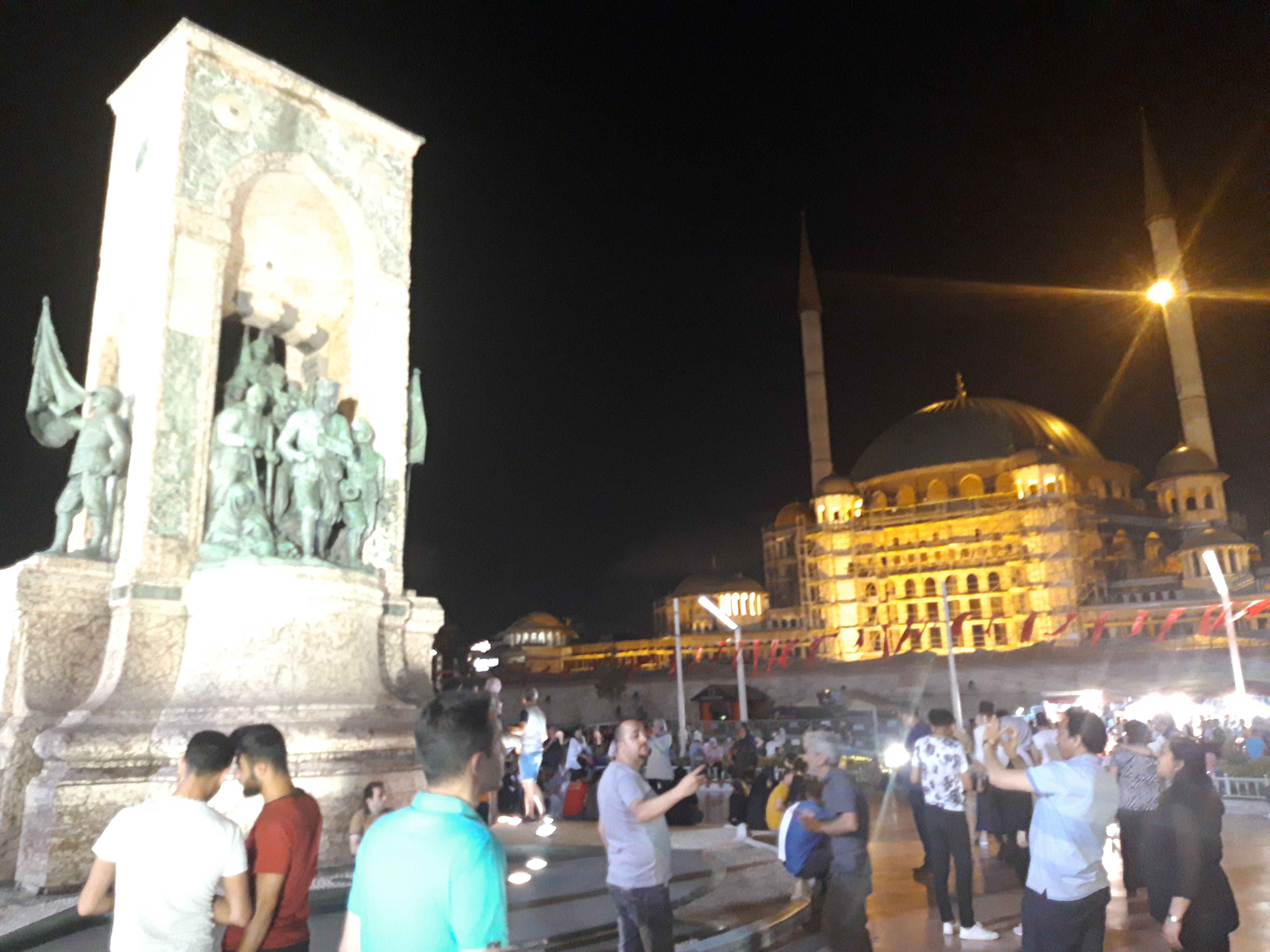
Taksim Square

I flew out of Santorini (Greece: Of Myths, Mediterranean Food, and Beaches Part 2) to Athens on a Volotea flight. Good thing about this flight is that it lands in Athen’s international airport where I took my Turkish Airlines flight to Istanbul in the same terminal just a few hours apart. Before taking my onward flight, I had lunch at the airport and was just happy to have found Burger King. You know (from the photos I’ve shared with my Greece stories in the 2-part article), I haven’t had fastfood in the 10 nights that I stayed in Greece and I’ve been craving for it so it was the first fastfood that I thought would satisfy my cravings and it actually did. Finished 8 pieces of chicken wings, medium fries, and a large Coke Zero. Since I still have a few hours to kill, I went to Starbucks (my first in this trip) to get a drink and finish the article that I was writing for this blog before heading to the gate 30 minutes ’til boarding time.

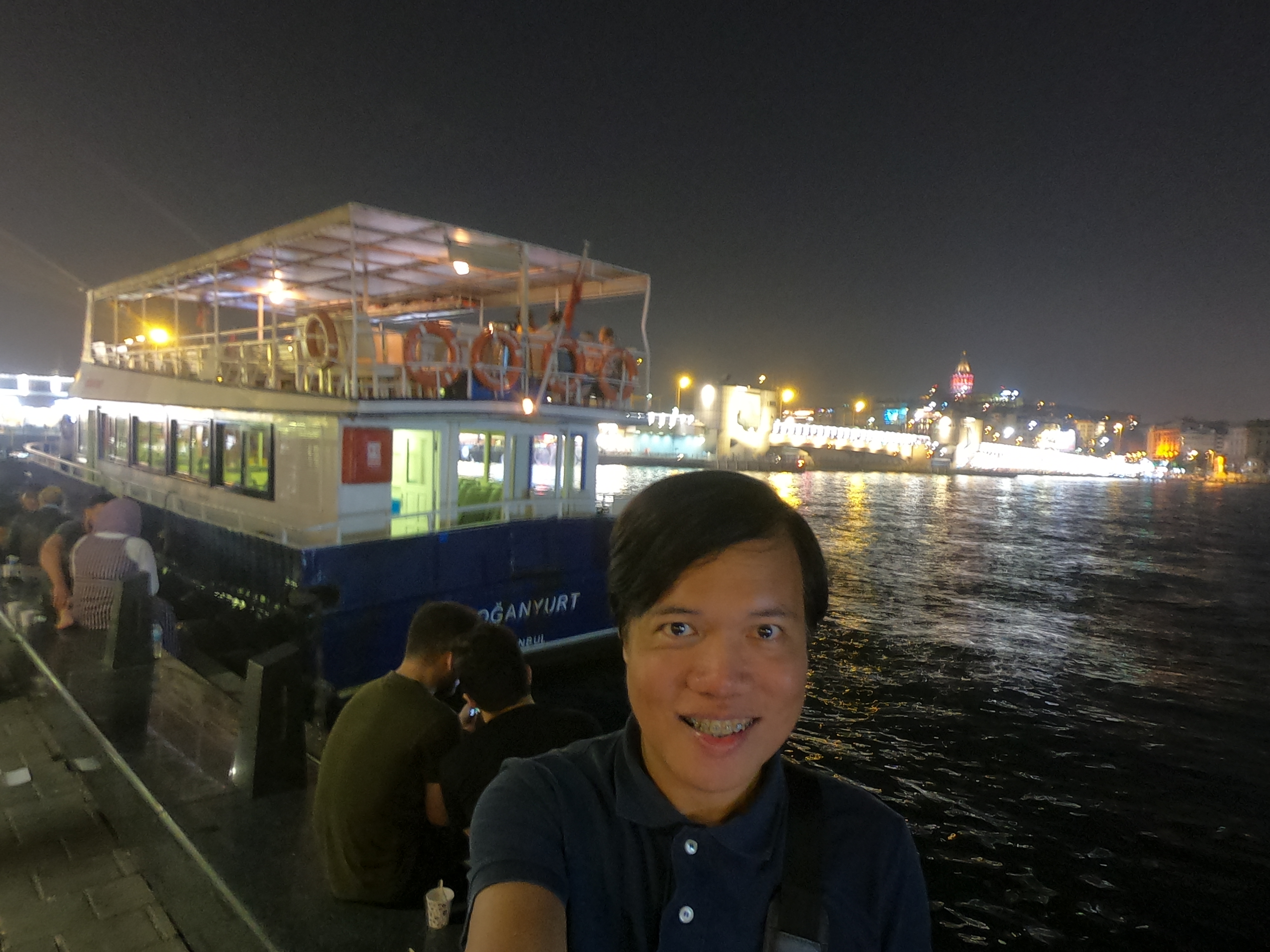
Along the Bosphorus river bank after having dinner at Yaka Balik restaurant under the Galata bridge

It was an uneventful flight. When I got to Turkey’s international airport, I was met by a rep of the transport company that my hotel has commissioned to pick me up. I told him that I need to look for an ATM first coz I need local currency. One thing I learned from my travels is that sometimes it’s better to withdraw from local ATM rather than bring dollars and convert it to local currency since the conversion rate is so much better and there is no commission fee (this is particularly true in Madrid where you’ll get ripped off with the conversion rate alone). He advised me to do it in the city as the ATMs in the airport charge commission fee. I was glad he told me that, it gave me a good first impression of Turks, especially after that unfortunate experience in Mykonos. He led me to my van, a modern unit where the seats look like 2 leather sofas facing each other and I had it all for myself. It was a pleasant ride indeed.

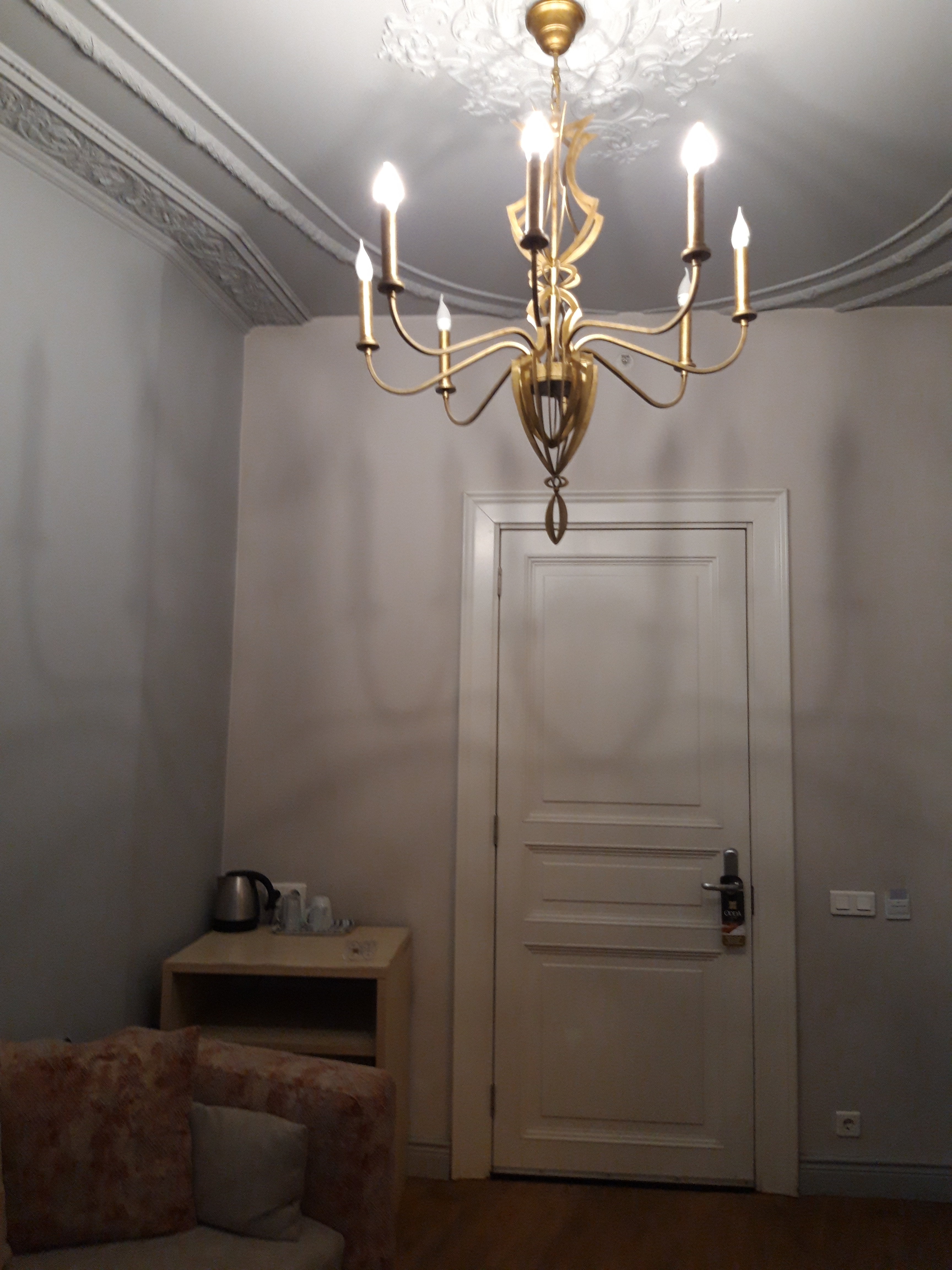
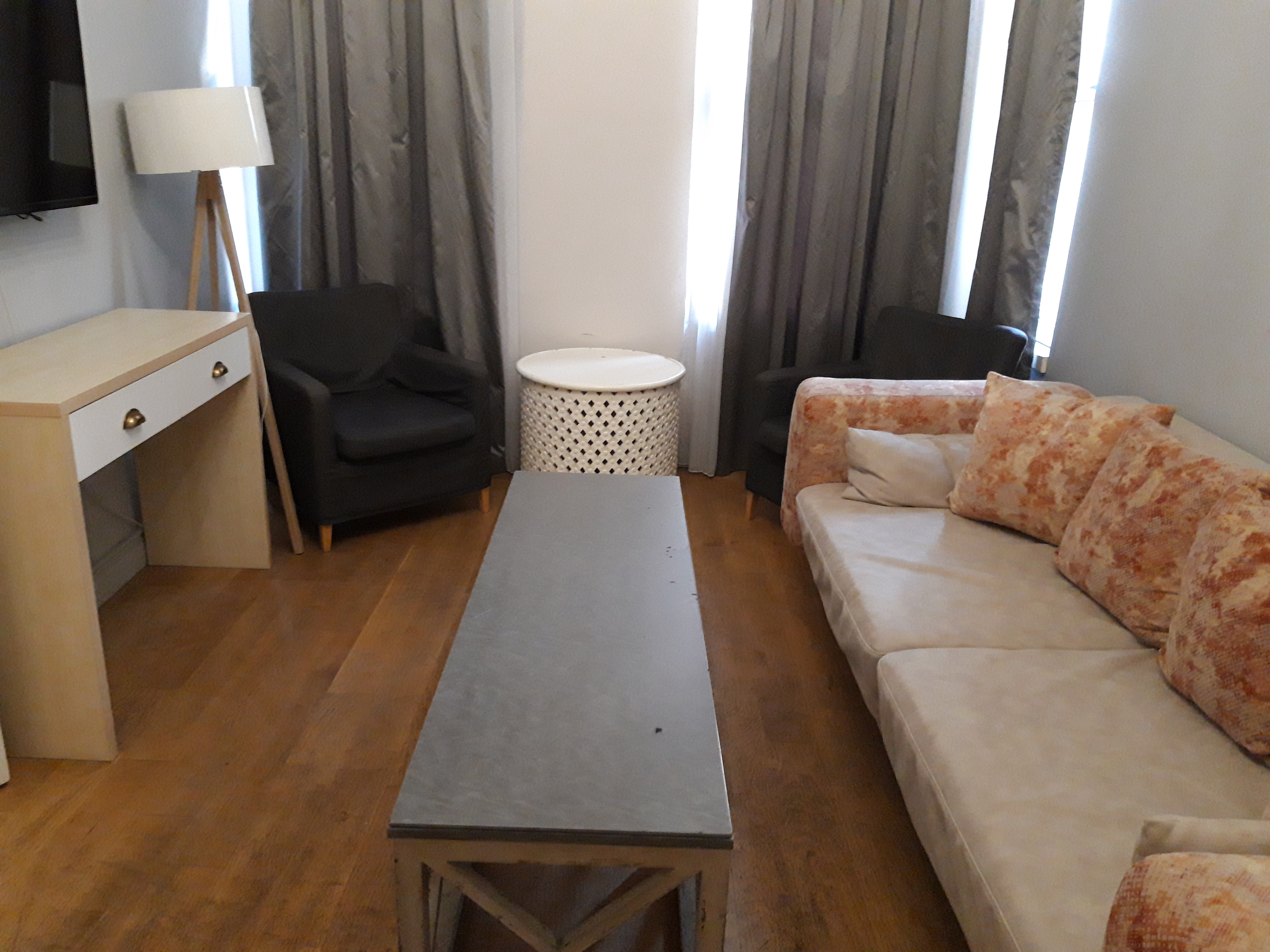
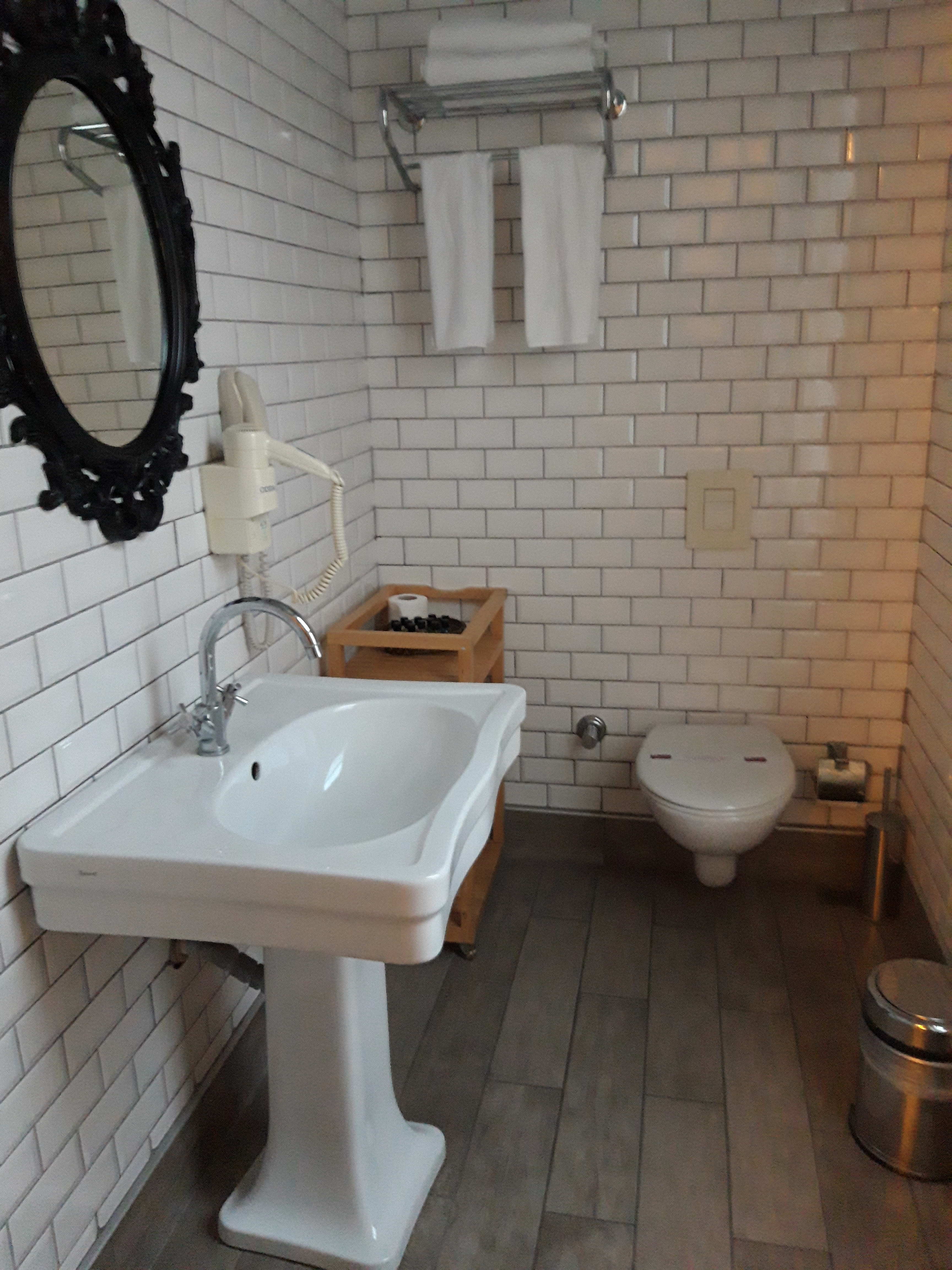
My suite room (ODDA Hotel). I love the classic toilet design.

I was dropped in my hotel, ODDA. As I mentioned in my previous article, I have to downgrade my hotel accommodation to cut my losses from that Mykonos scam. I was originally booked at Rixos Pera Istanbul using my Le Club Accor. It’s a high-end hotel at mid-scale price (using my Accor card) so I thought why not. Turkey is not an expensive city unlike the rest of Europe, so having a little luxury for a good price is something that I would normally go for. Unfortunately, I have to give it up and settled for a less classy property in a less desirable address. Don’t get me wrong though, ODDA Hotel is in a good location if you want to be near everything (a few steps away from the main avenues, particularly the popular Istiklal Caddesi, and few minutes to the nearest Metro), but it’s just that it’s in that part of the center where bars abound as well as hole in the wall shops and restos, which give it a dodgy feel especially at night.

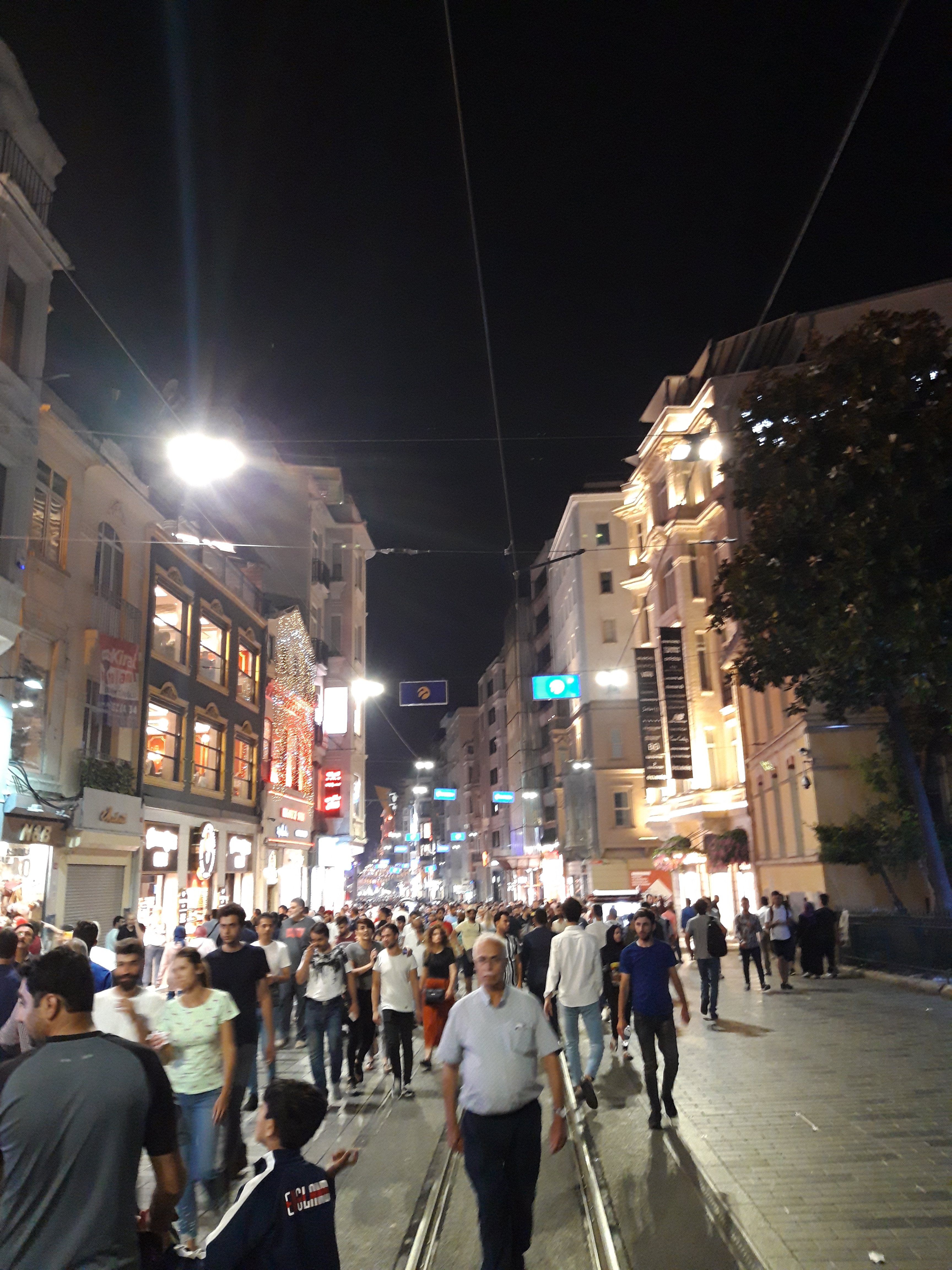
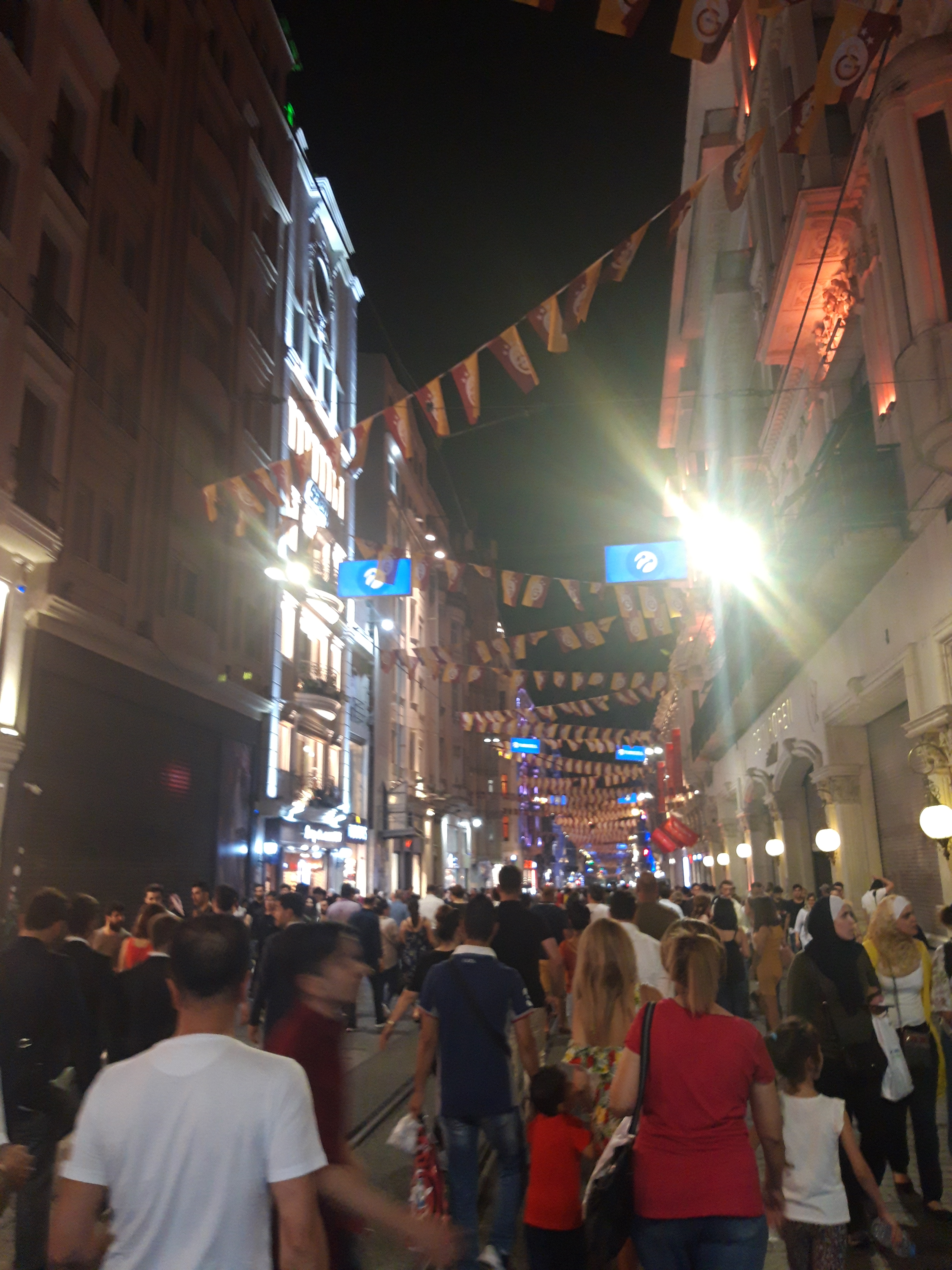
Istiklal Caddesi filled with people at any given time of the day and night.

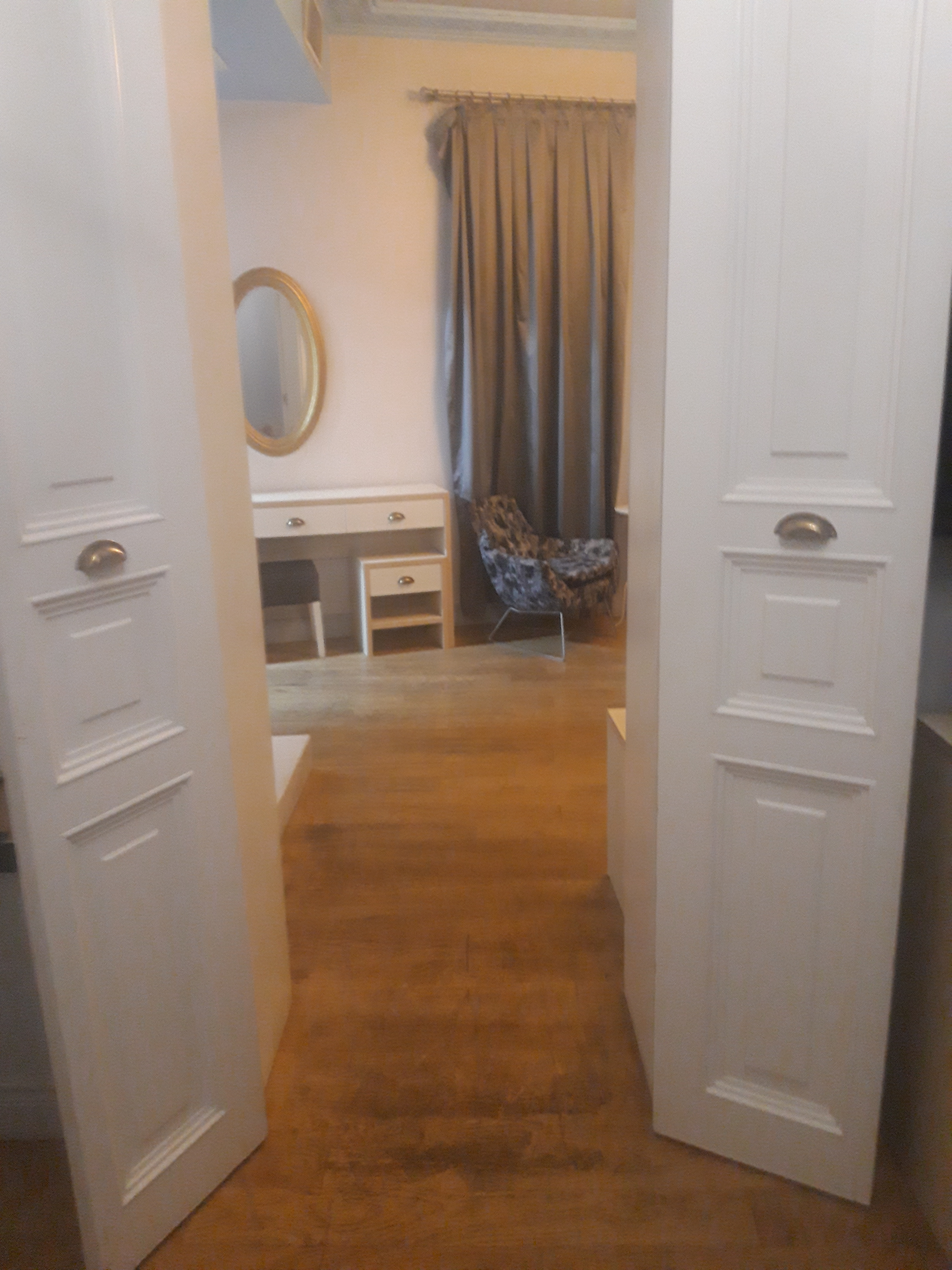
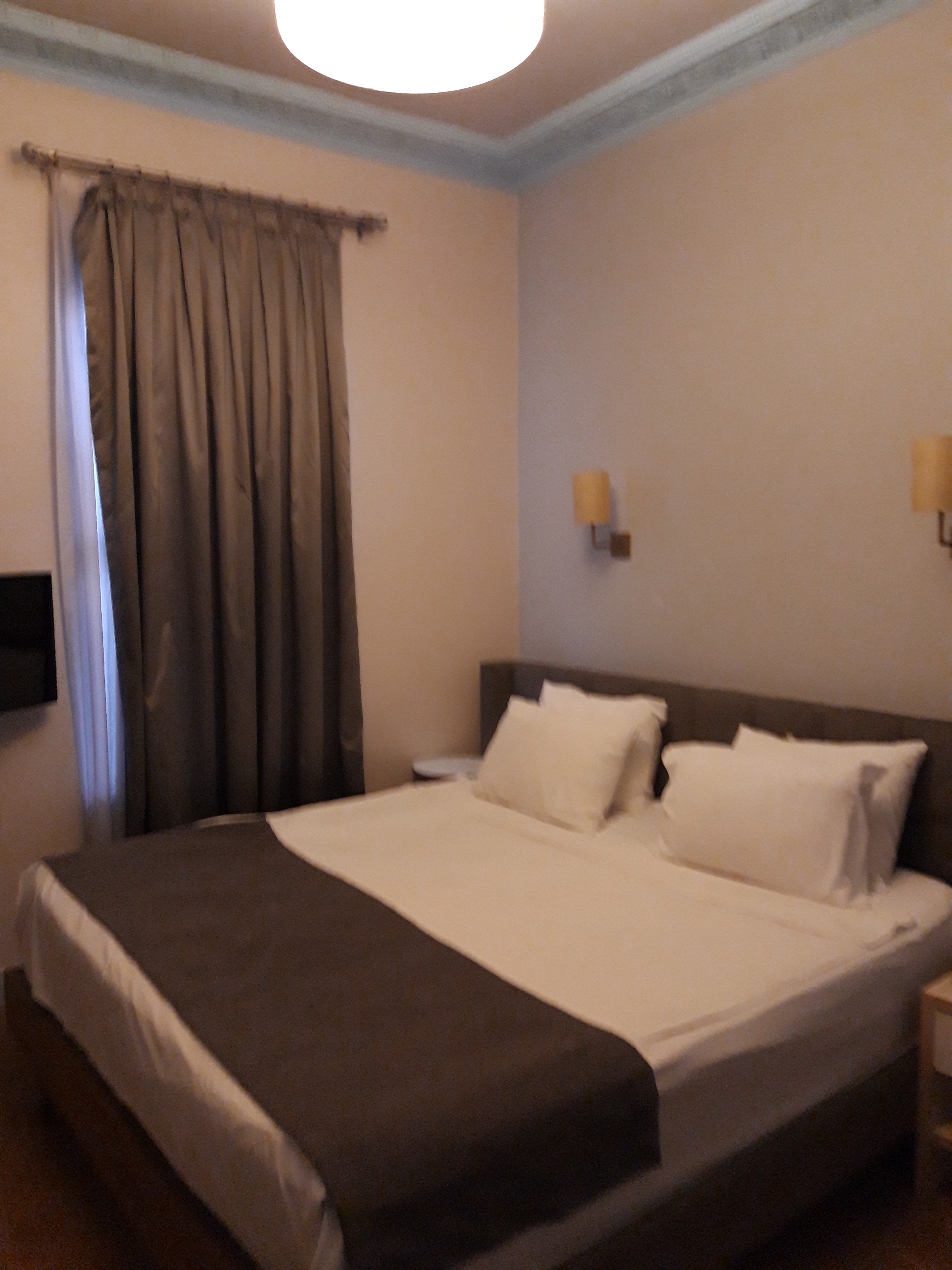
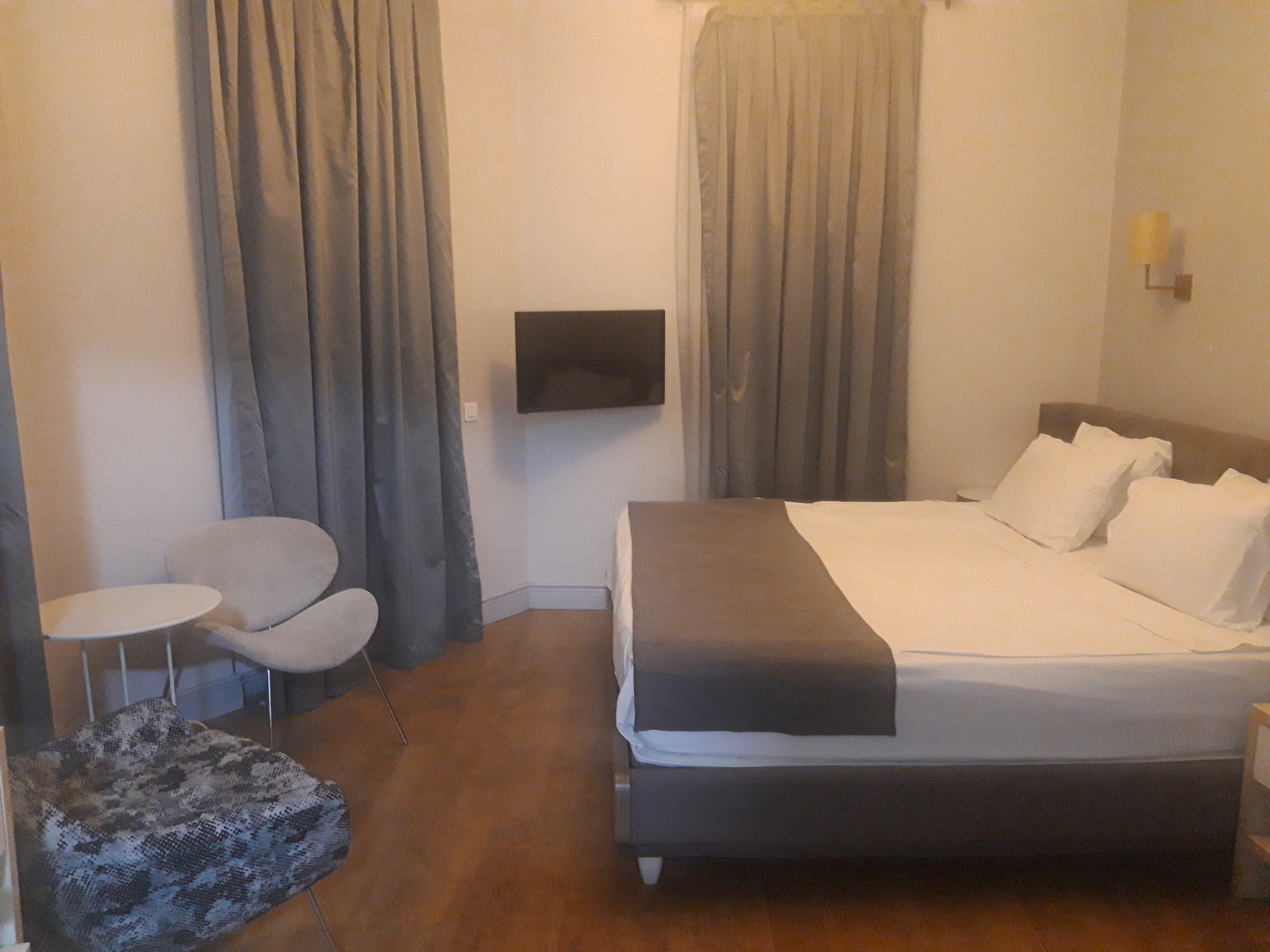
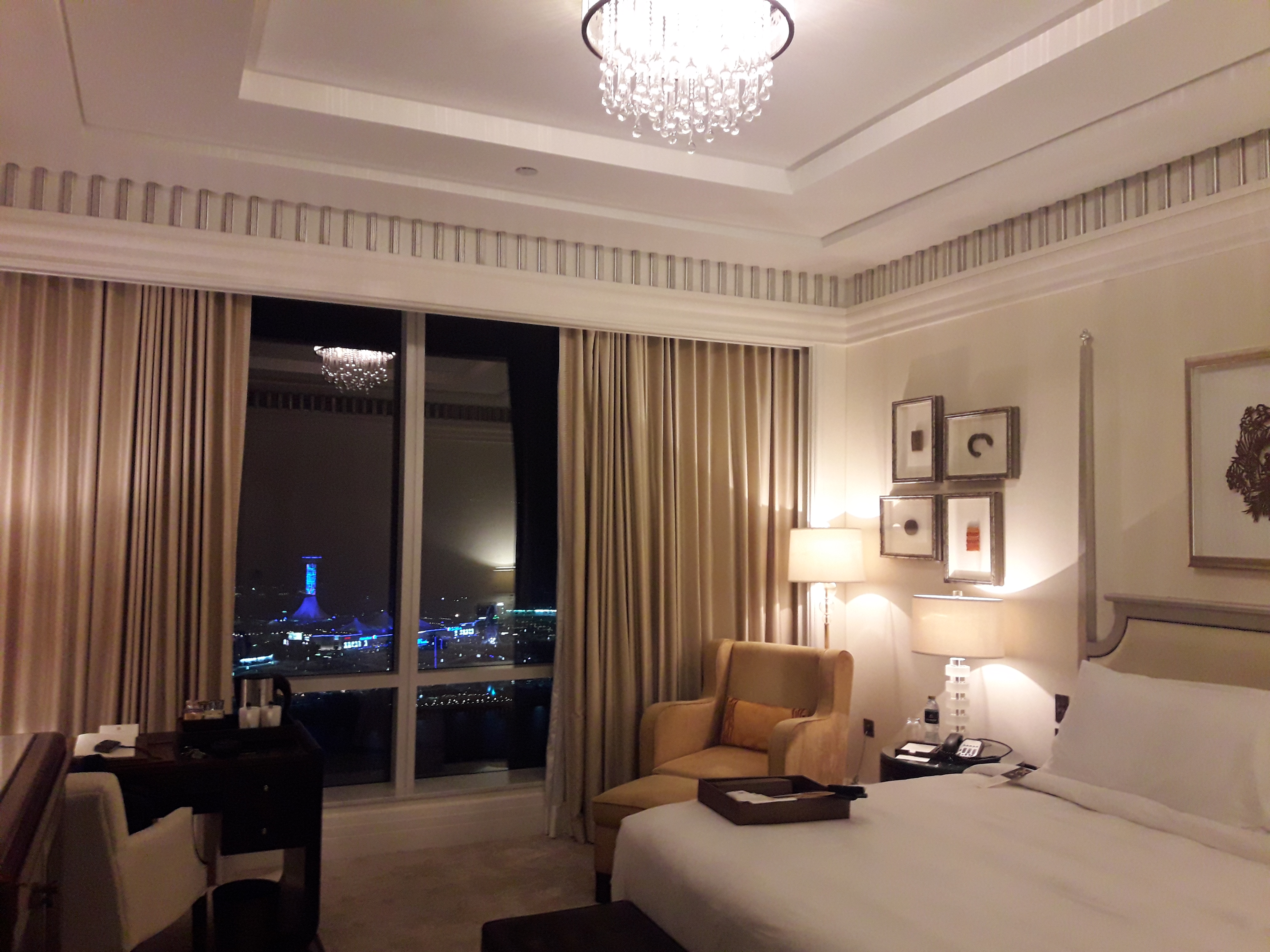
The accommodation, to say the least, is decent. I got a suite (yes, you heard me right). But before anyone questions my judgement especially after getting ripped off in Mykonos, you will be surprised at how much I got that suite room. Let’s just say I got it for less than a 100 euro a night. Quite a good buy, right? Though it’s not as posh as the room I had at St. Regis Abu Dhabi and in dire need of some refurbishments, I liked the extra space (living room, bedroom, separate shower and toilet). It’s a welcome respite from tight spaces typical of European hotel rooms. The only negatives are that the furnitures need some upgrade and the whole place needs a face lift.

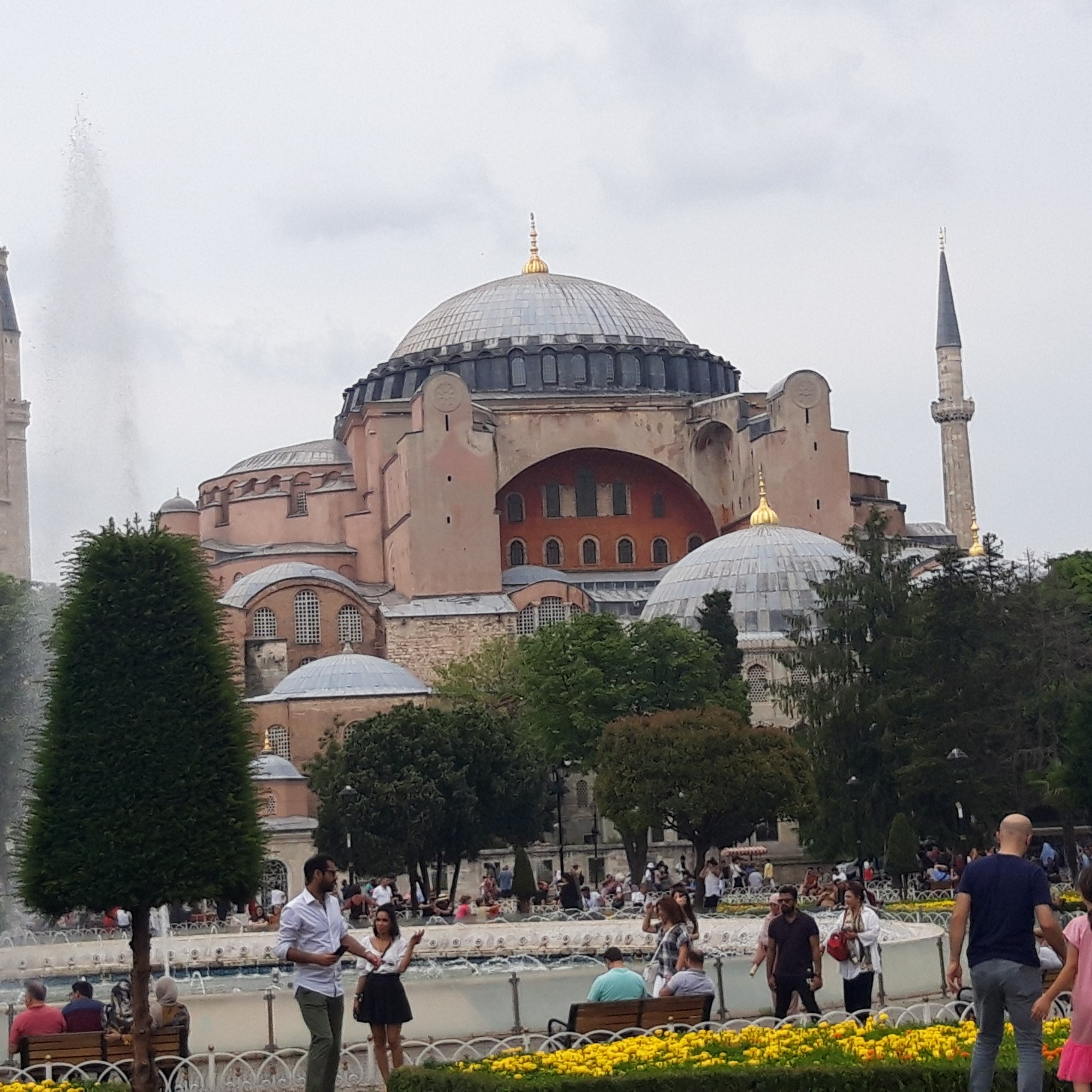
Hagia Sofia (exterior and interiors)

Before embarking on this Turkish journey, I already had an idea which touristy sites I would like to see given the limited time that I’ll be in Istanbul. My sister suggested that I see the MillStone Cave Suites at Cappadocia for the hot air balloons but that’s outside of Istanbul and I don’t have enough days to stay there not to mention the travel time to get there. So I’ll reserve that for future trips, which will give me a reason to come back to Turkey. I decided to see only Istanbul for all its glory on a tight budget (after spending a fortune in a tourist trap that was Mykonos). I didn’t do the hop-on-hop-off bus anymore (which I would normally do to acclimatize myself in every new environment I’m in) to save some euros and time. So what I did was to get a loadable Metro card and got myself familiarized with the subway system and stations nearest to the sites I’d like to see. Unlike that of Tokyo, Istanbul’s subway system is quite simple and easy to understand.

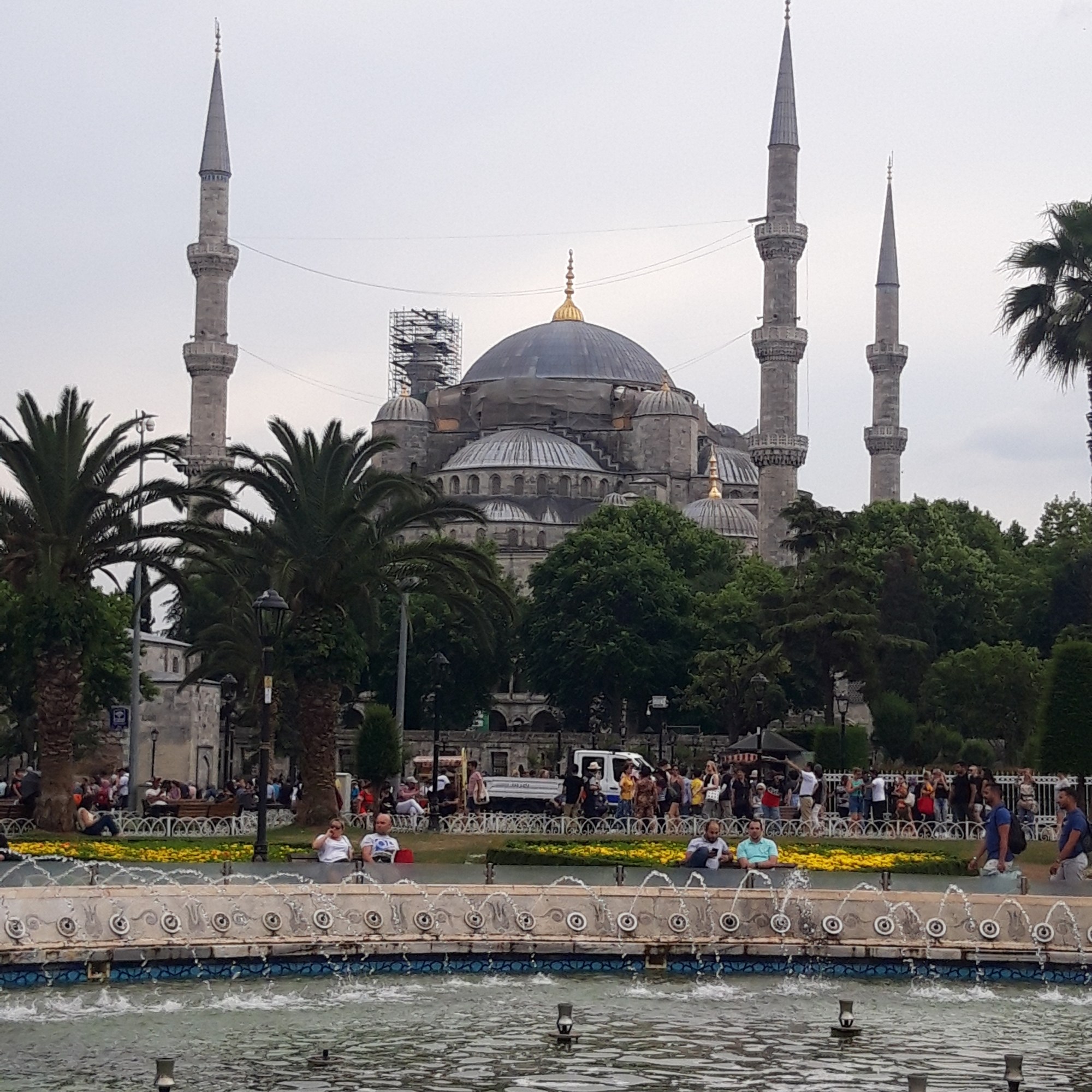
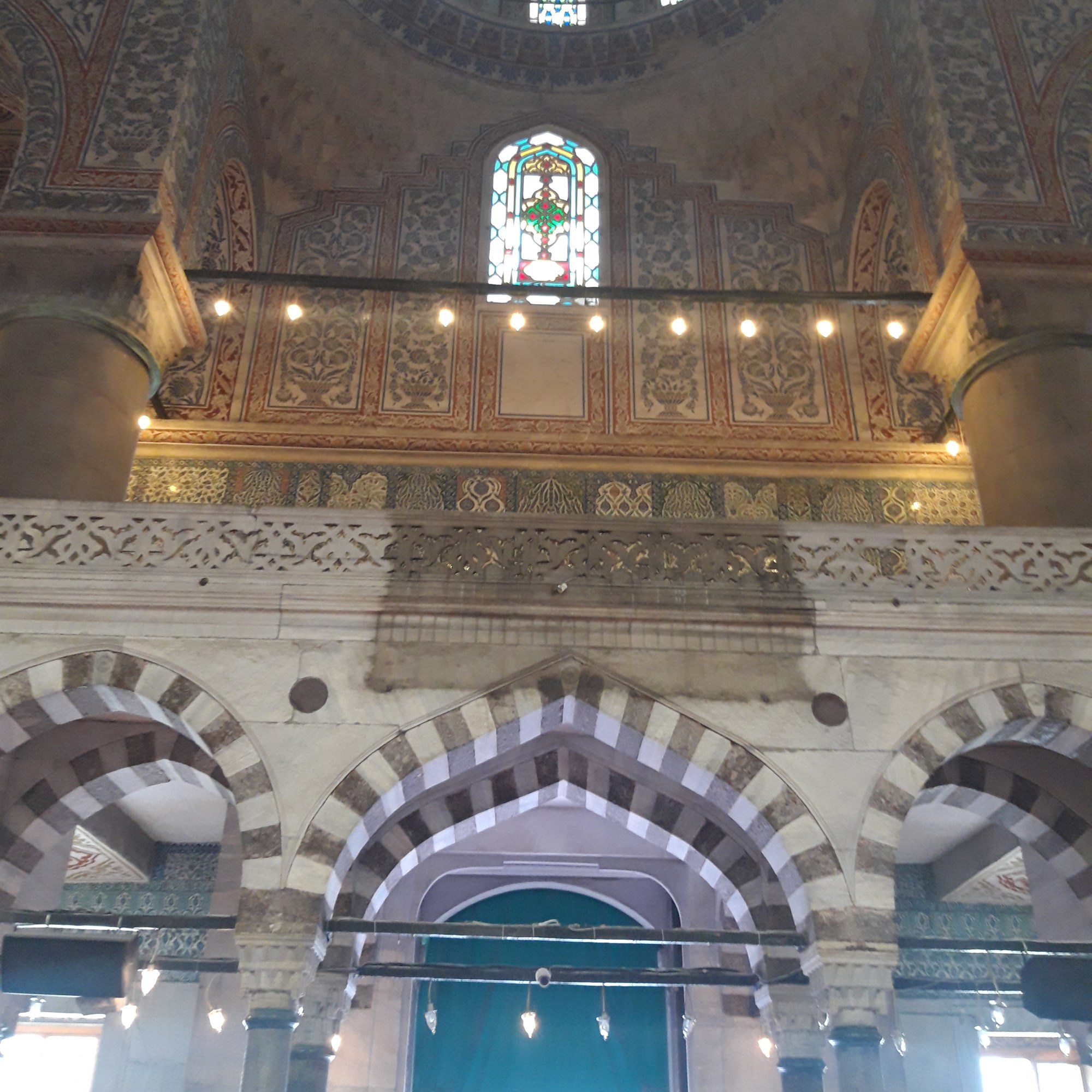
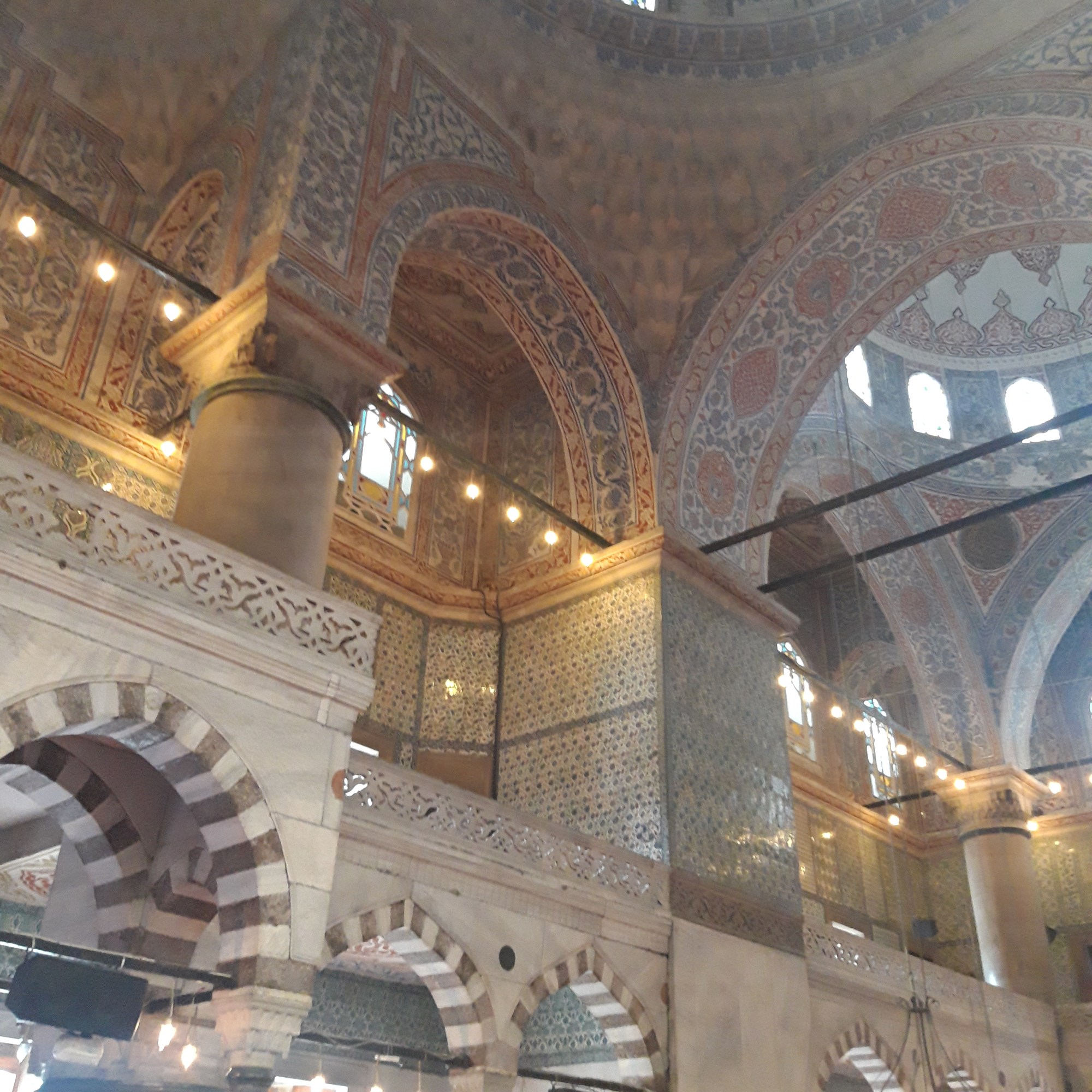
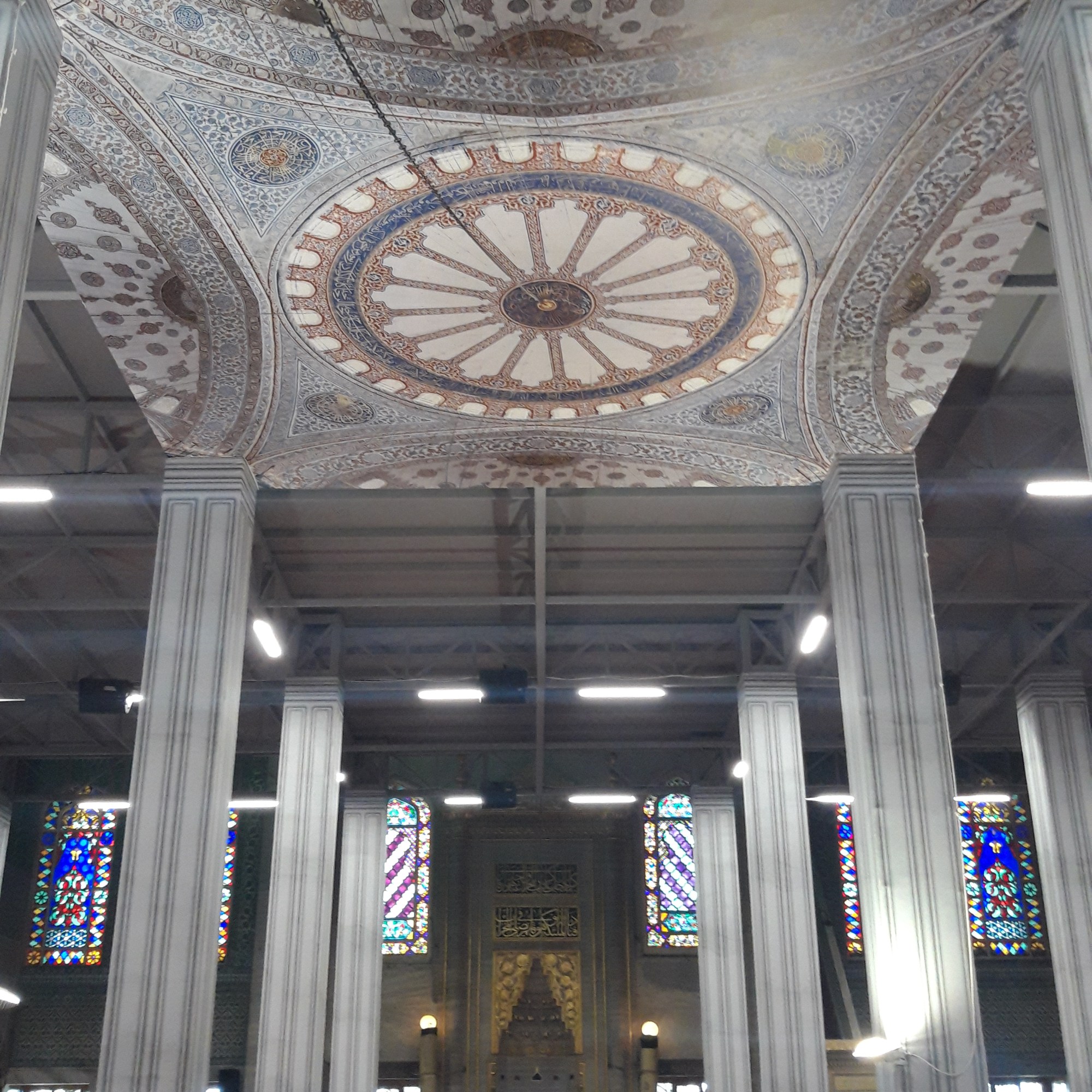
Blue Mosque (exterior and interiors)

My first stop was the area where both Hagia Sofia and the Blue Mosque stand only separated by a park. These two structures define Istanbul both in terms of legacy and grandeur. Both are strategically located and stand apart just with enough space in between for people to stroll and appreciate these ancient beauties. Hagia Sofia is pinkish in appearance, while Blue Mosque is, of course, bluish. Between these two UNESCO World Heritage Sites, in terms of facade, I like the latter better. It is more majestic in presence, like a King with his Queen just a few steps behind. The interiors of both though were underwhelming. Like food, it wasn’t as tasty as it looks. Don’t get me wrong, there were a lot of intricate and meticulous details and undeniable unique aesthetics, which many would say work of art, but I have seen better with less hype. Maybe I was just expecting much (just like with Rome) and that’s always been one of my flaws. Like going to the movies, I would always tend to read the reviews before going in and leave the movie house underwhelmed.

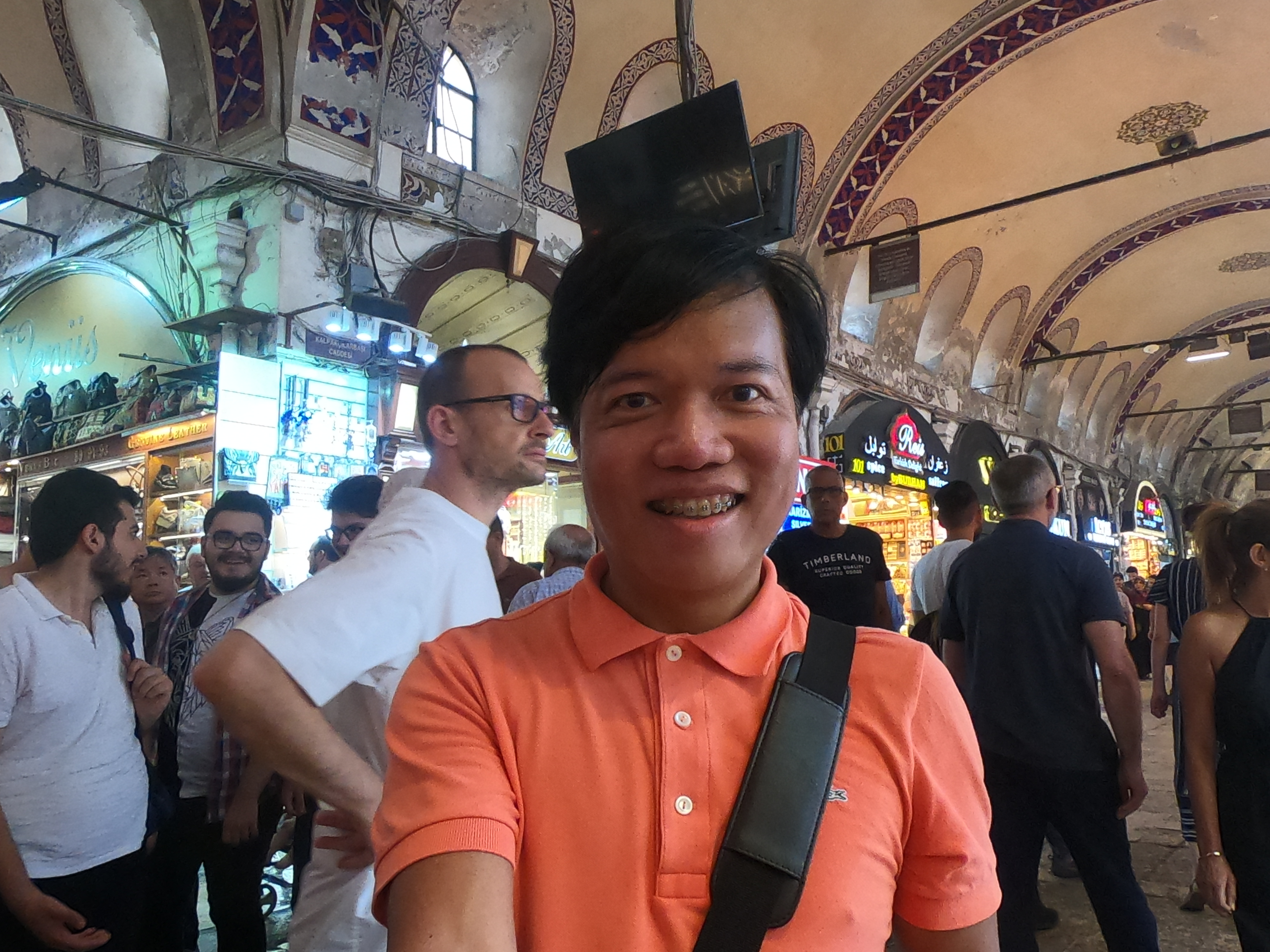
Grand Bazaar. Bought souvenir items, local soaps, and a carpet.

Around the area are ‘hidden’ mini bazaars (didn’t have any idea that there were shops at the bottom of some stairs in the area) and I was stopped on my tracks a few times by friendly Turks inviting me to see their stalls in discrete spots. I’m not sure whether I look like a loaded tourist, where locals would usually come up to me and ask where I’m from and if I’m interested to see the wares they’re selling, from jewelry to precious stones, from carpets to artworks. I don’t think I wear fashionable clothes to have that look (I’m not gunning for that look, believe me). Not sure whether I’d be flattered by the attention, but I’m just a regular guy who likes to travel to see the sights and enjoy the food with shopping furthest from my mind. I had plans to visit the Grand Bazaar anyway, so I’d rather do the shopping there than entertain these guys.

Topkapi Palace Museum

Like Athens or any other ancient city, a visit to Istanbul won’t be complete without seeing her museums. My ticket for Hagia Sofia (which is now a museum) also entitled me to see two other museums: Istanbul Archaeological Museum and the Topkapi Palace Museum (discounted 3 in 1 ticket). The Archaeological Museum was just ok, no amazing or spectacular finds. My takeaways from the visit weren’t any good archaeological finds but the beautiful tiled building outside of the main building and a blackened toenail after tripping on probably ancient rock lying on the grounds of the mini archaeological garden beside the refreshment area. Topkapi Palace Museum, on the other hand, was a different story. The gardens leading to the different buildings inside a huge compound are beautiful. Well maintained and manicured, it gives the place a refreshing vibe that complements whatever awesome finds inside the buildings that house ancient relics and artifacts including what many believed was Moses’ staff. There are other finds which Muslims would consider sacred, that’s why it’s no surprise that the crowd would be mostly Arabs since the Palace is visited for its unique collections with historical and religious significance.

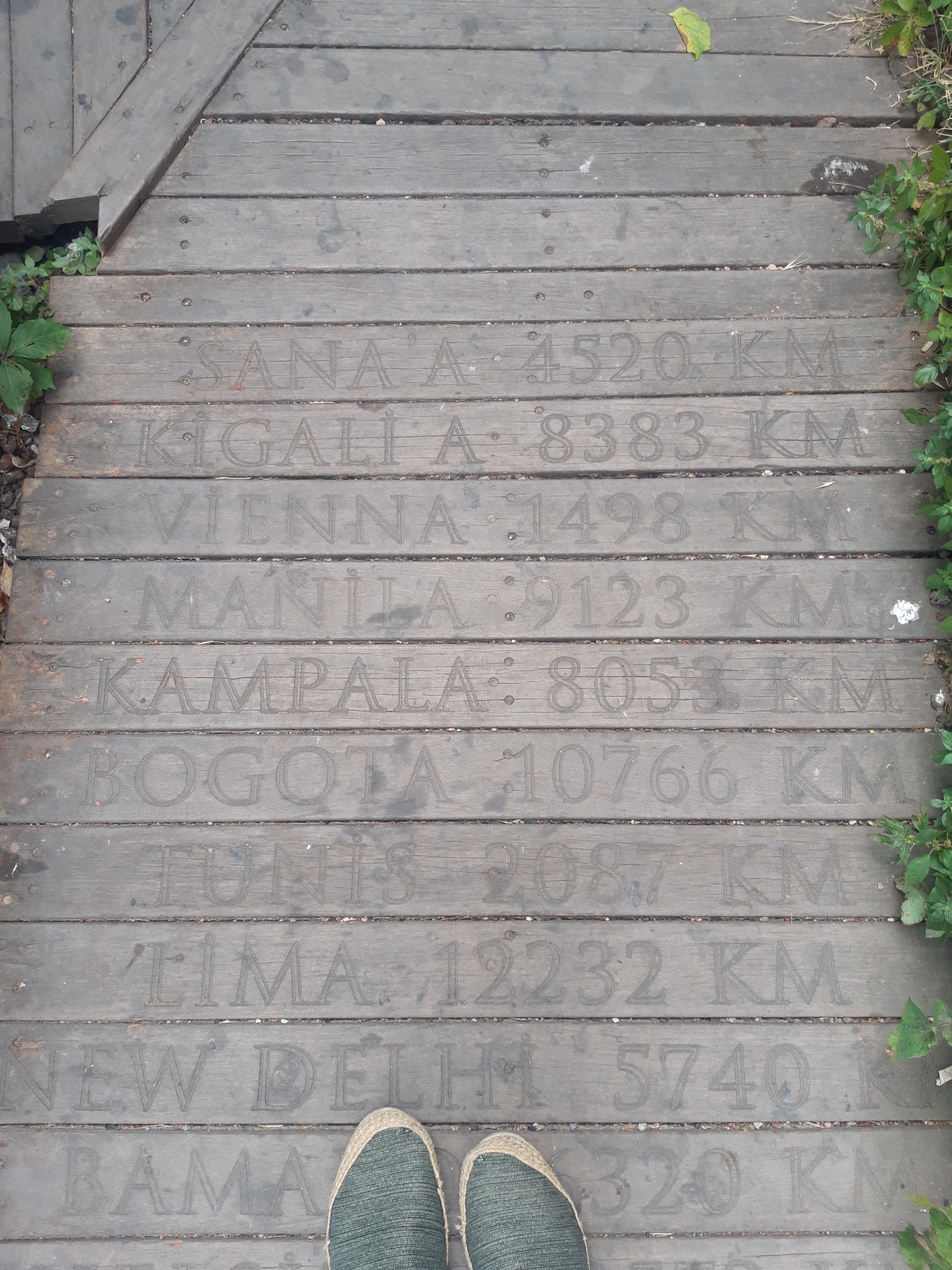
The Milion. See how far Manila was from the ancient zero-marker.

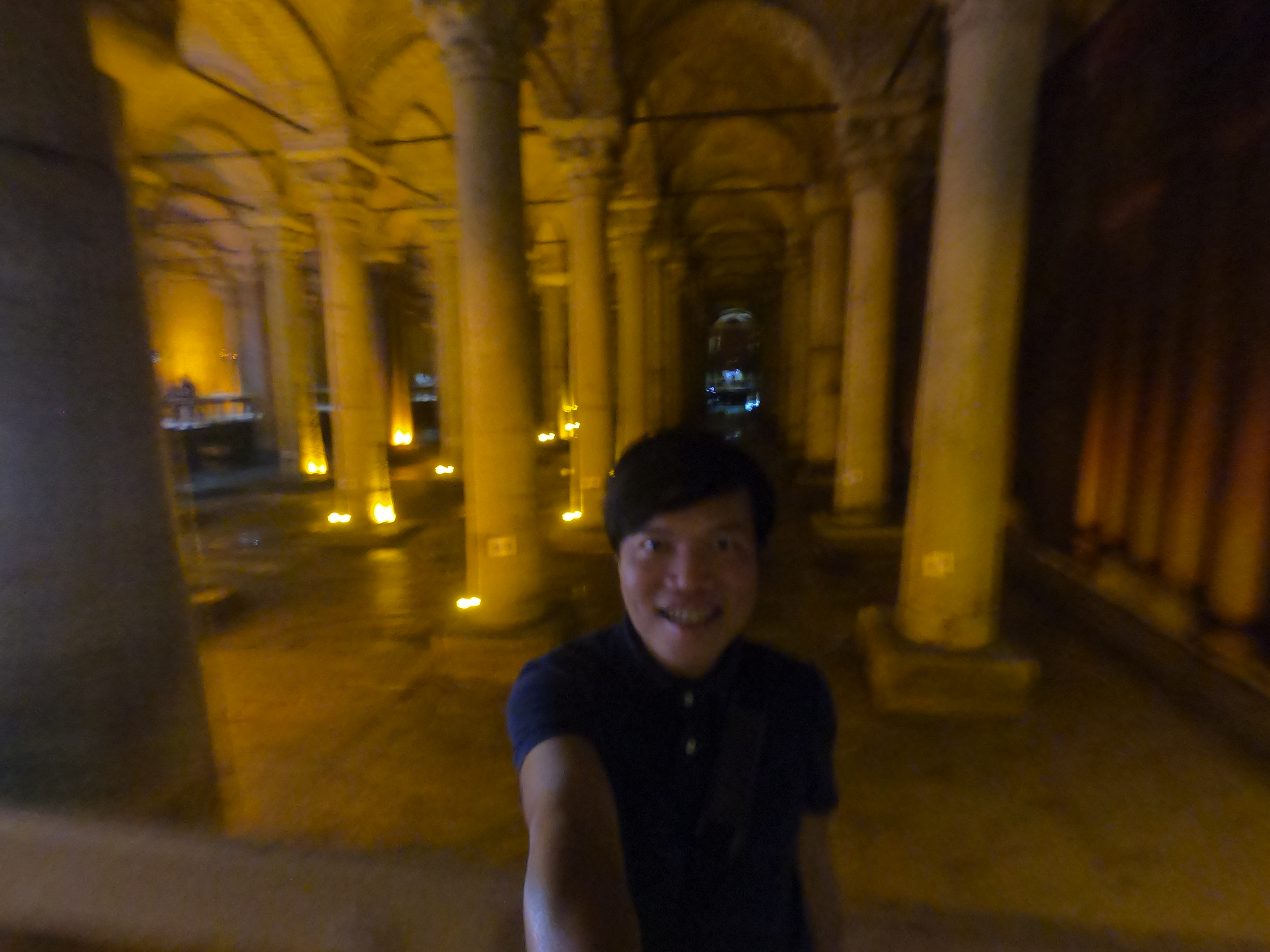
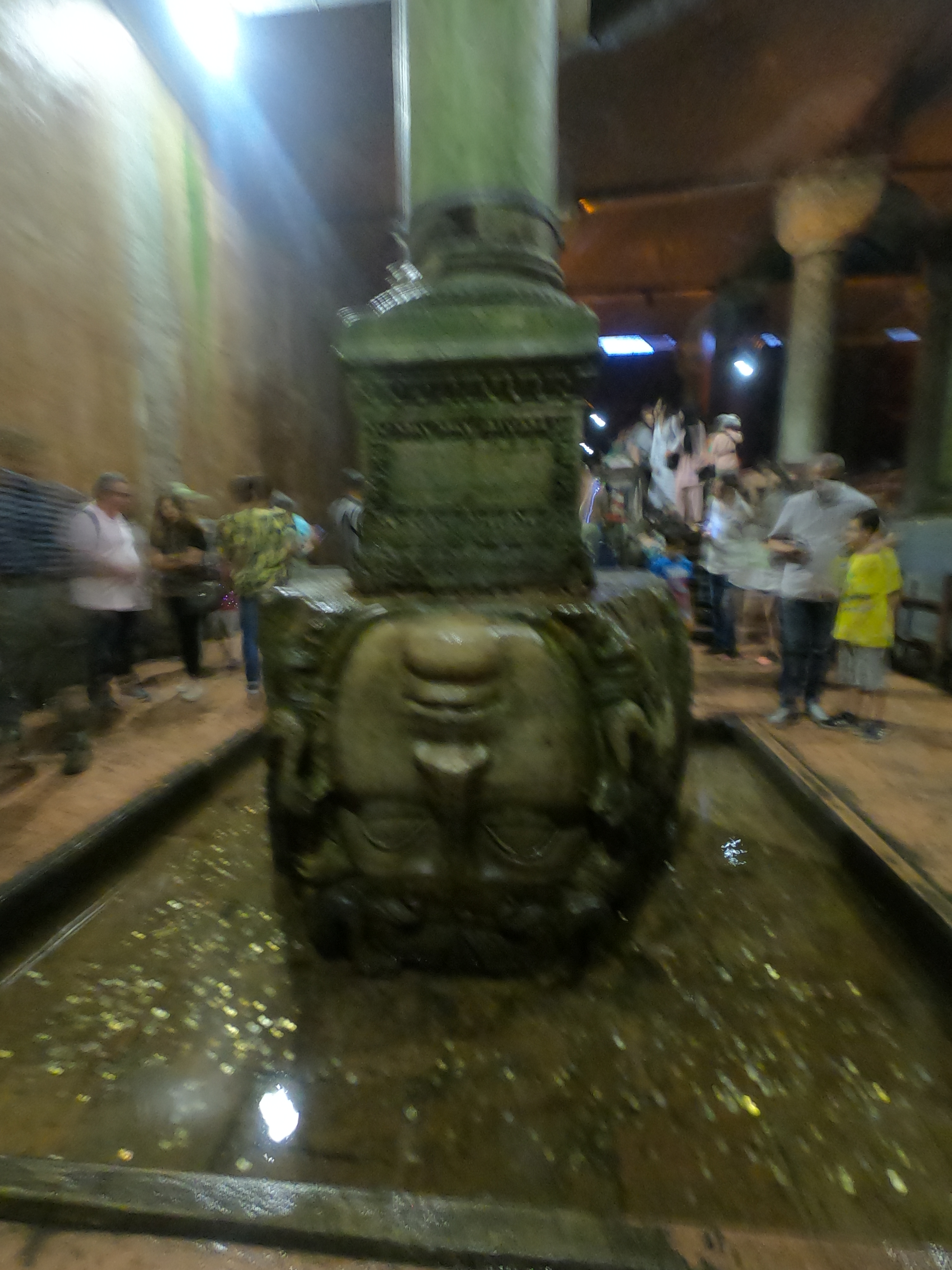
There are two other sites that are worth seeing. One is for free, the other with minimum fee. The former is The Milion, a 4th century A.D. monument, erected as a zero-marker during the Byzantine era used as starting place for measuring distances. What stands now is just the remains of the monument. People would normally pass by it, not realizing the presence of a significant marker. The other one is the Basilica Cistern, a 6th century A.D. underground cistern that can hold 100,000 tons of water. This is the main source of water for the capital of the Byzantine empire. Aside from the spectacular columns (336 per my count, just kidding), the “Sunken Palace” also houses two Medusa heads used as plinths and considered as masterpieces of sculpture art during the Roman period. Myths have it (again with reference to Greek mythology) that Medusa was a beautiful girl (with gorgeous eyes and hair) in love with Perseus, son of Zeus. Athena, who was also in love with Perseus, was so jealous of her that she turned her lustrous hair into snakes and whoever stares at her and meets her gaze will turn into stone. That’s why they put those heads upside down so that people won’t turn into stones (huh?). There’s a puddle where each head rests which now serves like a wishing well/fountain, so I threw in a few coins and made my wishes (hoping all will come true).

Basilica Cistern. If you have seen the movie Inferno (the 3rd installment of Dan Brown’s Da Vinci Code series with Tom Hanks and Felicity Jones), then this may look familiar to you.

Istanbul is also known for its hamams, so to satisfy my curiosity, I tried it. I’ve never been in a steam bath before so this is something new to me. What I had before was a thermal bath in Budapest, where I enjoyed how the underground thermal water (hot spring) felt when you immersed your body in different thermal pools. Hamam is different though, it’s like the modern day wet sauna. It apparently has health benefits, where the most common is to sweat those toxins out of your body and stimulates the body to heal faster. I would have enjoyed the experience if not for those staring eyes that made me uneasy. You know how Arabs eyes are like: big, dark, and deep, that when they stare, it feels like it’s piercing thru your soul. If I were Medusa, the whole room would have been filled with stone statues. Not sure if it’s due to the fact that I was the only Asian inside, but some went beyond staring. After the attendant towel-dried me and wrapped towels around my body and head like a turban, I looked at myself in the mirror and realized that probably some of the stares may have been due to how I look: like a young Persian prince of ancient times, tanned and smooth face, unique in its own way. I left the hamam feeling good and refreshed but also felt unsettled and ‘violated’ with all the unnecessary attention I got.

The two Medusa heads (Basilica Cistern). You’ll probably see some of the coins I threw in.

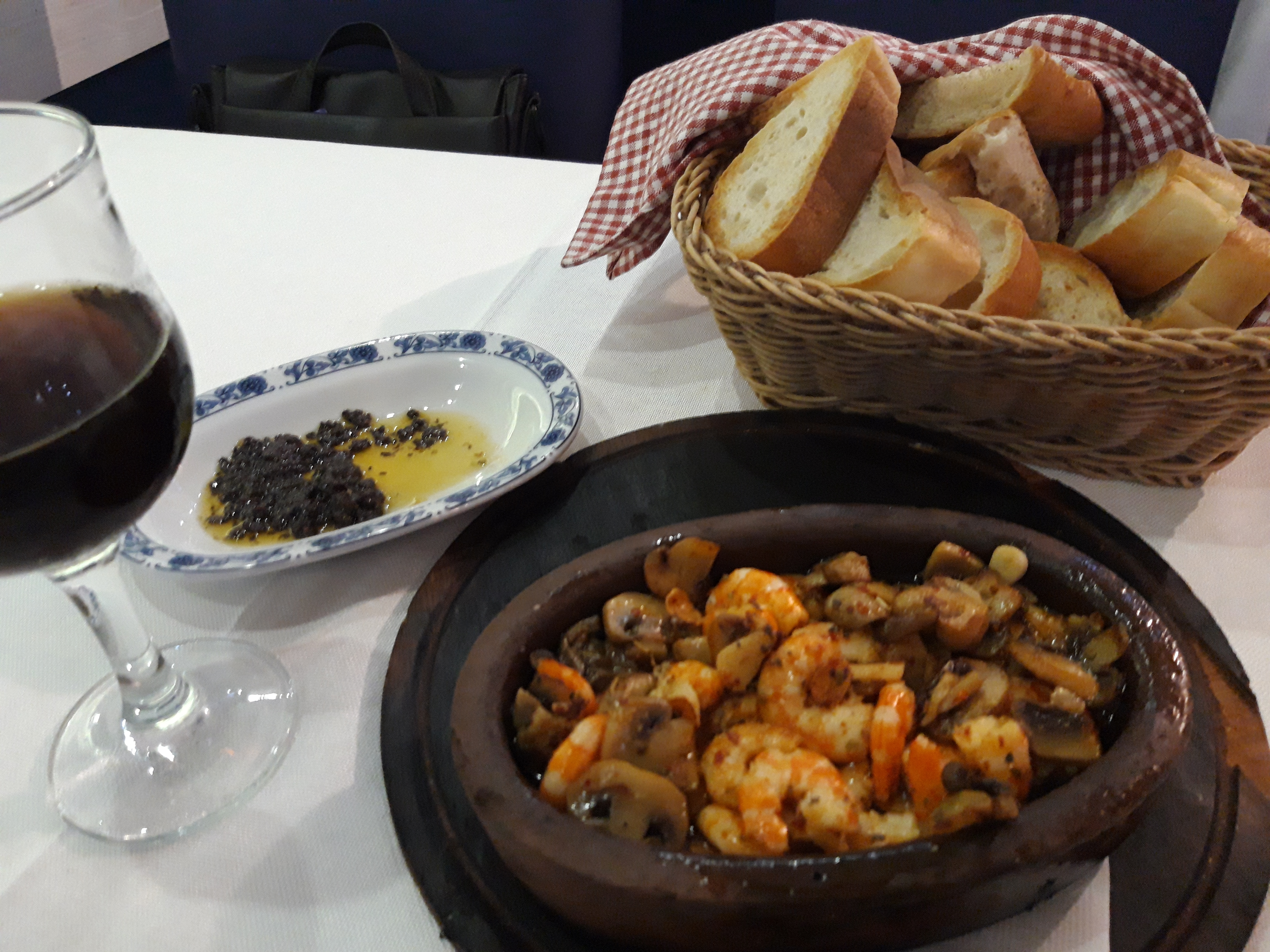
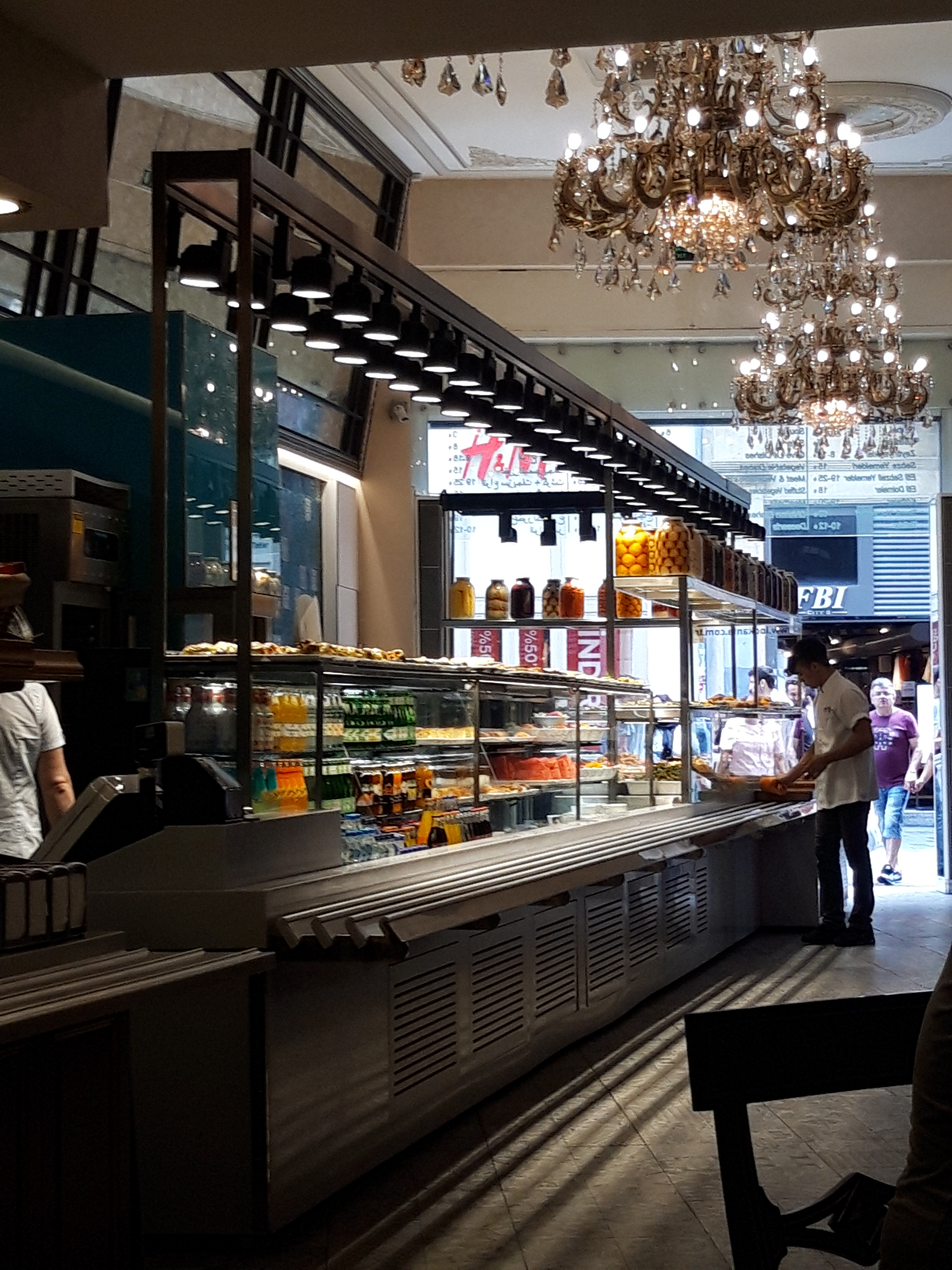
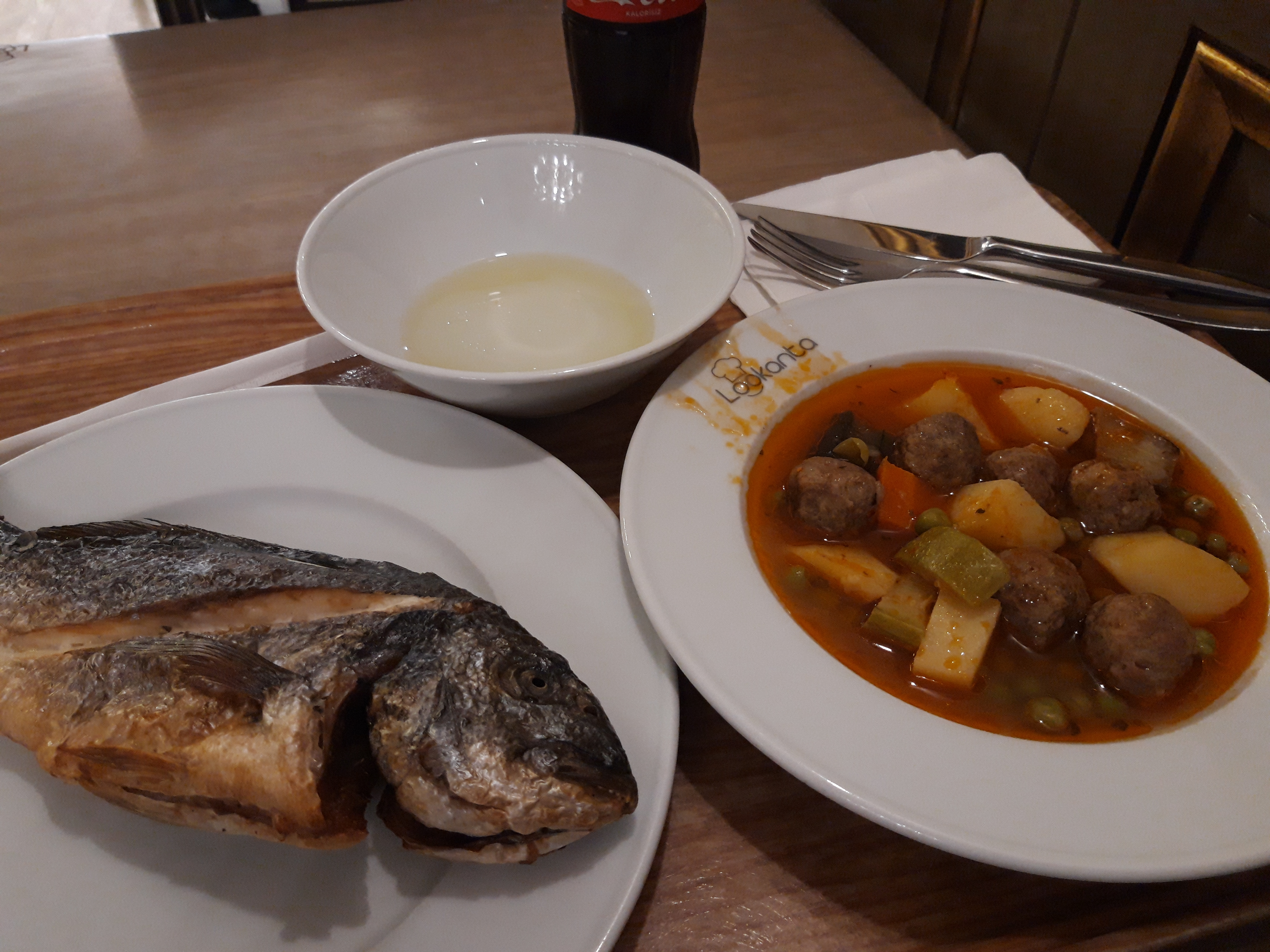
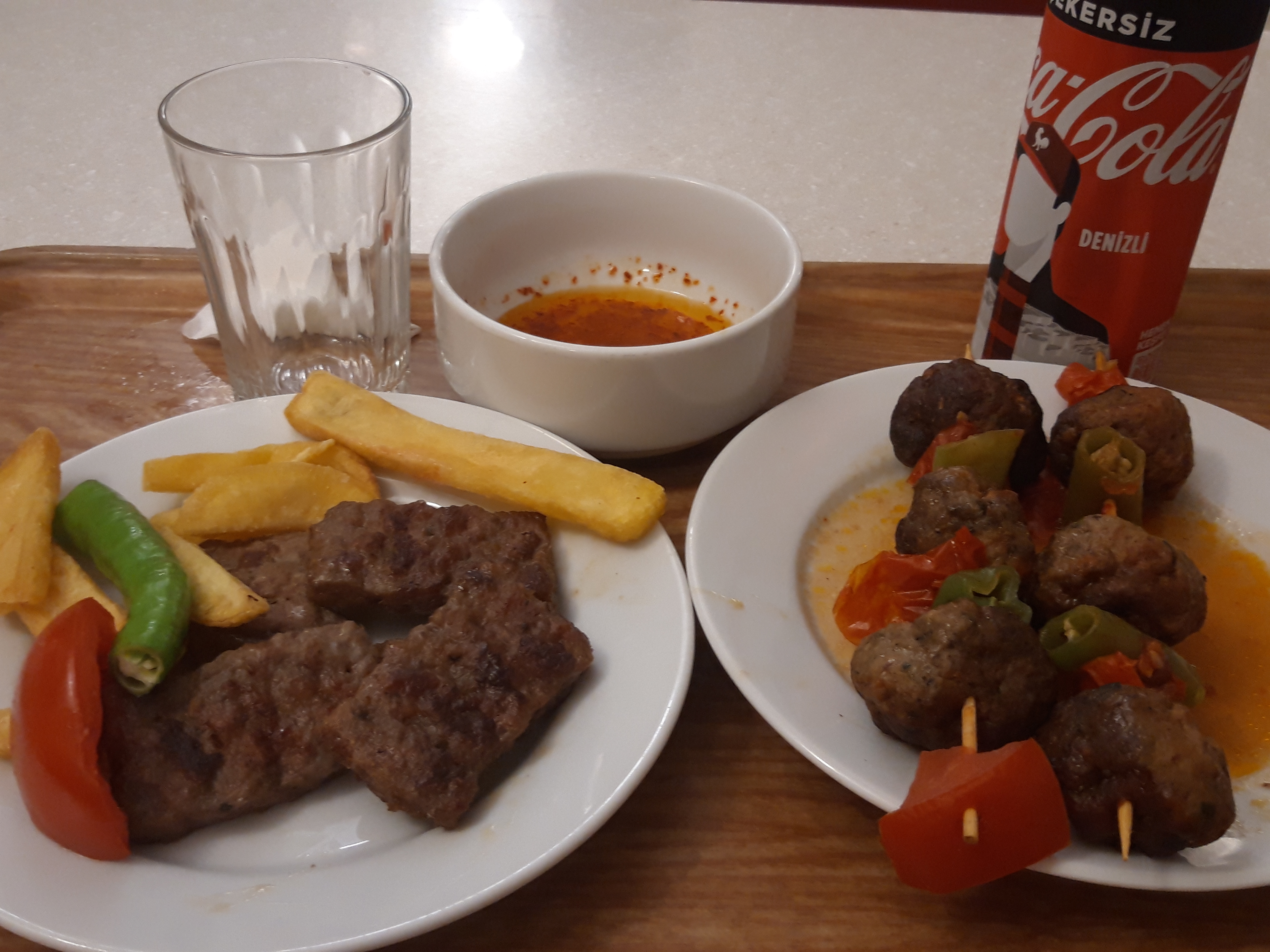
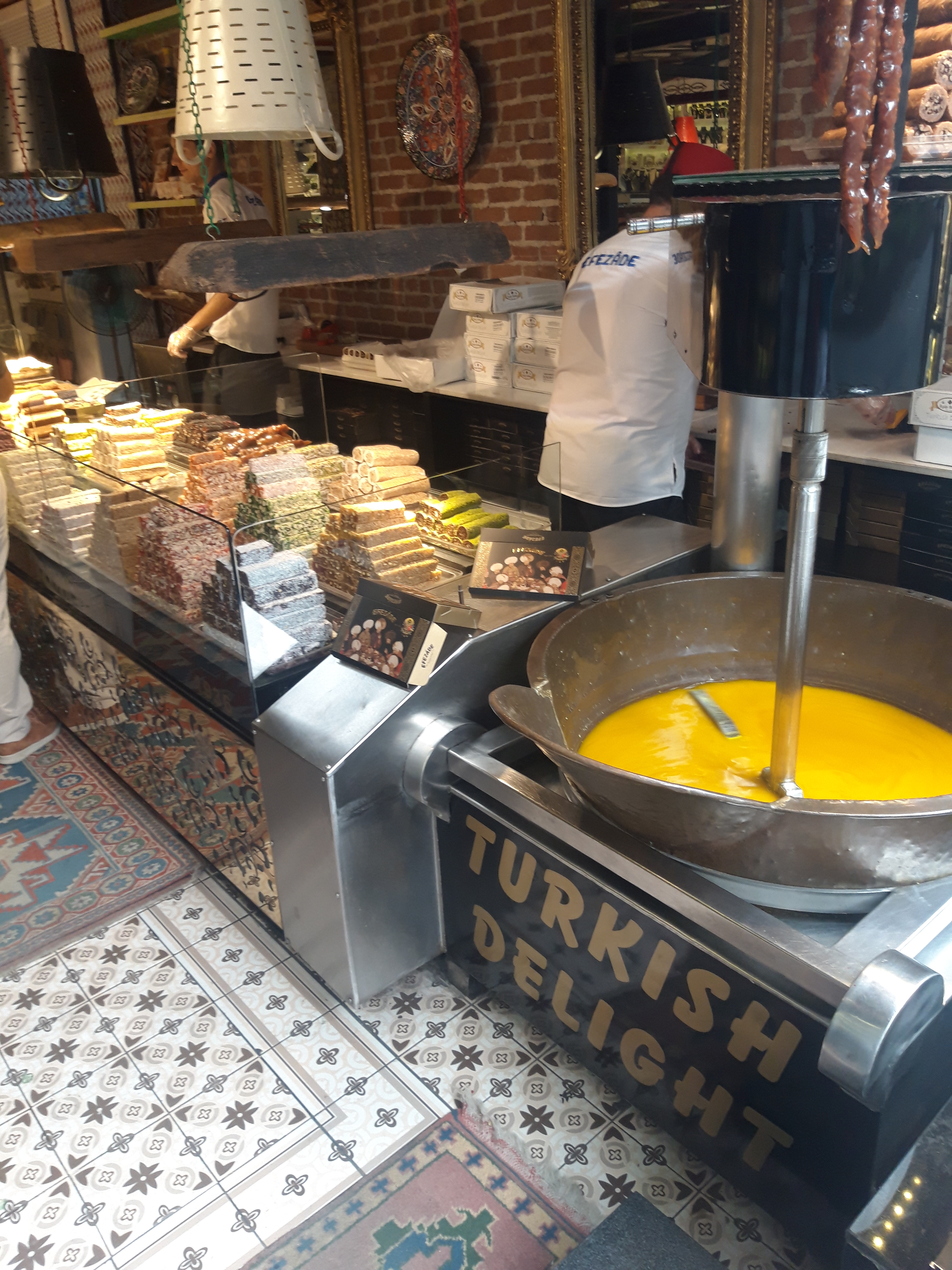
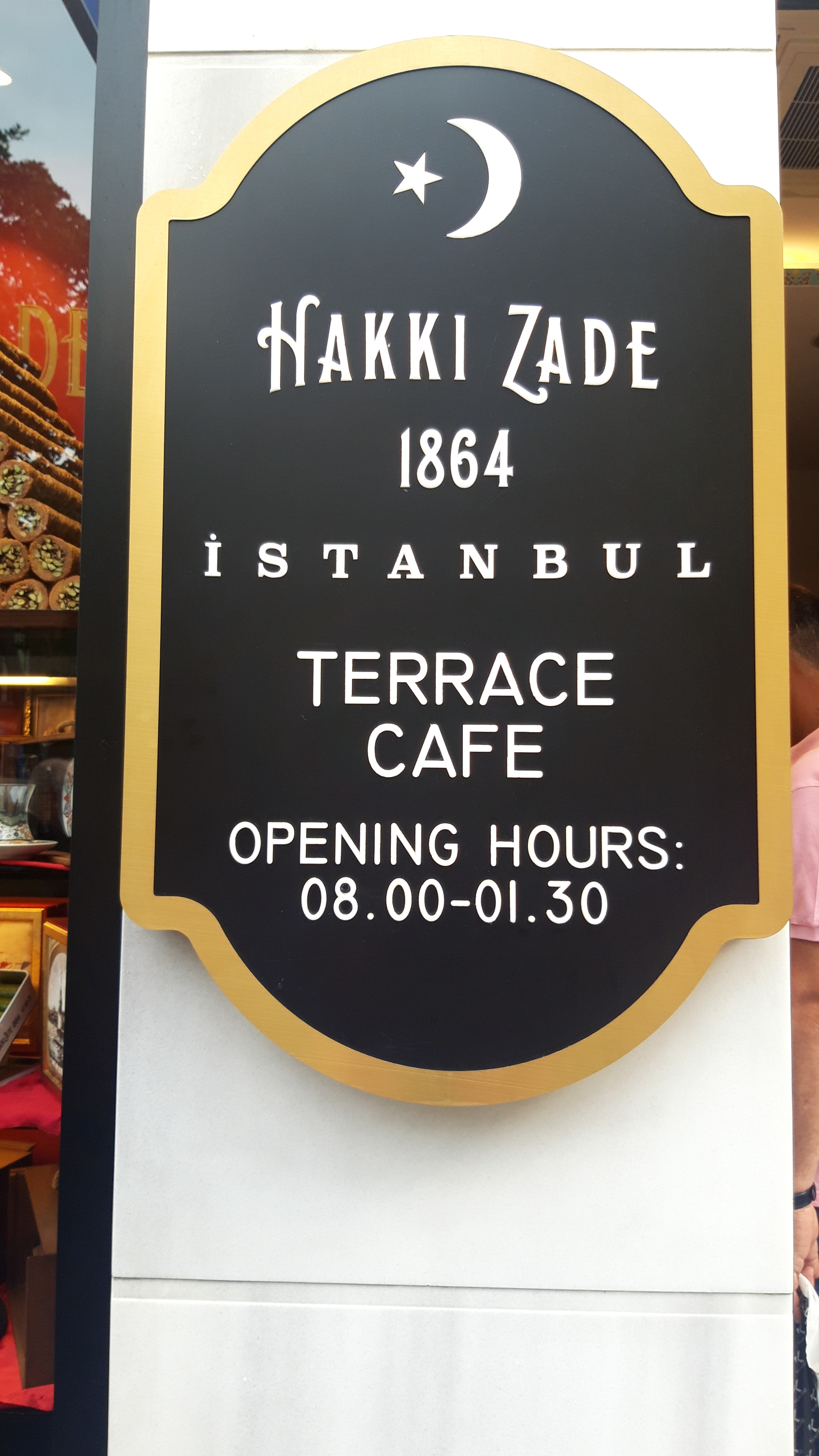
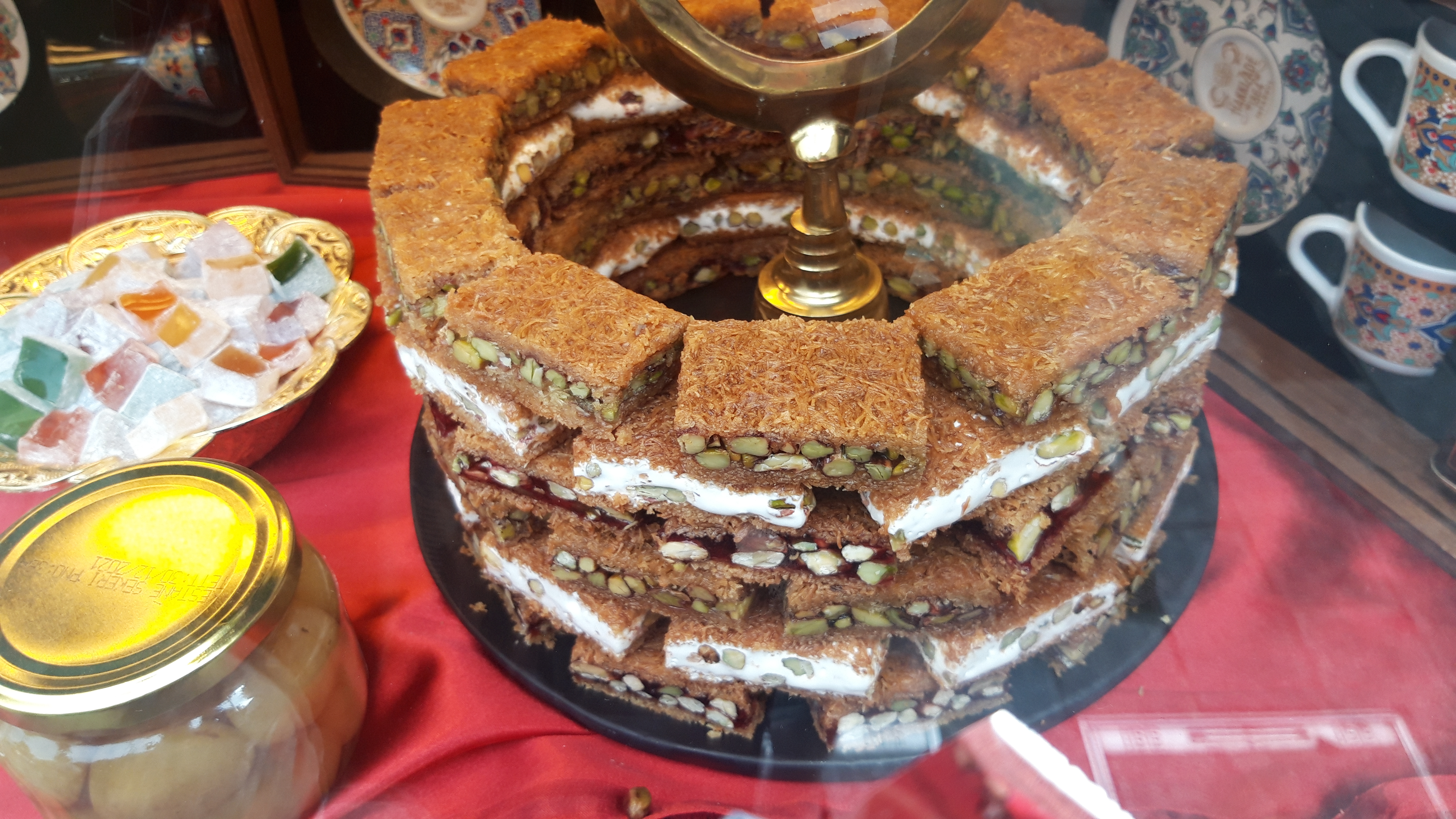
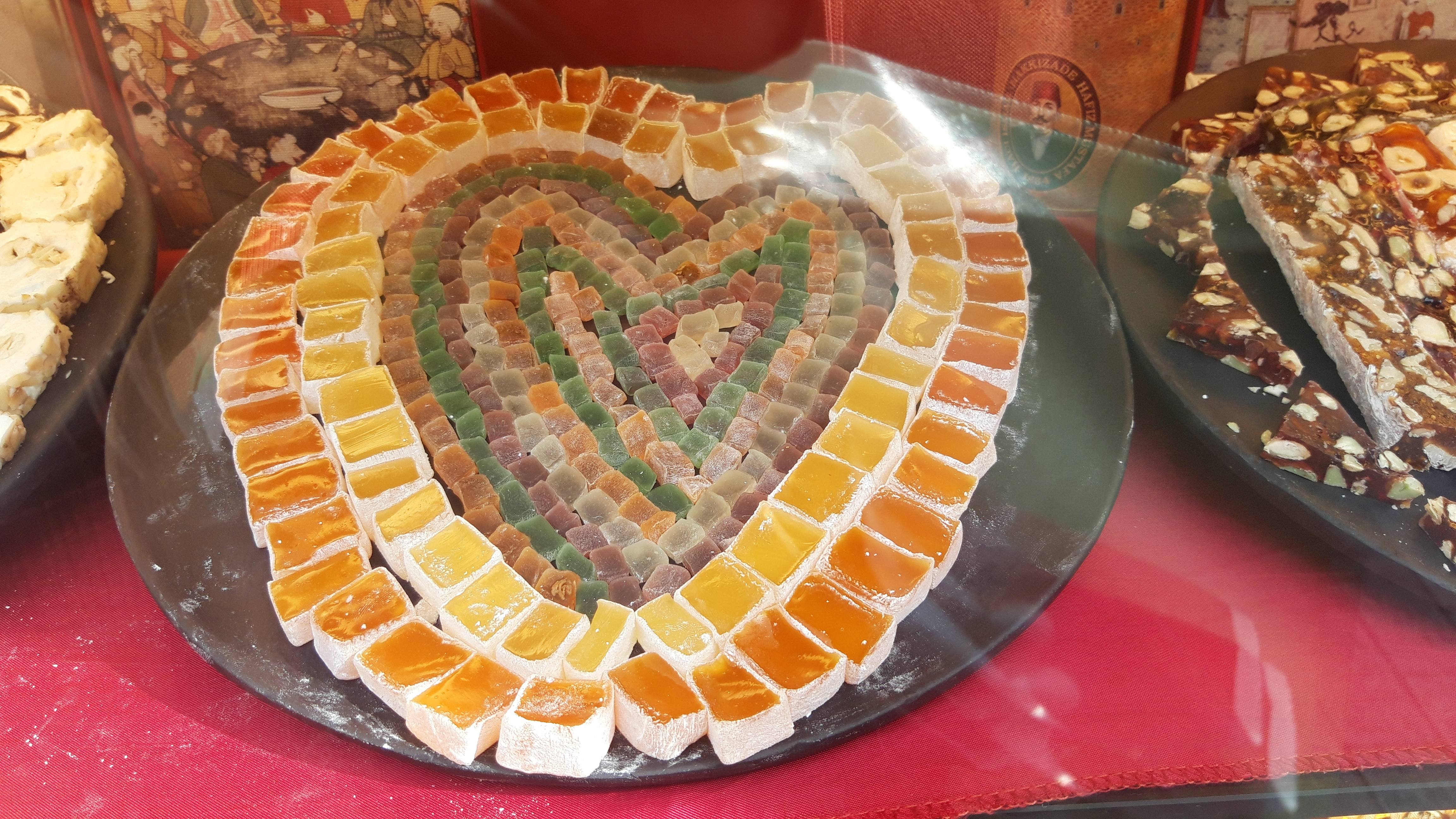
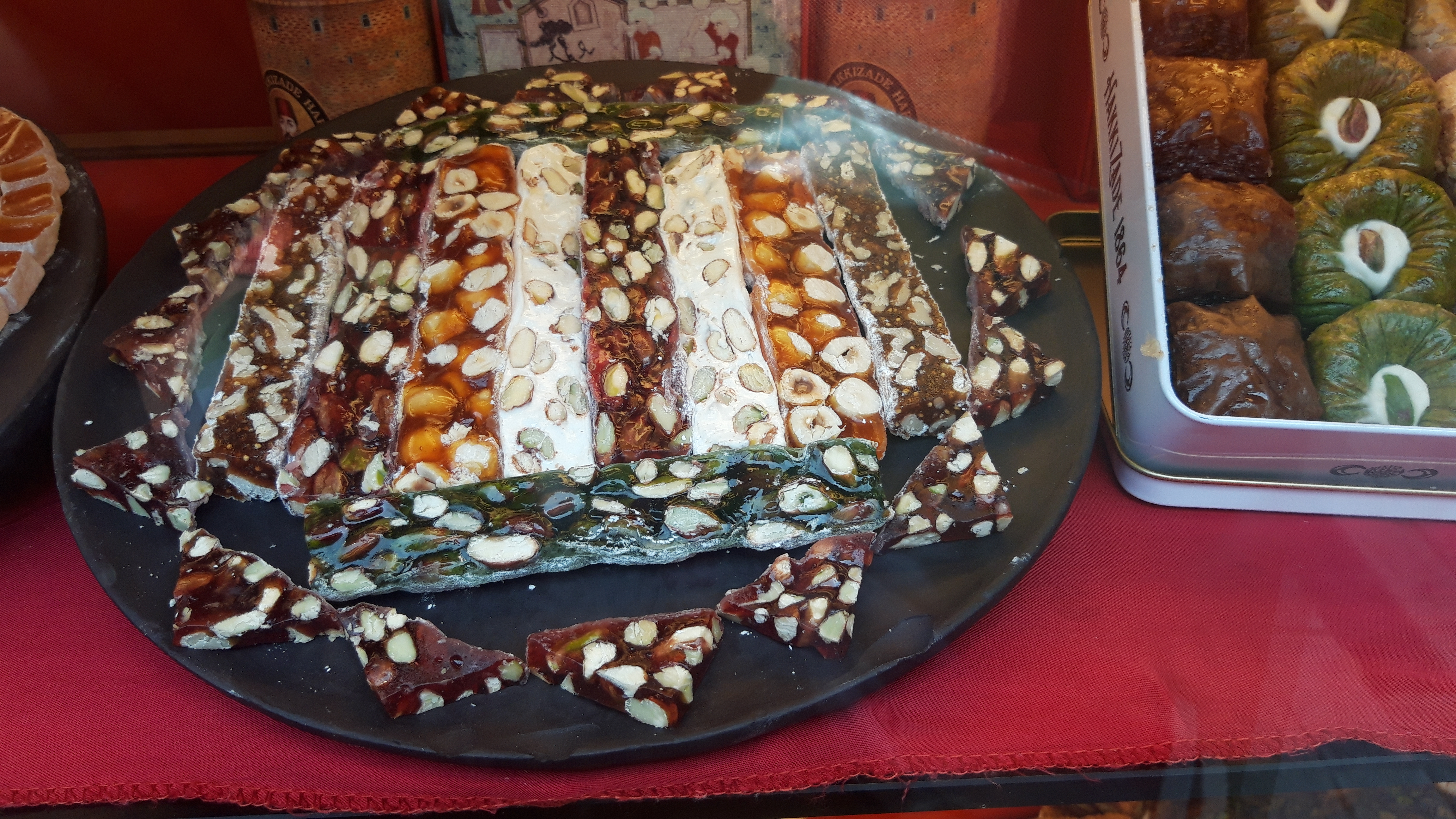
Of course, the trip should be enjoyed with good food. Well, I ditched the fine dining part (remember I’m on a tight budget, except for one time where I had dinner in this nice restaurant under Galata bridge called Yaka Balik with nice view of the sunset and the Bosphorus River with cruise boats passing by which reminds me of Paris) and instead settled most of the time for turo turo (it’s a Filipino term referring to how one points a finger to cooked dishes as displayed in heating trays on the restaurant counter like those in a cafeteria). Aside from the usual fish, meat, and chicken viands, Istanbul (or the rest of Turkey) is known for its Turkish desserts. I’m not really fond of desserts, but when it comes to Turkish desserts, I would indulge in this guilty pleasure in a heartbeat. There’s just so much variety to choose from: halvas, baklavas, and the popular Turkish delights. One of the oldest shops, Hakki Zade, apparently has been using the same recipe since 1864 and always popular with tourists. You don’t also have to worry eating or shopping late as restos and shops close at 2 in the morning while bars are open with loud band music booming ’til the wee hours of the morning.

Don’t undermine the humble turo-turo. It’s probably the only turo-turo in the world with chandeliers.

Yes, Istanbul is open 24/7, always alive and kicking. Istiklal Street (which is Istanbul’s answer to New York’s 5th Avenue, Sydney’s George Street, Auckland’s Queen’s Street or even Paris’ Champs Elysees) is still bustling with people even at past midnight. The first night I’ve noticed this, I did ask the hotel receptionist if Turks actually sleep. He said in jest that his people only rest when they are already tired from all the merry making. Makes me wonder how they could actually function during the day. Because streets are always filled with people all day and all night long, especially Istiklal (you’ll be amazed at how many people fill this street at any given time of the day or night), litters abound. When there’s a sudden downpour, these streets will be drenched and with those litters in puddles, make the city looks filthy.

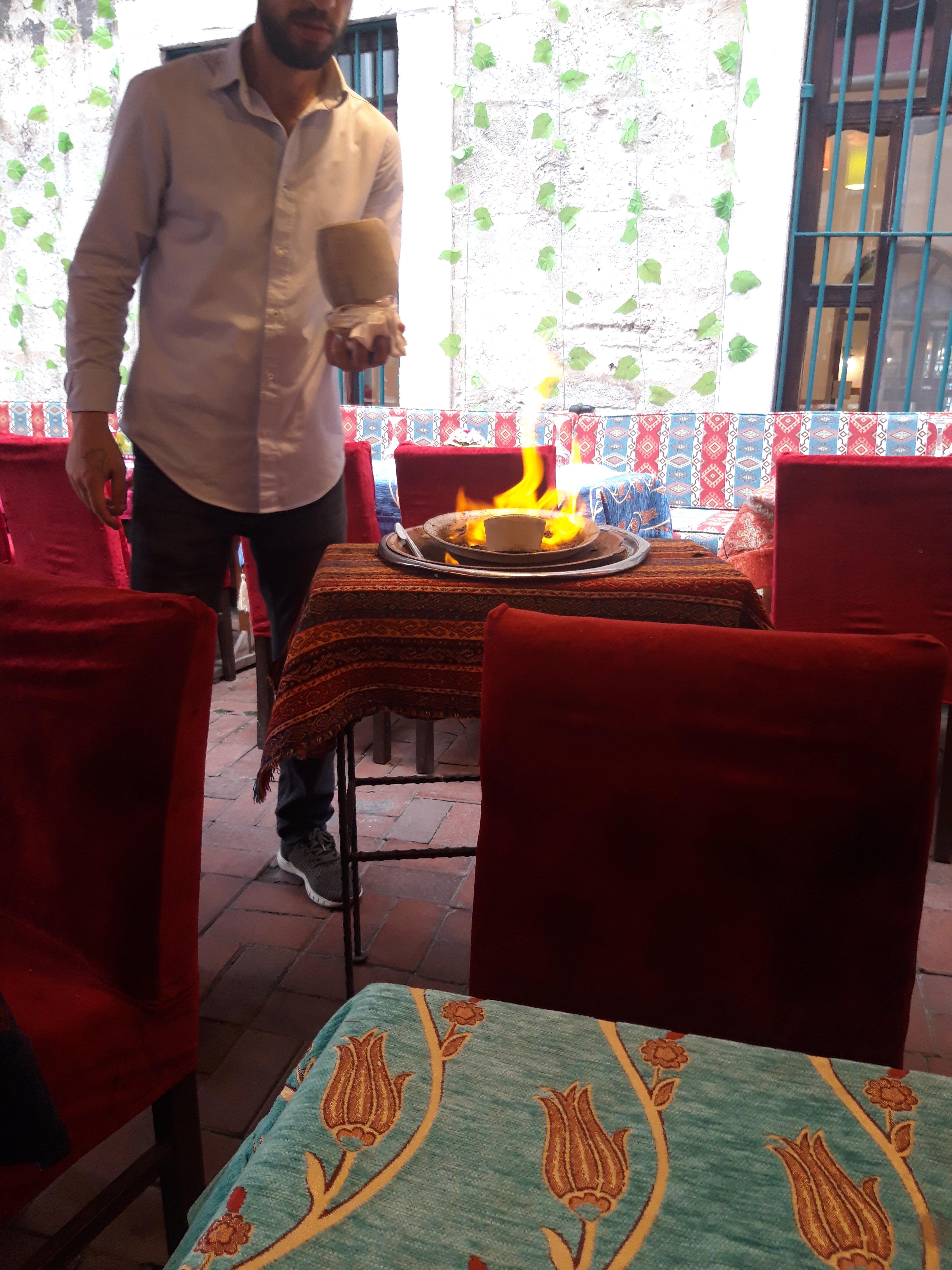
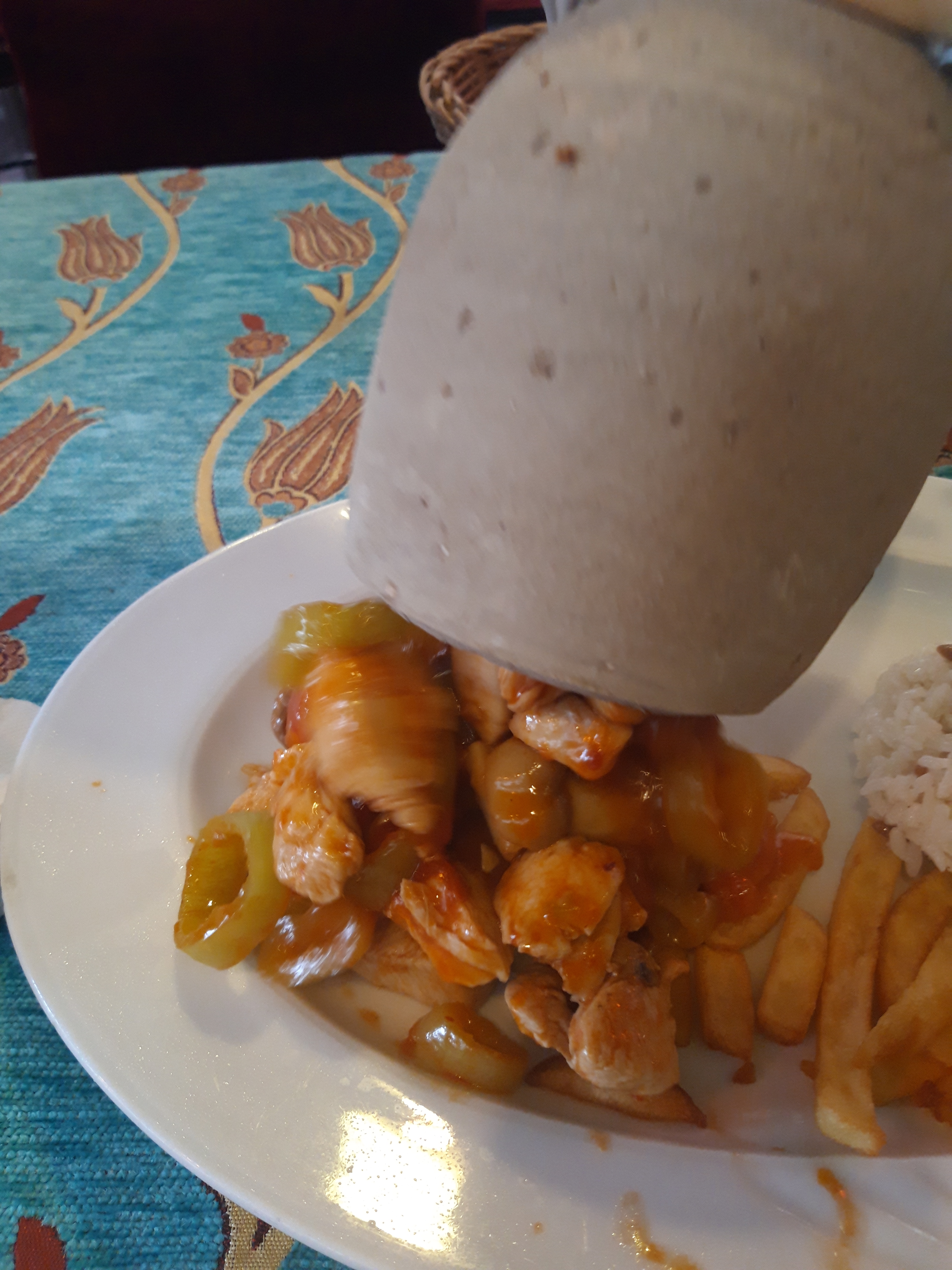
The waiter preparing and serving my first testi kebab.

So that’s Istanbul for you. A city with a sleeper hit of a past and a present that never sleeps. It’s dirty (pun intended), filthy, and dodgy, but somehow endearing and charming, like a bad boy that good girls go after. Like Vegas, what happens in Istanbul stays in Istanbul.

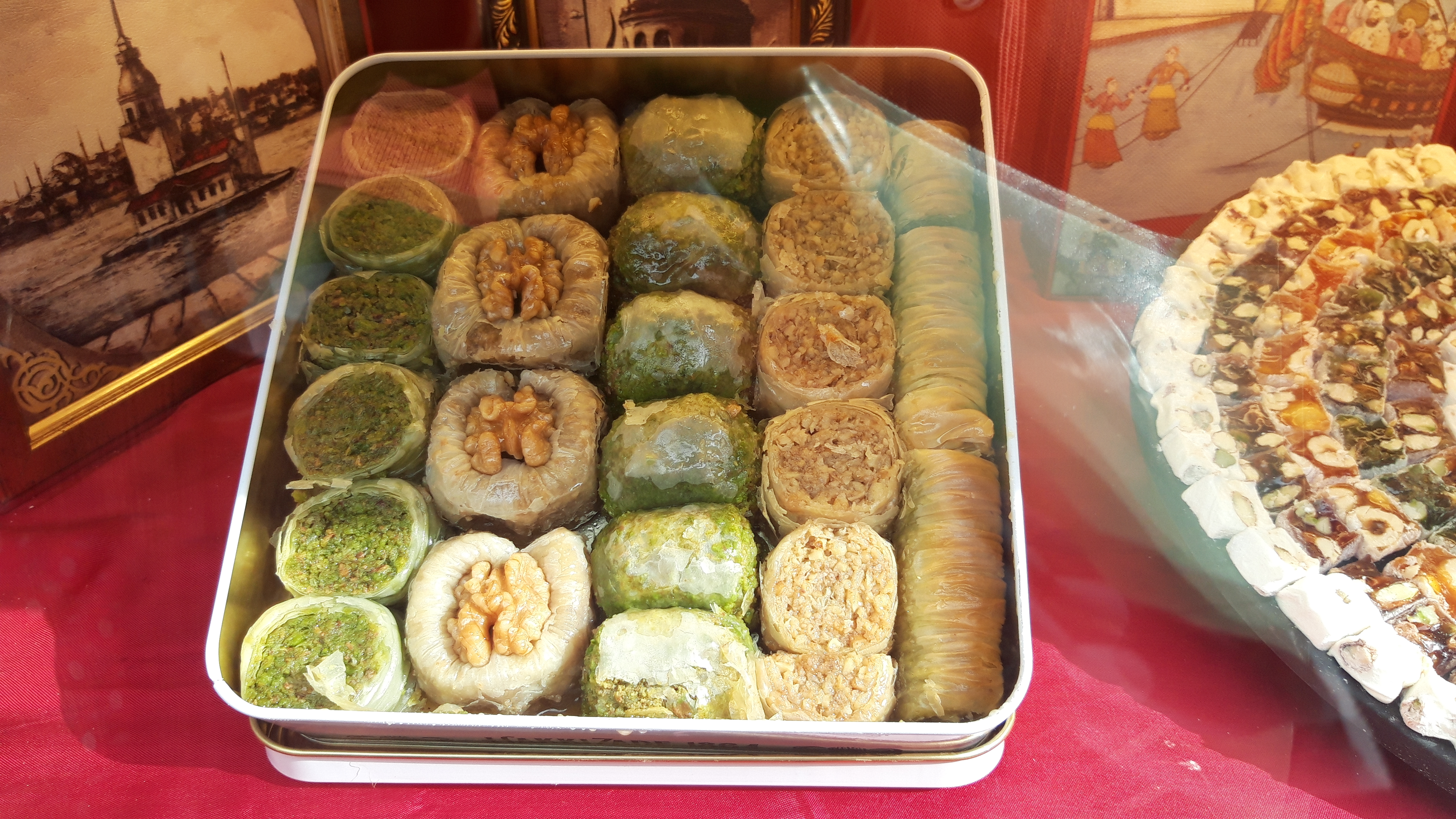
Some of the shops that offer Turkish desserts

Travel In Style (Without Breaking The Bank) – Part 2 of 2

Travel Buzz

This opulent accommodation I got to experience for 3 nights for the price of one (St. Regis Abu Dhabi)

“Cancellable.” That’s the key word when booking an accommodation. Like your lovelife, you need to be prepared to let go. You can lock-in your habibi and hope that everything goes as planned until such time that you will come to the realization that it was not or will ever meant to be. As mentioned in my previous post (Deconstructing A Myth: Travel Is Only For The Rich?), you have to book early so that you can lock-in the cheaper prices. But always make sure that it’s “cancellable” in case your plans don’t push thru.
So how do I get decent accommodation when I travel without spending too much? How do you choose among so many options? I try to simplify my life thru loyalty. As you probably have seen in my previous posts, I’m very loyal: 5 frequent flyer loyalty programmes (Travel In Style Part 1), loyal foodie (Mendokoro Ramenba: Arguably The Best Ramen In Manila), loyal to self (The Joys Of Travelling Solo), and now hotel loyalty program. Like your lovelife, you need to be loyal to avoid any drama. In the last 14 years, I have been a Le Club Accor member. I started by subscribing to this loyalty programme where you pay an amount which is about the same as a night stay in their 5 star hotel but comes with perks (aside from a free night stay in any of their hotels worldwide, you get 50% off on group dining at Spiral (Sofitel Philippine Plaza Manila), access to periodic room sale, 15% discount on food and drinks, member for a day voucher, birthday cake, etc.). Last year, I forgot to renew my subscription and Accor thought that I was not renewing so they sent me a loyalty card (which has most of the perks as having a subscription) which I can keep for free if I continue to stay in their hotels for at least 10 nights per year. Not bad for a regular traveler like me.

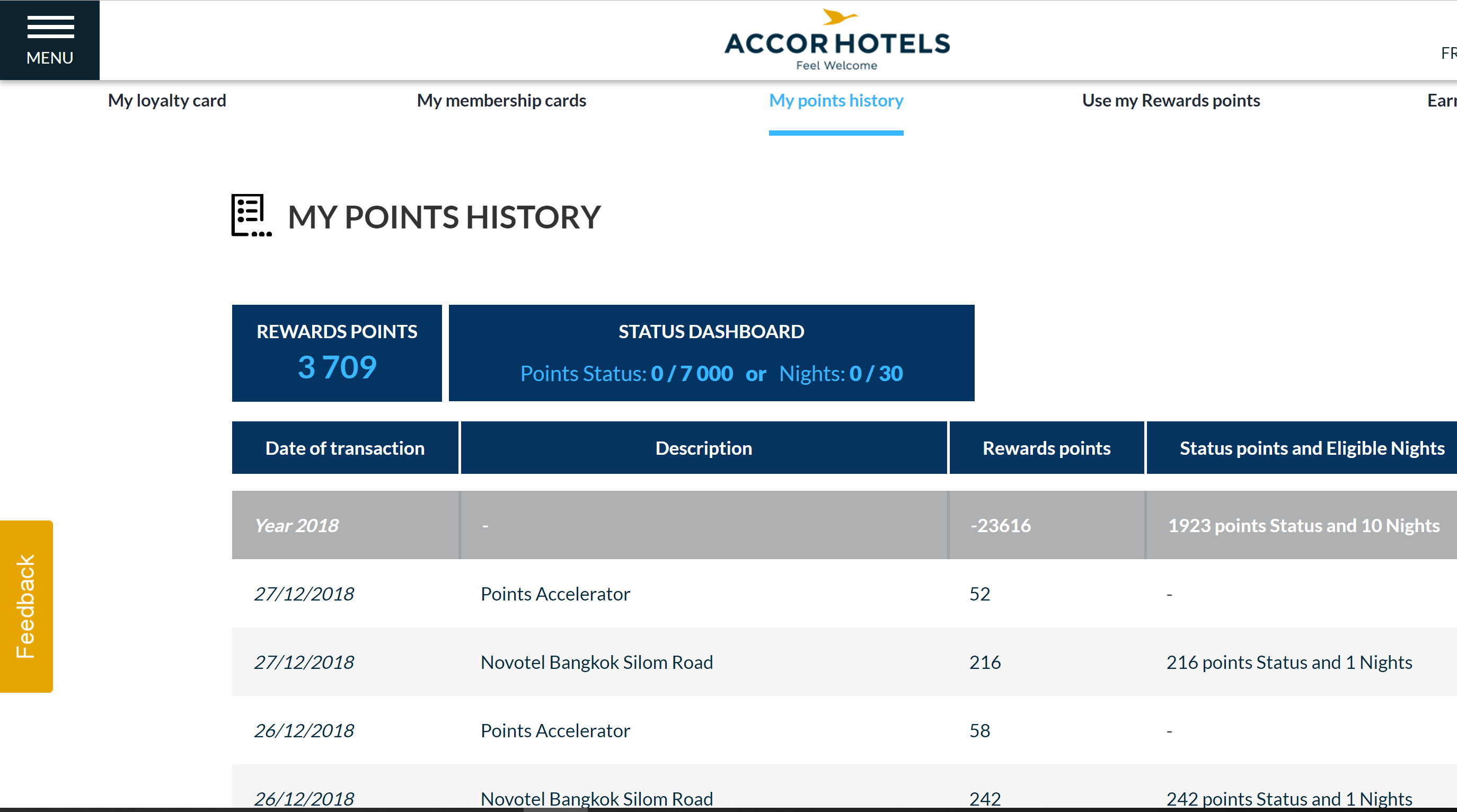
So why Le Club Accor? This loyalty club is like a basket of hotel brands that cater to low, mid, and high end accommodations. There’s a brand for you if you are on a tight budget, and a brand if “money is no object” to you. Some of their low-end brands (less than $60 per night) are Ibis, Ibis Styles, and Adagio. Their mid-scale brands ($60 – $160) are Grand Mercure, Sebel, Novotel, and Mercure. High-end brands ($160 up) are Raffles, Fairmont, Sofitel, Rixos, M McGallery, and Pullman. Sometimes, the prices can overlap depending on the location and the season. Say you can stay in a high-end brand in Istanbul for the same price as a mid-scale brand in Athens. But what made me stick to this programme are the cancellable option, all-year round member’s special rate, periodic room sale, and points that you earn every time you stay in their hotels on top of the perks that were previously mentioned. The cancellable option gives you the flexibility to cancel at least a day before your stay (no booking platforms such as Agoda and Expedia can match that cancellation policy). The member’s special rate and the room sale will offer you with bargain prices and options. The points you earned and accumulated for every stay are convertible to cash vouchers that you can use to pay for your next stay. If I could remember it right, it’s one point to a dollar, so if you have spent $1,000 for a 10 night stay in one of their low or mid-scale hotels, that’s 1,000 points. For every 2000 points, you get I think $60 dollars voucher. So that’s about a free night stay in one of their low to mid-scale accommodations. They also have this accelerator point system (additional points you get which sometimes doubles up the actual points from your stay) which up to this time I still have no idea how it is computed, but there was a time when I have raked in more than 18,000 points which I have converted to 9 cash vouchers of 40 euro each (yeah, you have the option to redeem your points in dollar or euro). That’s 9 free night stay in their low-end accommodation (low-end here means 3-star hotel, so not that shabby I guess).

Screen grab of Le Club Accor points history

Though they have extensive presence across Europe, Asia and Oceania, Accor hotels are limited in US and Africa. That’s why there would be trips where I have to make use of Agoda or Expedia, but you also need to be smart when using these booking platforms. Credit card companies do not only have tie ups with airlines but also with hotels and their booking platforms. So it is not rare where credit card promos will include discounts on these platforms of up to 10%. So if I have a planned trip, I would check out which of my credit cards (I mentioned in my previous post that I have two, Citi and BDO Amex) have hotel and/or booking platform promos. Booking smart does not only mean being on a lookout for discounts, but also knowing how to book to get the least price. So say you are going to 2 or 3 destinations, where you are indifferent to the order of the trip. To be specific, say you are going to Auckland and Wellington for 2 weeks and you don’t really care whether you want to do Auckland first or Wellington. Booking smart means that for the same Auckland and Wellington hotels that you are interested in, you need to check the prices of Auckland for the first week and Wellington on the 2nd week and compare it if you do Wellington on the first and Auckland on the following week. You’ll be surprised that hotel prices can go up between weeks for whatever reason (I’ll say there may be a scheduled convention or event on that week where the prices are much higher). You can then arrange the order of your trip depending on which order will have you end up spending so much less. Yeah it’s a lot of work, just like your lovelife.

BDO/Amex credit card promos for airfare and hotel bookings

There are also ways to save up from just planning your trip alone (and I’m not referring to airfares and hotel prices). From the same example above, say you have decided to do Auckland on the first week and Wellington on the second week coz that would give you the least price. Say you have booked a roundtrip ticket from Manila to Auckland (Manila-Auckland-Manila) and booked a domestic flight between Auckland and Wellington (Auckland-Wellington-Auckland). When booking that domestic flight, you can check if there is a return flight to Auckland just a few hours before you can catch your return flight to Manila. This means you no longer have to stay in Auckland for a night just to catch your Manila flight. This will save you roundtrip airport transfers which is very expensive in some cities (between $30 to $50 per trip depending on the distance of the airport from the city, or about $60 to $100 roundtrip, or equivalent to a night hotel accommodation). Depending on your budget, you can also plan your activities without spending a lot. Like instead of booking a guided tour for your desired place of interest, why not read about that place first and then do your own tour? You can do the hop-on-hop-off bus to familiarize yourself with your new environment, but you can also learn how to use the subway (particularly the complex ones like those in Tokyo) to get to the different touristy sites that you have always wanted to see. There are also ways to save up on subway tickets (ie 24 hour pass, 7-day pass, reloadable card, etc.). The only thing that I would strongly advise not to scrimp on is on food. My Mom used to say that you can be stingy on most things but not on food. Trips are best enjoyed with good food and lots of walking to burn those calories.

Who knows, getting fit (both body and bank account) from your trips will get you your next lovelife.

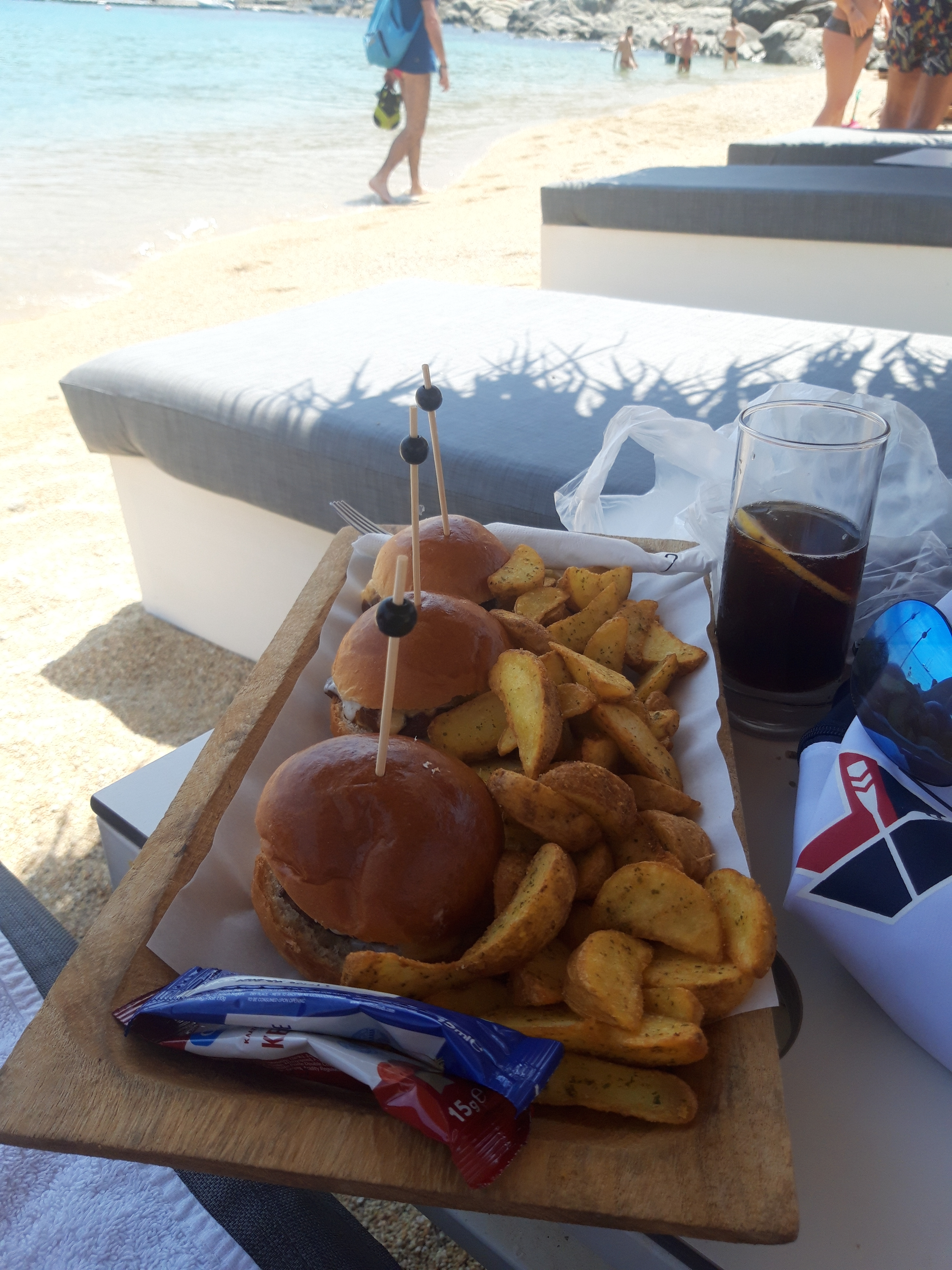
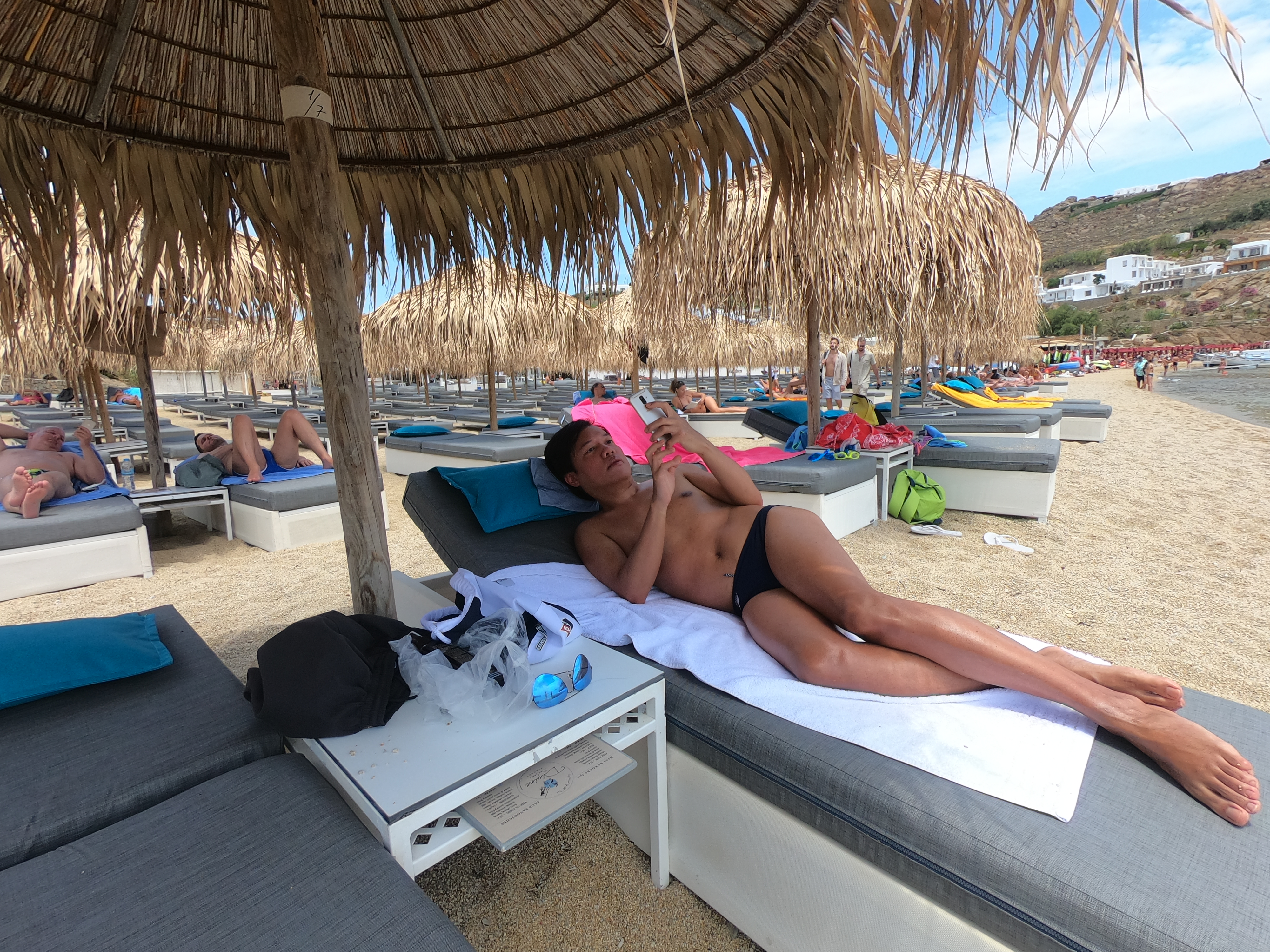
(Left) Lunch by the beach. My Mom said don’t scrimp on food, so I’m having mini burgers, fries, soda plus Vitamin D from the sun 😉 (Right) Lounging by the beach. Don’t I look fit from all the walking? (Super Paradise Beach Club)