
Travel Buzz


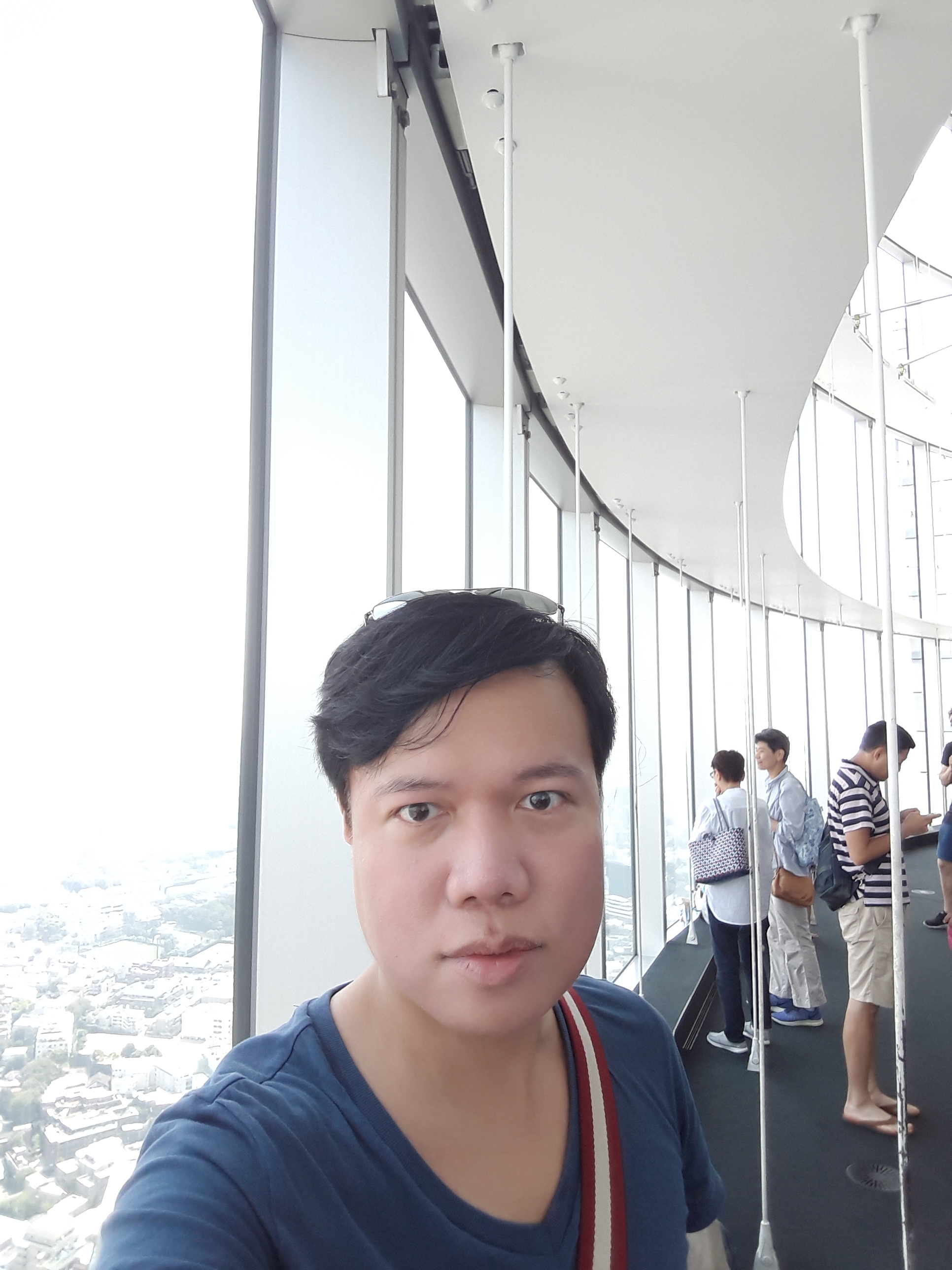
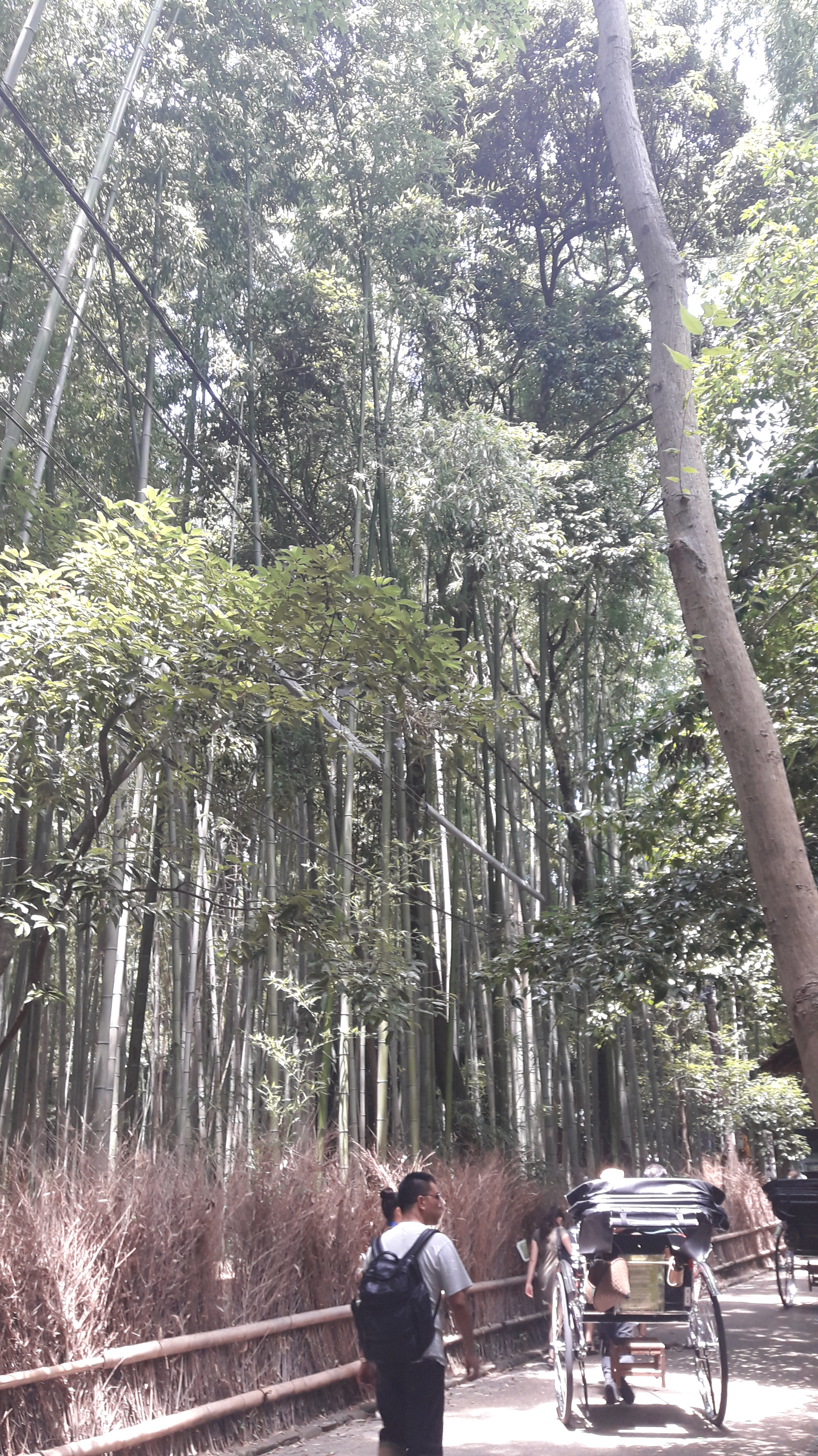
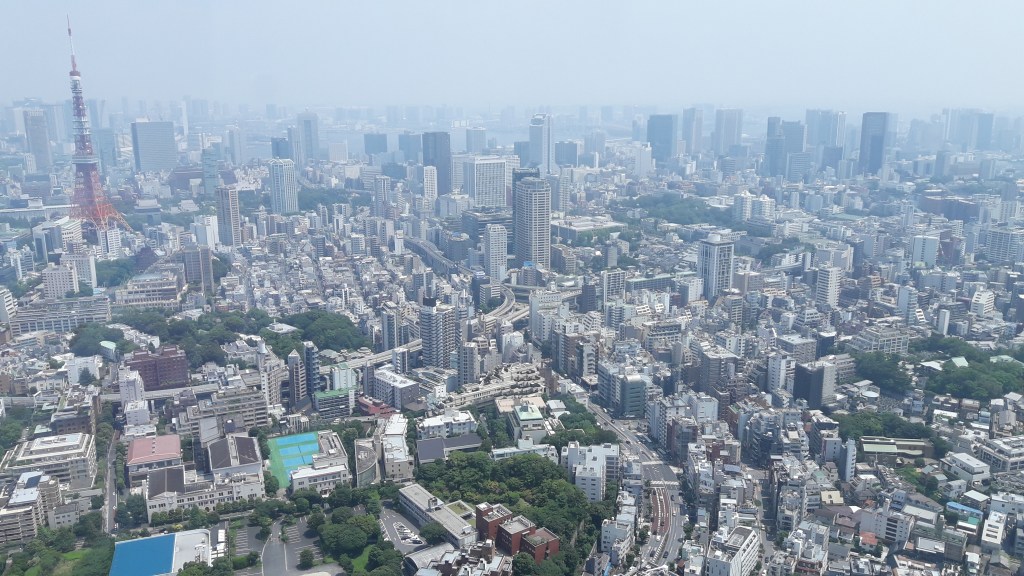
(Left) Arashiyama Bamboo Grove; (Right) Tokyo Skytree viewing deck
In the first part of this article, I mentioned that my sister, brother-in-law, and I are going to Japan in December. After my surgery a few weeks ago (see article “MLNRD at St. Luke’s Medical Center-Global City: The Good, The Bad, and The Ugly”), we have decided to cancel the trip (we actually have tickets already which we bought when China Airlines had a promo a couple of months ago where we got business class tickets for only $800). We thought that it would be winter in Japan this time of the year and winter clothes would require big luggages and given that I cannot lift and carry anything more than 15% of my weight post surgery, we decided to go next year instead. I’m planning to go now to a sunny destination (where all I have to bring are a few shirts, shorts, tanning lotion, slippers, and swimwear) and I’m thinking Thailand and Vietnam. Now that Japan is off the table, let me pick up where I left off in the last article.
Kyoto

From Tokyo, I took the train to Kyoto using my JR pass that I mentioned in the first part of this article. The pass is not a ticket itself, so you have to go to the nearest JR office to avail a reserved ticket by presenting your JR pass. It took about 3 hours to get to Kyoto using the Shinkansen or bullet trains. While in transit, I got a call thru Viber from Manila HR office that I was scheduled for a final interview for a new role that I was interested in. Before embarking on this trip, I have already hurdled a series of interviews with interviewers from the different Asia Pacific hubs and the final interview would be with the director from the US office. I told HR that I’ll be back in the office the week after so I can take the interview there. However, the director was in London that time and wants to conduct the interview London time (which is more convenient for these two time zones) so he wanted to do it the following day before flying back to the US. So I gave HR my Kyoto hotel number so that the director can call me there in the afternoon (5PM Kyoto or 8AM London).

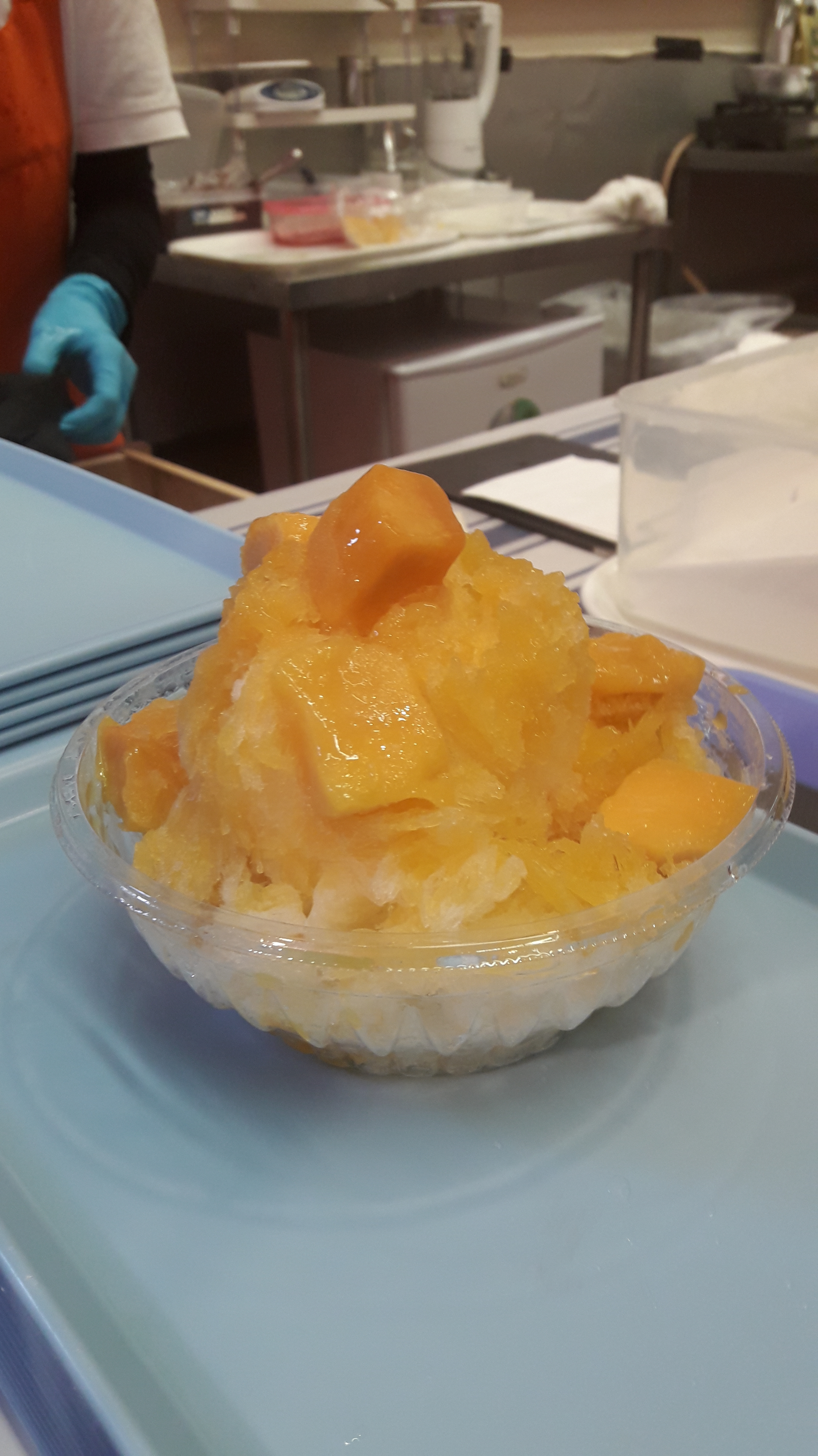
Japanese frozen treats: Lady Borden ice cream (left) and shaved ice topped with fresh ripe mangoes (right)
I checked in later that afternoon at Ibis Styles Kyoto using my Le Club Accor. I already have an itinerary in my mind so I decided to see the Kinkakuji Temple or the Golden Pavilion which is considered as one of Japan’s most beautiful temples. Unfortunately, it was already closed for the day (they close early, I reckon 5PM) so I ended up exploring the surrounding gardens and had a frozen treat after (Lady Borden ice cream by Lotte Co Ltd, apparently the market leader in Japan for ice cream and frozen desserts) which was just what I needed under the summer heat. Japan loves its ice cream especially during summer months (and winter as well) so it’s not surprising to see vending machines at tourist spots, including temples, carrying frozen treats.
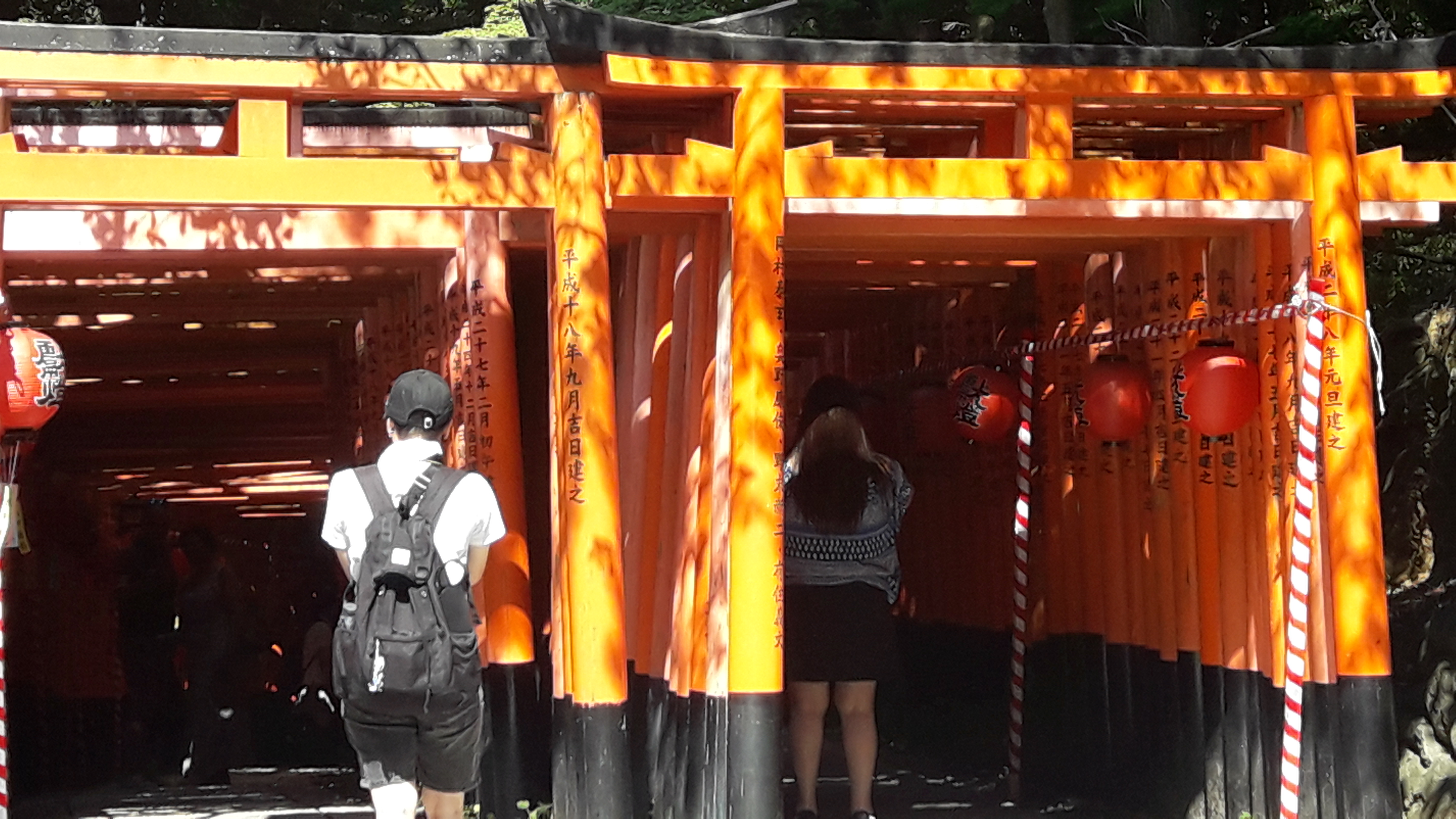
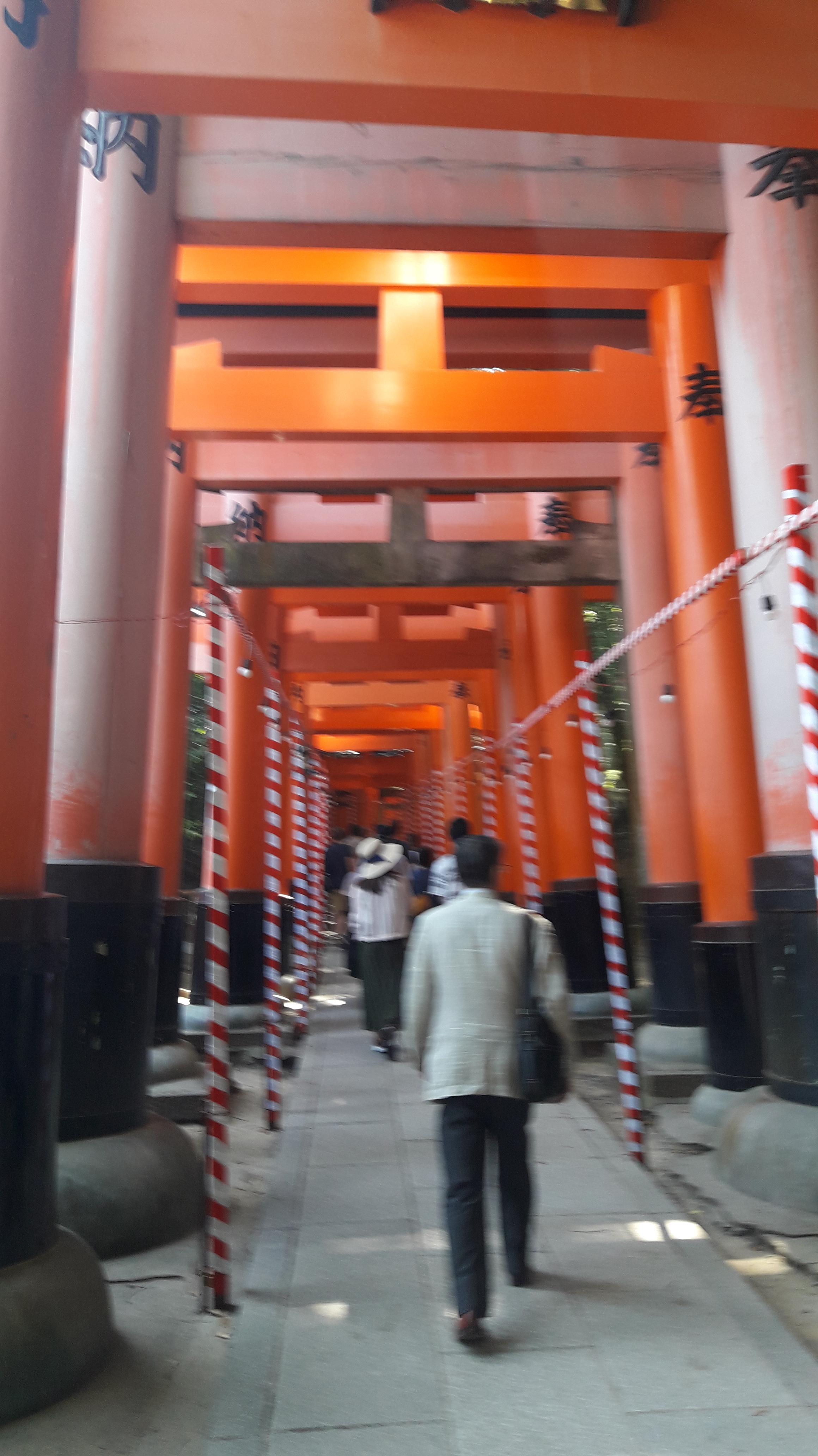
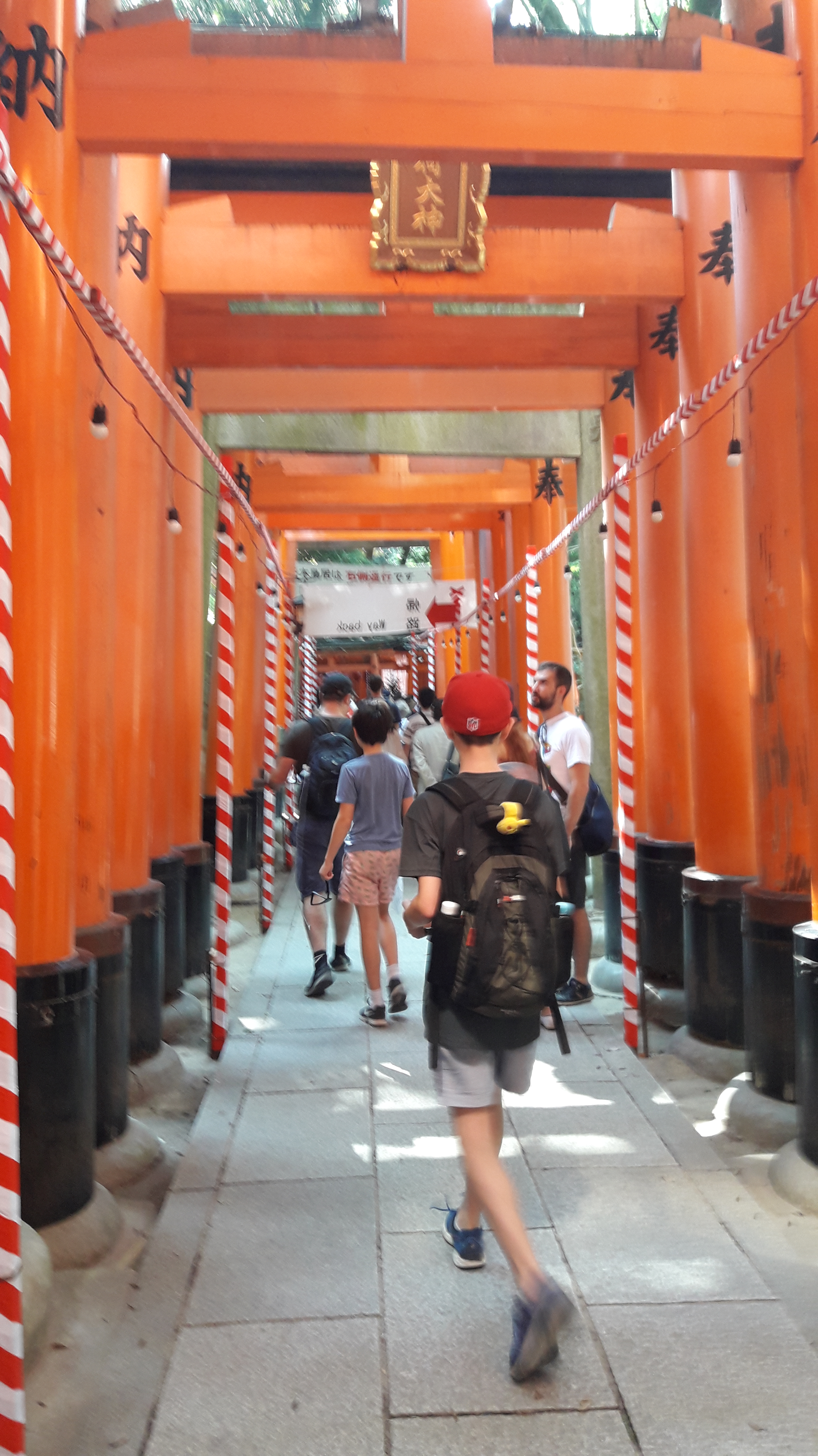
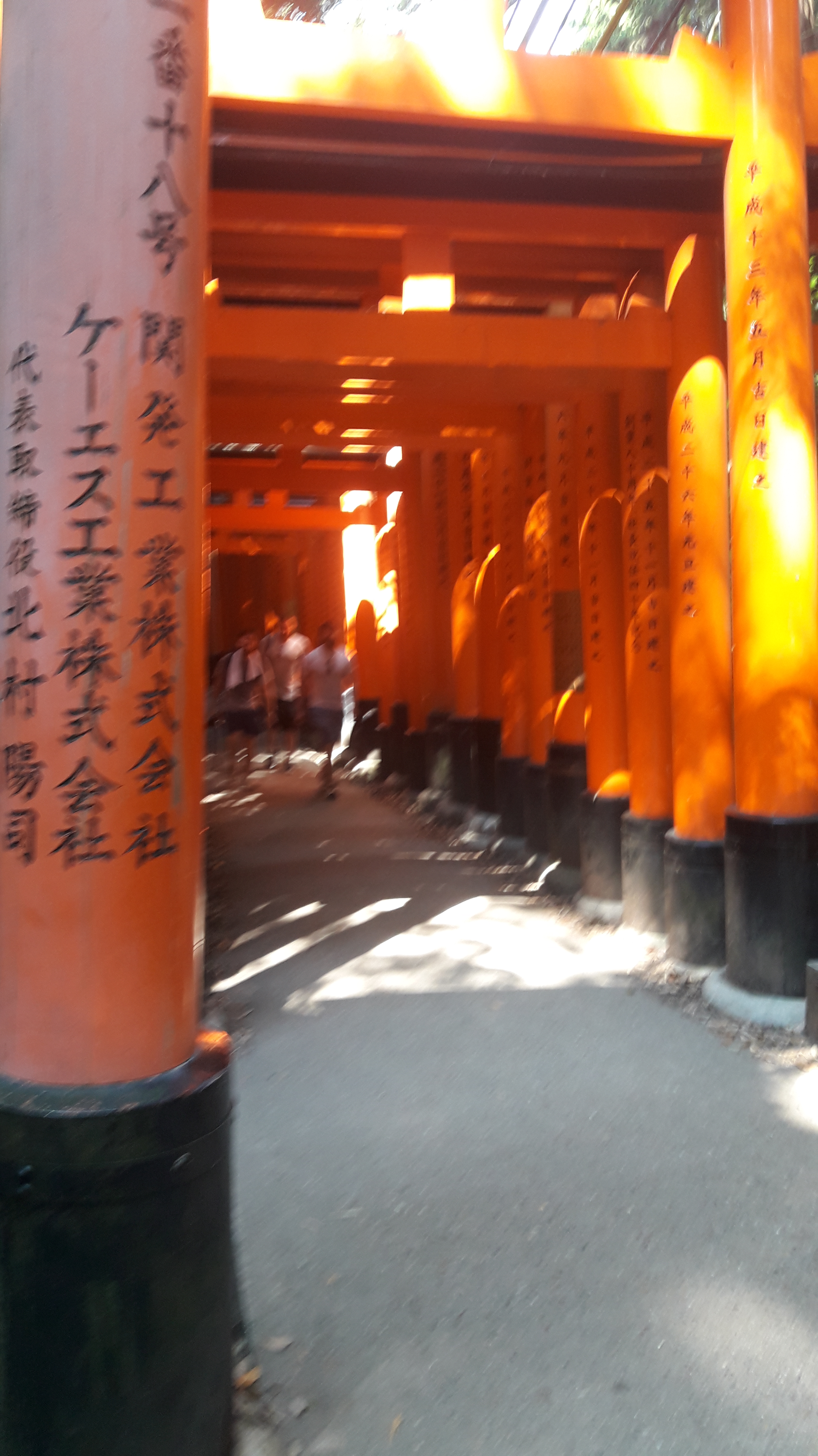
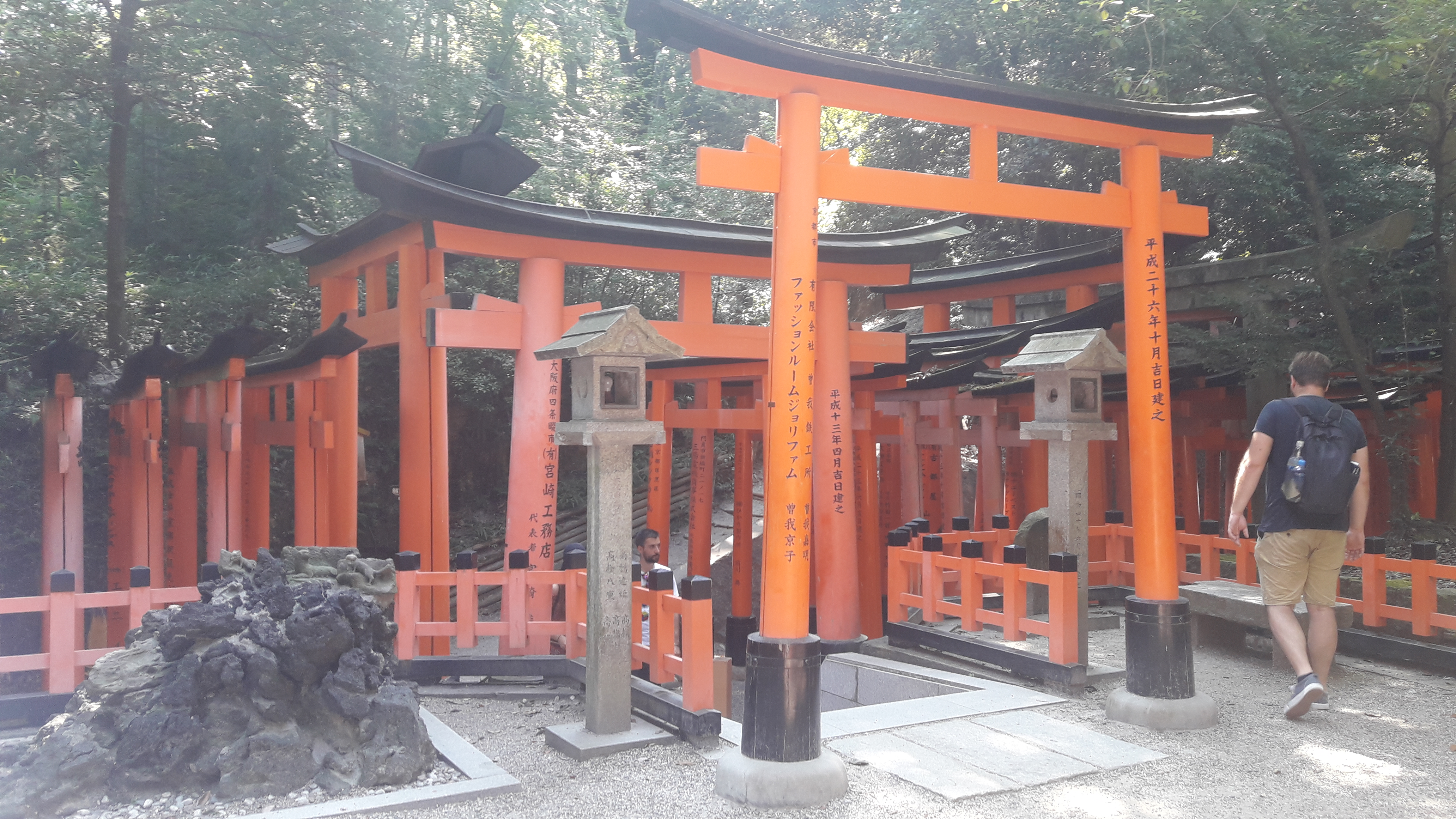
Mt. Inari footpath (Fushimi-Inari)
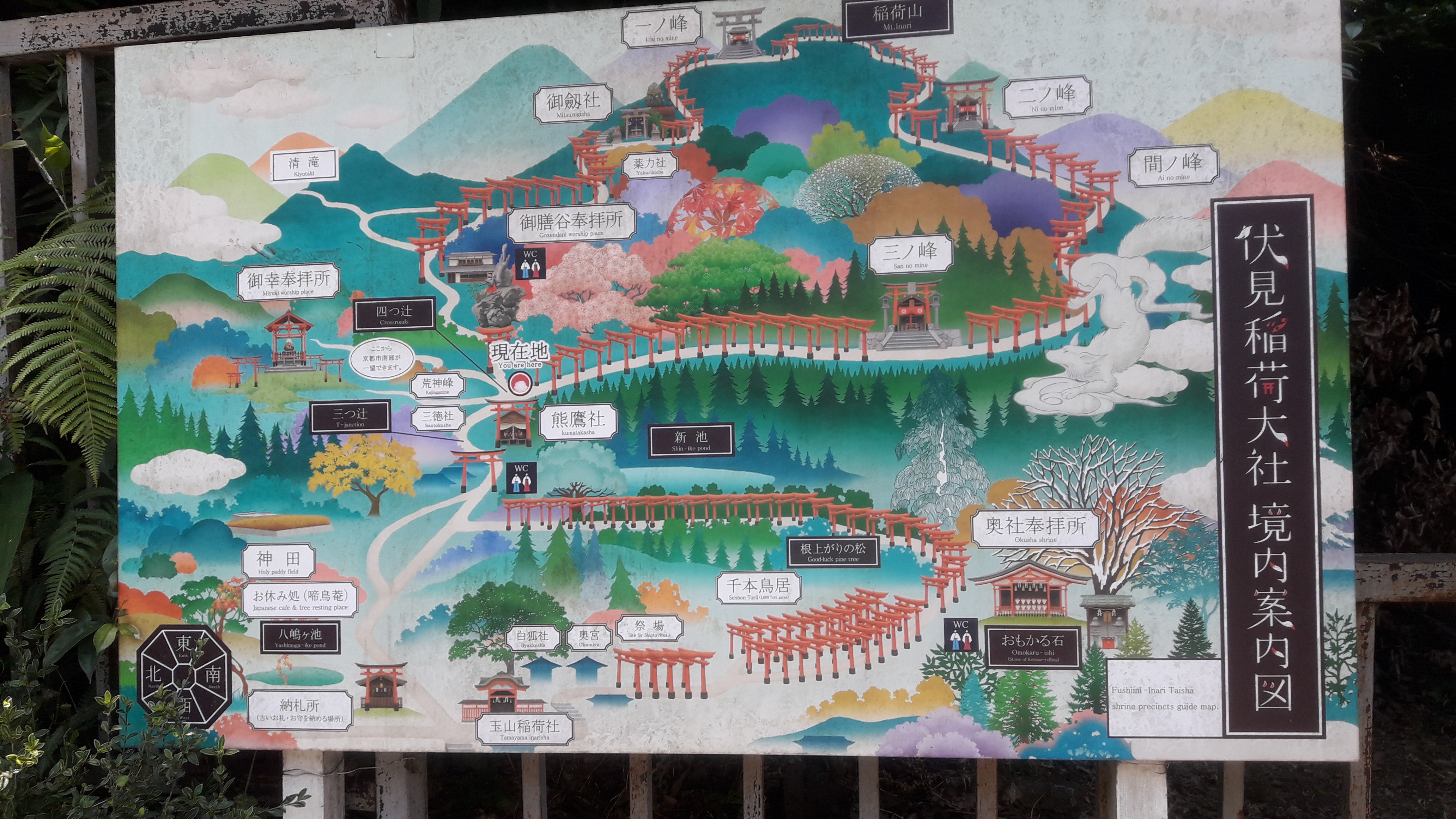
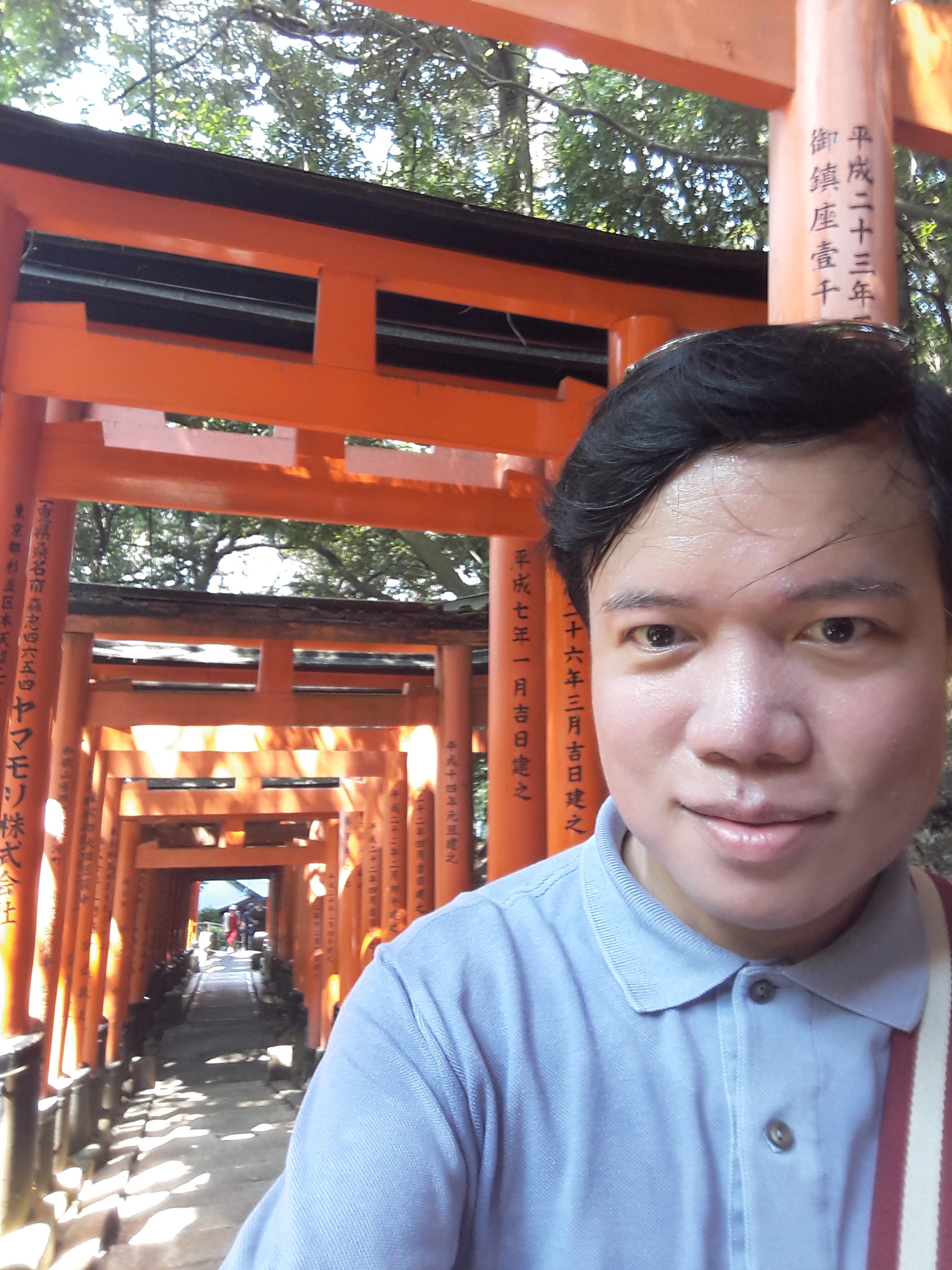
There were two things that I was looking forward to in this leg of the trip. The iconic Mt. Inari (Fushimi-Inari) footpath and Kobe beef. So the next day, I decided to see Mt. Inari and know more about this popular spot. Folklore has it that this place enshrines the god Inari, who is revered as the god of the rice harvest, commerce, and business. A fox symbolizes the messenger of the god, so you will encounter shrines along the footpath that have statues of foxes. I even bought souvenirs (fox tokens) in one of the shrines for good luck (maybe bringer of good news in the future). The climb was not that steep, but because of the steps and the scorching summer heat. it was really difficult to complete the hike (get to the apex of the mountain) particularly when I was literally drenched in sweat and my back and legs were already killing me. Upon reaching the mid point of the trail, I thought I had enough, so I’ve decided to go back but took a different path that was more like flat foot trail rather than stair-like steps. Good thing that I took this path instead, coz while the steps have those series of reddish torii (which are actually more on the orangy side) that made this place postcard perfect and iconic, this alternative trail down is where most of the shrines are along the footpath. So I got to experience both the path of torii (these were donated or offered by different individuals and companies that came together and created this beautiful mountain trail) and the path of shrines.
Tired and dehydrated, I got myself another frozen treat. This time, it came in the form of shaved ice topped with a very generous serving of fresh ripe mangoes. Simple, raw, nothing extraordinary, but refreshing. I was just so happy to see it. Reminds me of home, when I realized that I have an interview to make. It was already past 3 in the afternoon and I need to be back in my hotel by 5. I got to my hotel with about an hour to spare, so I rested for a while and freshened up before the call. I thought I’m going to pick up where I left off after the interview. So I went the minute I hung up the phone, putting the thought of whether I got the role or not in a box and set it aside in the meantime while I continue to enjoy the rest of the trip.
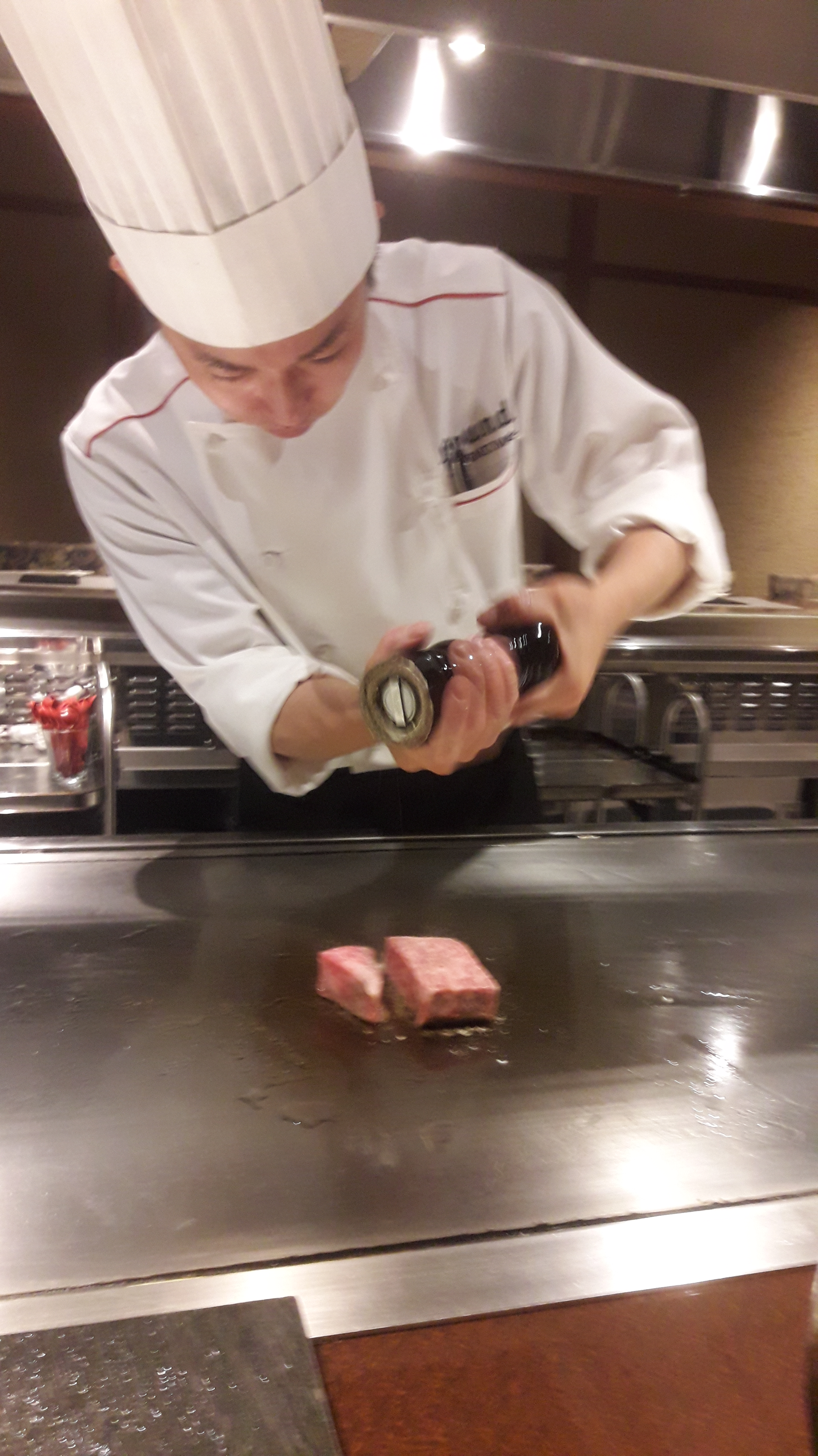
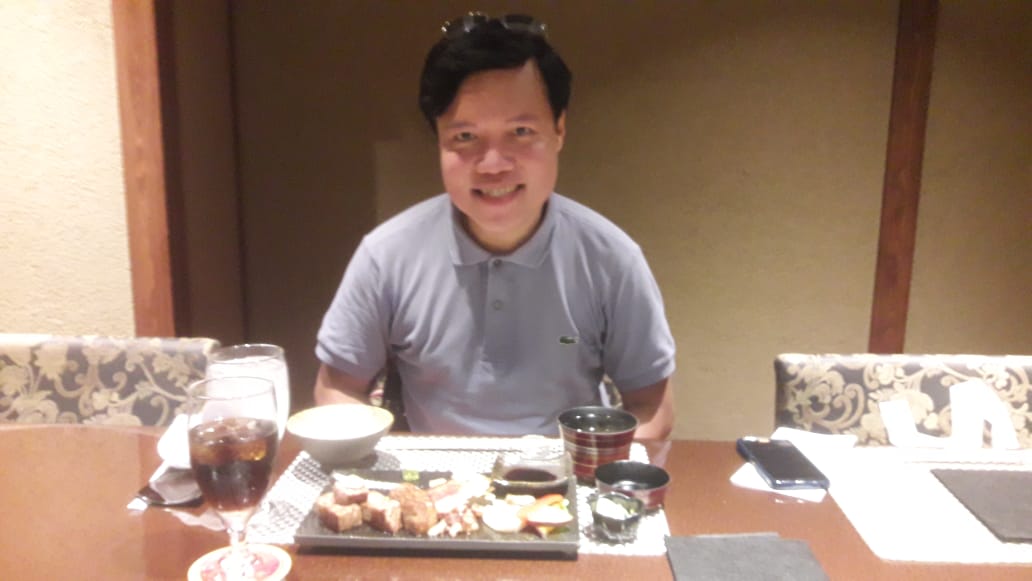
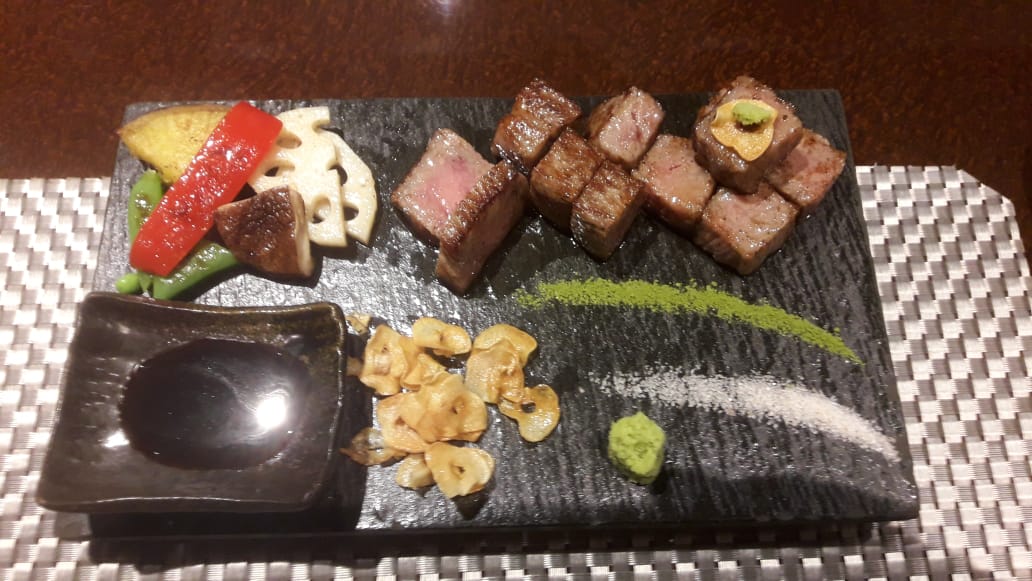
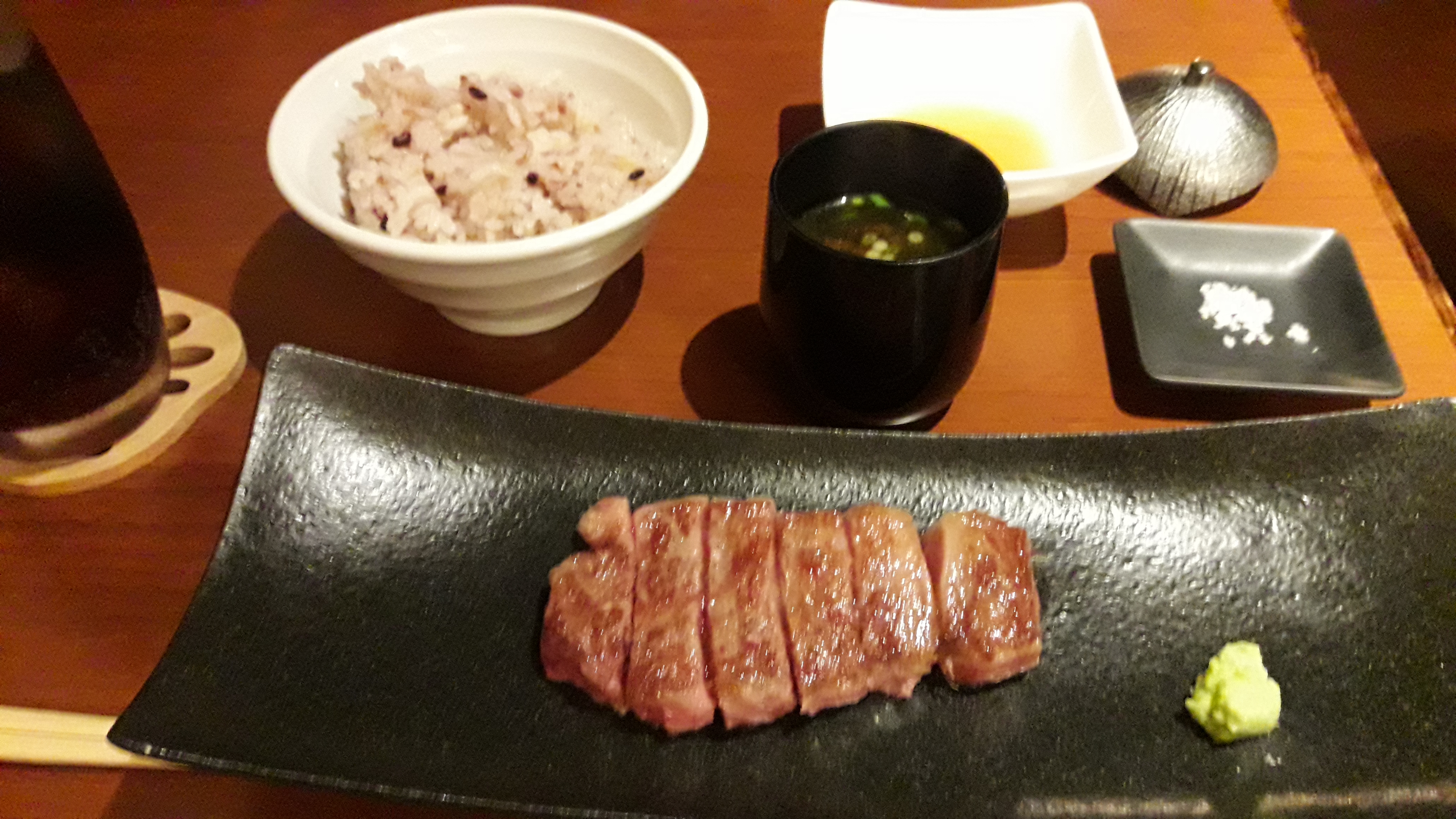
Kobe beef teppanyaki. The presentation is spot on (Premium Pound Sanjo-Kiyamachi).
The foodie in me has to try at least once the famous Kobe beef. So I went around looking for the best Kyoto restaurant that offers a delicious Kobe beef teppanyaki. I found Premium Pound Sanjo-Kiyamachi popular for its aged Kobe beef. It took me a while to find it (damn Google maps) but was just happy to discover it. From the time I got seated, I could already sense that I was in the right place. The ambiance was classy (no tacky decors or in your face setting) and the staff speak good English. The chair was so comfy (I like eating in a very comfortable chair) and the service was spot on. Then the Kobe beef. What can I say? Probably as good, if not better, than the wagyu beef I had in Tokyo. Not only that the food and service were great, it was probably the first time where I truly felt the Japanese hospitality in all my dining experiences in Japan so far.

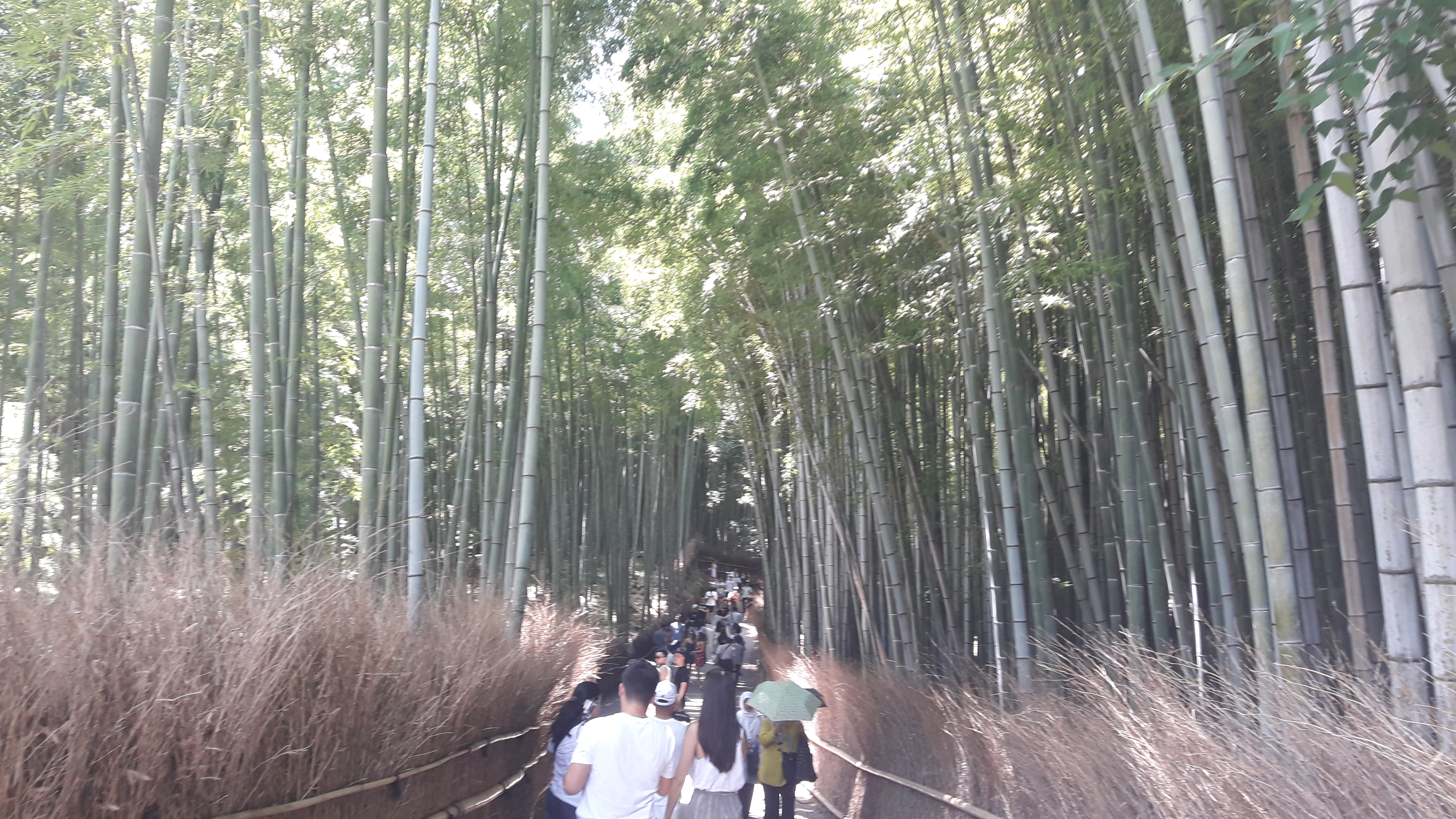


(Top) Arashiyama Bamboo Grove; (Below) Hanamikoji-dori (Gion District). Geisha caught on camera (real or fake?).
I went to see two more popular tourist spots: Arashiyama Bamboo Grove and the Gion district. The former is known for its dense bamboo forest. I kinda lost getting there, which apparently has two gates, one that can be reached thru the subway train, while the other thru a vintage train that passes thru scenic suburbs. This is the closest that one can commune with nature and would have been great if there were pandas to complete the experience (lol wishful thinking). Gion district, on the other hand, is known as Kyoto’s geisha district. Contrary to popular belief, a real geisha is rarely sighted, as she would normally be inside a cab and will only alight once she reached the door of her tea house where she works and will stay inside the whole time. Geishas don’t go out to mingle with pedestrians and they are not often seen in public. So those you see walking the streets of Hanamikoji-dori, or at the Tatsumi bridge, are either fake ones or some wannabes who just want to dress up like one. A friend of mine asked me if I have seen the movie “Memoirs of a Geisha” and I told her yes but that was a fictional and tragic depiction of a geisha. It doesn’t even come close to a real geisha or even a mako (geisha apprentice). I told her that Westerners should be educated of real geisha culture. A legit geisha is one who performs tea ceremony and does her job professionally (just like everyone else), with utmost dedication and commitment to the art of preparing and presentation of the Way of the Tea. That’s why not everyone can have tea ceremony with a real geisha, coz if I were travelling with a group, we would have probably shared the expense. That’s how expensive a tea ceremony is with a legit one (no, I didn’t have tea ceremony in case you’re wondering, coz I don’t want to spend that much).
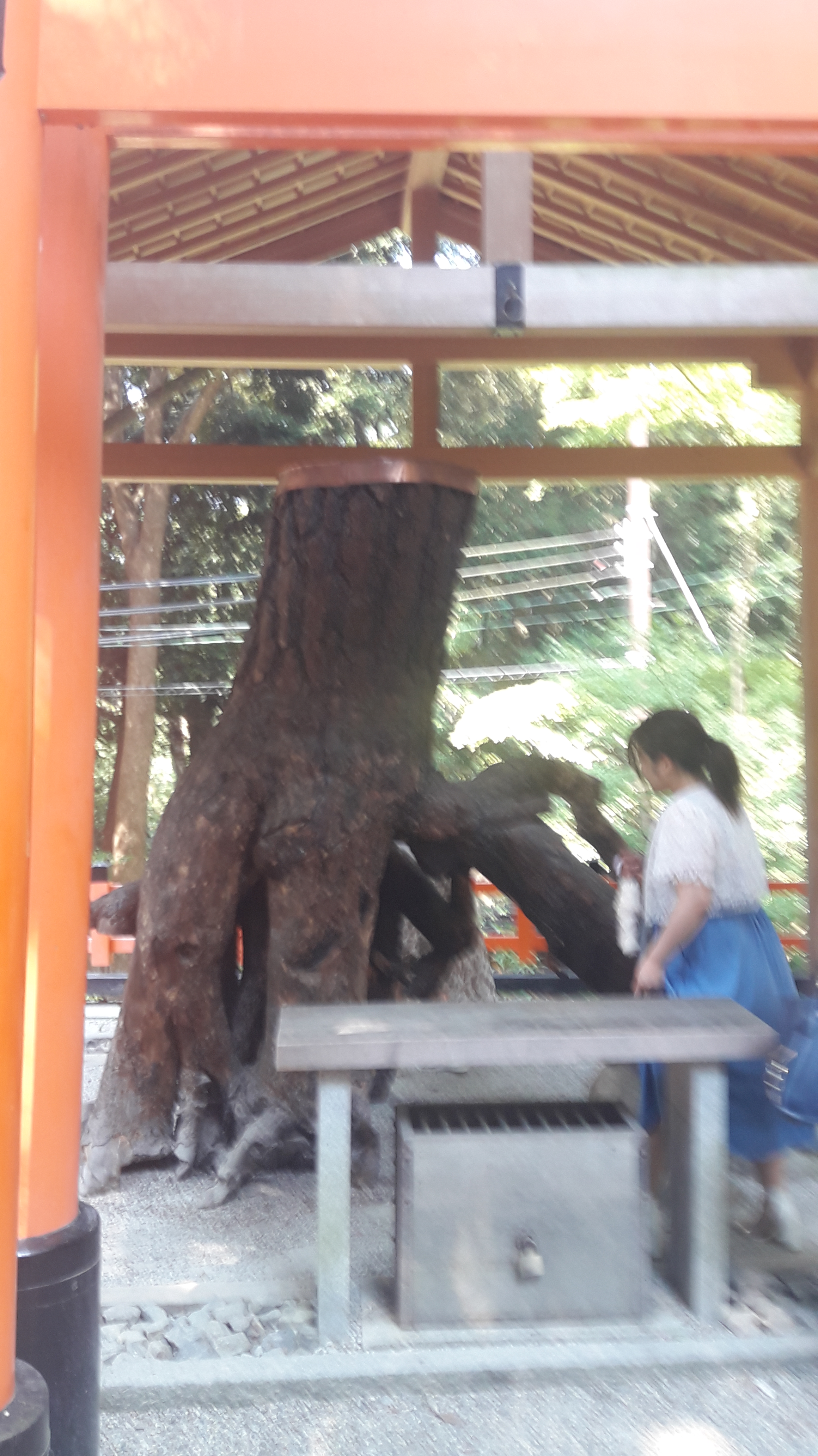
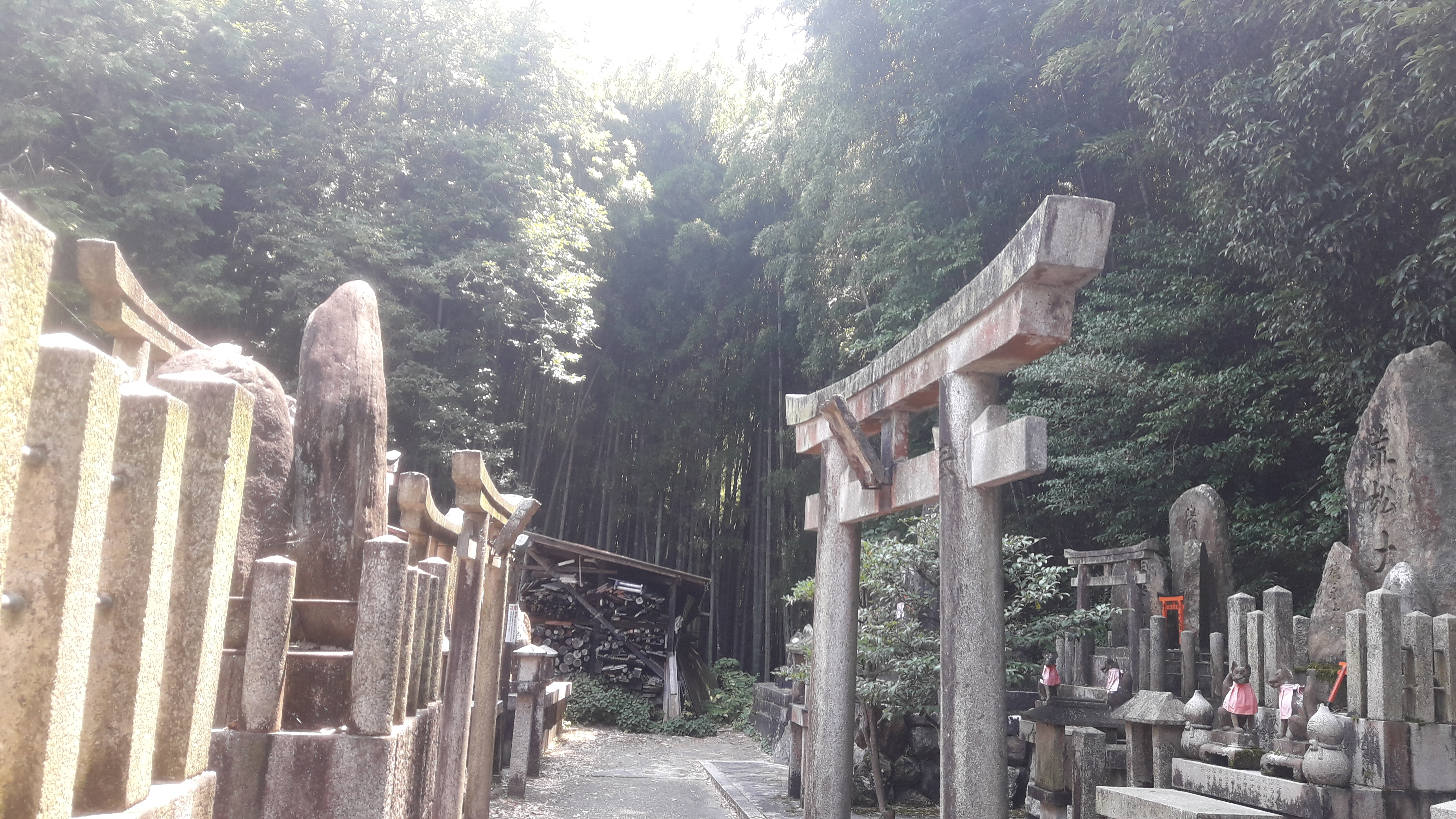

Choose your path to luck: Take the stair-like steps of the torii path to see the apparently century old tree where whoever goes under its roots will have good luck or take the flat foot trail and make several stops to the different shrines that will bring you blessings of the gods.
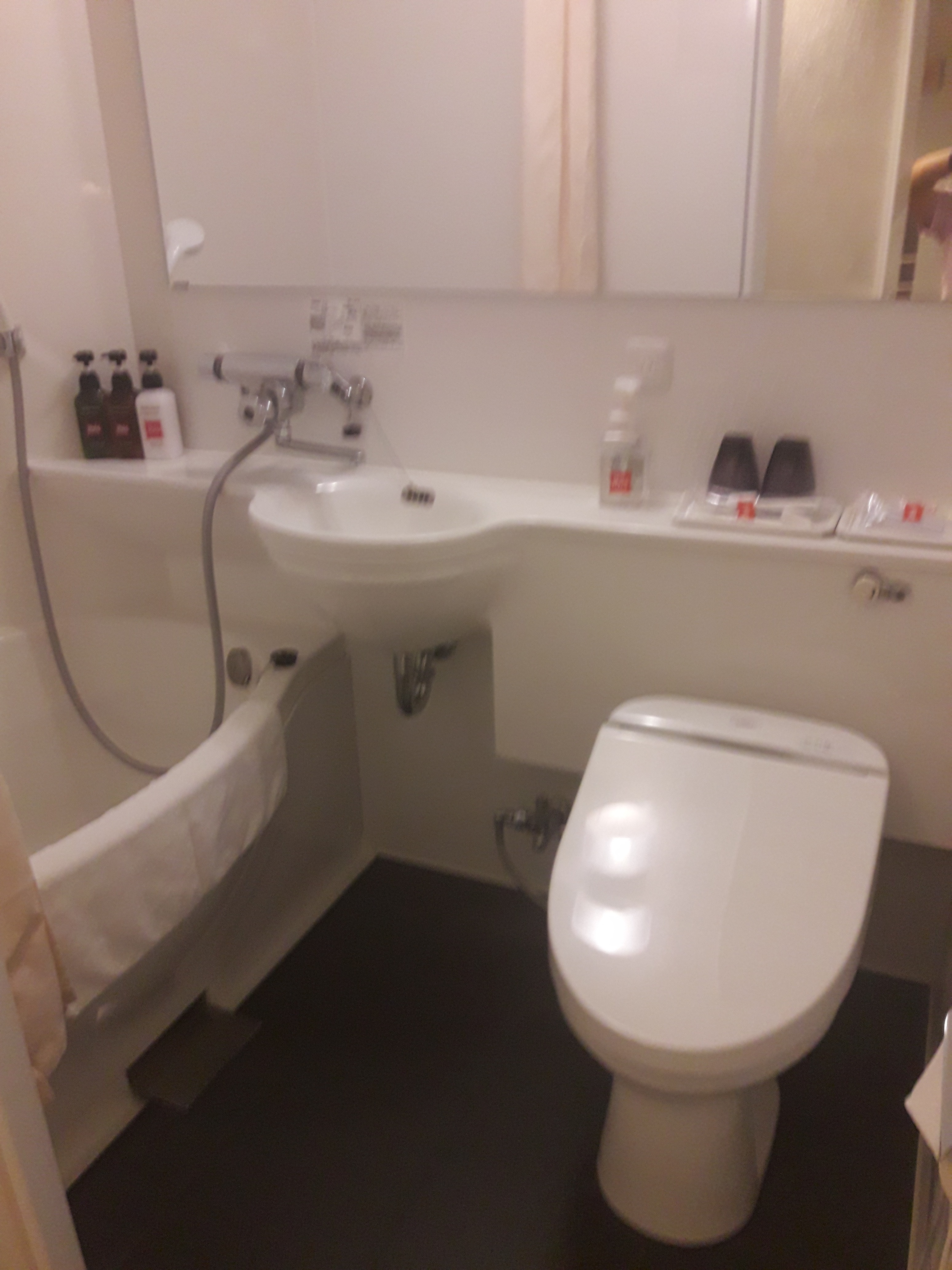
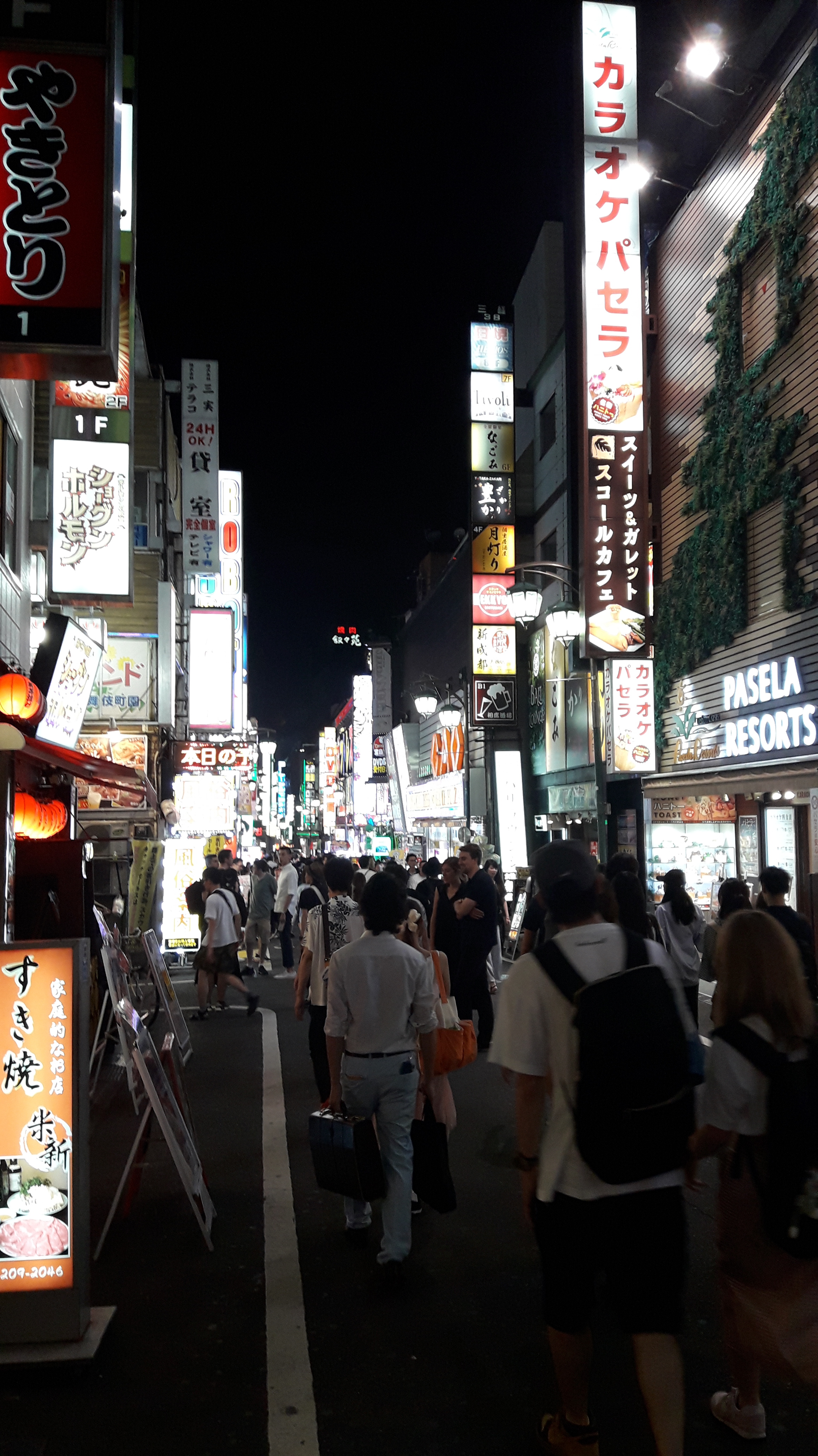
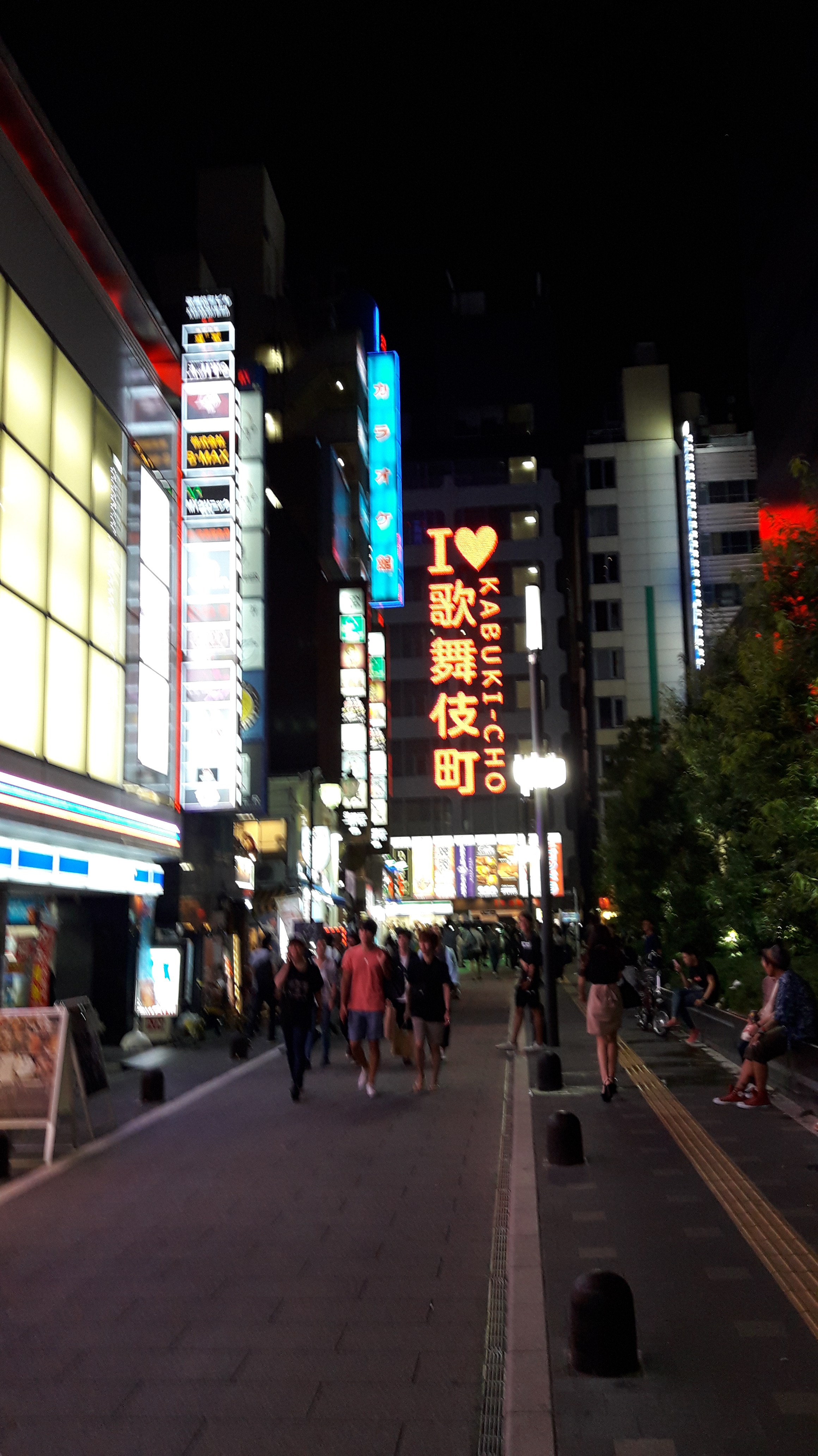
The impression left by these two cities on me was that the backdrop may be different, but they share similarities in a lot of ways. Tokyo surely belongs to the digital world where the shades are neutral, metallic, to some degree muted and tempered yet can burst into a kaleidoscope of colors while Kyoto still maintains that old earthly charm yet with organic tones of vibrant, primary hues. Like in a canvass, the contrast is well defined (no doubt about it), but I also can’t help but think that there’s a commonality between the two that can’t be ignored, like the still objects in a painting. Both share the love for good, well-made beef (Wagyu and Kobe), aged to perfection. Both share the same belief in the supernatural, the goodness of luck, and blessings of the deities (Tokyo’s ema and Kyoto’s foxes). This is not something to be shrugged off, coz though the new role was mine to lose, I soon realized that it wasn’t a good fit for me, but I was just glad to know that I was lucky to have the opportunity and that some higher powers guiding me thru to discern what’s really good for me. But ultimately, what captivated me more than the perceived omnipotence of the shrines/temples on one hand and the heated toilet seats and automated bidet on the other was the spirit of the Japanese people, the discipline and good-naturedness that simply rub off quickly. This is the best that both cities can offer, where the crust may be different, but the core is the same. Just being around them makes one feel really good.




 columbusbee