Life is a Beach (Second of Two Parts)

Travel and Positivity Buzz
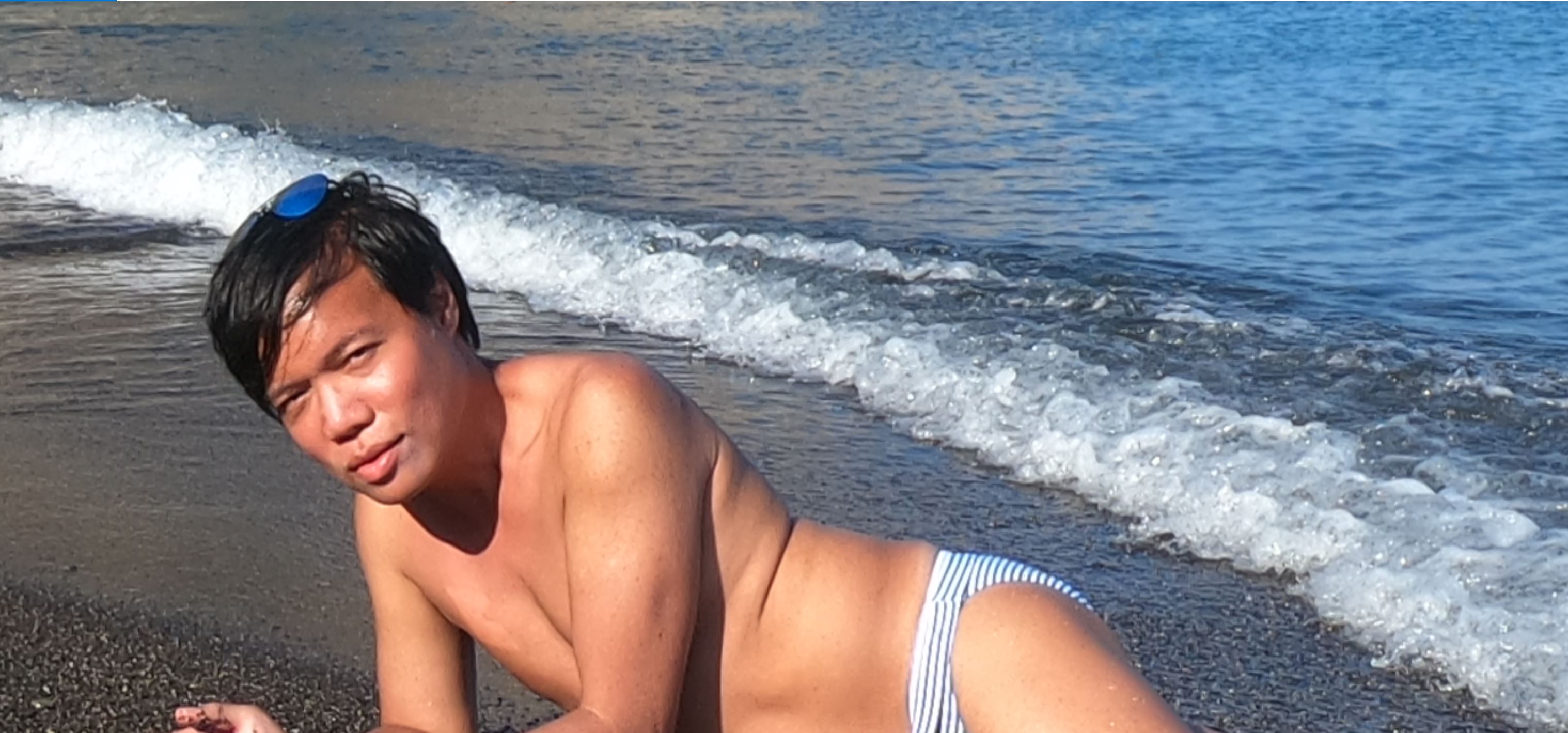
Cool, clear, blue Aegean Sea

There’s a proverbial phrase “when life gives you lemons, make lemonade” which embraces positivity and optimism amidst trying times. What can be truer than this than the situation we are all in right now where it feels like our lives have been taken over by the COVID virus, which is nothing more than the common cold virus except that it’s deadlier. I thought this can only happen in the movies, but looks like life is stranger than fiction. Like in the movies, the contagion has resulted to lockdowns where travel and mobility are restricted. Face mask and shield have become so common like underwear that you cannot be caught dead without wearing one. Given that the best way to handle this health crisis is to treat anyone as potential carrier, no matter how hideous and uncomfortable these protective gears are, we just simply have to appreciate these as something we cannot leave our homes without.

Count your blessings

So how do we make lemonade out of this pandemic? There are people who see opportunities out of a crisis (both good and bad ones) and there are those who simply accept the ‘new normal’ (I’m starting to get annoyed with this phrase). For me, it’s the time to count my blessings, to reflect on life with its ups and downs, and how I could see myself as a survivor. Sounds cliche and corny for most, but if you haven’t appreciated those things that you would normally take for granted (such as freedom to move around), then maybe the lockdown can facilitate such realization of how being free is precious yet vulnerable.
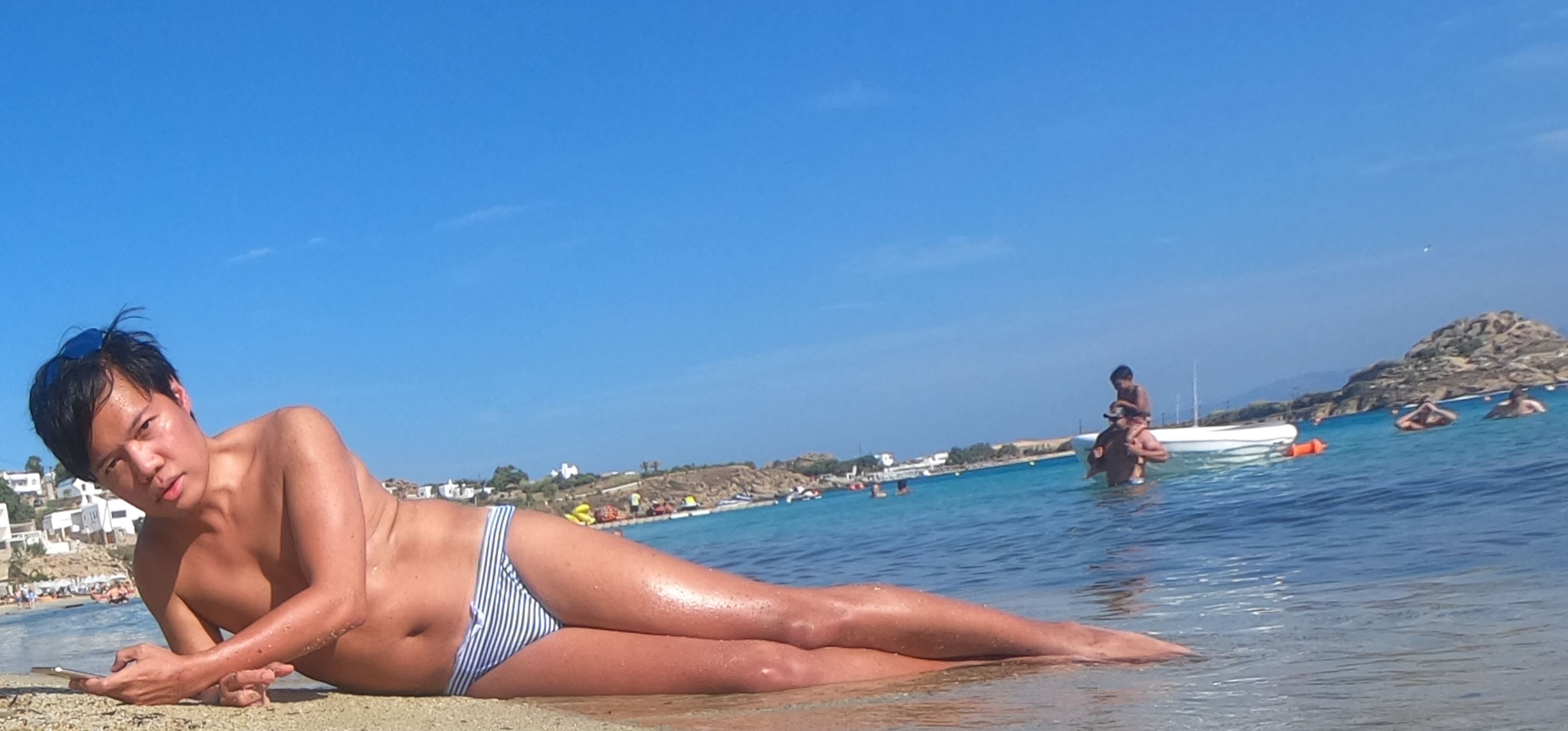
My happy place

This is also the time to go back to your happy place. For me, beaches have always been my happy place. Or any body of water for that matter. I’ve always been attracted to bodies of water. Maybe because my feng shui says that I am a water element, so that would probably explain why I would find myself in that blissful state of peace and serenity when I’m near a body of water. Like lemonade, it feels refreshing, that’s why even if summer went by without being able to go to the beach, just the mere thought of it would already alleviate whatever stress this lockdown has brought on our mental and emotional well-being.

Reliving the ghost of summer past

So to keep our sanity and emotional stability in check, let us continue our virtual trip to the different beaches around the world. In the first part of this article, we were able to cover the 3 A’s (Asia, America, and Africa). In this second part, let’s fly to Europe, Middle East, and Oceania, and explore the beaches that I have been to in more than 20 years of travels.

Europe
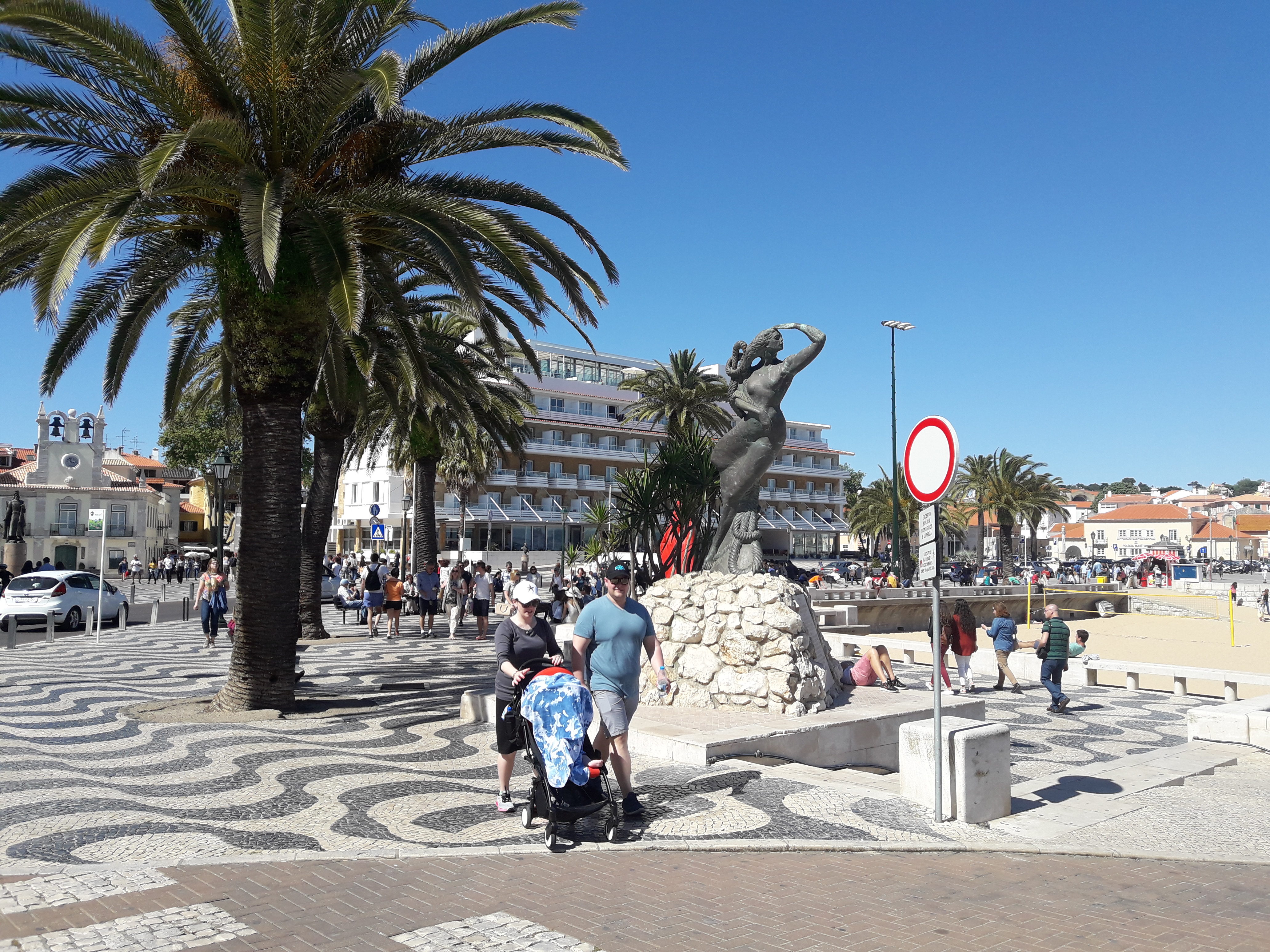
Praia da Ribeira (Cascais, Portugal)

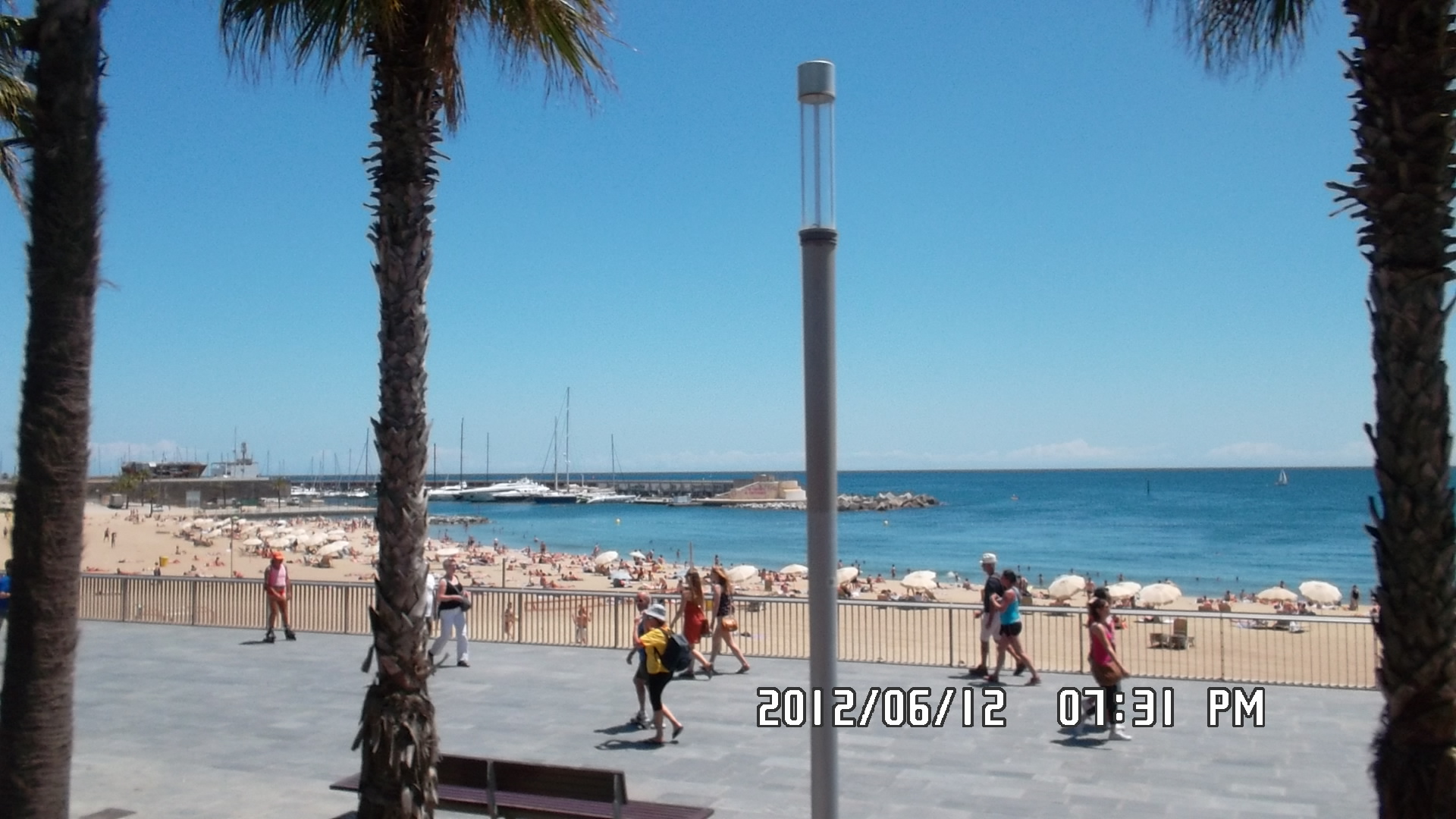
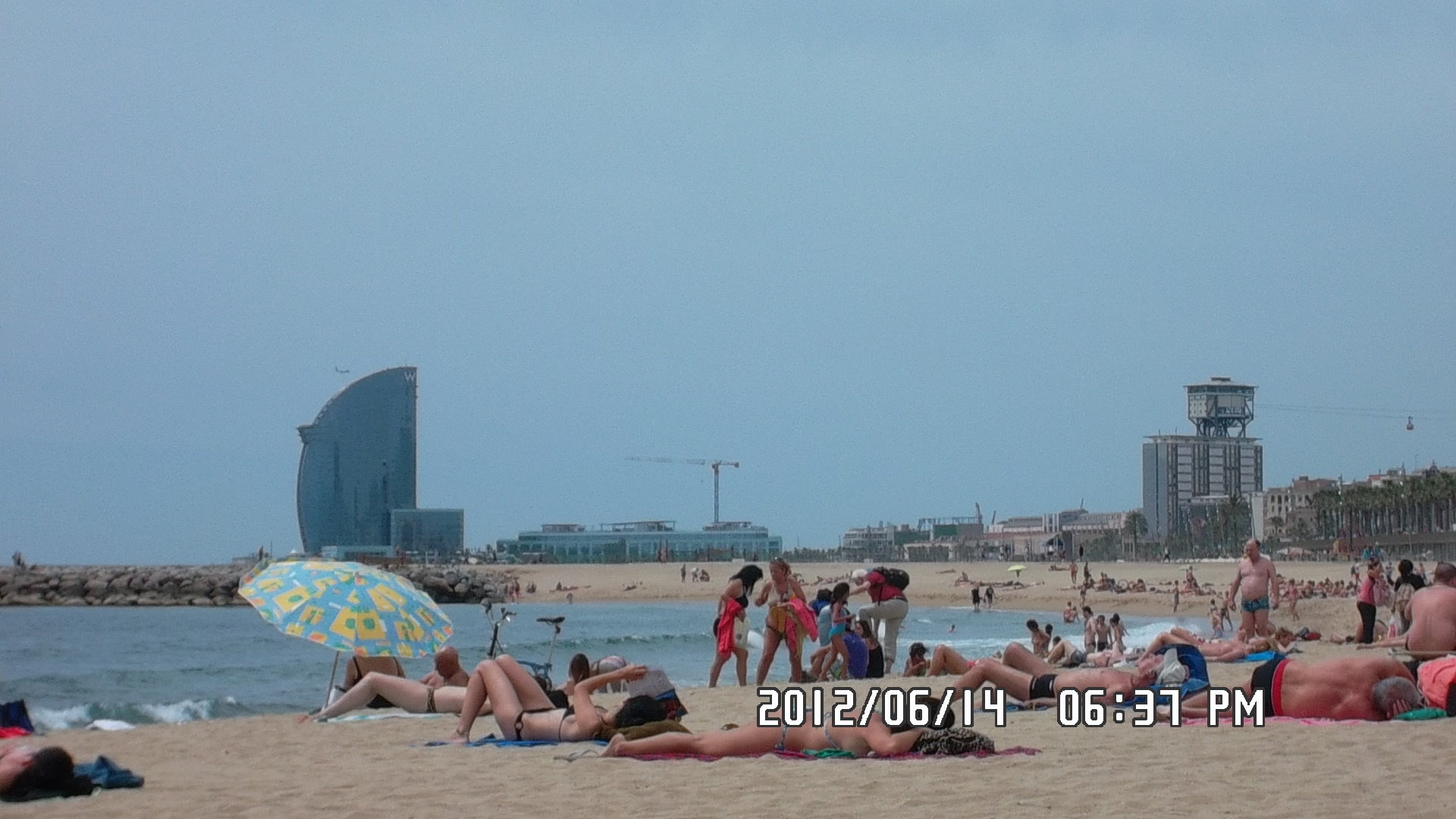
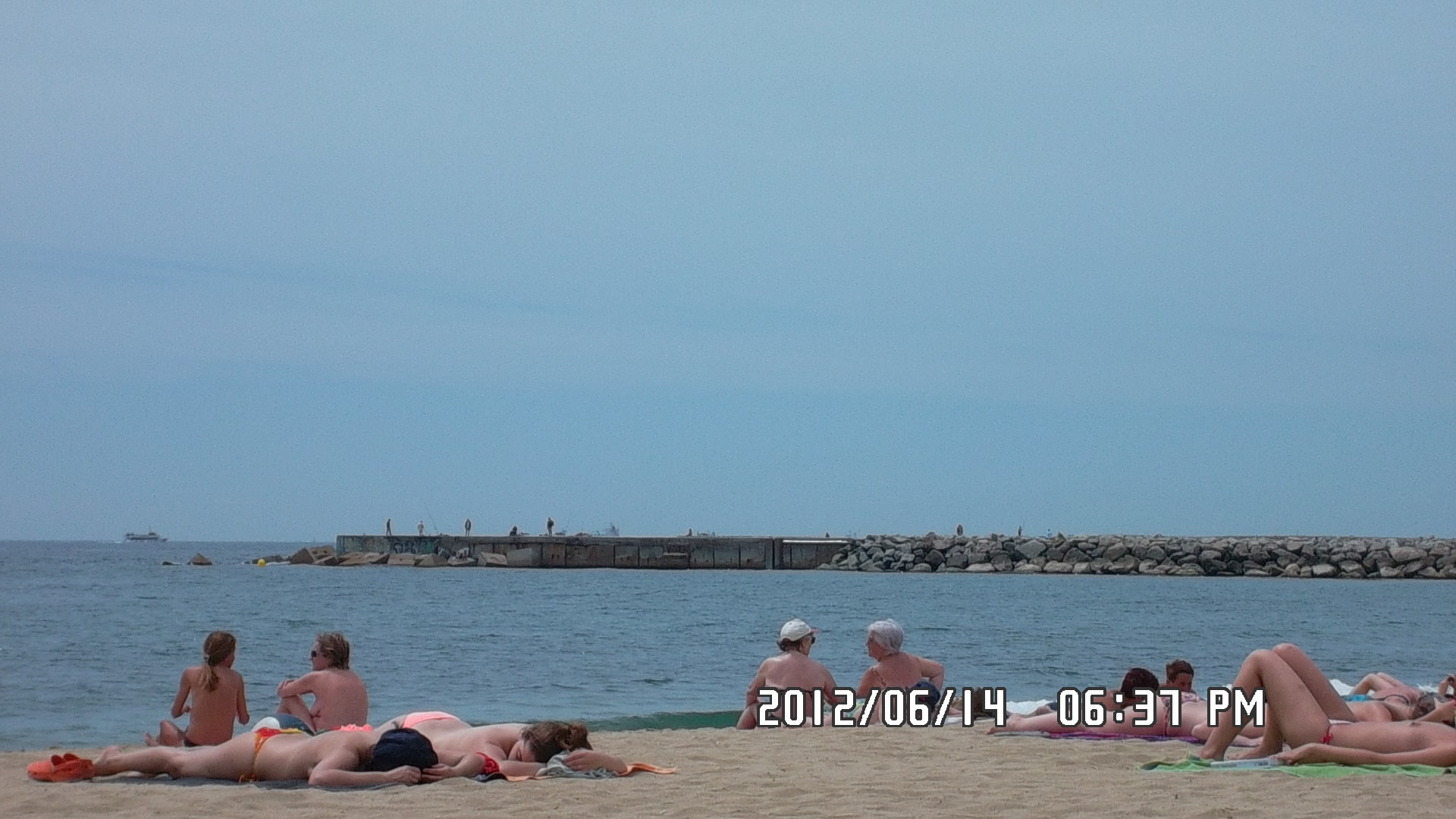
Europe has always been a fave destination of mine. Aside from its rich history, art treasures, bustling culture, and century old architecture, some places have nice beaches. One such place is Barcelona (Spain). The home of Gaudi, this city is a mix of the old and the new. Modern skyscrapers blending in with the works of Gaudi makes this a very livable city. Not to mention beautiful people. To top it all, it has a beach called Barceloneta on its coastline that is easy reach by car, bicycle, public transportation or even by foot if you happen to be staying in one of the hotels that are lining up the whole stretch of the beach (in my case, I stayed at Pullman Barcelona Skipper which is about 200 meters from the beach). Just like any beach in a city, it gets packed on summers. You don’t need to go far or drive a couple of hours just to get to one. No wonder I fell in love with this city the first time I’ve experienced it. This is one of my top five cities in the world that I would love to live in if given the chance.
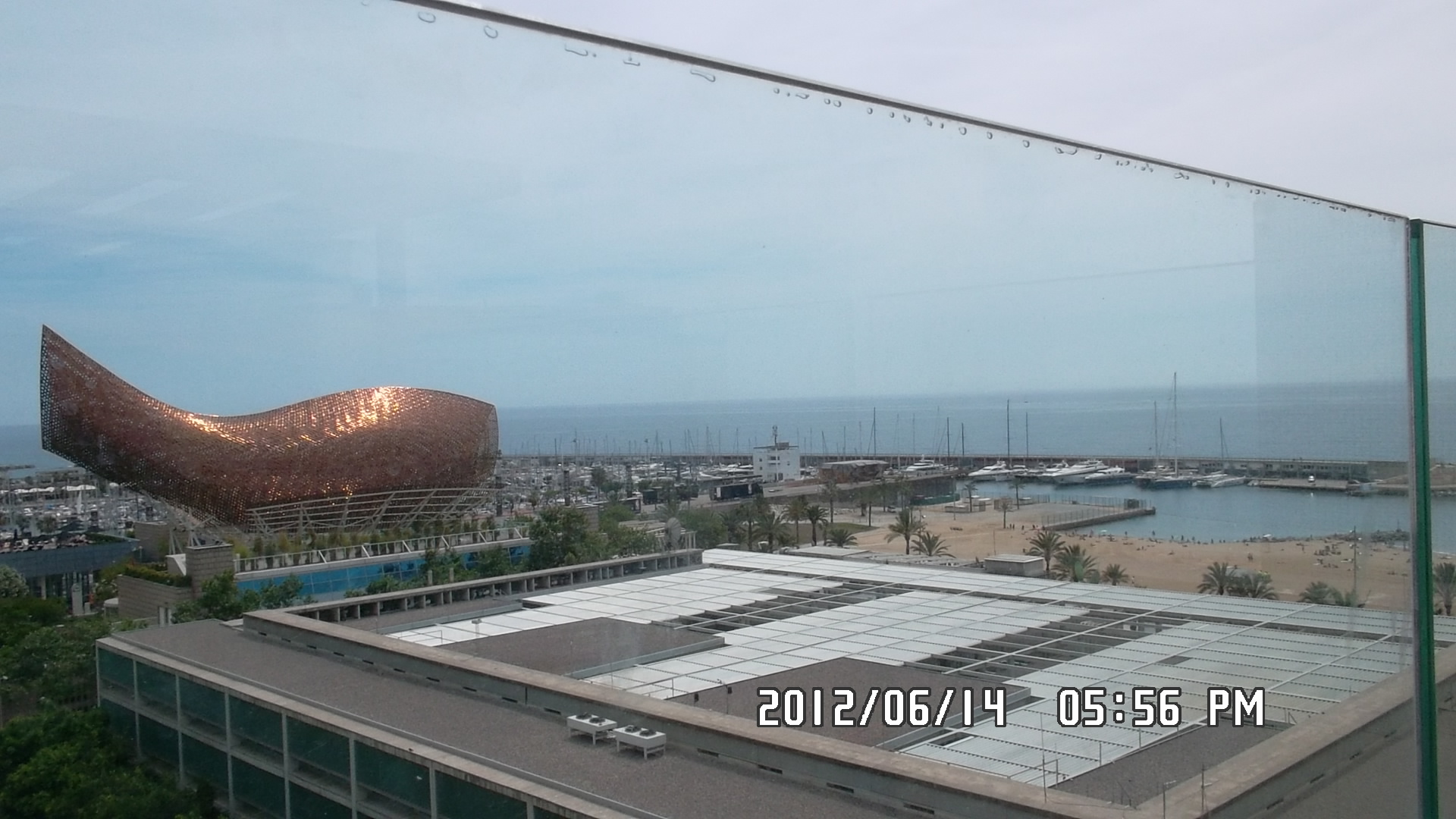
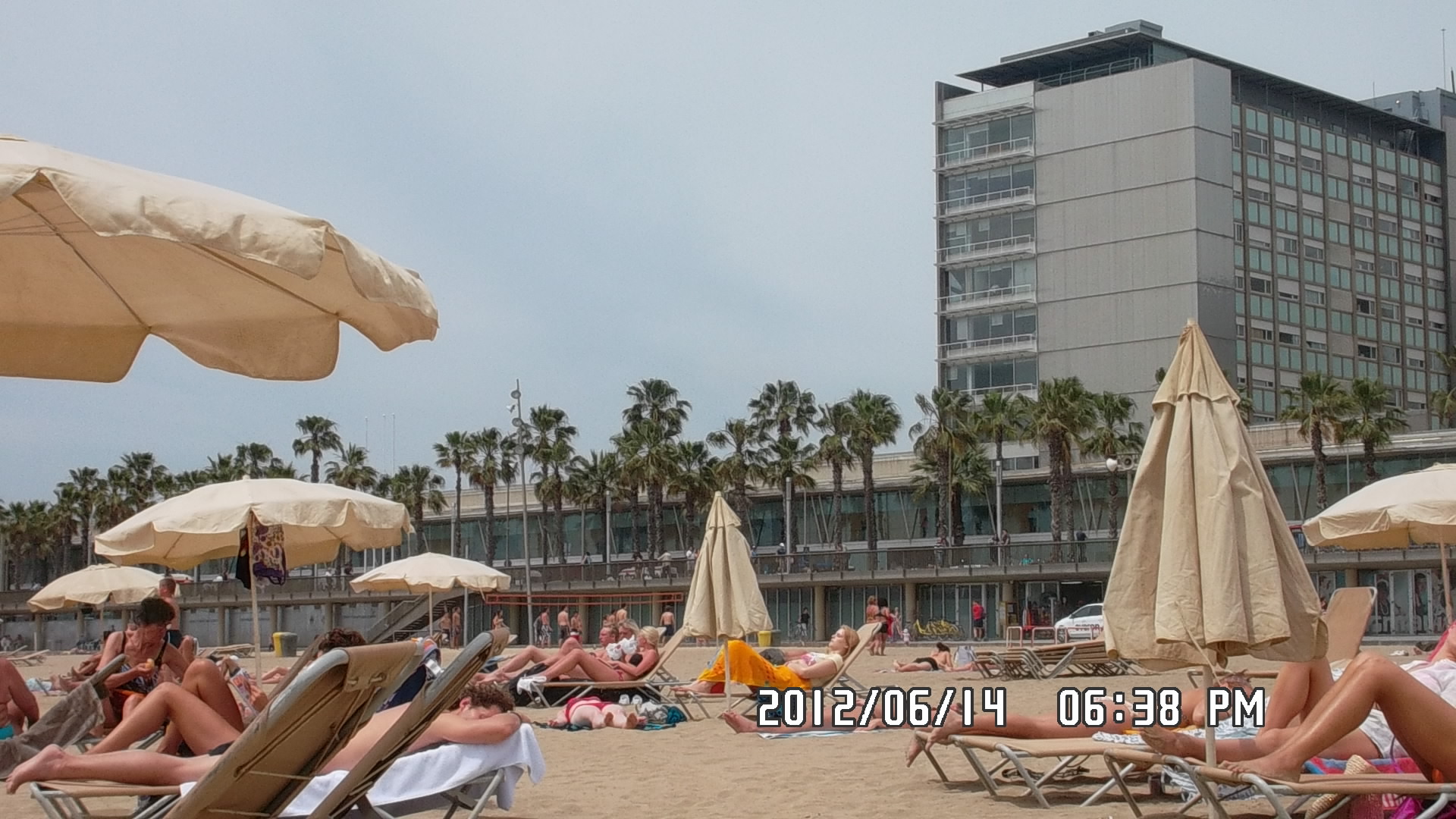
(Top left) Hotel rooftop view of the iconic fish art, the marina, and Barceloneta beach; (top right and bottom) Barceloneta beach, promenade, and topless sunbathers (Barcelona, Spain)

Another such place where the old and the new mesh well is Malta. It is the home of the oldest standing structure in the world (called Gigantia, much older than the pyramids of Egypt) in one of the two main islands called Gozo. Valletta, its capital city, is like an open museum with new architecture blending in. The city has pockets of beaches as well, which provide the locals enough space to enjoy the sun, the sand, and the sea. The city is very scenic and the people are nice. Another great place to live in.

View of the city, marina, and beach from my hotel room balcony (Valletta, Malta)

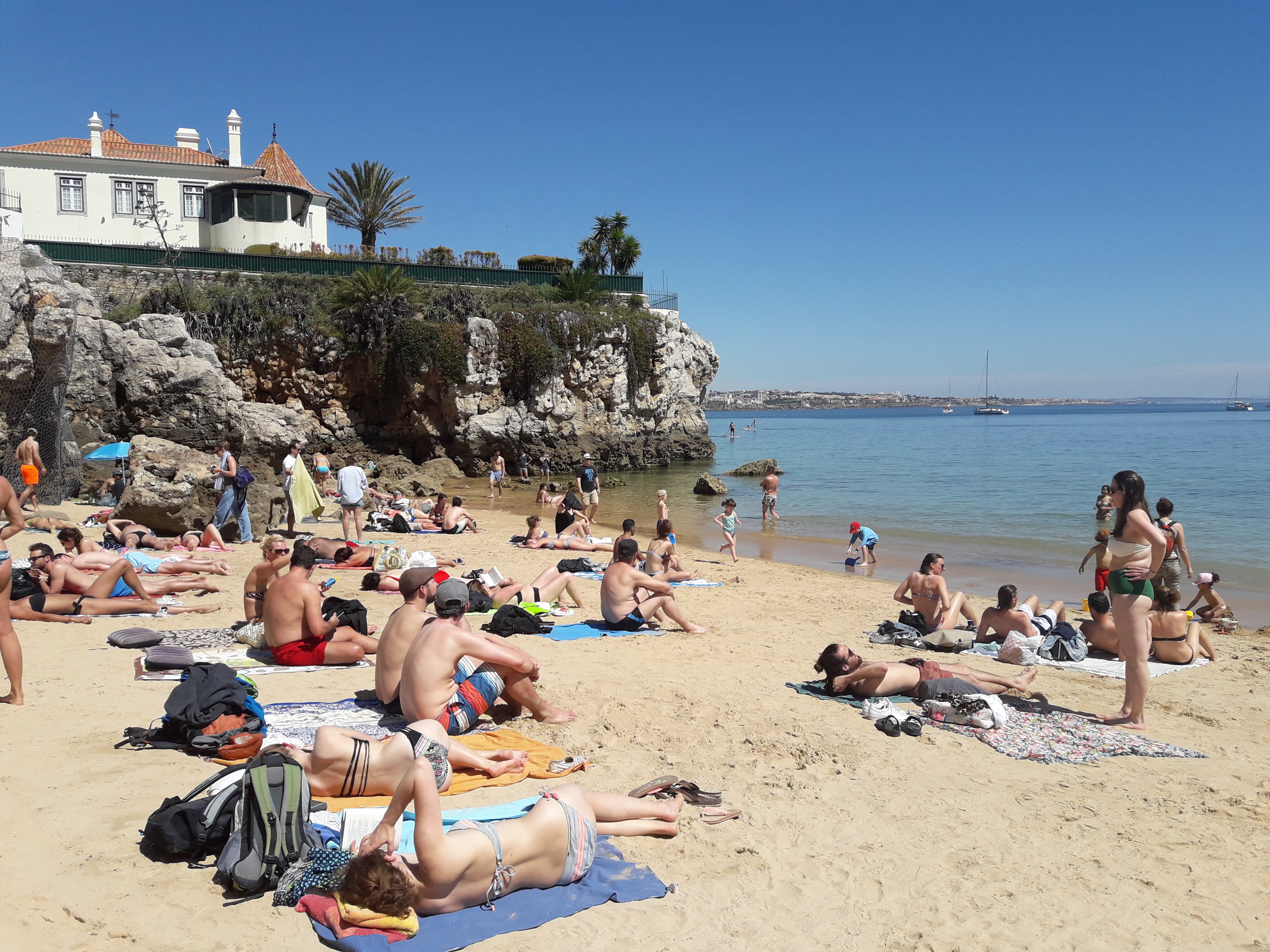
Europe also boasts of beautiful resort towns and islands full of fine beaches along its coastlines. The resort town of Cascais (Portugal) is one such resort town that has a few beaches to choose from. There’s the Praia da Ribeira, a wide stretch of beach that sits along the busy promenade where locals and tourists alike who find the water too cold for swimming (which is common in European beaches even during summers, unlike its Asian counterparts) can sit and enjoy the cool breeze, the sun, and the sights. There’s Praia da Rainha, a secluded beach which you can access thru rows of restos on a cliff, which gives you the option of having a table and order your fave drinks while basking under the sun and enjoying the bird’s eye view of the beach and seascape. You can go down to the beach and take a dip into the cold waters or just do your sunbathing on the fine sands to get that nice tan.

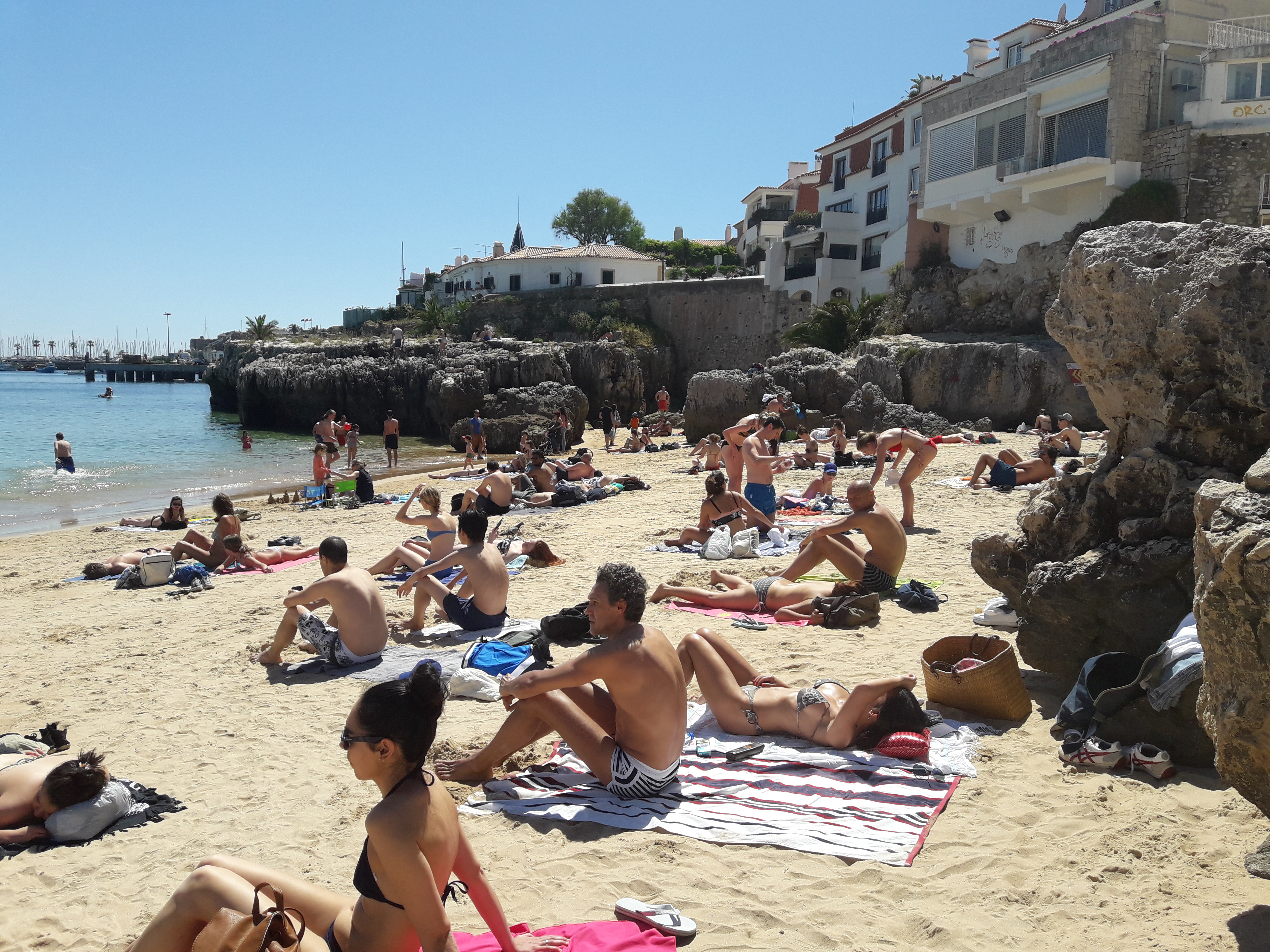
Praia da Rainha (Cascais, Portugal)

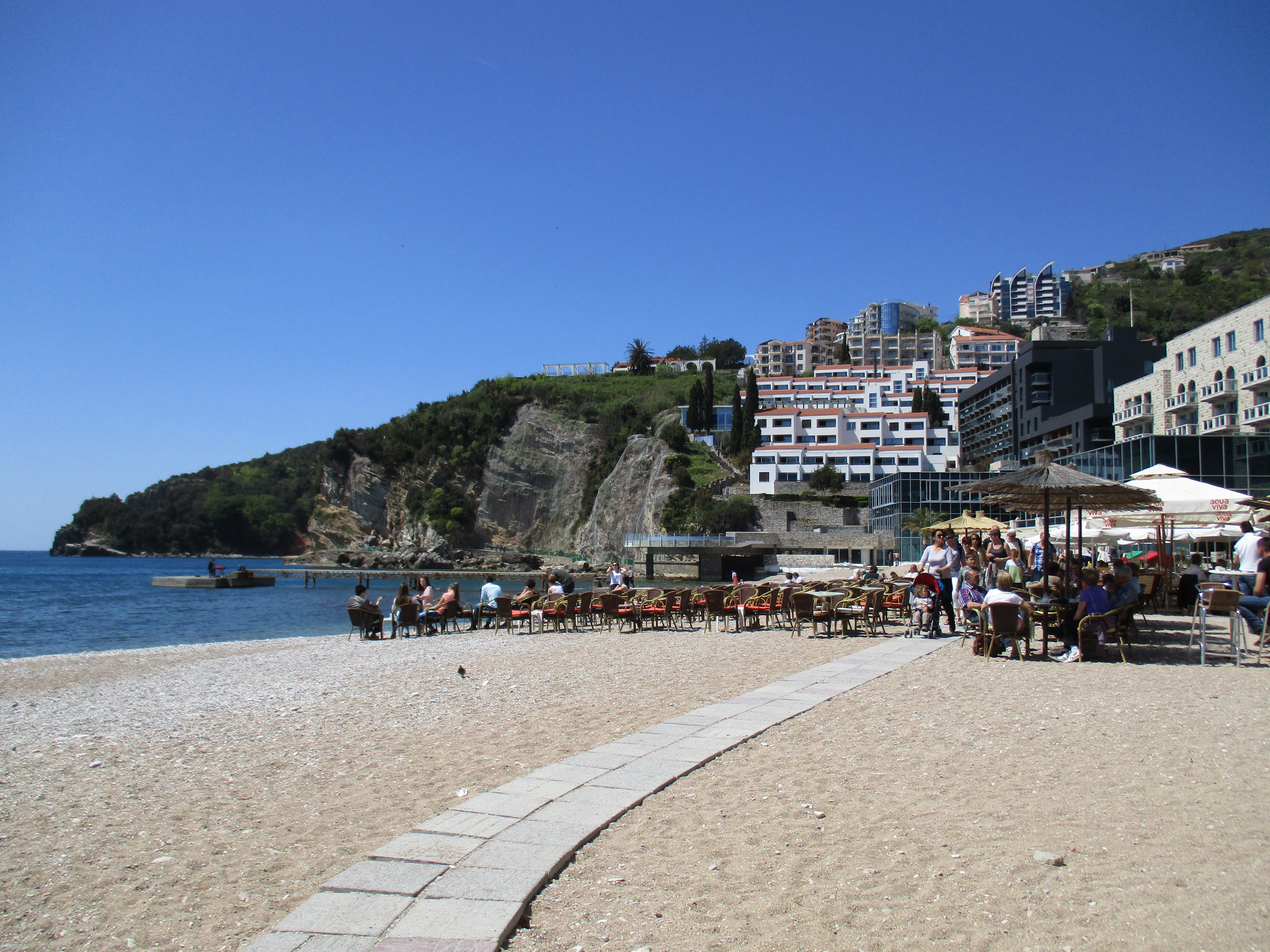
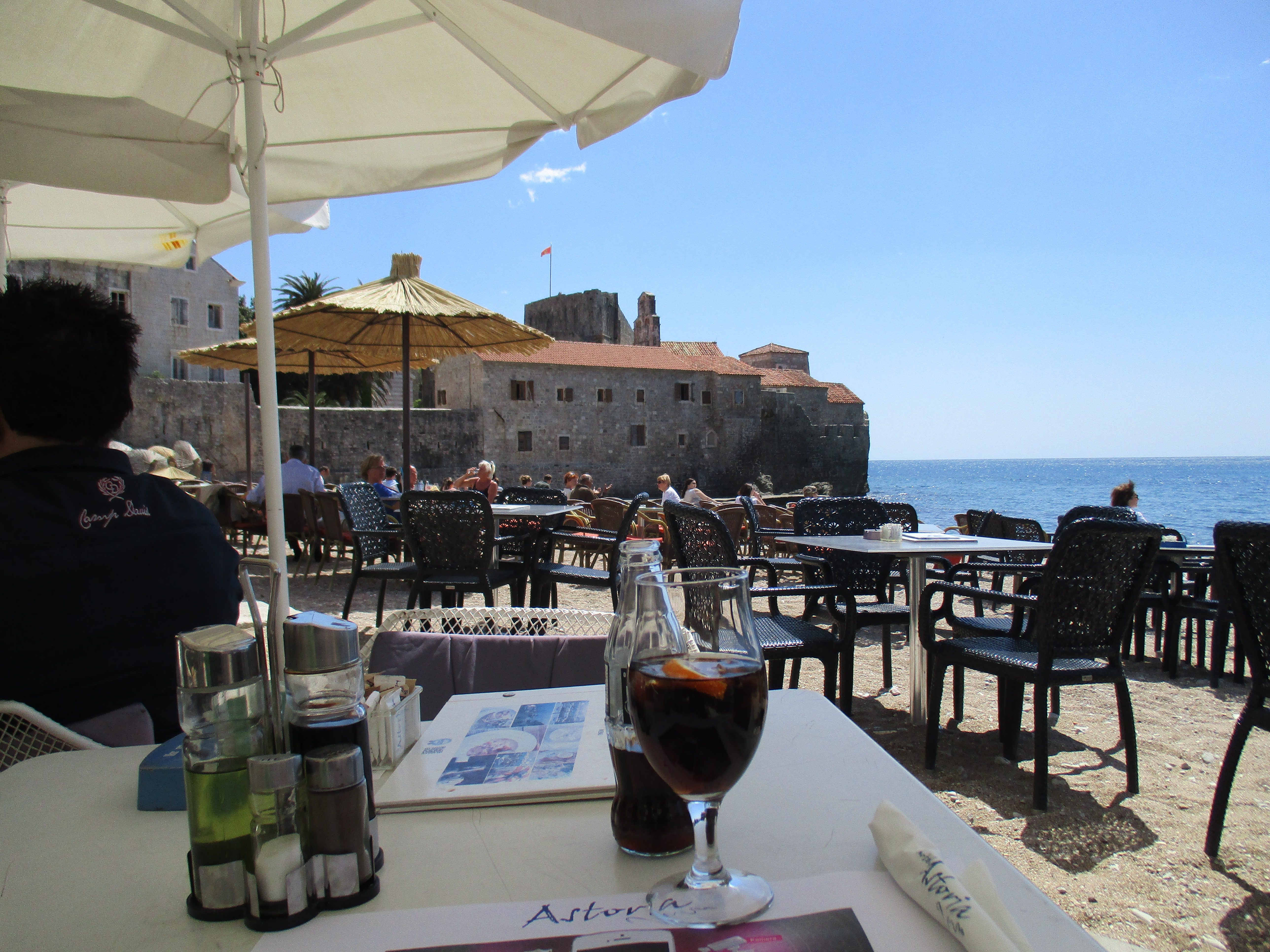
Aside from Spain, Malta, and Portugal, Italy and Montenegro also have nice resort towns with fine beaches. I wrote about the resort towns of Positano and Amalfi in Italy in my previous article (https://columbusbee.blog/2020/03/15/italy-how-thou-i-love-thee-let-me-count-the-ways-part-2-of-2/) as well as the island of Capri. Montenegro has the resort town Budva, which, just like any other resort towns in Europe, is deliciously beautiful with its old charm mixing well with modern marina and pebbly beaches. You can have lunch by the beach if the water is too cold and can sit through all day people watching as well as appreciating the scenery.
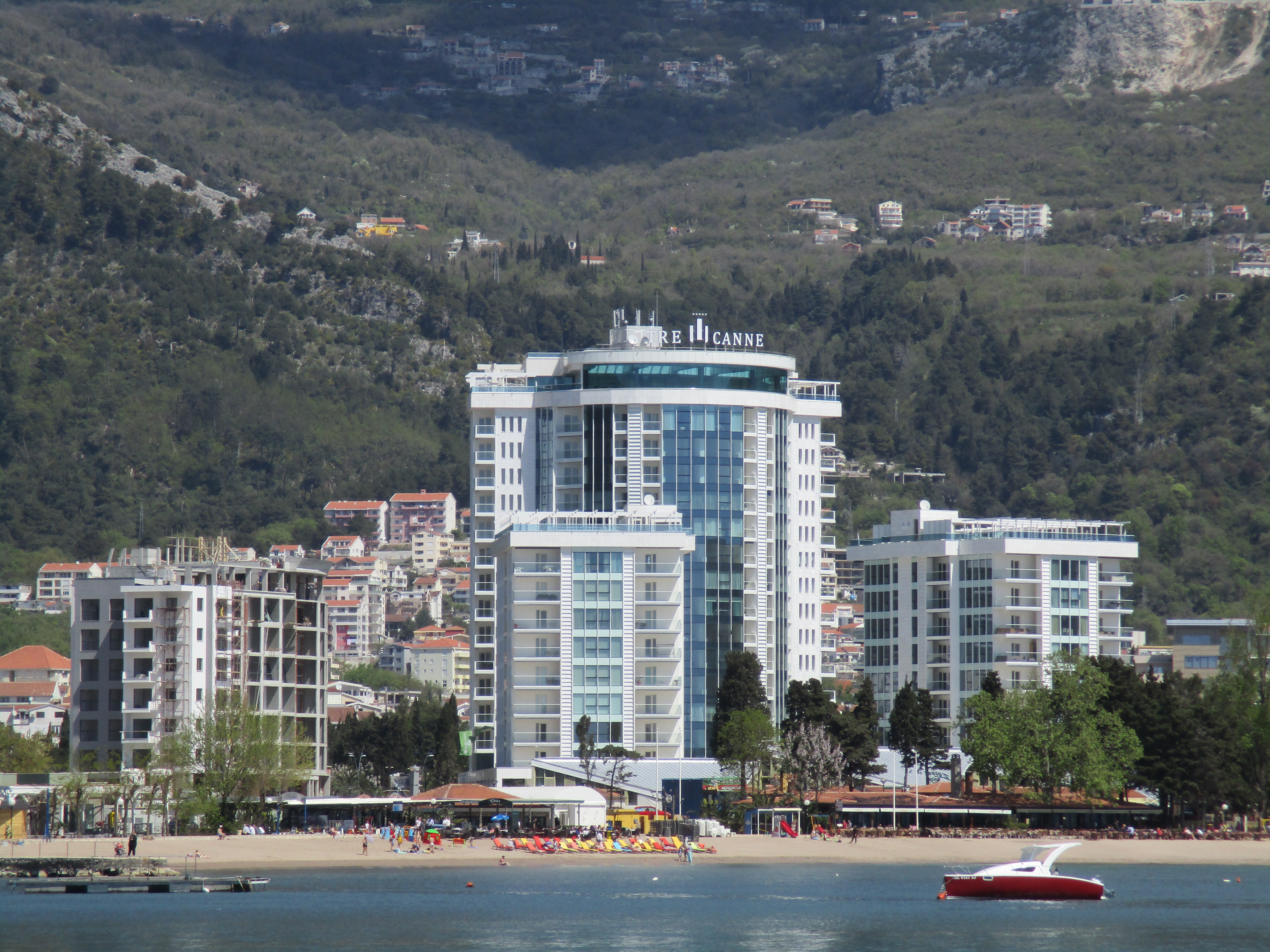
(Top) Beaches of Budva (Montenegro); (bottom) lunch by the beach

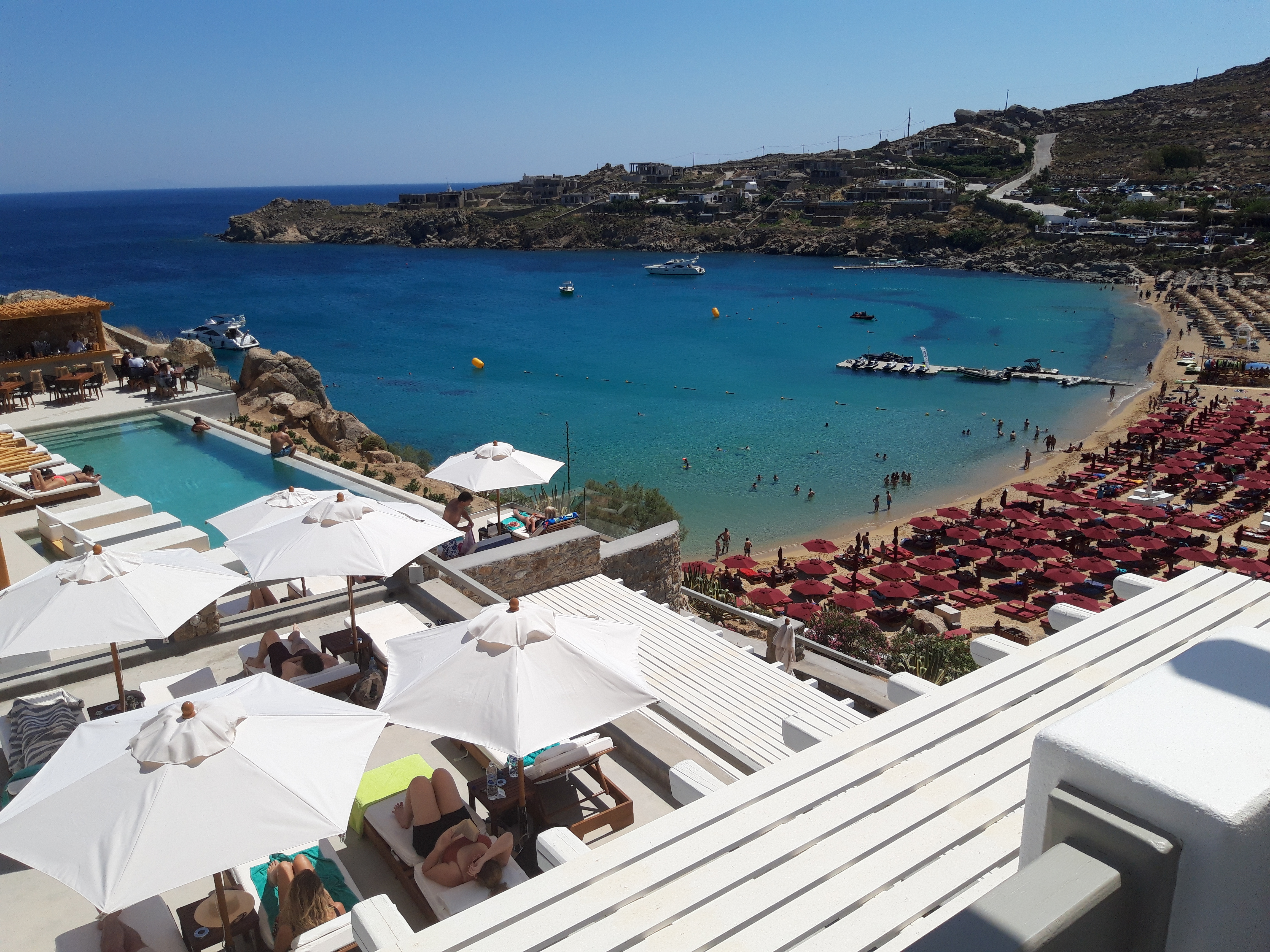
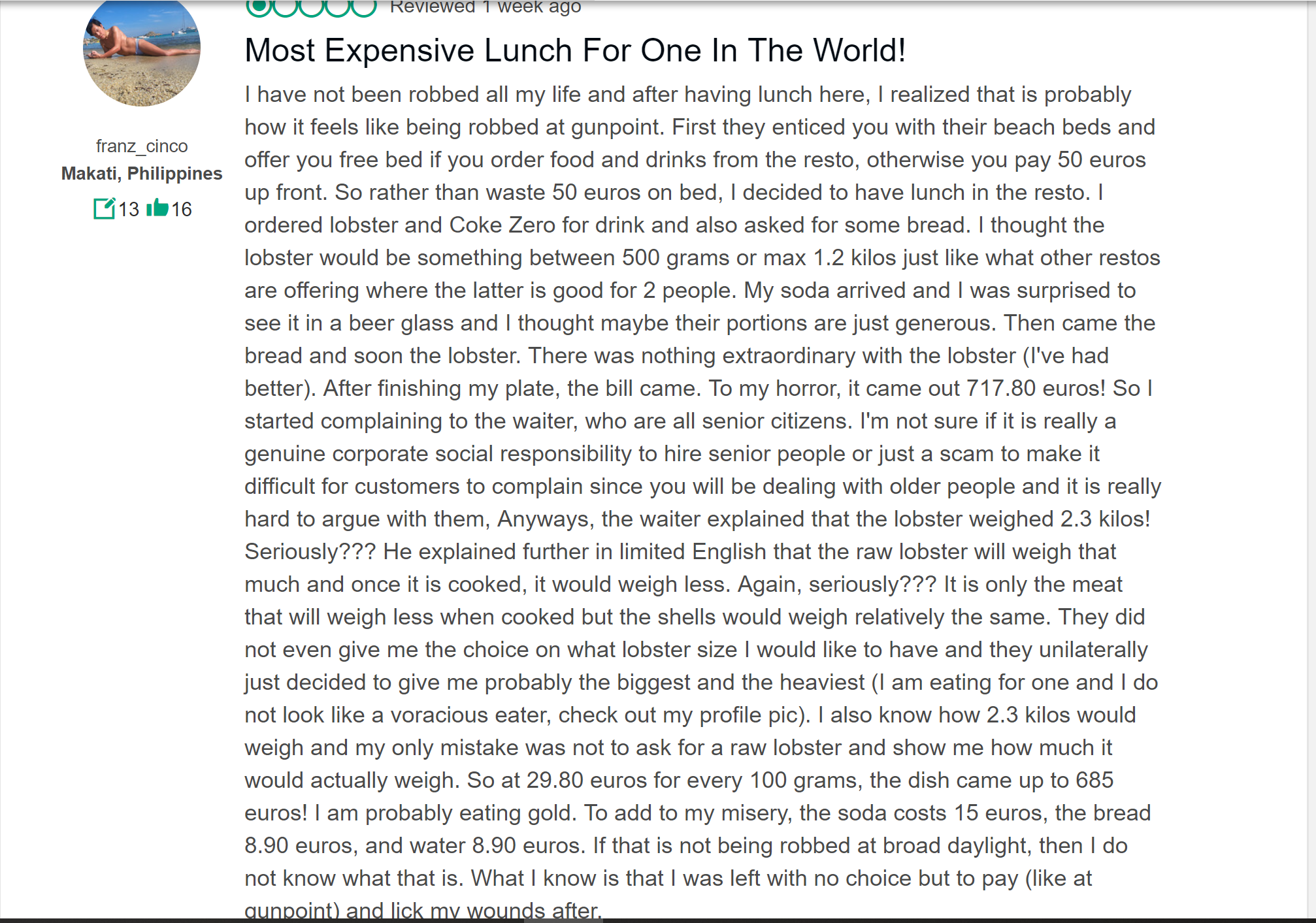
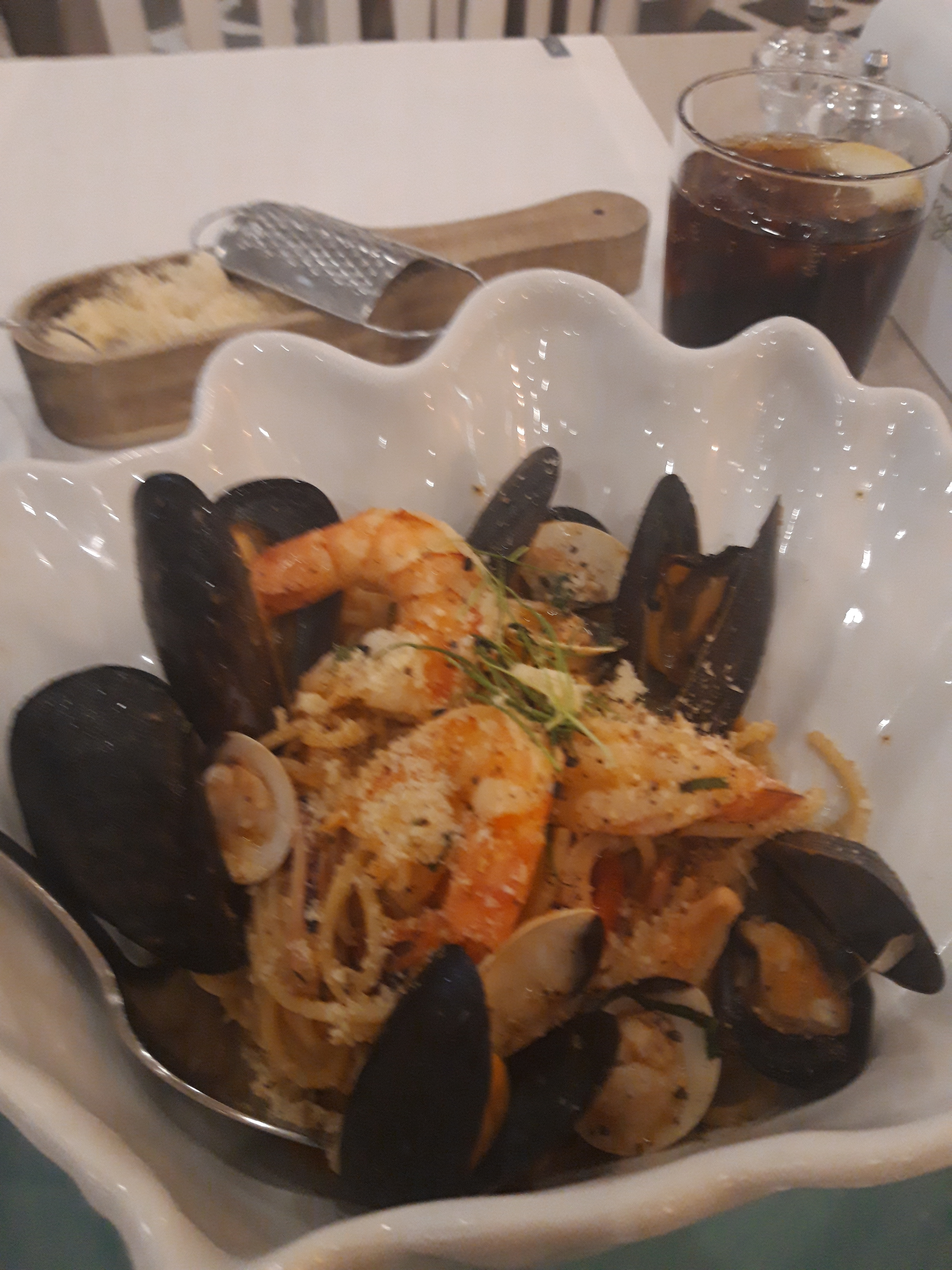
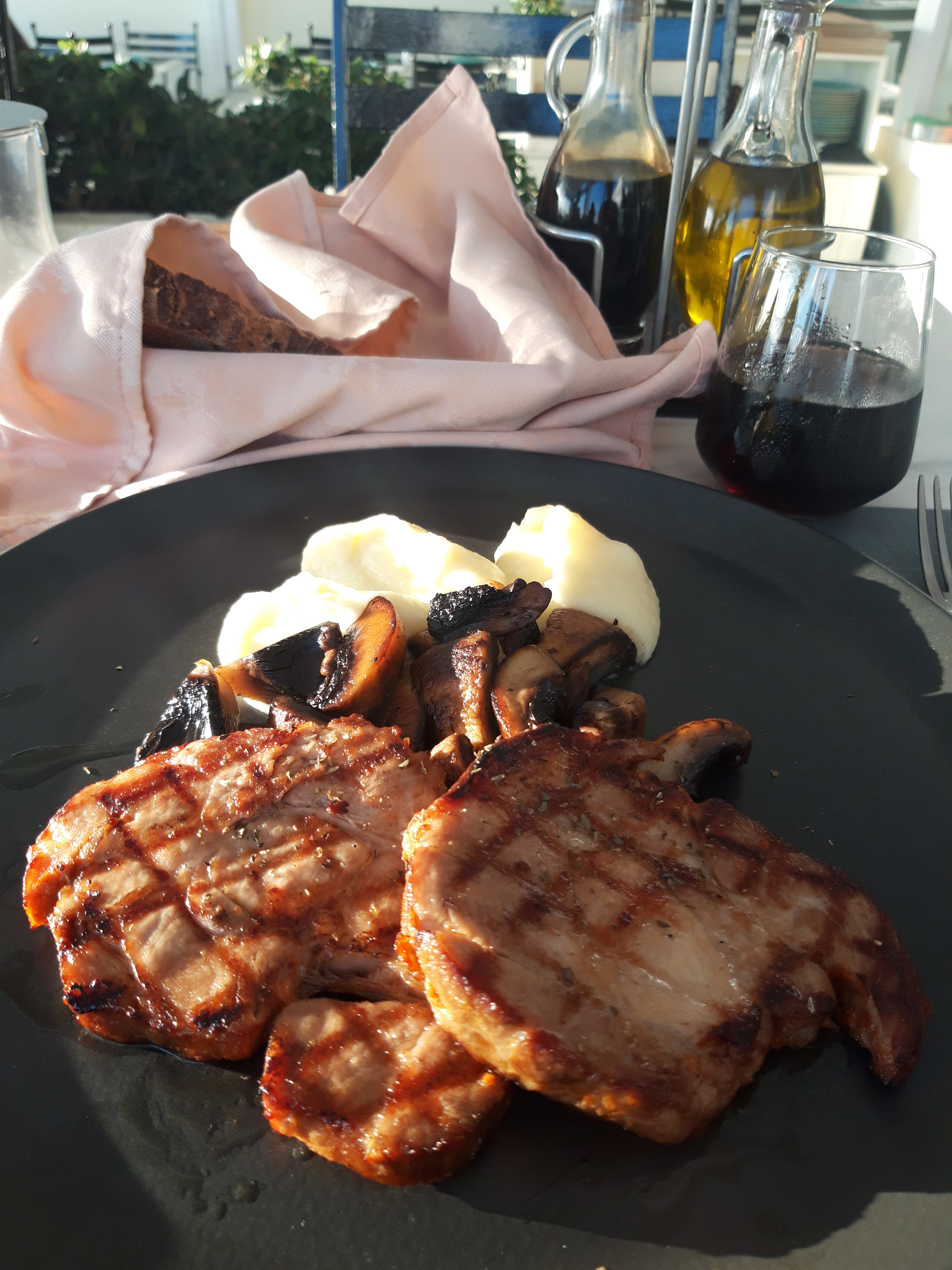
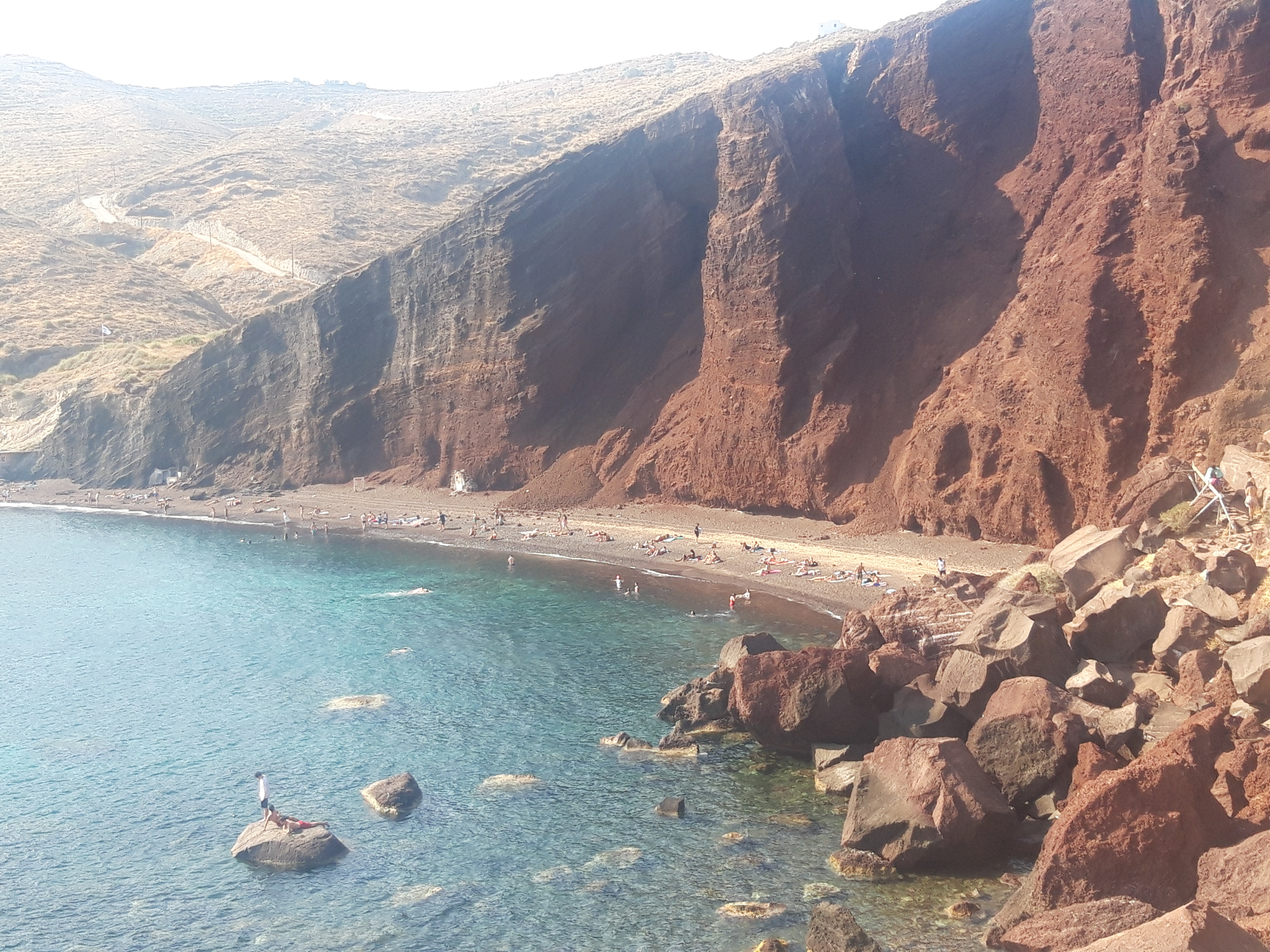
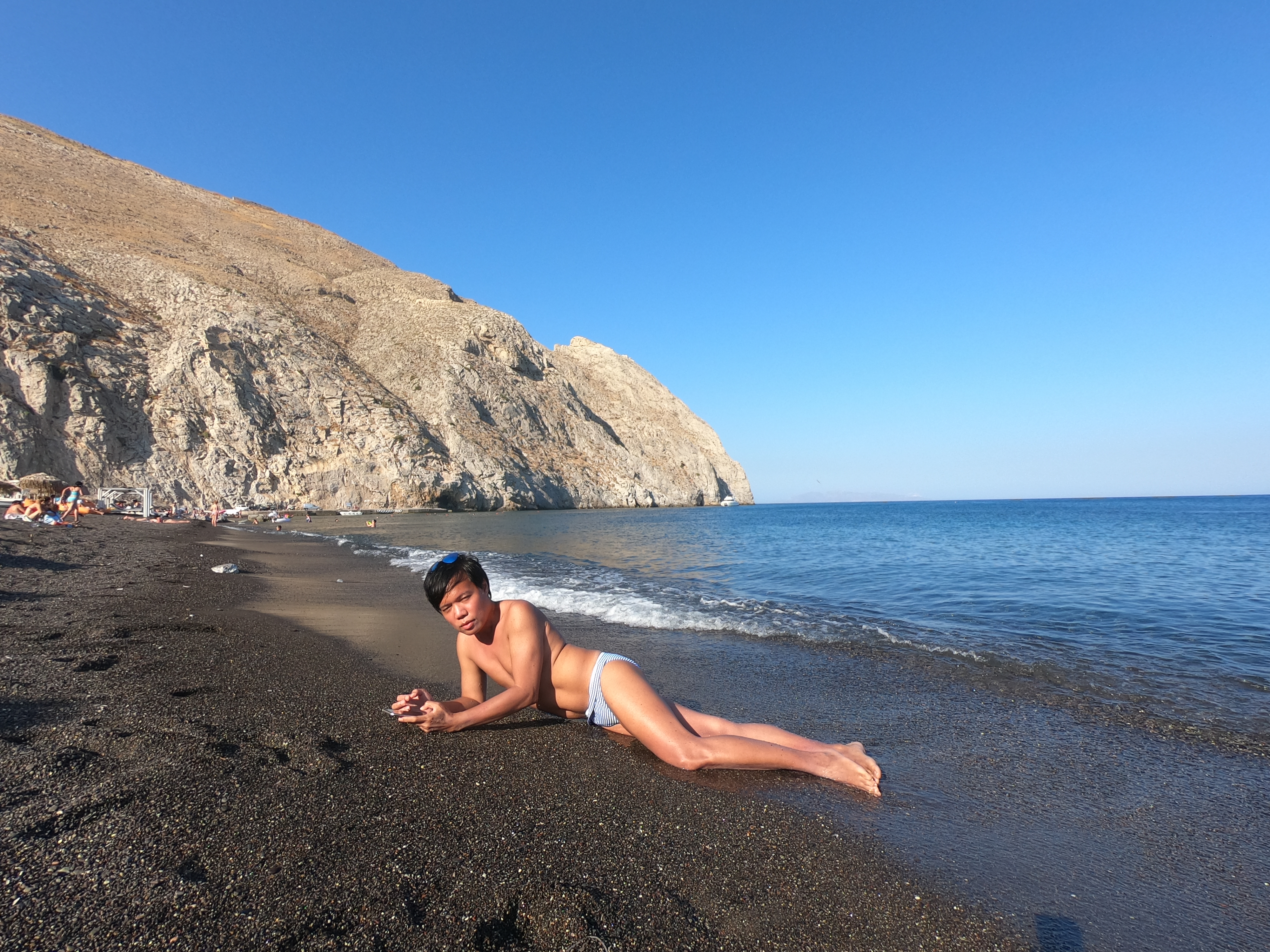
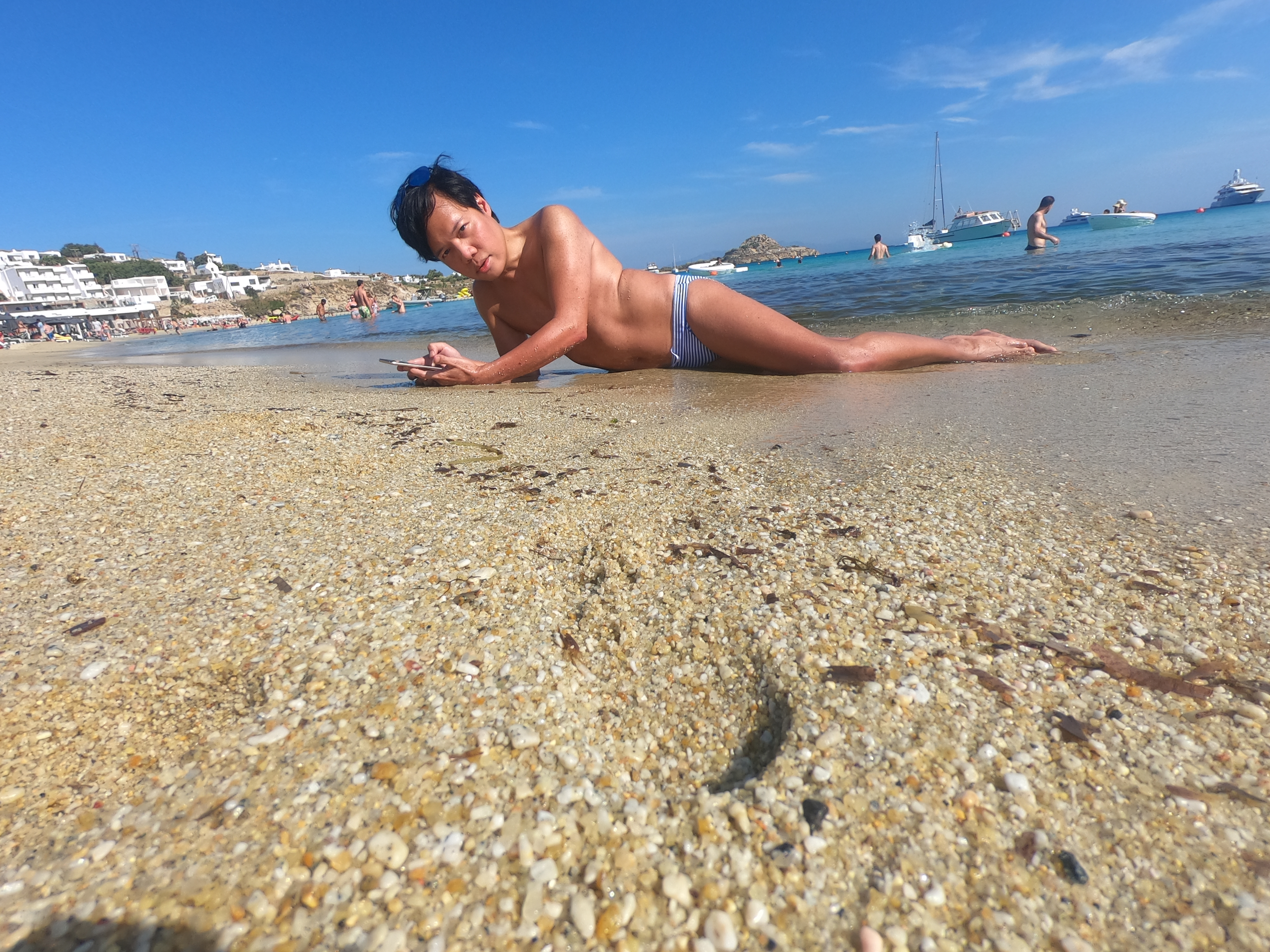
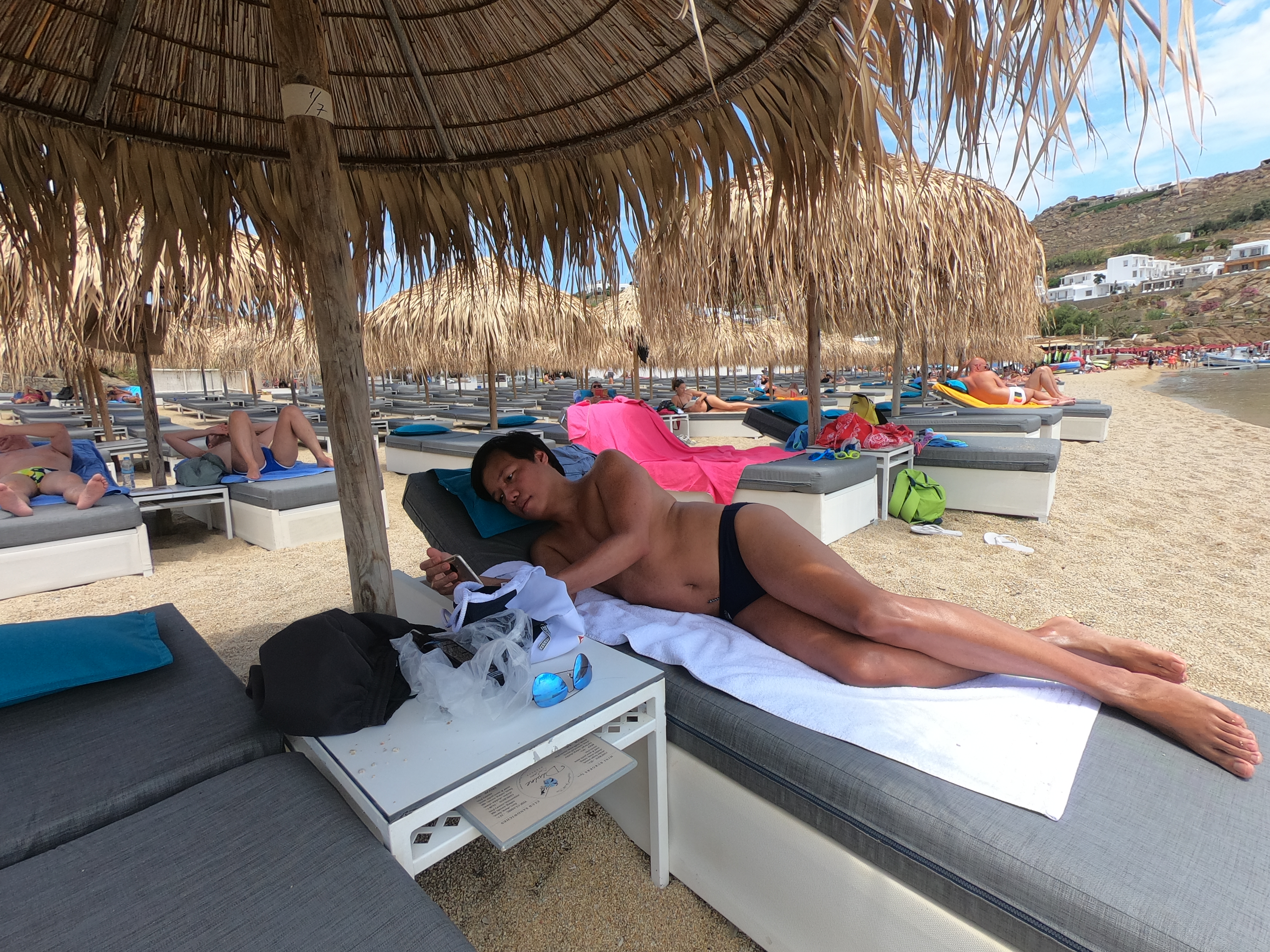
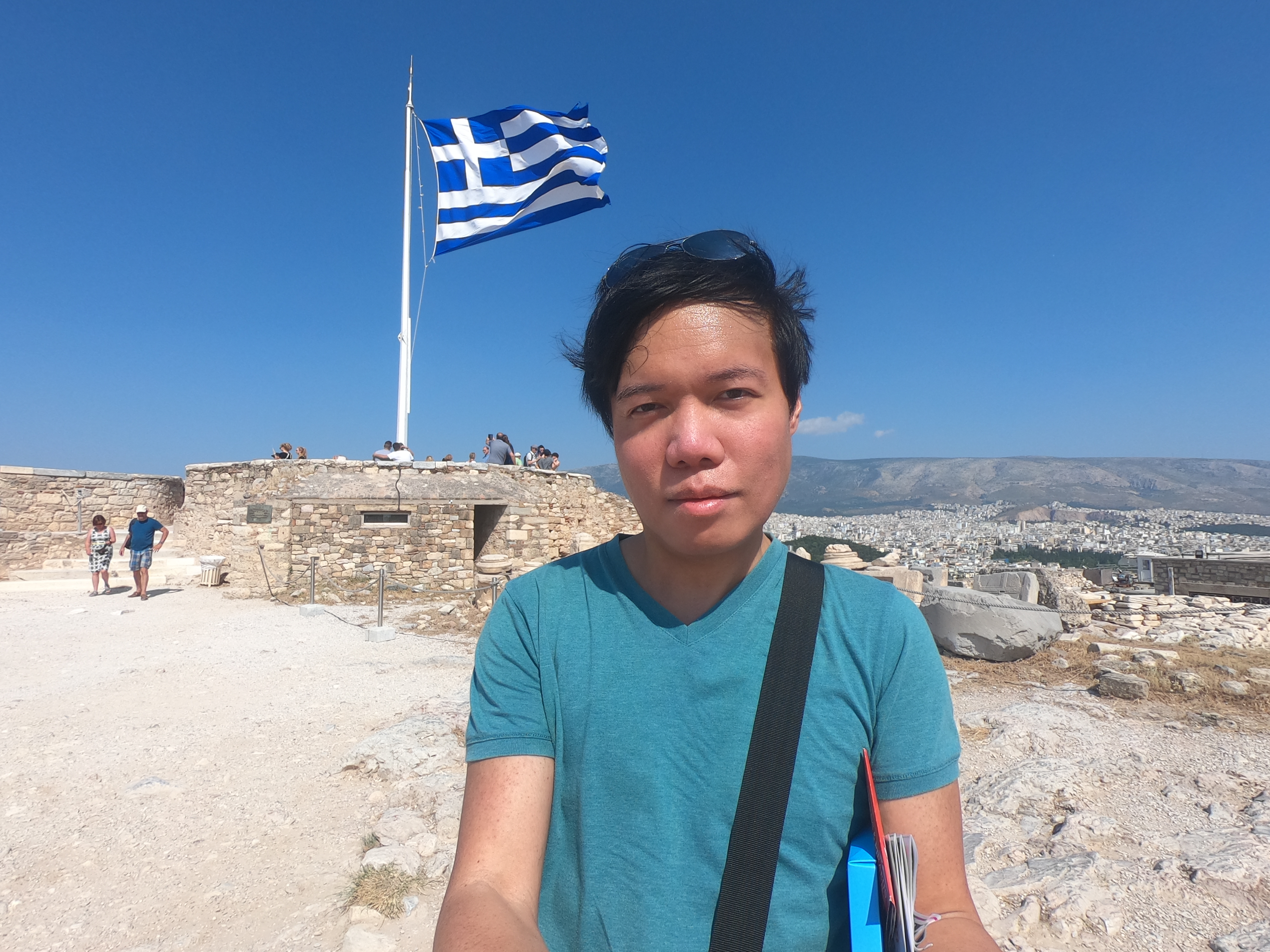
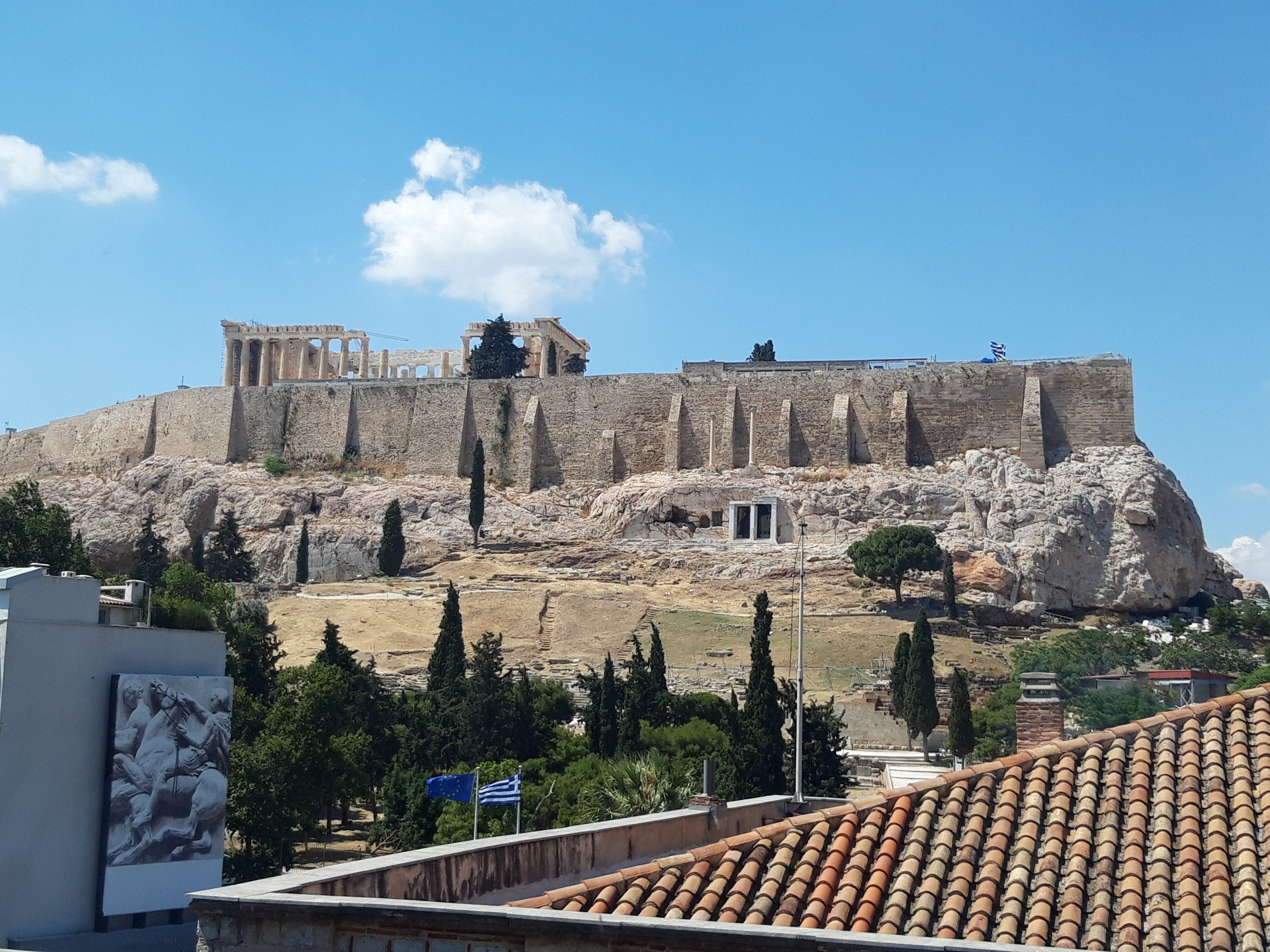
Then of course you have the popular isles of Greece. Two of which are Mykonos and Santorini, which I wrote about in my earlier article (https://columbusbee.blog/2019/07/21/greece-of-myths-mediterranean-food-and-beaches-part-2-of-2/). You can do beach hopping in any of these isles, as both have pockets of beaches along its coastline. Just be on a lookout for tourist traps, particularly in Mykonos. You need to be extra cautious in this place. You don’t want to get “robbed” (just like what happened to me as shared in my article) that can potentially ruin an otherwise enjoyable holiday. Tourist traps aside, the beaches tick all the boxes: fair share of sunshine all throughout summers, clear blue or green waters, white to black sands or pebbles from volcanic matter, and cool, light to windy sea breeze (Mykonos at times can be very windy).
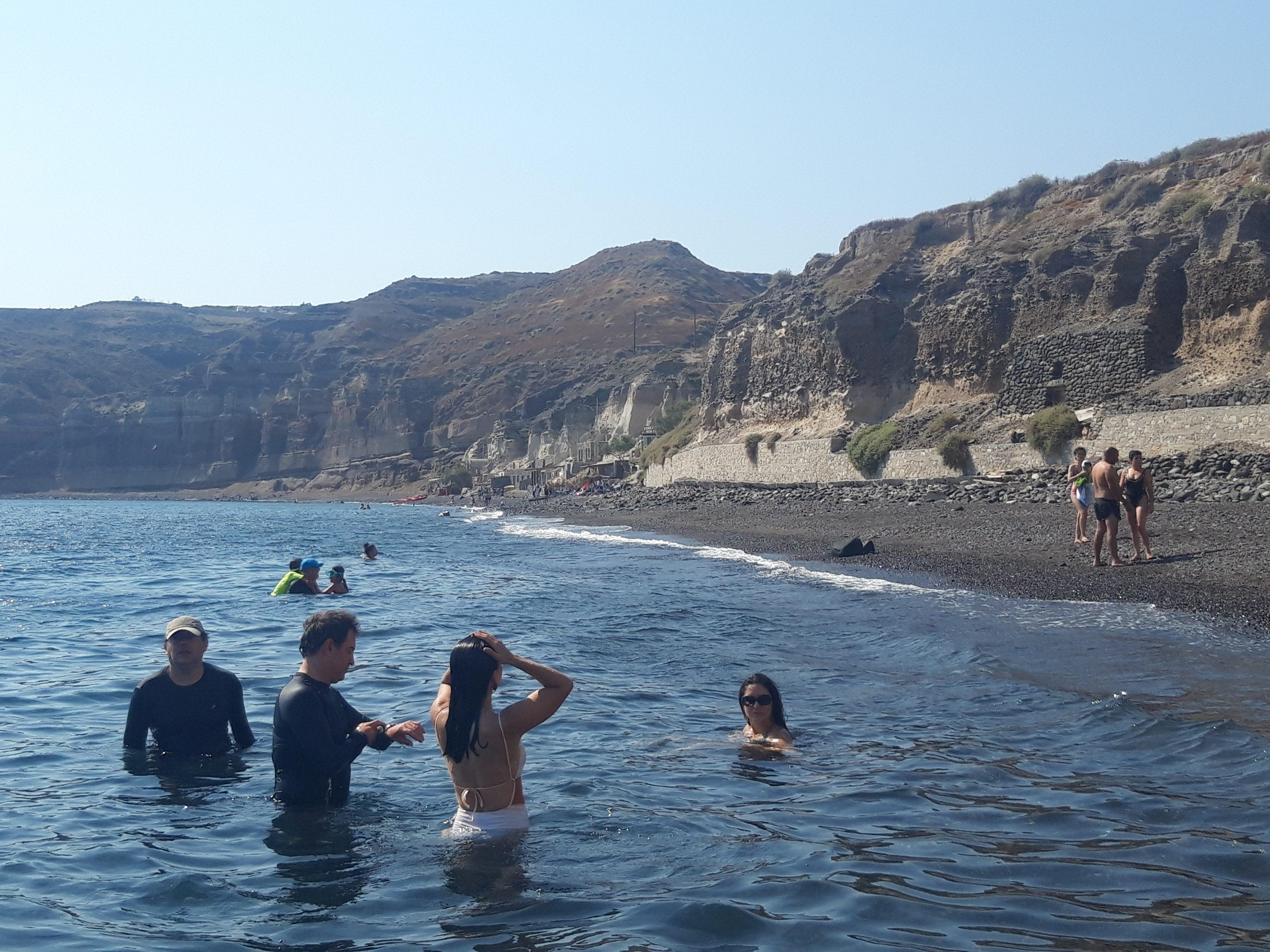
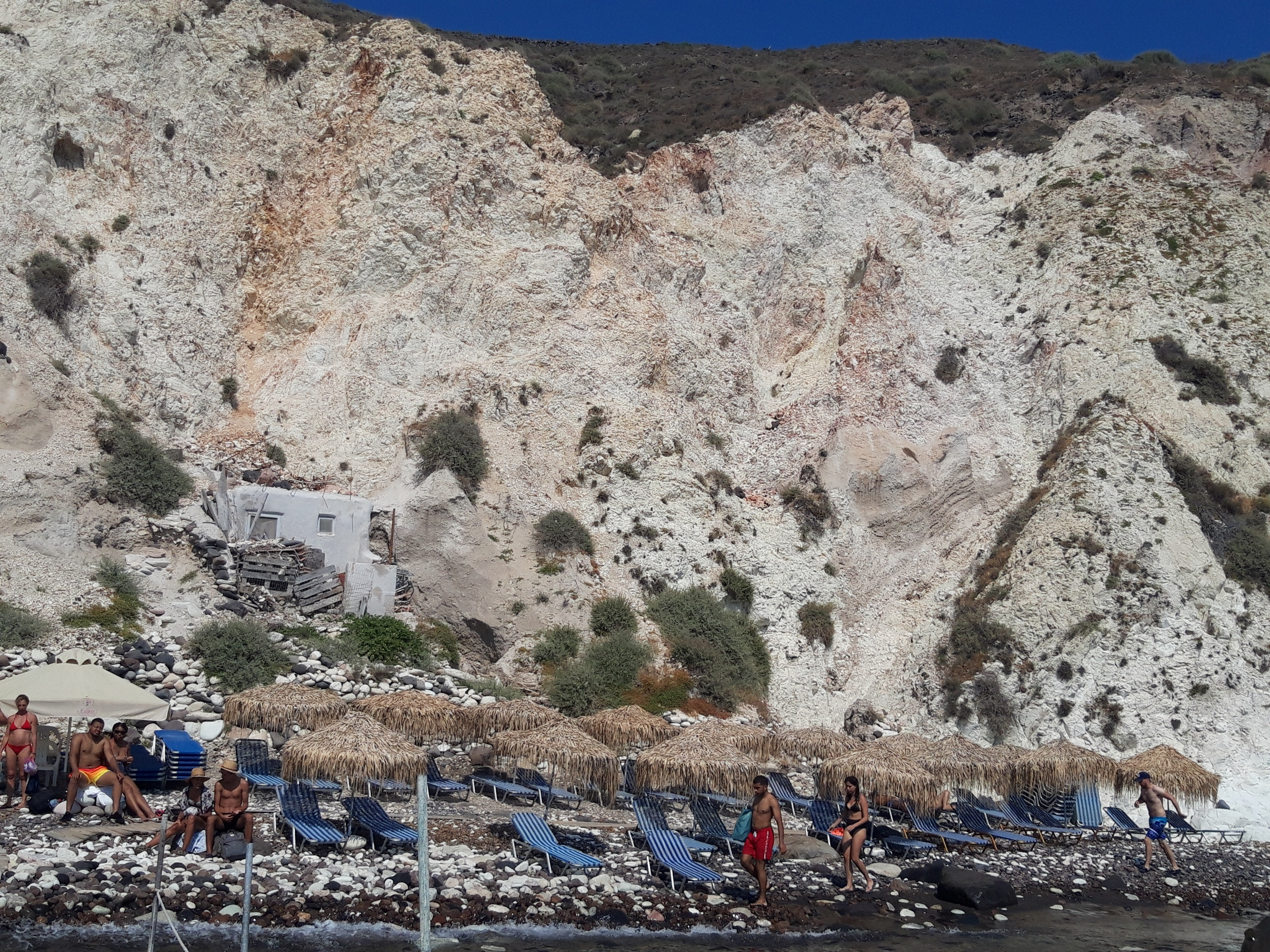
Beach hopping in Santorini (Greece) from left (clockwise): Black Beach, White Beach, Red Beach

What is common among these European beaches is that these rest along the shores of the Adriatic, Aegean, and Mediterranean seas. I don’t know what’s with these seas, but there is something mystical and magical every time I’m near these bodies of water. It’s like something’s calling me to be near it, to feel it, to soak in it. Aside from its crystal clear waters that are always enticing (as well as baffling, like how waters along some of these big cities and towns have been kept clean thru centuries), there is something special and dreamy about these seas, like unicorns. If I have to get mythical about it, I may be a descendant of Poseidon or his demigod son Triton. It seems like I’m forever under the spell of these seas, that’s why I always keep on coming back.
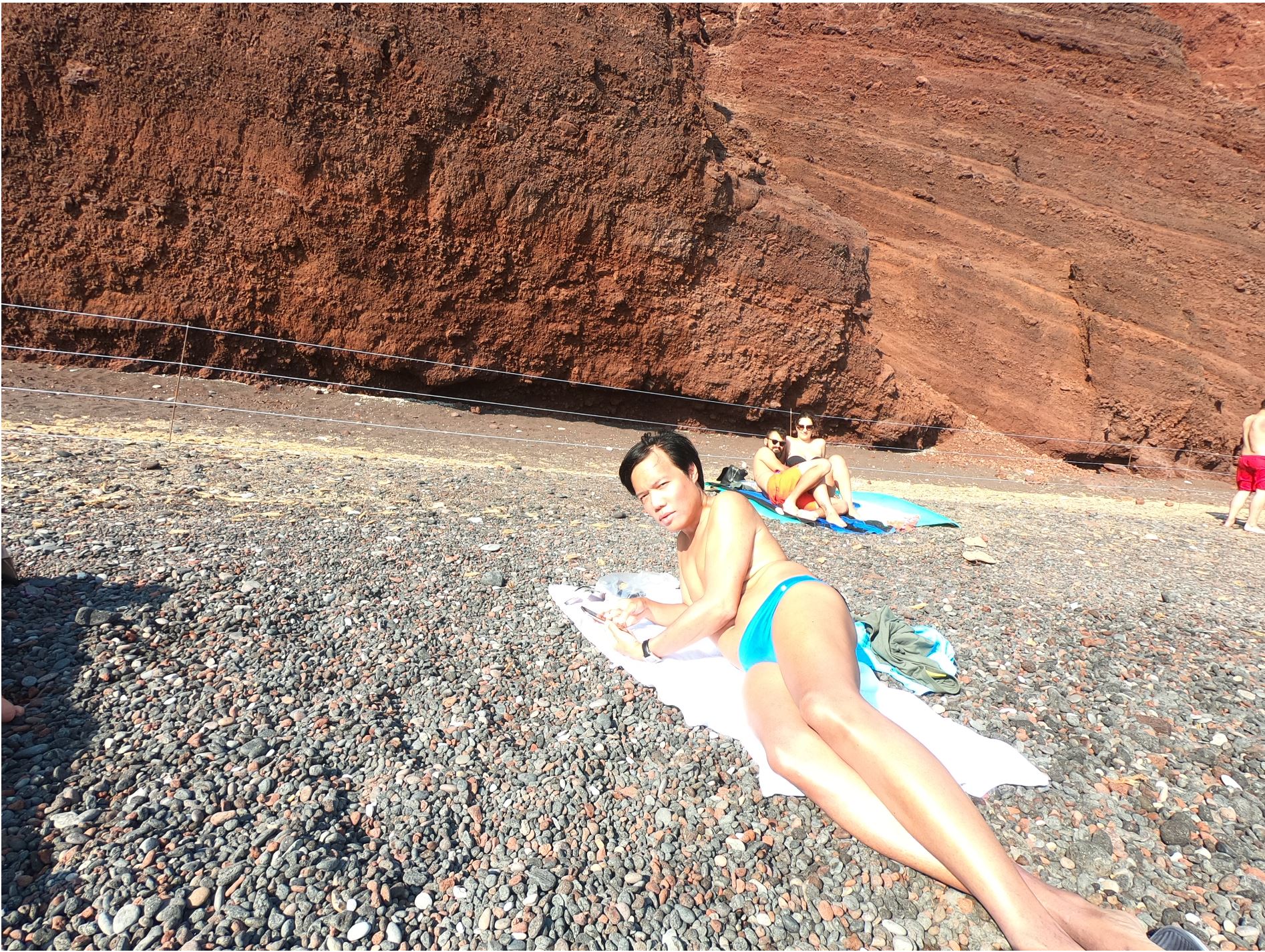
Chillin by the Red Beach

The magical spell seems to also make people less inhibited. It’s not uncommon in these beaches that people can do the full monty regardless of age and let it all hang out like it’s nobody’s business. What can be more freeing than that feeling of being one with nature (or in this case, being one with the sea)? I haven’t done that yet, but if I did, it would be the most courageous and liberating act that I could ever do in this lifetime (I could probably consider skinny dipping lol).

Middle East
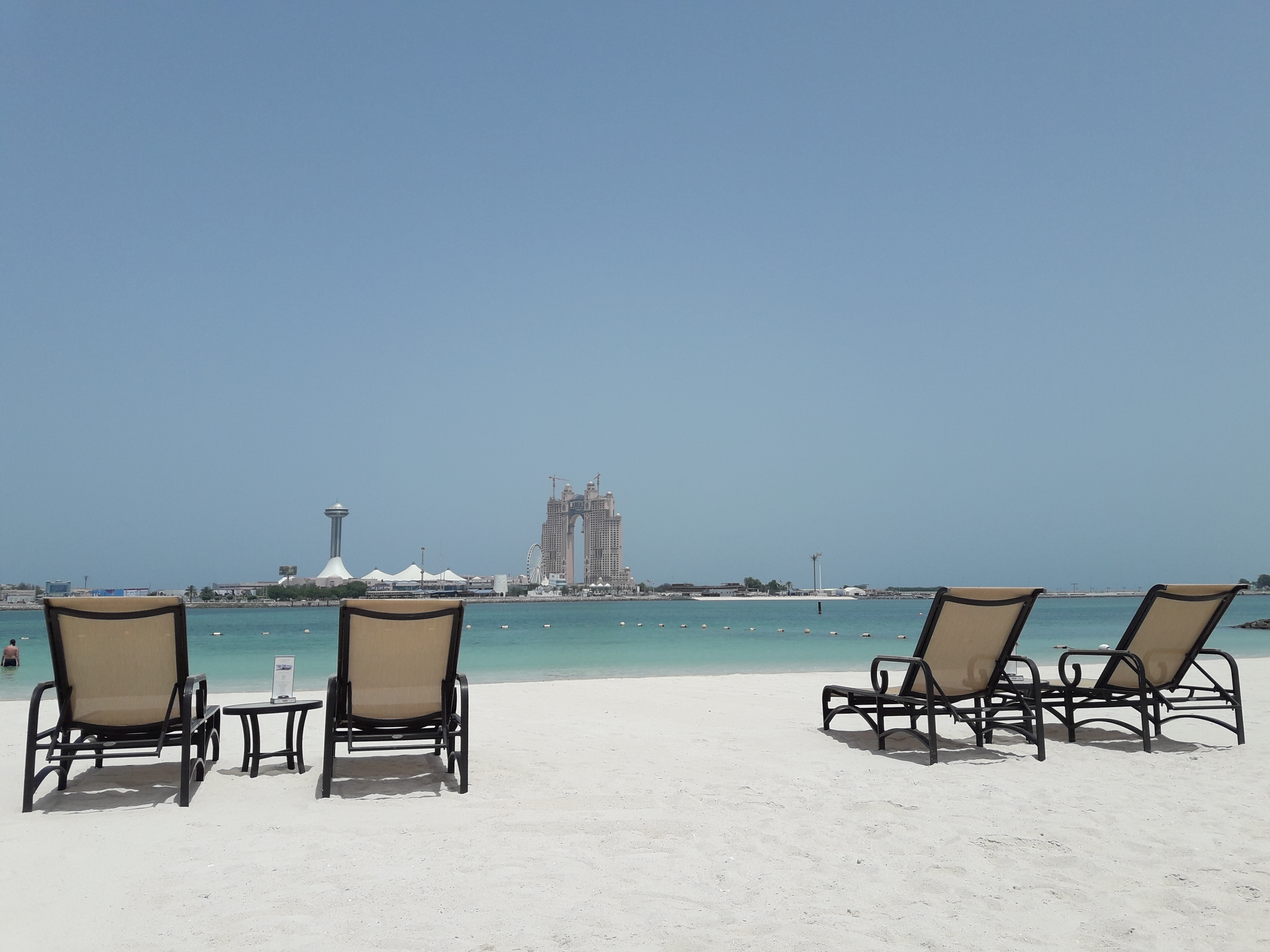
Nation Riviera Beach Club with the view of the Fairmont Marina (the one that looks like Atlantis The Palm) at Al Kasir Island and the Arabian Gulf (Abu Dhabi, United Arab Emirates)

The only time that I was in the Middle East (aside from layover in Muscat in one of my long haul flights) was when I availed of the stopover promo of Etihad Airways where I spent a few days in Abu Dhabi (the airline’s main hub). The business class promo comes with accommodations at The St. Regis Abu Dhabi which entitle guest access to the private Nation Riviera Beach Club. The beach can be easily reached from the hotel thru an air-conditioned underground tunnel underneath the Corniche.
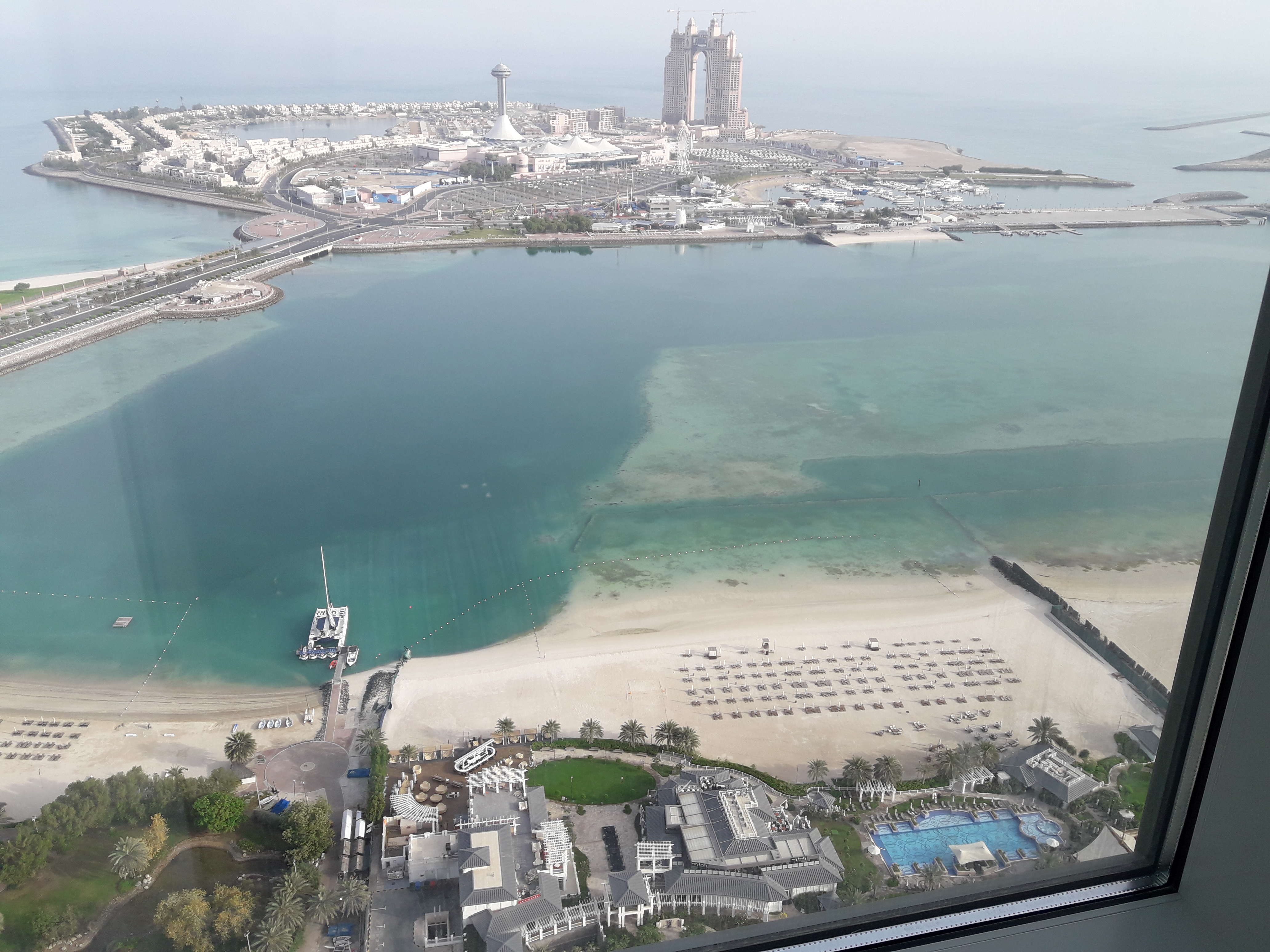
View of Arabian Gulf, Al Kasir Island, and Nation Riviera Beach Club from my hotel room (The St. Regis Abu Dhabi)

The beach is large enough and provides a good view of the Fairmont Marina Abu Dhabi (which is the emirate’s version of Dubai’s Atlantis The Palm) in Al Kasir Island. Coupled with turquoise waters of the Arabian Gulf and the pristine sands give this beach that chill vibe aside from the exclusivity and luxury attached to these private beach clubs.
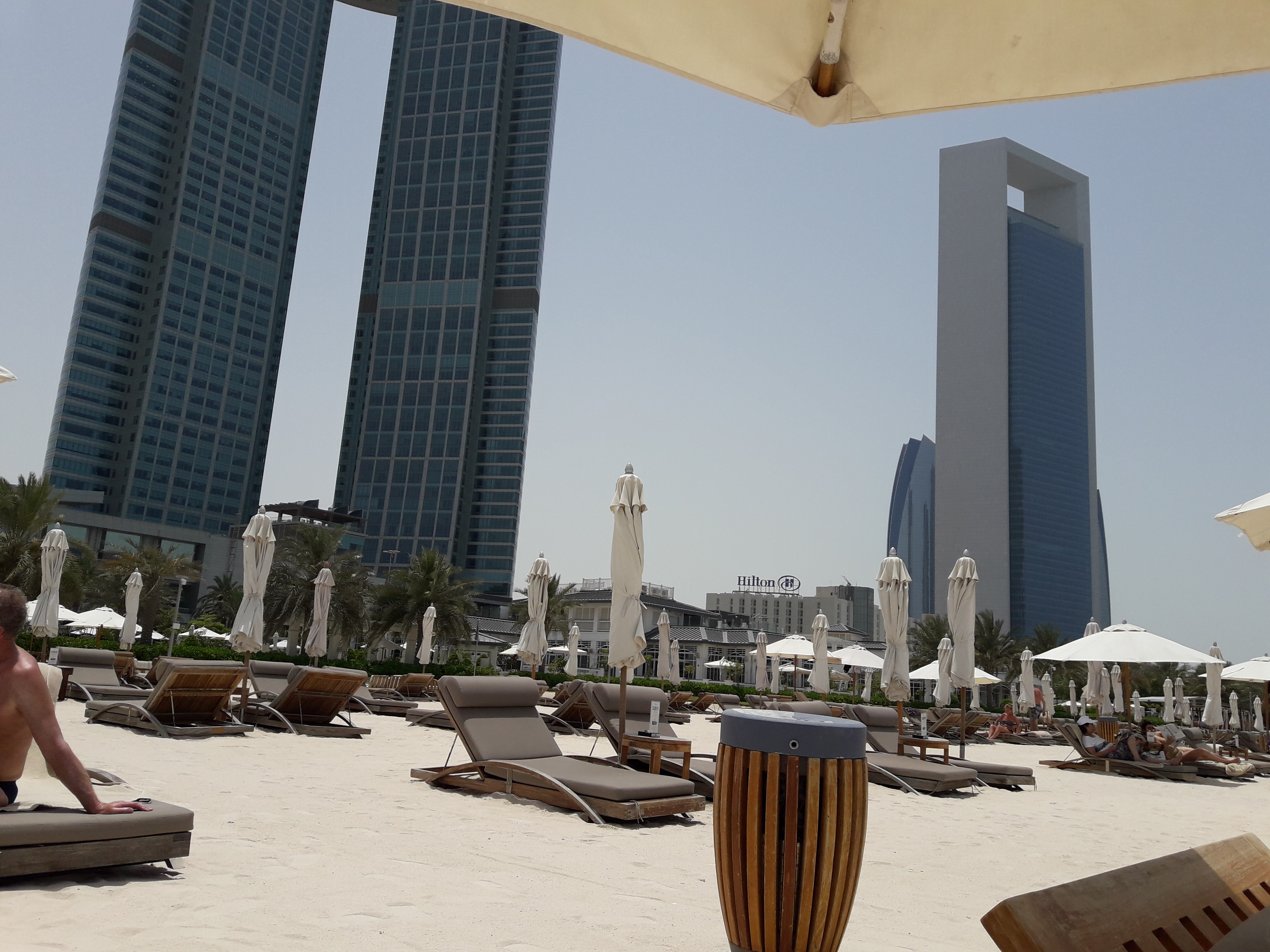
(Left) View of The St. Regis Abu Dhabi; (right) enjoying my fave drink while chillin in one of the beach loungers

Since it was the stopover before my flight back to Manila, it was the perfect break from all the flying and walking while on holiday. What better way to rest those tired feet (from walking) and back (from flying intra-Europe) than to lie on one of the beach loungers and sip my fave drink while enjoying the sun, the cool sea breeze, and the nice view.

Oceania

Pinky Beach (Rottnest Island, Australia)

Hopping to the other side of the globe, this region is known not only for its beaches but also for all bodies of water. Starting off with New Zealand, this country is not really known for its beaches but for its fjords, lakes, rivers, and extreme water adventures. But it still has decent beaches on the shores of its cities such as those in Auckland, Devonport, and Wellington and in the coasts of its islands such as Waiheke. The waters and sands in these beaches may not be as pristine as those in Asia and Europe, but these are still good spots to relax especially during summers (take note that summer in this region is between December to March so a good alternative for those living in winter regions or in my case, a good travel option to get out of Manila during December to escape the holiday madness and horrendous traffic).
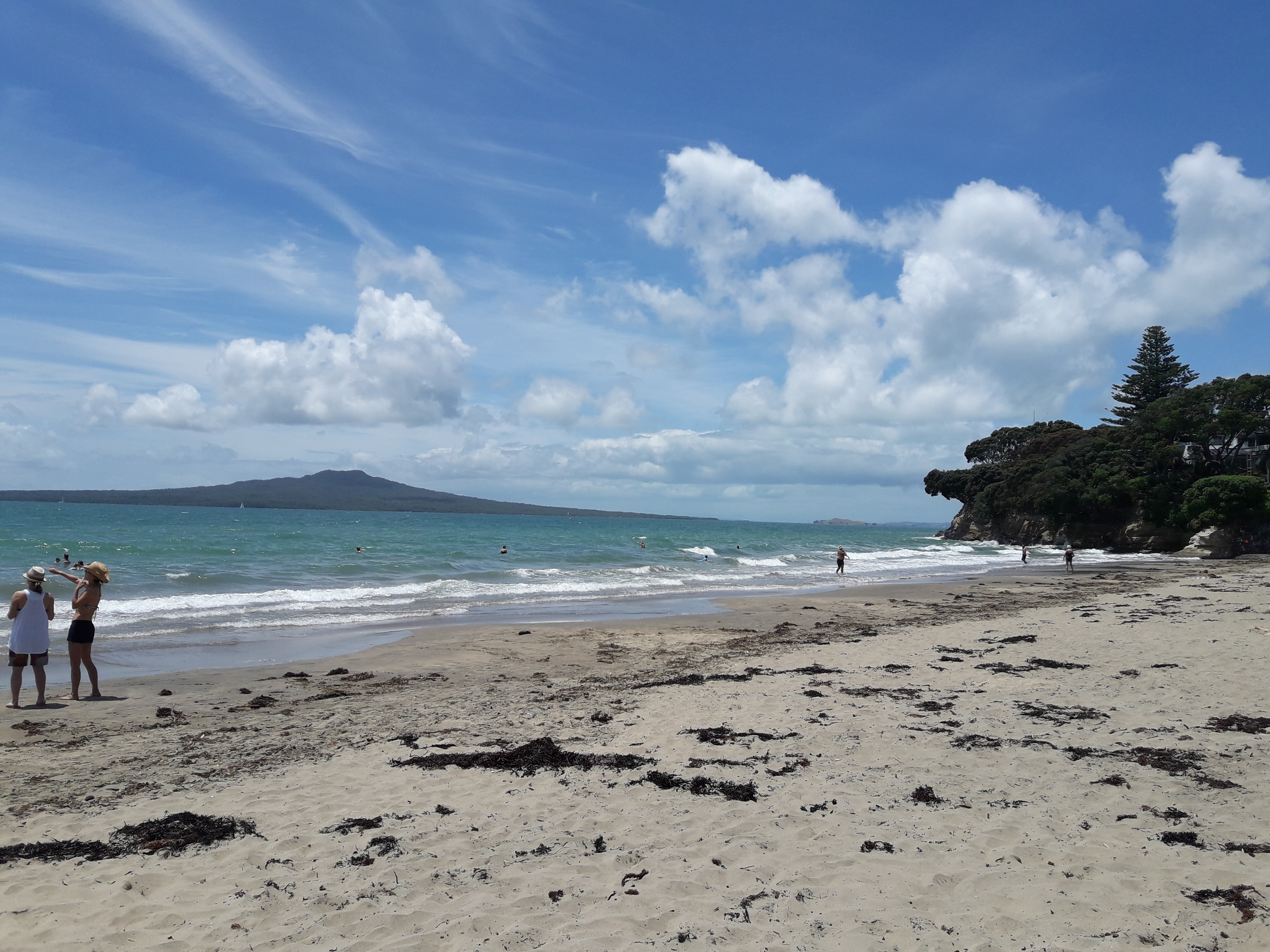
Mission Bay Beach (Auckland, New Zealand)

Wellington, in particular, has pockets of beaches along its coastline where aside from an enjoyable walk along the long stretch of its promenade, the beaches are bustling with life where Kiwis (locals) that are not sunbathing on the sands are enjoying meals in restos lining up the promenade or having either cold drinks or ice cream from kiosks around the area. I remember going to these different beach spots from my hotel on foot. It was a long walk (about 30 minutes walk one way on my pace, which can be longer if you walk slower), but it didn’t feel like one cause I enjoy the stroll and the sights where not only you pass by shops, bars, restos, museums, a marina and activity center on the way to the beach, but also get a glimpse of Kiwi city life. I enjoyed each trip to the beach, not to mention the calories burnt from walking to keep that slender beach body in check (from all the good food during these holidays).
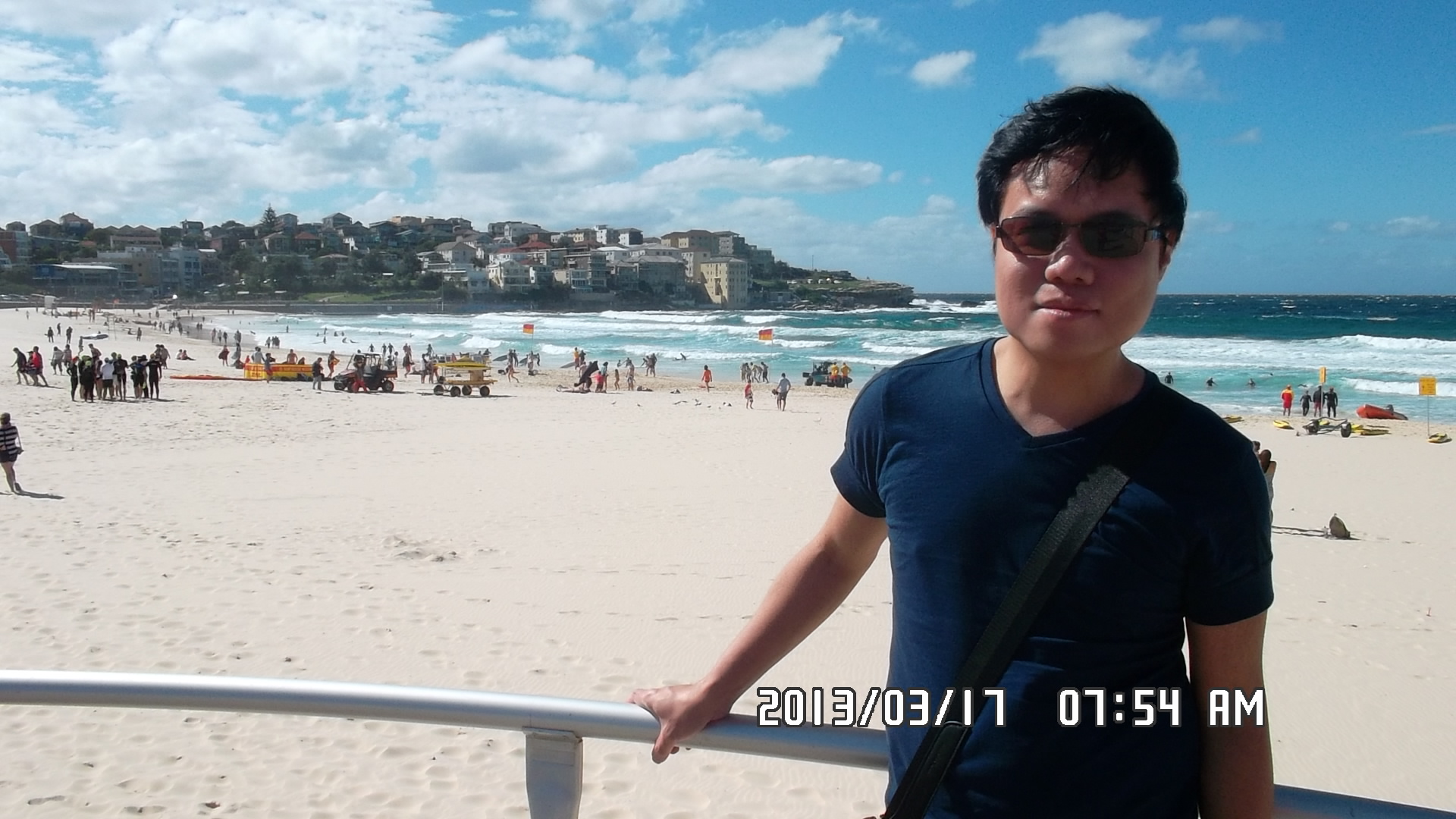
Bondi Beach (Sydney, Australia)

Australia, on the other hand, is a beach country. Every major city across the continent has its own beach, either natural or man-made. I’ve been to this continent a few times, which only speaks of how much I liked this place. Sydney, which is one of my top five cities in the world (along with Barcelona that I mentioned earlier), boasts of several beaches close to the city center, which makes this a very livable city (I would live there if given the chance). A few minutes by car or by public transportation is the popular Bondi Beach. A vast beach with strong currents and fine sands, this is the beach for both surfers and sunbathers alike. A few minutes by ferry from Sydney harbour is Manly Beach. This place exudes resort town vibe, where shops, ice cream and yogurt parlors abound. The beach and the commercial area are teeming with life, which only affirms that Aussies love their beaches. Not far by foot from Manly Beach is Shelly Beach. While Manly has fine sands, Shelly is a pebbly beach. While Manly has strong waves like those in Bondi, Shelly has calm waters as the beach is located in a cove that is sheltered from strong winds. No wonder Shelly Beach is the more suitable beach wedding scene than any other Sydney beaches.
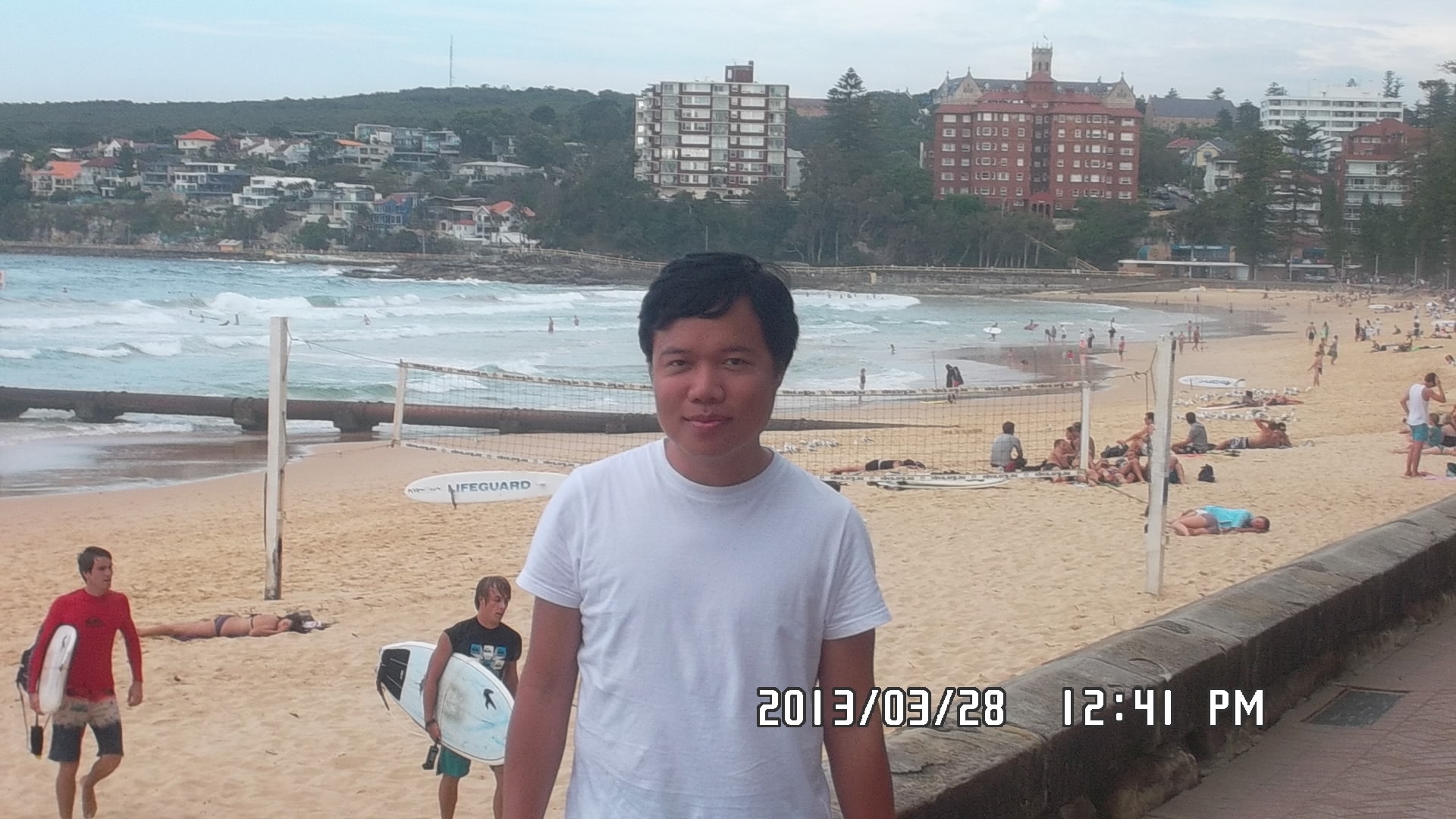
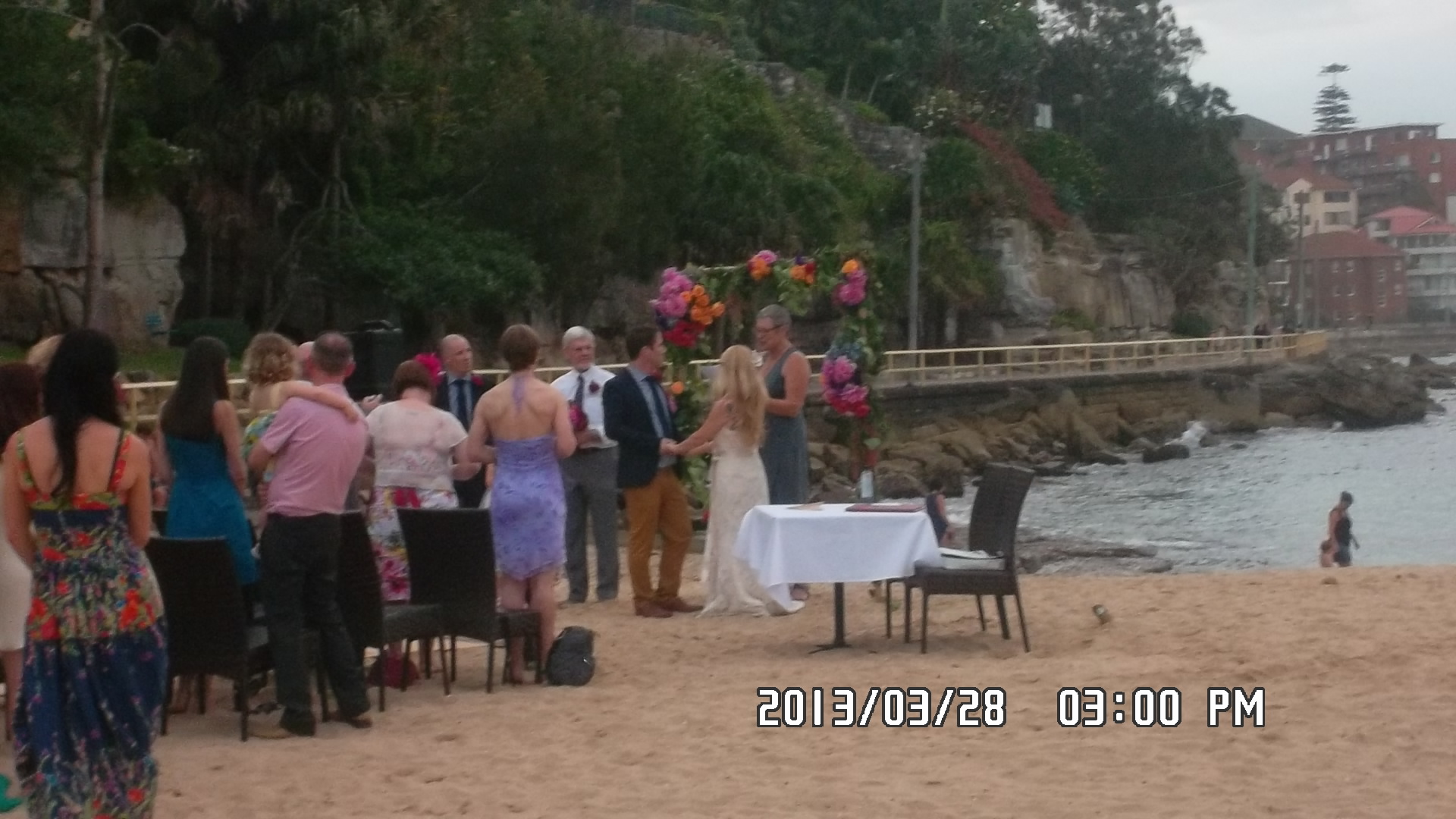
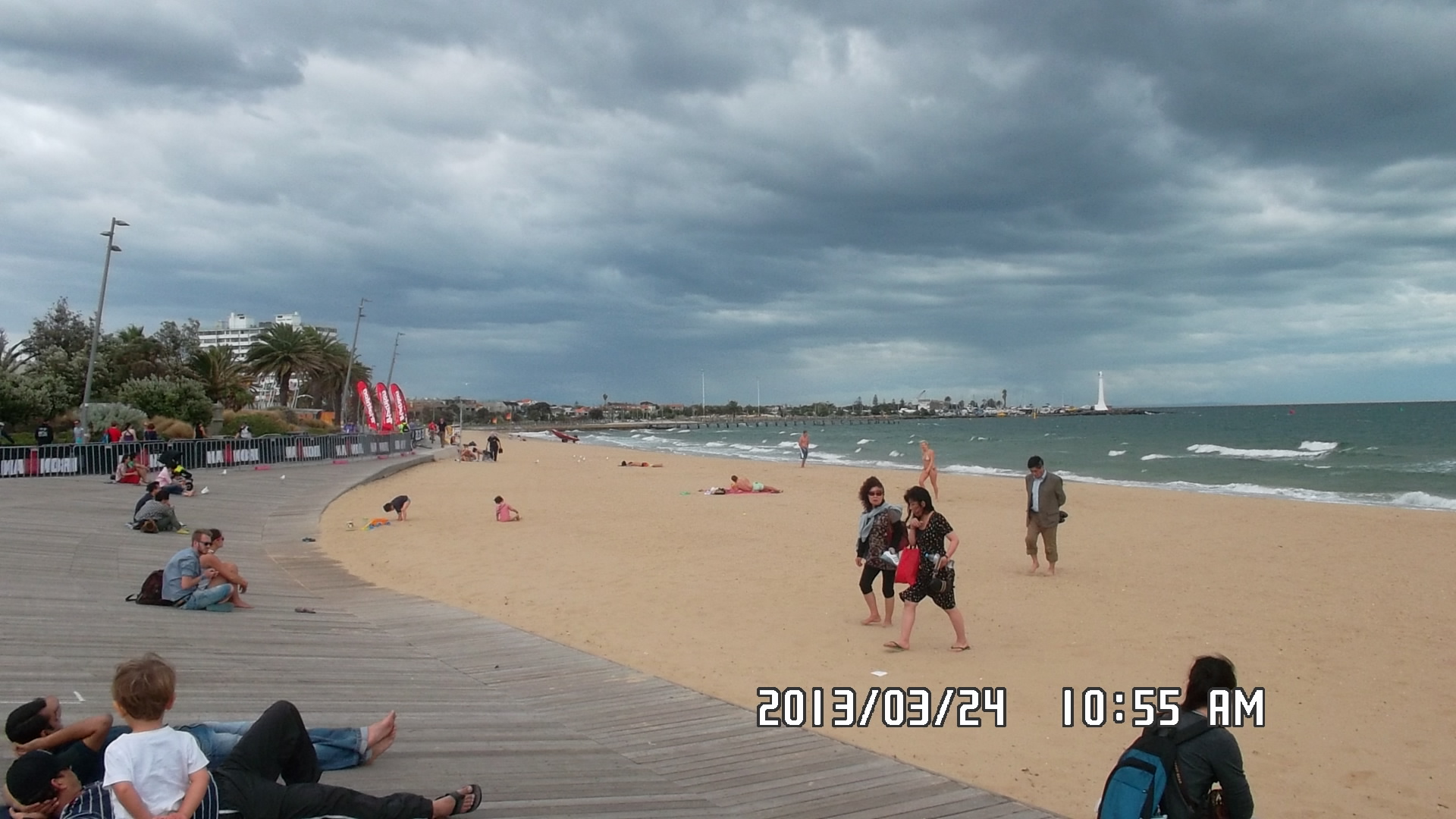
(Top left) Manly Beach; (top right) beach wedding at Shelly Beach (Sydney, Australia). (Bottom) St. Kilda Beach (Melbourne, Australia)

Another Australian city that demonstrates how Aussies mix their eclectic city living with beach culture is Melbourne. Aside from the fact that Melbourne is the cultural hub of the continent (and the most European among all the major cities in Australia), it has some of the spectacular beaches in the region. Not far from the city is St. Kilda, a resort town with a fine beach, promenade, and amusement park. There’s also a weekend market by the beach promenade that sells all kinds of stuff, from organic to art to basic necessities. Of course, Melbourne’s crown jewel is the Great Ocean Road, its coastline similar to Amalfi Coast where pockets of beaches with amazing views of the rock formations abound. A trip to Melbourne won’t be complete without seeing this postcard perfect coastline. This is where Australia’s own version of the 12 Apostles are, which comprised of several rock formations that used to be a dozen when counted but less of that nowadays.
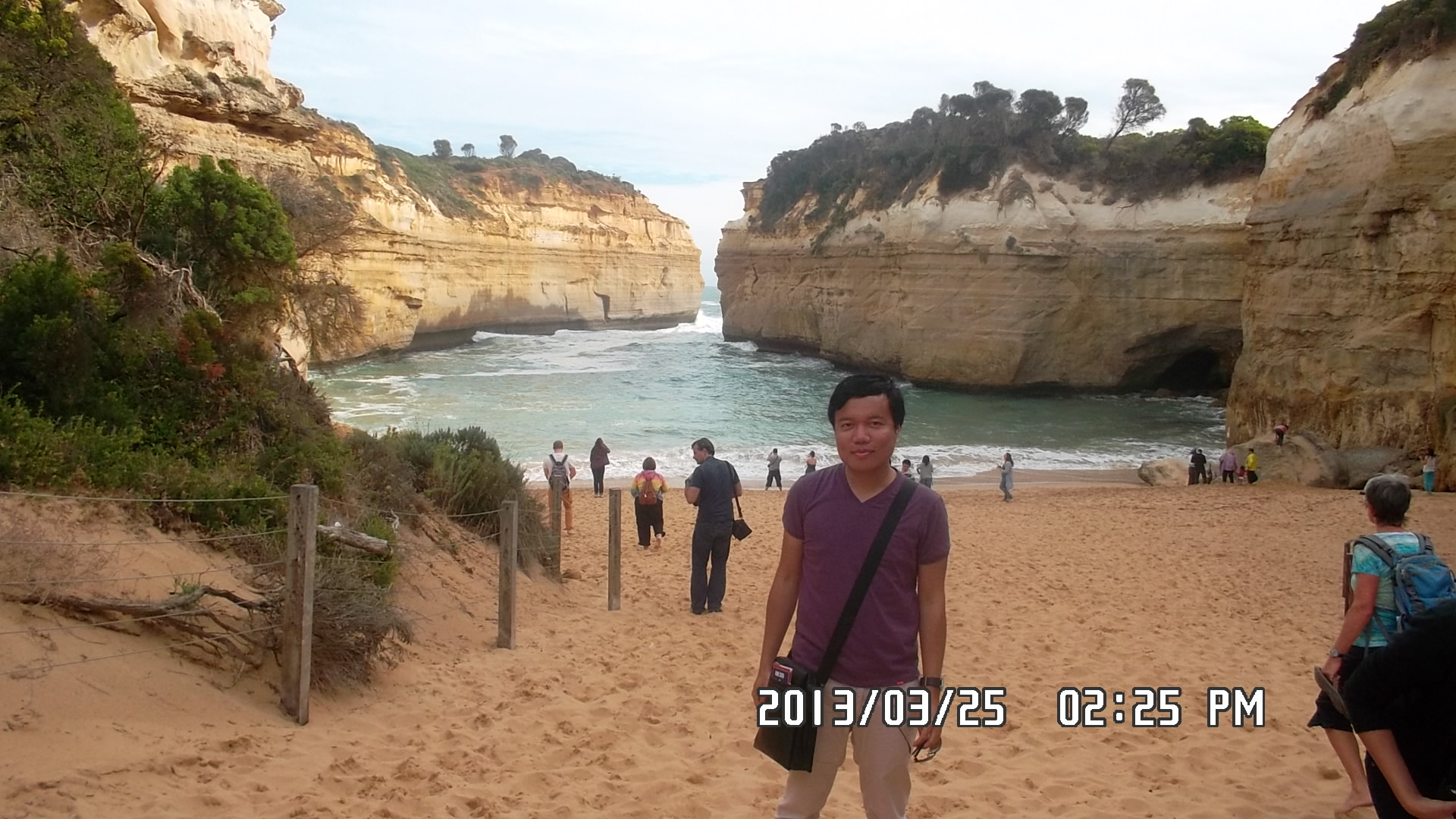
One of the pockets of beaches along the Great Ocean Road (Melbourne, Australia)

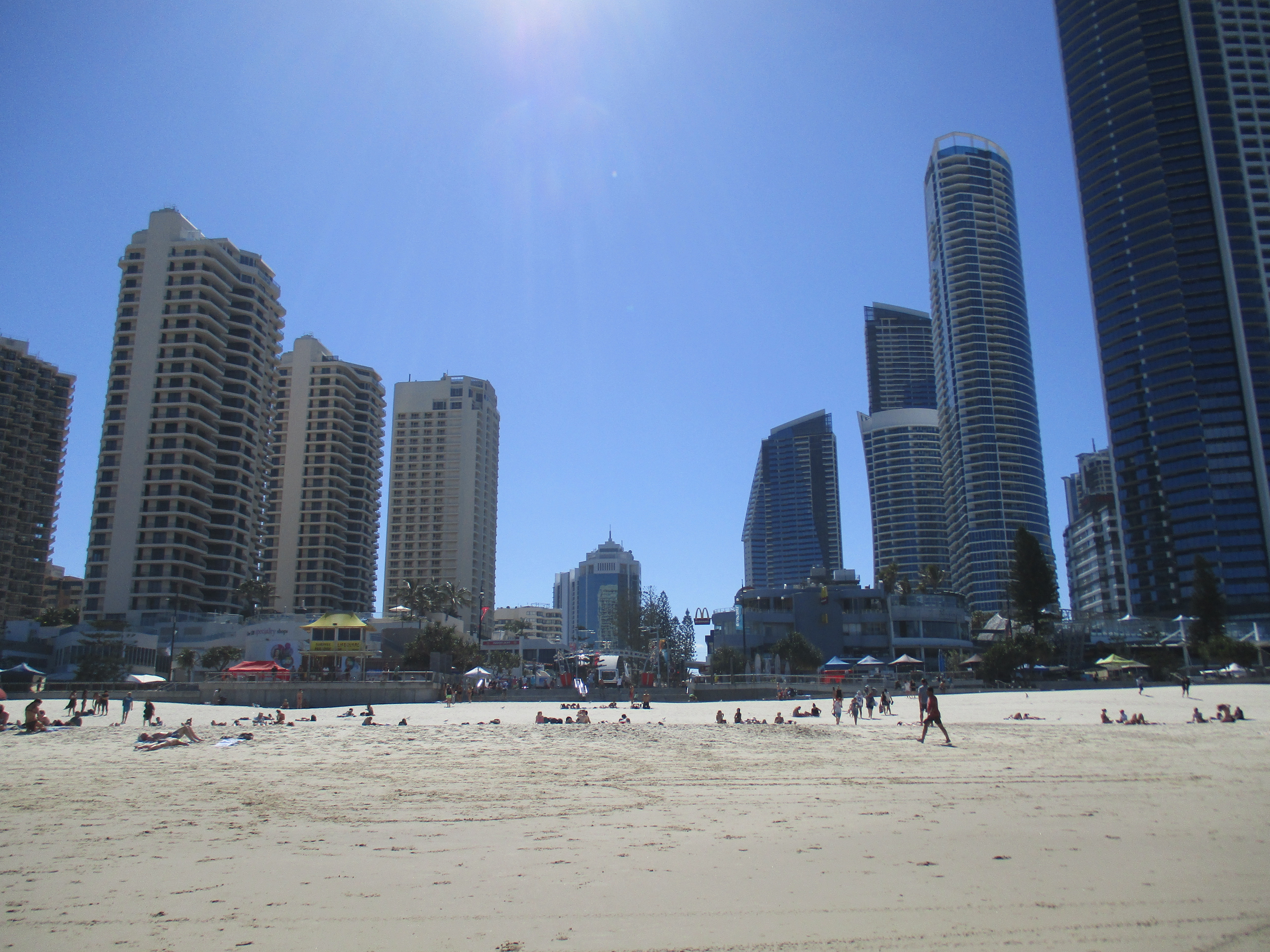
But the beach capital of the country (and the region) is neither of these two cities. Gold Coast is where beach buddies, surfers, and sun worshipers go for the waters, the wave, or just for the sun. When I said in the first part of this article that Guam reminds me of Gold Coast, that’s because of the long stretch of beach lined up with international hotel brands and apartments. I haven’t been to Miami, but I’m pretty sure this is how Miami would look like. Not only a shore full of skyscrapers, but also full of sculpted and tanned bodies.

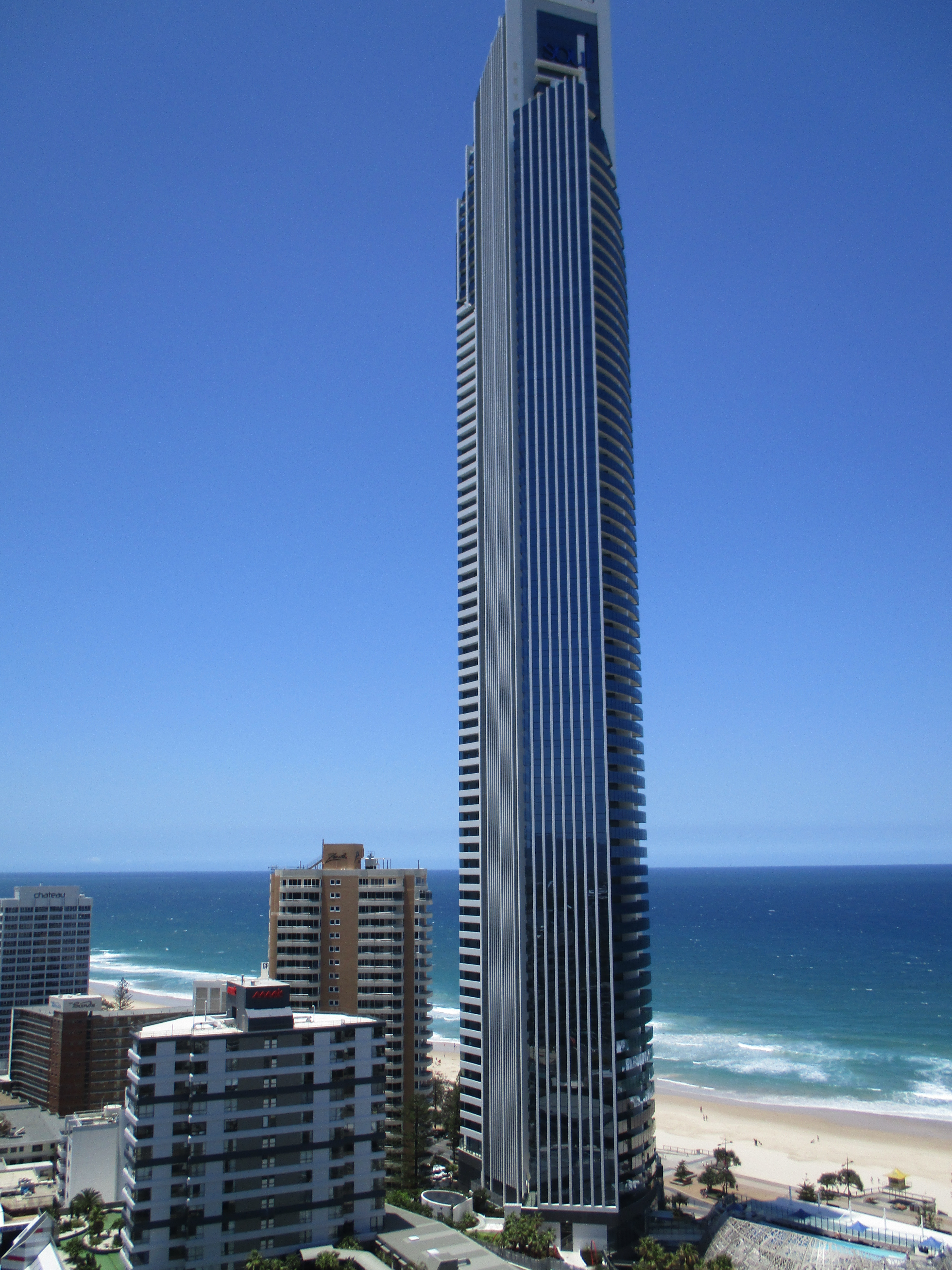
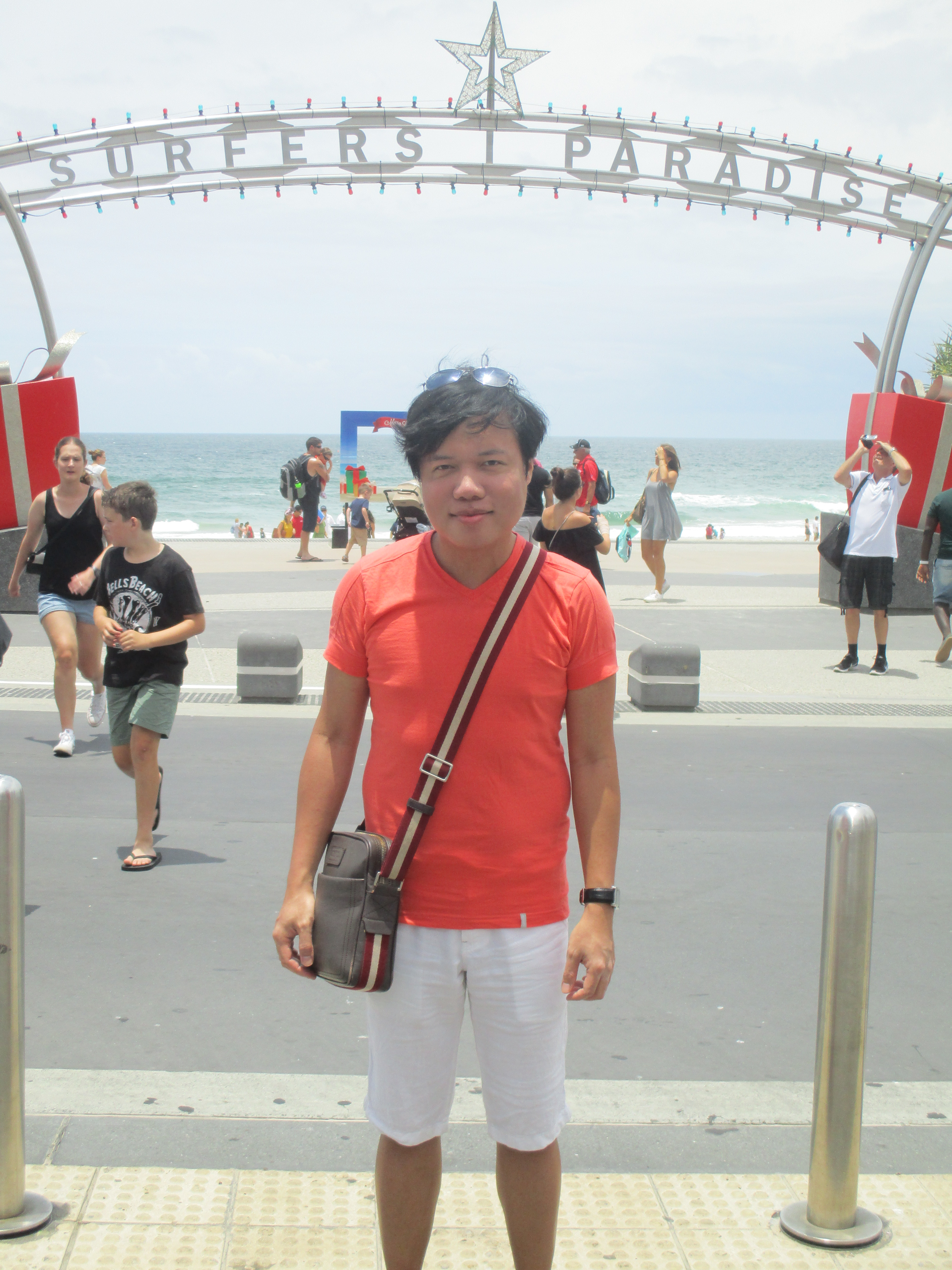
(Clockwise from top left) View of the Surfers Paradise Beach from my hotel room balcony; view of the skyscrapers from the beach; at the main entrance to the beach (Gold Coast, Australia)

Surfers Paradise is the main beach and this looks like the melting pot of summer holidaymakers. It also helps that it has that resort town vibe that makes it more attractive to vacationers all over the world. There’s always entertainment in Cavill Avenue (the heart of Surfers Paradise, which is Aussies’ definition of a mall) amidst the backdrop of shops, bars, and restos. What more can you ask for in a place that has the sun, the waters, the waves, the sands, the shopping, and the entertainment, not to mention beautiful people from all over.

(Top) Glenelg Beach, Adelaide, Australia; (bottom) man-made beach in the heart of Brisbane, Australia

As mentioned earlier, every city in this country seems to have its own beach. Adelaide has Glenelg beach, which looks like the sister of St. Kilda beach, but still maintains its unique old town charm. Brisbane has a man-made beach in the middle of the city, which is a first for me (though this is not the first man-made beach I’ve been to, where Plantation Bay in Mactan Island, Cebu, Philippines has both fresh and salt water beaches). Perth does not have a beach in the city, but off its coast is Rottnest Island, an unspoilt, raw, and natural island blessed with some of the most beautiful beaches I’ve been to. Stunning would be an understatement to describe Pinky Beach. Reaching the beach from the center of the island reminds me of that same feeling I had the first time I’ve seen Boracay Island White Beach in the 90’s (at the time when it wasn’t the party island that it is today). The sun seems to be kissing the fine sands as it deflects the light (like it’s kissing back) while the seascape is mesmerizing. In the absence of any commercial establishments (except for a few restos and shops in the center of the island) and the cleanliness that has been imposed on the island. it has maintained its beautiful natural state over the years. Talk about sustainable tourism.
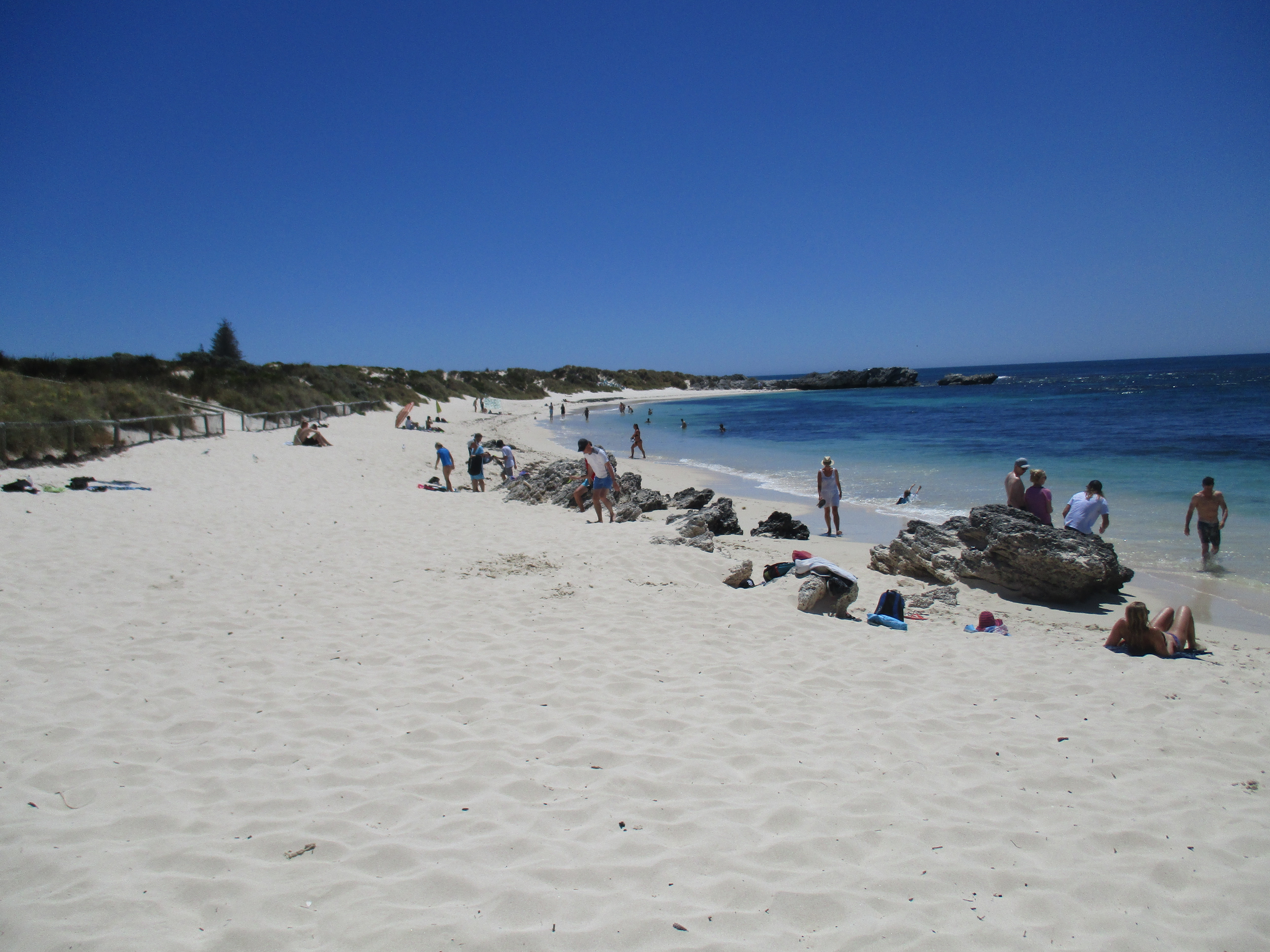
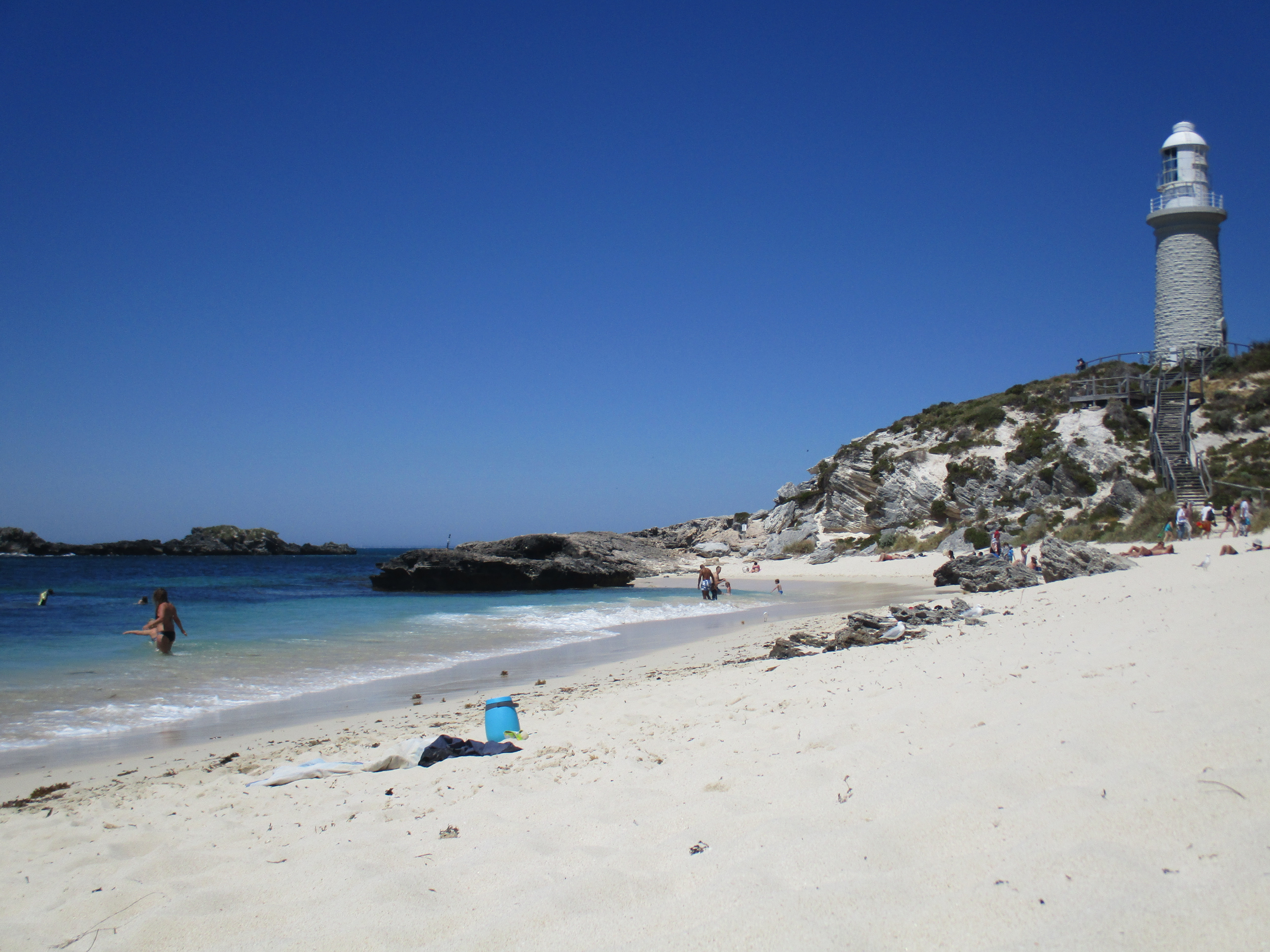
Rottnest Island, Australia

Ever wonder where the island got its name? Apparently an explorer in the 17th century discovered this island and thought the quokkas that are endemic to this island are rats. Since there were a lot of these gentle mammals at that time (and even up to this day), he probably thought the island is a nesting place for rats. Nowadays, people and quokkas have learned to co-exist, maintaining that balance as nature has intended it to be.

A quokka foraging for scraps (Rottnest Island, Australia)

So we have reached the end of the road for our virtual beach tour around the world. How did you find the trip, dear readers? Did you get some virtual tan while soaking into the joy and serenity that these beaches had to offer? While on quarantine, I hope this has brought sunshine in a phone or in a laptop, a temporary relief from the new reality that we live in right now. This part of our lifetime may not be the worst of experiences that we have gone thru, but if you are starting to feel like life is a bitch, think of all your blessings and come to the realization that life can also be a beach. This is coming from someone who has to go thru life with his own flaws (https://columbusbee.blog/2019/06/15/ihaveflaws/), personal tragedy, betrayal, pain, struggles, and lessons learned. But what’s life without these to live by and with? As the saying goes, what won’t kill you will only make you stronger.
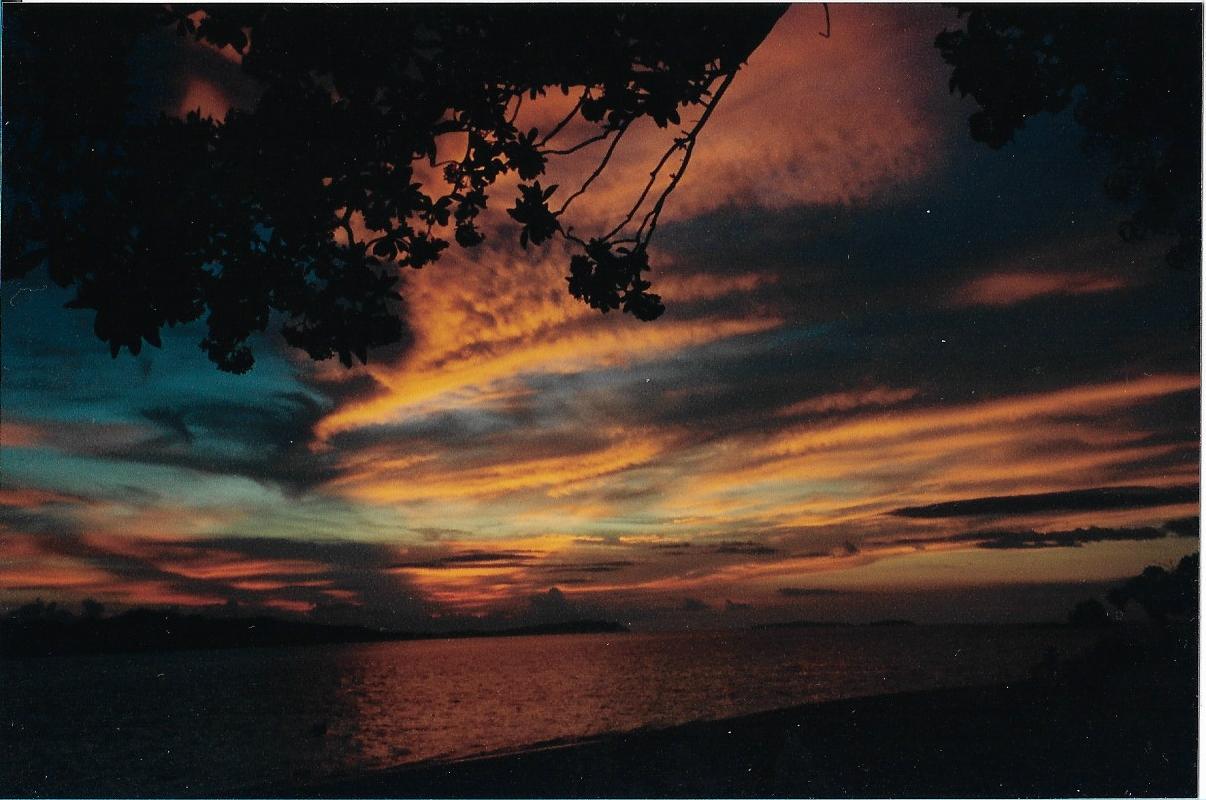
Sunsets signify the end of day that was and the start of new day that will be

So if life gives you lemons, chill and make plenty of cool, refreshing lemonade. Coz you only live once, and life’s too short to realize you haven’t really lived at all. Smile and start living.
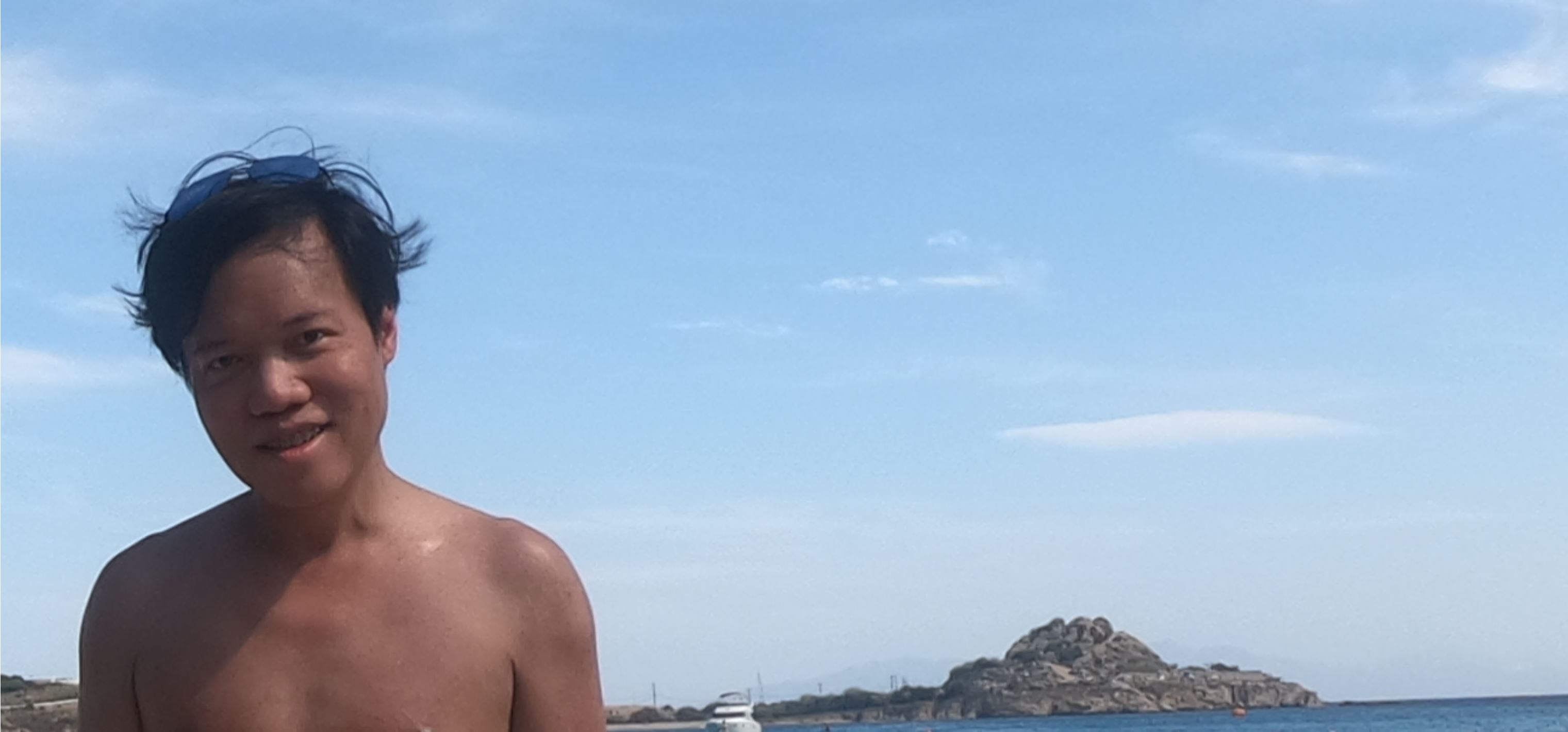
Living life like an island boy

Italy: How Thou I Love Thee? (Let Me Count The Ways) – Part 1 of 2

Travel and Positivity Buzz

Rome, Italy

I’ll be going to Italy again in spring so I thought why don’t I write something about my past trips to this beautiful country that I consider my favorite. It would be my 3rd trip and this time, with a purpose. Since the start of the year, I’ve been feeling down. I don’t know exactly what it is. Maybe because most days I was under the weather, but it’s not just that. It’s not also the occasional bad days (who hasn’t?). I was able to find some answers when I’ve finally found a copy of my favorite annual feng shui book. It’s the Fortune and Feng Shui by Lillian and Jennifer Too (I used to buy the one authored by Master Joseph Chau Kam Shing, but since it’s hard to find in local bookstores, I discovered the one by the Toos and both feng shui masters share similar forecasting skills and writing styles). Unlike Filipino feng shui masters who would come out with very commercial versions (you need to have this and that to activate your luck which you can buy from our stores) and tend to come off as negative rather than turning negative into positive, their Malaysian and Chinese counterparts would focus more on what’s in store for the year so that one can be prepared. It’s not that it’s going to happen, but more of being prepared when it happens.

Colosseo, Rome

So my feng shui confirmed what I thought and felt all along. My spirit essence is weak. Though I have a good life force, what I was feeling these past few days is a result of what the book says as “while on the surface you come across self-assured and strong, inside, you have pockets of uncertainty about your abilities.” In other words, lack of self-confidence. The book continues: “Perhaps something happened early in the year that shook this confidence – a betrayal, a disappointment, or even a downright bad turn of events that upsets your sense of stability. Whatever it is, dig in your heels and stay strong.” Very true indeed. Something happened in the workplace that shook me a bit, that even with a strong and stable core, it created a void and emptiness inside.

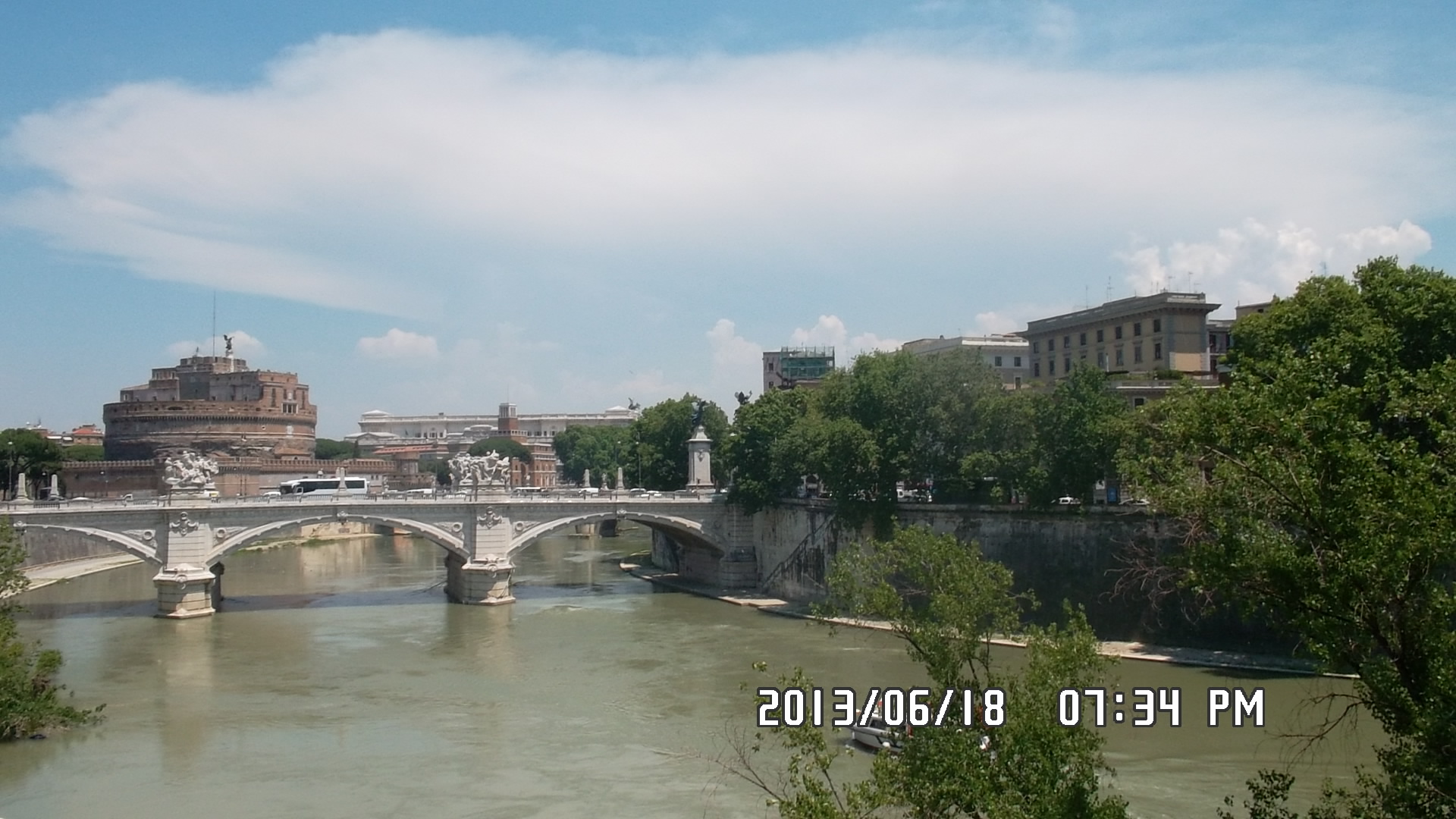
St. Angelo Castle and Bridge (Rome)

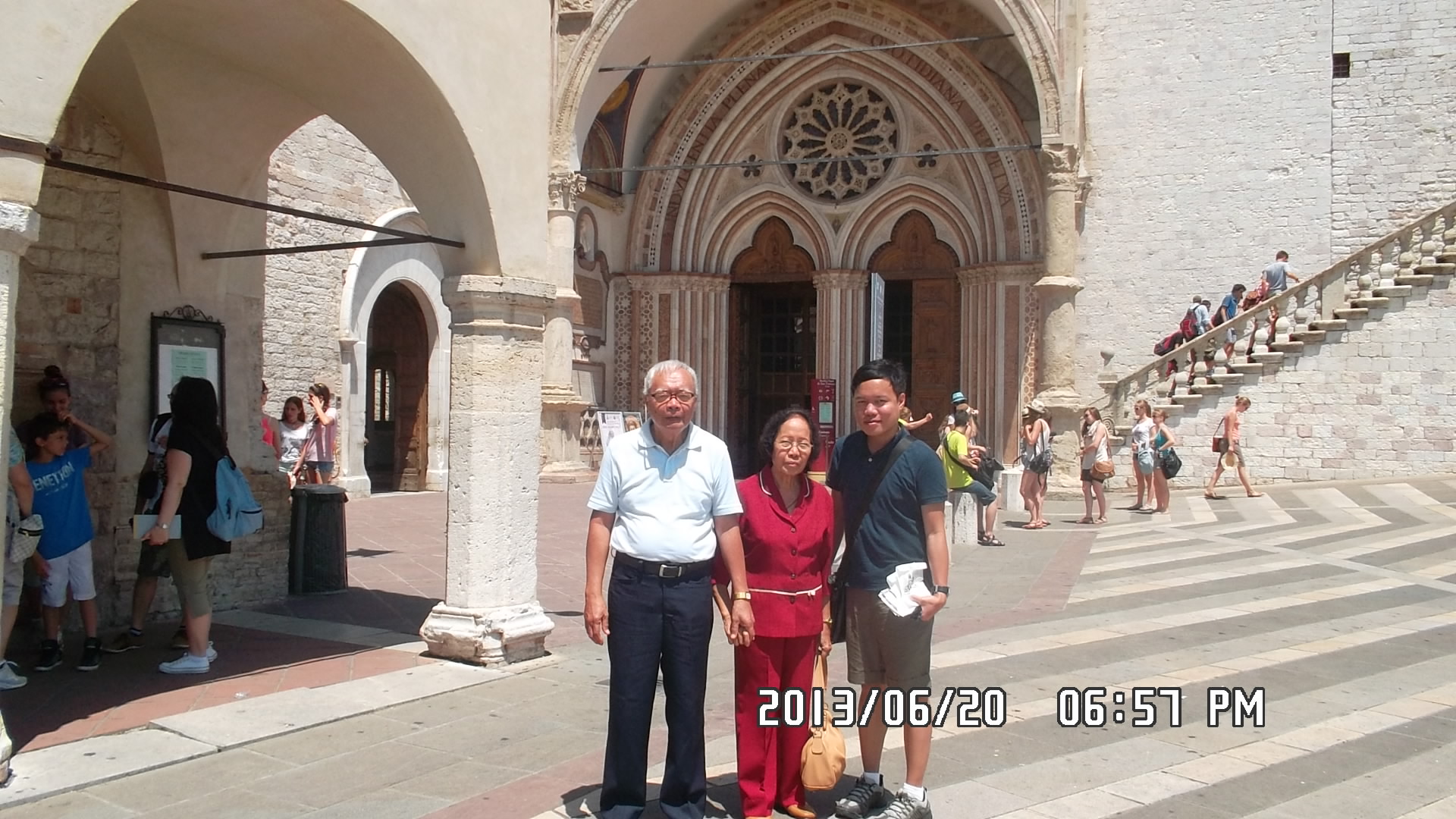
What the book suggest is to travel more this year. That’s what I actually intend to do. So my first order of the year was to book a flight to my favorite country. The purpose is to go on a pilgrimage. The last time I did that was on the 100th year anniversary of the apparition of the Blessed Virgin Mary in Fatima, Portugal in 2017 (which I wrote about in my earlier article “Dear Mama Mary”). It’s been almost 3 years since then. This year, I intend to go back to Assisi, the place where the tombs of two of my favorite saints (St. Francis and St. Claire) are enshrined. The first time I was there (almost 7 years ago), it was more of a destiny fulfilled. This time, it is to regain my good spirits. What better way to fill that void and emptiness than feeding one’s spirituality.

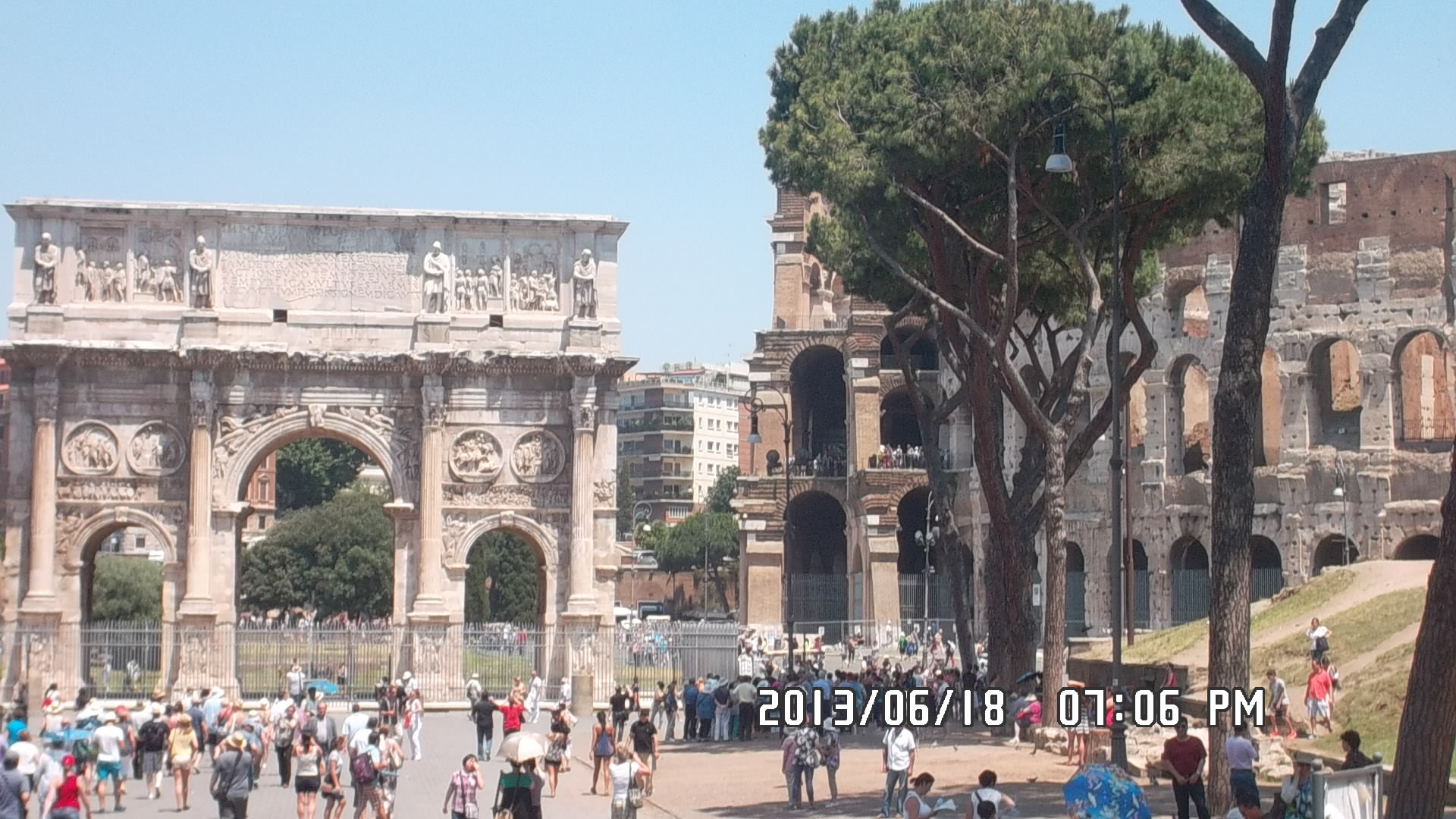
Arch of Constantine and Palatine Hill (Rome)

So I’m going on a short retreat, a spiritual journey. But before that, let me share my past trips to Italy. My first time was with my folks, who were also with me in Assisi. We flew to Rome from Manila and stayed there for a week (including the side trip to Assisi). That was the time when Air China was offering business class seats for $999 (before taxes and surcharges) which I got during the annual travel expo. Preparing for that trip wasn’t a walk in the park. First was getting my folks the visas. I hate to admit it, I had to tap family connections for that (I’m unapologetic though, knowing that I did it for my folks and not for myself). I was particularly concerned for my Dad, since it would be his first travel abroad (my Mom has a US visa and has traveled a few times before). Unlike me who is a wanderlust, my Dad is the exact opposite. He doesn’t really like leaving home. The last time he moved was when he left his hometown to marry my Mom. He never went back. Not that he dislike traveling, he just like the stability of being at home (that’s probably where I got my sense of stability). Second, because of their advance age, it was hard to find an insurance company that can cover their travel insurance. I have to shop from different travel agencies for the best coverage (only a few insurance companies cover senior citizens) and it doesn’t come cheap. So I did all these while still being very effective at work. I should get an award for being very good at multi-tasking.

Rome and Vatican City

Vatican City

In Rome, we stayed at Mercure Roma Piazza Bologna using my Accor card. Odd thing happened upon check-in. I thought the rate published online (member’s rate) is the price of the room regardless of occupants. So while booking the room for my folks, I may have inadvertently placed 1 occupant (since I’m used to just booking for myself). I was told that the price is different if the room is occupied by 2 persons. Tired and weary from the long flight, I didn’t argue anymore and paid the extra surcharge for their room. I thought this can only be true in Italy. So off we went to our separate rooms to get that much needed rest from jetlag (especially for me who did all the lifting and dragging of our luggages).

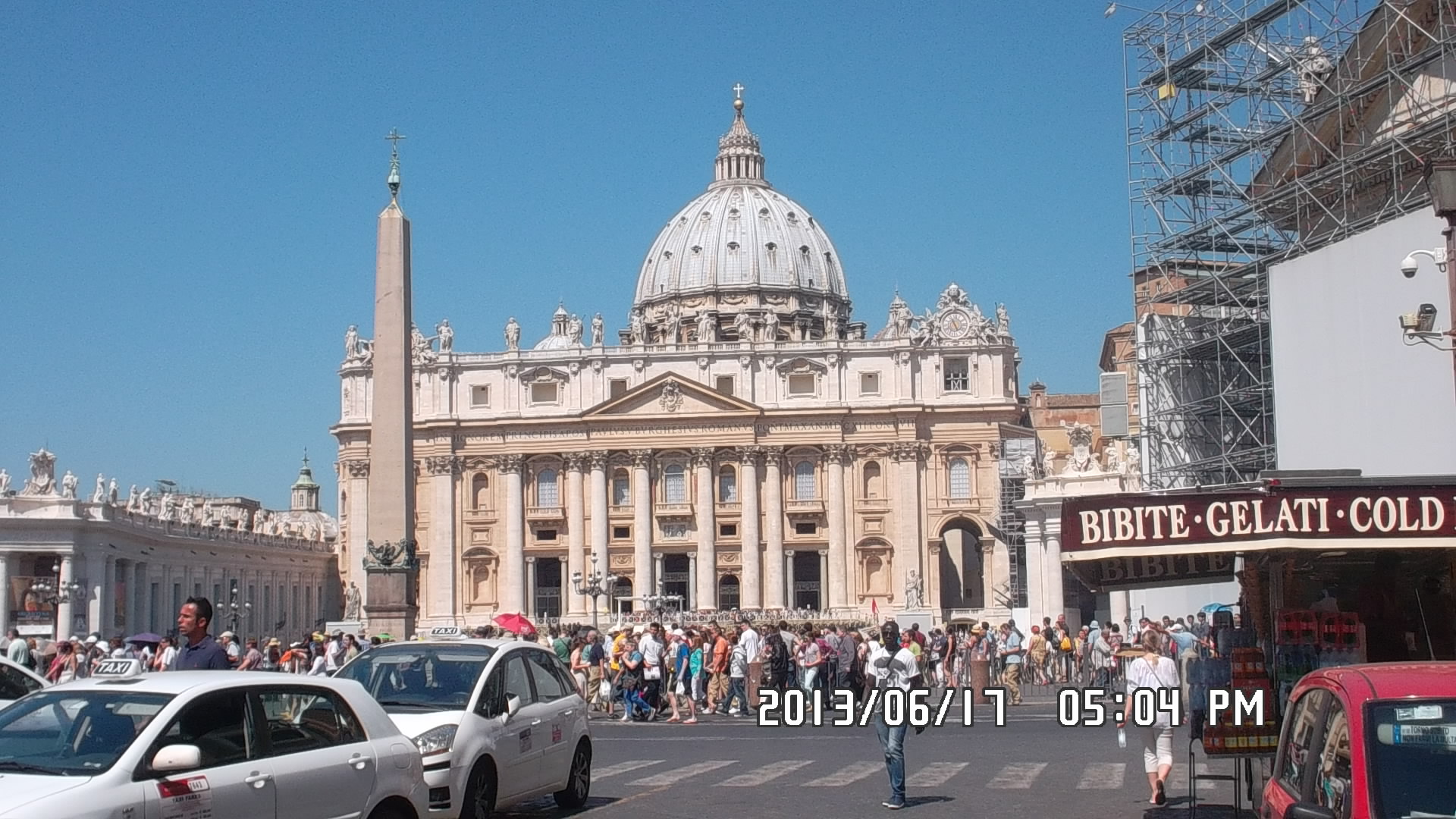
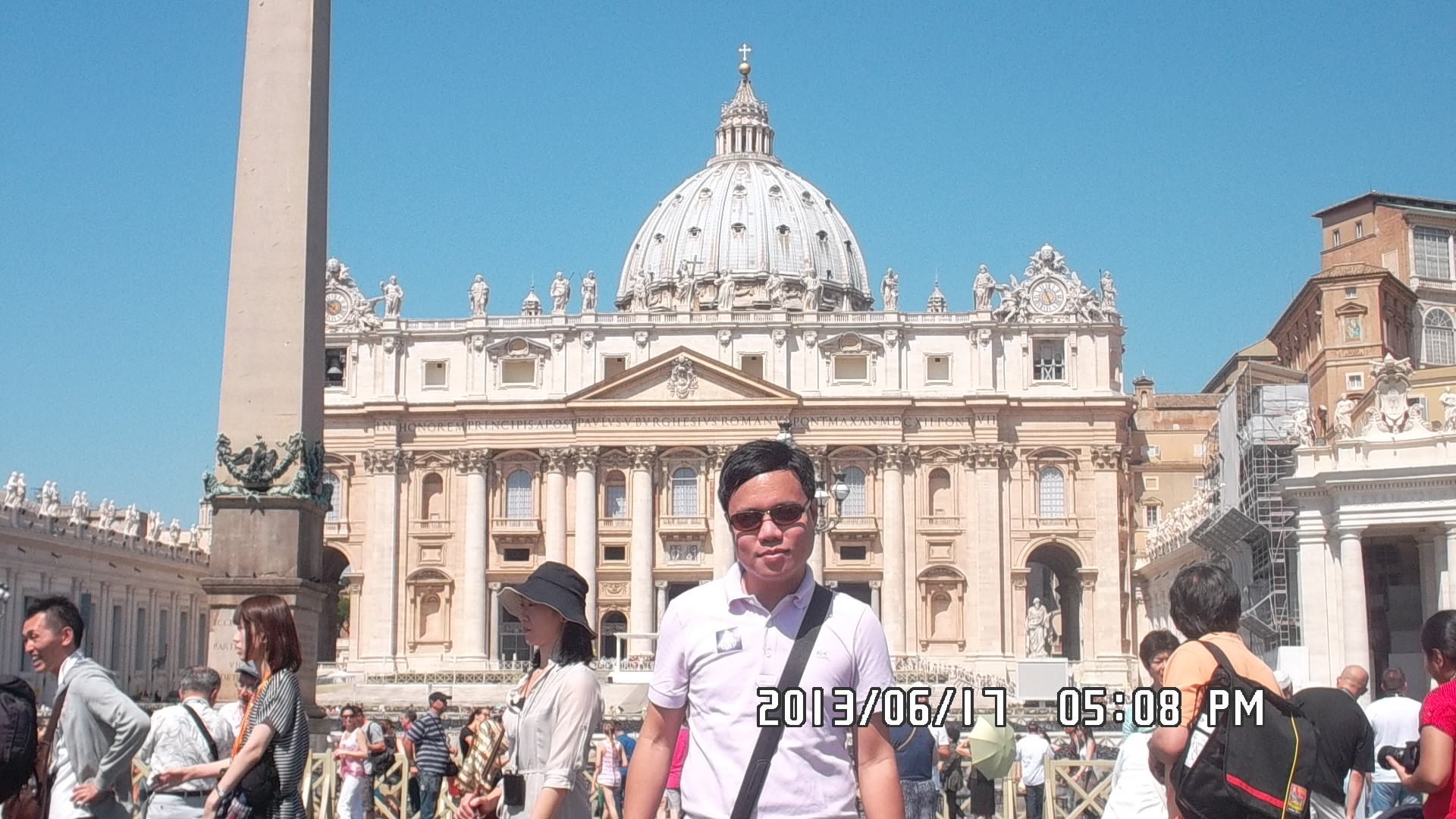
St. Peter’s Basilica and Square

The following day, I could sense during breakfast that Dad was excited to go sightseeing. Our first stop was St. Peter’s Basilica and Square in the Vatican City. In pictures and on TV, it seems grand and humongous in scale. While there, it wasn’t really, visually. That’s the first of many feelings of being underwhelmed that I went thru while in Rome. Maybe I have put my expectations of Rome at such unreasonably high levels that I may have overlooked how beautiful and right-sized it was. As they say, TV adds ten pounds to a person on it, so maybe it made an average sized basilica and square look like large structural wonder on a massive square. When we arrived, the square and the surrounding areas were packed mostly by bikers. Initially, I thought we were in the wrong place (the underwhelming scale and the crowd of leather attired bikers made us wonder if we were in the right place). It was actually the canonization of the patron saint of bikers (if I remember it right) with Pope Francis leading the rites. We stayed a while in the vicinity and after the rites have concluded and the crowd started to disperse, we made our way to the square. A few photo ops later, my Mom asked “So where is St. Peter’s Square?” I said, “Mom, you’re standing right there.” She laughed, but still had that confused look, probably still wondering whether we are in the right place (she later said that the square looks larger on TV). Aside from the usual tourist crowd that was bustling in the square, there were also robe and rosary beads attired beggars doing their thing. I saw Mom giving alms to every beggar that approaches her that soon started to build up around her. She was giving at least one euro coin each and I was petrified. I said “Mom, why are you wasting money on alms?” Giving me that quizzical look, she retorted by saying that we should give something because they look holy. Huh? (place face palm emoji here) Rather than start an argument, I let her be, until she ran out of coins. A few visits to the square later, she probably realized that not only she’s giving some 60 pesos or more worth of alms to each beggar (which you can already buy a McDo Happy Meal in the Philippines), but that they are no different from street beggars at home, most likely ran by a syndicate. I let out a sigh of relief when she started saying no even if they look “holy”.

Meet my folks, the fashion appropriate Mr. & Mrs Smith (kidding). Thank you for the good genes (and not so much for the bad).

I was able to secure skip-the-line tickets for me and my folks and we were ushered directly to a private door of the basilica. Inside, it was beautiful. Just like every other church, cathedral, or basilica in Rome, the interiors are adorned with murals, intricate sculpting, and mosaic windows. Probably overwhelmed with the beauty and sacredness of the place, I saw Dad in tears. It was my first time to see him cry. Both my parents are devout Catholics, so I would understand if he’s a bit upset because of the impact of being at the center of Catholicism. So I asked “Dad, why are you crying?” He replied “Indi ko ma imagine na makalab-ot ako diri” (I never imagined that I could be here). Those were definitely tears of joy. I’m not sure whether it’s because he just experienced for the first time the joy of travel, being in a sea of tourists from around the world, or that in the deepest recesses of his mind he had always wanted to see this place every time he sees it on TV only that he didn’t have the opportunity. So having seen him that happy was priceless.

The Colosseo Arena (Rome)

We went to see other religious spots as well. Not very far from the basilica and square is the Sistine Chapel, famous for the art work that Michelangelo did on its ceiling. Outside of Vatican, we saw a lot of chapels, churches, and cathedrals (as in a lot). Two of my favorites are St. John Cathedral (Basilica di San Giovanni in Laterano) and Basilica of St. Mary of the Angels (Santa Maria degli Angeli e dei Martiri). I like the former because to me, it has the most beautiful interiors. It’s like being in a museum or a palace filled with works of art. The latter was special to me, coz when I entered the place, there was this whiff of cold air that welcomed me, something that I’ve never felt before, like a soul or spirit that has been waiting for my arrival. Maybe my guardian angel’s way of telling me that I’m in a holy place, a very good place. I’ve never felt so peaceful and calm and blessed.

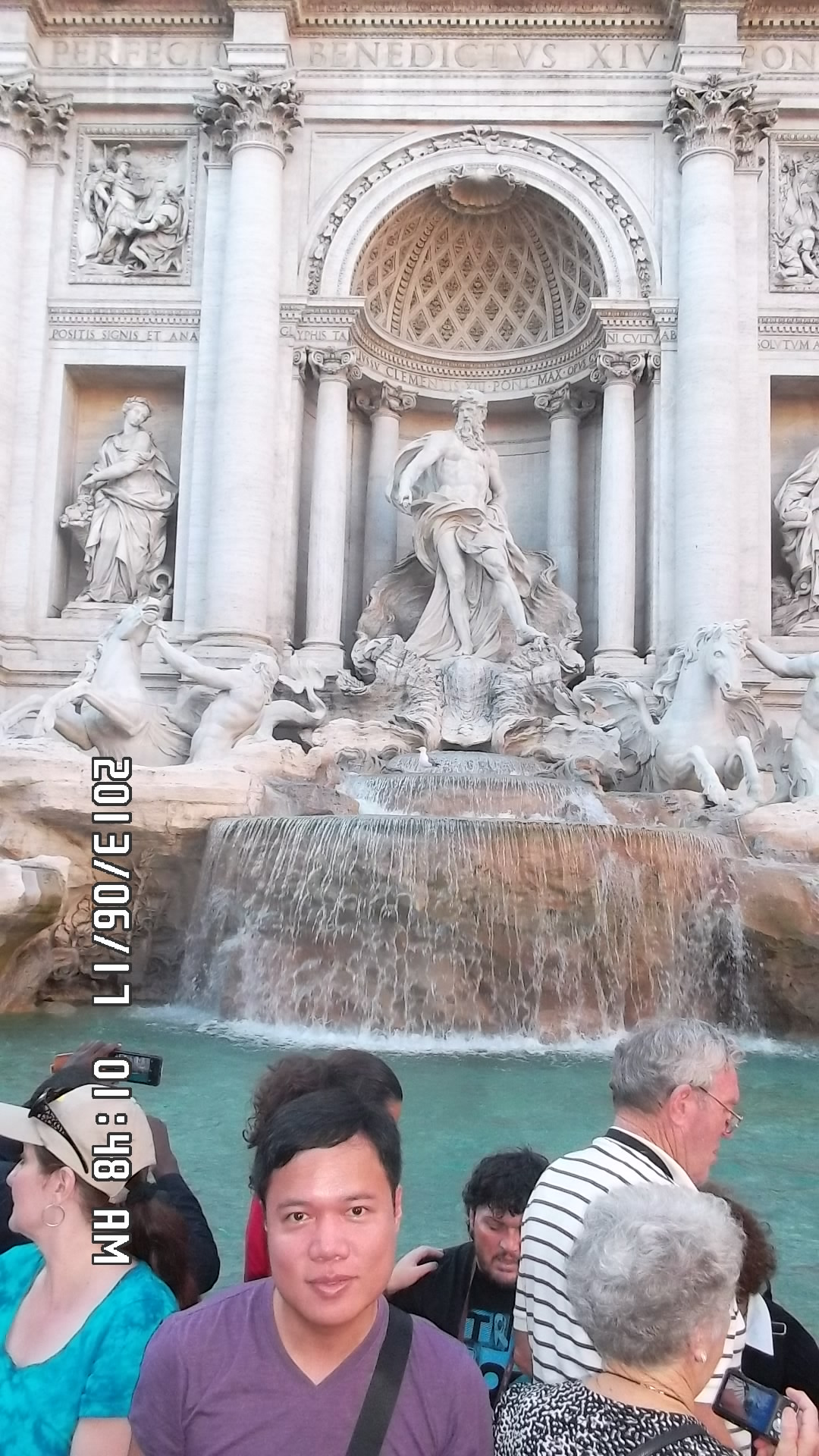
(Left) Dining al fresco; (Right) Trevi Fountain

Of course we didn’t miss the must-see tourist spots. There’s the imposing and very popular Colosseum. The ruined facade is as magnificent as the concrete arena. I’m just awed with everything inside and outside of this ancient ruin. Not to be missed is the Trevi fountain (where you throw in a coin and make a wish), where one of my wishes was to return someday, and looks like it’s going to happen. Other notable spots are the Pantheon and Piazza Navona. Another spot, the Spanish Steps, is attractive not so much for the steps but for the dining options around the area (we’ve found some good restos around Vatican and Trevi fountain as well). One thing that I love about Italy is the food. Anything Italian is just delicious. From pasta to pizza to gelato, My Dad’s eyes would light up every time he hears gelato, like a kid in a toy store (though my Mom would always remind him of his sugar levels). We tried different restos and dishes that there were times that I would crave for fastfood because we ate Italian all the time, but I know for a fact that my folks are not really fond of junk food. Maybe that’s the reason why they were able to endure all the walking, particularly with my Dad who had a mild stroke a couple of years earlier and has mobility concerns since then. It just amazed me how much walking he did without any untoward incident. Maybe the Italian or Mediterranean diet did wonders for him.

Assisi

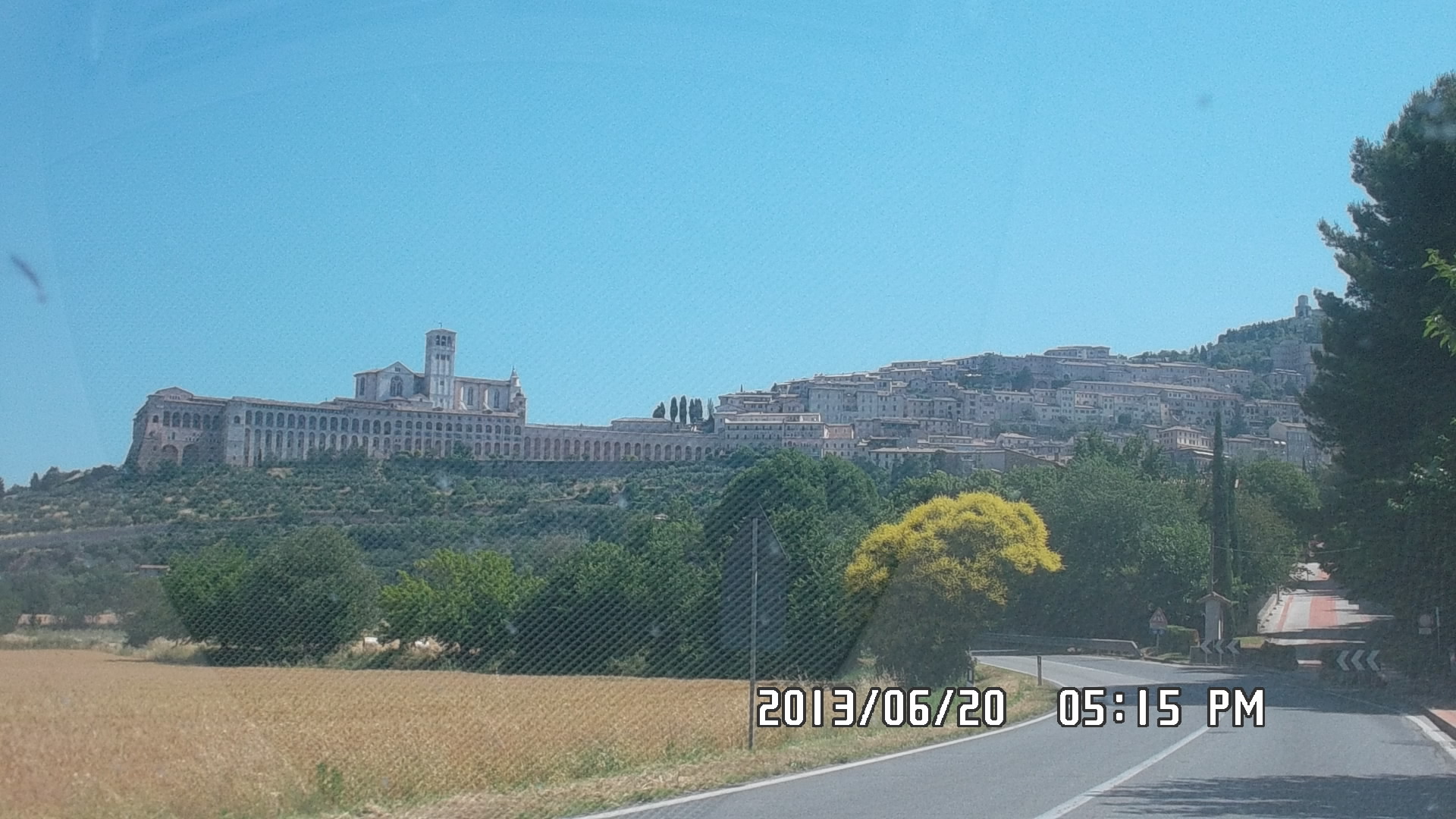
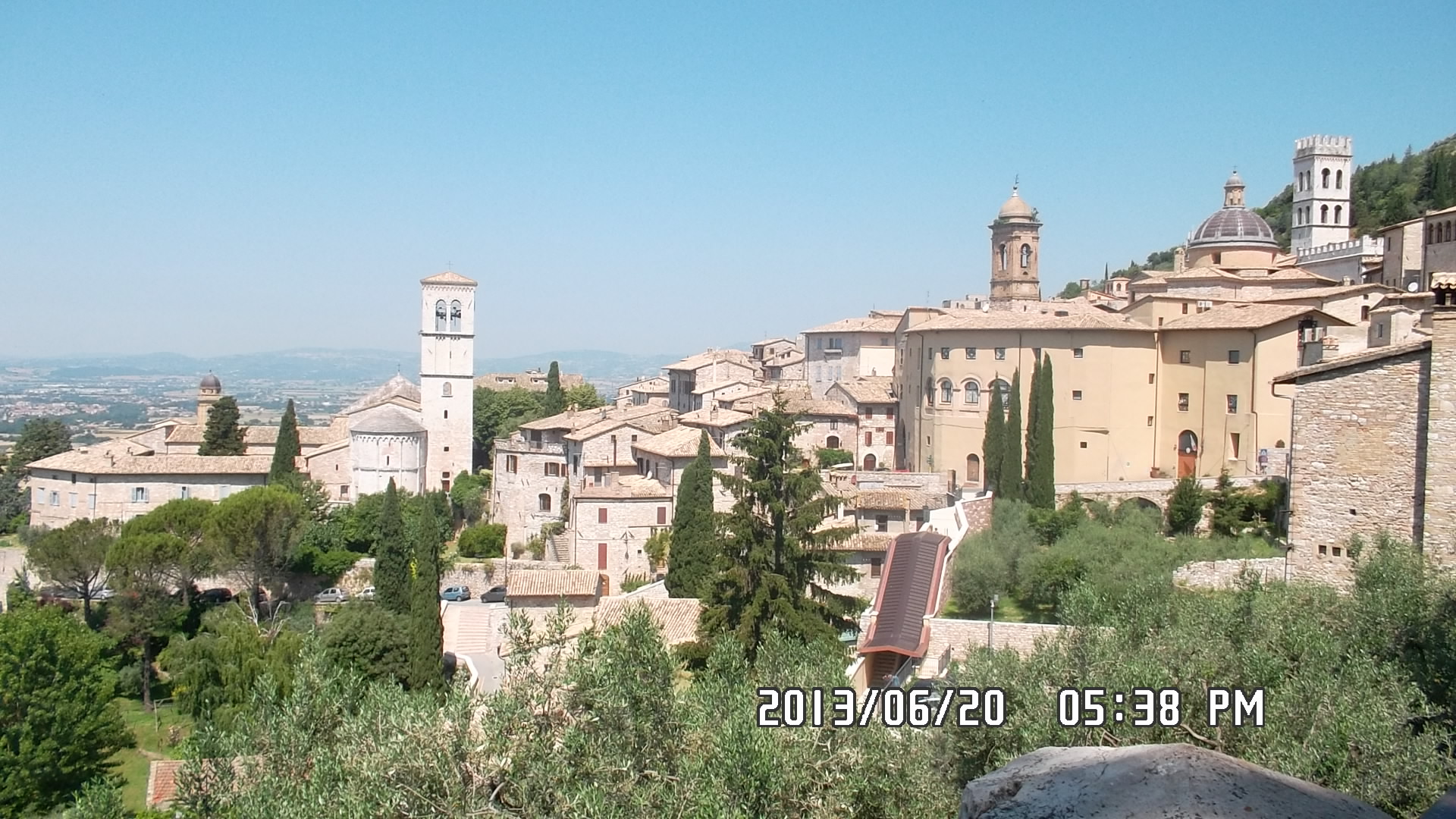
Approaching Assisi (Italy)

When I was younger, I dream of visiting Assisi. I don’t know why and why I’m fascinated with the place. All I know was that it’s the birthplace of St. Francis and St. Claire, two of the saints I would pray to especially in times of need. Maybe it’s some kind of a religious or spiritual calling, but the two have been good to me that both have been my go-to when I pray for divine intervention. So I made sure that I had Assisi in our itinerary in my first trip to Italy. I have to face that calling. I have to fulfill that destiny.

Assisi, Italy

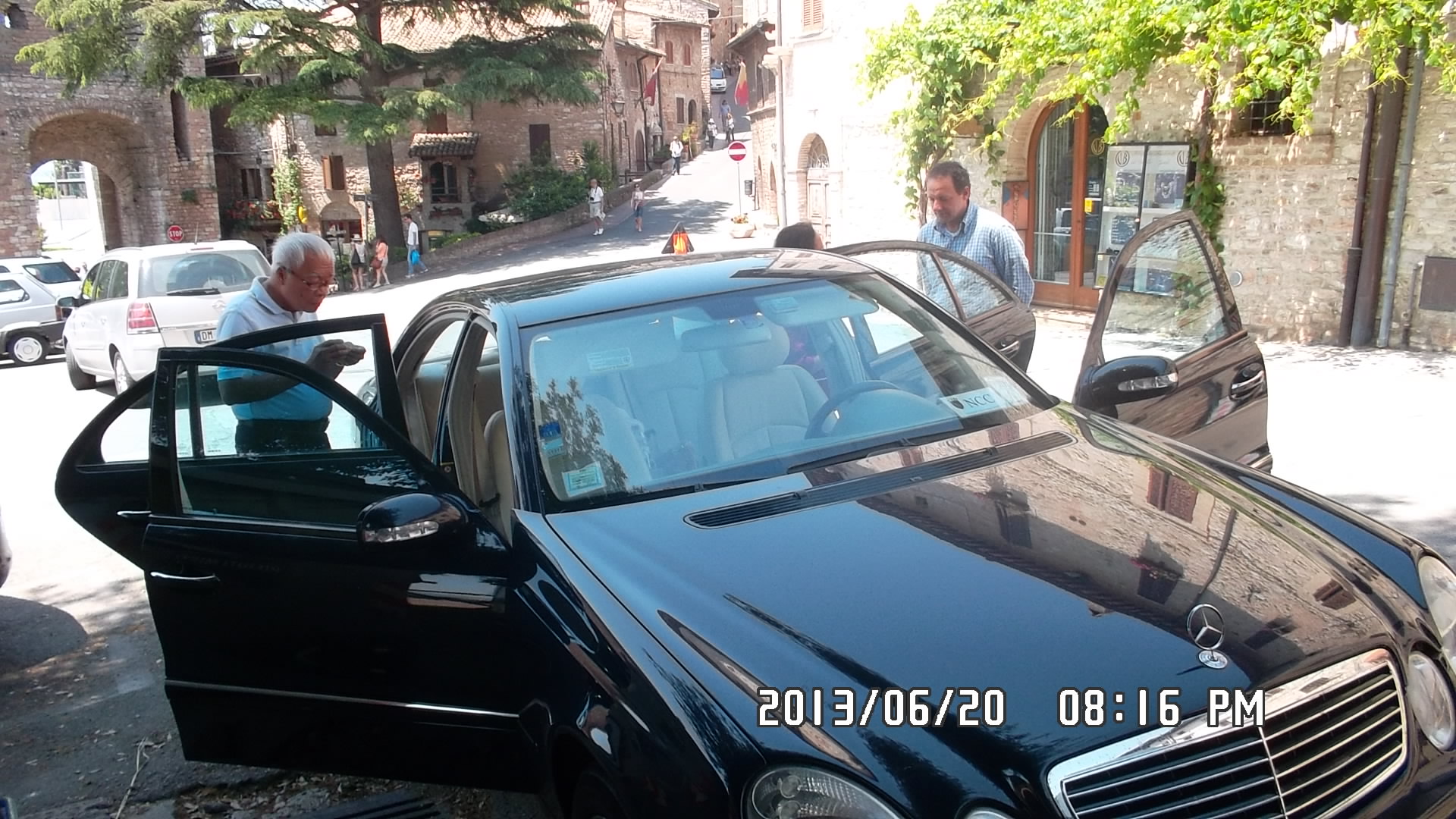
I booked a chauffeur driven limo to take us to and around Assisi. Though there were cheaper options, I cannot put my folks on a train or in a tour bus from Rome. The former would be grueling for them, the latter would deprive us of the time to reflect and savor the place. The driver picked us up from the hotel. Mom and Dad were already waiting in the lobby when he arrived and as usual I was running fashionably late. While waiting for me in the car, Mom struck a conversation with him and like any typical Filipino mom, she shared that I’m an accomplished finance professional back home. So the driver’s initial impression was that he’ll be meeting an older, respectable, gentleman. When he saw me come out of the hotel, wearing a collared shirt and shorts and got into the car, he was surprised. He said I looked like a 28 year old yuppie (well, he didn’t exactly say yuppie, but you know what I mean). So after all the pleasantries, he took us to a 2 hour drive to Assisi.

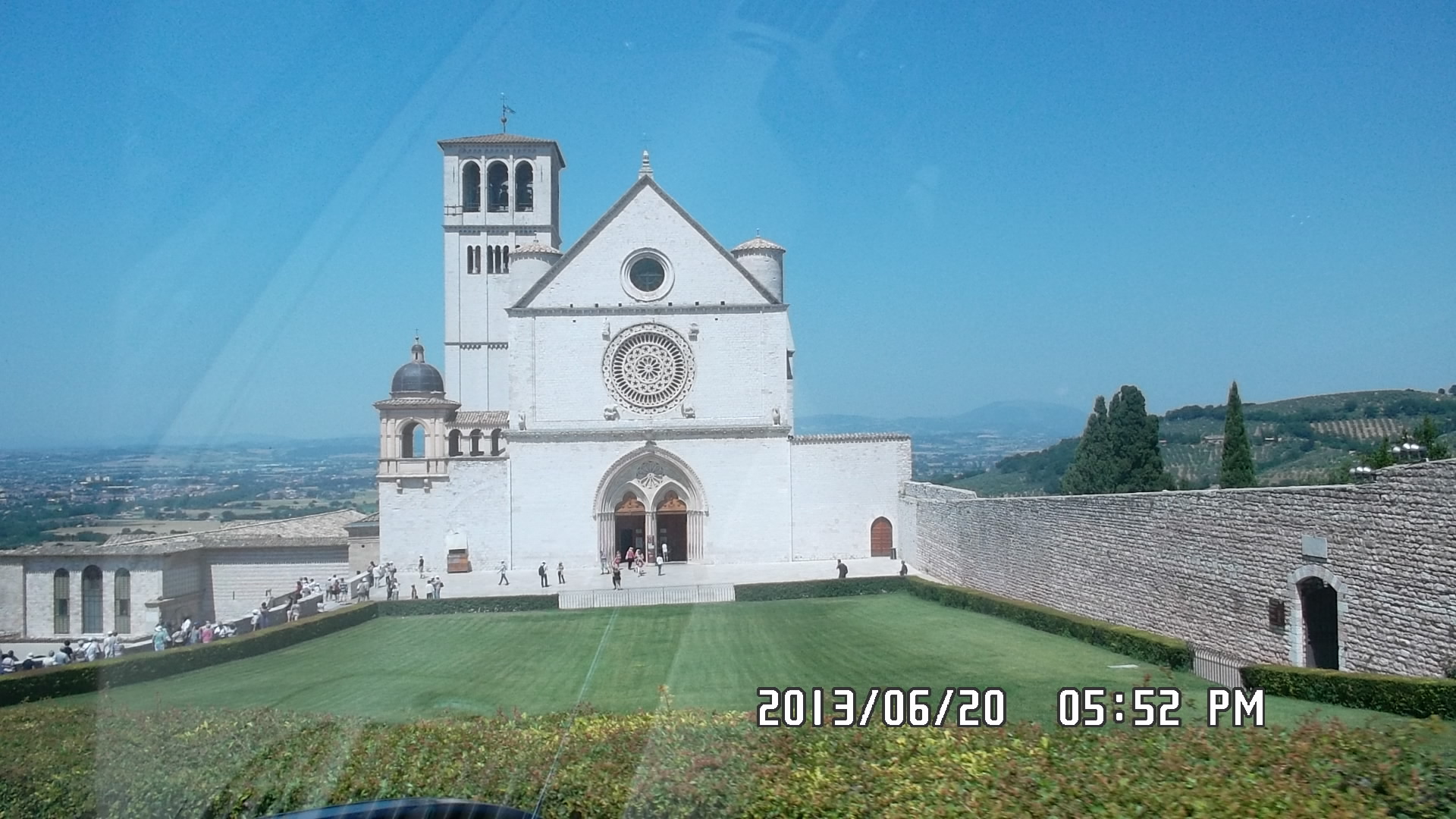
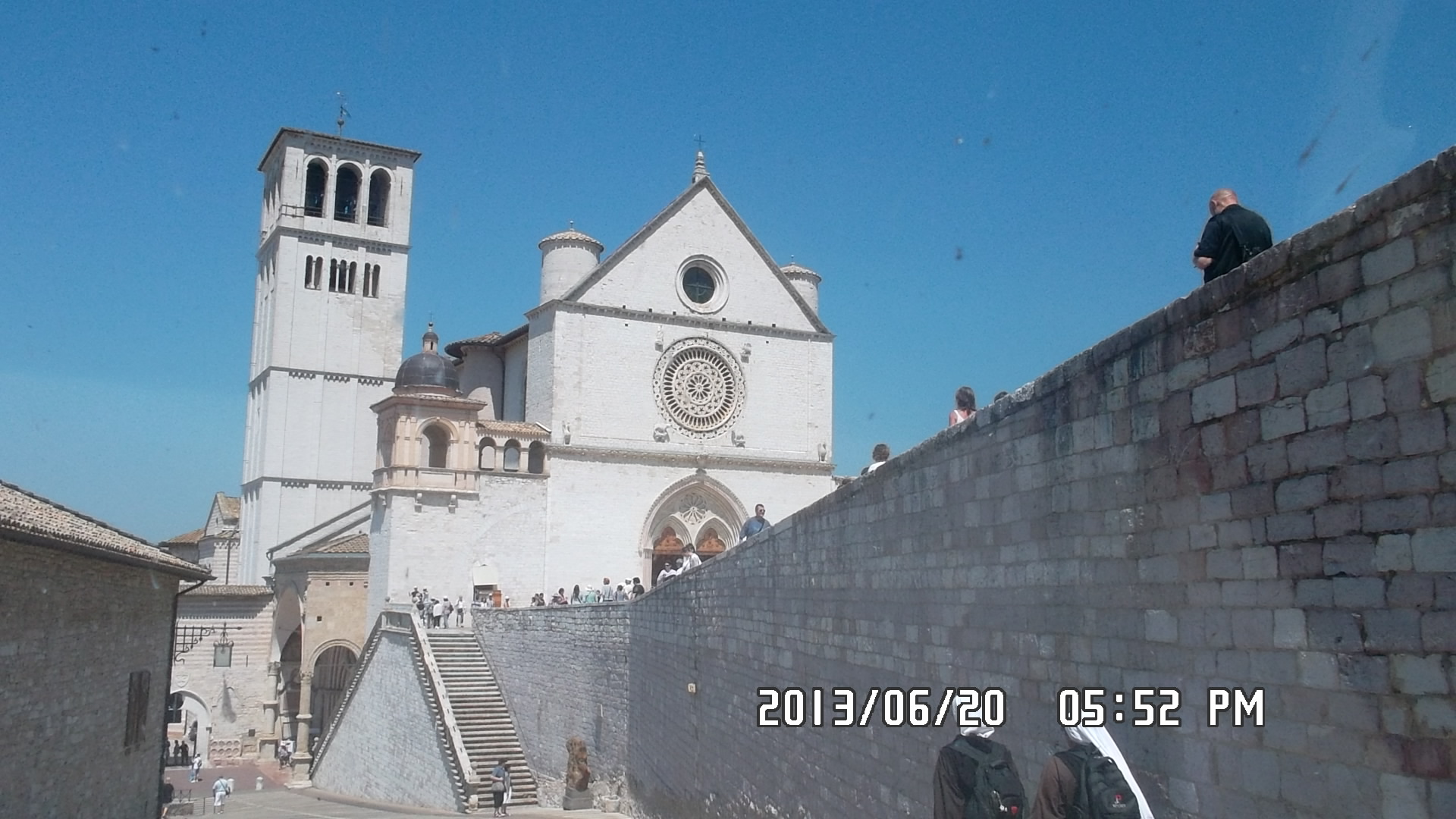
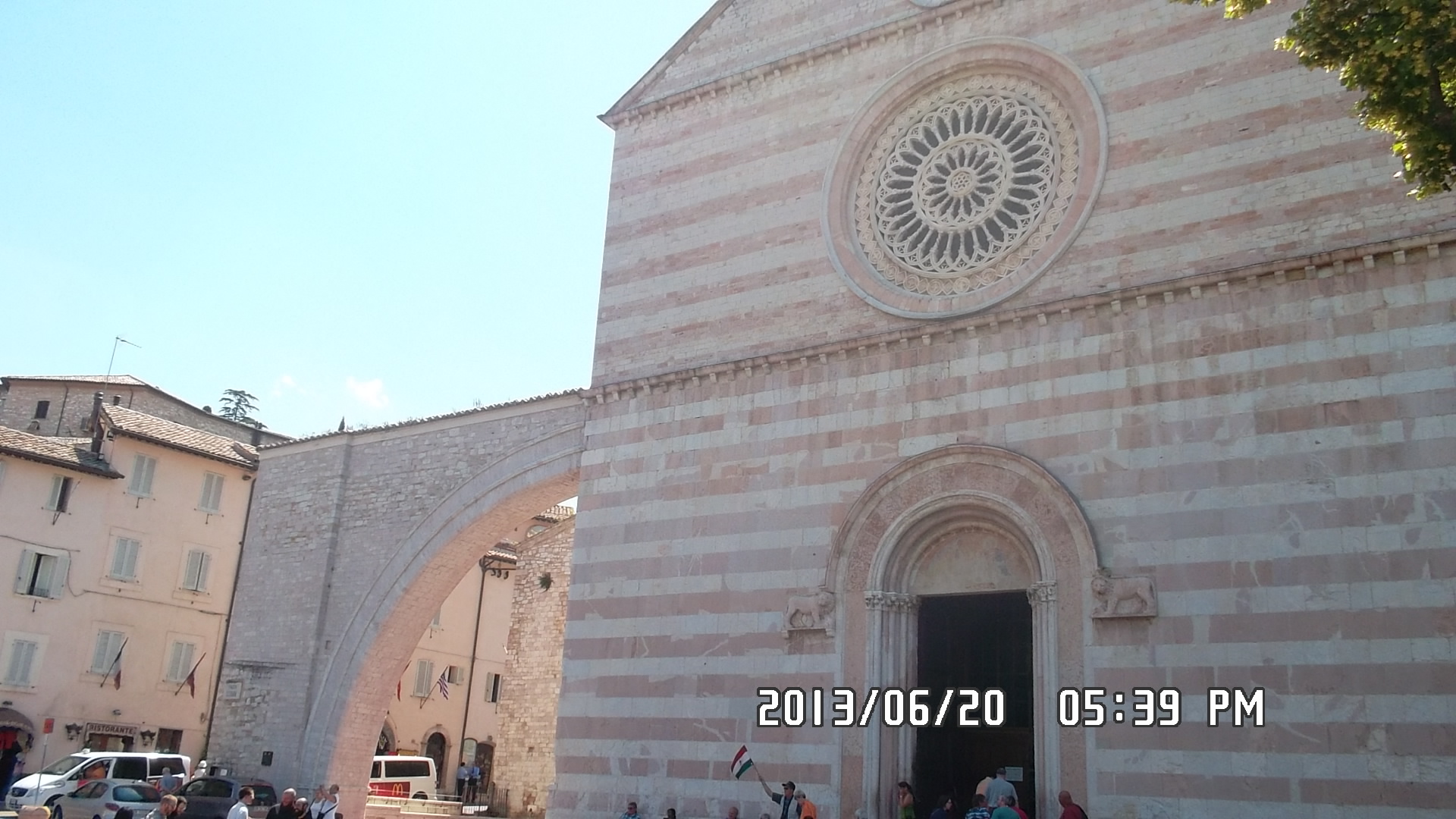
St. Francis Basilica (Assisi)

While approaching Assisi, I can see this old city perched on a hill. I know then why I was drawn to the place. It looks and feels familiar, like I have been there before. You may call it deja vu, but I can’t shake off that feeling that maybe I have lived there before, in my past life. Or maybe it’s just faith that’s messing up with my mind. Whatever it was, it can’t be denied that the place is beautiful. When we arrived, we could already feel the warmth, tranquility, and serenity and the gentle breeze of fresh air that welcomed us. In spite of its old charm, the feeling was refreshing.

St. Francis Basilica facade (perched on top of a hill)

So I finally paid my respect and homage to the tombs of St. Francis and St. Claire enshrined in their respective basilicas. St. Claire’s remains are still intact, a miracle by itself. Mom thought it was a statue, but I have to explain to her that St. Claire’s body hasn’t really decomposed over the centuries and just preserved by wax.

Dad checking out his sandwich while Mom chatting with the driver

Over lunch, the topic of conversation was my youthful looks and truffles (not the chocolate but the garnish). The driver can’t get over the fact that I was not in my 20’s anymore. So I told him that he’s just sweet talking me, but to prove that he’s not, he called the waitress and asked her how old does she think I was. She said I look late 20’s. Not satisfied, he called another resto staff. She said I look like a 21 year old lad. Flattered with all the compliments (who wouldn’t?), I shifted the subject to truffles, since most of the dishes we ordered were garnished with the same and I was very curious about it. Apparently, truffles are harvested by hand underground, like root crops, and it’s not something that can be grown or cultivated like in a garden or farm. Since it’s very organic and rare, it’s very expensive. But most Italian dishes, particularly pastas and meats are garnished with it, as it seems to elevate flavors and aromas. If you have tried truffle pasta, you’ll surely know what I mean.

St. Claire Basilica (Assisi)

My first trip to Italy left a good and lasting impression on me. It is first and foremost a family destination. The memories that I had with Mom and Dad in this country I will cherish forever, knowing that I’ve spent and witnessed some priceless moments with them. Second, this is the mecca of Catholic faith, belief, and spirituality. With plenty of sacred grounds to cover, this is a good place to embark on a spiritual journey, to find oneself in times when one is feeling at the crossroads of life. Third, we love the food as much as Italians do and it’s not just because of the flavors and aromas but the health benefits of Mediterranean diet. Fourth, the ancient charm and abundance of ruins and artifacts are lessons of humanity that today and future generations can learn from. I love Italy not because of its beauty, but because the country feeds the mind, the body, and the soul.

Up next: Naples, Pompeii, Amalfi Coast, and Capri

Saigon: Manila on Bikes

Travel Buzz

Saigon, Vietnam

Vietnam marks a milestone in my travel life. It is the 30th country that I have visited (8th in Asia) and Saigon (now known as Ho Chi Minh City) is the nth city/place that I have been to (I’ve lost count of all the cities, towns, and places that I have seen in all 5 continents that I have set foot on). Vietnam has always been in my radar, but just like Japan, I have no explanation as to why it took me this long to finally book a flight and visit one of its cities. Maybe the proximity to my country made me think that it’s very accessible that I can visit it anytime I want (hence I’ve prioritized travelling to countries that are farther and require plenty of planning and preparation).

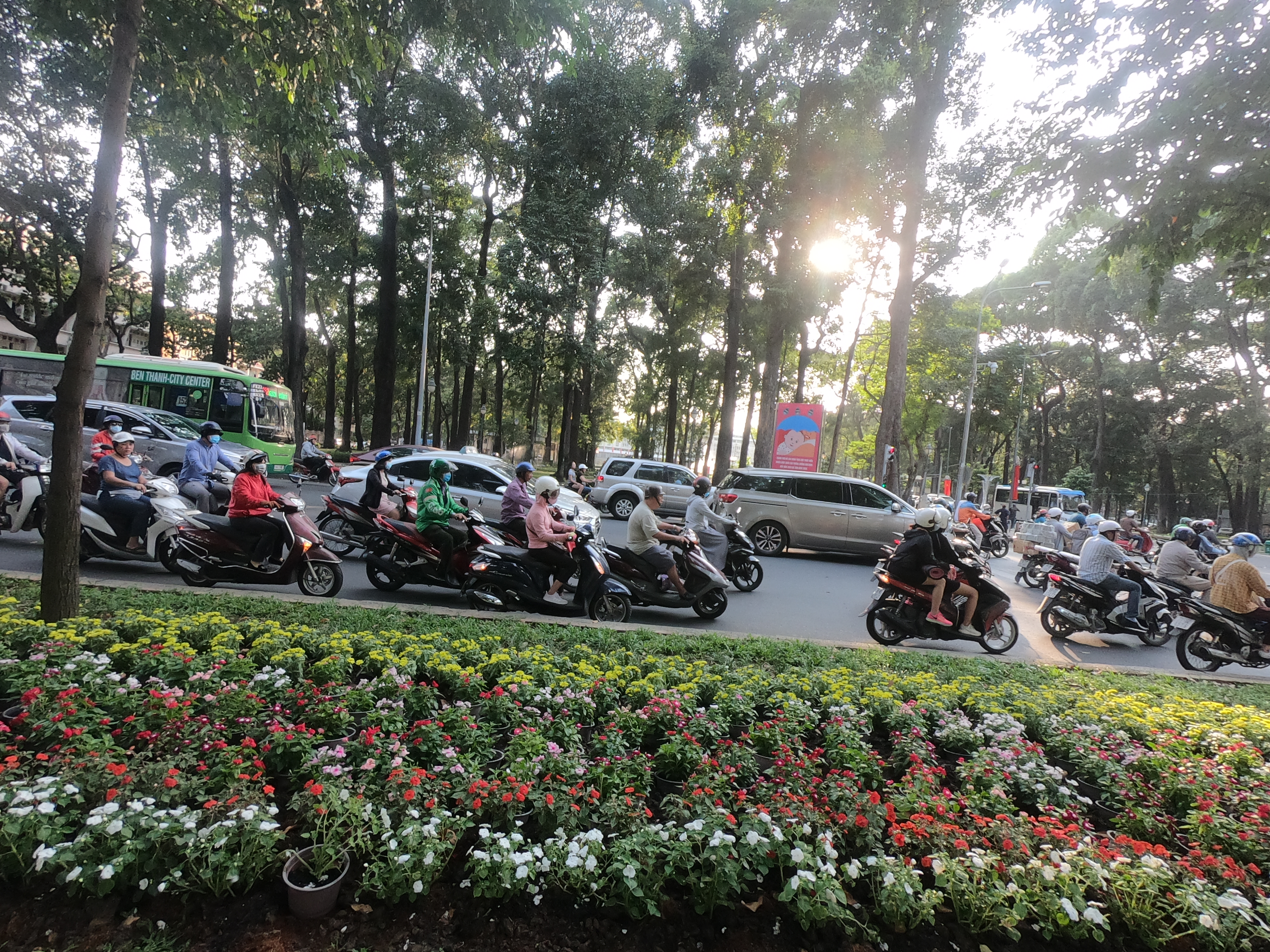
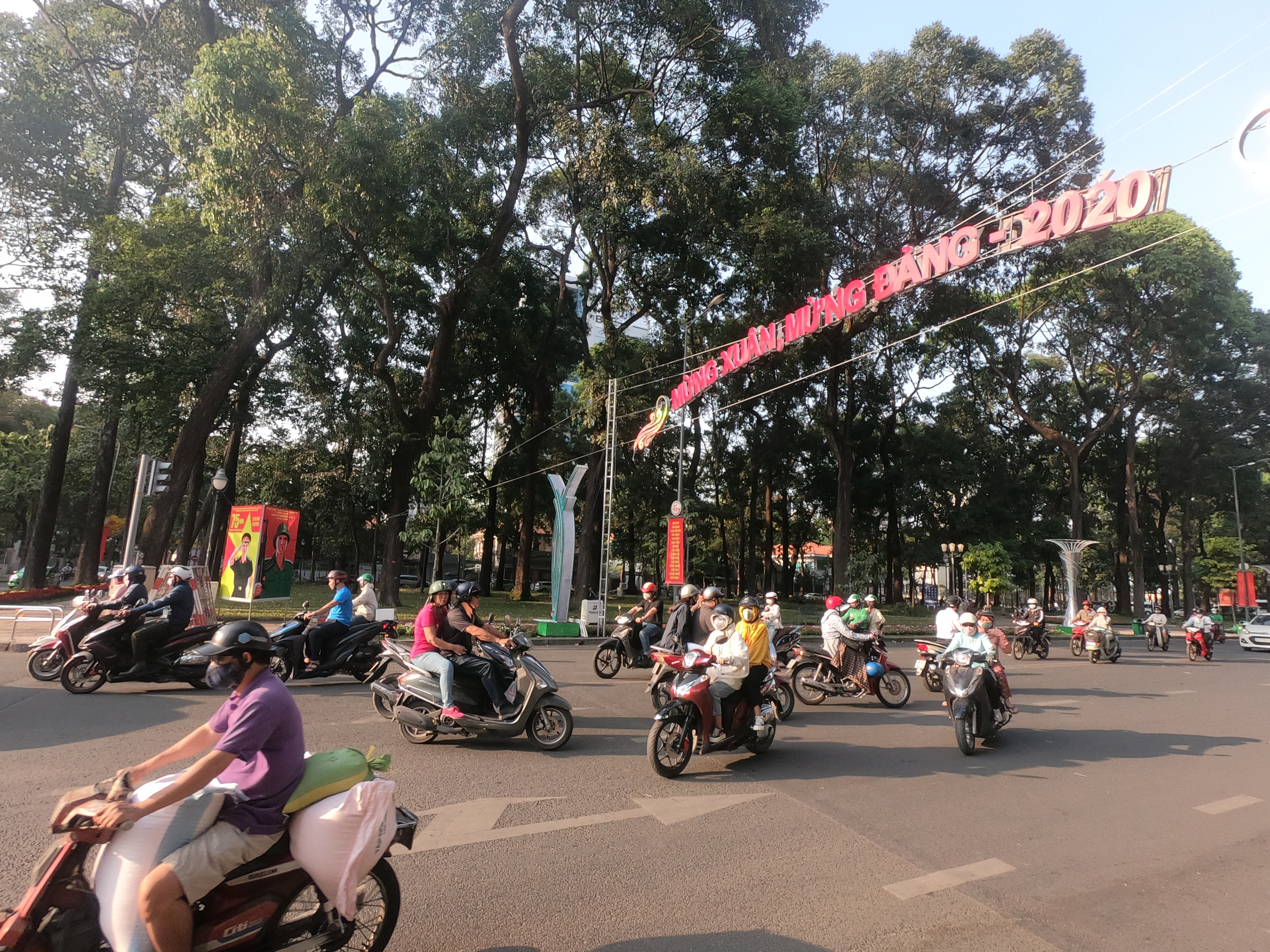
Bikes everywhere!

I decided to visit Vietnam last December when I came across an online article that puts the said country in its top ten countries to visit. I’ve been to 7 out of 10 in the list (the other 3 were Iceland, Vietnam, and a South American country I forgot), so I thought why not squeeze in Vietnam in my travel itinerary for the Christmas holidays so that I could claim bragging rights that I have been to 8 out of 10. I have already booked a Thai Airways return flight to Bangkok from Manila using my Krisflyer miles (see my previous article “A Tale of Two Pattayas”) so I thought maybe I could book a return flight to Saigon from Bangkok and just take my return flight to Bangkok hours before my return flight to Manila (so that I don’t need to spend an extra night in Bangkok and will save me airport transfers). I chose Thai Airways as well for the Saigon leg, so that I can have my check-in luggage sent directly to Manila on my return flight (unlike if I took a different airline where I have to pass thru Bangkok’s immigration upon arrival, claim my checked-in luggage from the carousel, and check in at the departure area, and pass thru the immigration again). Though my Thai Airways return fare to Saigon was not cheap (compared to regional budget airlines), I thought it was a hassle free travel and was happy with my decision.

Pullman Saigon Centre

Saigon is not really unfamiliar to me. The name of this place has been planted in the consciousness of Filipinos in the late 80s when the creators of the hit West End and Broadway musical “Miss Saigon” came to Manila to hold auditions for roles in the production including the lead role of Kim, the main and tragic character and center of the story. After a worldwide search for Kim (you can check out the documentary in YouTube), they have finally found not one but two potential Kims in Manila (Grammy nominated artist Lea Salonga, now popularly known as the singing voice of Princess Jasmine in the song “A Whole New World” in Disney’s animated movie “Aladdin” and Monique Wilson), where Lea was chosen for the said role (and later claimed a Tony award for Best Actress, probably the first Asian to win such award) and Monique as her understudy. There were other Filipinos who got secondary roles, so it ended up with mostly Filipino cast. If I were a bit older and already living in Manila then, I would have auditioned as well. Yes, I can sing and act, and my musical credentials include auditioning and being cast for a role in a local production of “Joseph, The Dreamer” that ran for 6 nights with full house each night (so I can say it was a hit musical production, from local perspective, which I remember I wasn’t paid because the proceeds went to charity, and I just did it for the love of the arts and philanthrophy) and was a member of my high school choir that won the competition to represent the region in the National Music Competition for Young Artists (NAMCYA). Years later, my sister, brother-in-law, and I were able to catch Miss Saigon at West End during its revival run in London (the lead male character, The Engineer, which role was originated by Oscar nominated actor Jonathan Pryce, was reprised by a Filipino theater actor named Jon Jon Briones in this production, who was splendid by the way in the said role). So going back to Saigon, it also helped that this city is at the center of the Vietnam War as presented in our history books (as well as in the musical), so I thought this is one place rich in history as well as in culture.

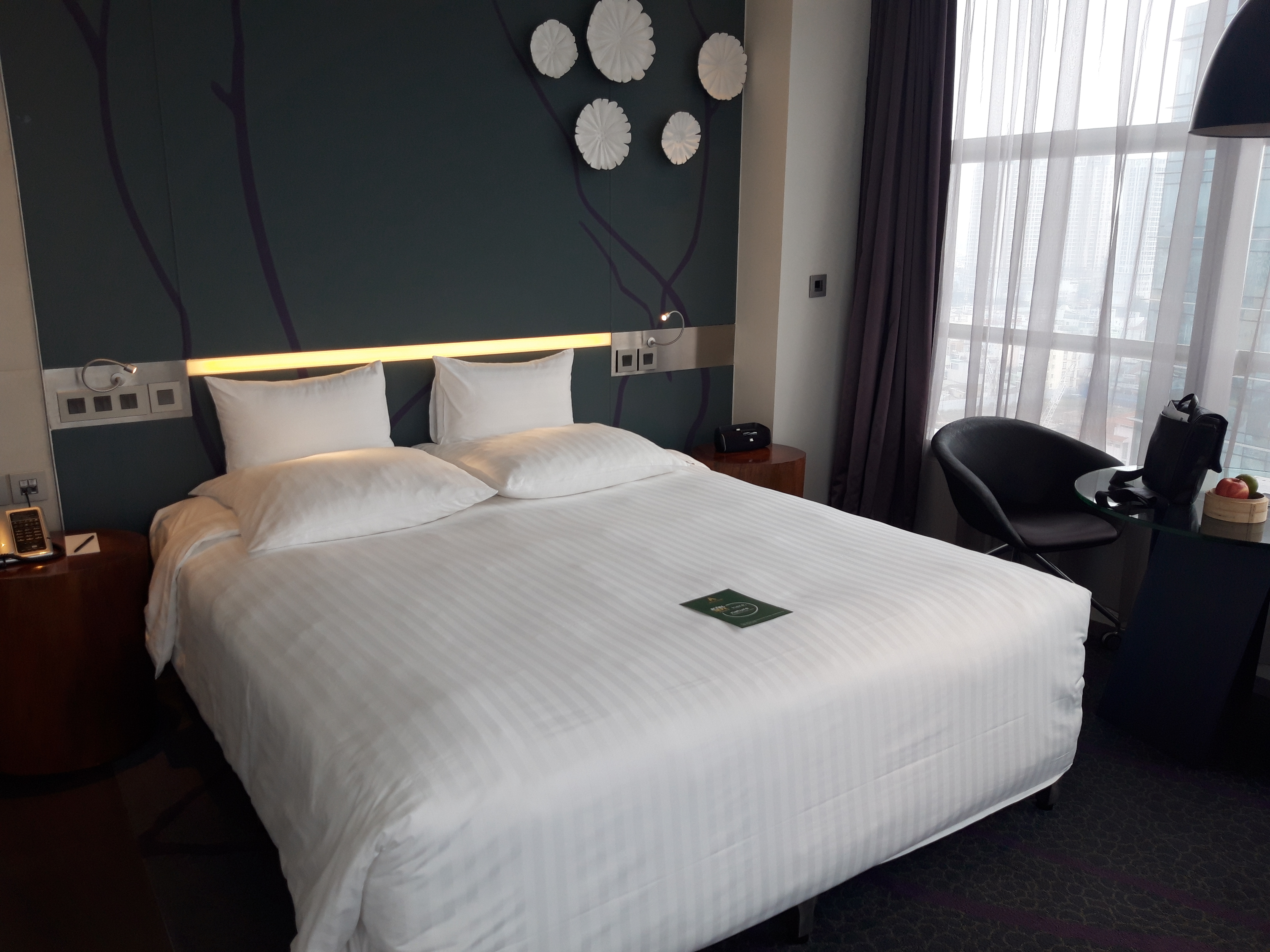
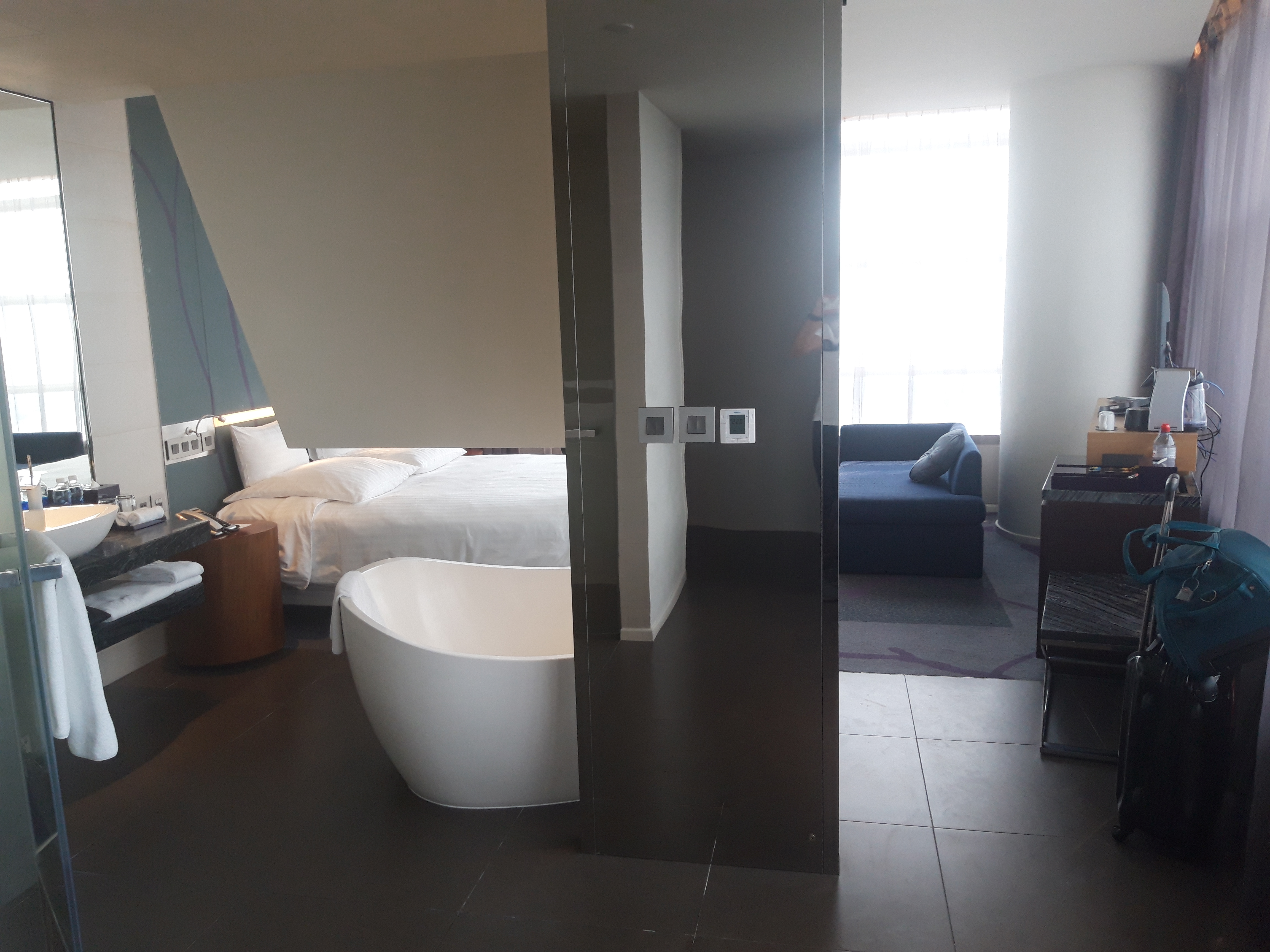
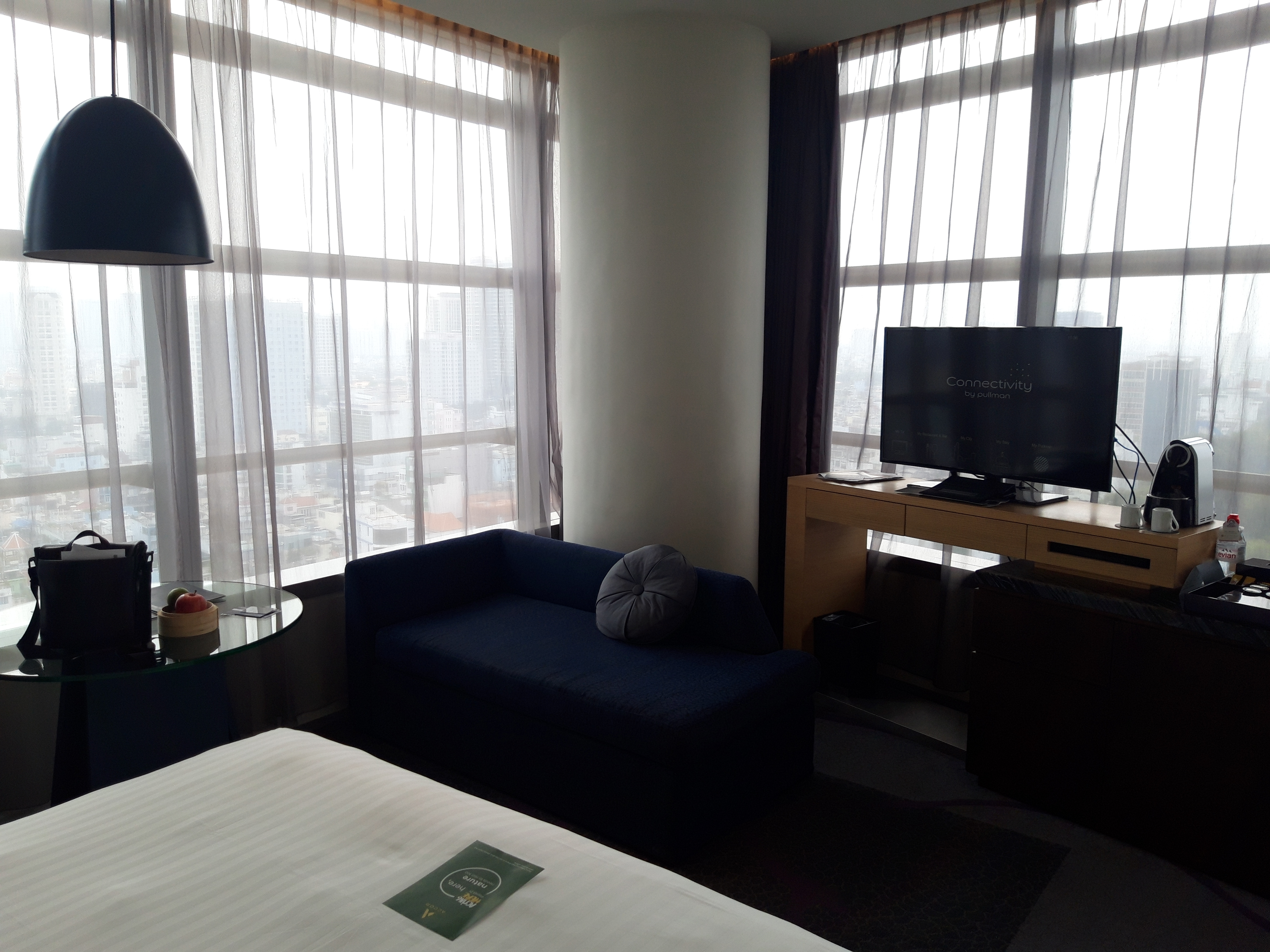
My upgraded room (Pullman Saigon Centre)

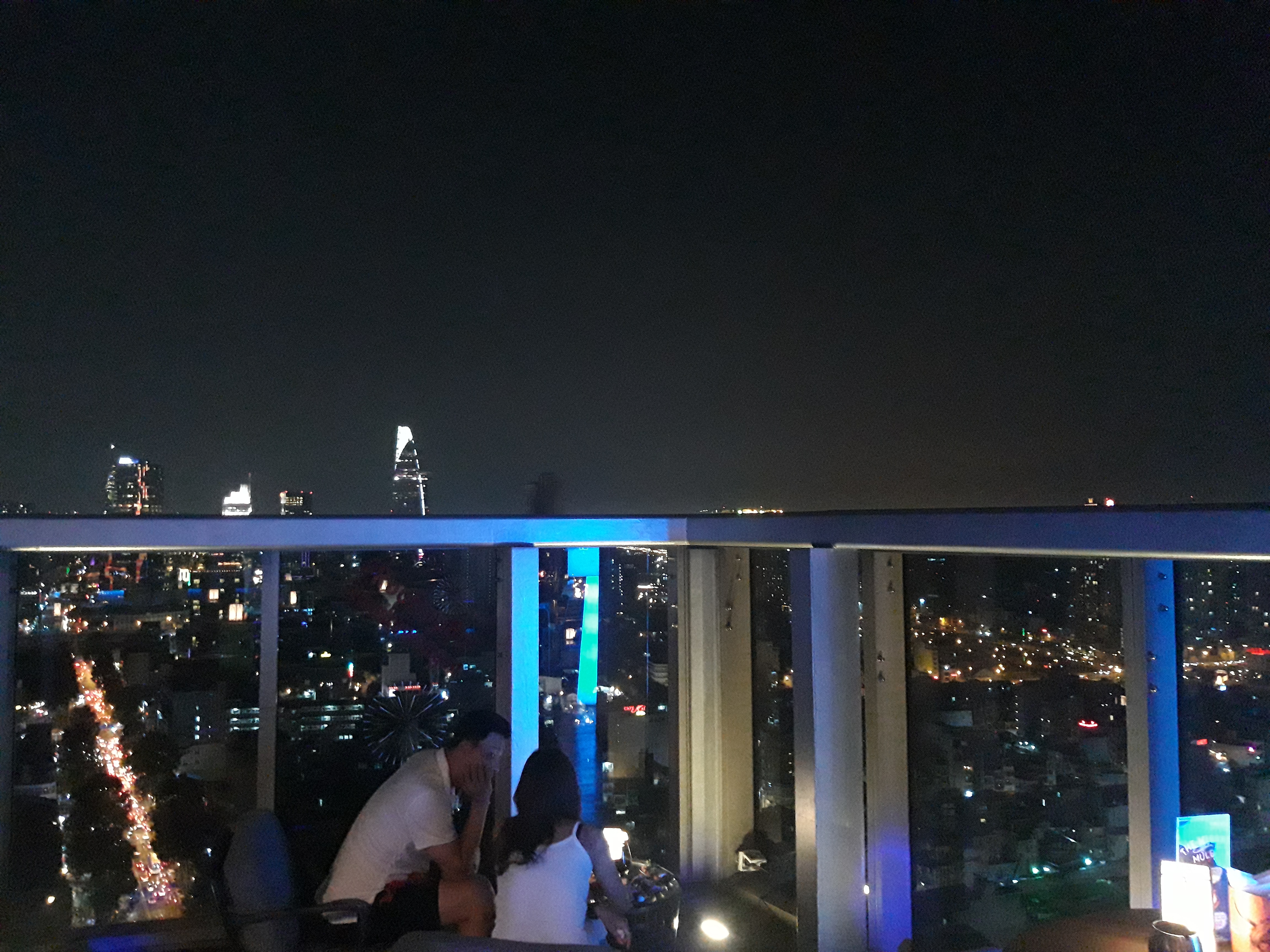
I booked a room at Pullman Saigon Centre using my Accor card. Though a high-end hotel, it wasn’t really pricey (Saigon is not an expensive city) so I thought why not enjoy a little luxury for a mid-scale hotel price. I was also surprised that my reserved room got upgraded. They gave me not only a bigger room (looks like a junior suite), but a corner room that has a 180 degree view (with floor to ceiling windows, it really gave me a very nice view of the city from my room). Check in was a breeze, and as usual got a free drink voucher (one of the perks of being an Accor member) which I availed at the Rooftop Bar on Christmas eve, enjoying my favorite cocktail for free. The location is also good, where it is just a few minutes walk to the Walking Street, and a few minutes ride to various places of interest.

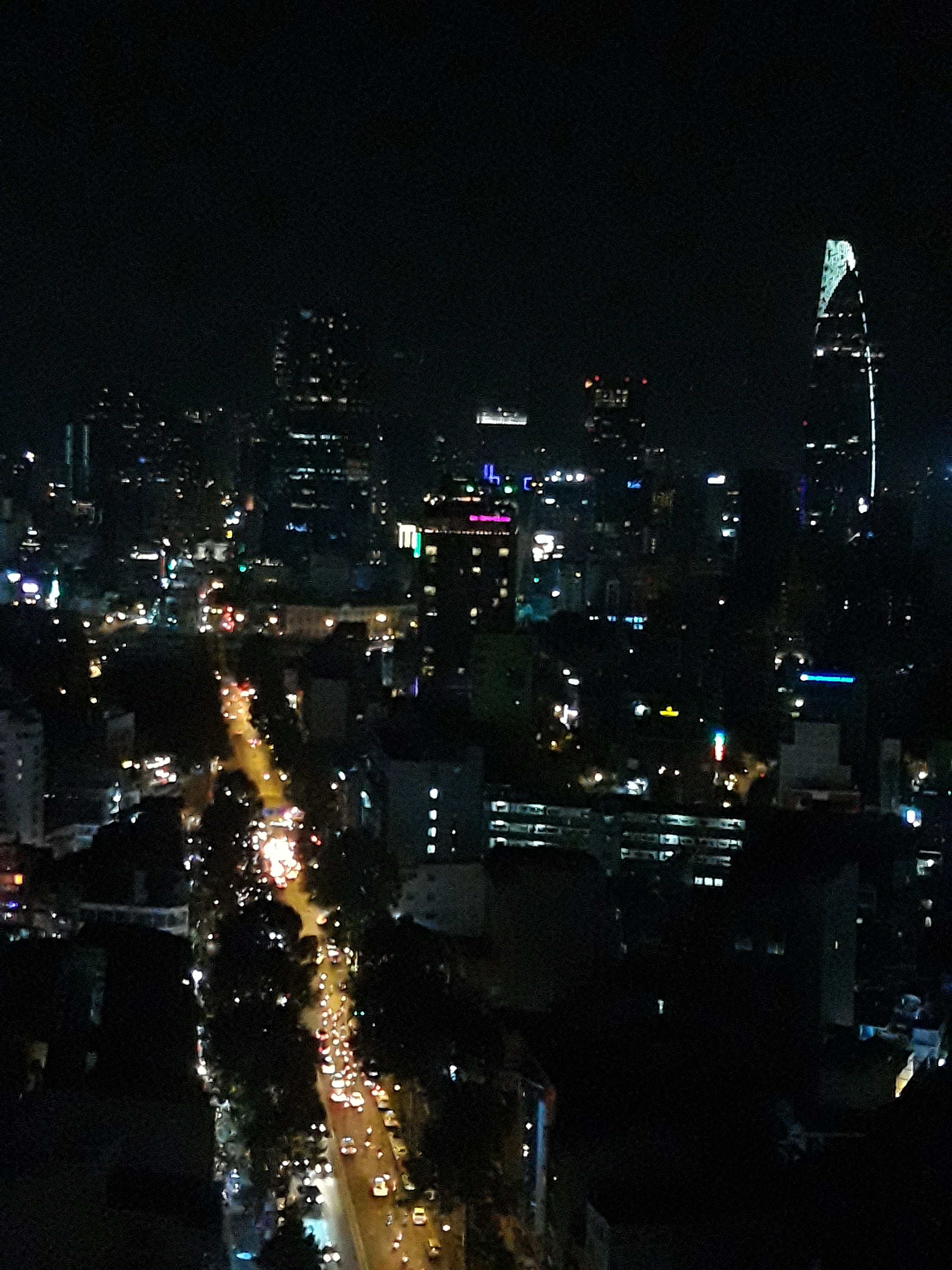
Saigon skyline at night

What strikes me about Saigon is that it looks and feels like Manila. Some areas remind me of Quiapo, Ermita, and Sampaloc (I live in Makati City, the central business district, and I don’t go and see places outside of Makati anymore). It felt like I never left home. The resemblance is uncanny: hole in the wall business establishments, construction boom, gentle and solicitous people, a mix of the old and the new. Maybe I was in the wrong side of the city, but the abundance of French colonial heritage that I was looking for was not there (or is it in Hanoi?). What I did see a lot though were motorcycles!

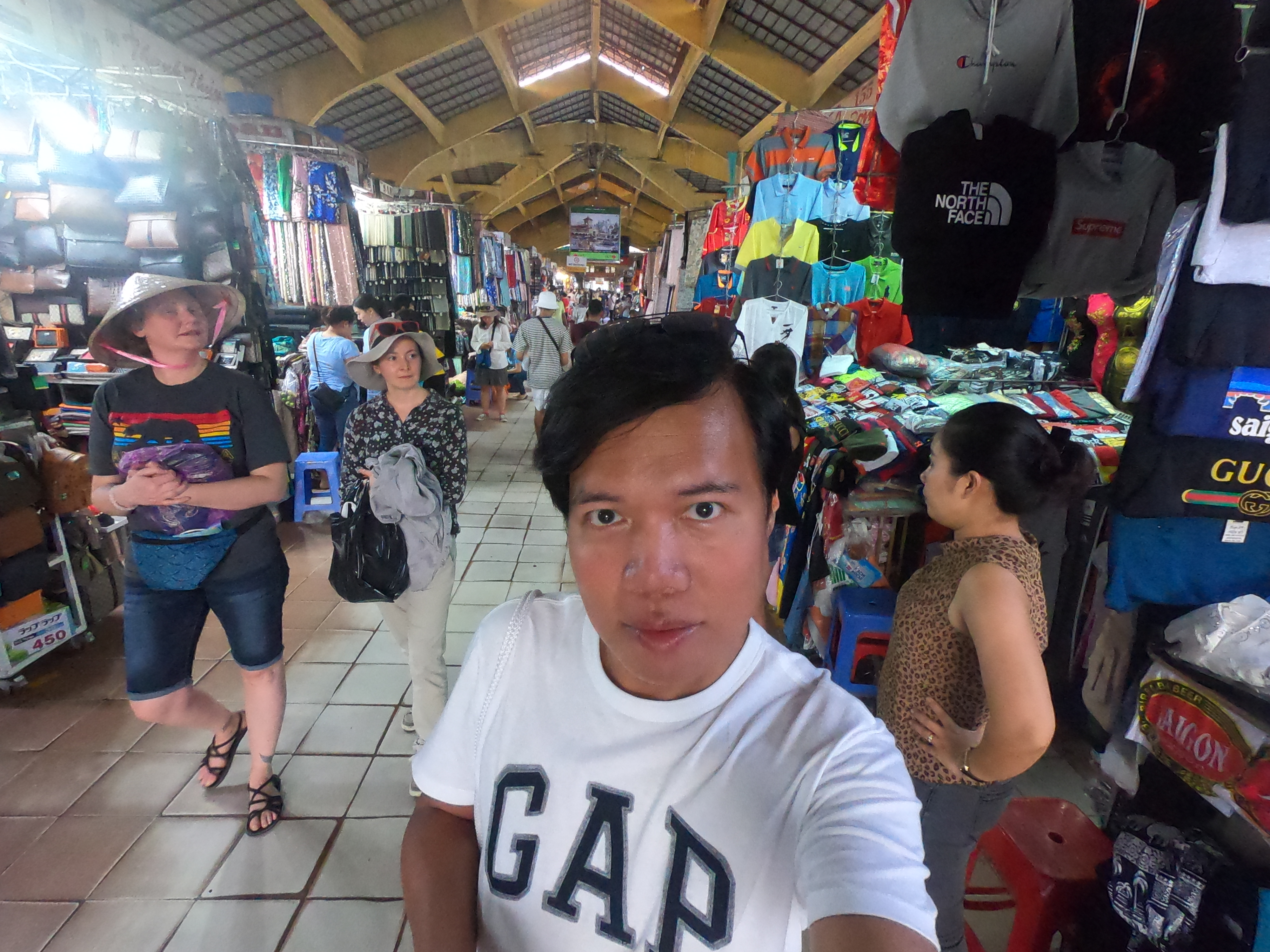
Ben Thanh Market

But before I get started on the bikes, I did see some of her tourist spots. First stop was Ben Thanh Market, apparently one of the must-see in Saigon. This one reminds me of the Grand Bazaar of Istanbul. Housed in a covered building, rows and rows of stalls selling all kinds of stuff (food, clothing, souvenirs, designer knock offs, coffee beans, etc.) that to a certain saturation point, it starts to feel like a monotony where you see the same stuff all over again (unlike Istanbul’s Grand Bazaar where there is so much variety like gold, jewelry, spices, carpets, art works, etc.). One thing to take note though is that even for a jaded traveler and bargain hunter and expert haggler, sometimes you can still get fooled by sweet talk and sad stories. In my case, this happened when I was eyeing a souvenir item where the seller was telling me about her day (that she hasn’t sold an item yet and has nothing to bring home to her family) and she’s selling the said souvenir at a discounted price. Though I was able to haggle for a much lower price, I realized a day later (after seeing the same item in another location) that I got ripped off. The price is lower in that location compared to what I thought was already a good price (so looks like she upped her retail price by 3x to make her discounted and the final price look like a good buy). Though travelers don’t have the luxury of time to shop for prices for a simple souvenir item, it is still worth being on your guard for vendors who use sad stories as sales talk and try to strike a chord or pull at heartstrings as sales strategy. I may be too naive to know that (in spite of all my travel and life experiences), being an empathic and generous person, but I know that I am still a work-in-progress, and have learned to quickly move on from the feeling of being a victim and just let karma takes its course.

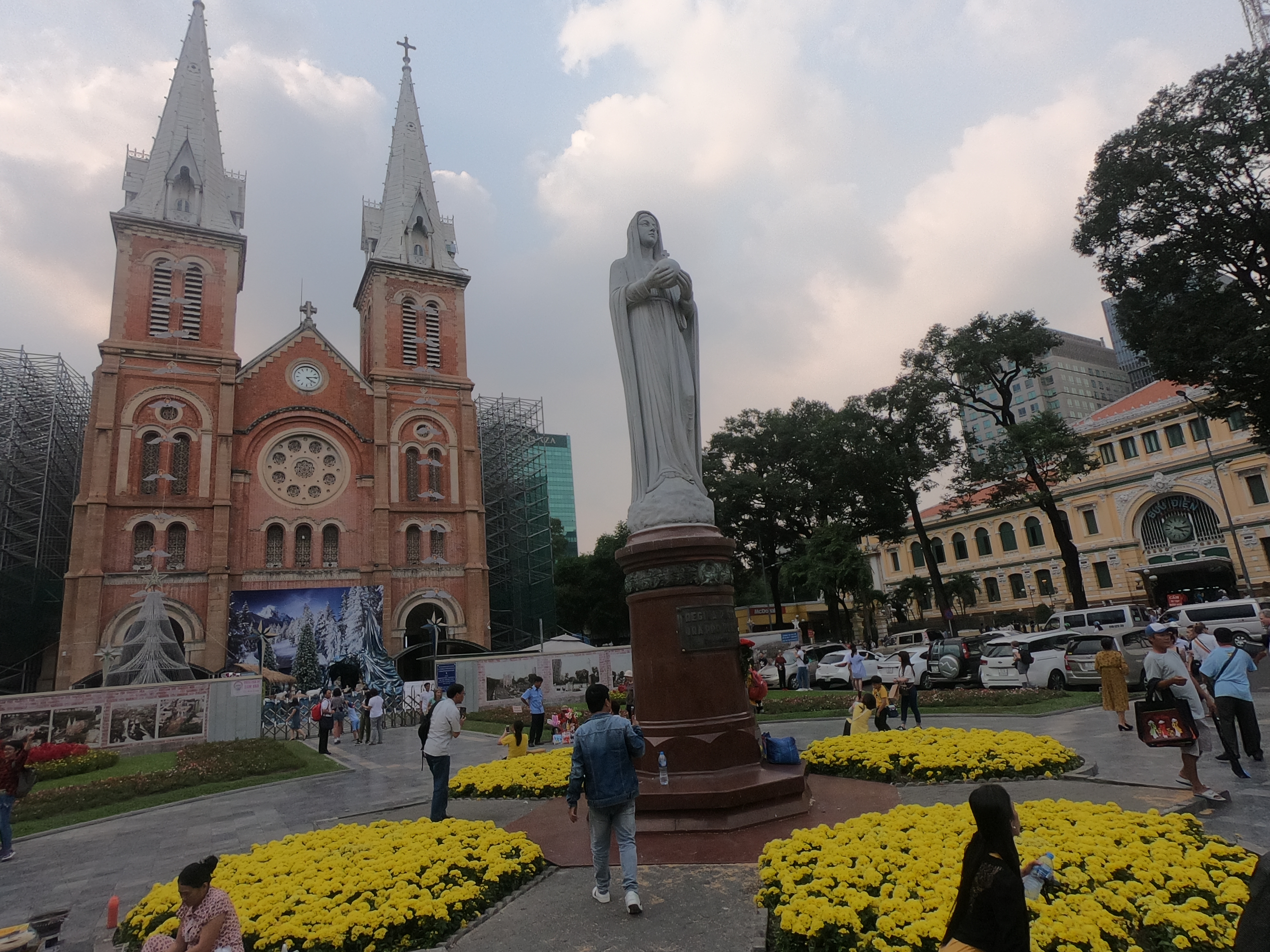
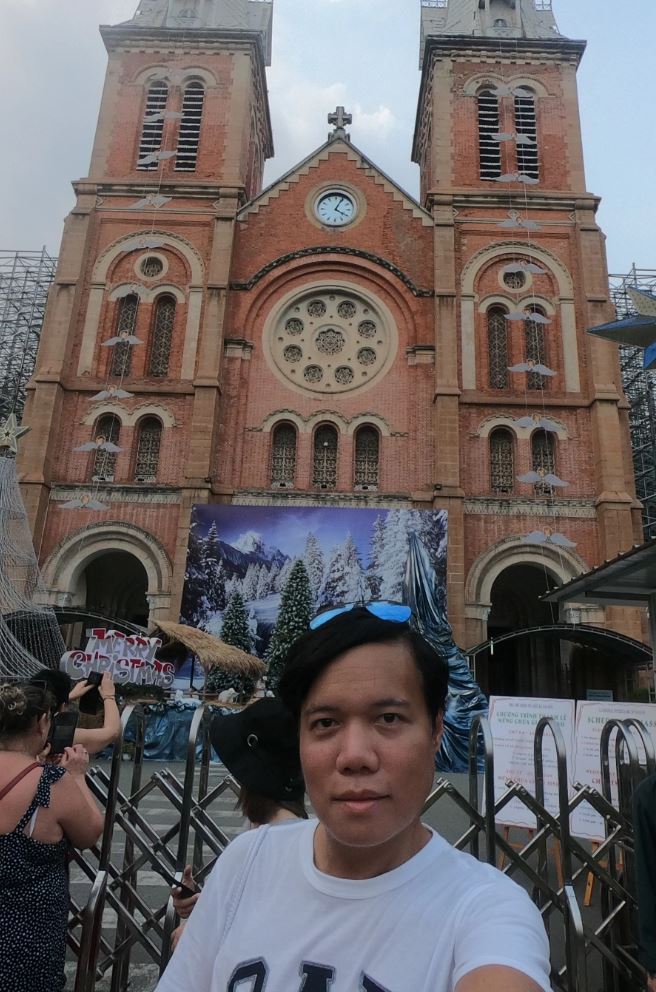
Notre Dame Cathedral (Saigon)

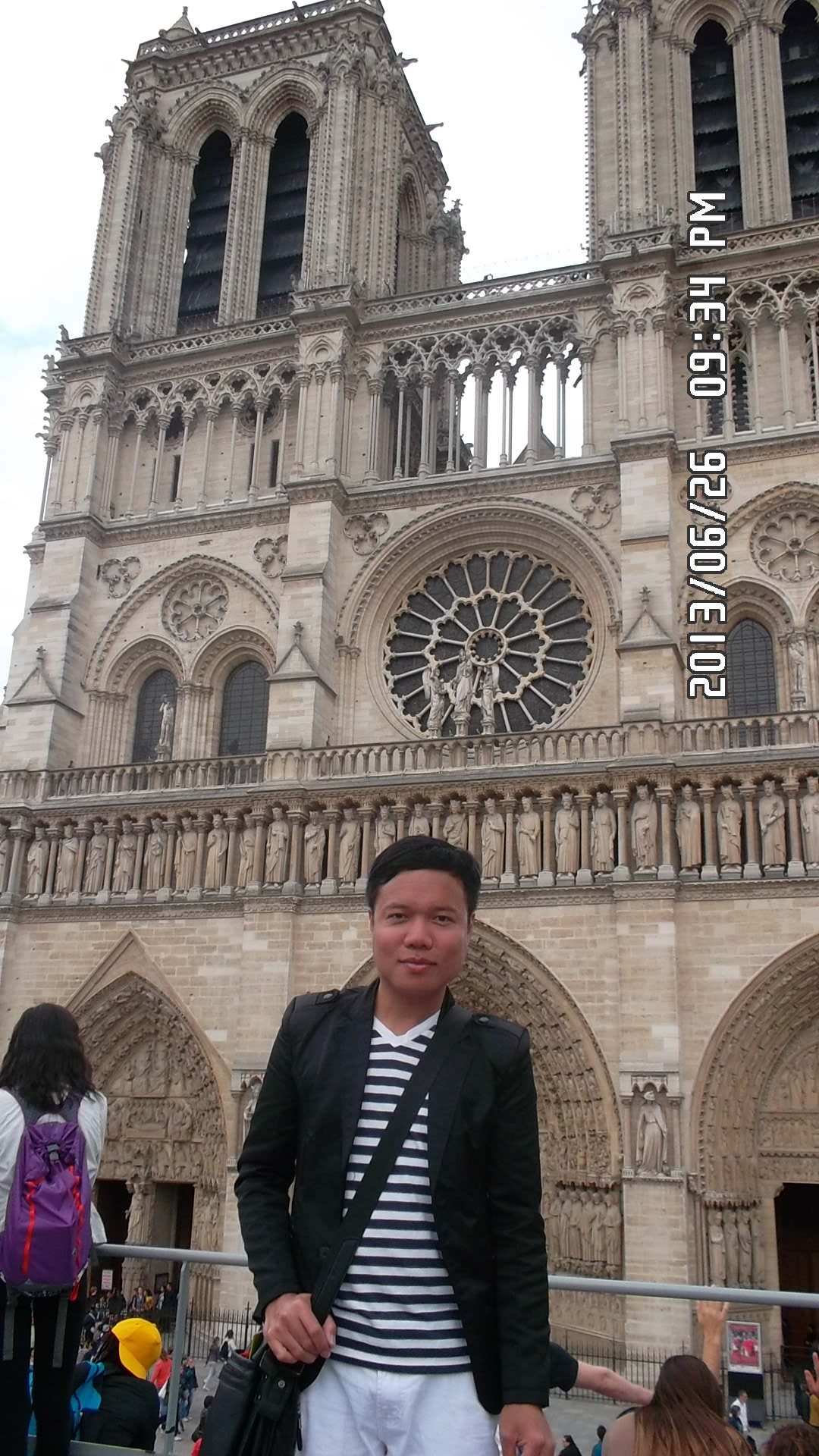
Next stop was Notre Dame Cathedral. Though I wasn’t expecting it to be grand, but still left me underwhelmed. I’ve seen her sister in Paris (before it got razed by fire last year), and she doesn’t come close in terms of beauty, character, and intricateness. Her European sister was very gothic, both exteriors and interiors, where you would even feel the eeriness inside (that’s how goth it was) while hers looks more like Spanish (like the cathedrals in my country) than French heritage. No one was allowed to go inside, so I cannot describe how it is or what’s in it, The gardens outside though are nice, which remind me of the gardens in between Hagia Sophia and the Blue Mosque in Istanbul.

A tale of two cathedrals: (left) Notre Dame Cathedral Saigon; (right) Notre Dame Cathedral Paris

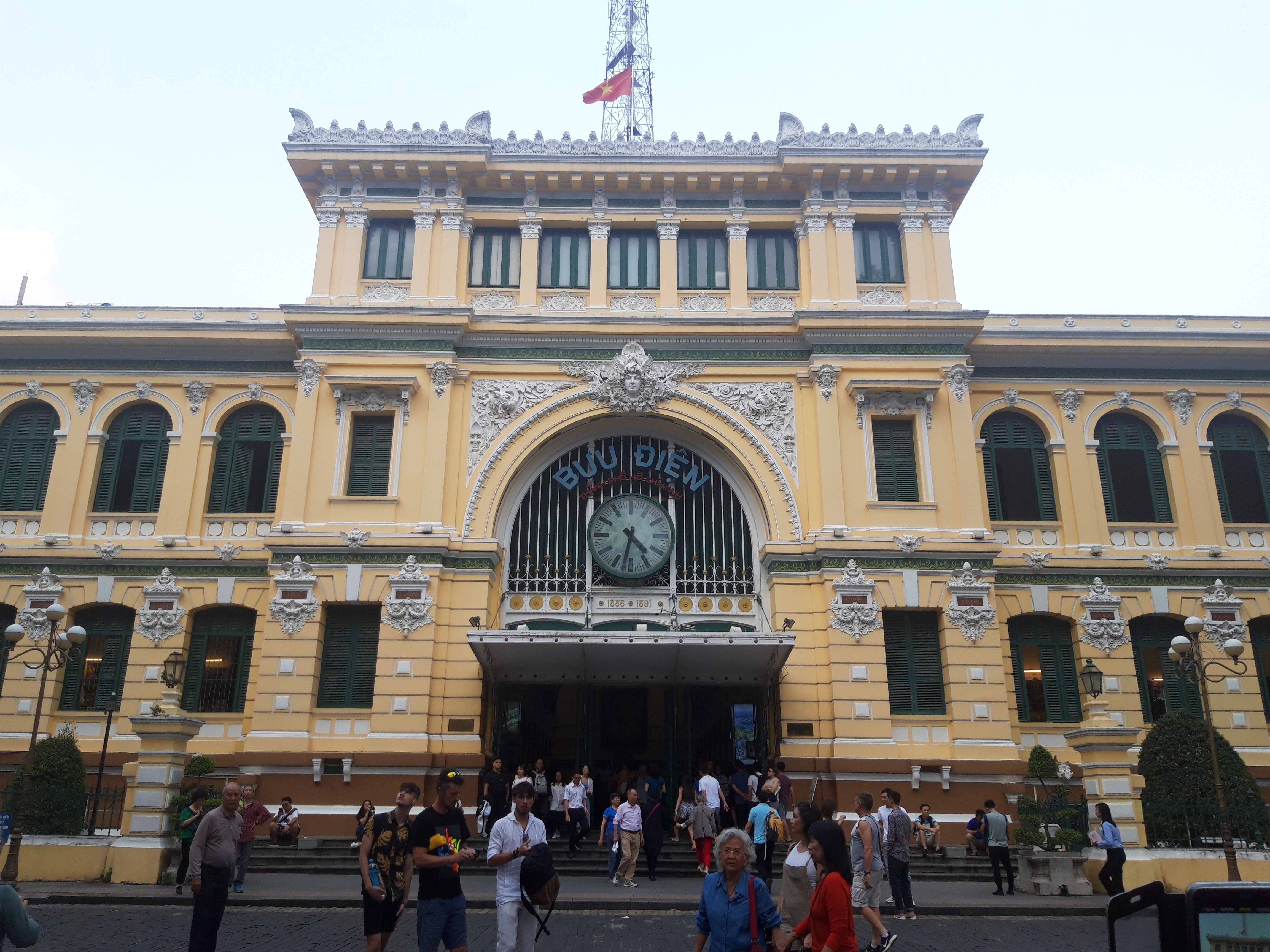
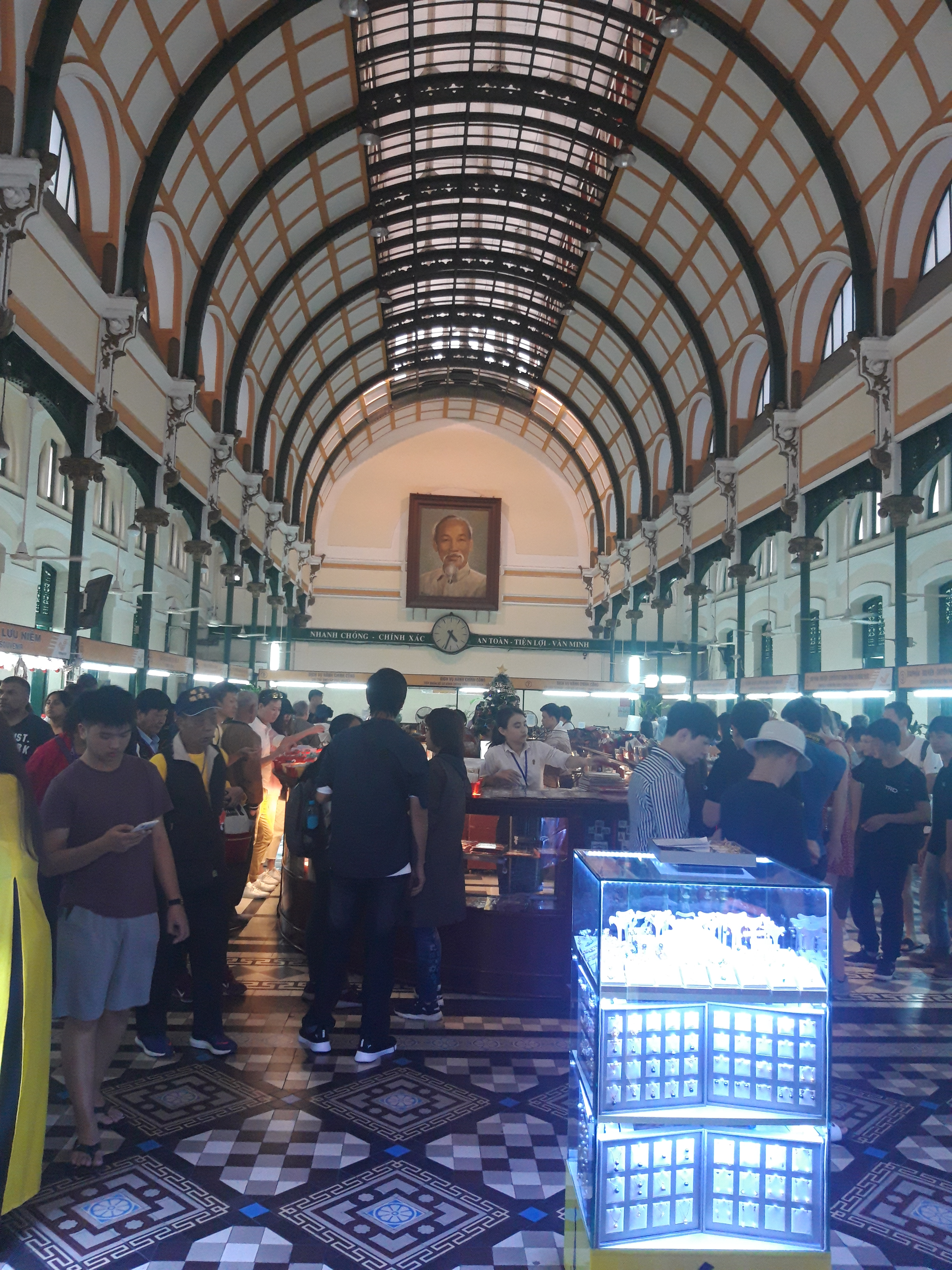
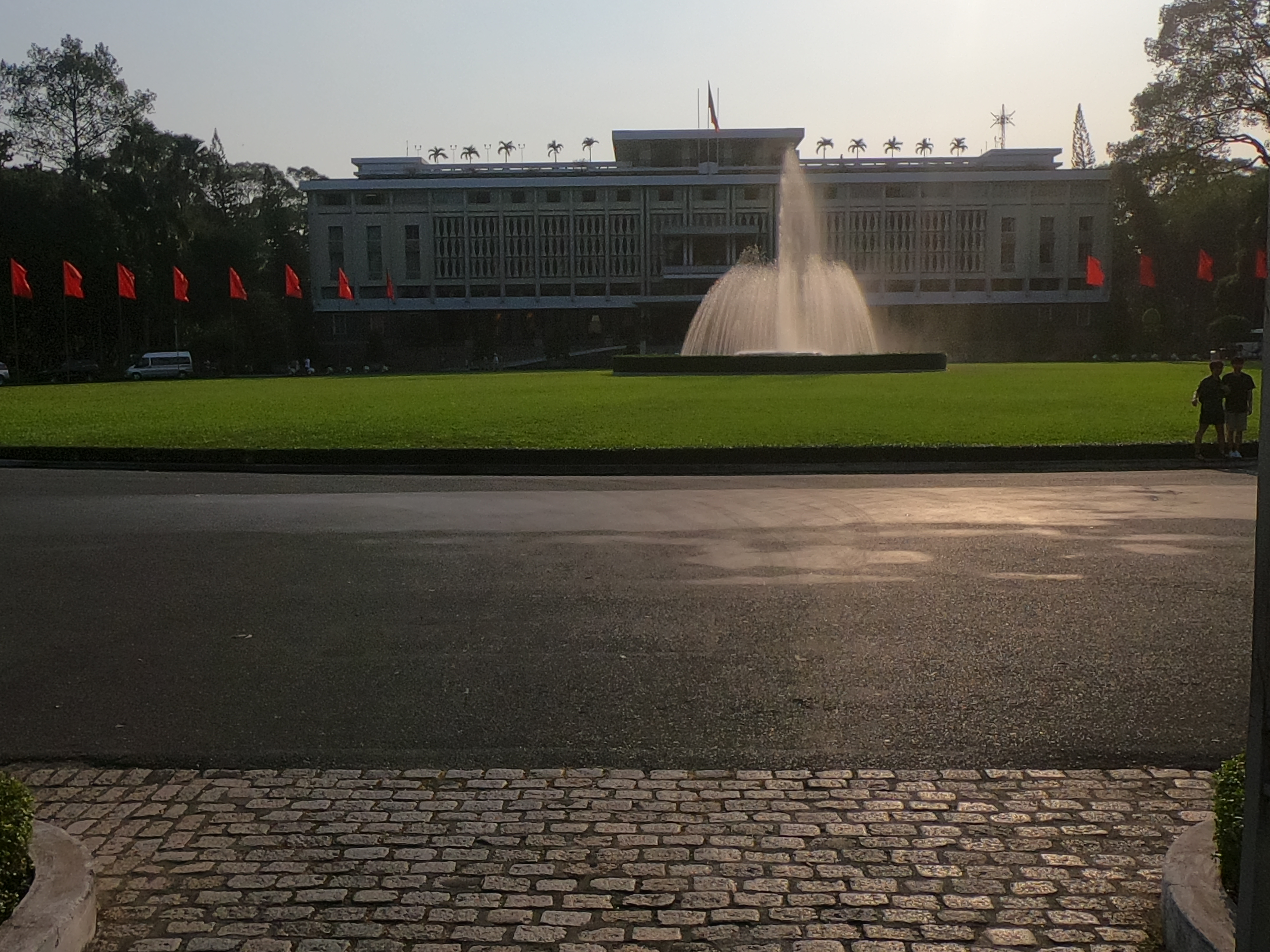
Right across the cathedral is the old postal office building where the main attraction is the facade of the building. Nothing spectacular, just another French architectural heritage for you to admire. Inside, it is now full of stalls and kiosks selling all kinds of stuff (like a smaller version of Ben Thanh Market and this is where I found that same souvenir item at a lower price). Another tourist spot is the Independence Palace, which is on the other side of the large park across the cathedral. The architecture is of modern design (like that of the 70s/80s) but I didn’t check out what’s inside (there’s an entrance fee and I wasn’t really in the mood to be reminded of how dreadful wars are). Around the area are nice cafes and restaurants to hang out (particularly on the sides of the large park) and her two biggest malls (Vincom Center and Saigon Centre) are just a few minutes walk away.

Old Central Post Office (Saigon)

You can actually see all these in one day by just walking. You can start from Ben Thanh Market, then walk towards Saigon Center. From there, you can walk to the Independence Palace. You can take a quick detour to Vincom Center, then back to the Palace and have a leisurely walk across the park to get to both Notre Dame Cathedral and the old postal office. So you think that if I’ve known better, I would do all these in one day by walking? Hell no! This is where I get started on the bikes.

Independence Palace (Saigon)

Simply put, there are just too many bikes. They take up every iota of space available including the sidewalks. The worst part is that no one seems to follow road courtesy. I’m not even sure if there are any road safety regulations. In other words, there is just no discipline. You try to cross the street when the pedestrian green light is on, yet you’ll still be cut off by bikes. Some are even counter flowing. The sidewalks are different battlefields (or more like minefields). Here, there are no road lanes and traffic lights (it’s a sidewalk for Pete’s sake) so in their minds, it’s free for all. No rules. Everything’s fair game. I love to walk while exploring a new place, but I’ve never been so scared walking in all my travels.

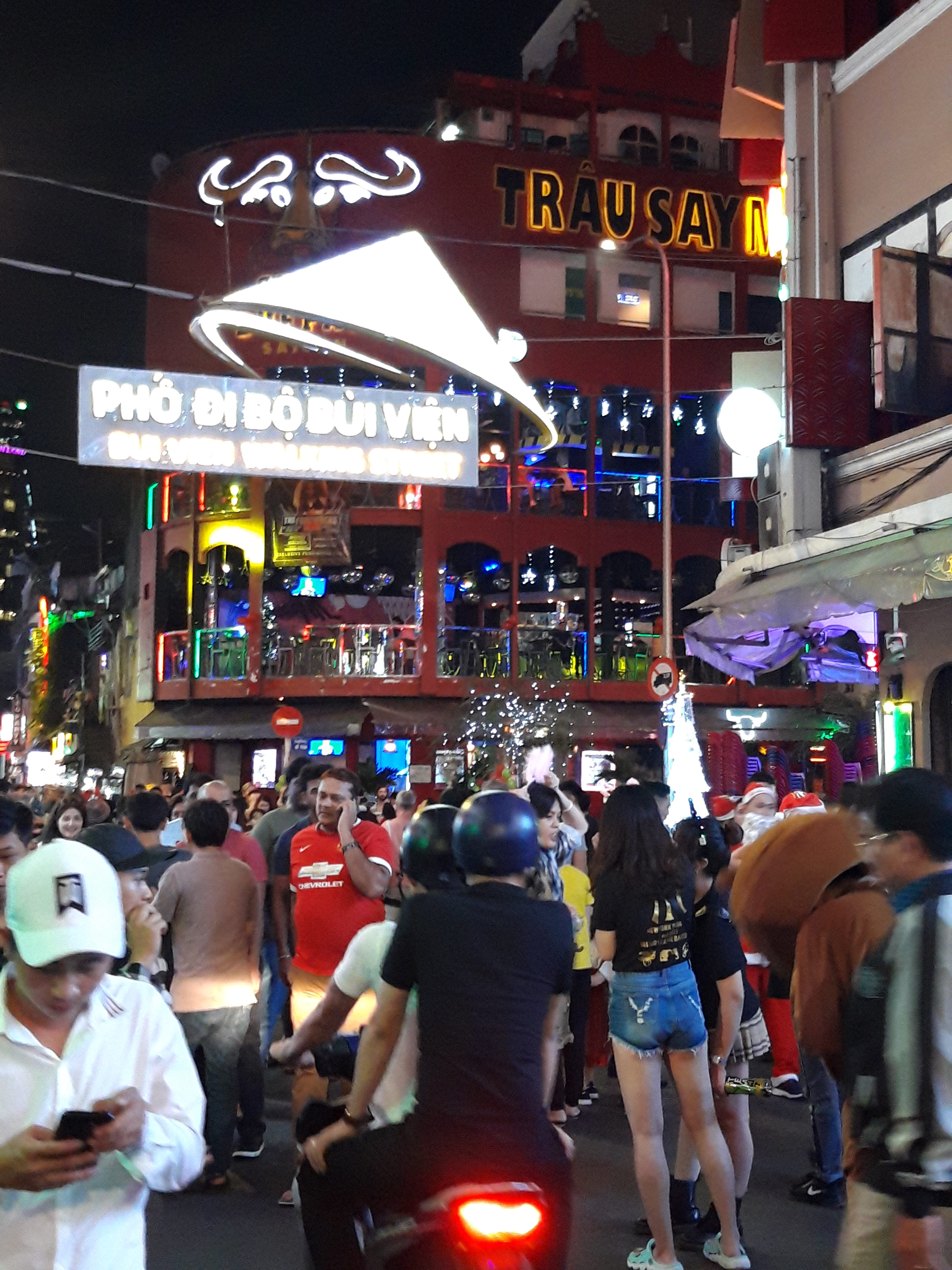
Walking Street (Saigon). Even this street is not spared by bikes (right).

No wonder I don’t see many locals walking (it’s normally just tourists you see walking). Every local seems to own a bike. Saigon is a good place to walk, but because of the sheer number of bikes on the road, for me it’s one of the most dangerous places for walking. If you dare to walk, you need to further expand your peripheral vision (more than 180 degrees if possible). Coz you’ll know exactly what will hit you. Even the so-called Walking Street is not spared. Unlike its namesake in Pattaya, half of the stretch here is still used by bikes. So it’s pretty ironic that it’s called “walking” street, when you won’t expect that it’s gonna be bike free (as ironic as side “walk”).

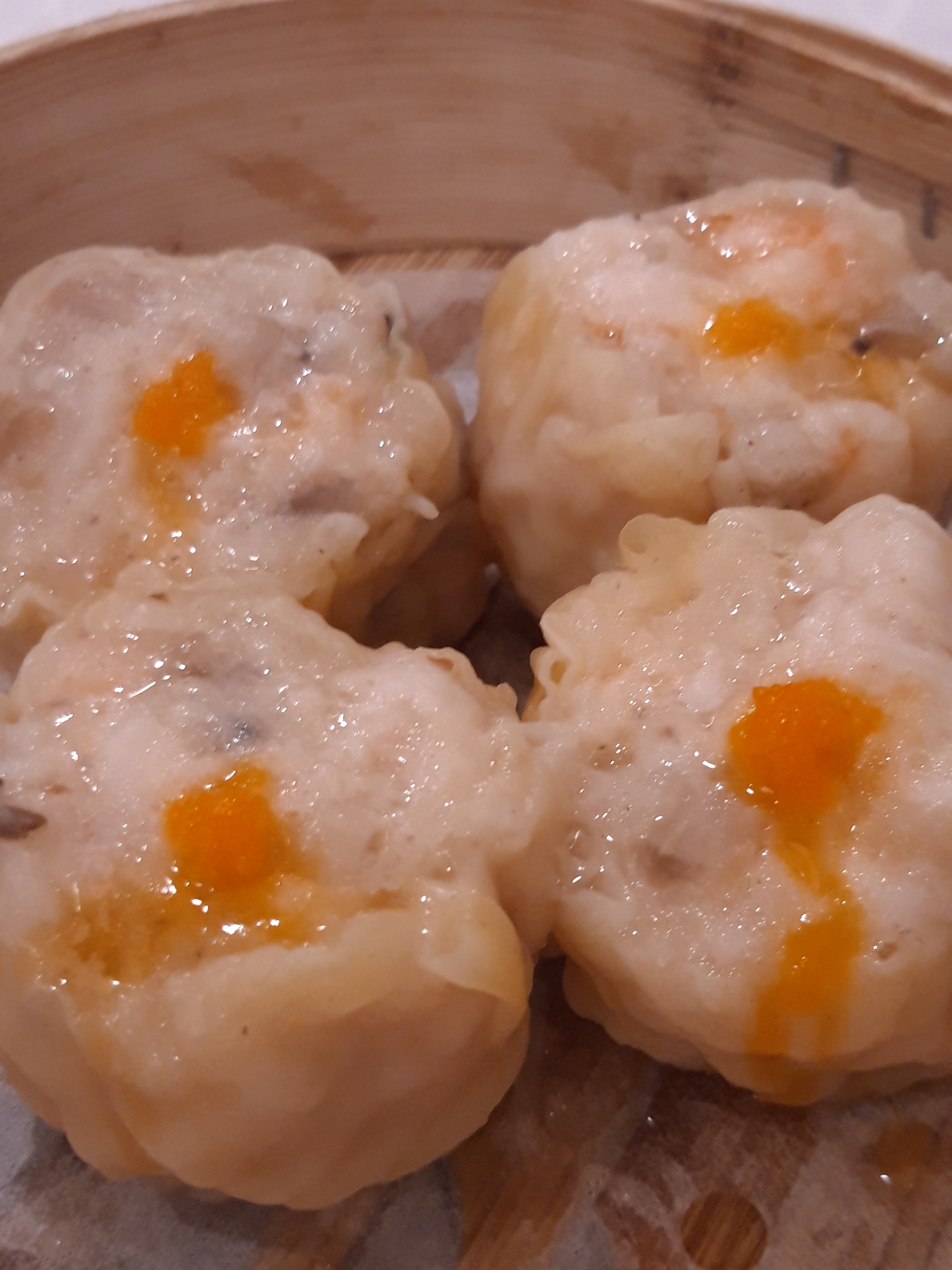
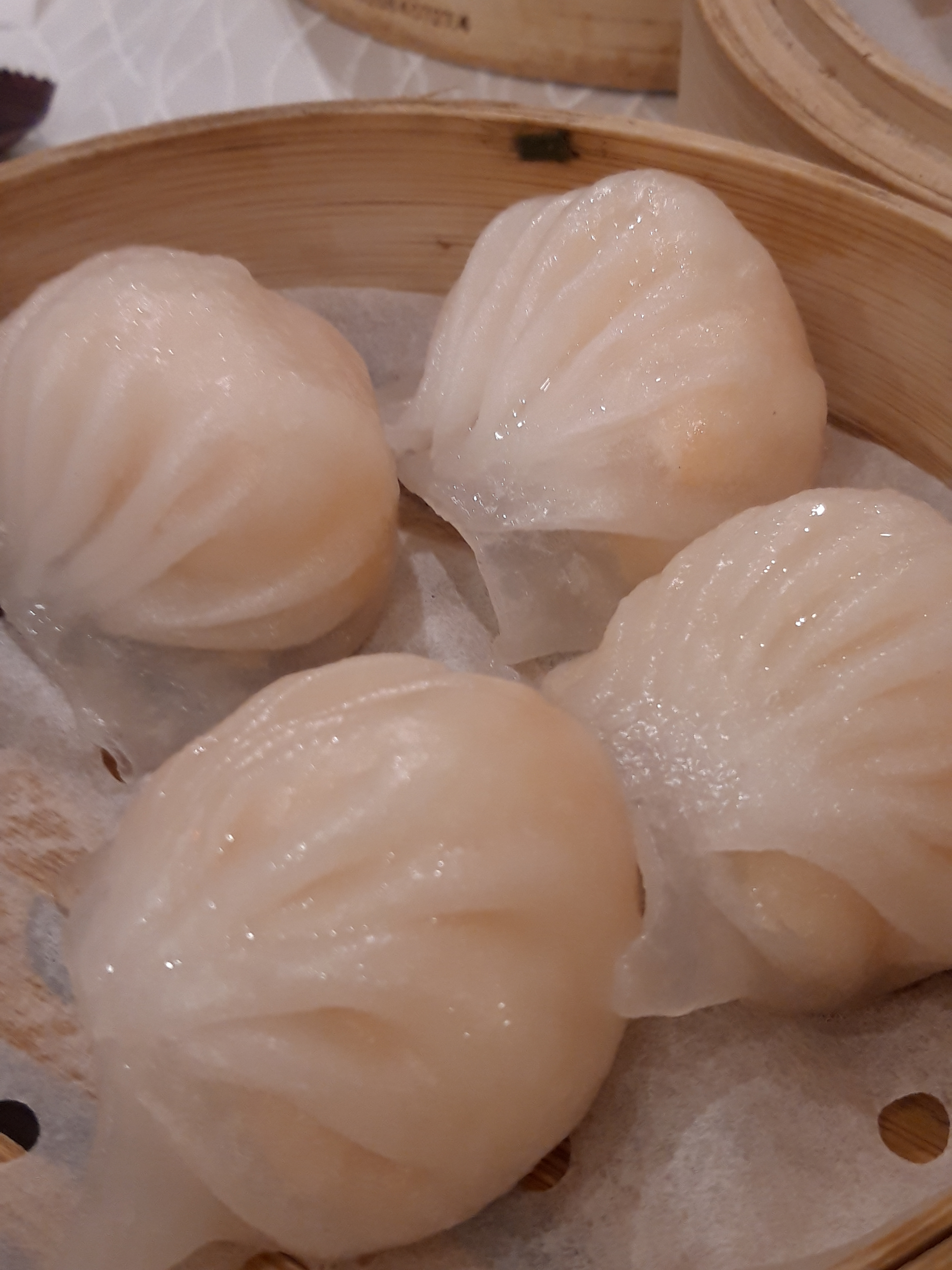
Dining at two of my fave restos in Saigon: Dim Tu Tac & Crystal Jade Kitchen (Saigon Centre)

So how did I get by while I was there? I took the Grab (Southeast Asia’s version of Uber) most of the time. It’s not expensive (normally a dollar from my hotel to Saigon Centre during off peaks). I would take Grab even for short distances (which I would normally walk under different circumstances). I would rather pay for a ride than risk walking. That’s how much I value my life.

Would I go back to Saigon? Nah. Probably not. It’s Manila, only on bikes! I just hope Manila doesn’t evolve into another Saigon. A daunting prospect that actually gives me the chills.

Enjoying the rooftop view with my fave cocktail (Rooftop Bar, Pullman Saigon Centre)

The Contrasting Colors of Tokyo and Kyoto – Part 2 of 2

Travel Buzz

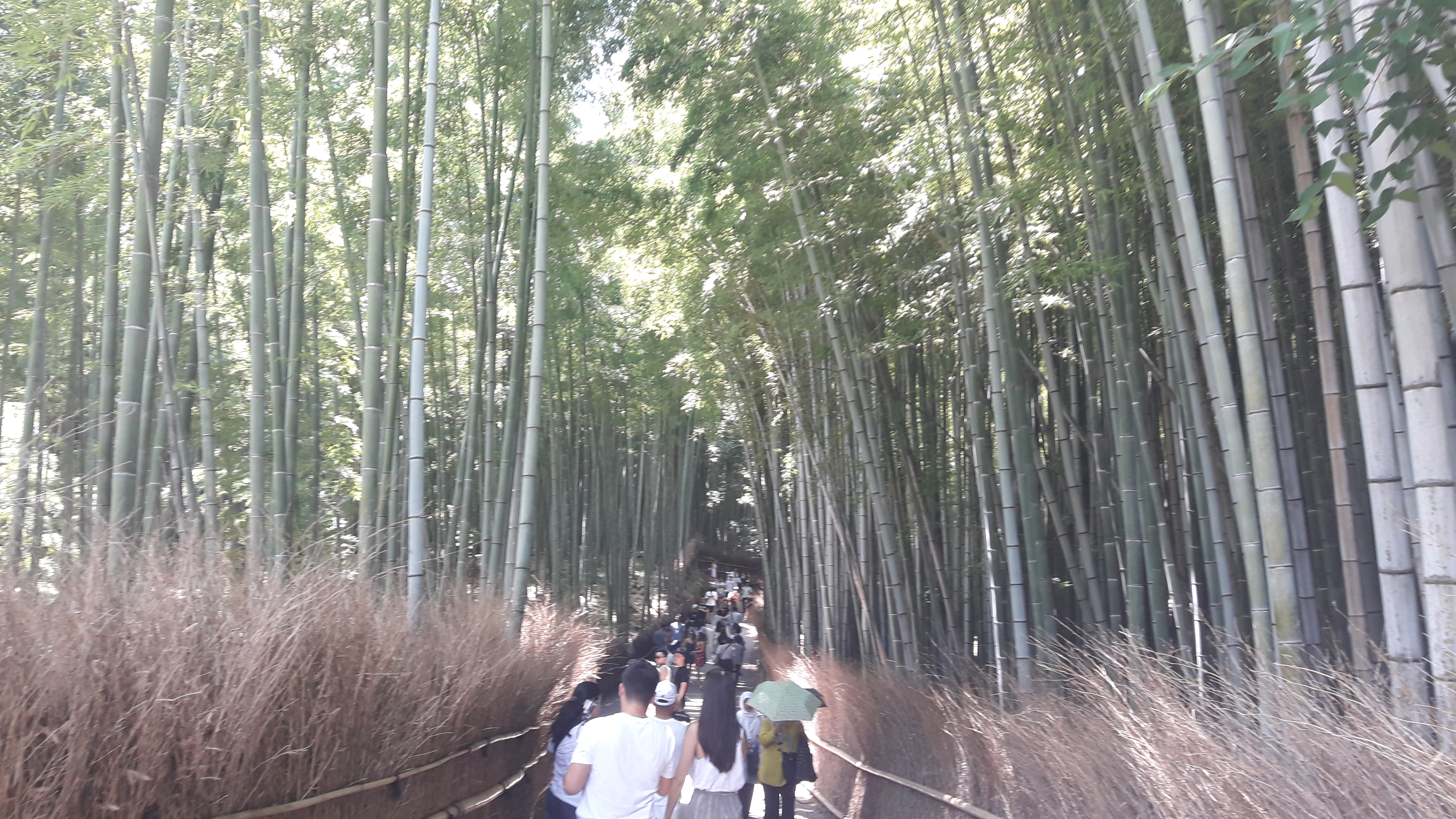
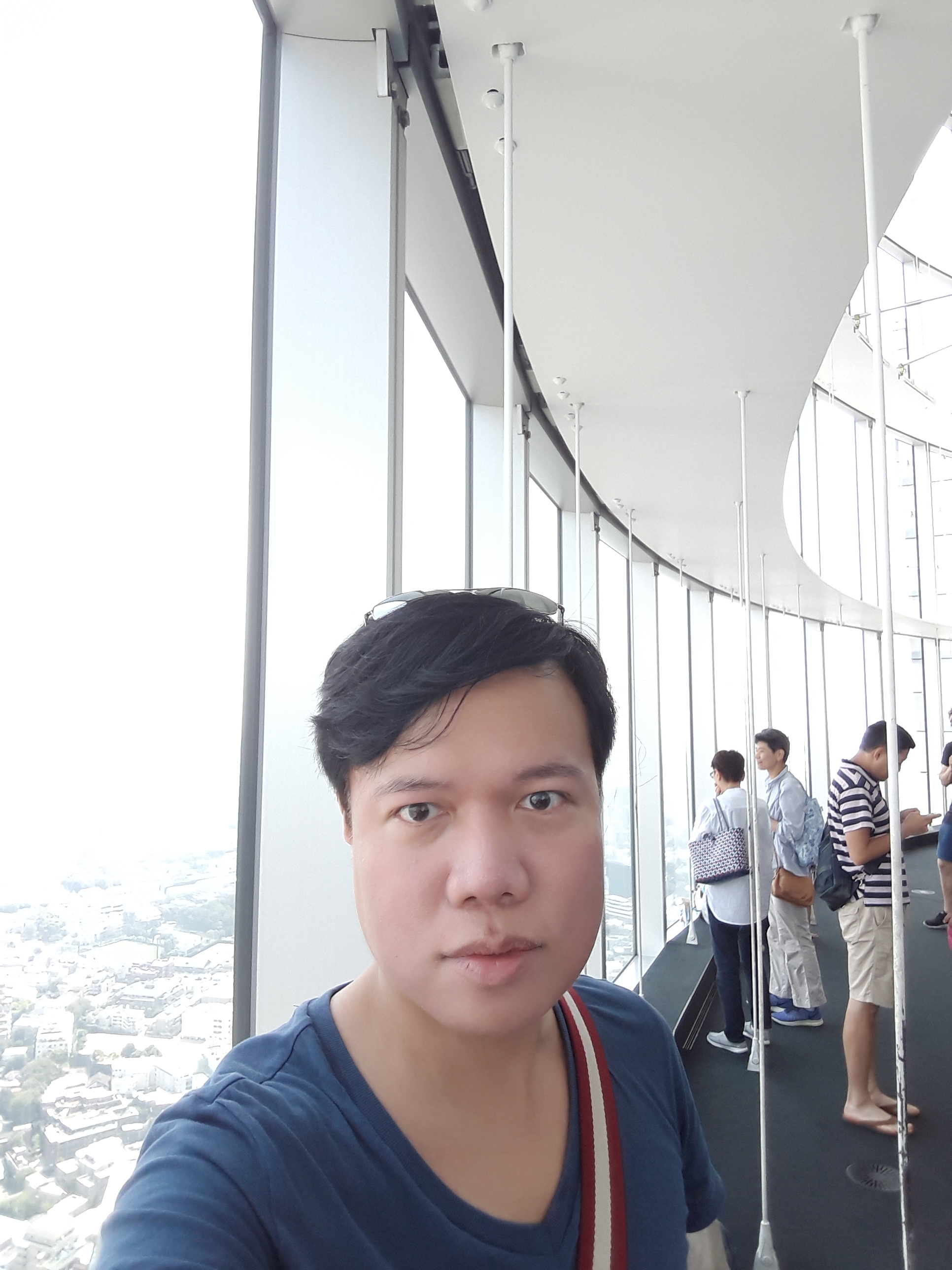
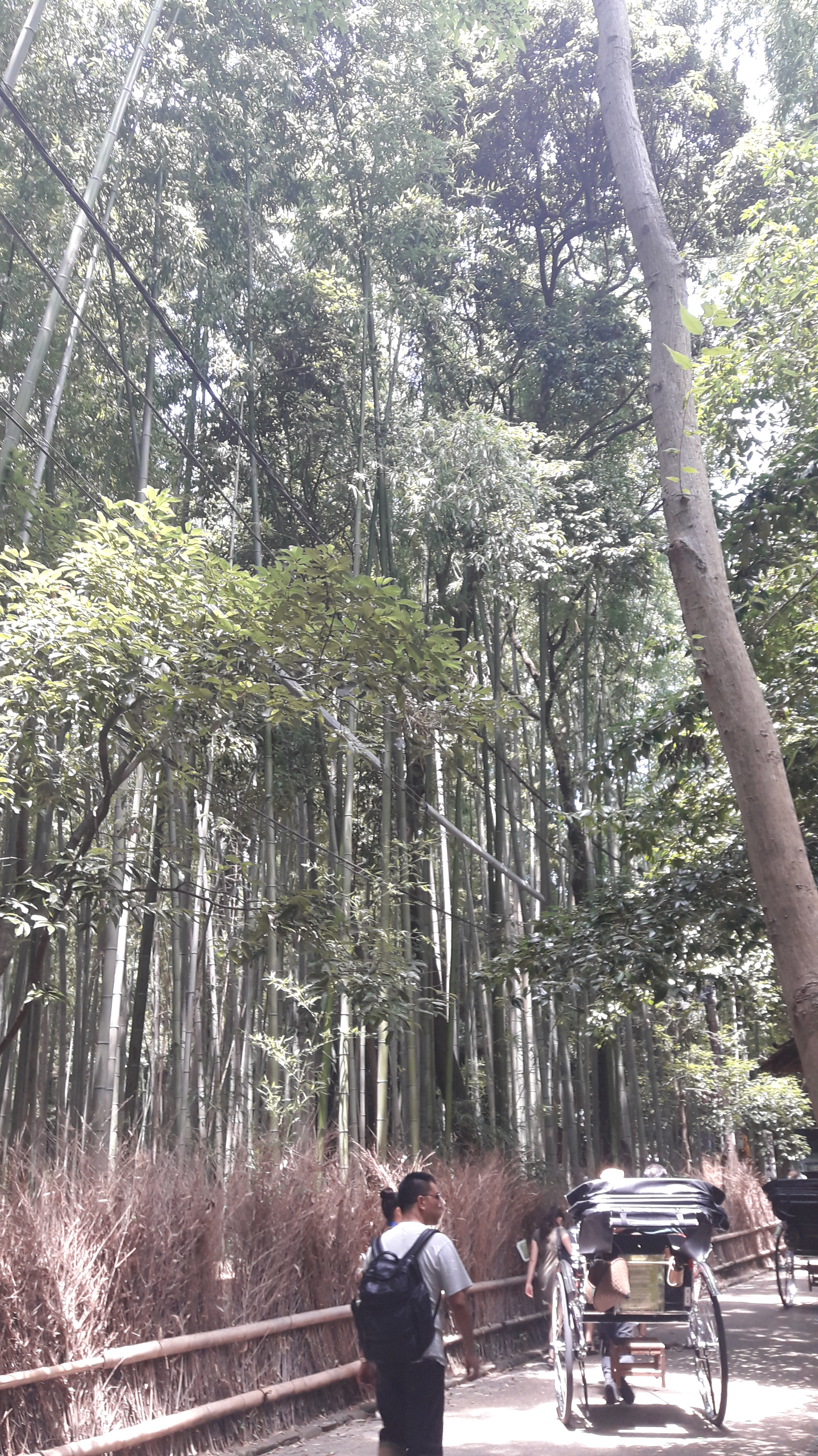
(Left) Arashiyama Bamboo Grove; (Right) Tokyo Skytree viewing deck

In the first part of this article, I mentioned that my sister, brother-in-law, and I are going to Japan in December. After my surgery a few weeks ago (see article “MLNRD at St. Luke’s Medical Center-Global City: The Good, The Bad, and The Ugly”), we have decided to cancel the trip (we actually have tickets already which we bought when China Airlines had a promo a couple of months ago where we got business class tickets for only $800). We thought that it would be winter in Japan this time of the year and winter clothes would require big luggages and given that I cannot lift and carry anything more than 15% of my weight post surgery, we decided to go next year instead. I’m planning to go now to a sunny destination (where all I have to bring are a few shirts, shorts, tanning lotion, slippers, and swimwear) and I’m thinking Thailand and Vietnam. Now that Japan is off the table, let me pick up where I left off in the last article.

Kyoto

Gion District (Kyoto)

From Tokyo, I took the train to Kyoto using my JR pass that I mentioned in the first part of this article. The pass is not a ticket itself, so you have to go to the nearest JR office to avail a reserved ticket by presenting your JR pass. It took about 3 hours to get to Kyoto using the Shinkansen or bullet trains. While in transit, I got a call thru Viber from Manila HR office that I was scheduled for a final interview for a new role that I was interested in. Before embarking on this trip, I have already hurdled a series of interviews with interviewers from the different Asia Pacific hubs and the final interview would be with the director from the US office. I told HR that I’ll be back in the office the week after so I can take the interview there. However, the director was in London that time and wants to conduct the interview London time (which is more convenient for these two time zones) so he wanted to do it the following day before flying back to the US. So I gave HR my Kyoto hotel number so that the director can call me there in the afternoon (5PM Kyoto or 8AM London).

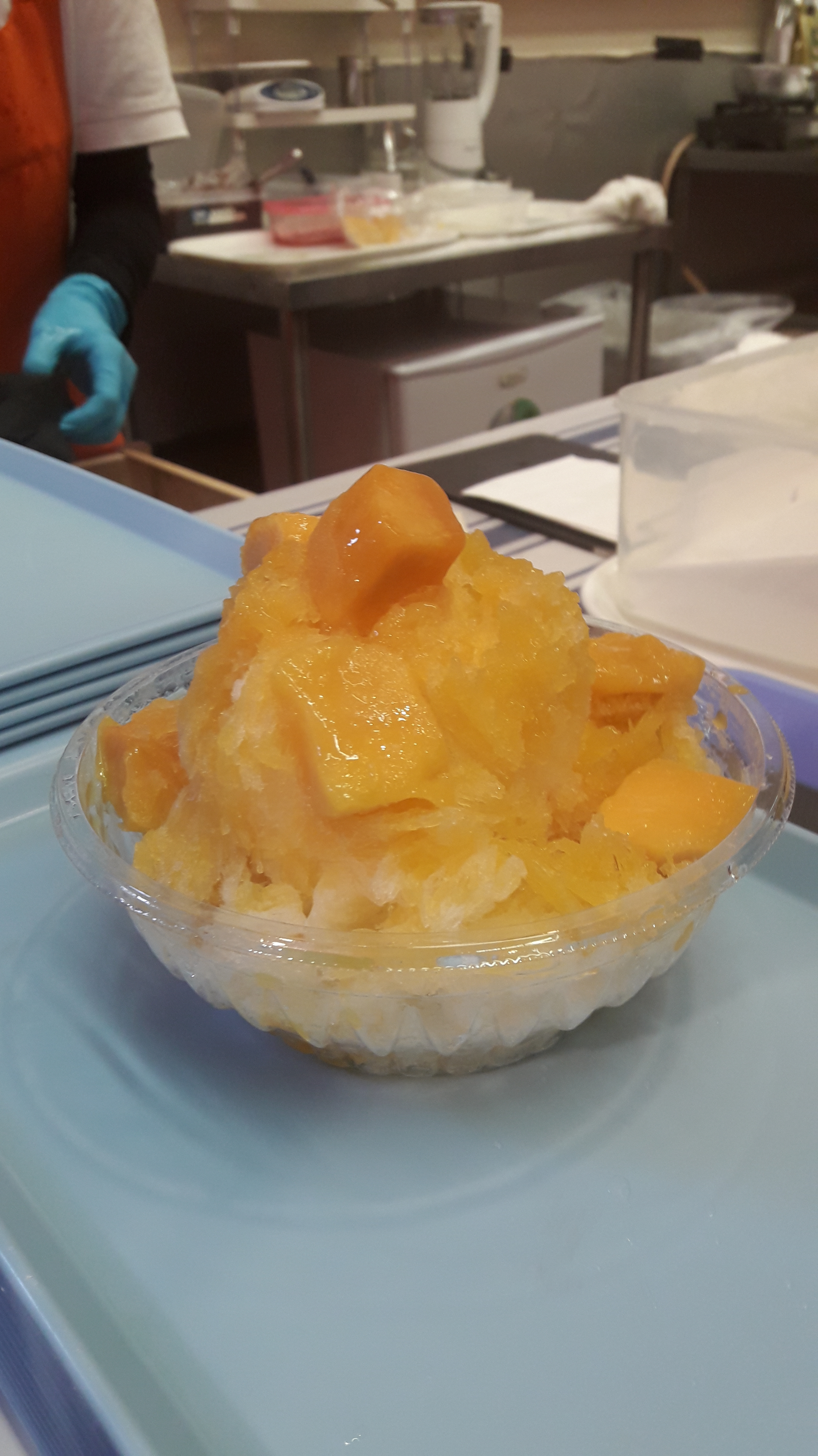
Japanese frozen treats: Lady Borden ice cream (left) and shaved ice topped with fresh ripe mangoes (right)

I checked in later that afternoon at Ibis Styles Kyoto using my Le Club Accor. I already have an itinerary in my mind so I decided to see the Kinkakuji Temple or the Golden Pavilion which is considered as one of Japan’s most beautiful temples. Unfortunately, it was already closed for the day (they close early, I reckon 5PM) so I ended up exploring the surrounding gardens and had a frozen treat after (Lady Borden ice cream by Lotte Co Ltd, apparently the market leader in Japan for ice cream and frozen desserts) which was just what I needed under the summer heat. Japan loves its ice cream especially during summer months (and winter as well) so it’s not surprising to see vending machines at tourist spots, including temples, carrying frozen treats.

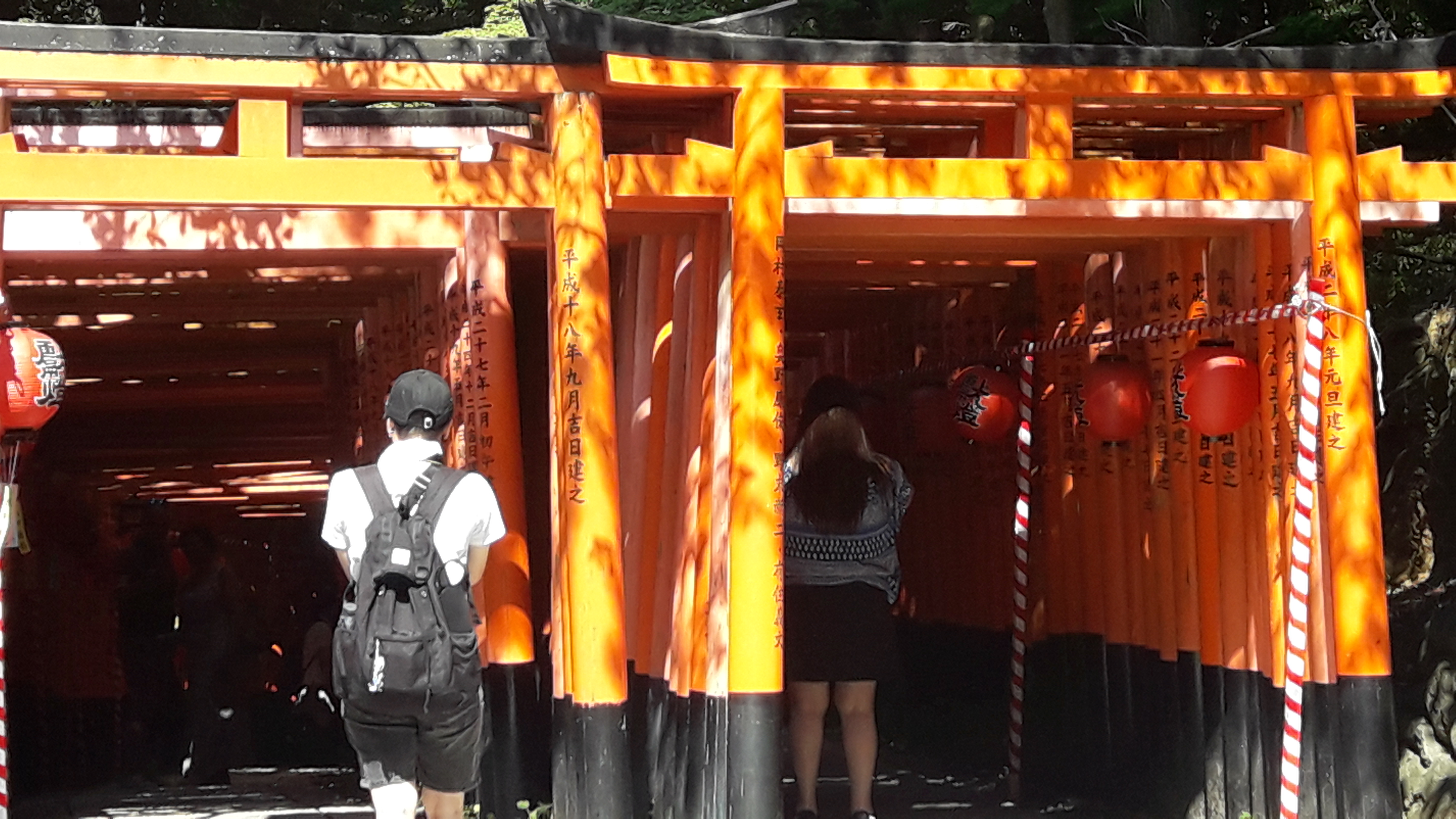
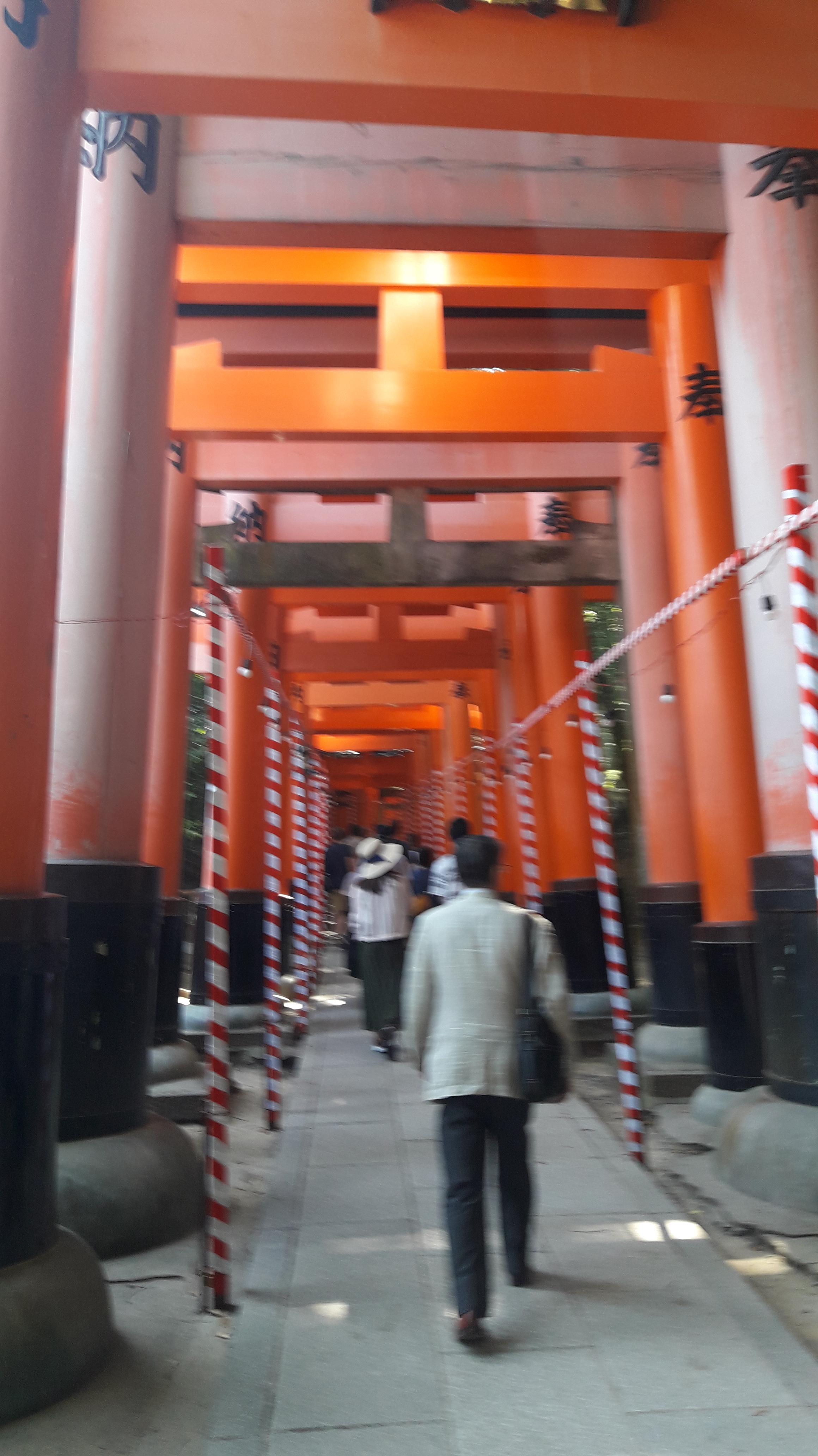
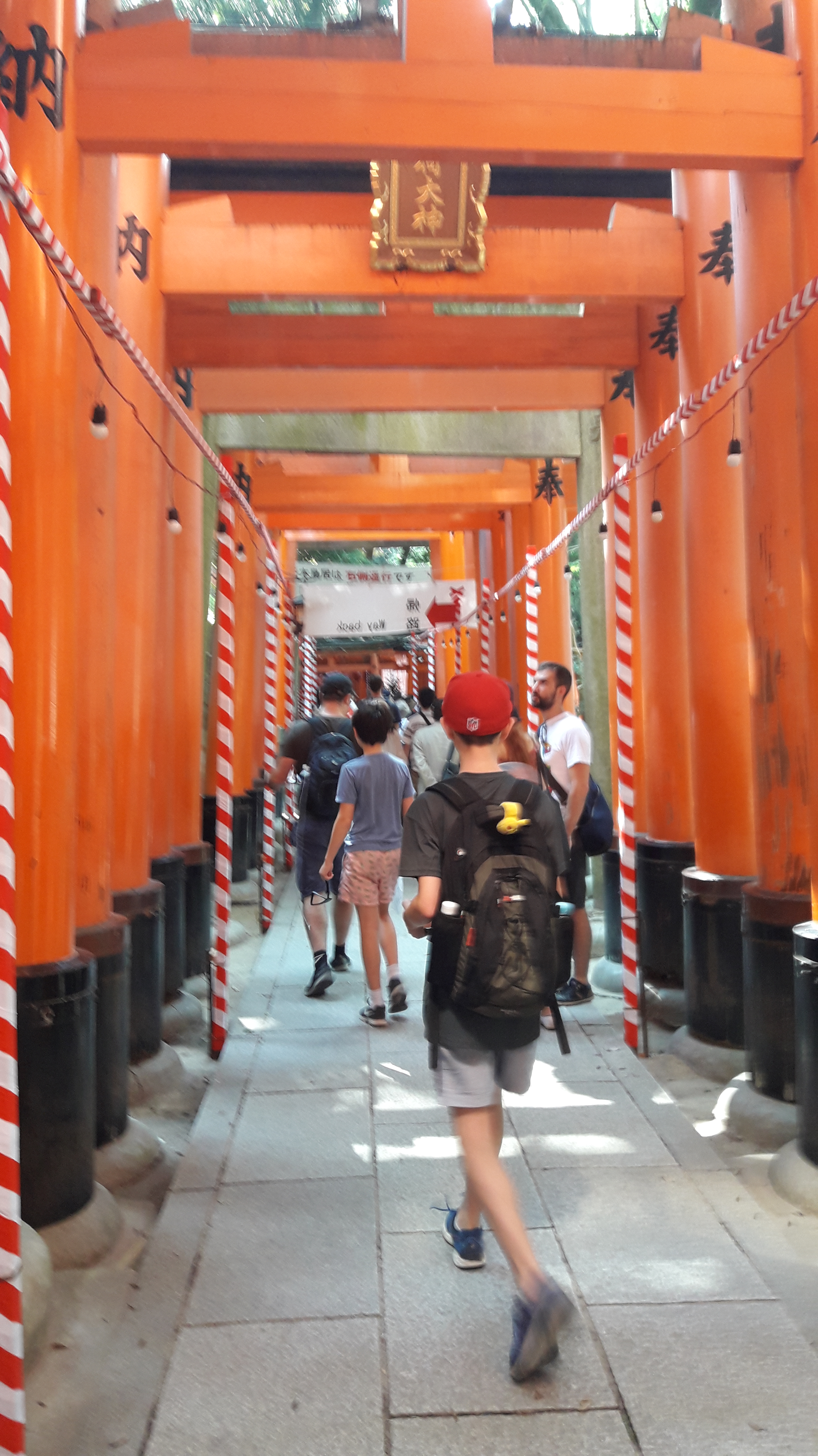
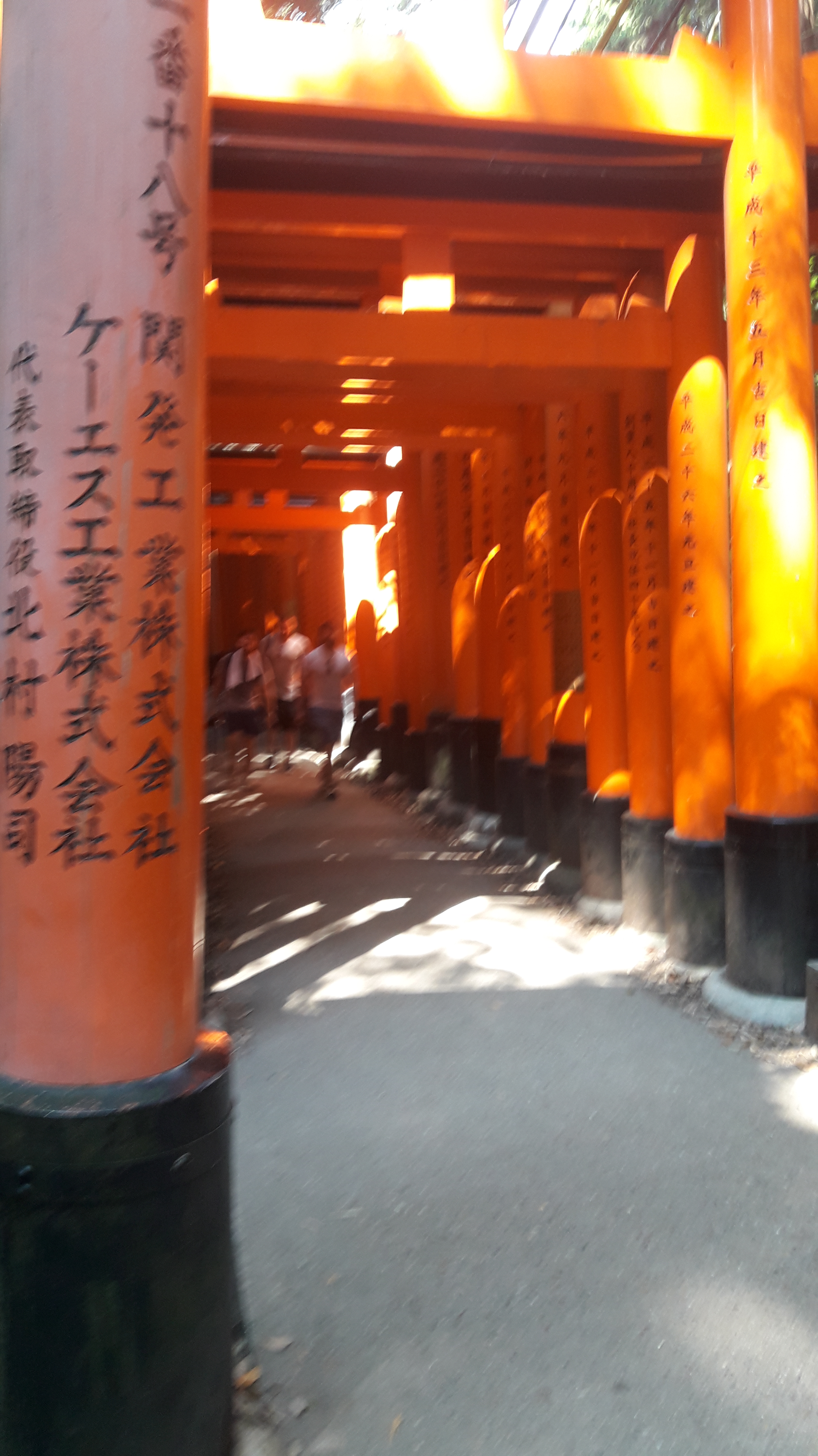
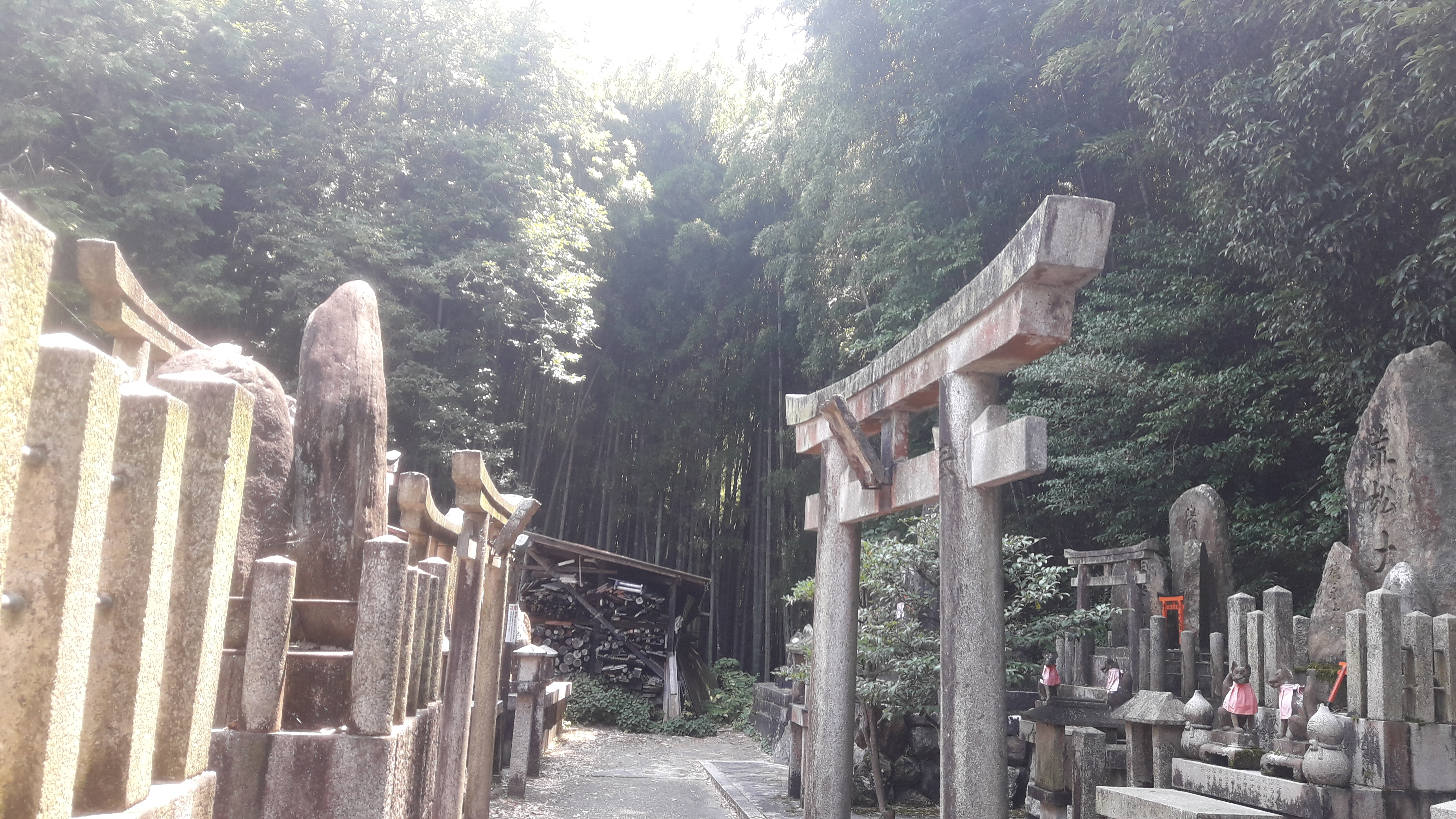
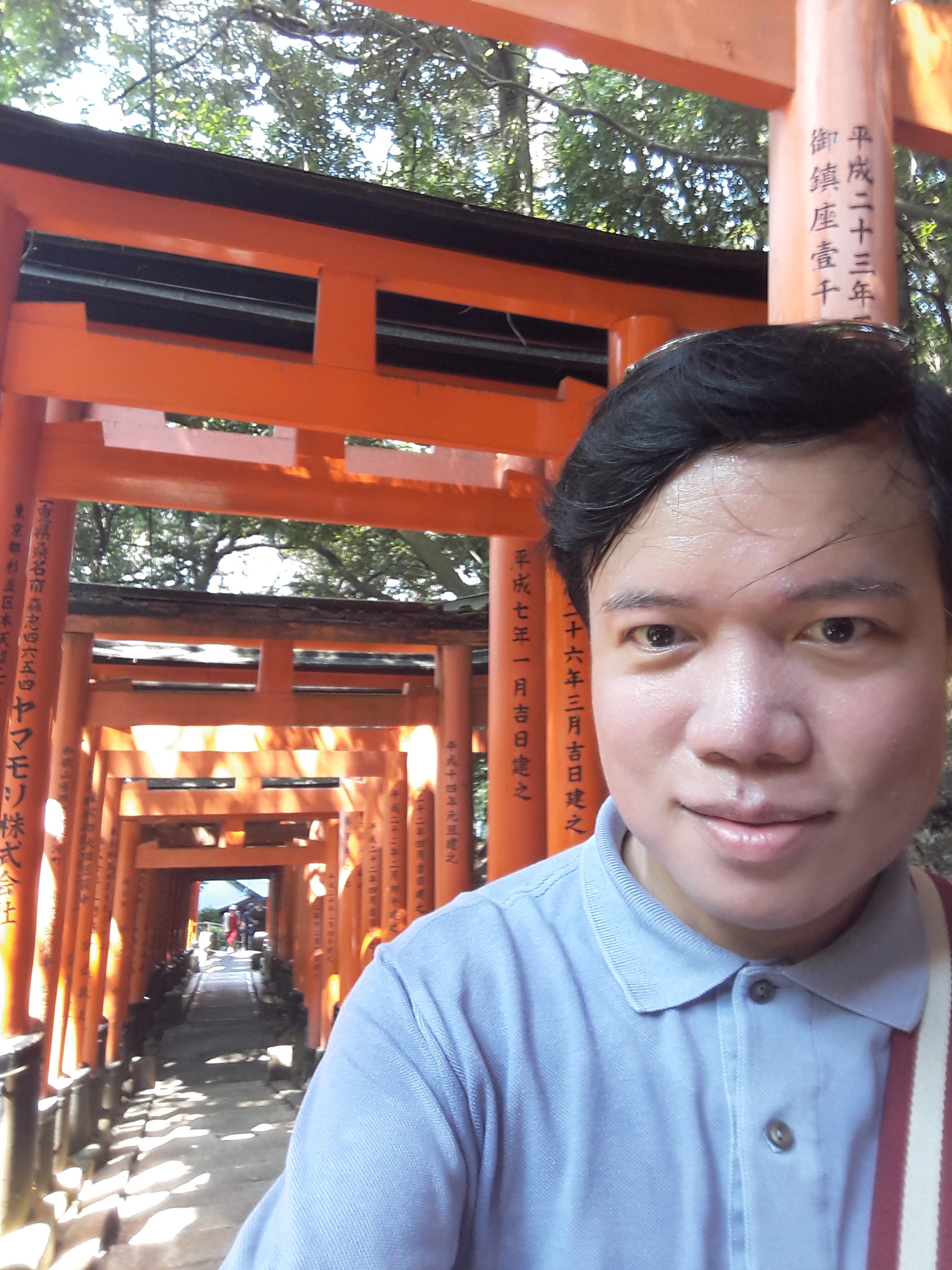
Mt. Inari footpath (Fushimi-Inari)

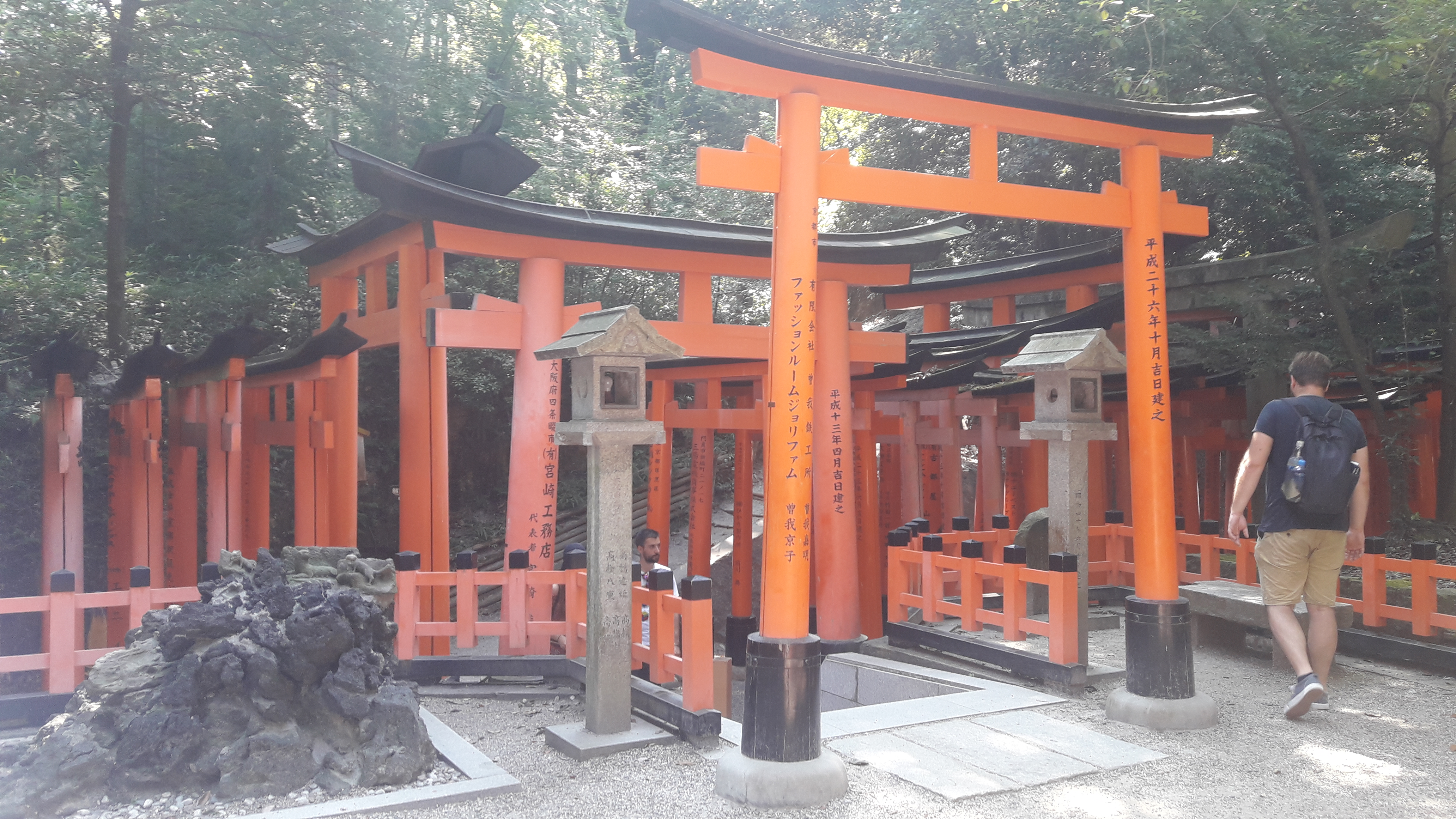
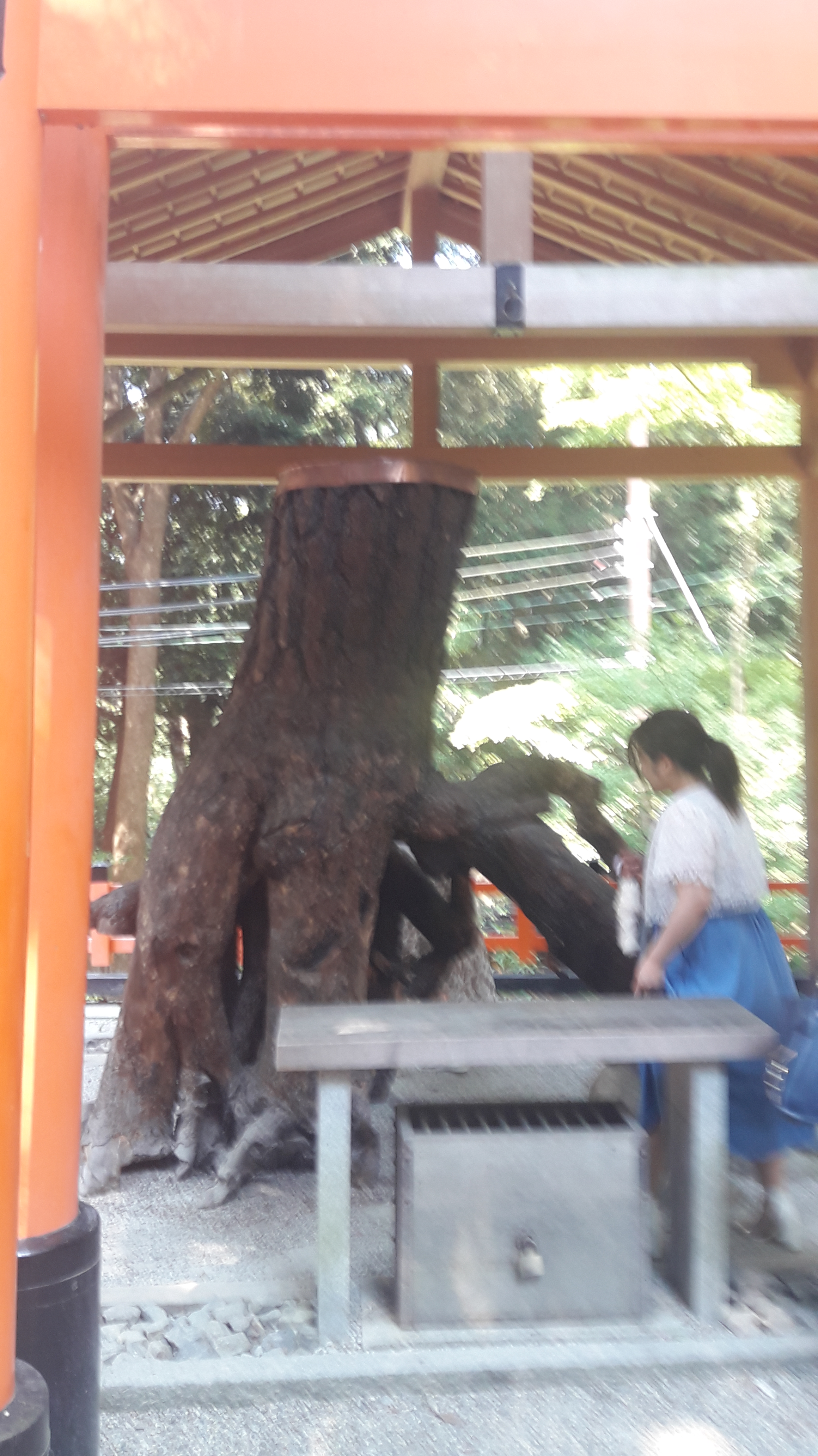
There were two things that I was looking forward to in this leg of the trip. The iconic Mt. Inari (Fushimi-Inari) footpath and Kobe beef. So the next day, I decided to see Mt. Inari and know more about this popular spot. Folklore has it that this place enshrines the god Inari, who is revered as the god of the rice harvest, commerce, and business. A fox symbolizes the messenger of the god, so you will encounter shrines along the footpath that have statues of foxes. I even bought souvenirs (fox tokens) in one of the shrines for good luck (maybe bringer of good news in the future). The climb was not that steep, but because of the steps and the scorching summer heat. it was really difficult to complete the hike (get to the apex of the mountain) particularly when I was literally drenched in sweat and my back and legs were already killing me. Upon reaching the mid point of the trail, I thought I had enough, so I’ve decided to go back but took a different path that was more like flat foot trail rather than stair-like steps. Good thing that I took this path instead, coz while the steps have those series of reddish torii (which are actually more on the orangy side) that made this place postcard perfect and iconic, this alternative trail down is where most of the shrines are along the footpath. So I got to experience both the path of torii (these were donated or offered by different individuals and companies that came together and created this beautiful mountain trail) and the path of shrines.

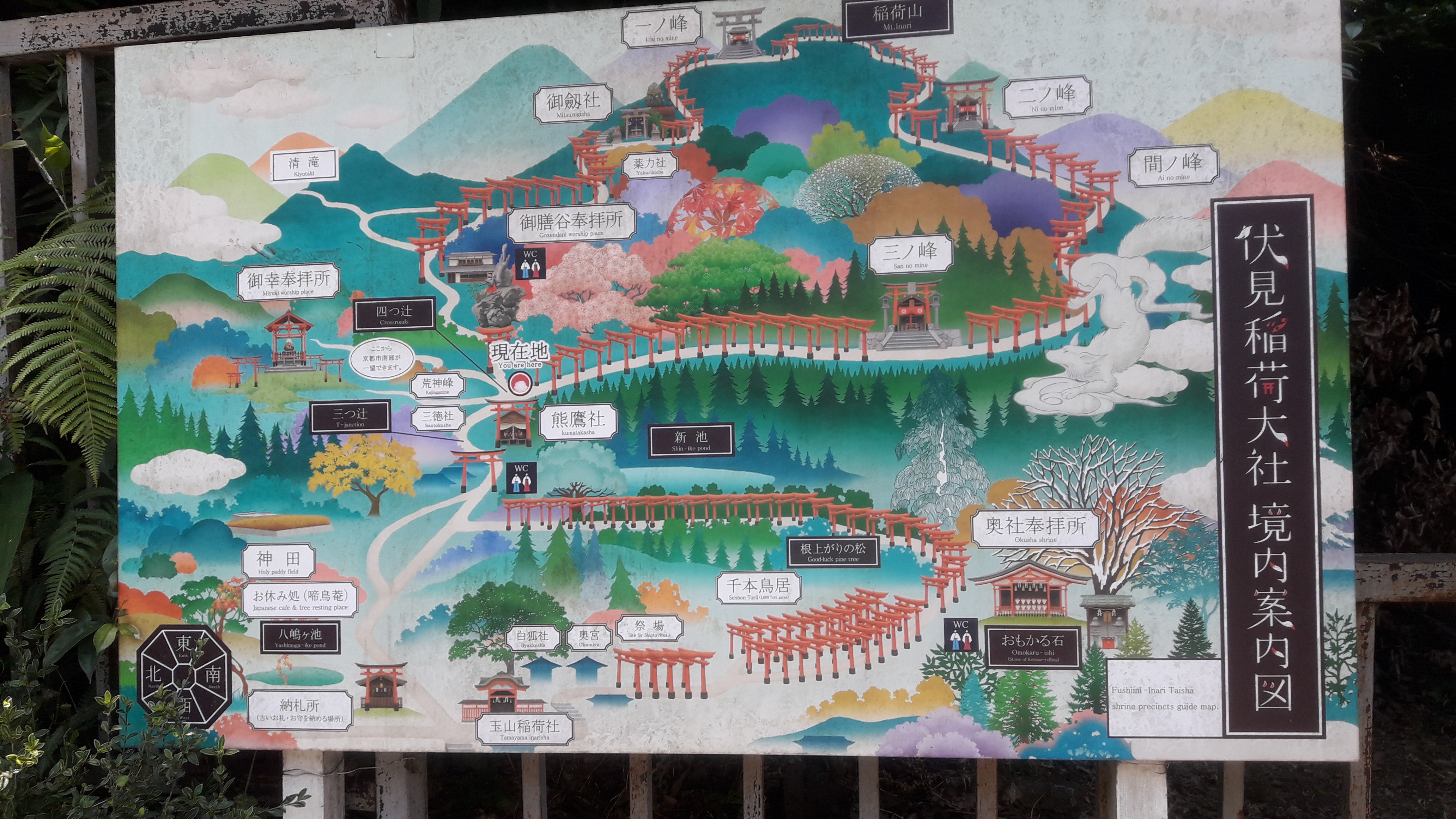
The red and white dot on the board (that says “you are here” in Japanese) shows how far I’ve climbed Mt. Inari

Tired and dehydrated, I got myself another frozen treat. This time, it came in the form of shaved ice topped with a very generous serving of fresh ripe mangoes. Simple, raw, nothing extraordinary, but refreshing. I was just so happy to see it. Reminds me of home, when I realized that I have an interview to make. It was already past 3 in the afternoon and I need to be back in my hotel by 5. I got to my hotel with about an hour to spare, so I rested for a while and freshened up before the call. I thought I’m going to pick up where I left off after the interview. So I went the minute I hung up the phone, putting the thought of whether I got the role or not in a box and set it aside in the meantime while I continue to enjoy the rest of the trip.

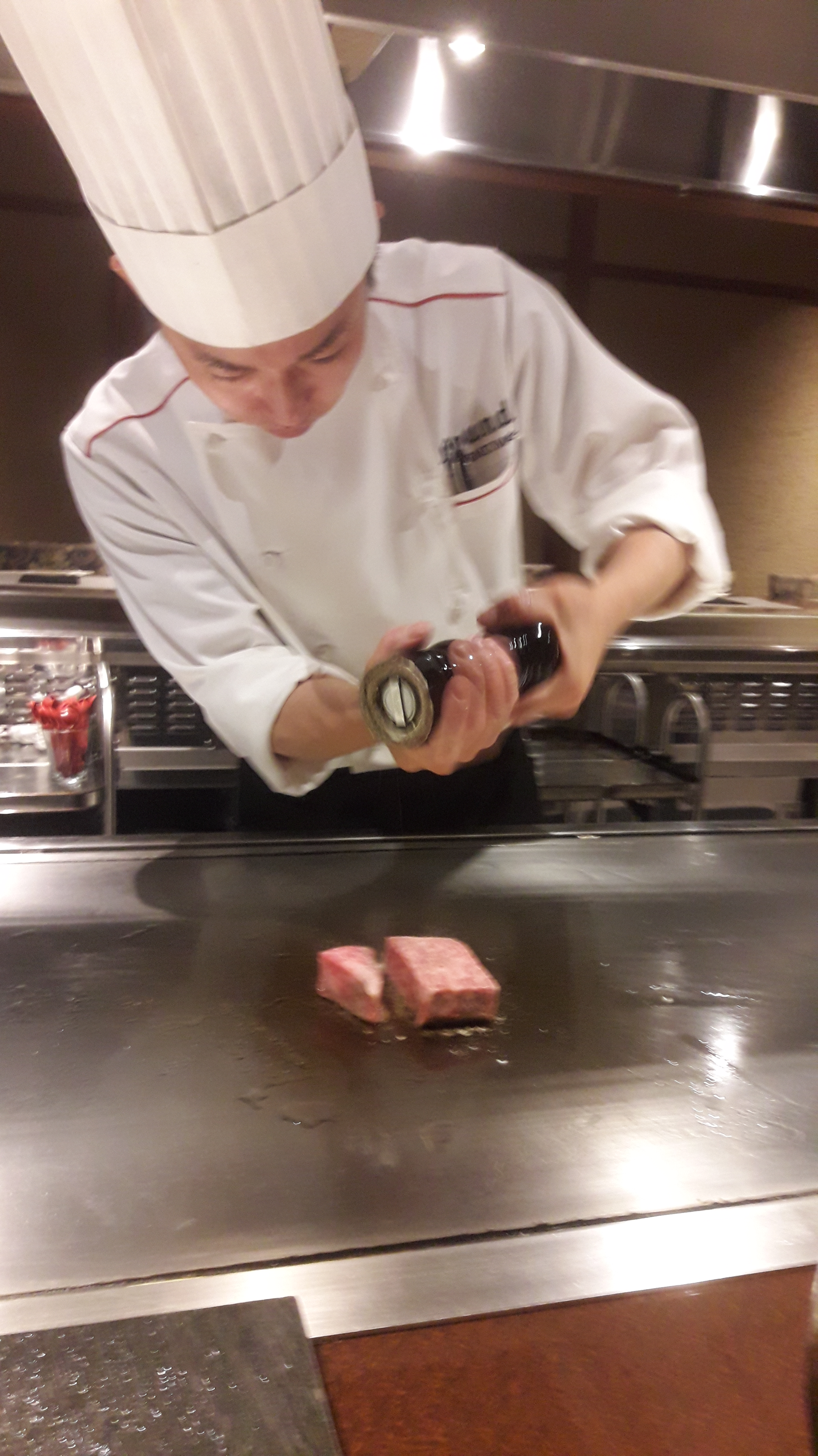
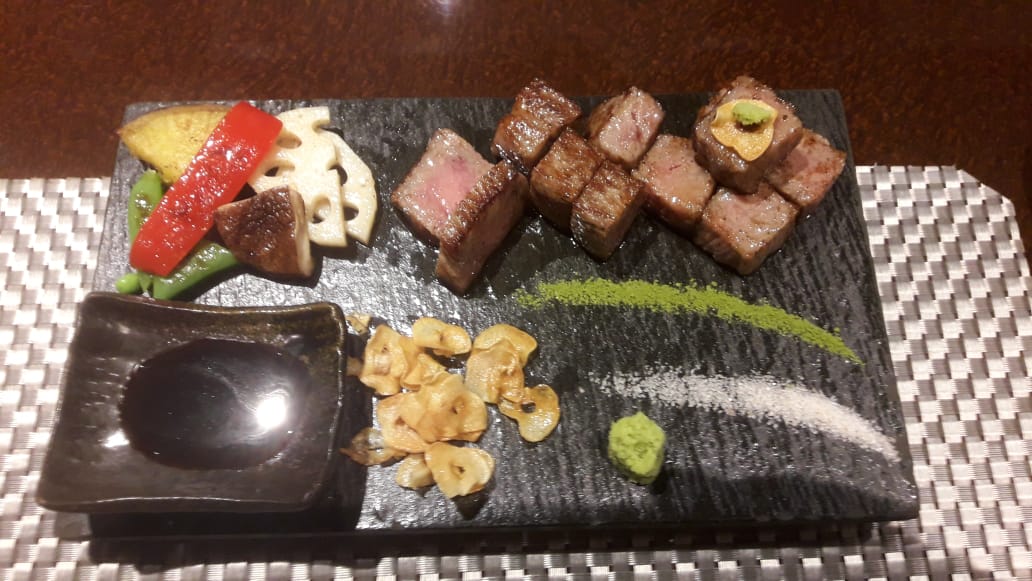
Kobe beef teppanyaki. The presentation is spot on (Premium Pound Sanjo-Kiyamachi).

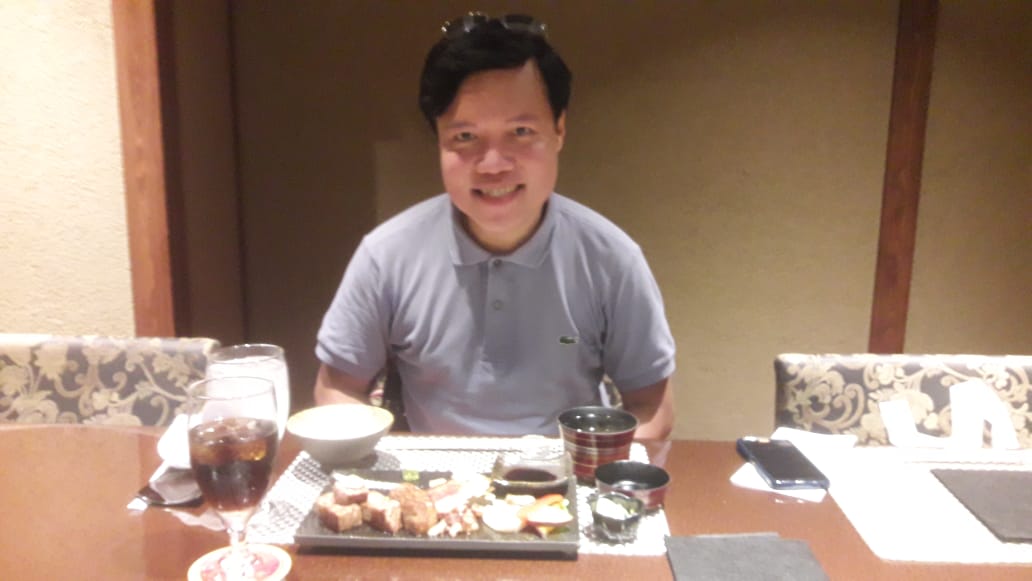
The foodie in me has to try at least once the famous Kobe beef. So I went around looking for the best Kyoto restaurant that offers a delicious Kobe beef teppanyaki. I found Premium Pound Sanjo-Kiyamachi popular for its aged Kobe beef. It took me a while to find it (damn Google maps) but was just happy to discover it. From the time I got seated, I could already sense that I was in the right place. The ambiance was classy (no tacky decors or in your face setting) and the staff speak good English. The chair was so comfy (I like eating in a very comfortable chair) and the service was spot on. Then the Kobe beef. What can I say? Probably as good, if not better, than the wagyu beef I had in Tokyo. Not only that the food and service were great, it was probably the first time where I truly felt the Japanese hospitality in all my dining experiences in Japan so far.

(Top) Arashiyama Bamboo Grove; (Below) Hanamikoji-dori (Gion District). Geisha caught on camera (real or fake?).

I went to see two more popular tourist spots: Arashiyama Bamboo Grove and the Gion district. The former is known for its dense bamboo forest. I kinda lost getting there, which apparently has two gates, one that can be reached thru the subway train, while the other thru a vintage train that passes thru scenic suburbs. This is the closest that one can commune with nature and would have been great if there were pandas to complete the experience (lol wishful thinking). Gion district, on the other hand, is known as Kyoto’s geisha district. Contrary to popular belief, a real geisha is rarely sighted, as she would normally be inside a cab and will only alight once she reached the door of her tea house where she works and will stay inside the whole time. Geishas don’t go out to mingle with pedestrians and they are not often seen in public. So those you see walking the streets of Hanamikoji-dori, or at the Tatsumi bridge, are either fake ones or some wannabes who just want to dress up like one. A friend of mine asked me if I have seen the movie “Memoirs of a Geisha” and I told her yes but that was a fictional and tragic depiction of a geisha. It doesn’t even come close to a real geisha or even a mako (geisha apprentice). I told her that Westerners should be educated of real geisha culture. A legit geisha is one who performs tea ceremony and does her job professionally (just like everyone else), with utmost dedication and commitment to the art of preparing and presentation of the Way of the Tea. That’s why not everyone can have tea ceremony with a real geisha, coz if I were travelling with a group, we would have probably shared the expense. That’s how expensive a tea ceremony is with a legit one (no, I didn’t have tea ceremony in case you’re wondering, coz I don’t want to spend that much).

Choose your path to luck: Take the stair-like steps of the torii path to see the apparently century old tree where whoever goes under its roots will have good luck or take the flat foot trail and make several stops to the different shrines that will bring you blessings of the gods.

The impression left by these two cities on me was that the backdrop may be different, but they share similarities in a lot of ways. Tokyo surely belongs to the digital world where the shades are neutral, metallic, to some degree muted and tempered yet can burst into a kaleidoscope of colors while Kyoto still maintains that old earthly charm yet with organic tones of vibrant, primary hues. Like in a canvass, the contrast is well defined (no doubt about it), but I also can’t help but think that there’s a commonality between the two that can’t be ignored, like the still objects in a painting. Both share the love for good, well-made beef (Wagyu and Kobe), aged to perfection. Both share the same belief in the supernatural, the goodness of luck, and blessings of the deities (Tokyo’s ema and Kyoto’s foxes). This is not something to be shrugged off, coz though the new role was mine to lose, I soon realized that it wasn’t a good fit for me, but I was just glad to know that I was lucky to have the opportunity and that some higher powers guiding me thru to discern what’s really good for me. But ultimately, what captivated me more than the perceived omnipotence of the shrines/temples on one hand and the heated toilet seats and automated bidet on the other was the spirit of the Japanese people, the discipline and good-naturedness that simply rub off quickly. This is the best that both cities can offer, where the crust may be different, but the core is the same. Just being around them makes one feel really good.

Arigatou Gozaimashita!

The Contrasting Colors Of Tokyo And Kyoto – Part 1 of 2

Travel and Food Buzz

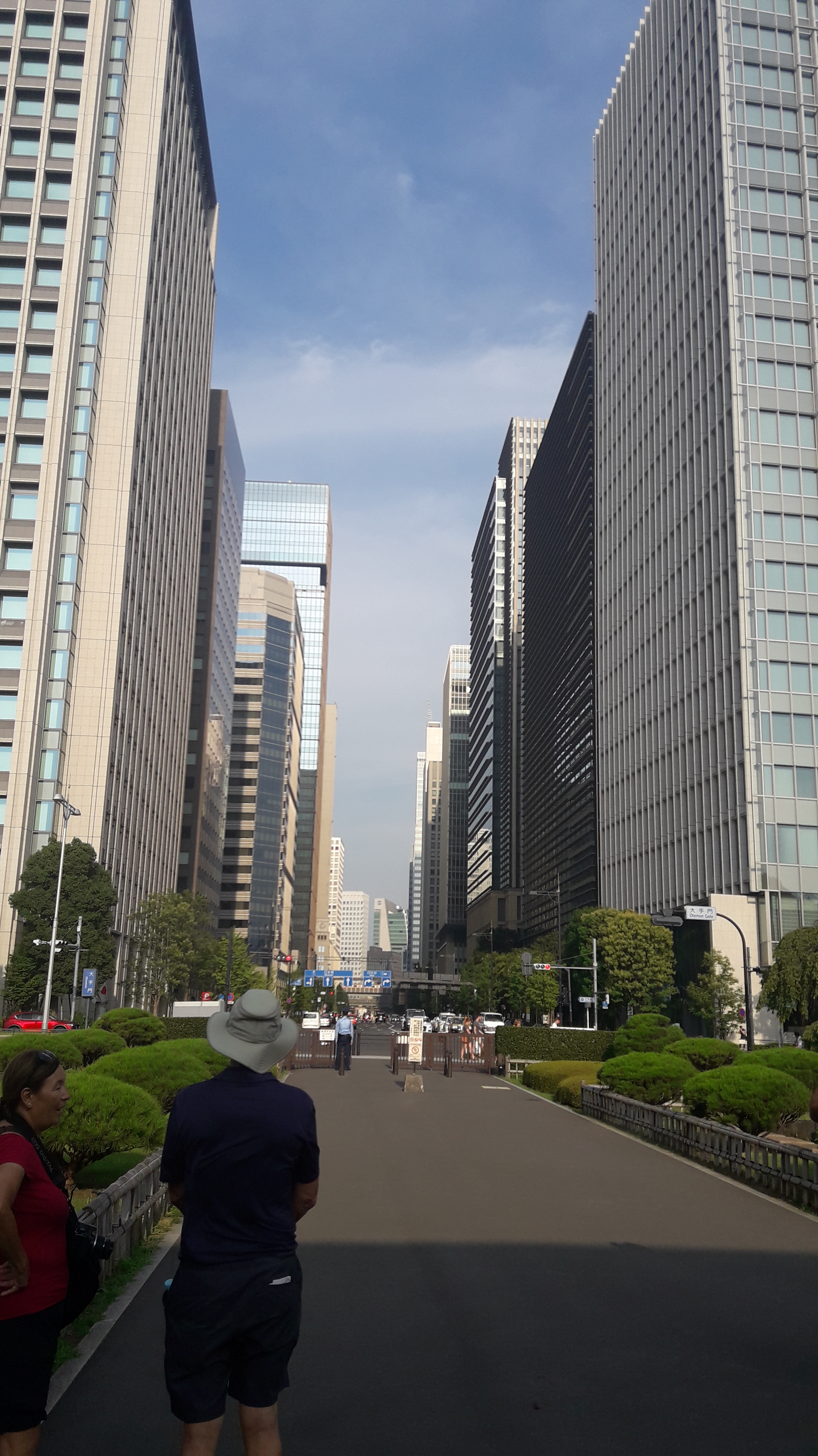
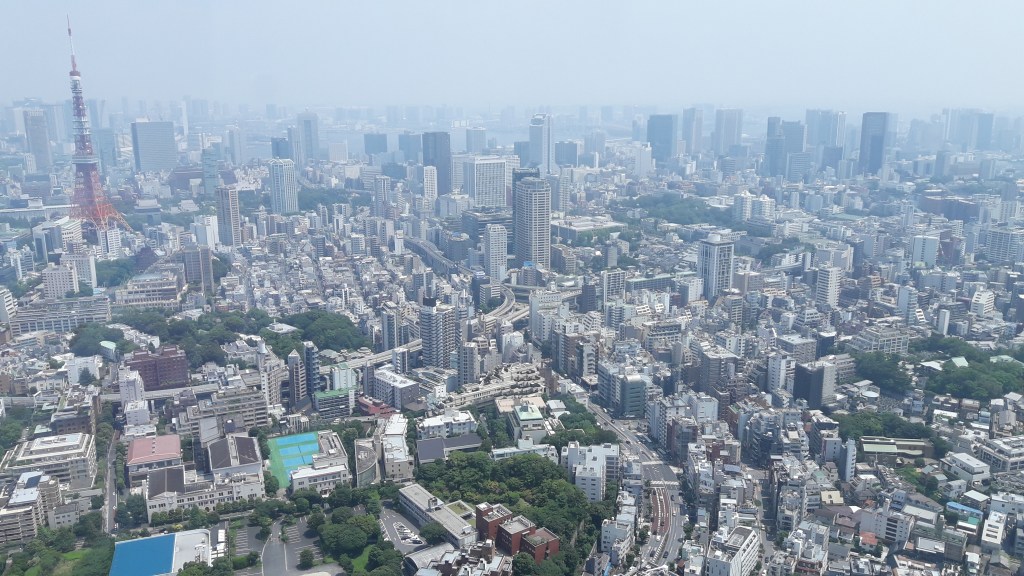
Neutral, metallic shades of Tokyo (Mori Tower Observation Deck) and vibrant, primary hues of Kyoto (Mt. Inari Foot Path)

My sister, brother-in-law, and I are planning to go to Japan in December so I thought why not write something about my last trip to the land of the rising sun. I went to Japan July last year and didn’t know that it was the peak of the summer season. Since it was my first time, I had no idea how hot and humid summers are in that country, which feels like summers in the Philippines. I don’t normally go to places when it’s too warm unless it’s a beach destination, so this is another first for me.

A lot of my friends were asking why it took so long before I finally decided to visit Japan. I don’t really have a ready answer to that, but probably because of its close proximity, I tend to see farther destinations as more desirable. My American ex-boss who’s based there even frowned on me when he learned that I keep going back to Europe almost every year yet I haven’t taken up his standing offer to visit him while he was still there. It was too late when I finally did, since he and his family left the country before the trip.

Urban jungle of Tokyo and bamboo jungle of Kyoto

Incidentally there was another fare promo that was very enticing and ultimately was the clincher. The business class fare of Eva Air to Tokyo via Taipei was a good buy (Manila-Taipei-Narita-Taipei-Manila was about $700) so I decided to book it before I changed my mind. Then I have to apply for a visa (which was quick, took only about 3 days processing time thru a travel agency) and bought a JR Pass (only offered to tourists and can only be bought in your home country since it’s not available in Japan). The pass can save you train fare big time especially if you are flying in Narita (it’s an almost 2-hour train ride to Tokyo) and have plans of taking the train to other big cities like Kyoto or Osaka. I got a 7-day pass, so it covered my return trips for Kyoto and Narita with most of my Tokyo subway rides as well. But it doesn’t come cheap (between $250-$400 depending on your choice of cabin class) just like everything else in Japan.

Tokyo

Tokyo skyline (from the observation deck of Mori Tower)

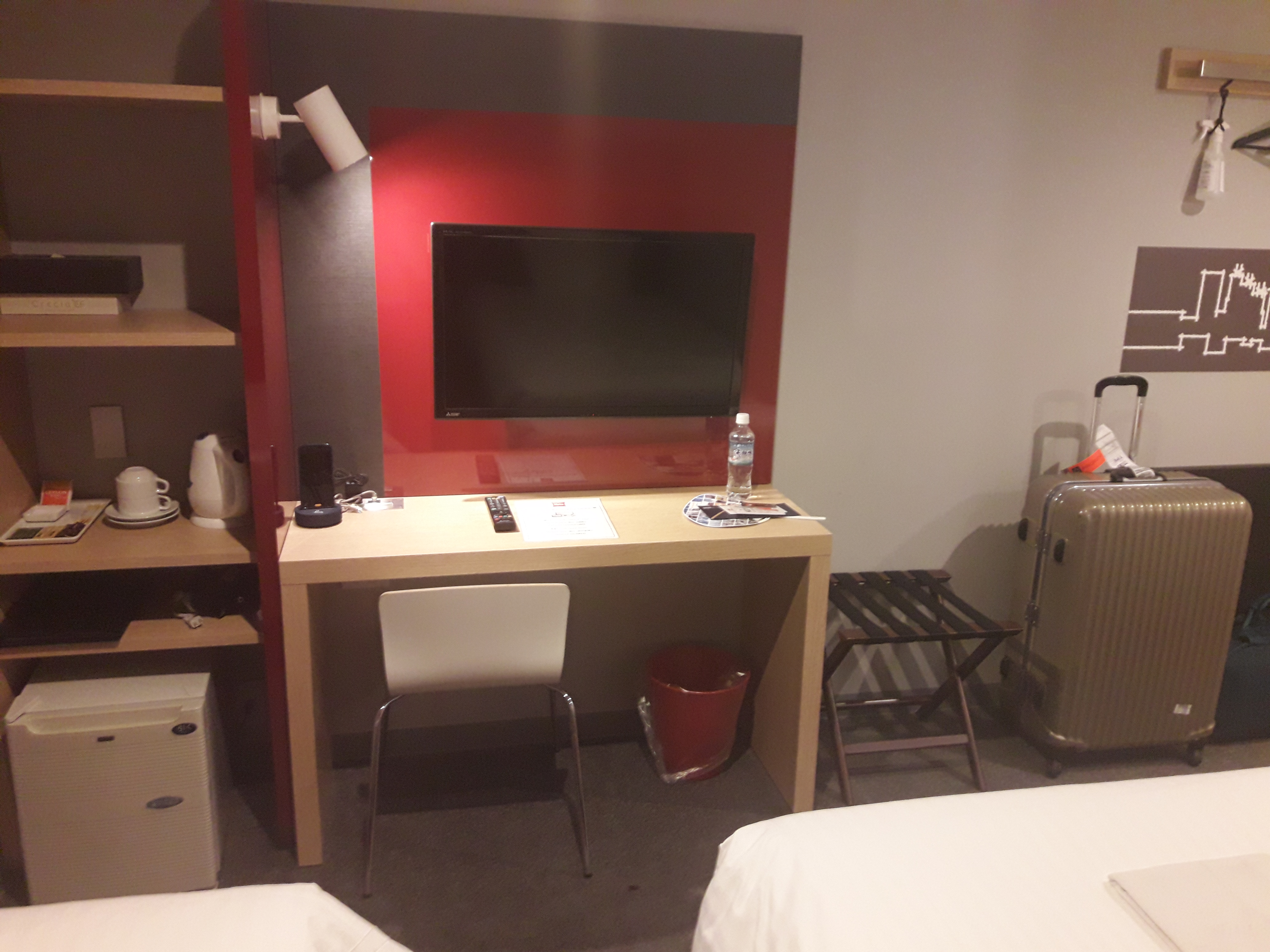
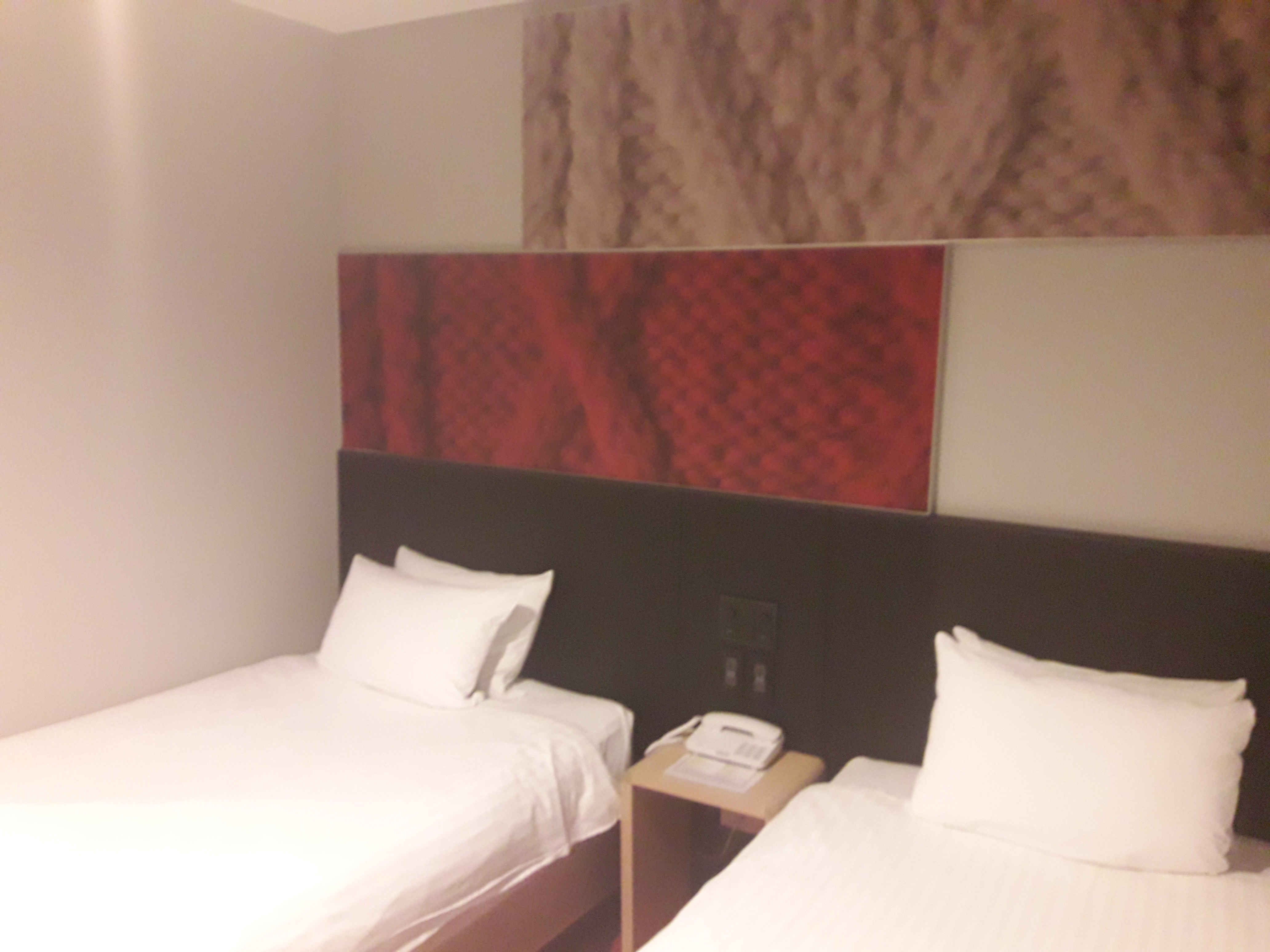
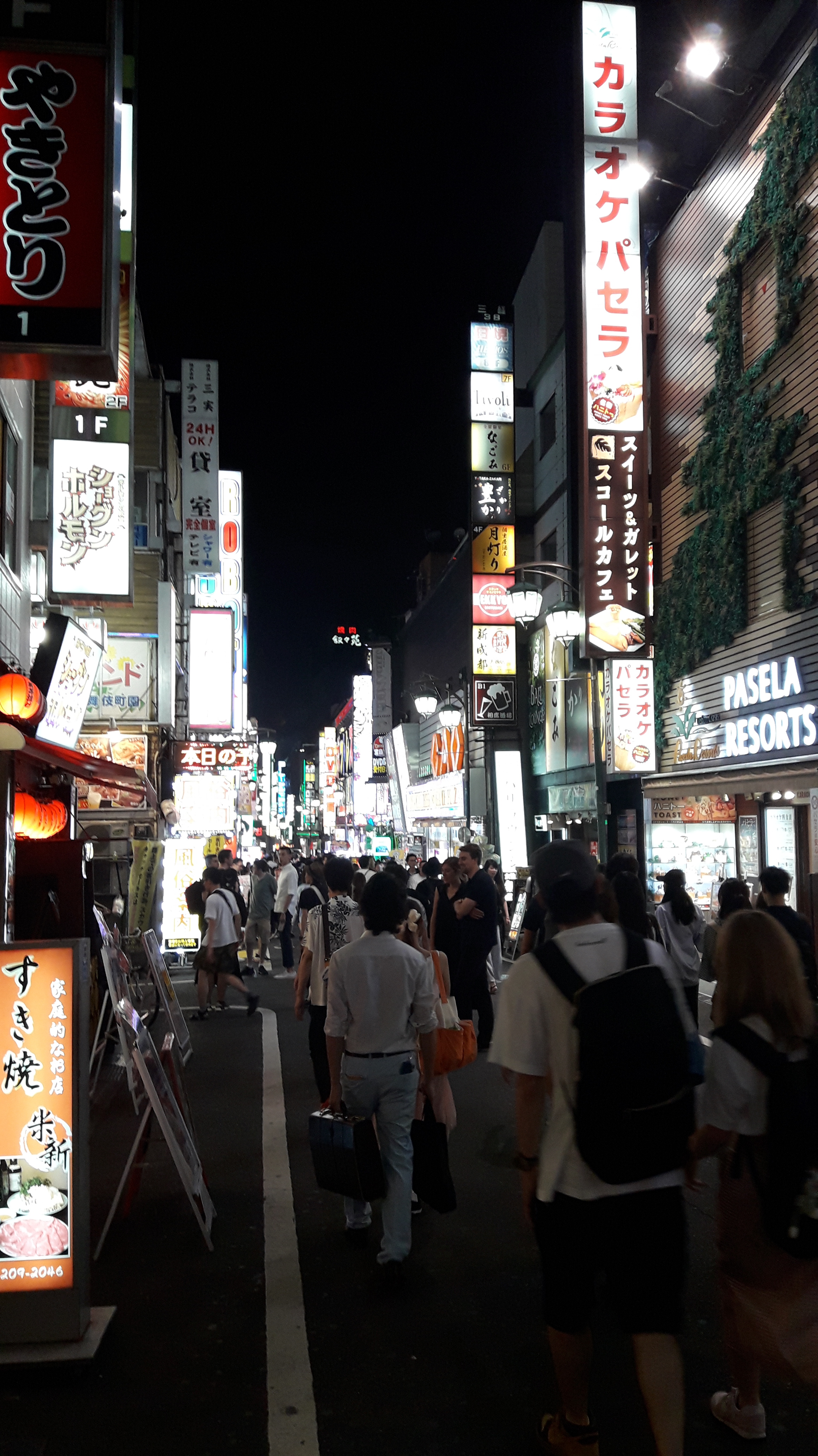
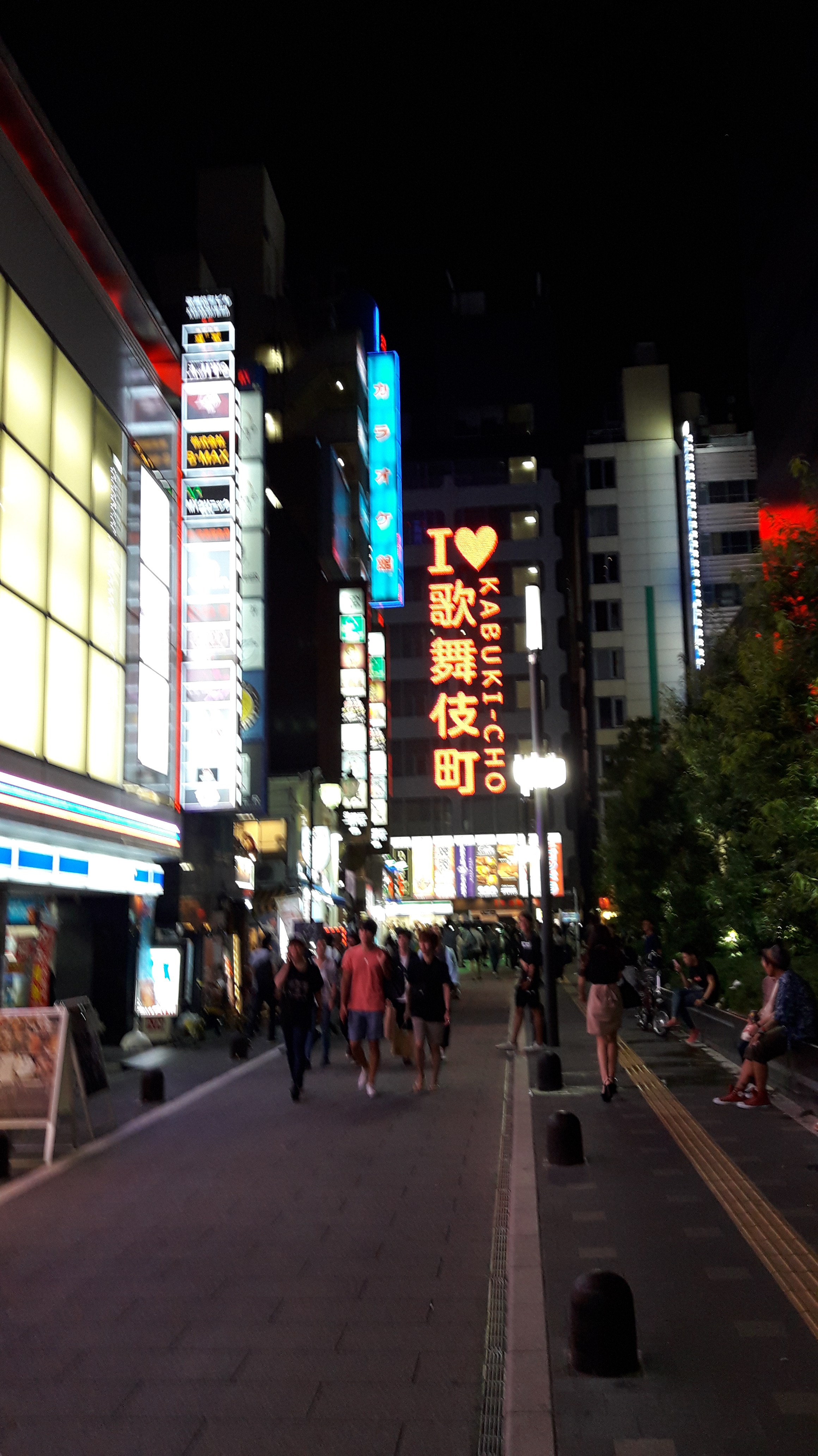
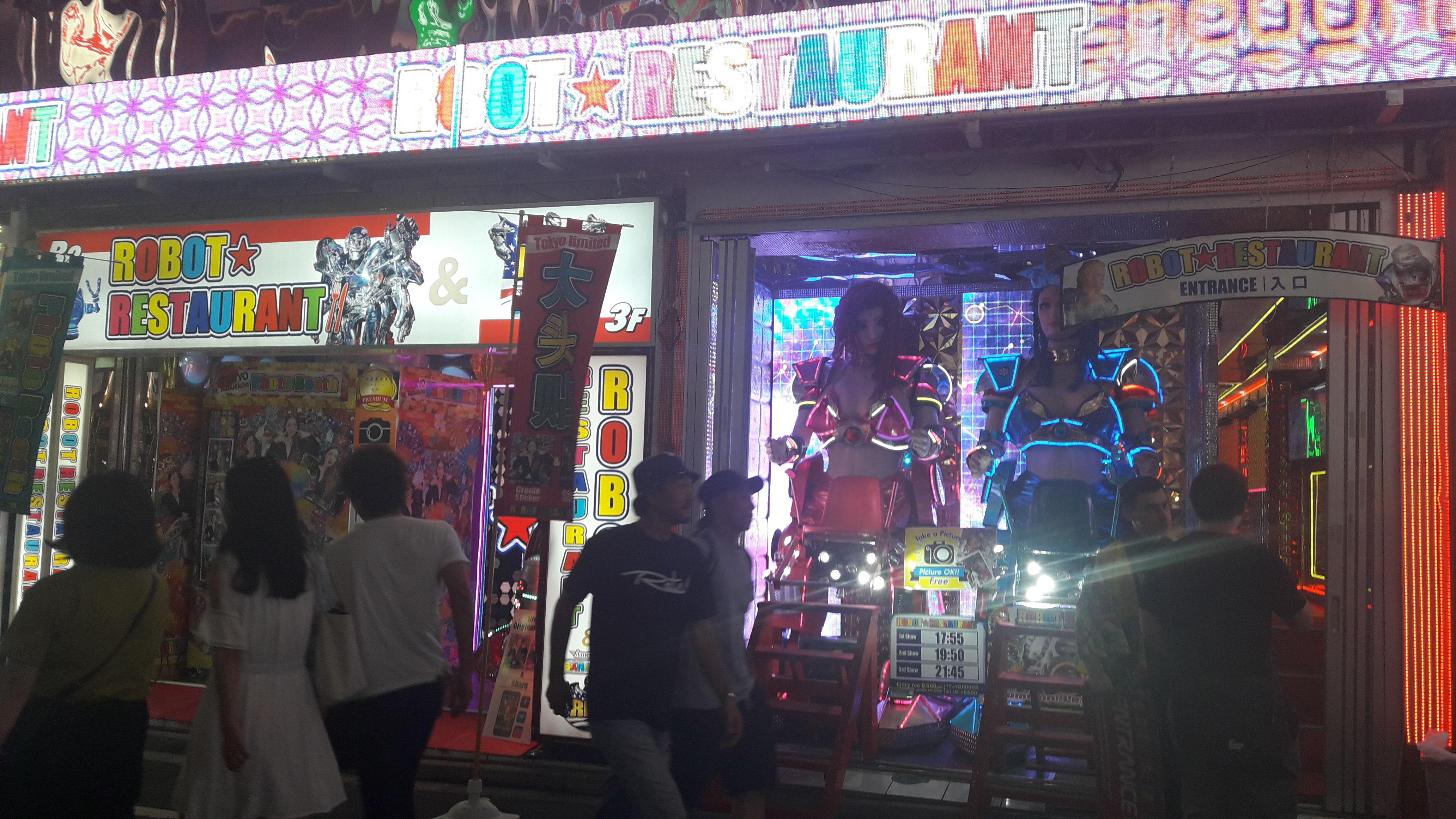
I stayed in Shinjuku area (known as the red light district or the “district that never sleeps”), where I booked a room at Ibis Tokyo Shinjuku. The room came with a mobile phone (called “Handy”) which you can use (for free) for navigating the city as well as knowing which subway line to take to reach certain stations. You can also make free international calls to certain countries (unfortunately, Philippines was not one of those select countries). I learned while I was there that Tokyo is like a cluster of districts (where an area also called Tokyo is one of these districts, along with Shinjuku). I used my Le Club Accor for this accommodation and it is in a very good location since it is accessible to the subway station (to reach the other districts) and most of the dining, shopping, and entertainment spots. As expected, the area was bustling with people day and night in spite of the summer heat. I was quite overwhelmed with the dining options that it took me a while to finally settle for a resto to have my first dinner.

My room (Ibis Tokyo Shinjuku). I got the twin coz it’s the biggest room (in a country where space is a luxury, this one is a good buy)

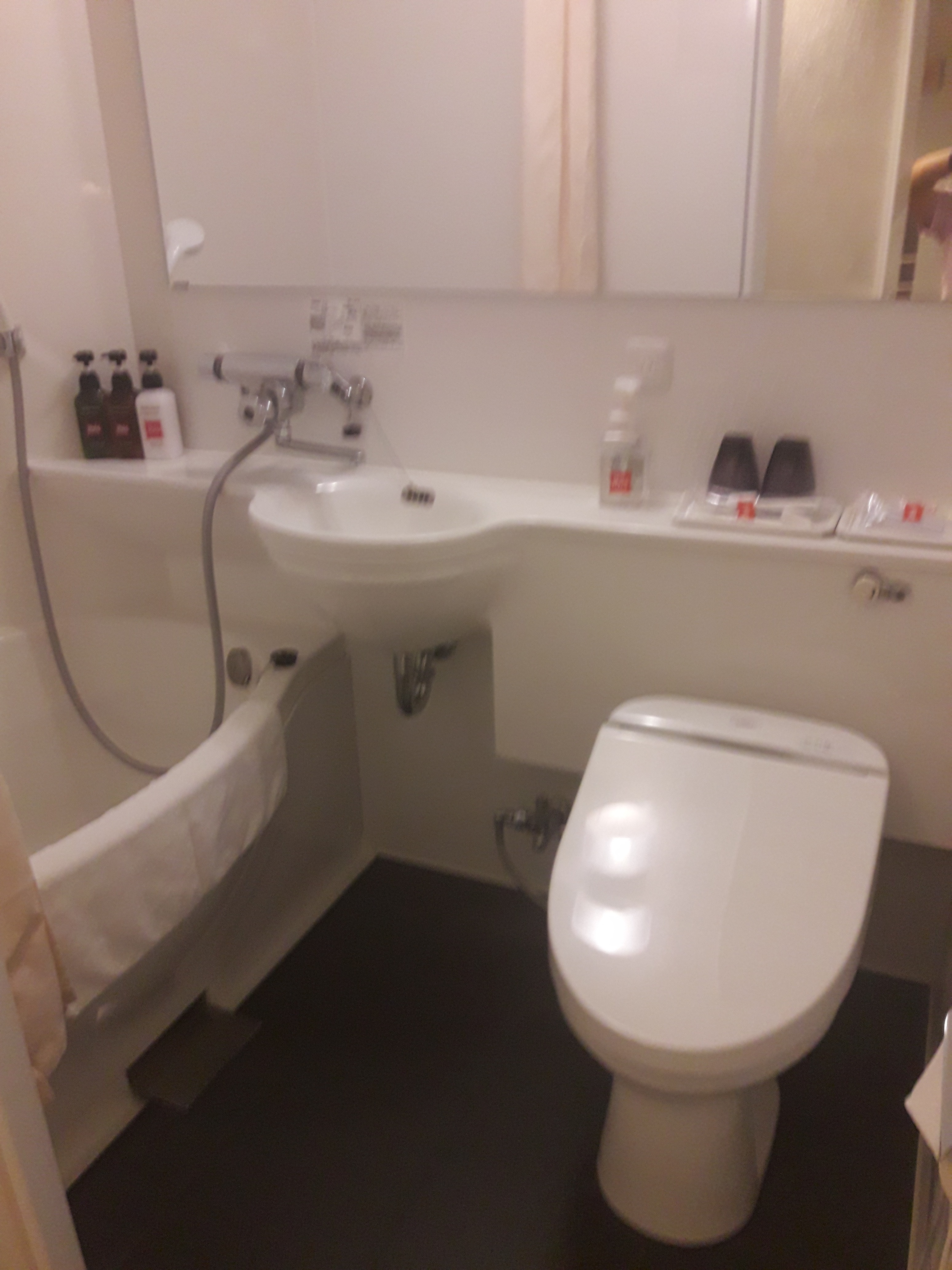
The first morning since I arrived in the hotel I had breakfast which consisted of typical buffet fare. It was a decent selection, but what really fascinated me was the miso soup machine that operates like a coffee maker. You insert your bowl and press a button and hot water and miso paste come out from separate dispensers. The paste mixes with the running hot water to make a bowl of miso soup. You thought it may just be another fancy invention that produces mediocre, plain, bland, copycat of a miso soup, but this one was delicious! I would have at least two helpings every morning while I was there. I was even wondering where I can buy the machine and the paste, but never cared to ask since I can’t bring home an equipment that is not so light to carry or check in my luggage. Speaking of technology, another thing that I love about Japan is the heated toilet seats and automated bidet. Both private and public restrooms would have these, and for that alone, I would come back to Japan in a heartbeat. If I could only collapse and carry it back home, I would.

Shinjuku After Dark

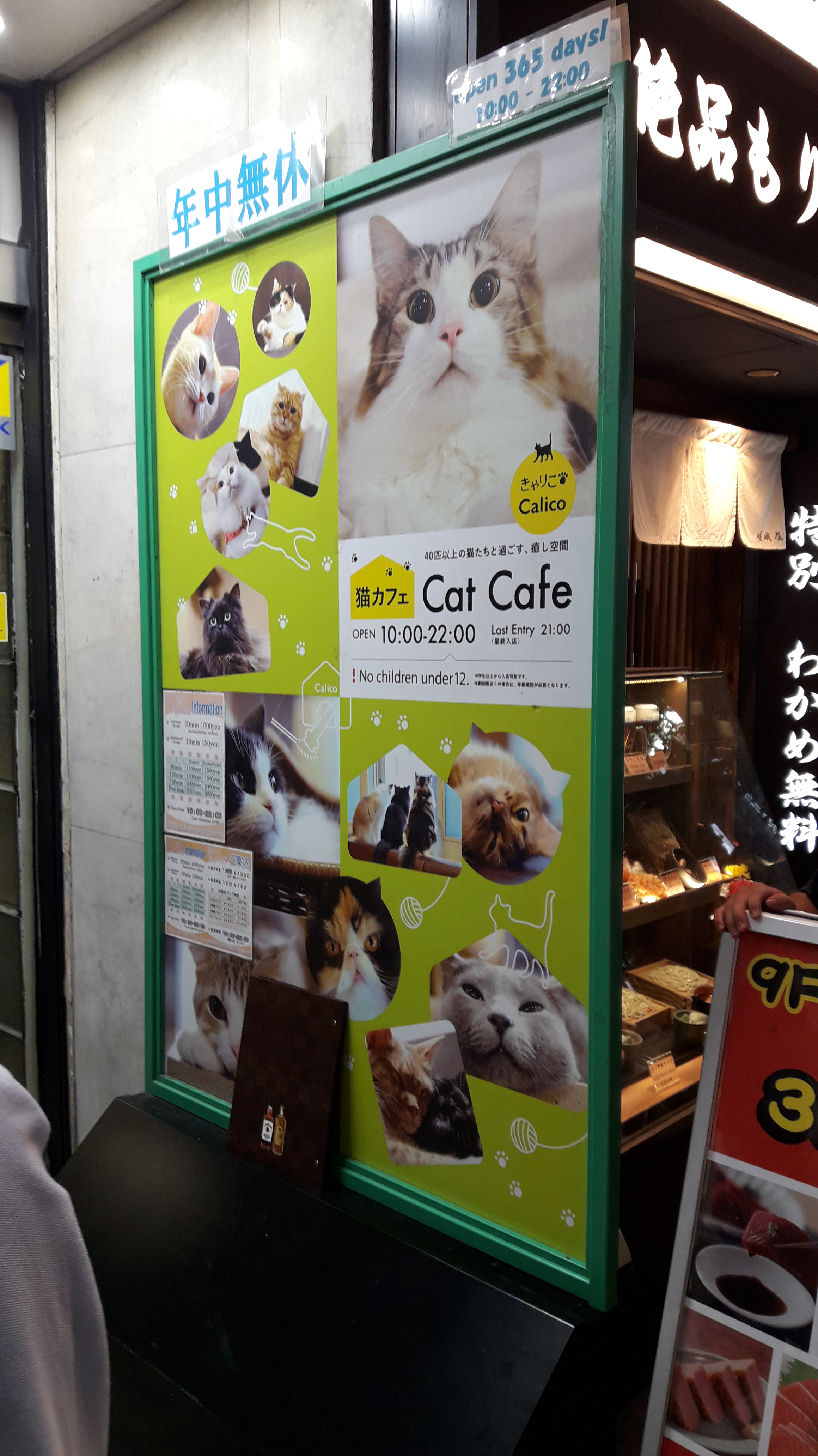
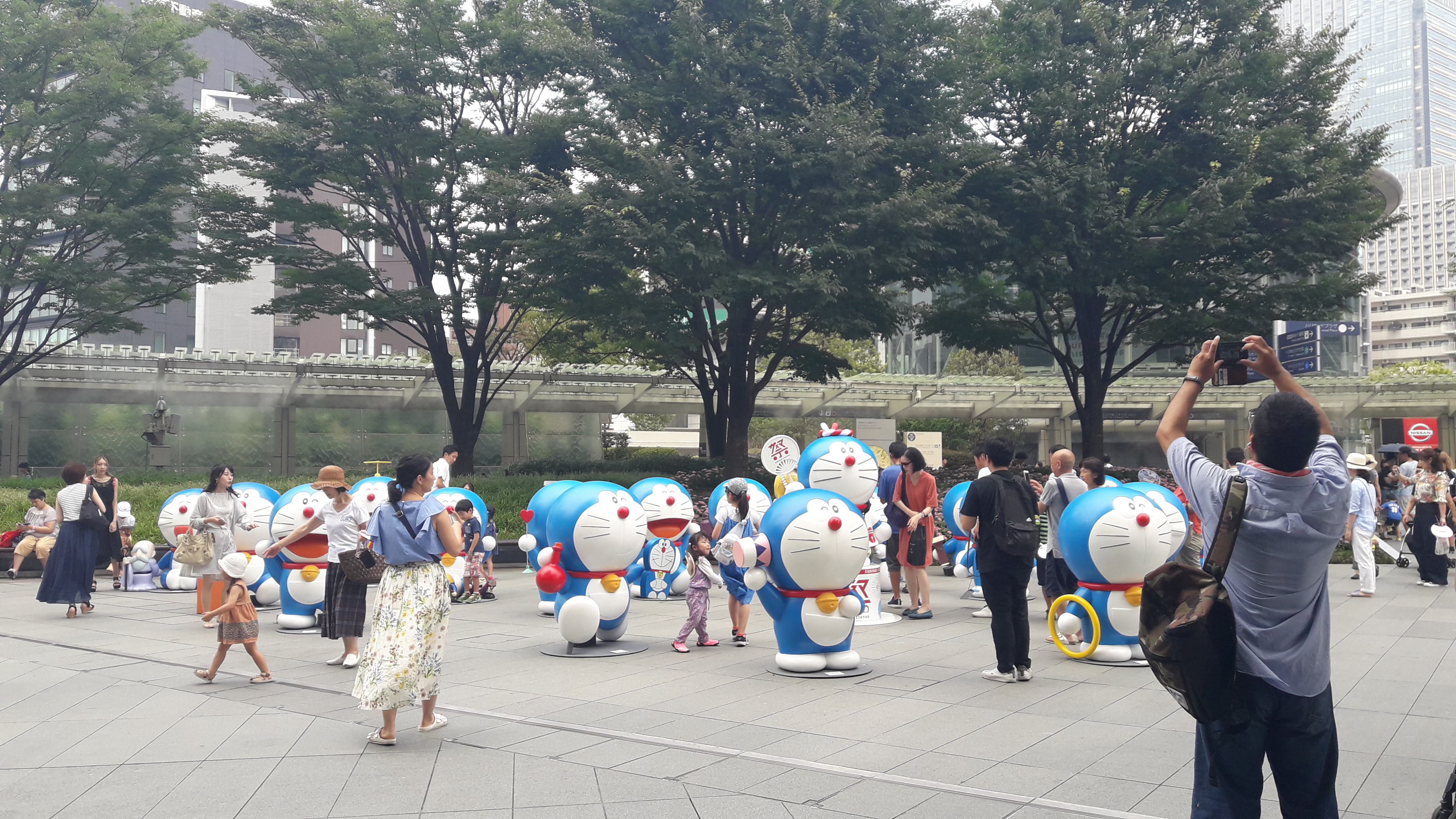
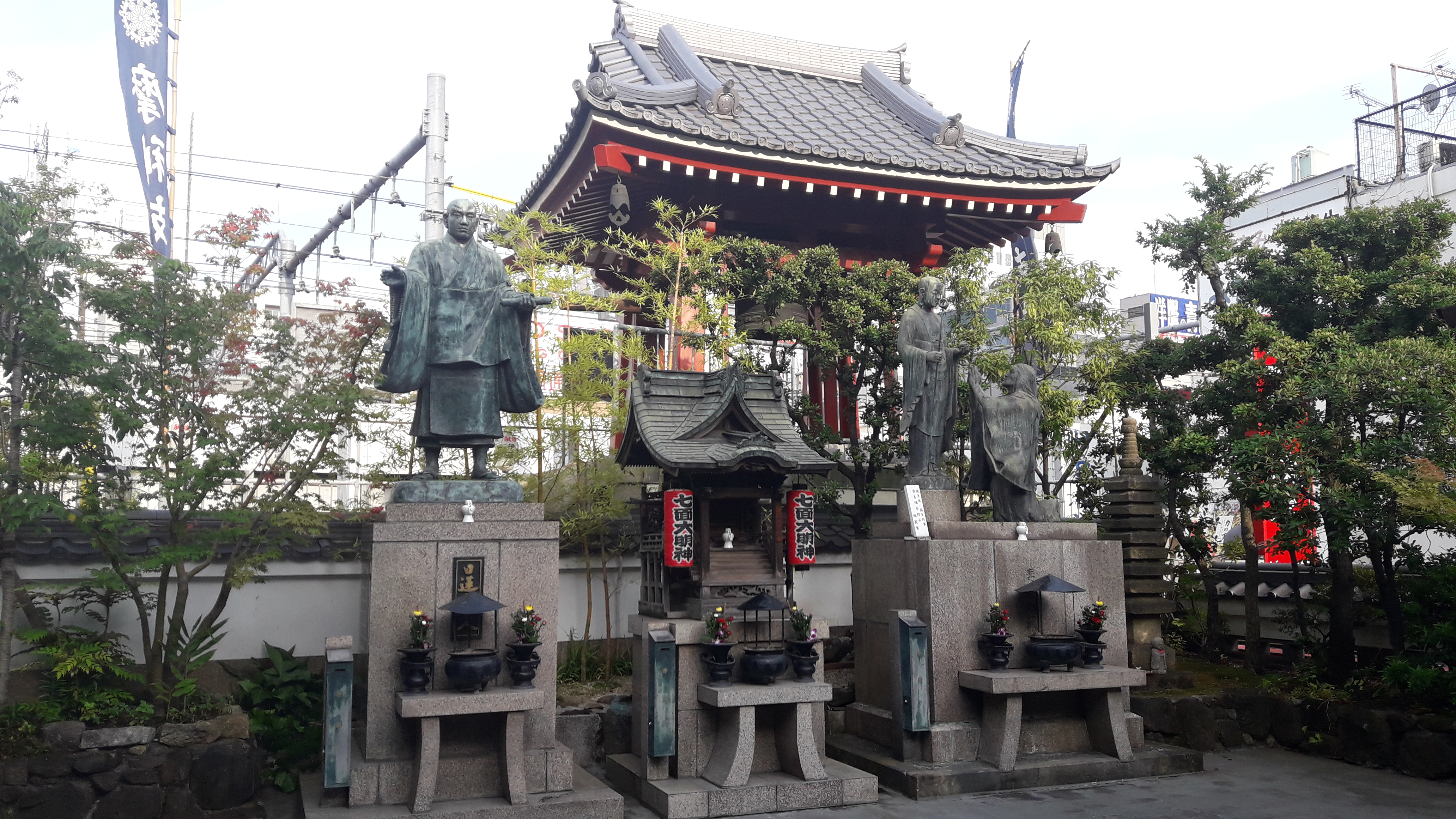
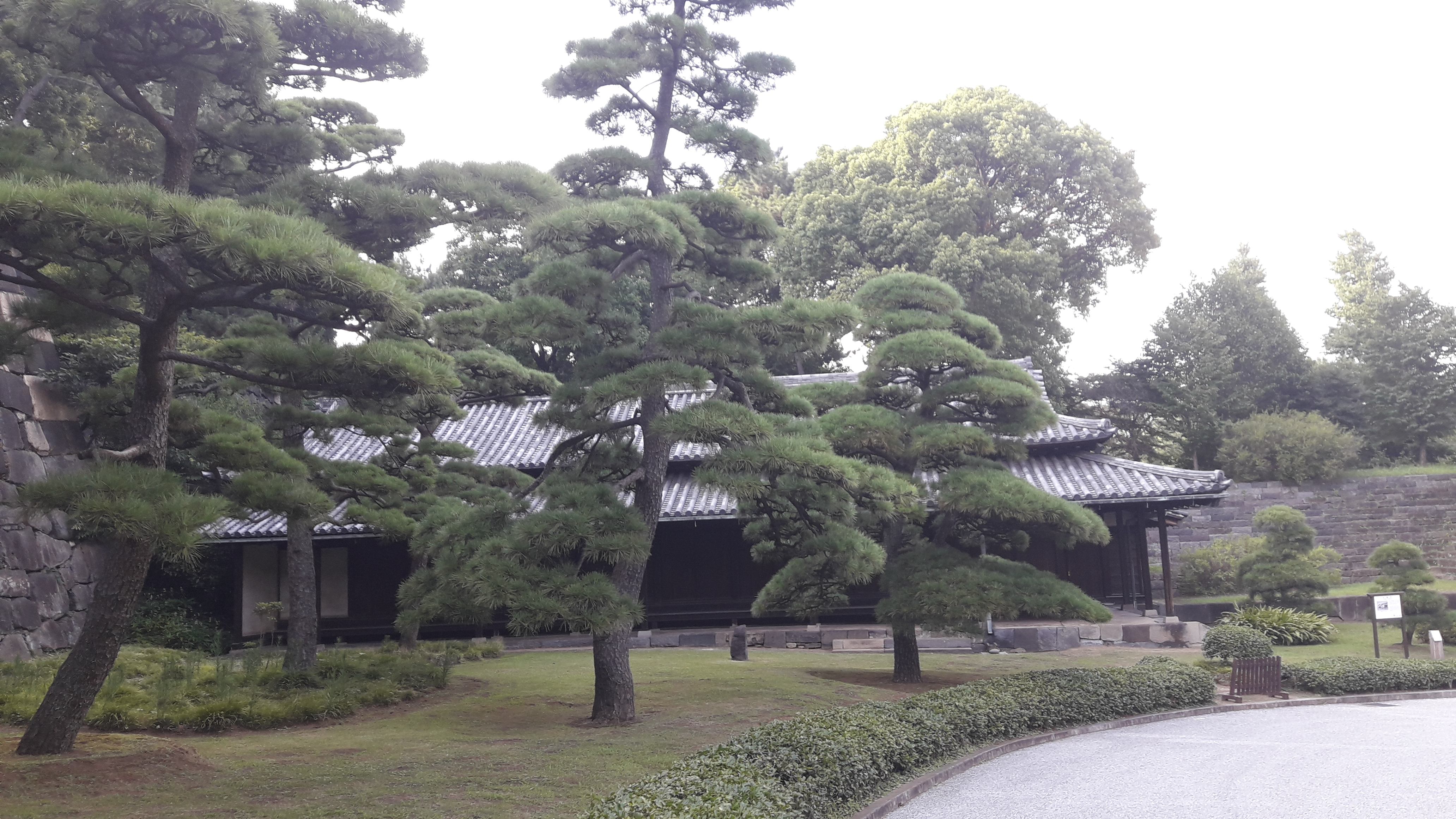
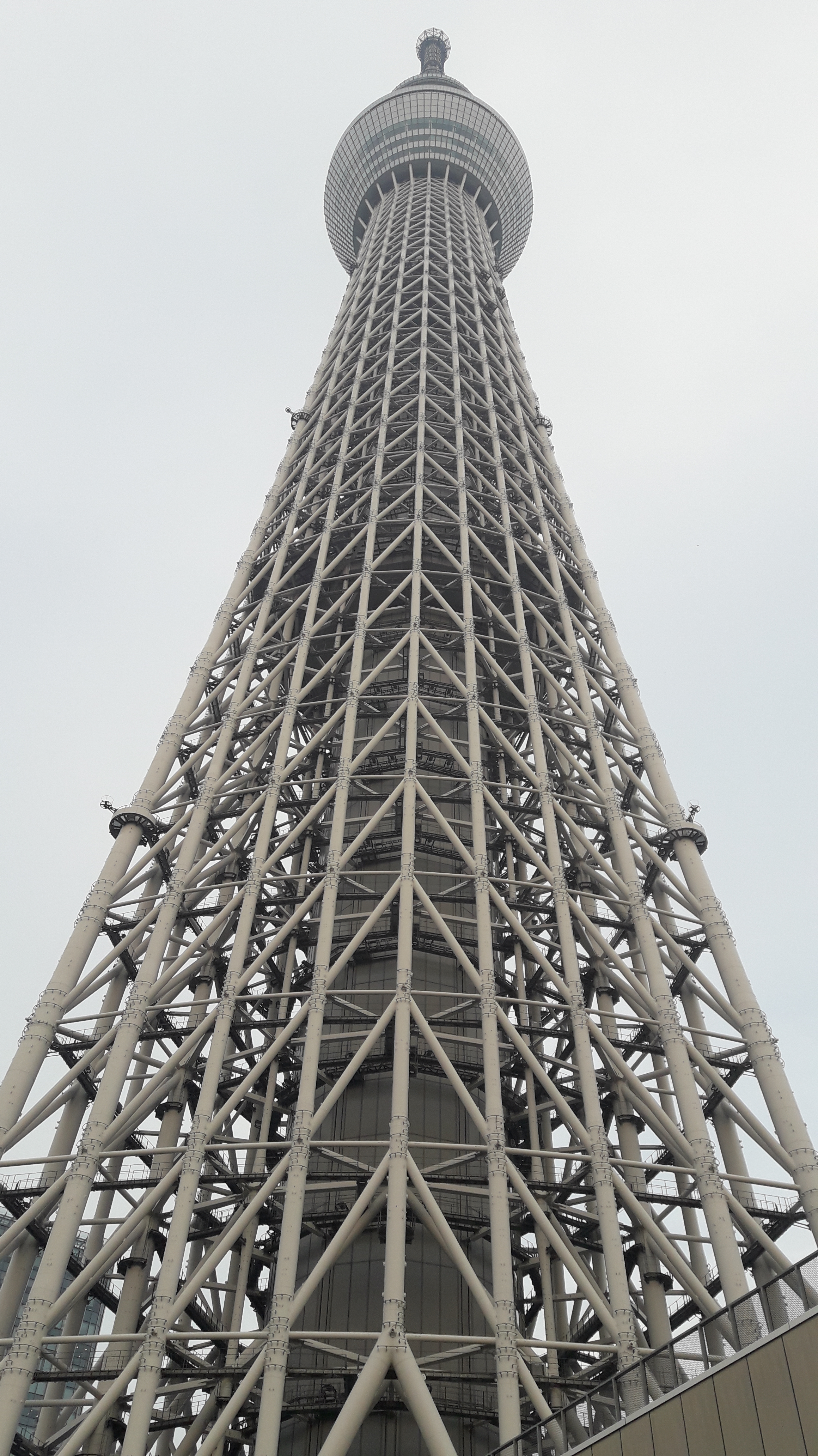
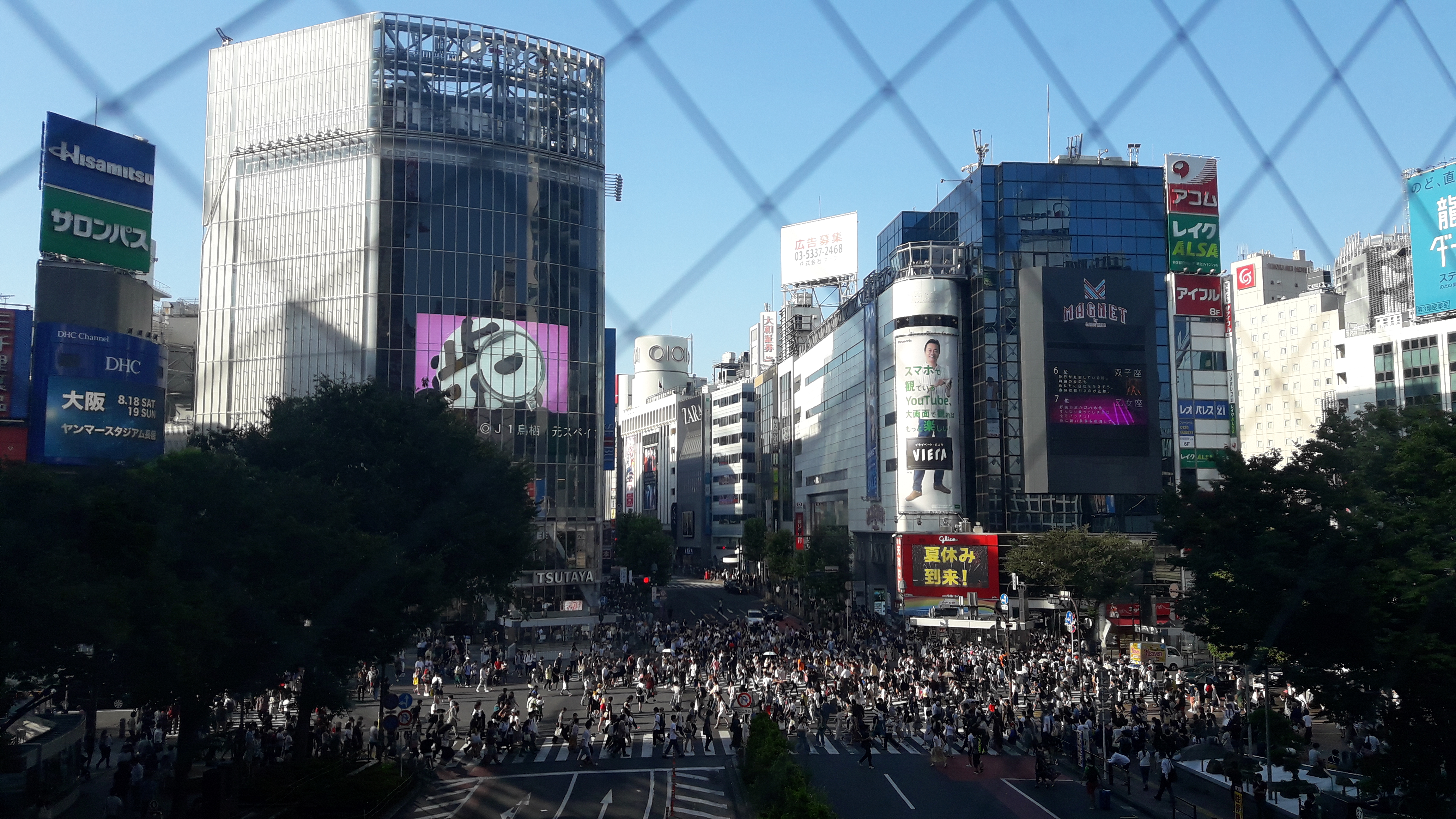
With always a full tummy every morning, I would start exploring the city just like any other tourist. It was difficult though to move around under that scorching summer heat but fortunately, there were shops that gave away free plastic hand fans. So imagine me walking around with a fan on one hand and a bottle of water on the other. It is important to get hydrated during this time of the year, when one can easily get a heat stroke (you could hear the sound of the ambulance siren not just once or twice a day, which probably were the ramifications of the heat wave). During nighttime, I would explore Shinjuku area which is known for its varied entertainment fare (arguably the entertainment capital of Tokyo) where some of the notable sights were the robot restaurants and the animal cafes. So during the day I would see other tourist spots like Roppongi Hills (with Mori Tower where you can get a good bird’s eye view of the whole city thru its observation deck as well as thru its sky deck/rooftop/helipad) where I spotted a branch of the popular New York burger resto Shake Shack, Imperial Palace (with its lush parks and gardens), Shibuya (popularly known for its jampacked pedestrian crossing at any given time of the day), Tokyo Skytree (where you can get another good view of the city after dark thru its viewing deck), temples and shrines (where you can write your wishes on an “Ema” and hang it up among the others fronting the statues of the temple gods), and shopping districts.

Sights of Tokyo: cute Doraemons (Roppongi Hills), temple/shrine, lush gardens (Imperial Palace), jampacked pedestrian crossing (Shibuya), towering heights (Tokyo Skytree), and “Ema” (wood tablet where locals write their wishes to the temple gods)

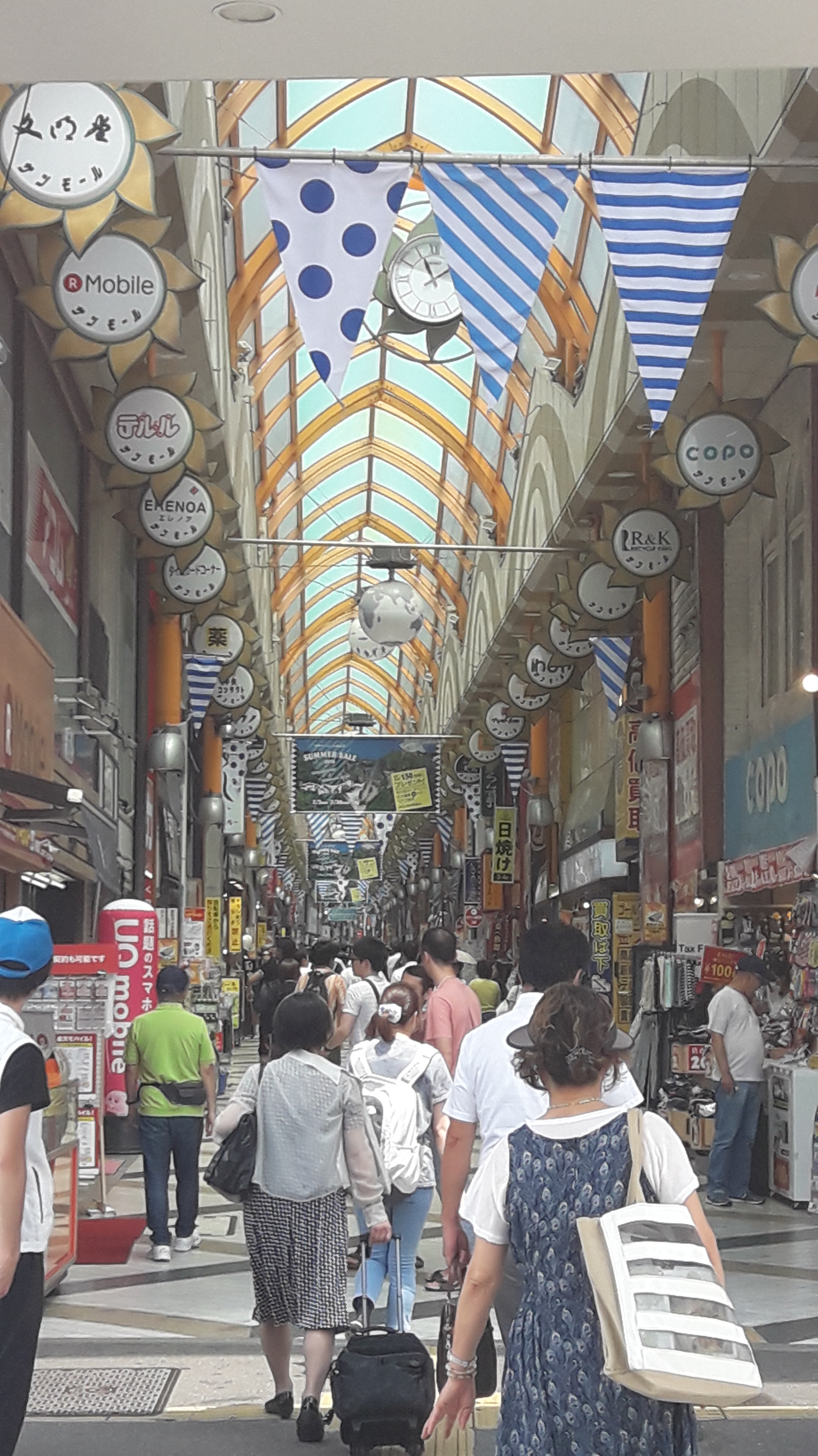
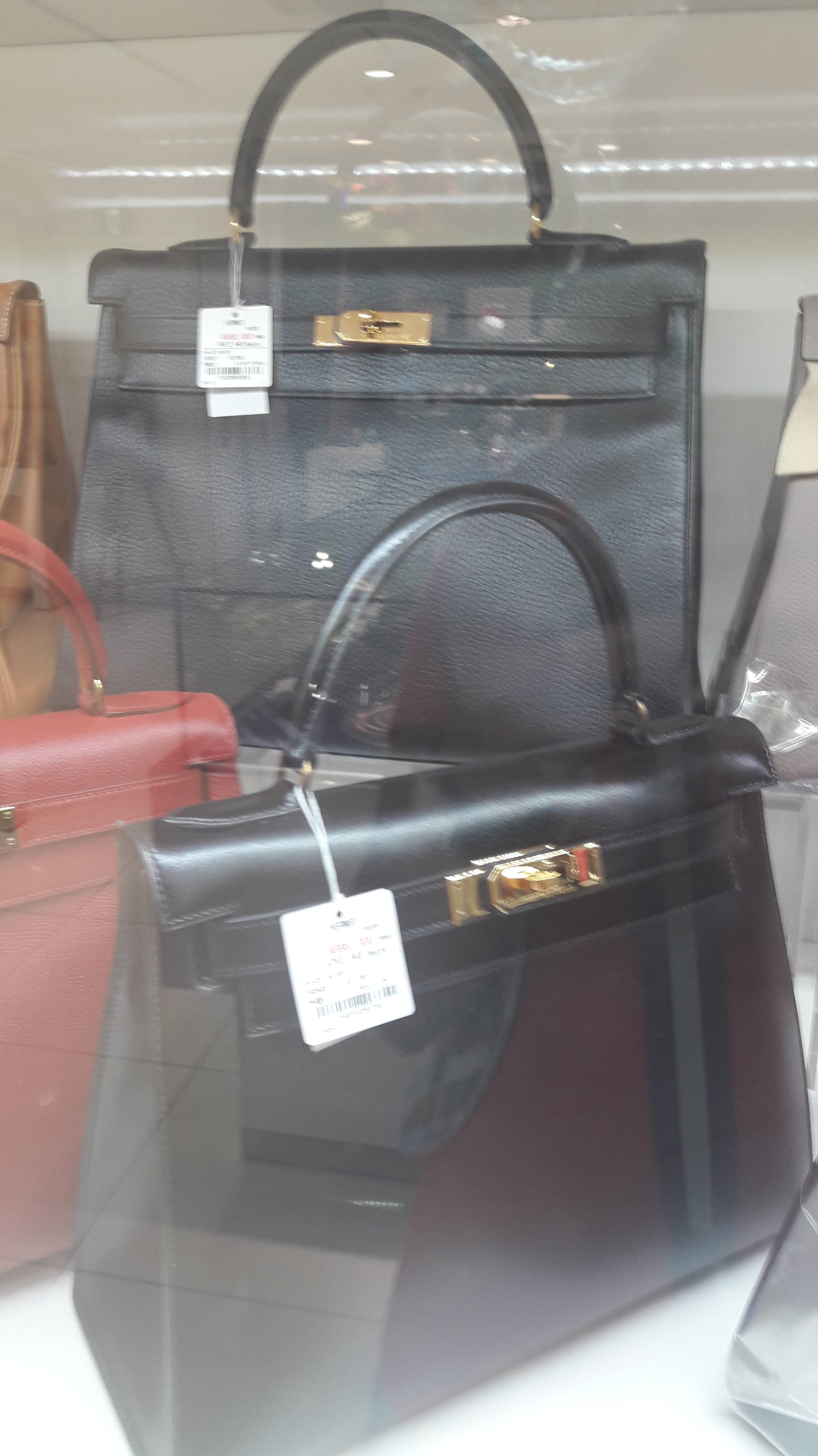
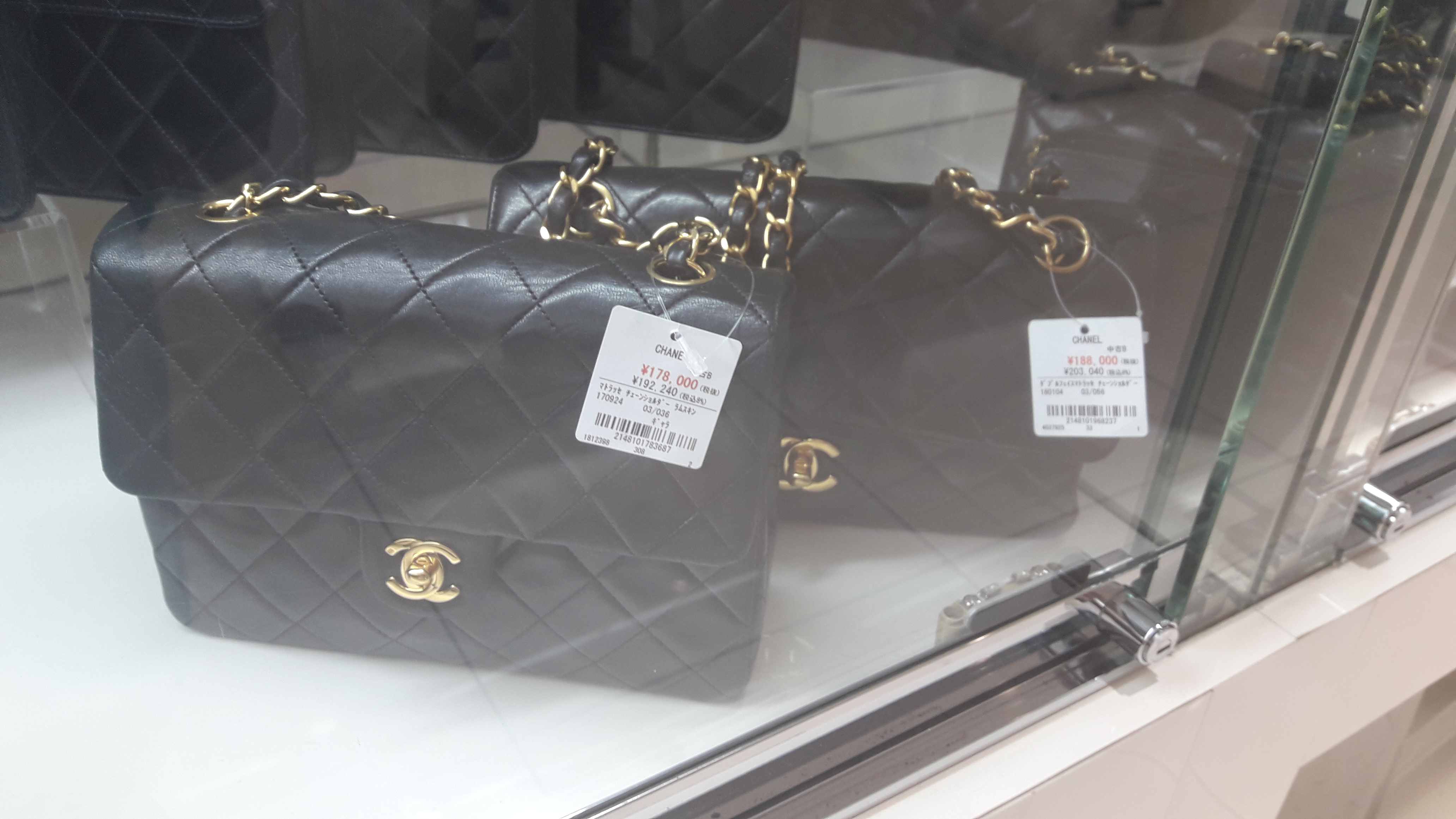
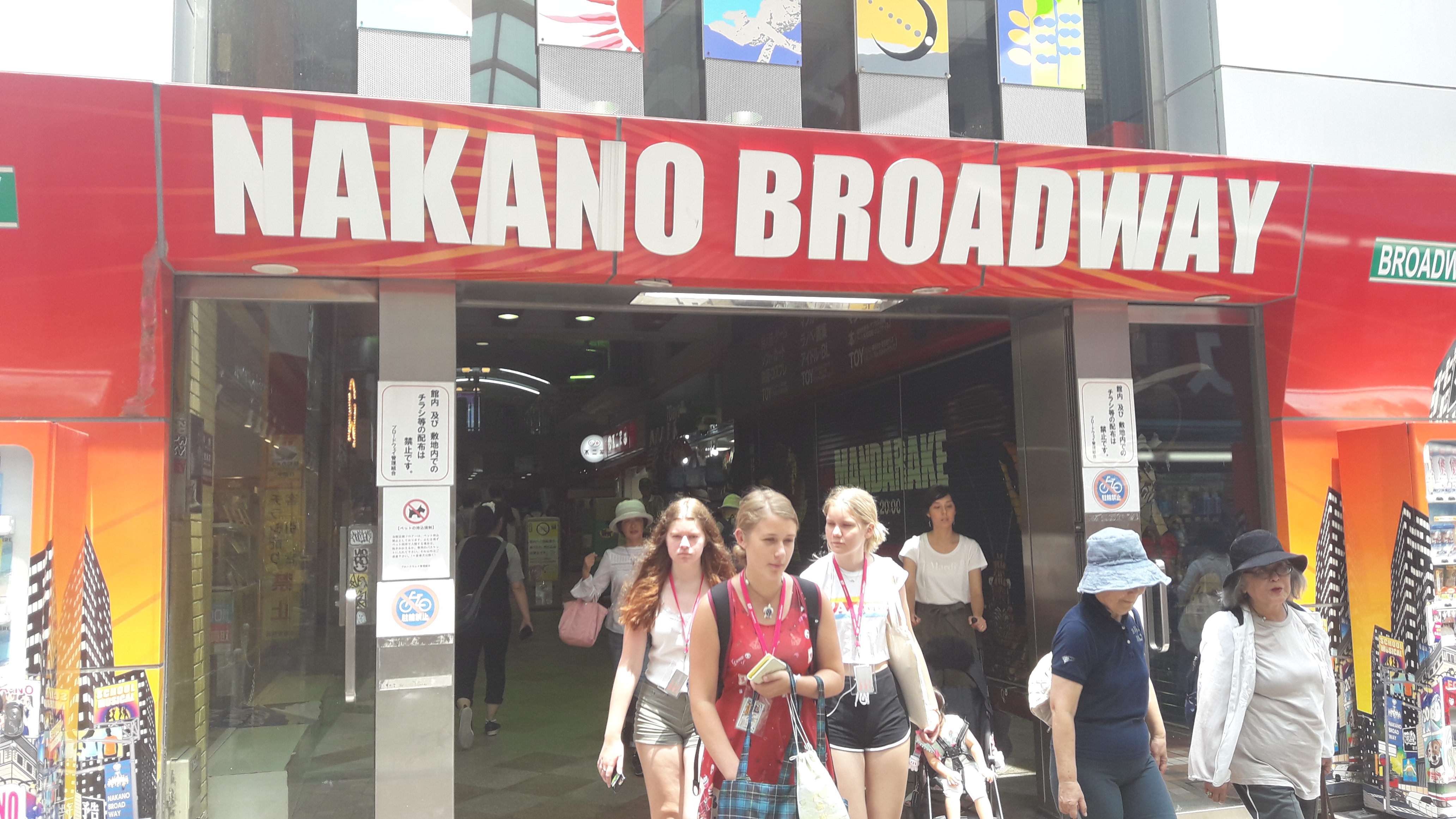
When it comes to shopping, Tokyo is shoppers paradise. They have this so-called “shotengai” which is similar to the grand bazaars of Istanbul or the medinas and souks of Casablanca  and Marrakesh where shops line up in maze like fashion. If you are a fan of anime (which I’m not, sorry), then these are the places for you. Some of the popular ones are Nakano Broadway (for vintage watches) and Ameyoko Market (for street food and second hand or hand me downs luxury designer bags). Knock off luxury goods are illegal in Japan, so second hand items are very popular among shoppers who look for good buys. Not sure why there were a lot of those, either the Japanese elites just want to declog their closets to free up some precious space (space is a luxury in Japan) and fill them up with in-season (and I’m speaking fashion) items. Or maybe some fell on hard times that they have to let go and sell or pawn their luxury goods. But if you want a hassle free shopping, I’ve discovered (thanks to my cousin Jean who has been to Japan a few times) Don Quijote (yes, they spell it with a ‘j’ instead of an ‘x’) and Daikokuya, where you can find the same items (and more) from the shotengais all under one roof. Guess what? Both are just stone throw away from my hotel.

Shotengai or shopping havens where you can splurge on second hand designer bags and vintage watches among other good finds

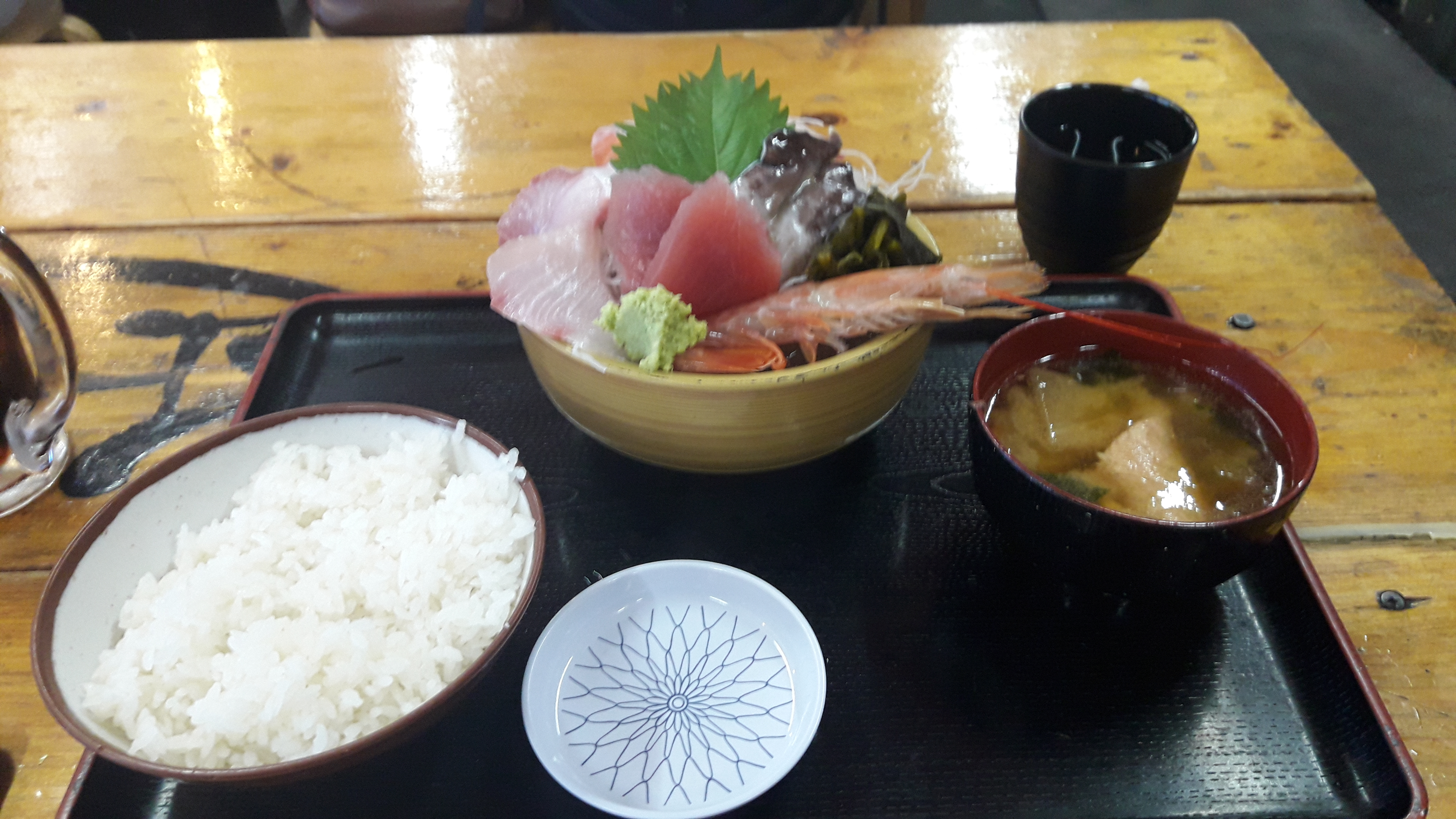
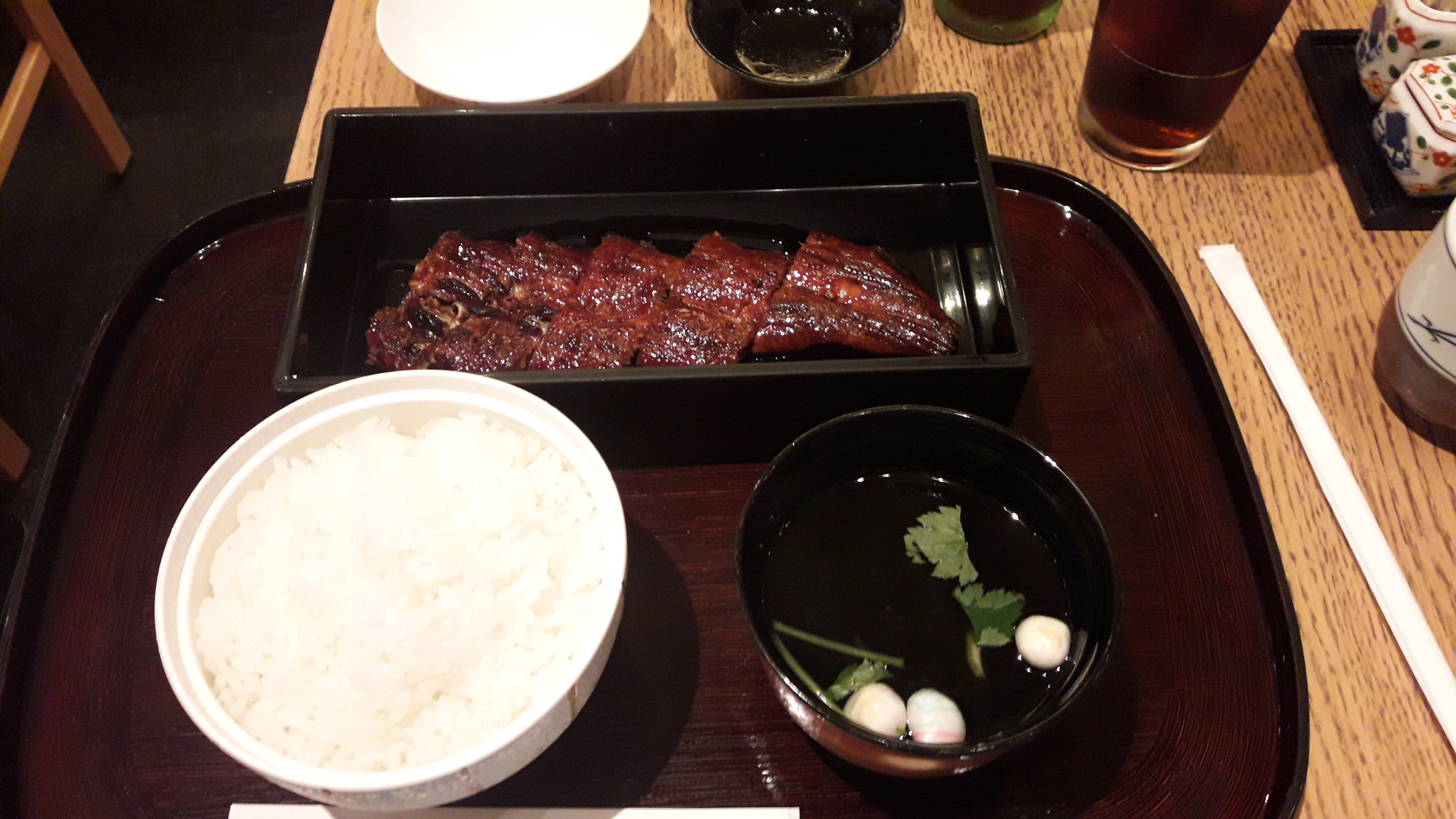
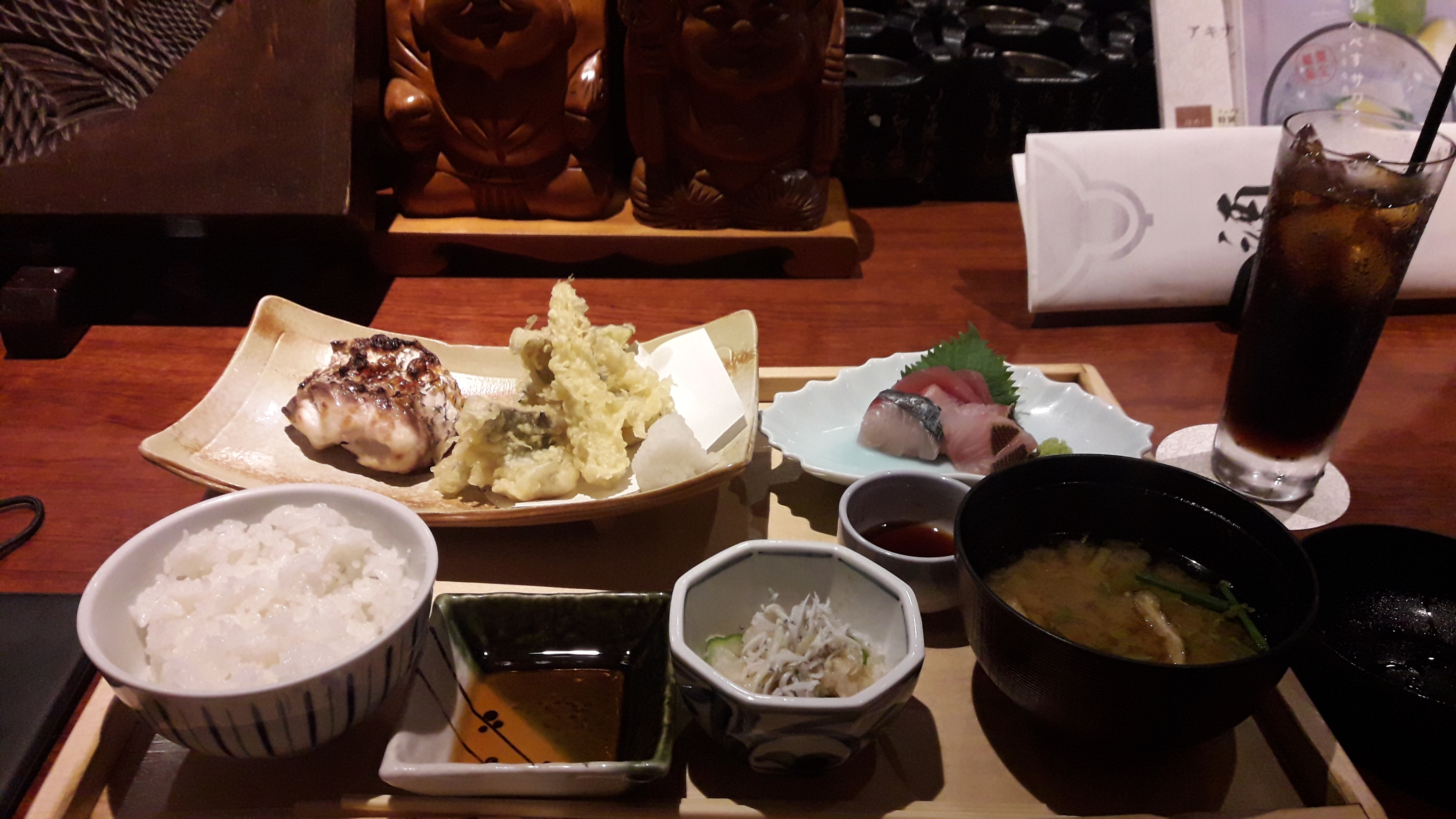
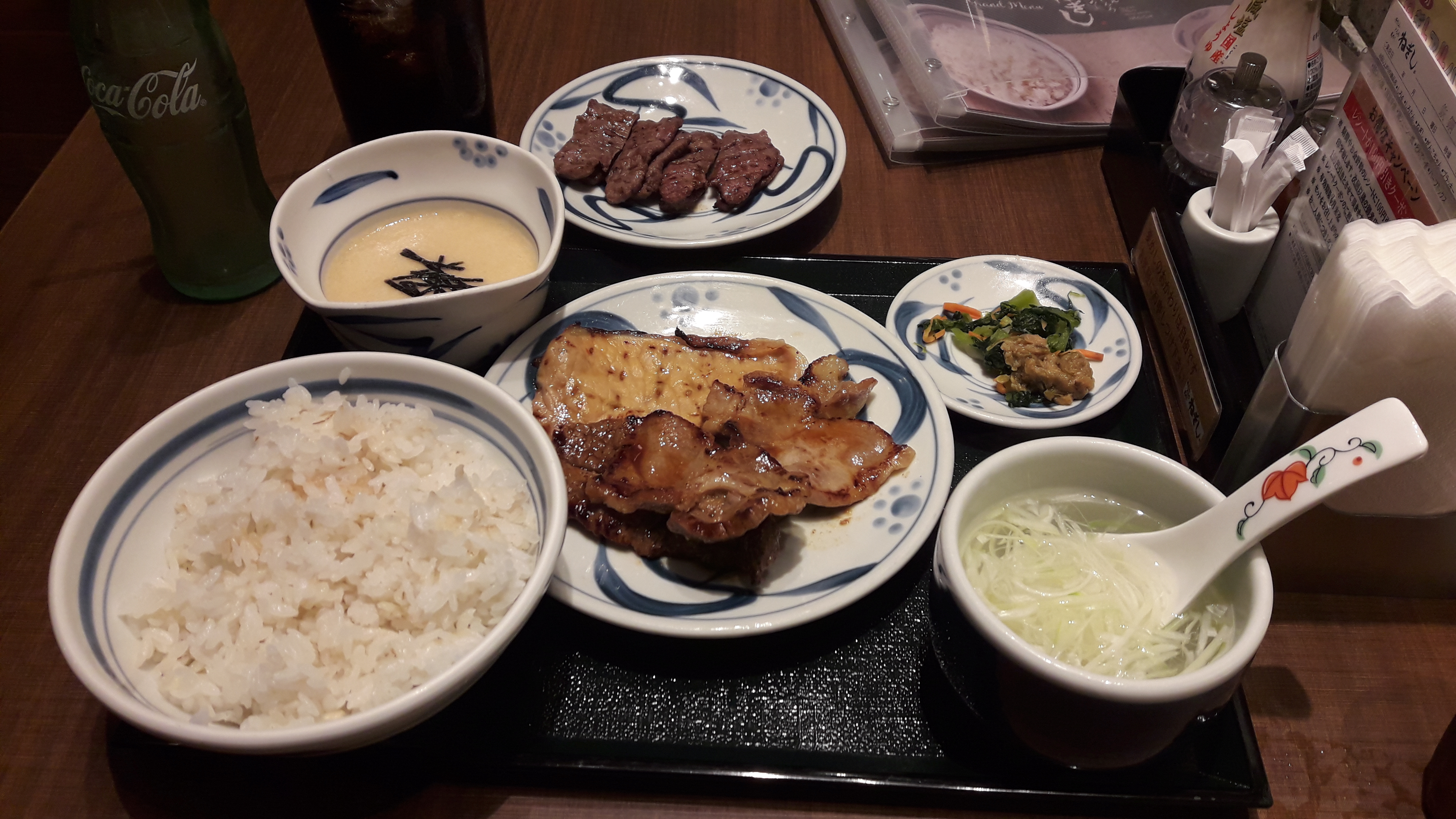
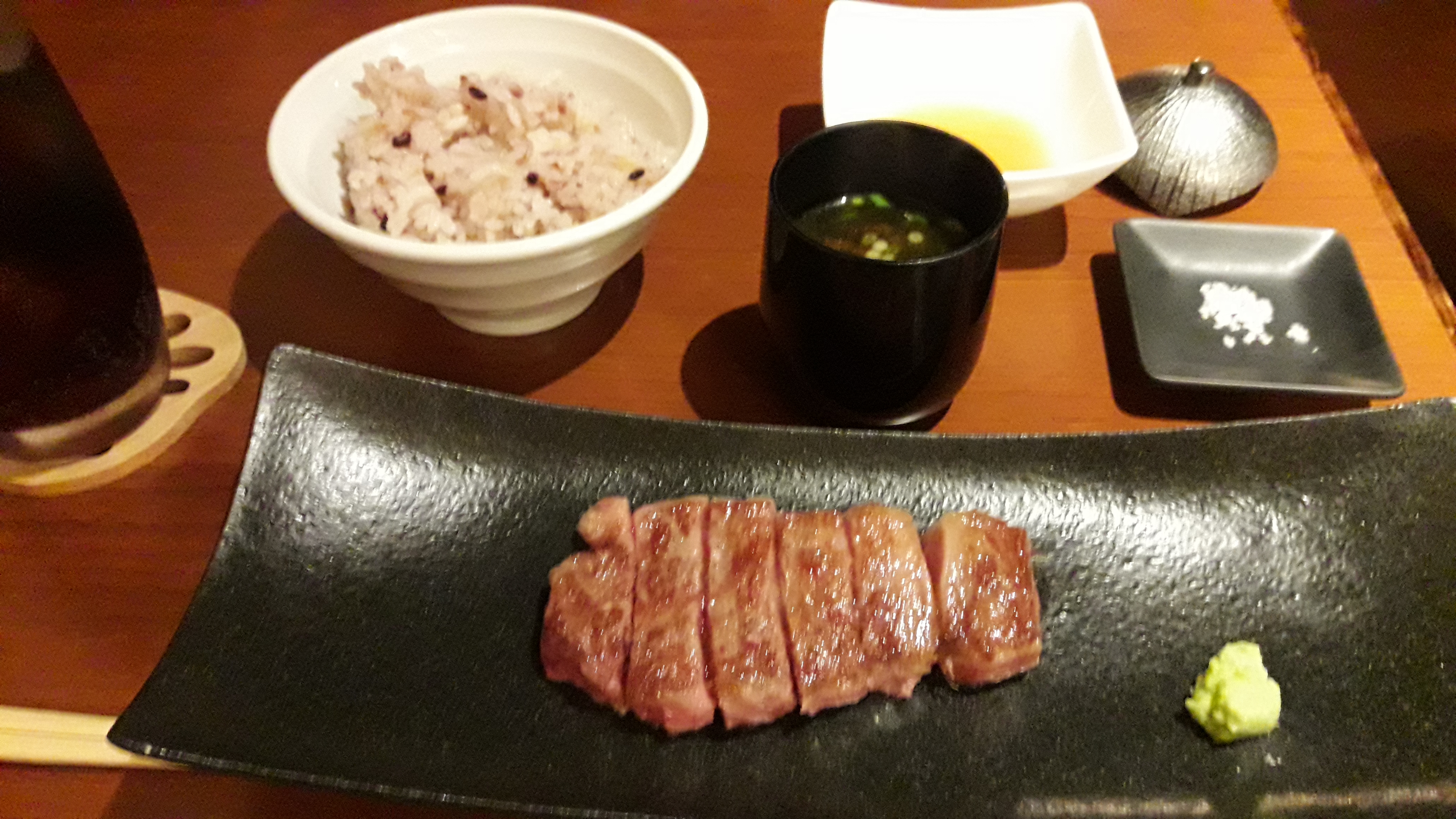
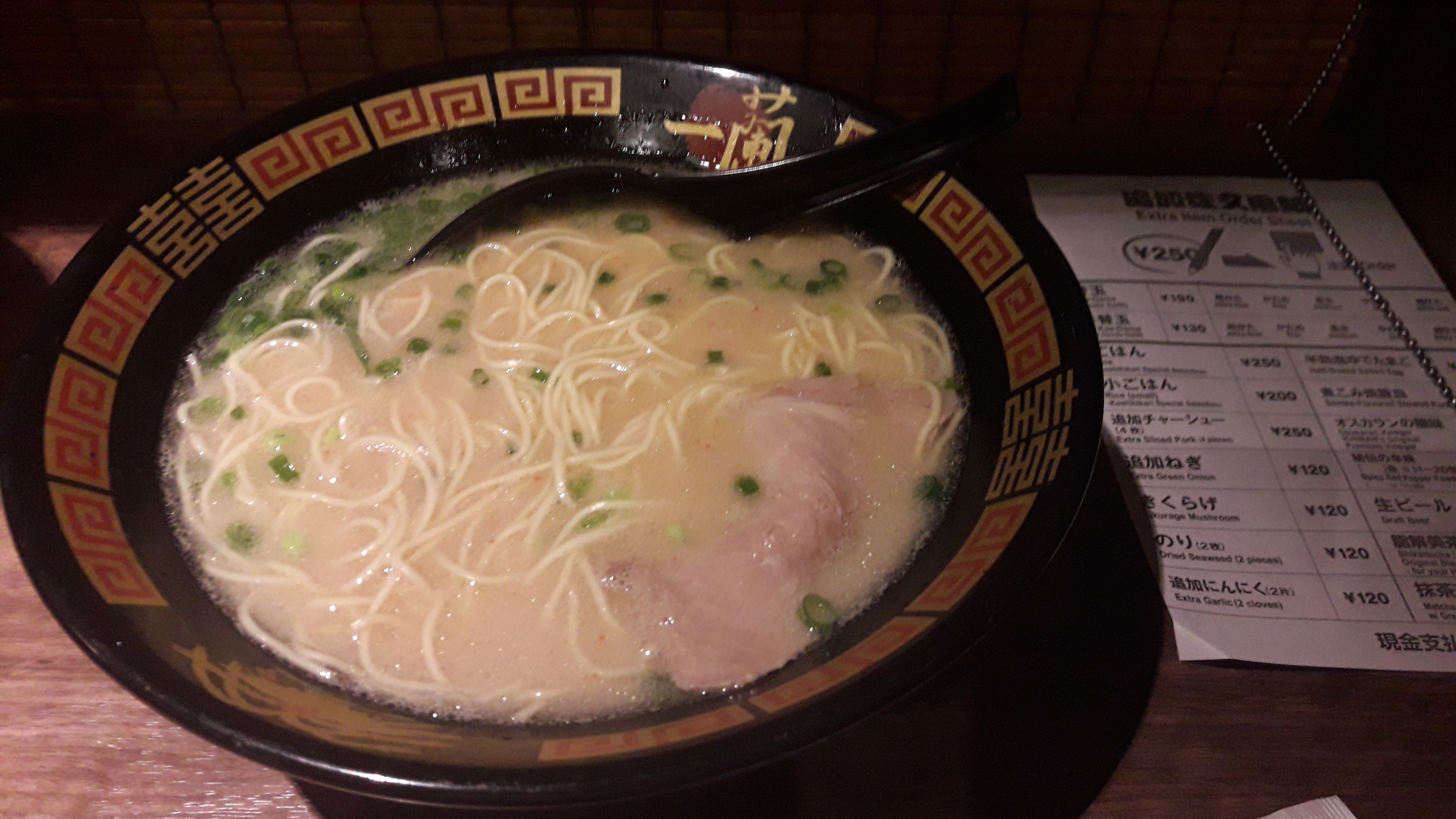
Of course, the food is just to die for. In my short stay in Tokyo, I have appreciated Japanese food probably more than I could imagine. I never thought I would fall in love with the food. I’m not new to Japanese food, but I’ve never been fond of it until I’ve finally had a few in this food connoisseurs delight of a place. There’s the popular Tsukiji Market for street food, but because it was the peak of summer, I tried to avoid food in such places where it can easily get spoiled, particularly the raw ones. So I ended up having my sashimi fix in a neighborhood resto, which offers lunch specials that consist of a bowl of different seafood sashimi with rice and soup. Then there’s the mouth-watering wagyu beef sirloin that sort of melt in the mouth like butter. I had it in a classy teppanyaki resto in Kabuki-cho called Yasaiya Teppanyaki. You have to have it medium rare (as how steaks should be) and just be prepared to fork out at least $80 for a good meal. I had some firsts as well, like the unagi (Japanese eel) where I had what they call ‘hitsumabushi’ or Nagoya style unagi. I also tried this resto that specializes in beef tongue, where I had a combo of beef kalbi, pork loin, another kind of pork, and of course, beef tongue. The beef tongue was chewy, so good thing I had the other meat viands. My ultimate first though was the iconic Ichiran Ramen. Cousin Jean vibered me saying I can’t leave Tokyo without trying Ichiran Ramen. There’s a branch near my hotel so I went. Boy, am I glad I did. Just like the colors of Tokyo, it was muted, tempered, and yet overwhelming to the senses. This food journey was an experience bigger than the trip itself.

My Japanese food journey (clockwise from top left): bowl of seafood sashimi, unagi (japanese eel), combo of beef tongue and other meat viands, seafood tempura, Ichiran ramen, wagyu beef sirloin, and bento of sashimi, tempura, miso soup, and grilled fish. Did I say all are delish?

(Up next: Kyoto)

Istanbul: The Ancient City That Never Sleeps

Travel Buzz

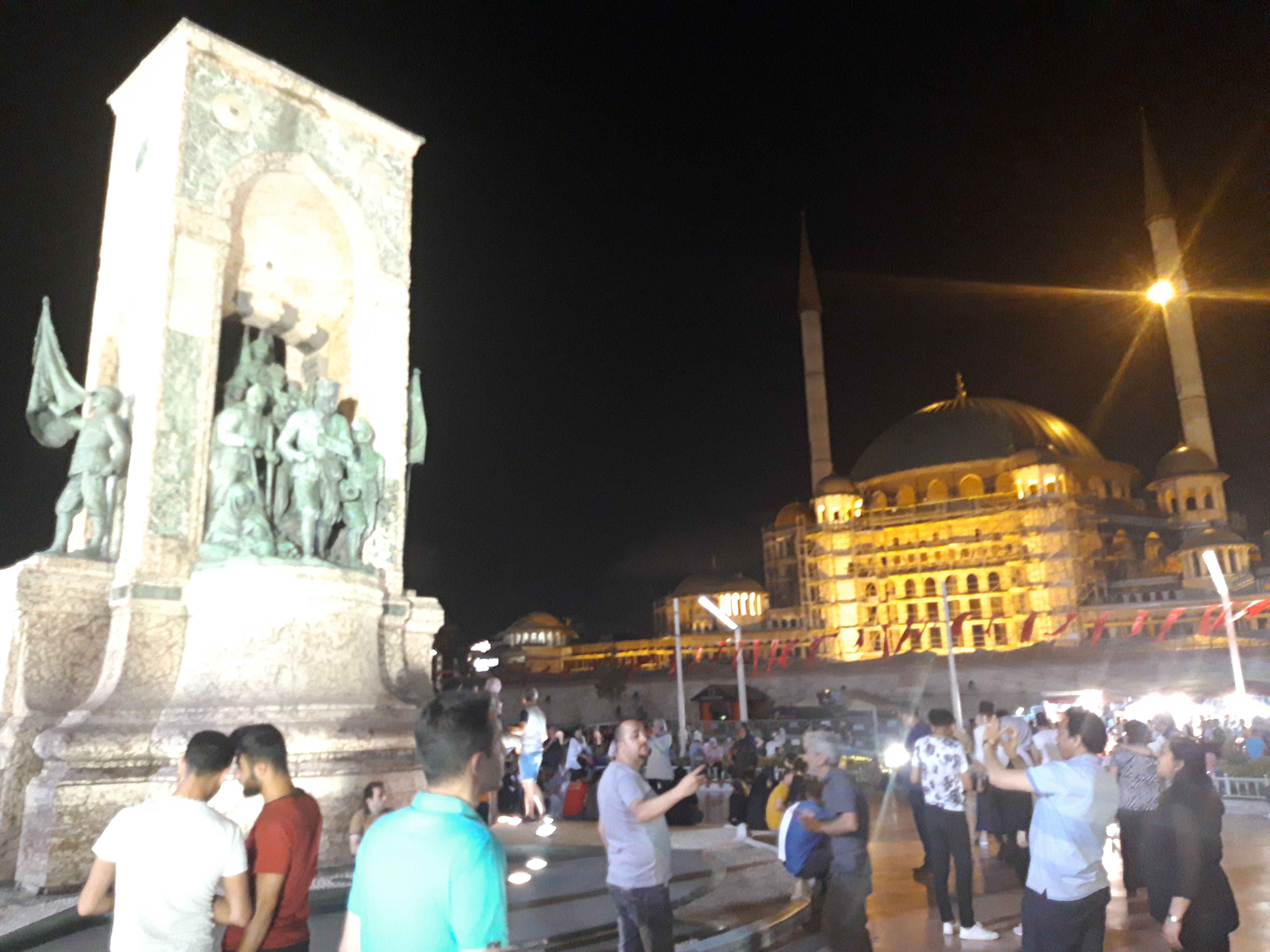
Taksim Square

I flew out of Santorini (Greece: Of Myths, Mediterranean Food, and Beaches Part 2) to Athens on a Volotea flight. Good thing about this flight is that it lands in Athen’s international airport where I took my Turkish Airlines flight to Istanbul in the same terminal just a few hours apart. Before taking my onward flight, I had lunch at the airport and was just happy to have found Burger King. You know (from the photos I’ve shared with my Greece stories in the 2-part article), I haven’t had fastfood in the 10 nights that I stayed in Greece and I’ve been craving for it so it was the first fastfood that I thought would satisfy my cravings and it actually did. Finished 8 pieces of chicken wings, medium fries, and a large Coke Zero. Since I still have a few hours to kill, I went to Starbucks (my first in this trip) to get a drink and finish the article that I was writing for this blog before heading to the gate 30 minutes ’til boarding time.

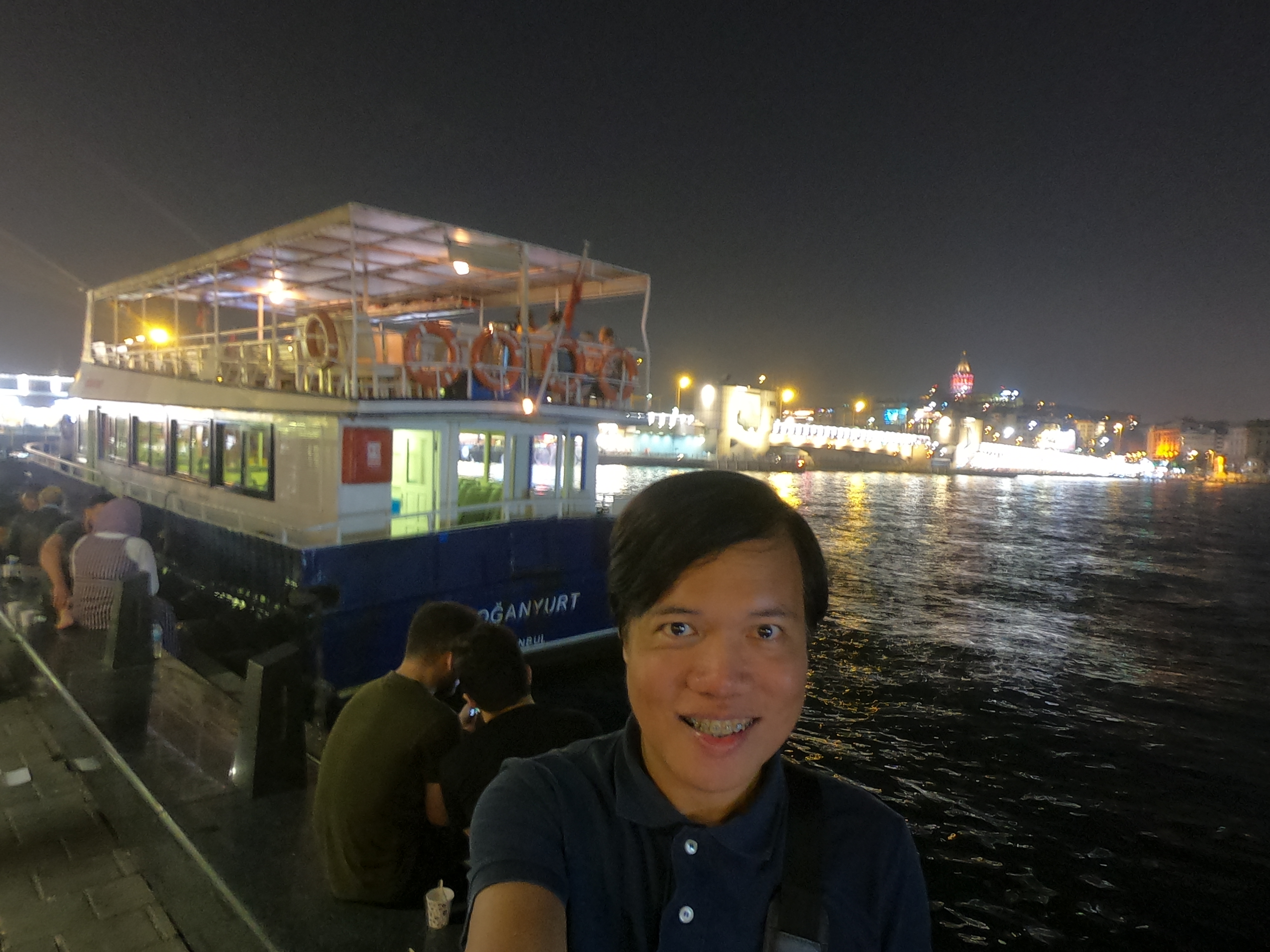
Along the Bosphorus river bank after having dinner at Yaka Balik restaurant under the Galata bridge

It was an uneventful flight. When I got to Turkey’s international airport, I was met by a rep of the transport company that my hotel has commissioned to pick me up. I told him that I need to look for an ATM first coz I need local currency. One thing I learned from my travels is that sometimes it’s better to withdraw from local ATM rather than bring dollars and convert it to local currency since the conversion rate is so much better and there is no commission fee (this is particularly true in Madrid where you’ll get ripped off with the conversion rate alone). He advised me to do it in the city as the ATMs in the airport charge commission fee. I was glad he told me that, it gave me a good first impression of Turks, especially after that unfortunate experience in Mykonos. He led me to my van, a modern unit where the seats look like 2 leather sofas facing each other and I had it all for myself. It was a pleasant ride indeed.

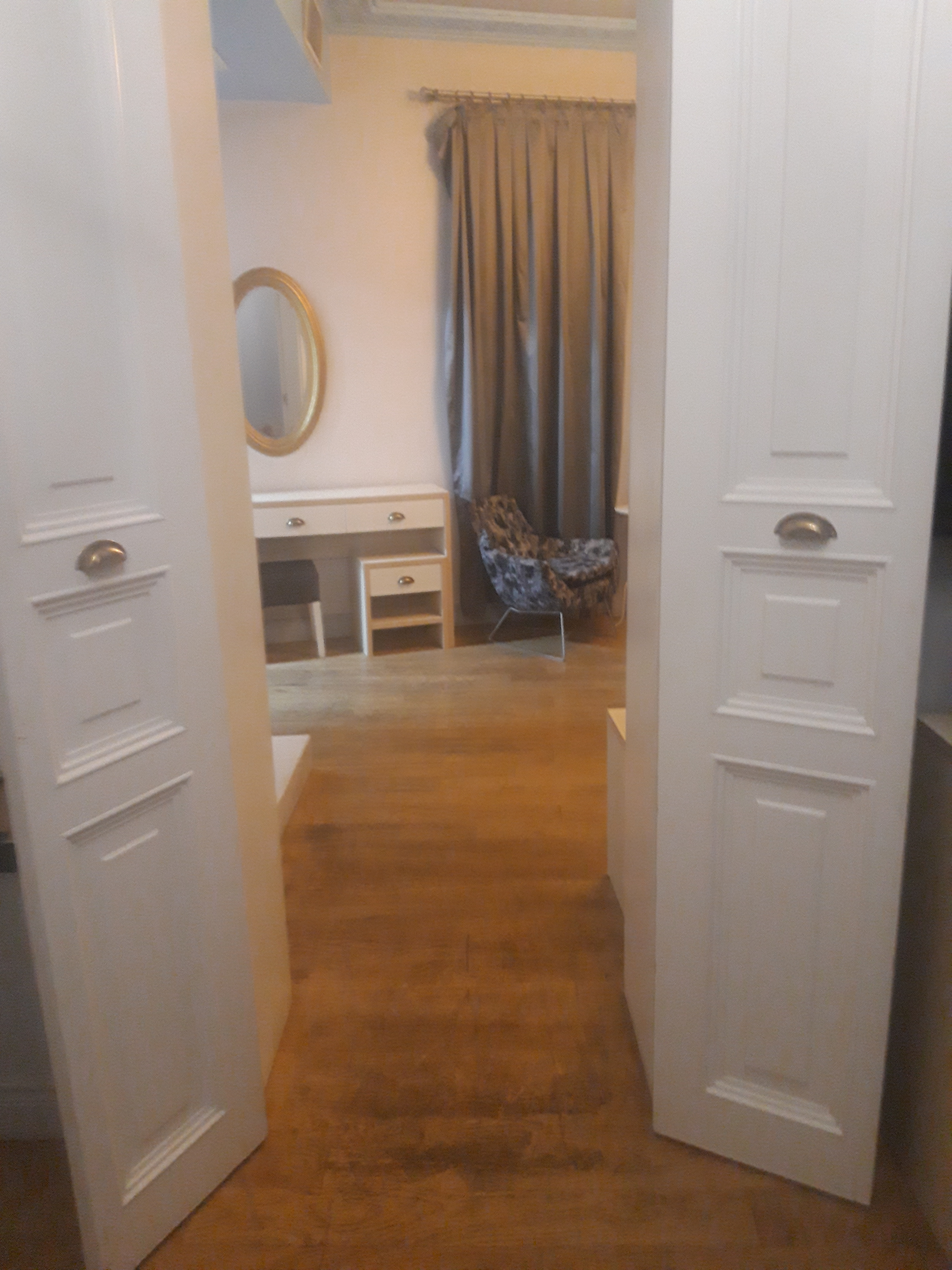
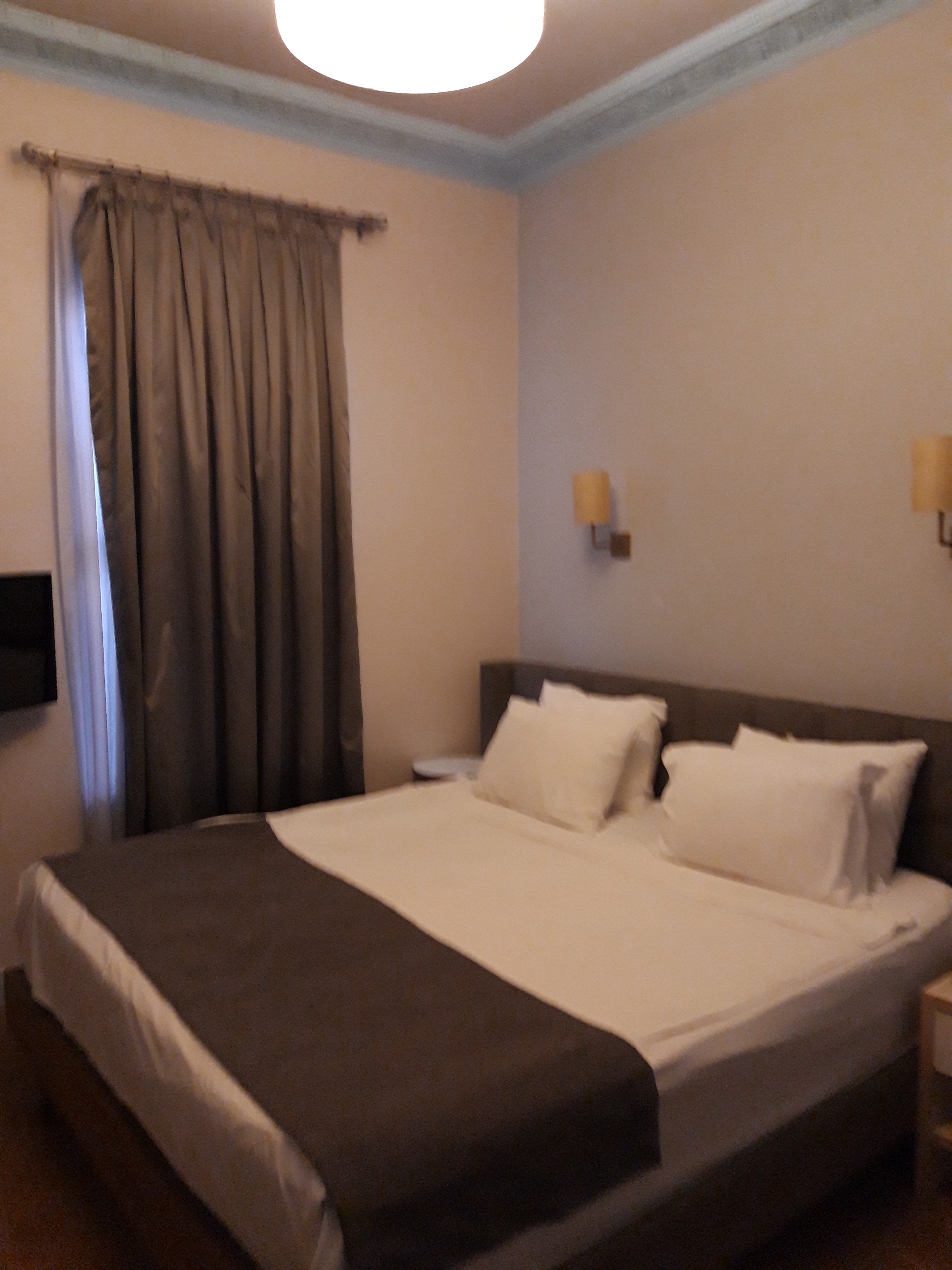
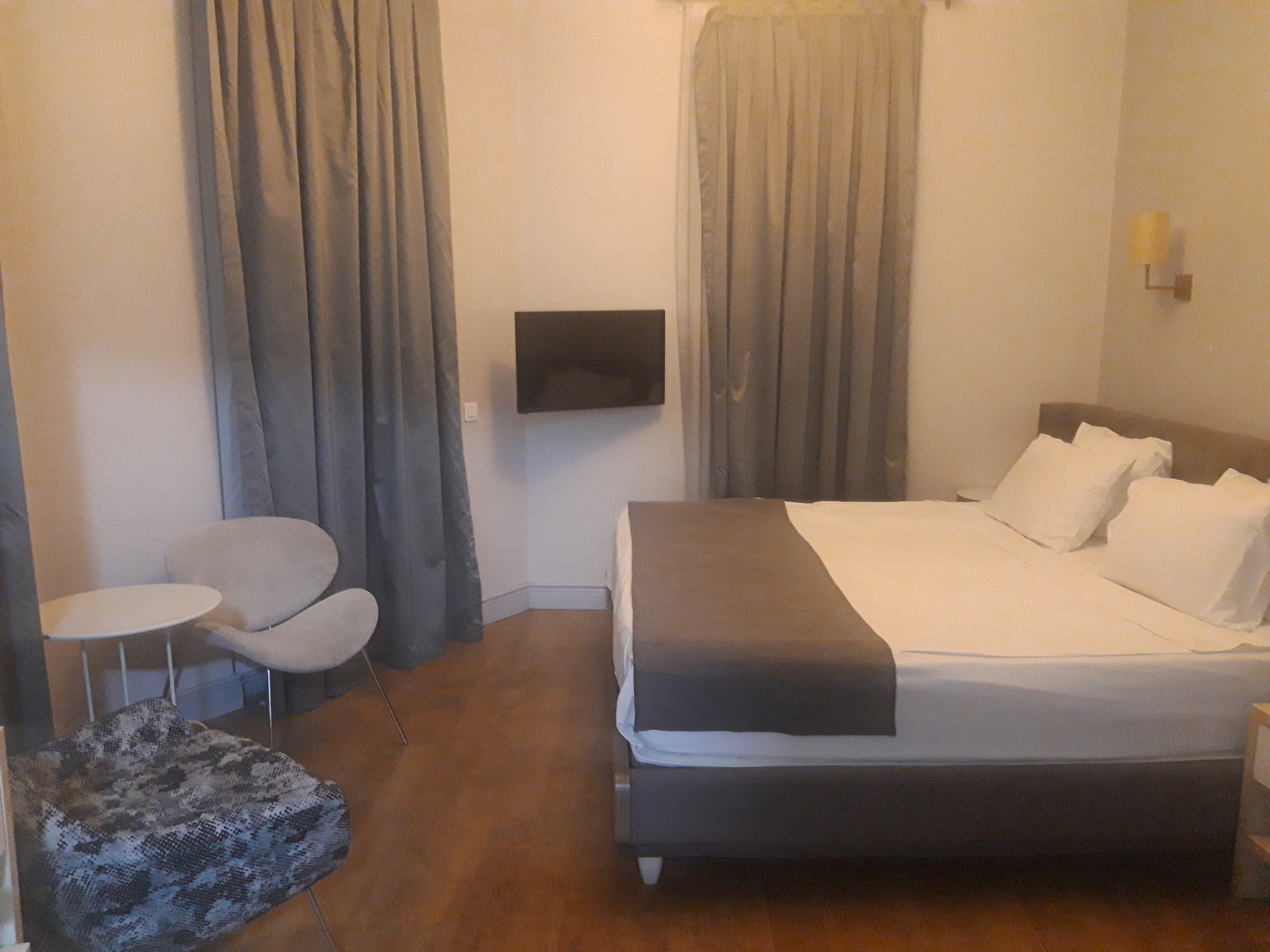
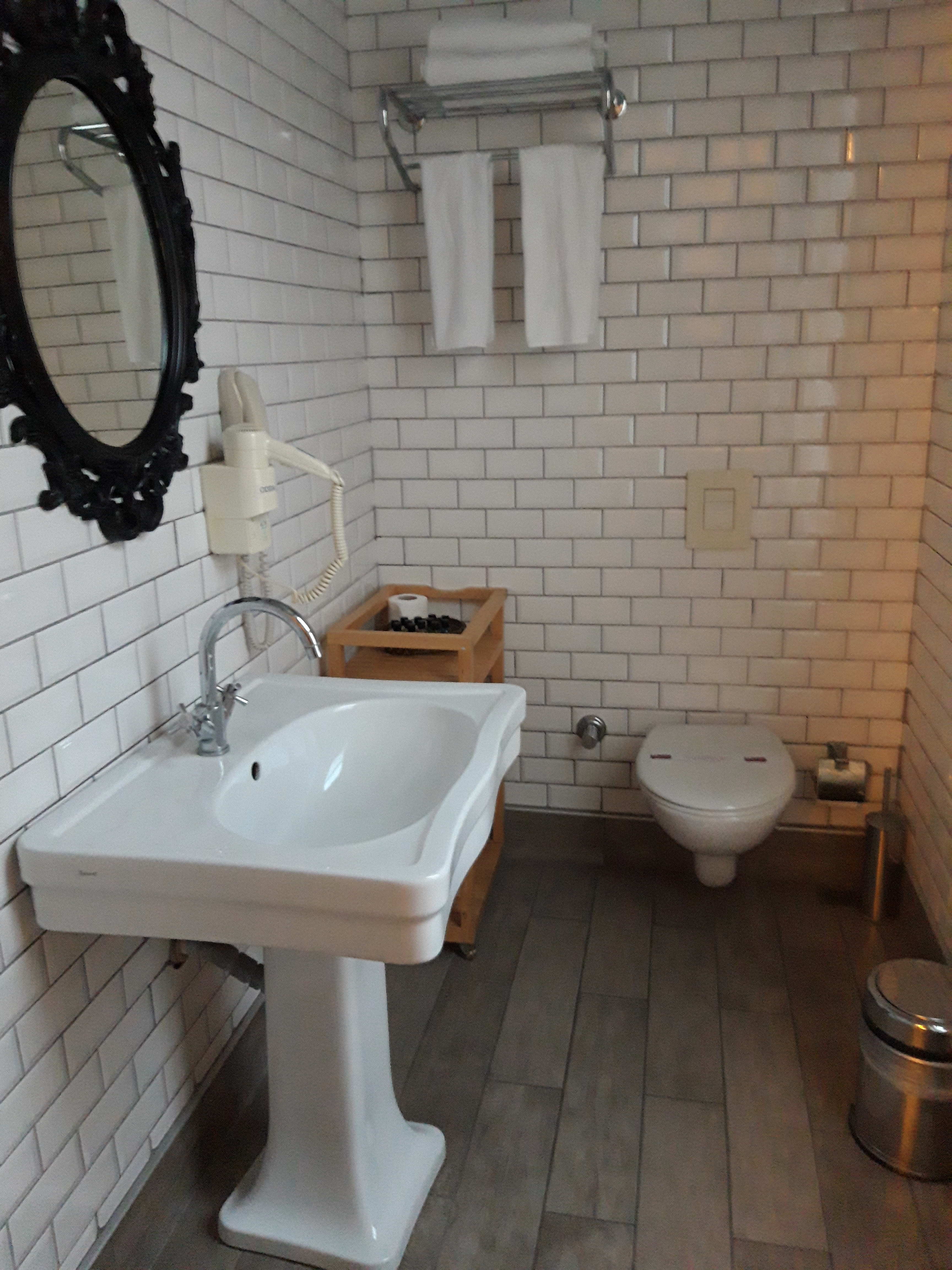
My suite room (ODDA Hotel). I love the classic toilet design.

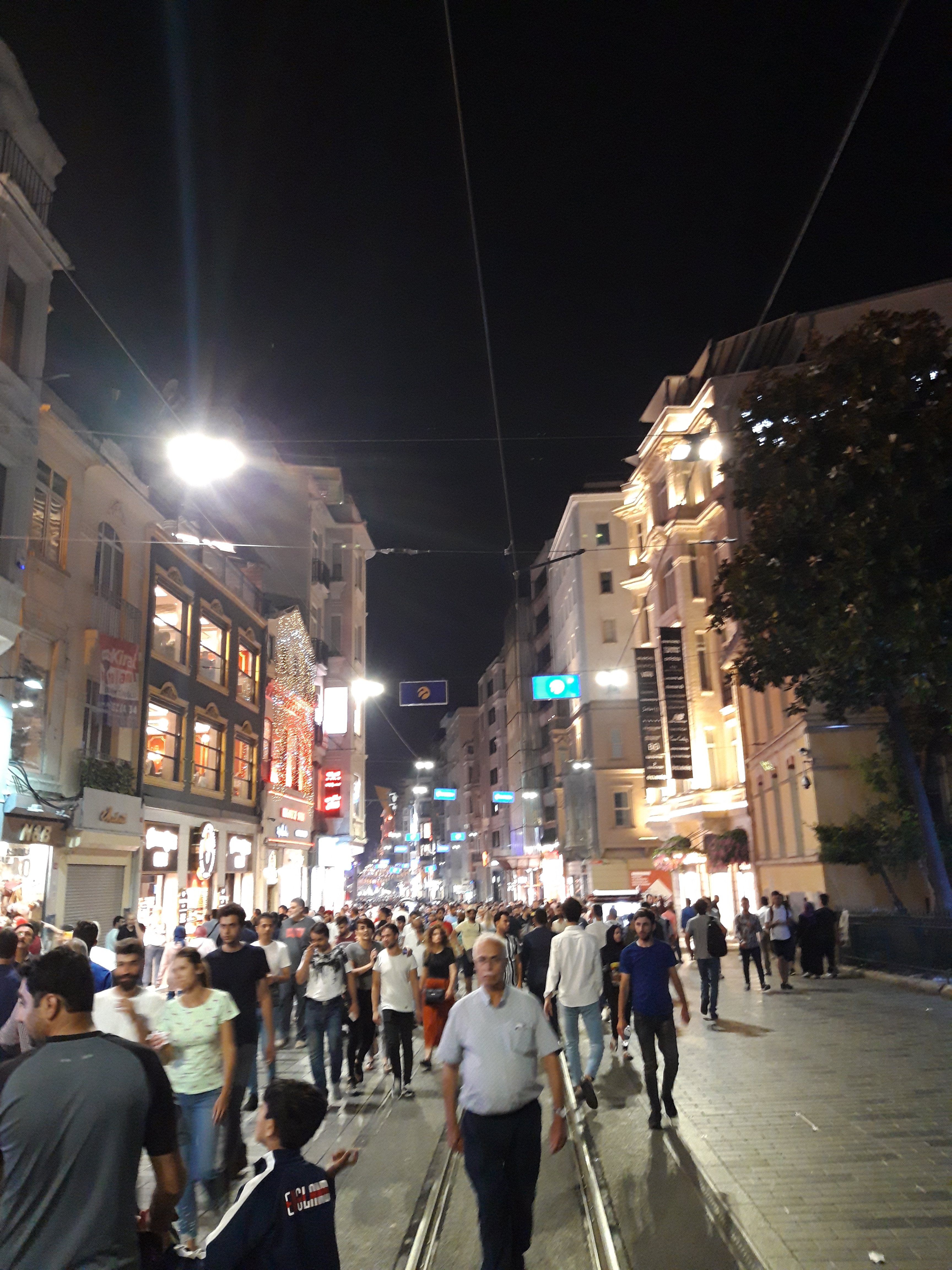
I was dropped in my hotel, ODDA. As I mentioned in my previous article, I have to downgrade my hotel accommodation to cut my losses from that Mykonos scam. I was originally booked at Rixos Pera Istanbul using my Le Club Accor. It’s a high-end hotel at mid-scale price (using my Accor card) so I thought why not. Turkey is not an expensive city unlike the rest of Europe, so having a little luxury for a good price is something that I would normally go for. Unfortunately, I have to give it up and settled for a less classy property in a less desirable address. Don’t get me wrong though, ODDA Hotel is in a good location if you want to be near everything (a few steps away from the main avenues, particularly the popular Istiklal Caddesi, and few minutes to the nearest Metro), but it’s just that it’s in that part of the center where bars abound as well as hole in the wall shops and restos, which give it a dodgy feel especially at night.

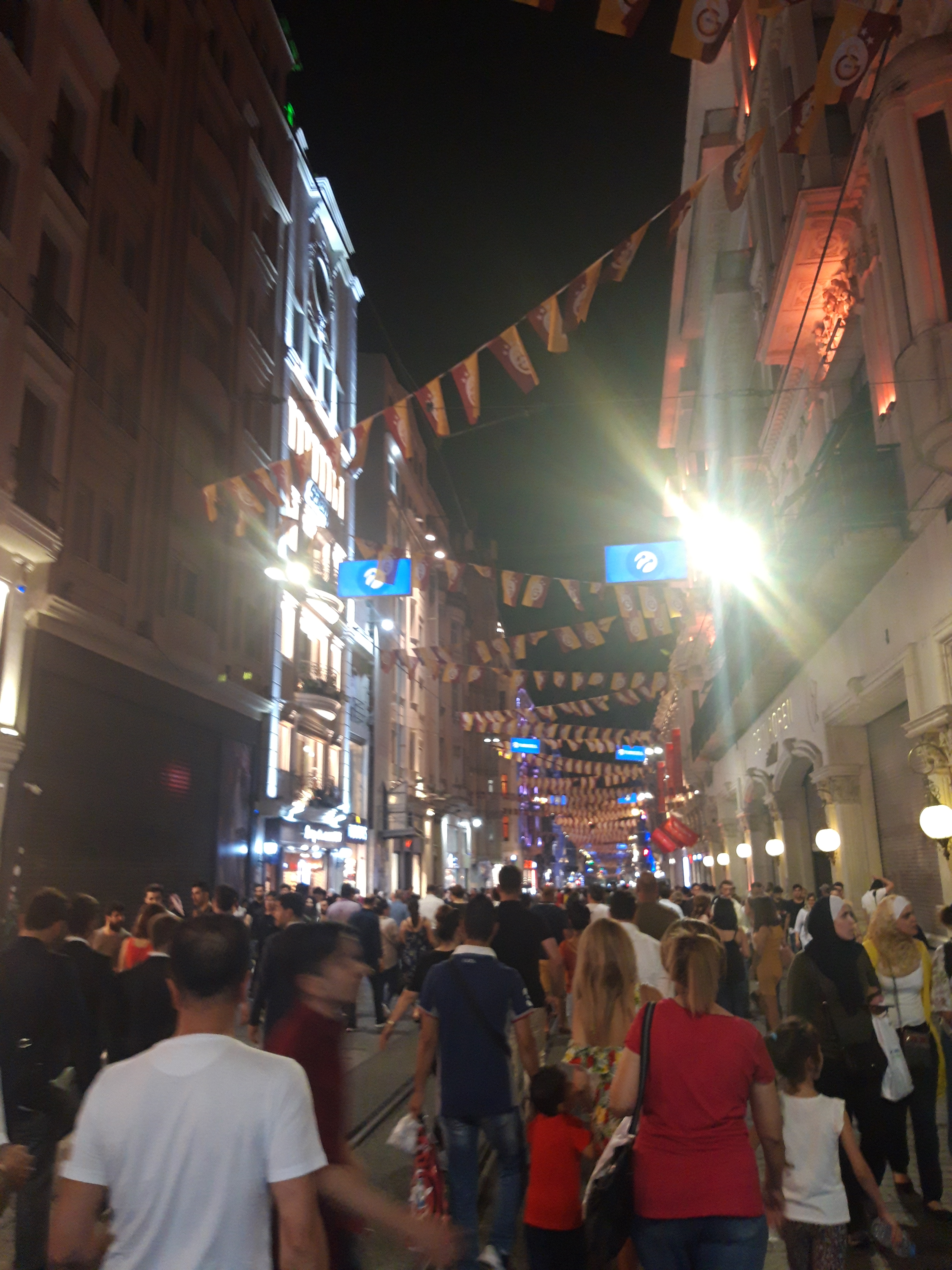
Istiklal Caddesi filled with people at any given time of the day and night.

The accommodation, to say the least, is decent. I got a suite (yes, you heard me right). But before anyone questions my judgement especially after getting ripped off in Mykonos, you will be surprised at how much I got that suite room. Let’s just say I got it for less than a 100 euro a night. Quite a good buy, right? Though it’s not as posh as the room I had at St. Regis Abu Dhabi and in dire need of some refurbishments, I liked the extra space (living room, bedroom, separate shower and toilet). It’s a welcome respite from tight spaces typical of European hotel rooms. The only negatives are that the furnitures need some upgrade and the whole place needs a face lift.

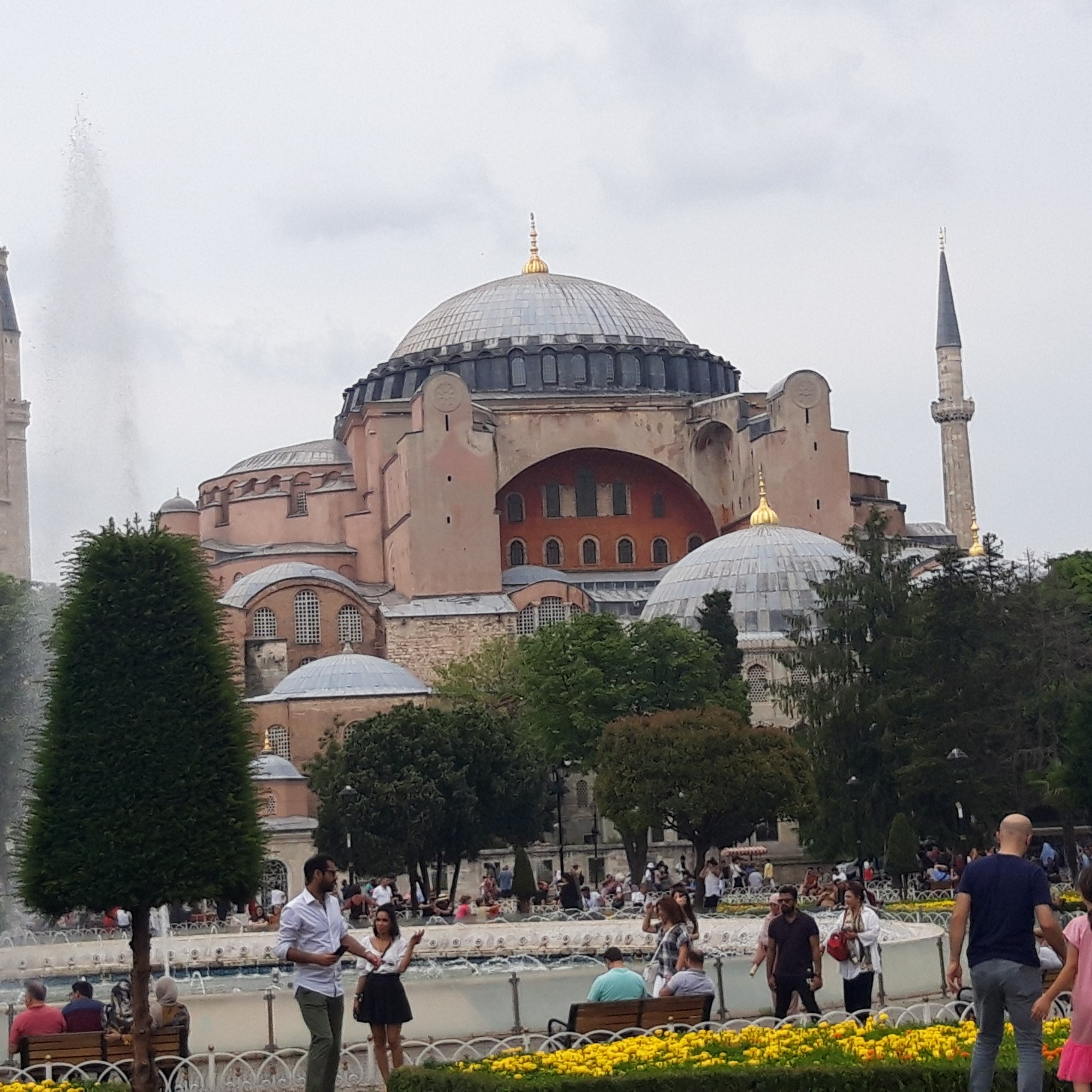
Hagia Sofia (exterior and interiors)

Before embarking on this Turkish journey, I already had an idea which touristy sites I would like to see given the limited time that I’ll be in Istanbul. My sister suggested that I see the MillStone Cave Suites at Cappadocia for the hot air balloons but that’s outside of Istanbul and I don’t have enough days to stay there not to mention the travel time to get there. So I’ll reserve that for future trips, which will give me a reason to come back to Turkey. I decided to see only Istanbul for all its glory on a tight budget (after spending a fortune in a tourist trap that was Mykonos). I didn’t do the hop-on-hop-off bus anymore (which I would normally do to acclimatize myself in every new environment I’m in) to save some euros and time. So what I did was to get a loadable Metro card and got myself familiarized with the subway system and stations nearest to the sites I’d like to see. Unlike that of Tokyo, Istanbul’s subway system is quite simple and easy to understand.

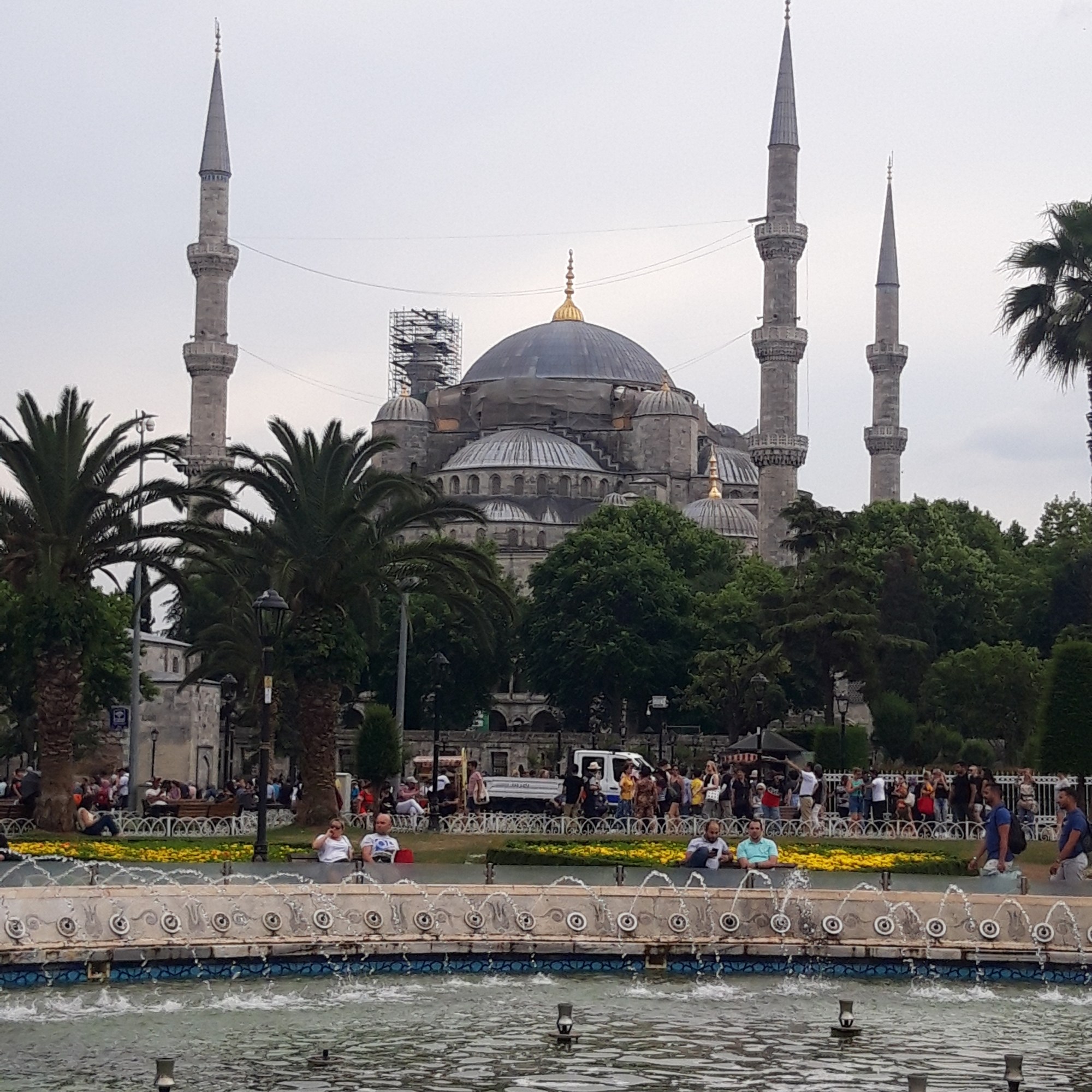
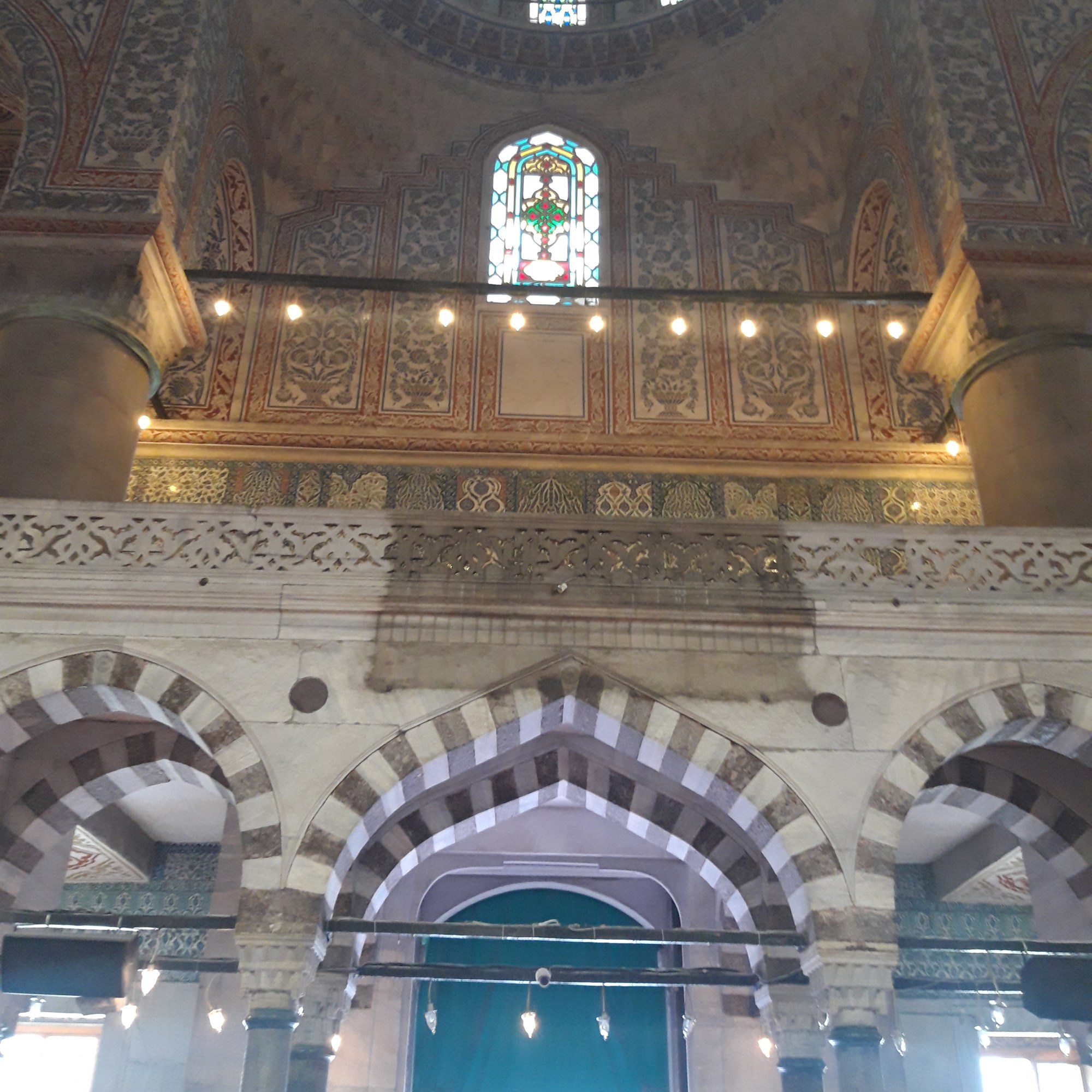
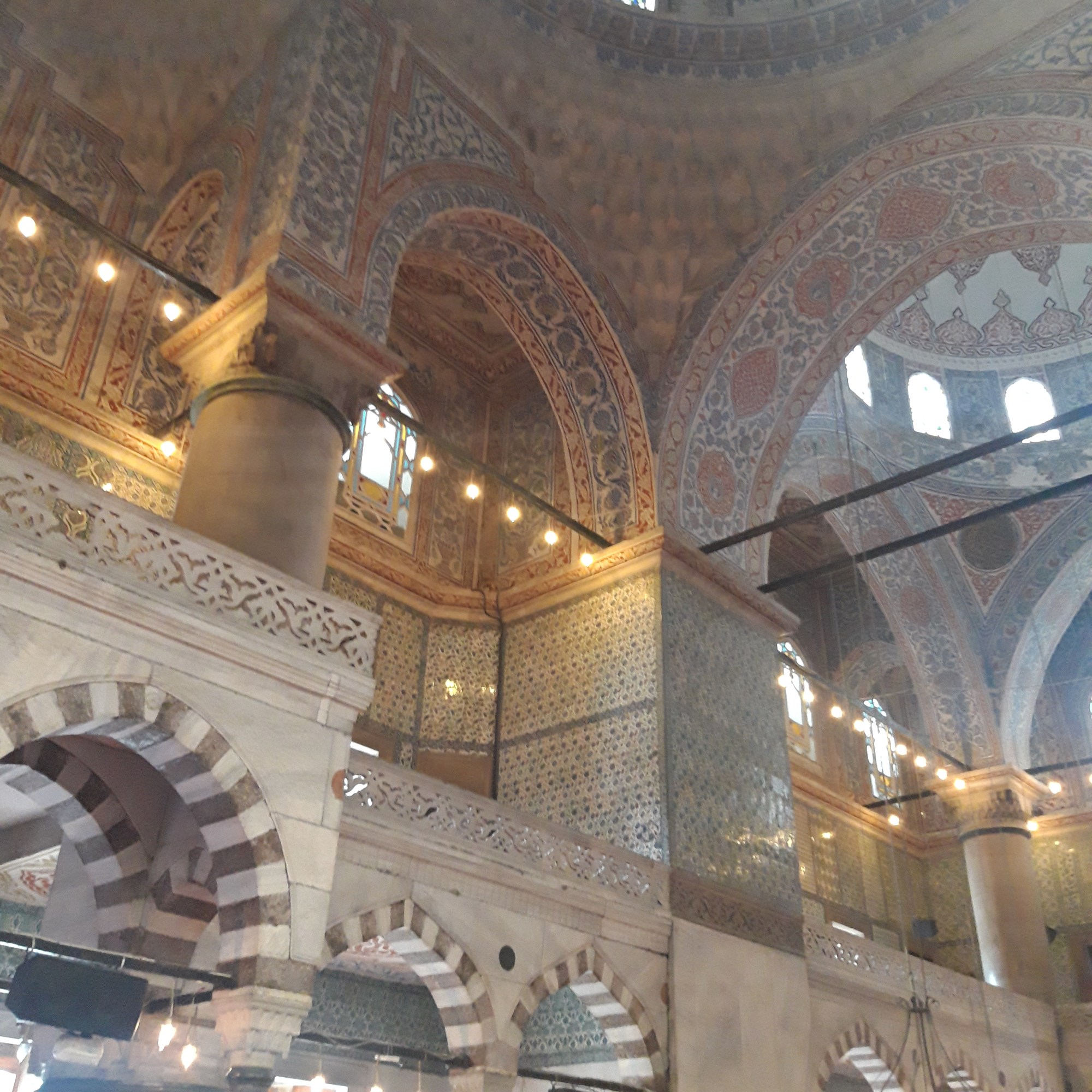
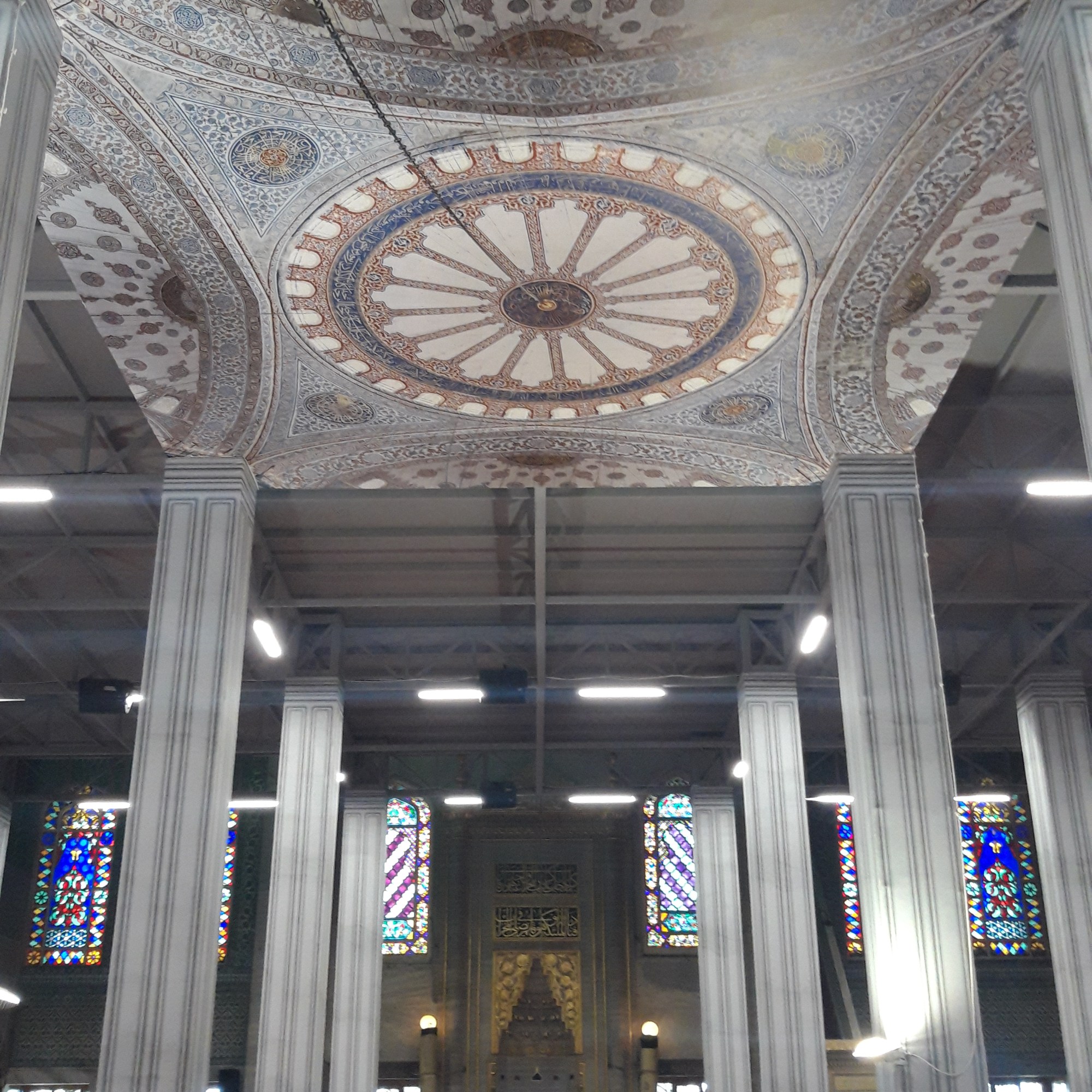
Blue Mosque (exterior and interiors)

My first stop was the area where both Hagia Sofia and the Blue Mosque stand only separated by a park. These two structures define Istanbul both in terms of legacy and grandeur. Both are strategically located and stand apart just with enough space in between for people to stroll and appreciate these ancient beauties. Hagia Sofia is pinkish in appearance, while Blue Mosque is, of course, bluish. Between these two UNESCO World Heritage Sites, in terms of facade, I like the latter better. It is more majestic in presence, like a King with his Queen just a few steps behind. The interiors of both though were underwhelming. Like food, it wasn’t as tasty as it looks. Don’t get me wrong, there were a lot of intricate and meticulous details and undeniable unique aesthetics, which many would say work of art, but I have seen better with less hype. Maybe I was just expecting much (just like with Rome) and that’s always been one of my flaws. Like going to the movies, I would always tend to read the reviews before going in and leave the movie house underwhelmed.

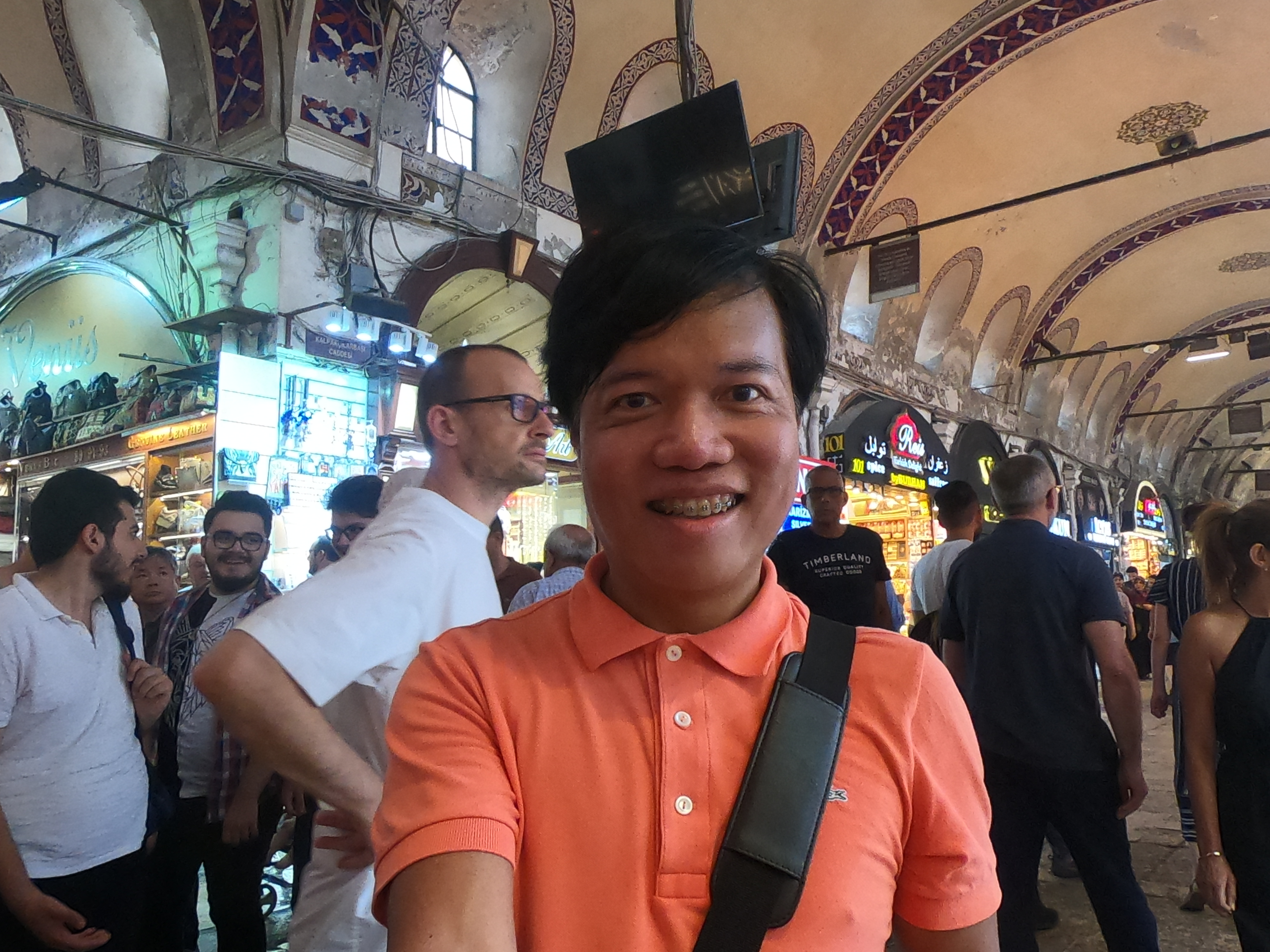
Grand Bazaar. Bought souvenir items, local soaps, and a carpet.

Around the area are ‘hidden’ mini bazaars (didn’t have any idea that there were shops at the bottom of some stairs in the area) and I was stopped on my tracks a few times by friendly Turks inviting me to see their stalls in discrete spots. I’m not sure whether I look like a loaded tourist, where locals would usually come up to me and ask where I’m from and if I’m interested to see the wares they’re selling, from jewelry to precious stones, from carpets to artworks. I don’t think I wear fashionable clothes to have that look (I’m not gunning for that look, believe me). Not sure whether I’d be flattered by the attention, but I’m just a regular guy who likes to travel to see the sights and enjoy the food with shopping furthest from my mind. I had plans to visit the Grand Bazaar anyway, so I’d rather do the shopping there than entertain these guys.

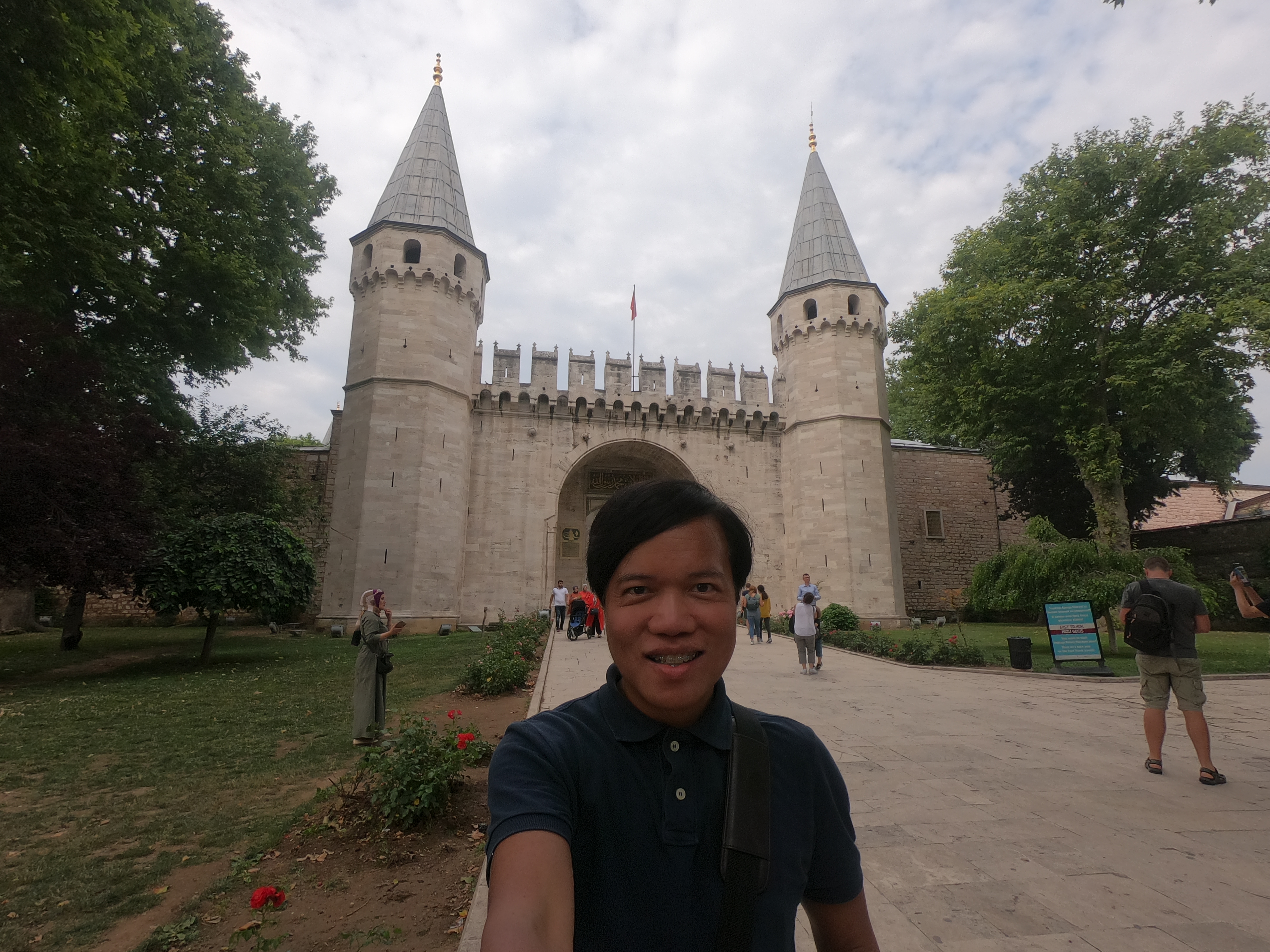
Topkapi Palace Museum

Like Athens or any other ancient city, a visit to Istanbul won’t be complete without seeing her museums. My ticket for Hagia Sofia (which is now a museum) also entitled me to see two other museums: Istanbul Archaeological Museum and the Topkapi Palace Museum (discounted 3 in 1 ticket). The Archaeological Museum was just ok, no amazing or spectacular finds. My takeaways from the visit weren’t any good archaeological finds but the beautiful tiled building outside of the main building and a blackened toenail after tripping on probably ancient rock lying on the grounds of the mini archaeological garden beside the refreshment area. Topkapi Palace Museum, on the other hand, was a different story. The gardens leading to the different buildings inside a huge compound are beautiful. Well maintained and manicured, it gives the place a refreshing vibe that complements whatever awesome finds inside the buildings that house ancient relics and artifacts including what many believed was Moses’ staff. There are other finds which Muslims would consider sacred, that’s why it’s no surprise that the crowd would be mostly Arabs since the Palace is visited for its unique collections with historical and religious significance.

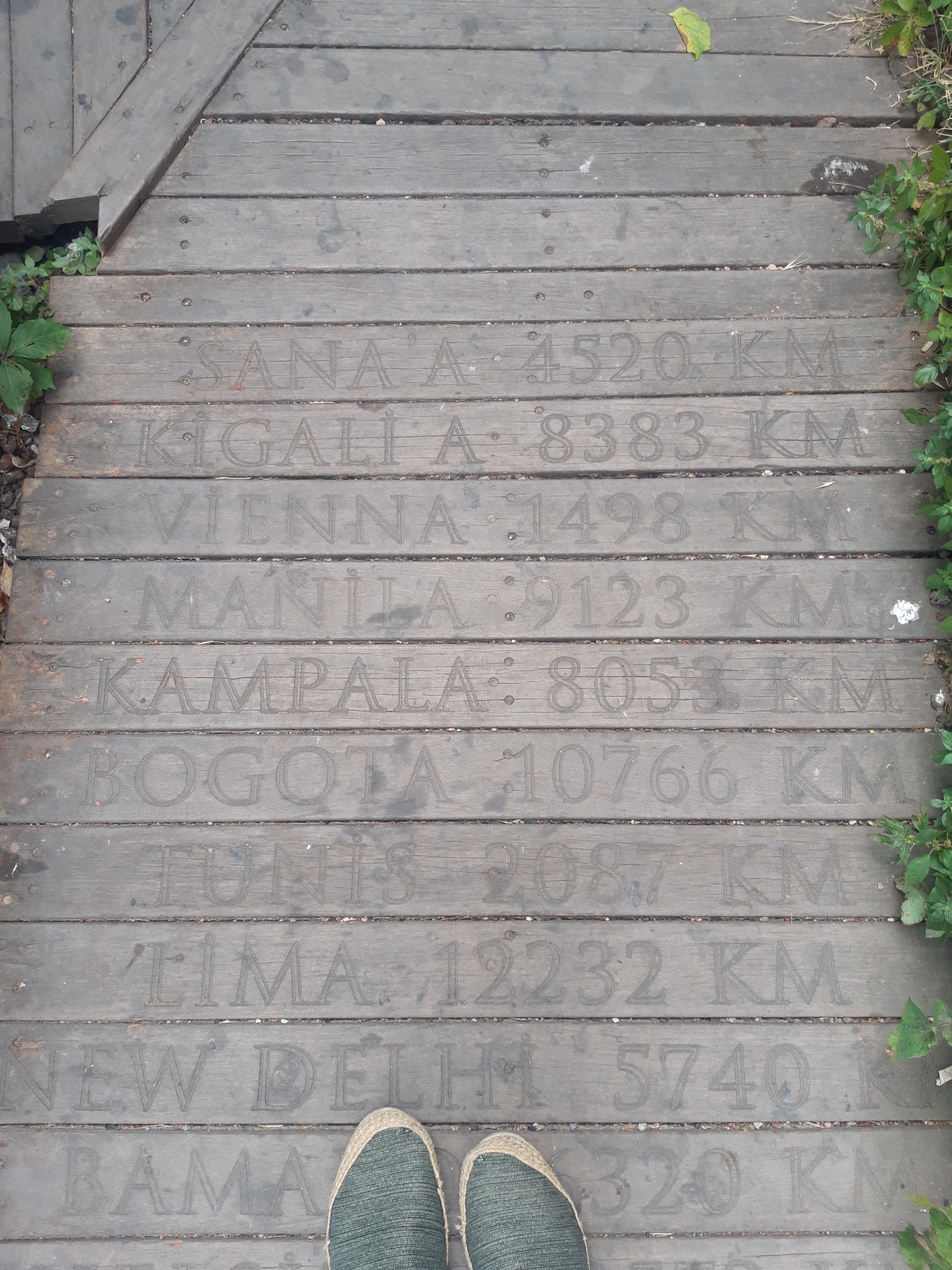
The Milion. See how far Manila was from the ancient zero-marker.

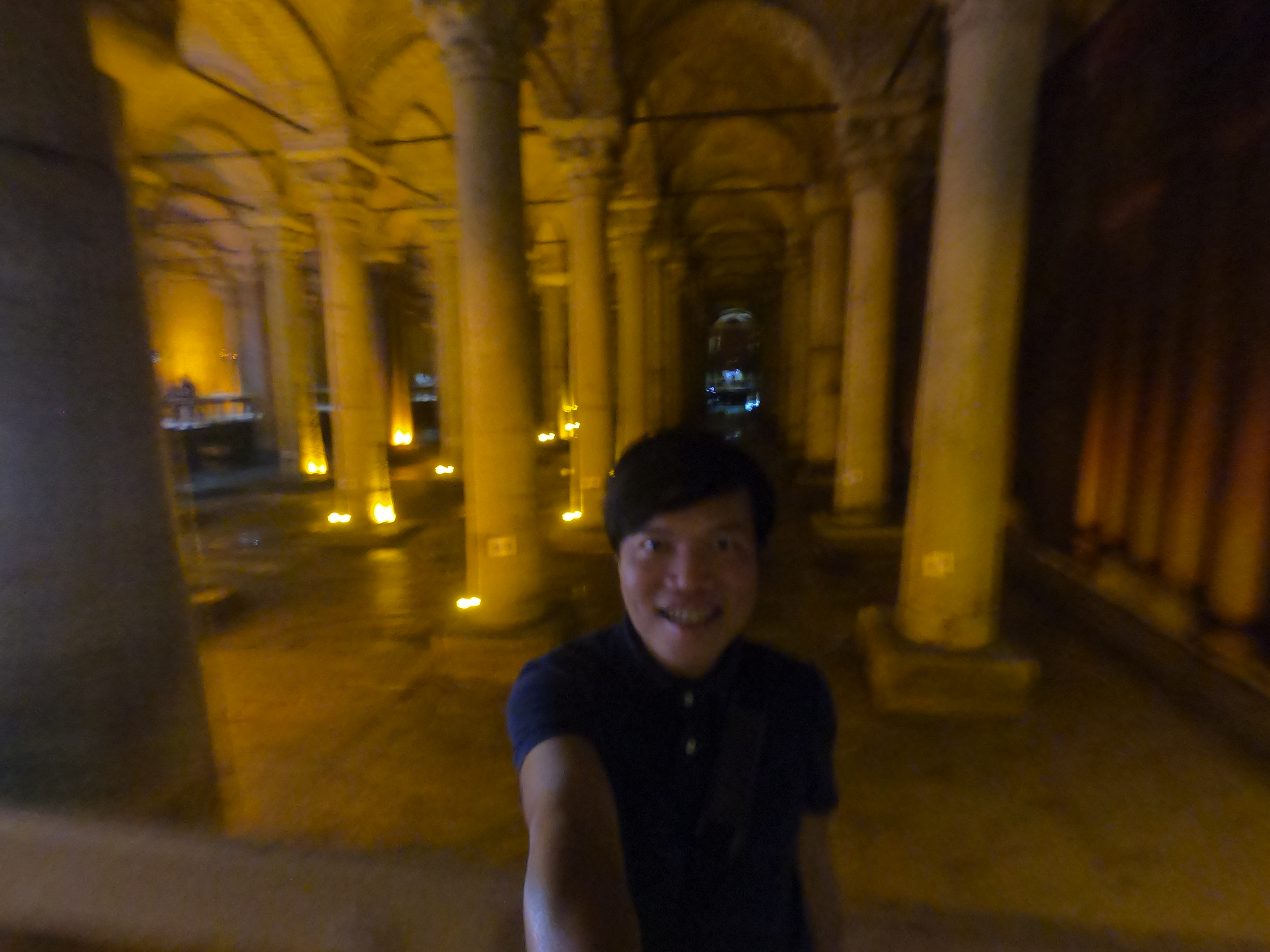
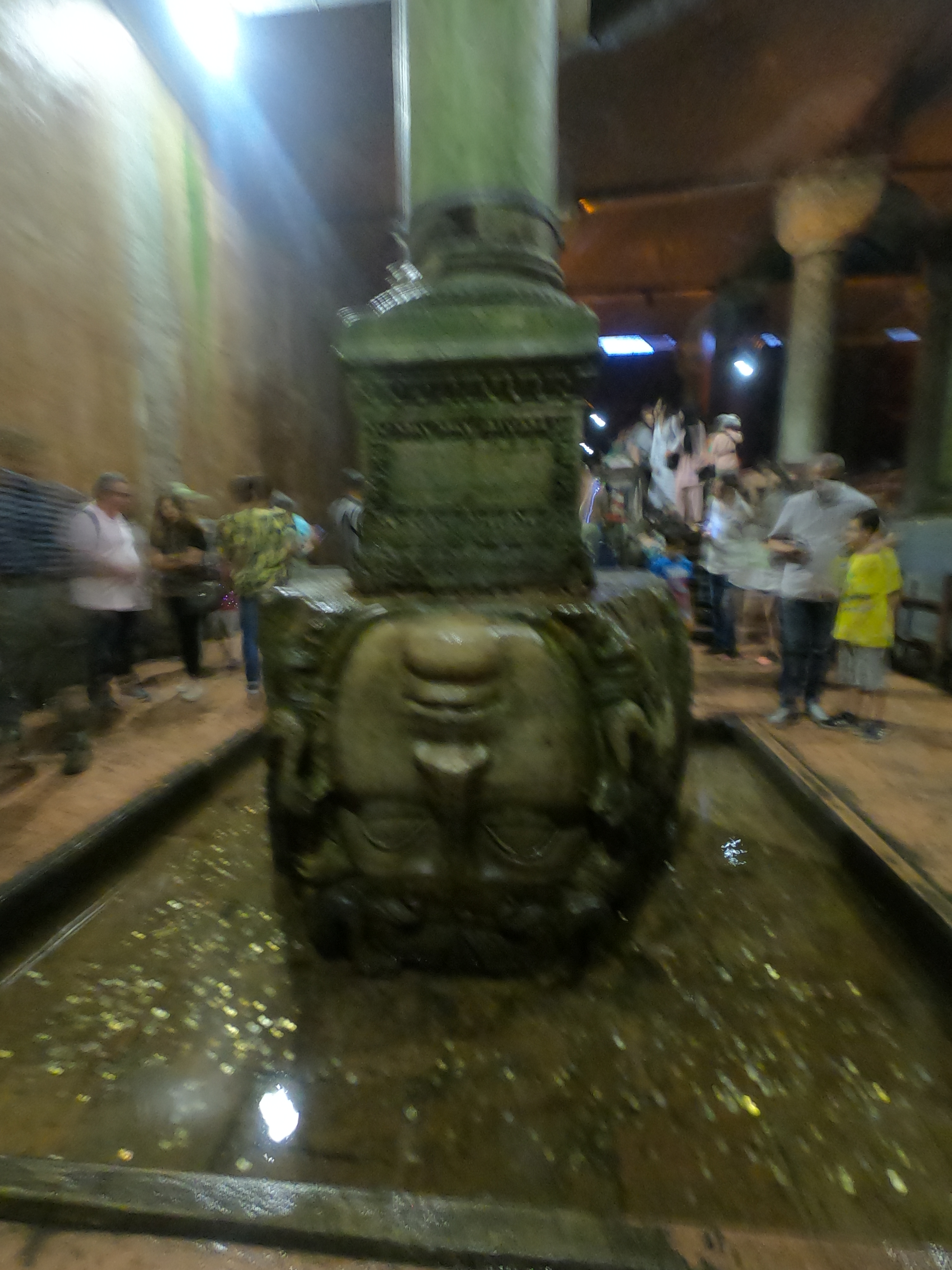
There are two other sites that are worth seeing. One is for free, the other with minimum fee. The former is The Milion, a 4th century A.D. monument, erected as a zero-marker during the Byzantine era used as starting place for measuring distances. What stands now is just the remains of the monument. People would normally pass by it, not realizing the presence of a significant marker. The other one is the Basilica Cistern, a 6th century A.D. underground cistern that can hold 100,000 tons of water. This is the main source of water for the capital of the Byzantine empire. Aside from the spectacular columns (336 per my count, just kidding), the “Sunken Palace” also houses two Medusa heads used as plinths and considered as masterpieces of sculpture art during the Roman period. Myths have it (again with reference to Greek mythology) that Medusa was a beautiful girl (with gorgeous eyes and hair) in love with Perseus, son of Zeus. Athena, who was also in love with Perseus, was so jealous of her that she turned her lustrous hair into snakes and whoever stares at her and meets her gaze will turn into stone. That’s why they put those heads upside down so that people won’t turn into stones (huh?). There’s a puddle where each head rests which now serves like a wishing well/fountain, so I threw in a few coins and made my wishes (hoping all will come true).

Basilica Cistern. If you have seen the movie Inferno (the 3rd installment of Dan Brown’s Da Vinci Code series with Tom Hanks and Felicity Jones), then this may look familiar to you.

Istanbul is also known for its hamams, so to satisfy my curiosity, I tried it. I’ve never been in a steam bath before so this is something new to me. What I had before was a thermal bath in Budapest, where I enjoyed how the underground thermal water (hot spring) felt when you immersed your body in different thermal pools. Hamam is different though, it’s like the modern day wet sauna. It apparently has health benefits, where the most common is to sweat those toxins out of your body and stimulates the body to heal faster. I would have enjoyed the experience if not for those staring eyes that made me uneasy. You know how Arabs eyes are like: big, dark, and deep, that when they stare, it feels like it’s piercing thru your soul. If I were Medusa, the whole room would have been filled with stone statues. Not sure if it’s due to the fact that I was the only Asian inside, but some went beyond staring. After the attendant towel-dried me and wrapped towels around my body and head like a turban, I looked at myself in the mirror and realized that probably some of the stares may have been due to how I look: like a young Persian prince of ancient times, tanned and smooth face, unique in its own way. I left the hamam feeling good and refreshed but also felt unsettled and ‘violated’ with all the unnecessary attention I got.

The two Medusa heads (Basilica Cistern). You’ll probably see some of the coins I threw in.

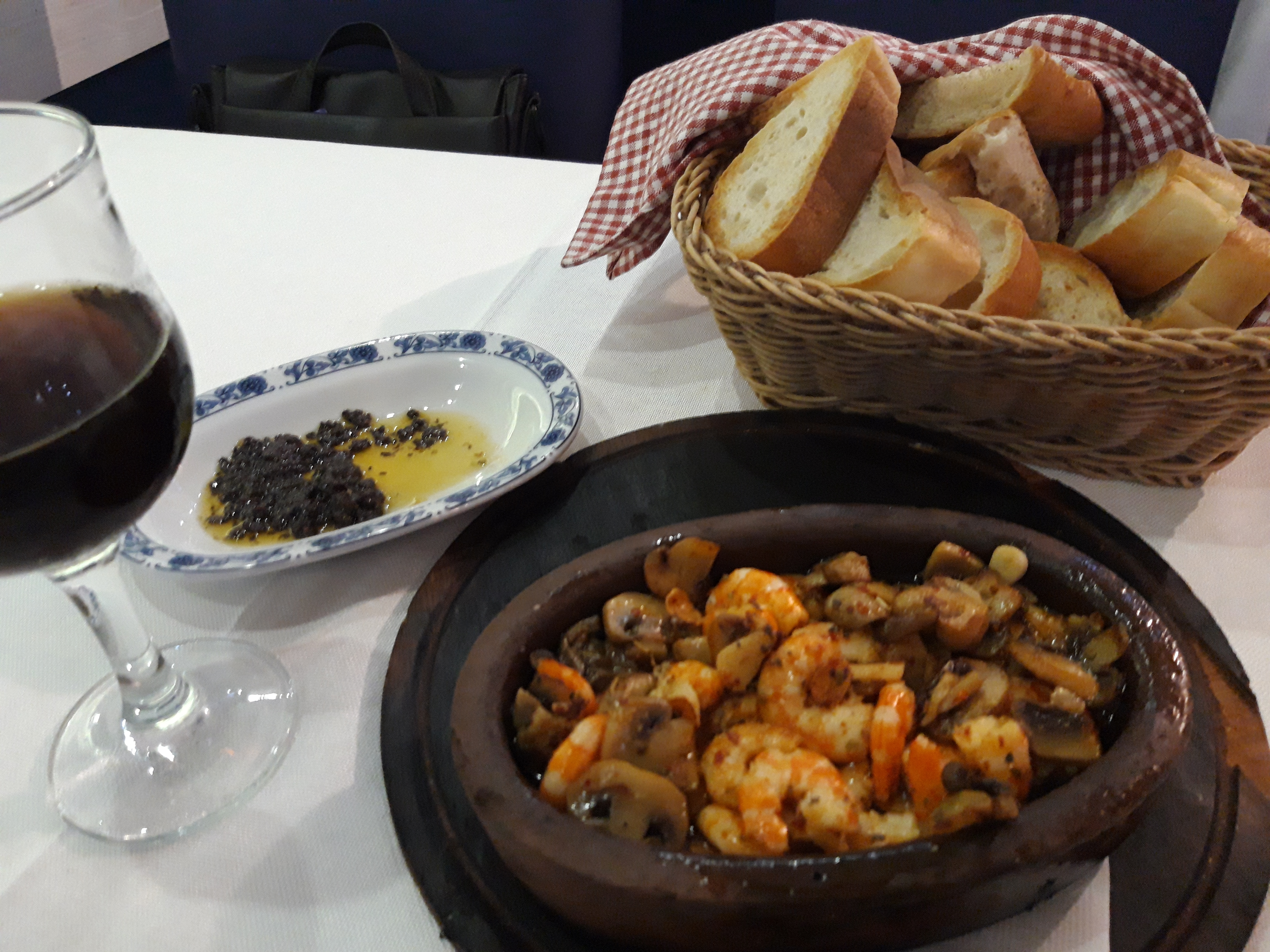
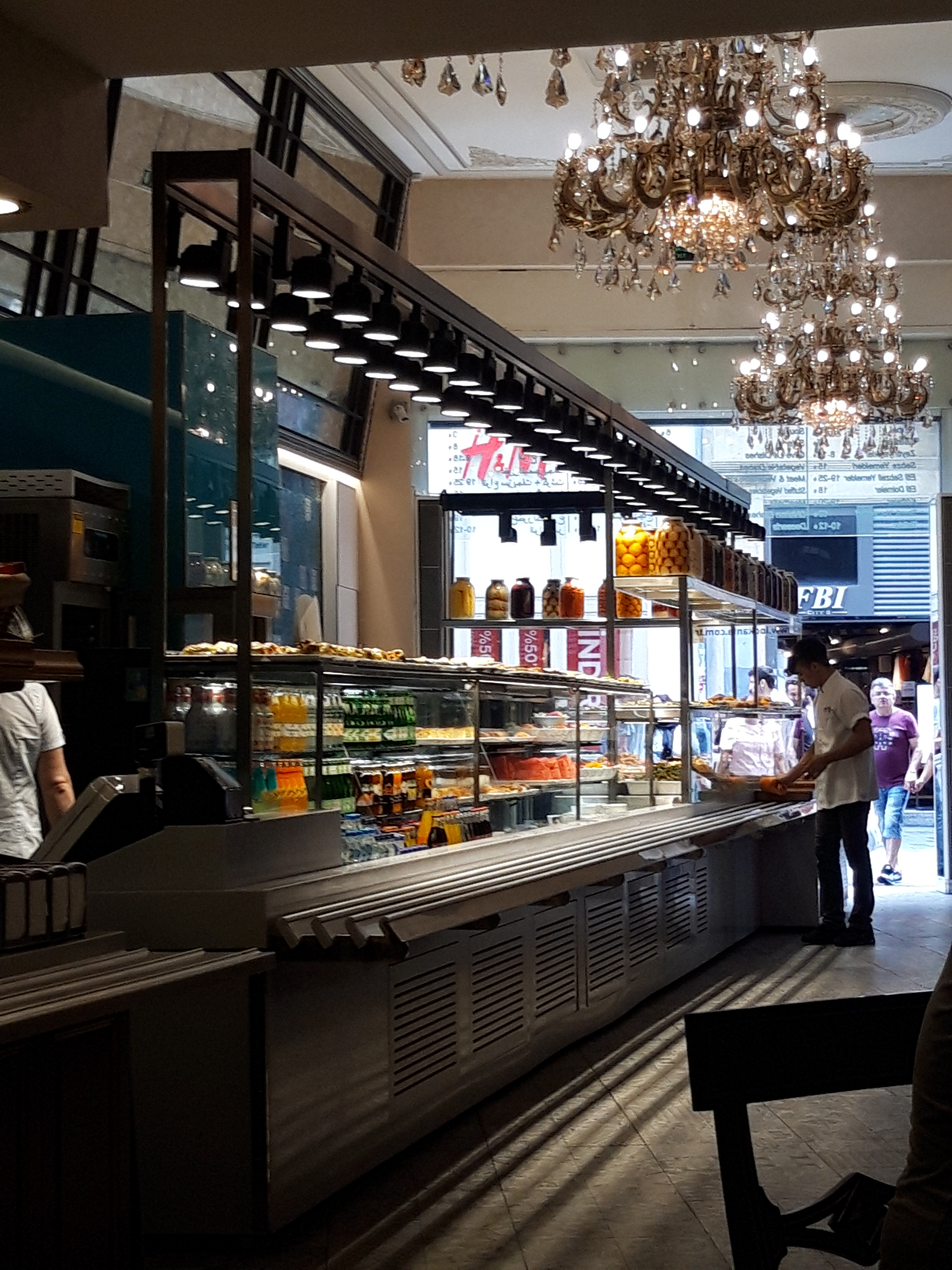
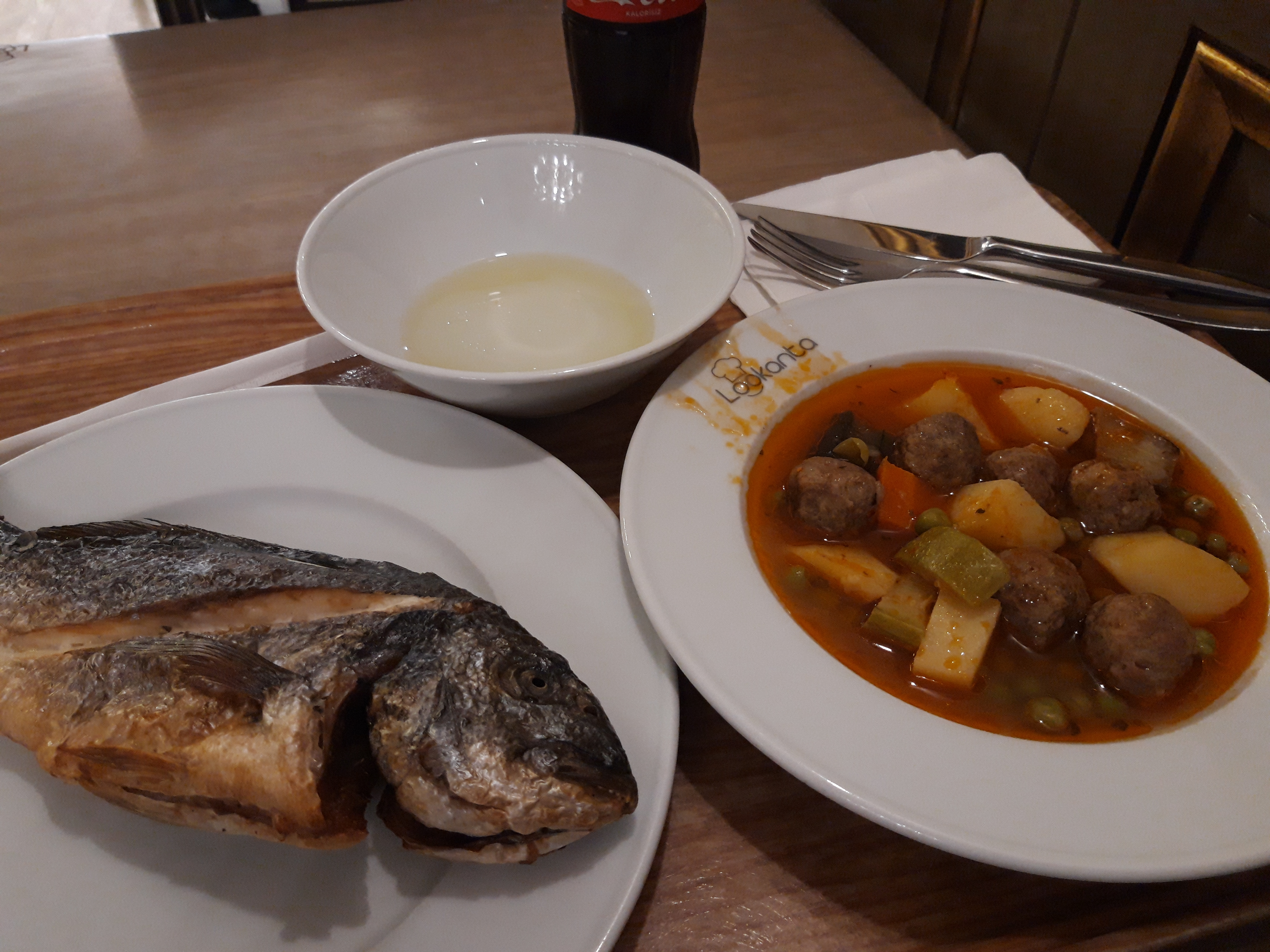
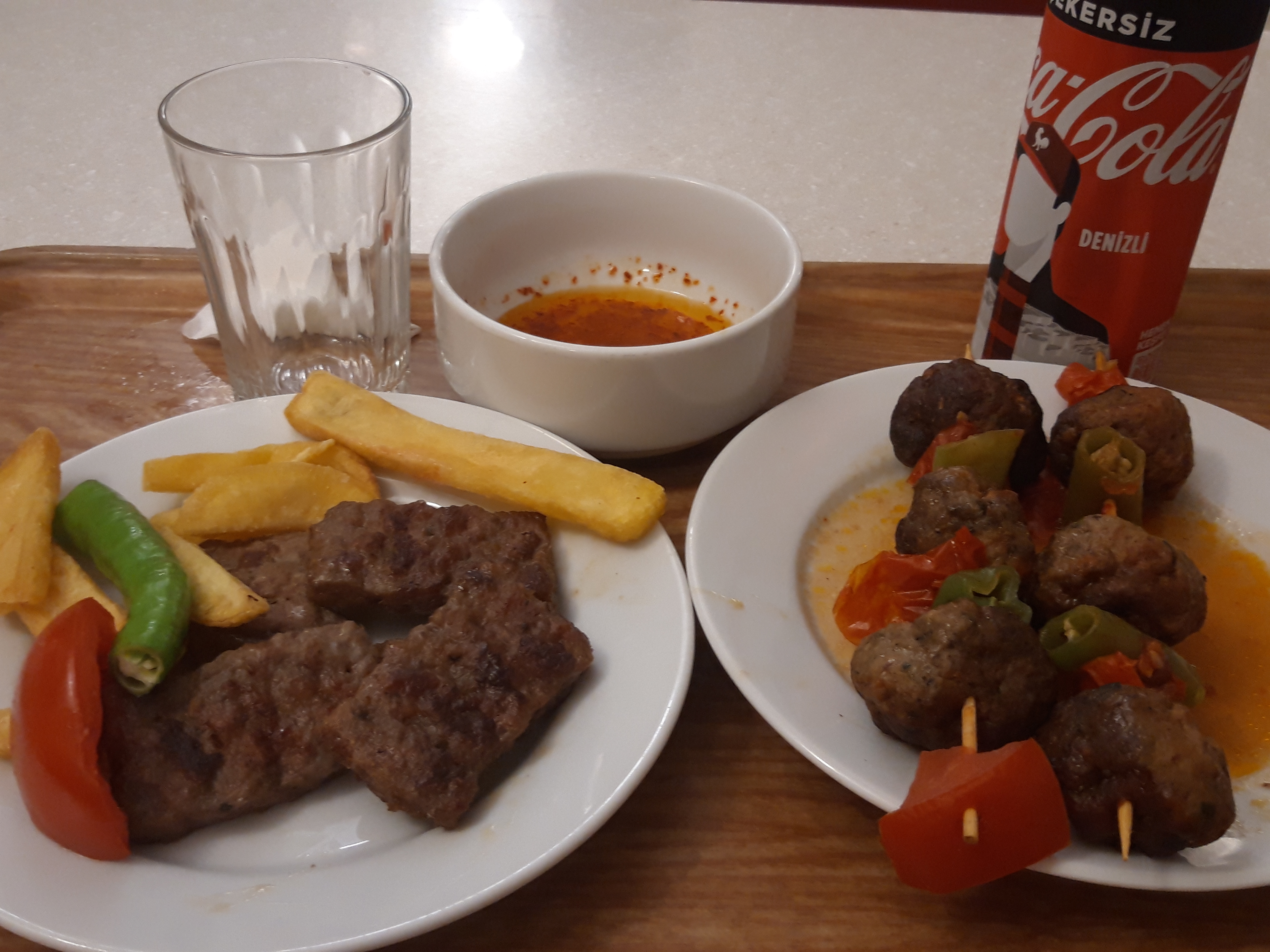
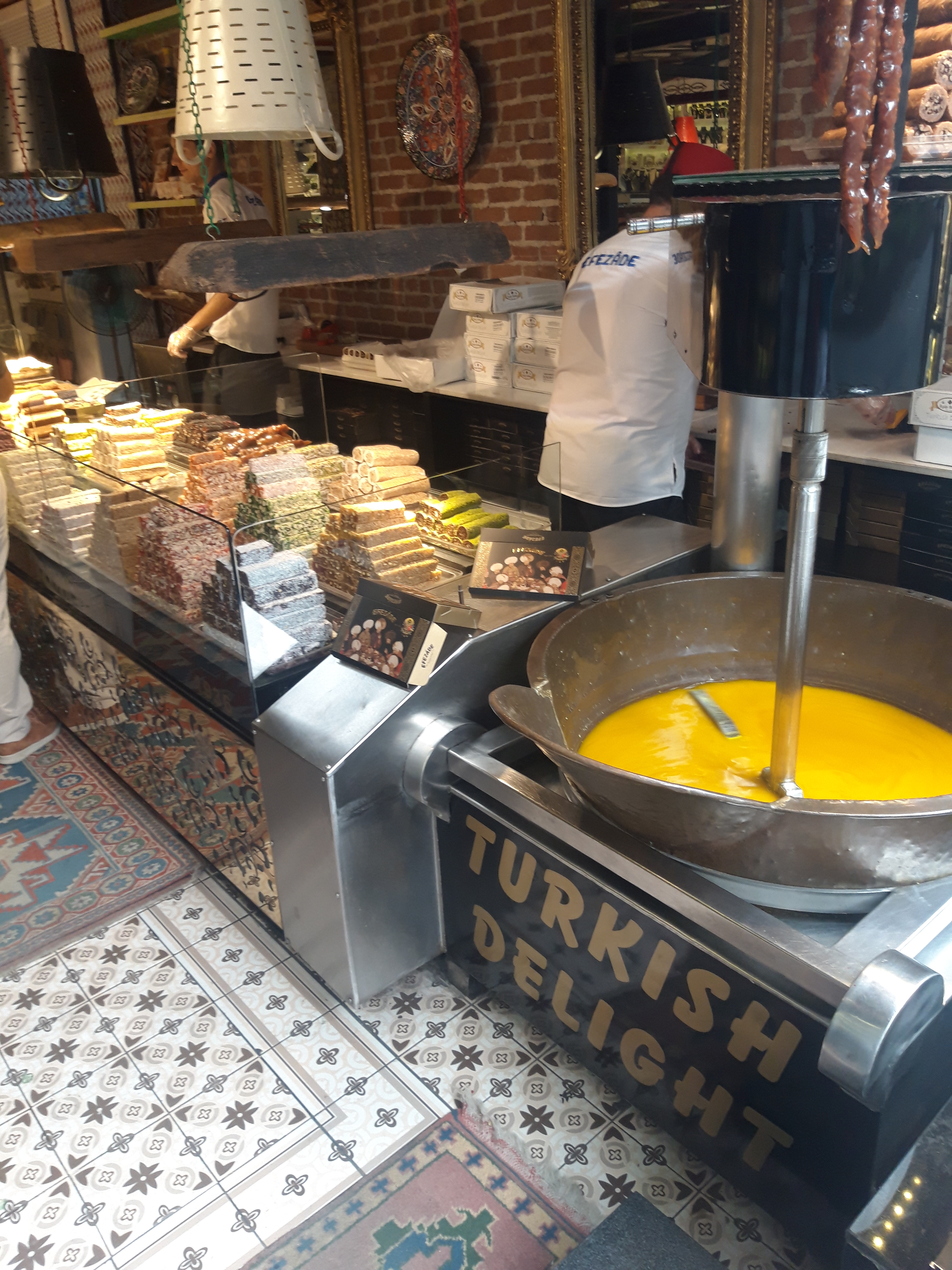
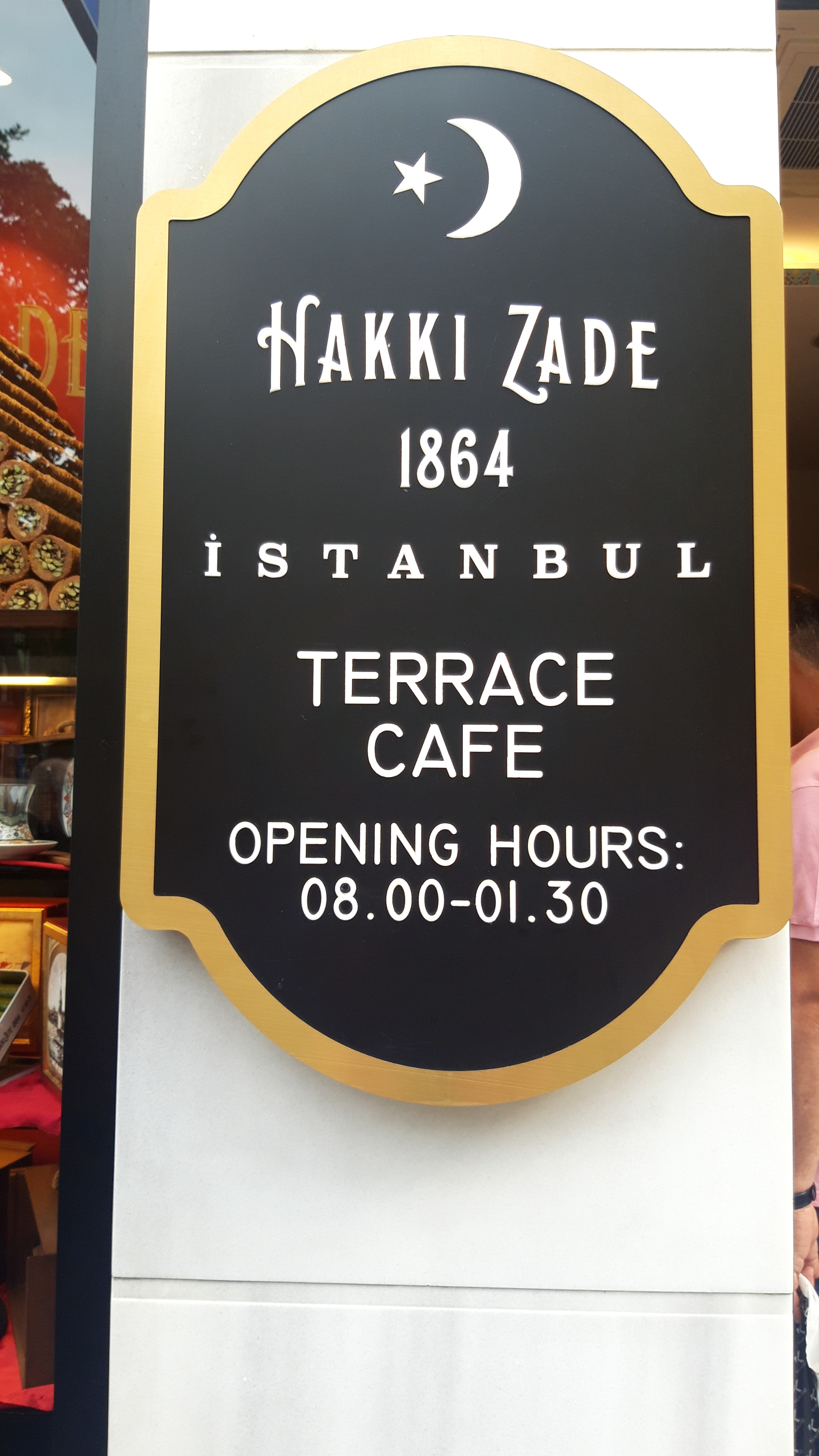
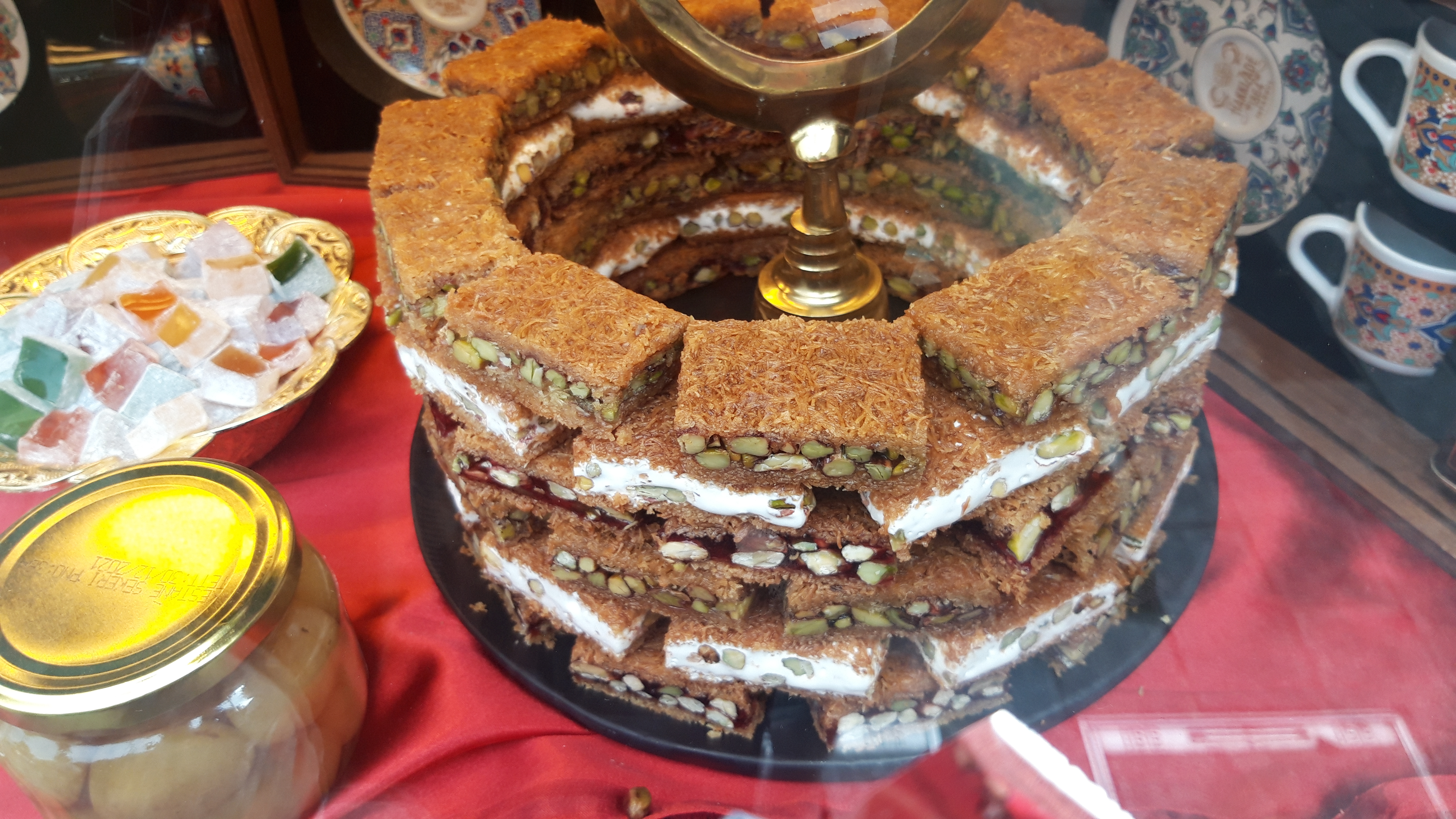
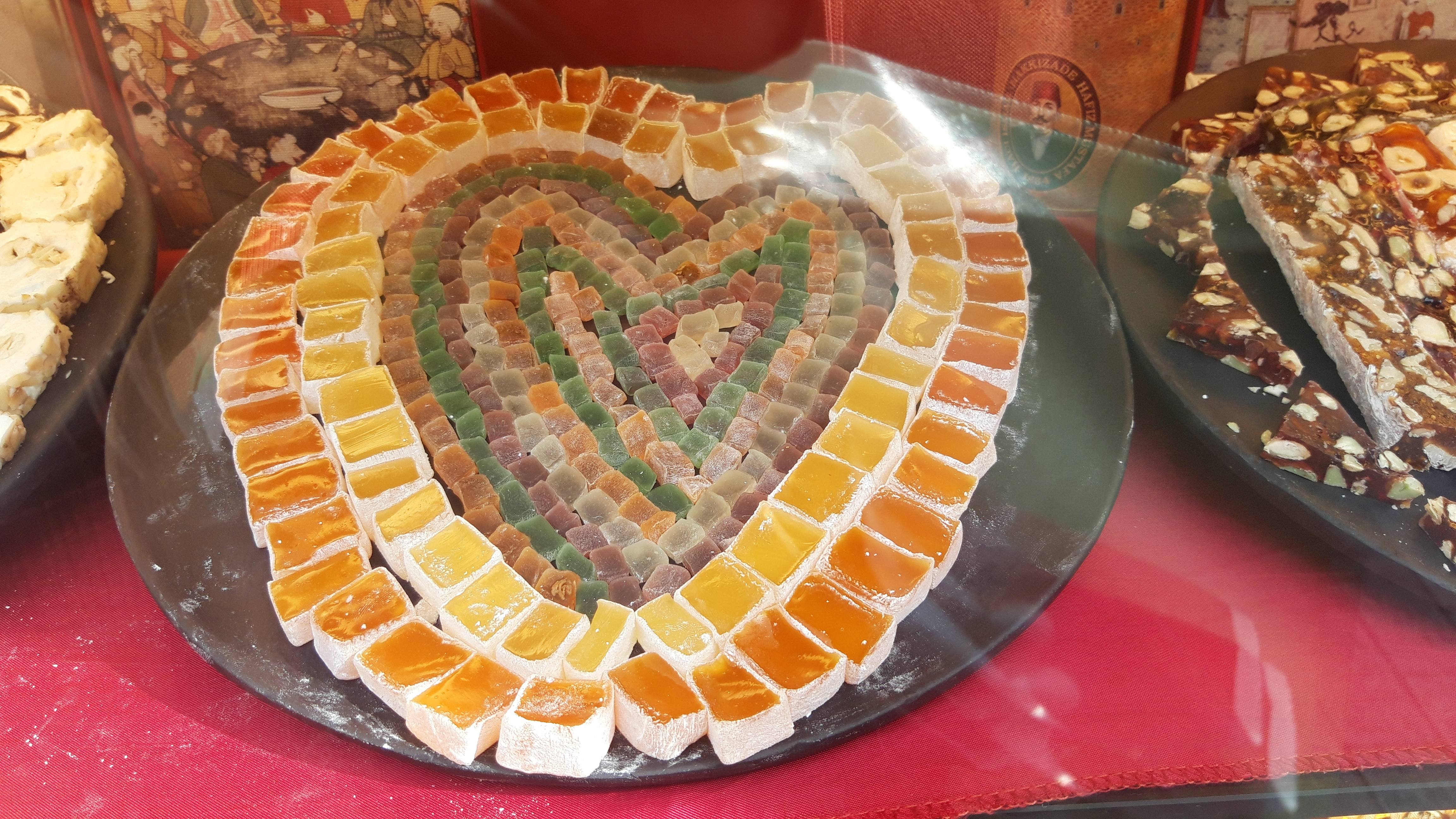
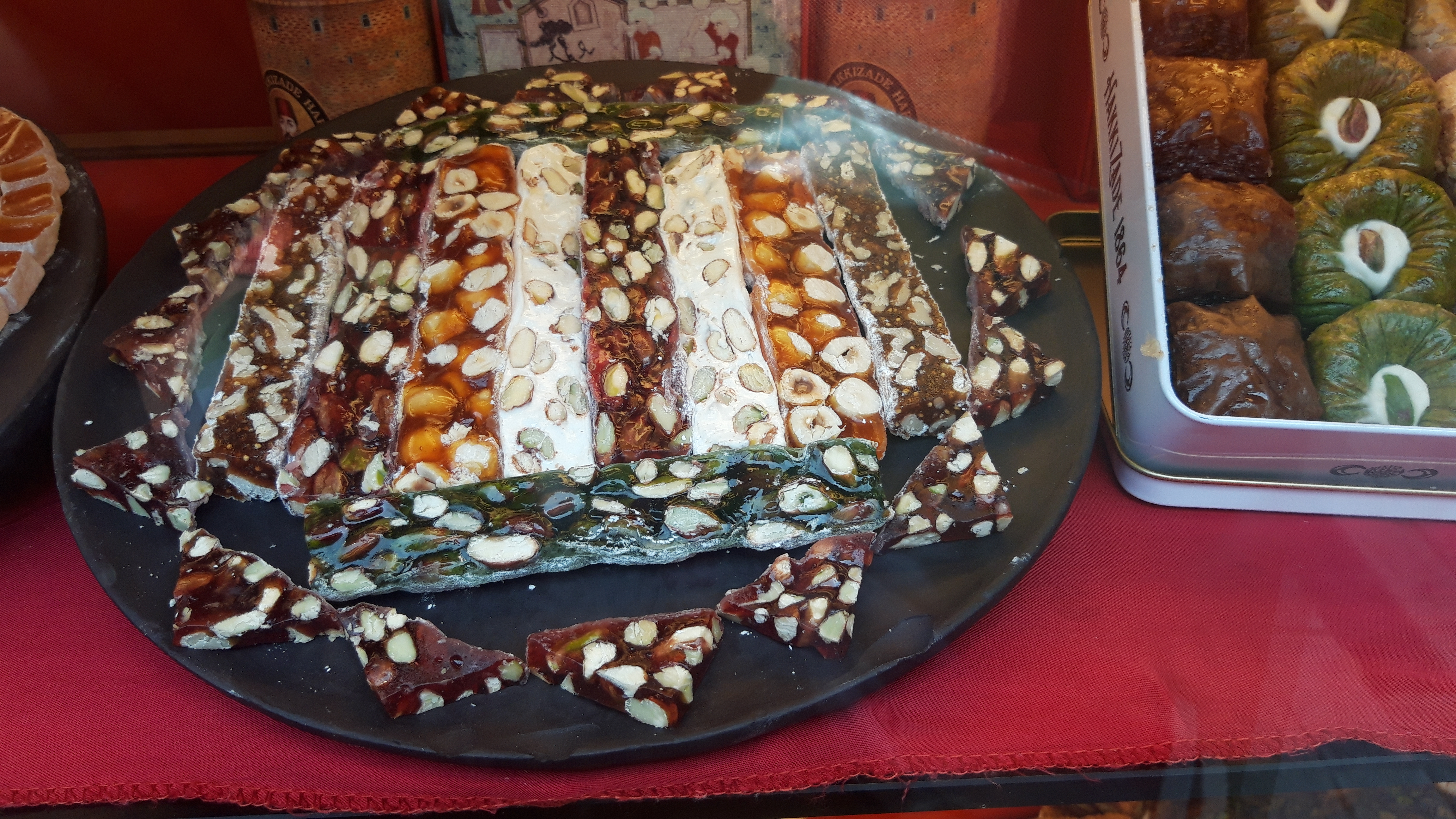
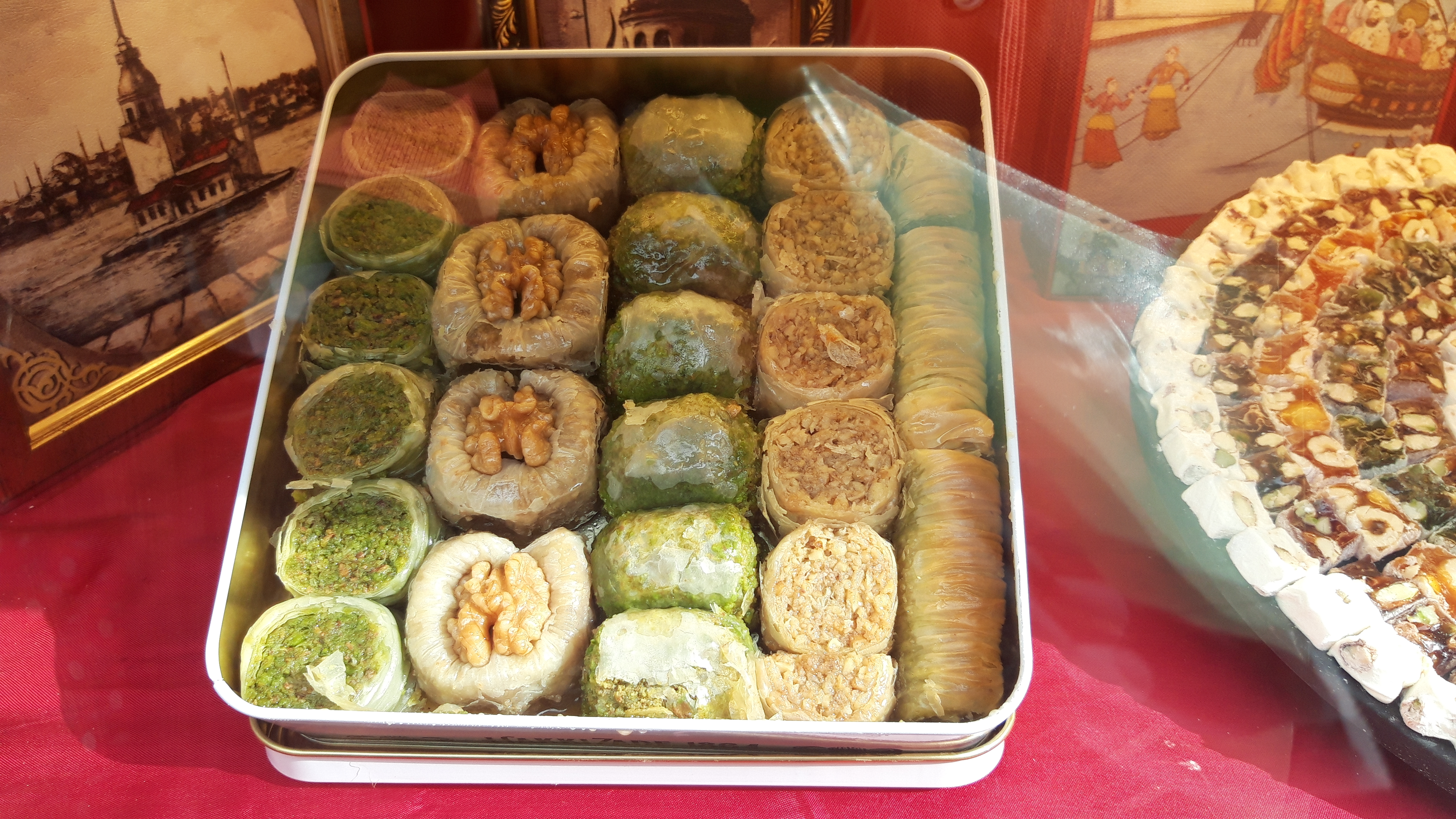
Of course, the trip should be enjoyed with good food. Well, I ditched the fine dining part (remember I’m on a tight budget, except for one time where I had dinner in this nice restaurant under Galata bridge called Yaka Balik with nice view of the sunset and the Bosphorus River with cruise boats passing by which reminds me of Paris) and instead settled most of the time for turo turo (it’s a Filipino term referring to how one points a finger to cooked dishes as displayed in heating trays on the restaurant counter like those in a cafeteria). Aside from the usual fish, meat, and chicken viands, Istanbul (or the rest of Turkey) is known for its Turkish desserts. I’m not really fond of desserts, but when it comes to Turkish desserts, I would indulge in this guilty pleasure in a heartbeat. There’s just so much variety to choose from: halvas, baklavas, and the popular Turkish delights. One of the oldest shops, Hakki Zade, apparently has been using the same recipe since 1864 and always popular with tourists. You don’t also have to worry eating or shopping late as restos and shops close at 2 in the morning while bars are open with loud band music booming ’til the wee hours of the morning.

Don’t undermine the humble turo-turo. It’s probably the only turo-turo in the world with chandeliers.

Yes, Istanbul is open 24/7, always alive and kicking. Istiklal Street (which is Istanbul’s answer to New York’s 5th Avenue, Sydney’s George Street, Auckland’s Queen’s Street or even Paris’ Champs Elysees) is still bustling with people even at past midnight. The first night I’ve noticed this, I did ask the hotel receptionist if Turks actually sleep. He said in jest that his people only rest when they are already tired from all the merry making. Makes me wonder how they could actually function during the day. Because streets are always filled with people all day and all night long, especially Istiklal (you’ll be amazed at how many people fill this street at any given time of the day or night), litters abound. When there’s a sudden downpour, these streets will be drenched and with those litters in puddles, make the city looks filthy.

The waiter preparing and serving my first testi kebab.

So that’s Istanbul for you. A city with a sleeper hit of a past and a present that never sleeps. It’s dirty (pun intended), filthy, and dodgy, but somehow endearing and charming, like a bad boy that good girls go after. Like Vegas, what happens in Istanbul stays in Istanbul.
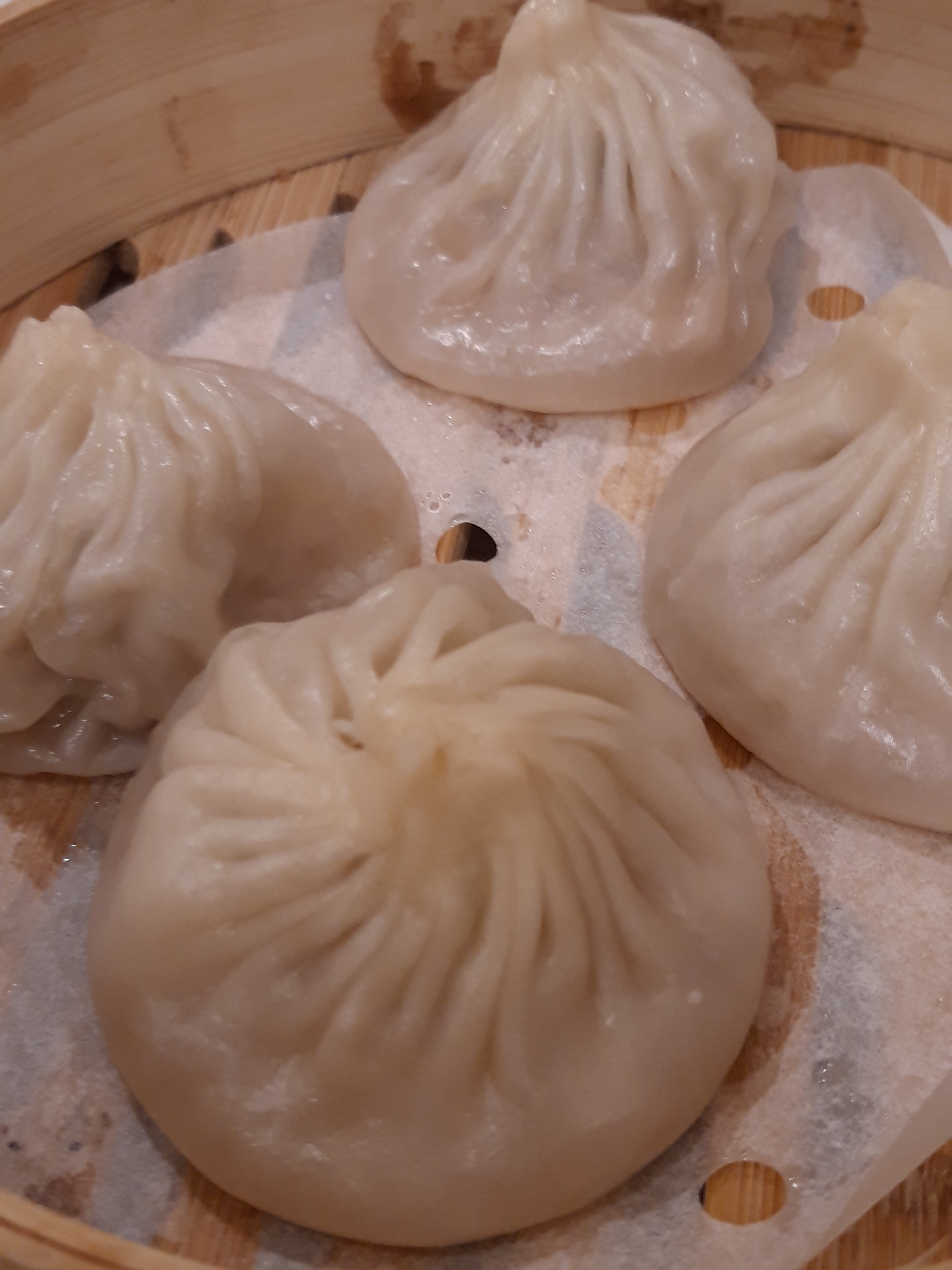
Some of the shops that offer Turkish desserts

Greece: Of Myths, Mediterranean Food, and Beaches – Part 2 of 2

Travel Buzz

Santorini

To pick up where we left off (where I talked about Athens in the earlier part of this article), I have always been curious about the Greek isles which not a few have been raving about. That’s why before embarking on this Greek adventure, I have decided to see two of the most popular ones, Mykonos and Santorini, and booked hotels in these two islands. On my last day in Athens, I went to a local tour office in Athens and bought a one way ferry ticket to Mykonos. I got the Blue Star Ferries ticket where the port is in Piraeus, about half an hour by car (sans traffic). The ferry leaves at 8 in the morning and it’s about a 4-hour trip. There are ferries that run faster, but the faster it gets, the rougher the ride and I don’t want to get seasick thereafter. The ride was pleasant and gave me time to write another article for the blog. I got a business class seat, but on hindsight, I should have settled for economy coz the common dining lounge already looks comfortable. Business class may be advisable on peak season where coach can get too crowded for comfort.

Business class section of Blue Star Ferry

Mykonos

We reached Mykonos around noon and my mistake was not to confirm the hotel transfer with my hotel (Super Paradise Suites) that I have included in my hotel booking. So I waited for a ride that wasn’t there to start with. So after hanging up on hotel staff learning that there’s no transfer to the hotel, I shared a cab with two young ladies from Utah who happen to be staying in the same hotel. We chatted with the cab driver and learned that locals and non-locals alike only work in the island from April to September and the island becomes silent in the next 6 months. There will still be some tourists on lean months, but most of the restos and shops are closed during this period. Non-locals then return to their home base, while locals take this opportunity to travel.

Luxury shops in the island that remind me of those in Capri

The hotel is situated on the hilly edge of Super Paradise Beach (not to be mistaken with another beach in the island called Paradise Beach). So getting to and from the beach would require some hiking which I don’t mind (good daily exercise for me) but not recommended for anyone with mobility concerns given the very steep trail to the beach as well as to where the shuttle that goes to town proper would pick up passengers. When I got to my room, I was pleased with the stunning views of the beach and the Aegean sea with the mountains as backdrop. Just like any island resort, everything here is expensive. Sun beds will set you back as much as 50 euros for a day rent (prices drop as beds get farther away from the shore). Aegean sea reminds me of Mediterranean sea, mystical, magical, enticing clear blue waters (the latter though is on the greenish shade). Per feng shui, my birth element is water, so I’m not surprised why I always get attracted to bodies of water. Maybe I’m a descendant of Poseidon (who lost by the way to Athena on that epic battle I shared in the first part of the article).

View from my room (Super Paradise Suites)

Mykonos, like Bali, is a beach haven so your trip to the island would mostly consists of beach hopping. On hindsight, I should have stayed in any of the hotels in the town proper since that is where all the buses that go to the different beaches pick passengers. It could have saved me a few euros from the daily shuttle between my hotel and the town proper and getting on a bus to the next beach. But what didn’t save me from the island greed was a trip to Platys Gialos beach. That’s where I realized that Mykonos, with all its charm and beauty, can also have the most cruel tourist trap that even the most seasoned traveler could fall victim to. I made a mistake of being lured into Dk Oyster, a beachfront seafood resto. With its nice sun beds facing a beautiful beach, I was enticed with what the in-house ‘hawkers’ sell as a good buy where if you dine in the resto for at least 50 euros, you get a sun bed all day for free, otherwise you pay the same amount up front for a day rent. So I went in and came out 700 euros lighter and 700 euros wiser. How’d that happen? Below is the screen grab from my Tripadvisor review:

The biggest lesson I got from this experience is not what I’ve lost but how to keep a positive mindset after the initial shock and trauma. As I’ve said, it was cruel, which took me a while to recover, but when I did, I tried to condition myself to continue enjoying the holiday and just find ways to cut my losses. I’m here on a holiday and no matter what happens, I’ll move on and enjoy the rest of my vacation. First task I did after accepting my fate was to downgrade my Istanbul hotel (last leg of my trip) which I booked thru my Le Club Accor so I was still able to cancel it a few days before my actual stay. I was able to save a few hundred euros after finding a much cheaper hotel (but in a less desirable location though). I was also able to cut on my onward ferry ticket to Santorini and saved a few more euros from giving up sun beds and just lay on the sands to enjoy the sun and the sea. On hindsight, I should have checked the reviews in Tripadvisor before getting in, coz now I’ve learned that not a few have been victimized by Dk Oyster, with each one having a #metoo horror story to tell. The vileness continues, where for every negative review, Tripadvisor will be flooded with fake positive reviews (you be the judge when you read all the ‘positive’ reviews particularly this peak season). But in spite of all these, I stayed true to myself and kept whatever dignity I have left from this experience: I didn’t scrimp on food (see Travel In Style Part 2) and would never blame my misfortune on being a foodie. Bad things happen to good people not because they love good food.
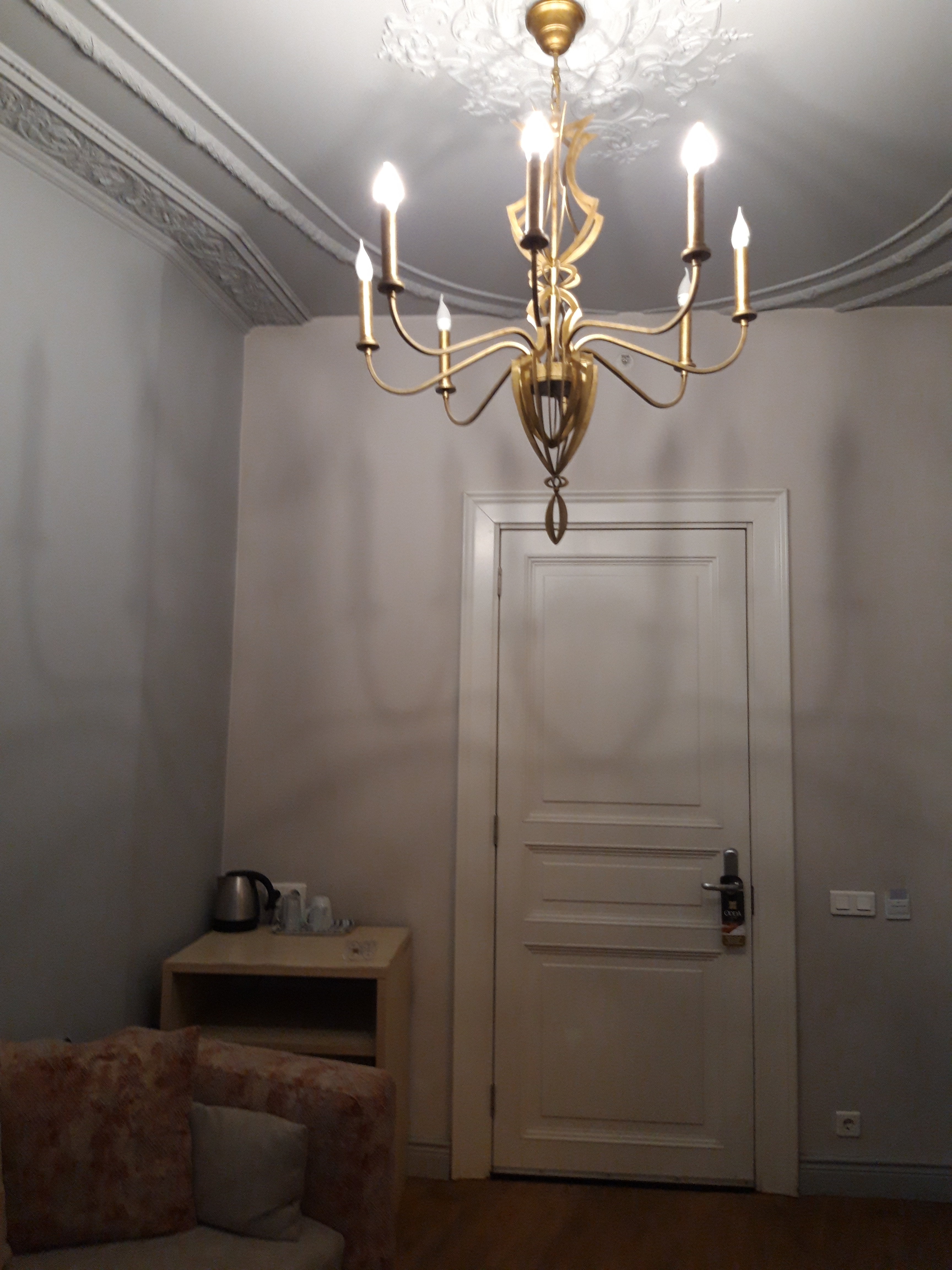
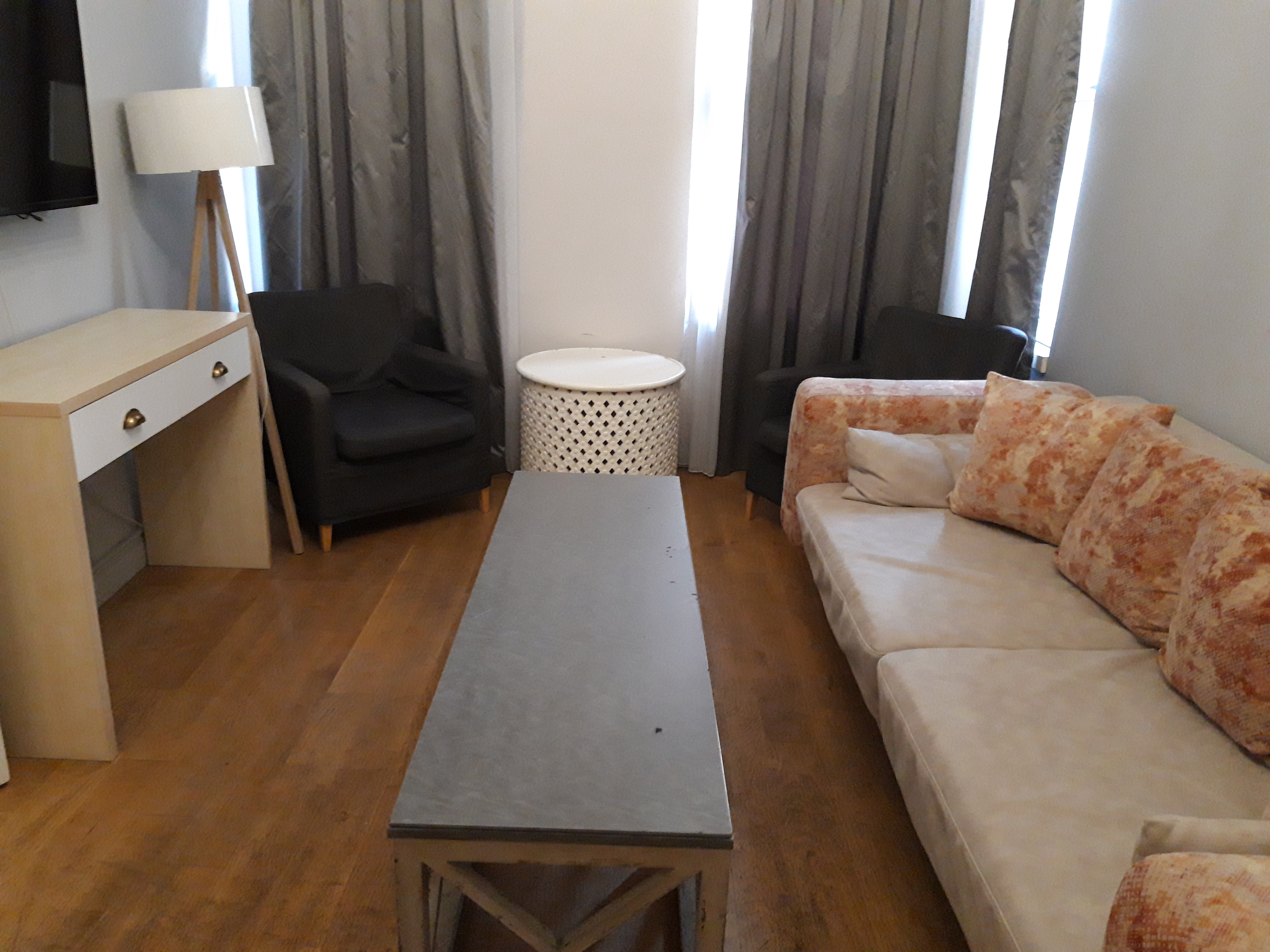
Some of the meals I had in Mykonos. From left: Spaghetti Frutti de Mare, Mussels Marinara, and Lamb Chops (yes, they are all delish!)

So I also checked out Paradise Beach. Just like Super Paradise beach, party starts at 4PM when the sound systems would start booming loud music and partyphiles would gather and groove in their swimwear with drinks on hand. As in Super Paradise beach, there is a portion of the beach for nudist, where young and old, of different shapes and sizes, will bare and let it all hang out like it’s nobody’s business. Someone who comes from a conservative society like the Philippines would probably cringe at the sight, but not me. I’ve seen similar places before (like the lakes in Germany during summer) where I’d probably be more culture shocked with how nasty tourist traps are than public nudity. So if you think my swimwear pics are too out there, think again. Coz that’s nothing compared to what’s out there.

Santorini

So after having enough of the popular beaches (and greed) of Mykonos, I took a ferry to Santorini. I bought a one way Golden Star ferry ticket from a tour office in Mykonos town. The trip from Mykonos to Santorini was about 5 hours, so it gave me some more free time to finish an article I was writing. Unlike what happened at Mykonos port, I have a driver waiting for me at Santorini port to bring me to Ersi Villas. On the way, I chatted with the driver and unlike Mykonos, Santorini is open all year round to tourists. Upon dropping me at the villas, I instantly got the homey vibe and feel that I was expecting from this kind of accommodation. I was met by Elias, the amiable owner of the villas and right away gave me directions and tips on what to do in the island. A traveler himself, Elias knows exactly what guests need and was even generous in swapping travel stories with me as well as helping me out with my island itinerary.

View of the Caldera

The villa is located on the mid section of the hill (Santorini is hilly, like San Francisco hilly) in Firostefani. Firostefani is in between Fira, the capital town, and Imerovigli. Firostefani has good number of shops and restos, and the walk path from Firostefani square to Imerovigli is what I would call the best resto row. Here you will find some of the best restos in the island, from To Briki to La Maison. They offer traditional Greek dishes and my ultimate fave, seafood! All three towns are easy walk from each other, that’s why no need to take the bus, unless you want to get to the far end of the island where Oia is with its popular sunset or to the different beaches in the island. Just like in Mykonos, you have to take the buses at the Fira town proper to get to the different beaches.

A guy proposing to his girl at the popular Oia sunset viewing deck. Everyone in the crowd who was there for the sunset cheered after she said “Uhmm…” Just kidding, she said yes 🙂

If I have to describe Santorini in one word, then it would be ‘stunning.’ It actually reminds me of Positano, where the views are just simply stunning. Even the beaches have better views than Mykonos. It makes me wonder now why I even went to Mykonos, when Santorini can offer the same experience (except for the greed) plus so much more. From its caldera to mountain views, beaches to sunsets, dining to shopping, everything seems to bring out only positive and exciting experience. Santorinians are more welcoming, hospitable, and true, and seems to put guest satisfaction over selfish gains. In fact, during this whole Greek adventure, it was in Santorini where I had the best dining experience. I never had any disappointment in all the restos I have dined in where not only the food was great, but the service was at par with my personal standards and expectations and you are seated at the edge of the caldera with its magnificent views.

Best dining experience (need I say more?). From left: Amberjack (La Maison), Dorade (The Greeks), Pork Ribs (To Briki), and Pork Steak (Metropolis Str.)

The beaches did not disappoint as well. Being born out of volcanic activity, Santorini is blessed with beaches that have stunning views and clear waters. I’ve never been happier doing beach hopping, even if I had to take a treacherous path just to get to one of the popular ones called Red Beach. You know, you have to take this very narrow and steep trail with sharp edged rocks and boulders, where some slight miscalculations will easily scrape that beautiful tanned skin. Then you have to negotiate for space in the foot traffic between people going down and up the trail. Though I didn’t overhear anyone saying “is there like an elevator or something?” (Part 1 of this article) but how I wish there was an easier way to get to the beach. The boat that I took for the sea cruise does not pick up or offload passengers on the beach, so the only way to get there is to take this dangerous path. I almost gave up mid way, but I’m just glad I didn’t. If only for the stunning views, I would recommend it for a visit, but just be careful going down and up the trail.

Imagine climbing down to reach the beach and up again to the main road (Red Beach)

So I ended my Greek adventure on a high note, where Santorini was definitely the highlight of the trip. As I mentioned in the first part of this article, there were hiccups and misfortunes along the way, but what is an adventure without the unexpected, the twist and turns, the danger, and most importantly the lessons learned. As I contemplate on my flight back to Athens to take my onward flight to Istanbul, I smiled knowing that I had a good one inspite of. As I’ve quoted in my earlier article (The Joys of Travelling Solo), I would come out a different person from each trip and now I’m a better version of myself than I was before I embarked on this trip. Like in the Greek mythology, I have fought some battles and personal demons along the way (where you would tend to question yourself and create self doubt) of which I have won and restored my core, appreciated the goodness of Mediterranean food, and enjoyed the beach life just how it should be lived.

Life’s a beach. From top left clockwise: Perissa Beach, Kamari Beach, Platys Gialos Beach, & Super Paradise Beach (Hey Sports Illustrated, why don’t you consider these locations for next year’s swimsuit edition with Kelsey Merritt on the cover?)

Greece: Of Myths, Mediterranean Food, and Beaches – Part 1 of 2

Travel Buzz

At the apex of Acropolis Hills (Athens)

So I finally decided to go to Greece after years of having it in my bucket list. Greece has always been an exciting destination for me but having read some negative feedback particularly on Athens, that eagerness to see this glorious country has taken a back seat for a while until last April when Oman Air’s maiden flight to Athens for June was on promo. I thought that was the sign to pack up my bags and go on a Greek adventure.

Athens

My Room (Vitruvius Smart Hotel & Spa)

Unlike most of my trips, this one went not without any hiccups and misfortunes. When I arrived in Athens International Airport in the evening, I was met by my driver Venediktod from Welcome Pickups which was a good decision on my part to book a hassle-free airport transfer. The price did not differ much if I have taken a cab from the airport so I decided to try this transport company and I’m just glad I did. I was ushered in a Benz and the whole trip to the city was very pleasant (spacious leather seats with welcome bottled water) until I got to my hotel (Vitruvius Smart Hotel & Spa). Tired and weary from a 15-hour flight (not to mention more than 2 hours layover in Muscat and 3 hours at Manila airport), I was told that they have overbooked for that night and cannot give me any room. Something like this I would dread every time I travel (though this is the first time that it happened to me), I told them assertively that it’s their problem (not mine) and they have to fix it. So long story short, they looked for available hotels in the area and when they found one, they booked me a cab and told me that everything has been arranged for and I don’t need to pay for the night in that hotel and can return the next day for the rest of my booking.

Essentially I lost almost a day since I could only check in the next day around 2PM and I don’t want to go around the city without settling first in my new room. So while waiting, I wrote one of my articles (in this blog) in a Chinese restaurant across the hotel with very poor Chinese food (I know Chinese since it’s one of my faves and when I say it’s poor, it is…really). When I finally was able to check in, I had some minor problems with the room which are only worth mentioning in Tripadvisor (this blog has a positivity theme after all). You may be wondering why I didn’t use my Le Club Accor (see Travel In Style Part 2) in this leg of the trip. Well, the only Accor hotel in the area (Novotel Athenes) is apparently in a dodgy part of Athens where I’ve read some negative reviews and a bit far from the touristy sites.

Acropolis Hill (imagine climbing up on a dusty, windy, and humid day under the scorching summer heat)

So the early negative feedback that I’ve read about Athens is actually true. Athens is dirty. Litters and graffiti are all over the place. It actually reminds me of Naples. But just like Naples, old vibe, overwhelming character, and remnants of her glorious past overpower whatever cleanliness and safety issues she may currently have. This is more prevalent in Acropolis which is essentially the nerve center and melting pot of the city. Restaurants and shops abound at the foot of the hill and it would take a good hike up to reach the popular Parthenon. On the way up, I met a senior Filipino couple from the US. Athens is their dream destination and their dream finally came true. The wife’s name is Venus, so I told her that maybe it is really her destiny to be finally here. Athena and Venus though were not your definition of women sticking together or having each other’s back, but oh well, that was then and this is now. On the same trail, I overheard a young tourist saying “is there like an elevator or something?” You could probably hear chuckles at the back of my head, but I don’t blame her given the dusty, windy, and humid weather which actually surprised me this time of the year when southern Europe should be cool and airy. Sweaty and tired, the climb was all worth it upon reaching the apex and seeing the Parthenon and the other monuments. Just as I have envisioned it to be.

Parthenon (that’s my conscience walking away for not listening lol)

I decided to get a drink (my, was I super thirsty) in one of the restos lining up the foot of the hill after finally deciding that I had already enough of Acropolis Hills. After downing 2 bottles of Coke Zero in a glass full of ice, I started to walk towards the shops and to see what else is there in the area. A short, stocky guy stopped me on my tracks (this always happens to me, I don’t know why…some encounters pleasant, others creepy) and asked me where I’m from. As always, I’m proud to represent my country every time I travel, so I said “From the Philippines” with perfect enunciation. Every time I do that, I would get that look (like “I’ve never met someone like you from that country” or maybe “where’s that?”) and then compliments that I speak good English. With this guy though, he took it further (and this is not the first time that someone asked the same question) “Do you live there or are you based somewhere else?” So I said it with pride that I live and work in the Philippines (born and raised, true blue Filipino). So he introduced himself as the owner of one of the restos in the area and told me that he has a relative in the Philippines who owns a Greek resto (which I forgot the name). He also wants to invite me to his resto in the evening as there will be music and dancing and lots of young people expected to be there. If only he knows how old I am, but I was flattered by the invite and for being mistaken as part of that generation. I told him I already have made plans for the evening but I will try to see if I could drop by. I didn’t. I was just being polite.

The great philosopher Aristotle, one of Greece’s greatest gifts to mankind. He paved the way for explorers of the past and travelers of modern times when he first declared that the world is not flat (National Archaeological Museum)

A visit to Athens won’t be complete without checking out its museums. I am fond of museums (particularly those in Europe, that’s why I keep coming back) as it’s the only place that can take you back in time. The way of life then are depicted in most artifacts, potteries, and archaeological finds. I am thus excited to visit her museums, being an ancient city with very rich history. I was quite underwhelmed though when I have finally been to two of her museums. The collections in both Acropolis Museum and National Archaeological Museum were not as vast as those in NY Met, Prague Palace, or even Budapest Museum. But despite this initial disappointment (or maybe I was just expecting too much), what makes these museums different is its reference to Greek mythology. I have always been fascinated with Greek and Roman mythologies (you may be asking if there is any difference or similarity between the two, well, one good example is Venus and Aphrodite, where the former is Roman while the latter is Greek, both referring to the same Goddess of Love), of Greek and Roman gods and demigods, so any references to it make an interesting find. Apparently, there was this epic battle between Athena (Goddess of War and Wisdom) and Poseidon (God of the Sea) to win over the protection of the Athenian territory. Athena offered the Greeks the olive tree while Poseidon offered salt water. Guess who won? Of course, hands down Athena (yeah, go girl!). Greece won’t be Greece if not for the olive tree.

Epic battle of Athena (Goddess of War and Wisdom) and Poseidon (God of the Sea) which the Wonder Woman of ancient times won (Acropolis Museum)

Olive tree, like the coconut tree of the Philippines, is Greece’s tree of life. Mediterranean food and diet are mainly consist of the olive fruit, oil, and leaves. I read somewhere that this region has some of the lowest incidents of cardiovascular diseases and can be attributed to their olive staple and the benefits derived from it. So it is no surprise to see olive oil in every dining table and sometimes with complimentary olive fruits. Even before leaving for this trip, I already had a good appreciation of Mediterranean food (one of our go-to restos in Manila is Cyma, one of the few good Greek restos in the metro). I am also fond of grilled meats (I don’t eat vegetables), and it is no wonder that even if the Greeks love their meats, that fondness does not develop into long term debilitating diseases. I guess that’s what make Greeks look healthy in every way (luscious hair, clear skin, active even in advanced age, etc.). They utilize the tree of life (and probably the tree of youth) not only for food but for different health and beauty applications. So the beauty of Greece does not only lie on its past but also in its present thru its beautiful people. I guess Athenians were not wrong in building the Parthenon in honor of Athena. She gave them the gift of life.

Some of the meals I had in Athens. From left, baby veal steak, pasta with prawns, grilled “boughiourdi” shrimp (spicy hot tomato sauce with grated feta cheese), and baked lamb (in case you’re wondering, all are delish!)

(Up Next: Mykonos and Santorini)

Travel In Style (Without Breaking The Bank) – Part 2 of 2

Travel Buzz

This opulent accommodation I got to experience for 3 nights for the price of one (St. Regis Abu Dhabi)

“Cancellable.” That’s the key word when booking an accommodation. Like your lovelife, you need to be prepared to let go. You can lock-in your habibi and hope that everything goes as planned until such time that you will come to the realization that it was not or will ever meant to be. As mentioned in my previous post (Deconstructing A Myth: Travel Is Only For The Rich?), you have to book early so that you can lock-in the cheaper prices. But always make sure that it’s “cancellable” in case your plans don’t push thru.

So how do I get decent accommodation when I travel without spending too much? How do you choose among so many options? I try to simplify my life thru loyalty. As you probably have seen in my previous posts, I’m very loyal: 5 frequent flyer loyalty programmes (Travel In Style Part 1), loyal foodie (Mendokoro Ramenba: Arguably The Best Ramen In Manila), loyal to self (The Joys Of Travelling Solo), and now hotel loyalty program. Like your lovelife, you need to be loyal to avoid any drama. In the last 14 years, I have been a Le Club Accor member. I started by subscribing to this loyalty programme where you pay an amount which is about the same as a night stay in their 5 star hotel but comes with perks (aside from a free night stay in any of their hotels worldwide, you get 50% off on group dining at Spiral (Sofitel Philippine Plaza Manila), access to periodic room sale, 15% discount on food and drinks, member for a day voucher, birthday cake, etc.). Last year, I forgot to renew my subscription and Accor thought that I was not renewing so they sent me a loyalty card (which has most of the perks as having a subscription) which I can keep for free if I continue to stay in their hotels for at least 10 nights per year. Not bad for a regular traveler like me.

So why Le Club Accor? This loyalty club is like a basket of hotel brands that cater to low, mid, and high end accommodations. There’s a brand for you if you are on a tight budget, and a brand if “money is no object” to you. Some of their low-end brands (less than $60 per night) are Ibis, Ibis Styles, and Adagio. Their mid-scale brands ($60 – $160) are Grand Mercure, Sebel, Novotel, and Mercure. High-end brands ($160 up) are Raffles, Fairmont, Sofitel, Rixos, M McGallery, and Pullman. Sometimes, the prices can overlap depending on the location and the season. Say you can stay in a high-end brand in Istanbul for the same price as a mid-scale brand in Athens. But what made me stick to this programme are the cancellable option, all-year round member’s special rate, periodic room sale, and points that you earn every time you stay in their hotels on top of the perks that were previously mentioned. The cancellable option gives you the flexibility to cancel at least a day before your stay (no booking platforms such as Agoda and Expedia can match that cancellation policy). The member’s special rate and the room sale will offer you with bargain prices and options. The points you earned and accumulated for every stay are convertible to cash vouchers that you can use to pay for your next stay. If I could remember it right, it’s one point to a dollar, so if you have spent $1,000 for a 10 night stay in one of their low or mid-scale hotels, that’s 1,000 points. For every 2000 points, you get I think $60 dollars voucher. So that’s about a free night stay in one of their low to mid-scale accommodations. They also have this accelerator point system (additional points you get which sometimes doubles up the actual points from your stay) which up to this time I still have no idea how it is computed, but there was a time when I have raked in more than 18,000 points which I have converted to 9 cash vouchers of 40 euro each (yeah, you have the option to redeem your points in dollar or euro). That’s 9 free night stay in their low-end accommodation (low-end here means 3-star hotel, so not that shabby I guess).

Screen grab of Le Club Accor points history

Though they have extensive presence across Europe, Asia and Oceania, Accor hotels are limited in US and Africa. That’s why there would be trips where I have to make use of Agoda or Expedia, but you also need to be smart when using these booking platforms. Credit card companies do not only have tie ups with airlines but also with hotels and their booking platforms. So it is not rare where credit card promos will include discounts on these platforms of up to 10%. So if I have a planned trip, I would check out which of my credit cards (I mentioned in my previous post that I have two, Citi and BDO Amex) have hotel and/or booking platform promos. Booking smart does not only mean being on a lookout for discounts, but also knowing how to book to get the least price. So say you are going to 2 or 3 destinations, where you are indifferent to the order of the trip. To be specific, say you are going to Auckland and Wellington for 2 weeks and you don’t really care whether you want to do Auckland first or Wellington. Booking smart means that for the same Auckland and Wellington hotels that you are interested in, you need to check the prices of Auckland for the first week and Wellington on the 2nd week and compare it if you do Wellington on the first and Auckland on the following week. You’ll be surprised that hotel prices can go up between weeks for whatever reason (I’ll say there may be a scheduled convention or event on that week where the prices are much higher). You can then arrange the order of your trip depending on which order will have you end up spending so much less. Yeah it’s a lot of work, just like your lovelife.

BDO/Amex credit card promos for airfare and hotel bookings

There are also ways to save up from just planning your trip alone (and I’m not referring to airfares and hotel prices). From the same example above, say you have decided to do Auckland on the first week and Wellington on the second week coz that would give you the least price. Say you have booked a roundtrip ticket from Manila to Auckland (Manila-Auckland-Manila) and booked a domestic flight between Auckland and Wellington (Auckland-Wellington-Auckland). When booking that domestic flight, you can check if there is a return flight to Auckland just a few hours before you can catch your return flight to Manila. This means you no longer have to stay in Auckland for a night just to catch your Manila flight. This will save you roundtrip airport transfers which is very expensive in some cities (between $30 to $50 per trip depending on the distance of the airport from the city, or about $60 to $100 roundtrip, or equivalent to a night hotel accommodation). Depending on your budget, you can also plan your activities without spending a lot. Like instead of booking a guided tour for your desired place of interest, why not read about that place first and then do your own tour? You can do the hop-on-hop-off bus to familiarize yourself with your new environment, but you can also learn how to use the subway (particularly the complex ones like those in Tokyo) to get to the different touristy sites that you have always wanted to see. There are also ways to save up on subway tickets (ie 24 hour pass, 7-day pass, reloadable card, etc.). The only thing that I would strongly advise not to scrimp on is on food. My Mom used to say that you can be stingy on most things but not on food. Trips are best enjoyed with good food and lots of walking to burn those calories.

Who knows, getting fit (both body and bank account) from your trips will get you your next lovelife.

(Left) Lunch by the beach. My Mom said don’t scrimp on food, so I’m having mini burgers, fries, soda plus Vitamin D from the sun 😉 (Right) Lounging by the beach. Don’t I look fit from all the walking? (Super Paradise Beach Club)

How To Apply for Schengen Visa – Embassy of Greece in Manila

Travel Buzz

No matter how many times you have applied and secured a Schengen visa in the past, you cannot always be overconfident that you already know or have everything. That’s exactly what happened when I went to the Greece Consulate in Makati City last Friday. On the way there, I told myself “I got this.” Coz what could possibly go wrong when this would already be my 7th Schengen visa application and went thru similar process at the embassies of Belgium, Germany, Italy, Norway, Italy (again), and Spain, not to mention visa applications in other non-Schengen and non-European embassies and consulates? Even if I felt like pretty much jaded as a visa applicant that sometimes you can’t help but scorn being born in a 3rd world country, you just have to do it for the love of travel.

So early April, I was able to book a return flight to Greece, thus have to get my Schengen visa from their embassy given that it will be my port of entry in the Schengen area (as well as the Schengen member state where I will stay the longest). As soon as I got my ticket, I checked their website to know how to apply and lodge a visa application. Unlike other embassies where visa appointments are booked online, Greece Consulate requires that you email them at visa.man@mfa.gr with the following details:

PREFERRED DATE: {DD MONTH YEAR} 
Name of Applicant: {LAST NAME, FIRST NAME} 
Passport No: 
Contact Tel.: 
Type of Visa: {SCHENGEN/SHORT TERM or NATIONAL/LONG TERM}
Main Country of Destination: 
Expected Date of Departure: {DD MONTH YEAR}

After sending the e-mail with the above details, I got an e-reply stating that they are acknowledging receipt of the appointment request and not to send the same e-mail twice as they are declogging their inbox. More than a month later, I got no update from the consulate so I decided to e-mail them again, apologizing for sending the same e-mail twice but also highlighting that no updates were received after a month’s wait. There were just a few more weeks left before my scheduled departure date so I let out a sigh of relief when I finally got an actual reply (not the electronic one) the next day with the date and time of the appointment.

I started collecting and gathering the visa requirements. I prepared a cover letter that will serve as a checklist, reiterating the same documentary proofs that are in the list of requirements found in the website. These documentary evidences are:

Proof of financial means – I requested for a bank certificate from my bank not only containing the current balance but also the average daily balance (ADB) for the last 6 months. This detail is important coz when I was in the consulate, a senior couple were asked by the local staff for bank statements (take note that this is not the same as bank certificate) since the ADB is not stated in their bank certificate. I also enclosed my credit card statement.

Proof of travel – since I already have my paid tickets, I brought a copy of the same as well as my travel itinerary. The latter is important as it will serve two purpose. One, it will show your inclusive dates of travel as basis of the visa validity period as well as number of entries (single, double, or multiply entry visa). Second, it will manifest that you are a legit traveler, that you know exactly what you intend to do while you are in their country or in any Schengen member state.

Proof of will to return – since I have used (and outstanding) visas, I submitted photocopies of the same. Though not in the list of requirements, I thought what could be a better way to prove that you’re returning to your home country by showing the number of times you’ve been in and out of countries you have visited. I don’t need to bring titles of properties and marriage certificate (uhm, I’m single?) just to prove that I’m deeply rooted in this country.

Proof of occupation – I got a certificate of employment from my employer stating my position/rank, salary, and years with the company.

Proof of accommodation – this is where my Le Club Accor membership comes handy (I’ll have a separate article for this so watch out for it).

Proof of insurance – since I already have a dollar medical insurance policy (Pacific Cross which is among the accredited insurance companies) that covers travels that are less than 90 days in duration, I didn’t have to pay for the usual travel insurance. So I just enclosed a copy of my insurance policy. This proof that you are insured while travelling is important as the consulate will outright reject your application if you don’t have this documentary evidence.

So you thought I got everything covered, right? Absolutely not. After the local consulate staff has perused my documents, the staff requested me to photocopy the identification page of my old passports where the used visas are attached. Good thing I have my old passports with me (which they would require anyway, even if it’s not on the list of requirements), so after the staff gave me the BDO deposit slip to fill up and use to pay for the visa fee of 3,480 pesos (the equivalent of 60 euro fee), I went down to get to the BDO branch just across the street as well as the print shop (for the photocopy) that’s just a few steps away. It was a few minutes past noon that when I tried to enter the print shop, the attendants are signaling that they will open at 1PM! So that’s roughly an hour wait, or alternatively a few minutes walk to Greenbelt under the scorching summer heat to look for photocopying services (National Bookstore?). Resigned to the fact that I may have to brave the heat, I decided first to go to BDO to pay the visa fee. It was almost an empty branch where I got to the teller without queuing. Then there it was, at the corner of my eye, a photocopier. Hallelujah (angels singing)! I asked the teller if she can photocopy my passport and she was kind enough to oblige. In this case, BDO truly “find ways.”

Then I went up to the consulate again to submit the validated deposit slip and the photocopies. I waited for my name to be called again for biometrics. Then another wait for my name to be called where they will issue a receipt indicating when I can claim my passport with visa (if my application proves successful). The whole process only took me a little over an hour. Not bad.

So applying at the Greece consulate wasn’t as daunting as I thought it would be given the reviews I’ve read while preparing for the appointment. With common sense and a little bit of luck (bringing your charm on will also do wonders), applying for a visa is nothing more than just another task completed.

P.S. I got my visa 10 calendar days after my appointment date. It’s my 3rd time to get a 90-day stay multiple entry visa valid for one year. Not sure whether there’s a trick that I’m missing, but I’m pretty sure this is uncommon as more than half the time my Schengen visas were only valid for the travel period that I have indicated in my application. I must be doing something good.