Morocco: A Peek Into My Expat Past Life – Part 1 of 2

Travel Buzz

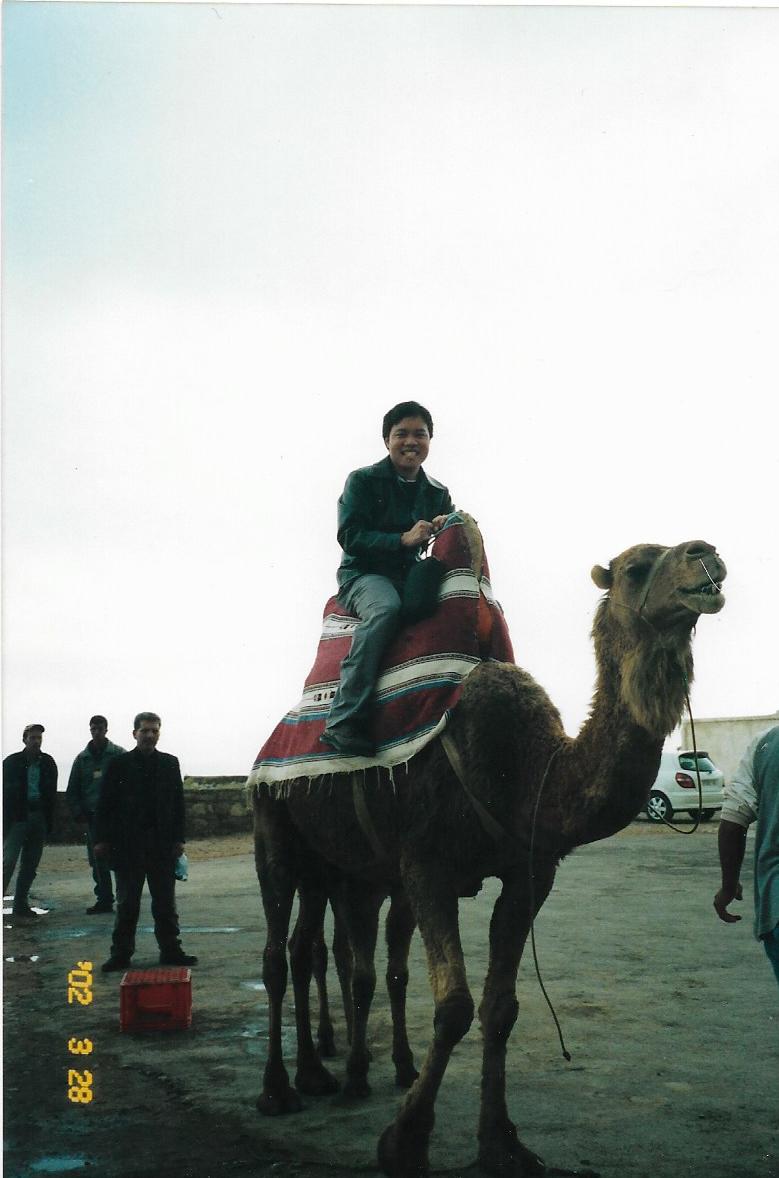
My first camel ride (Morocco)

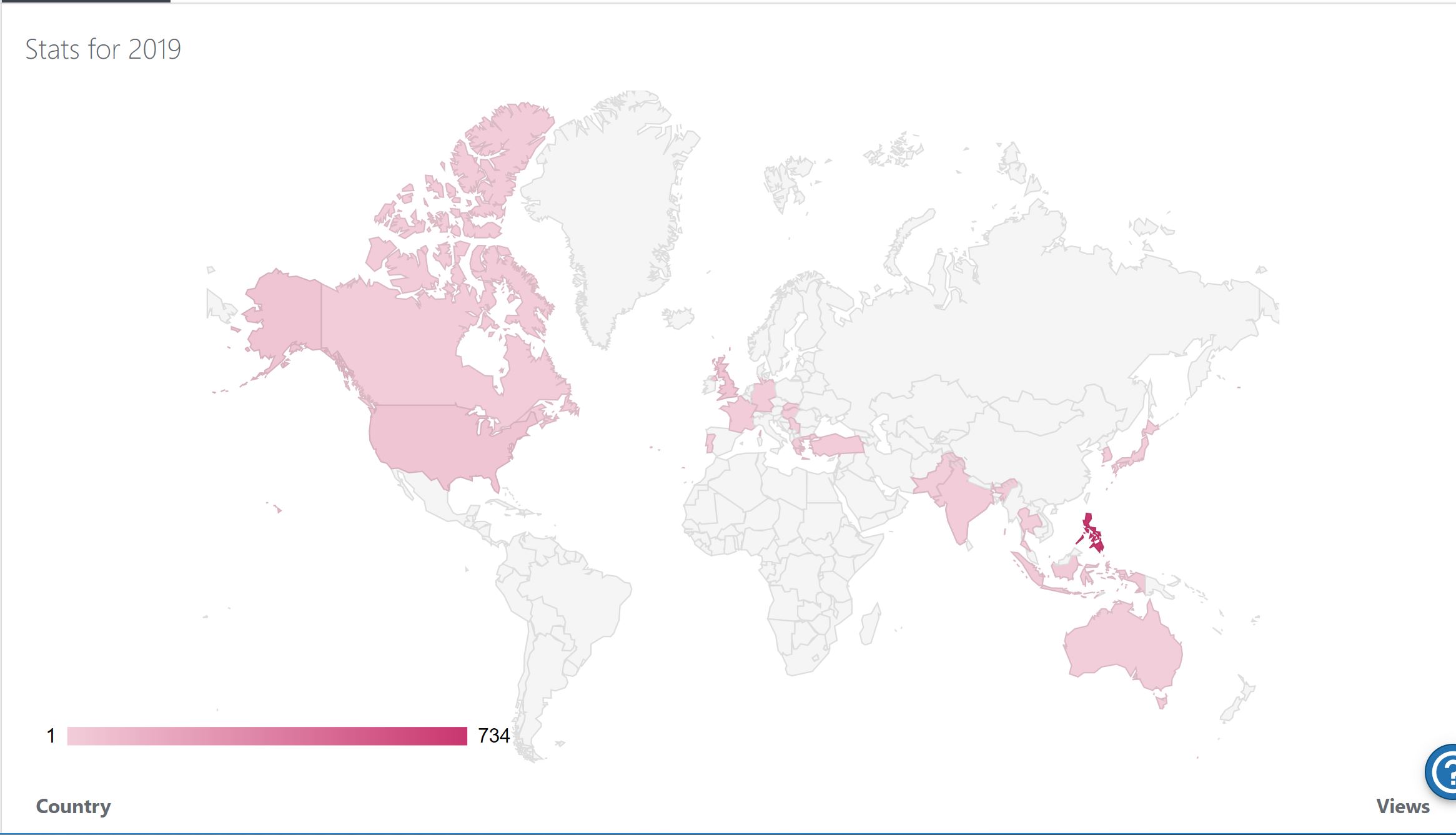
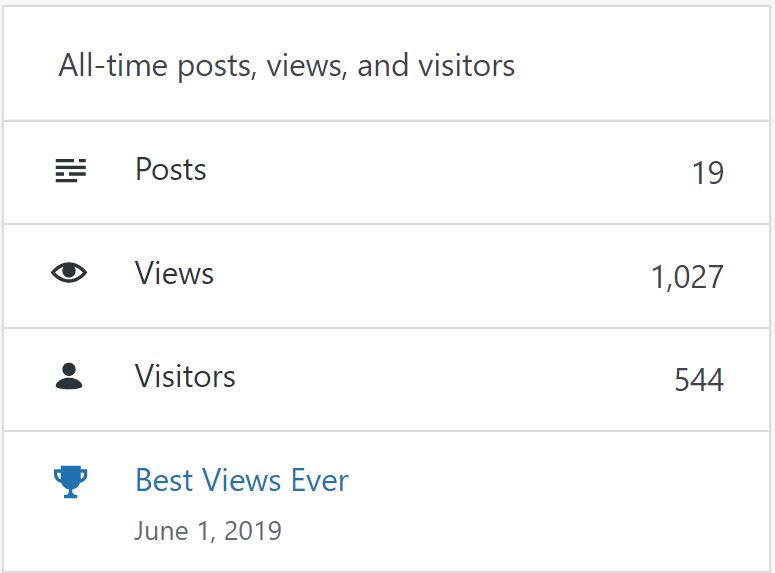
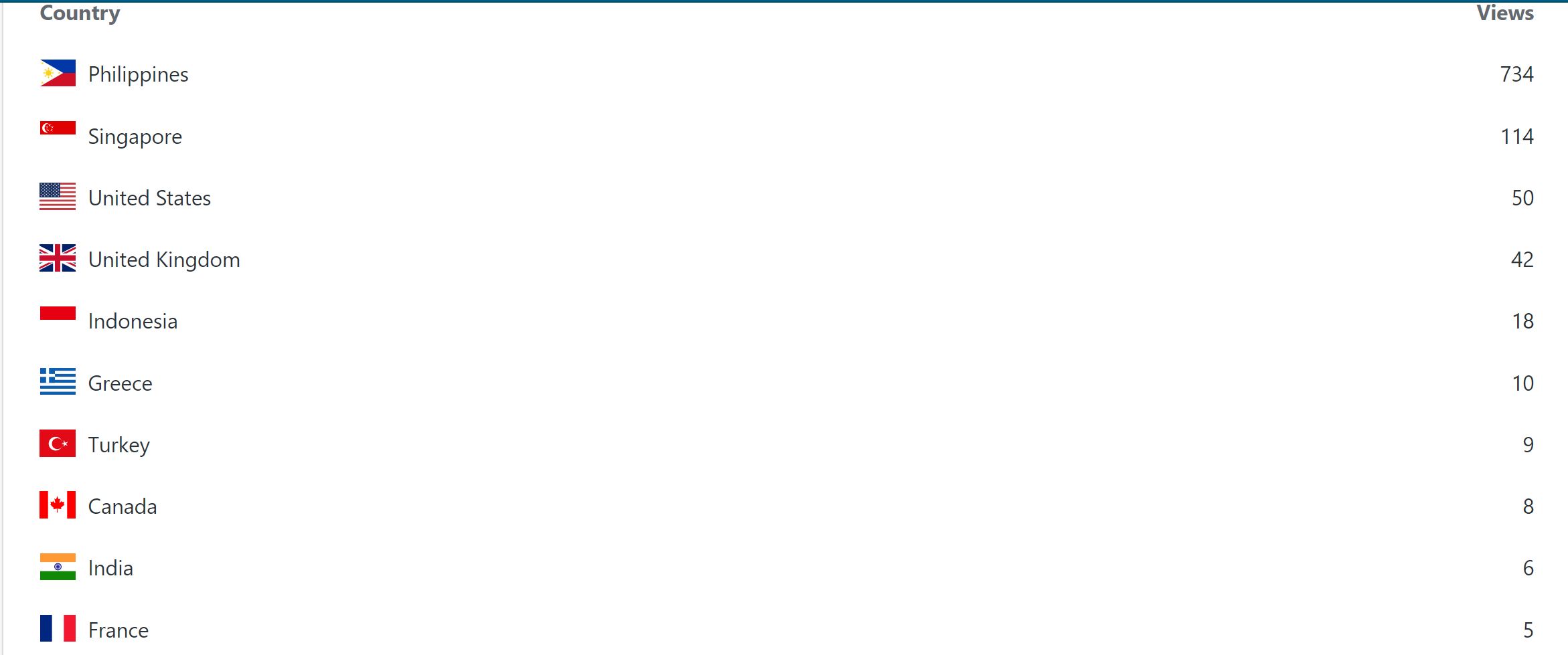
This month marks another milestone for the blog. We are celebrating its first year anniversary (yey). Yes readers, it’s been a year already since that fateful morning when I woke up and got up inspired to write again. After getting my own domain and writing a few articles, I launched it in June by messaging friends about it. Never have I imagined that it will now have a global reach, my articles being read in 37 countries and territories (as of this writing) in 5 continents. The latest continent to join us is Africa, so I thought why not feature this beautiful continent as an anniversary special.
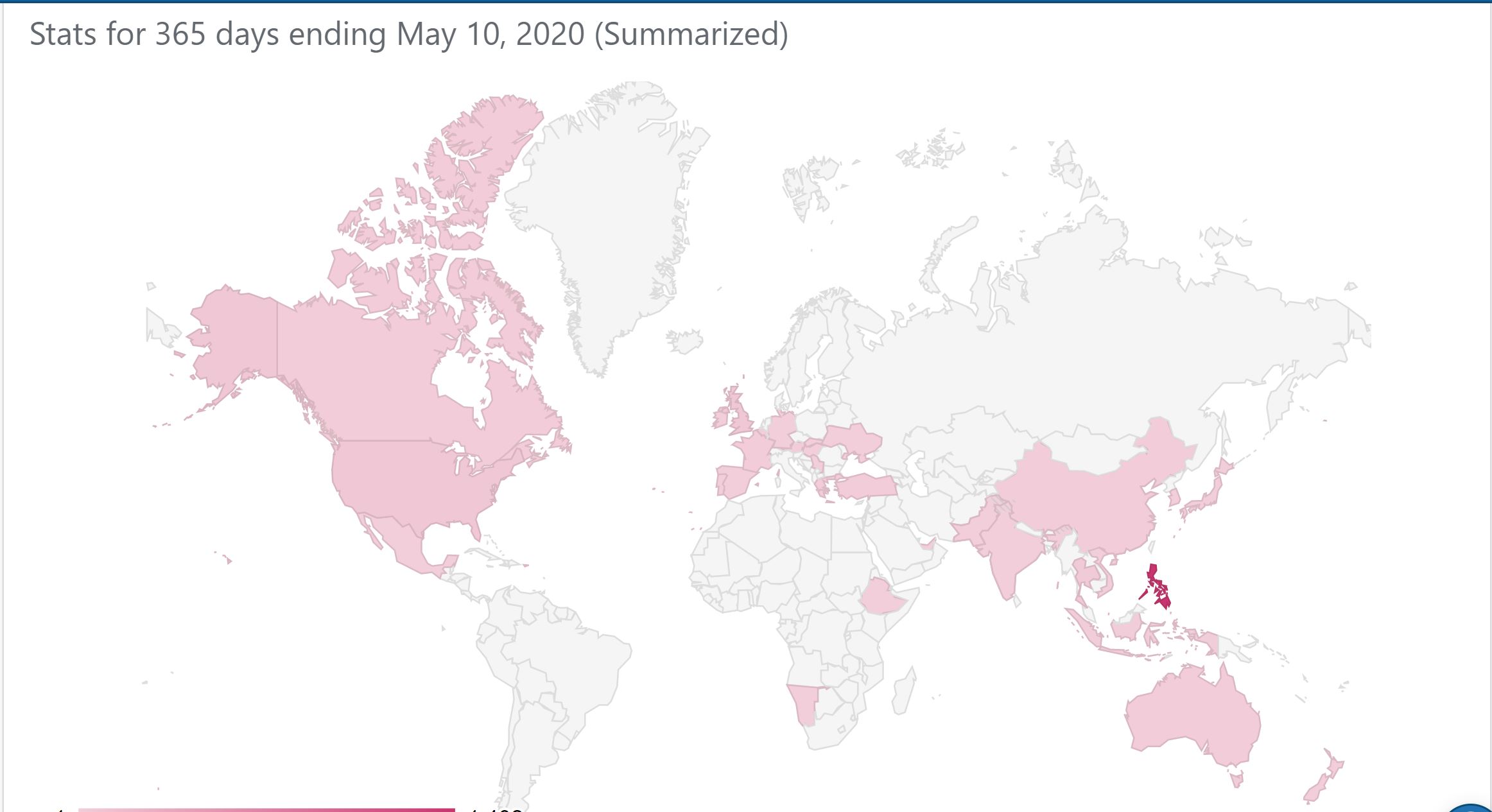
Global footprint of columbusbee.blog almost a year since the first article was published (Hey, it’s me)

Africa has a special place in my heart. I have lived in this continent for a short while in two of its most spectacular destinations: Morocco and South Africa. The former I lived as an expat while the latter was a short-term assignment. For this 2-part special, I’ll let you in my past life as an expat in Morocco, where I worked and lived in Casablanca (Morocco’s business, commercial, and cultural capital). I’ll feature South Africa in future articles.
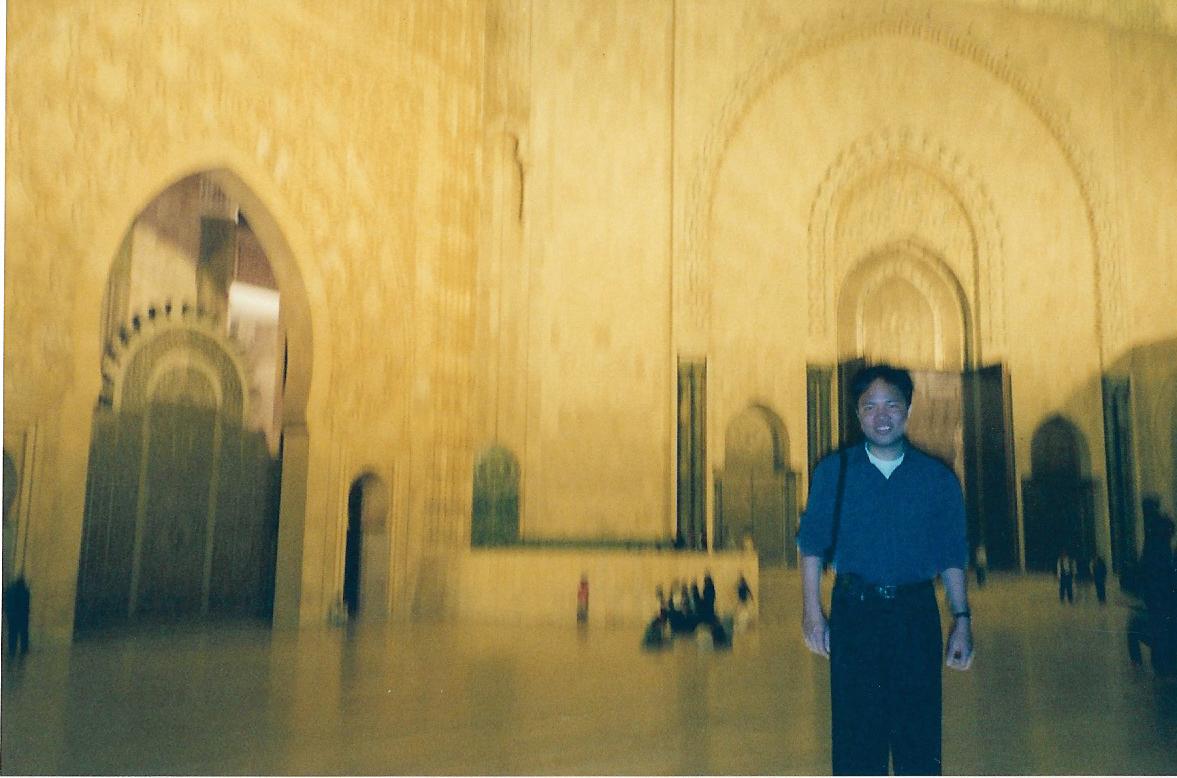
Hassan II Mosque, the 2nd largest mosque in Africa (Casablanca)

I was young in my 20’s, restless, and ambitious when I decided to take the first job opportunity abroad. I always wondered then how it is living in another country so when that opportunity came along, I decided to take it. Little did I know that it will open my eyes to a bigger and much different world than where I live in. That experience heightened my travel senses, even though I have already been travelling but mostly in nearby destinations (such as Hongkong and Singapore).
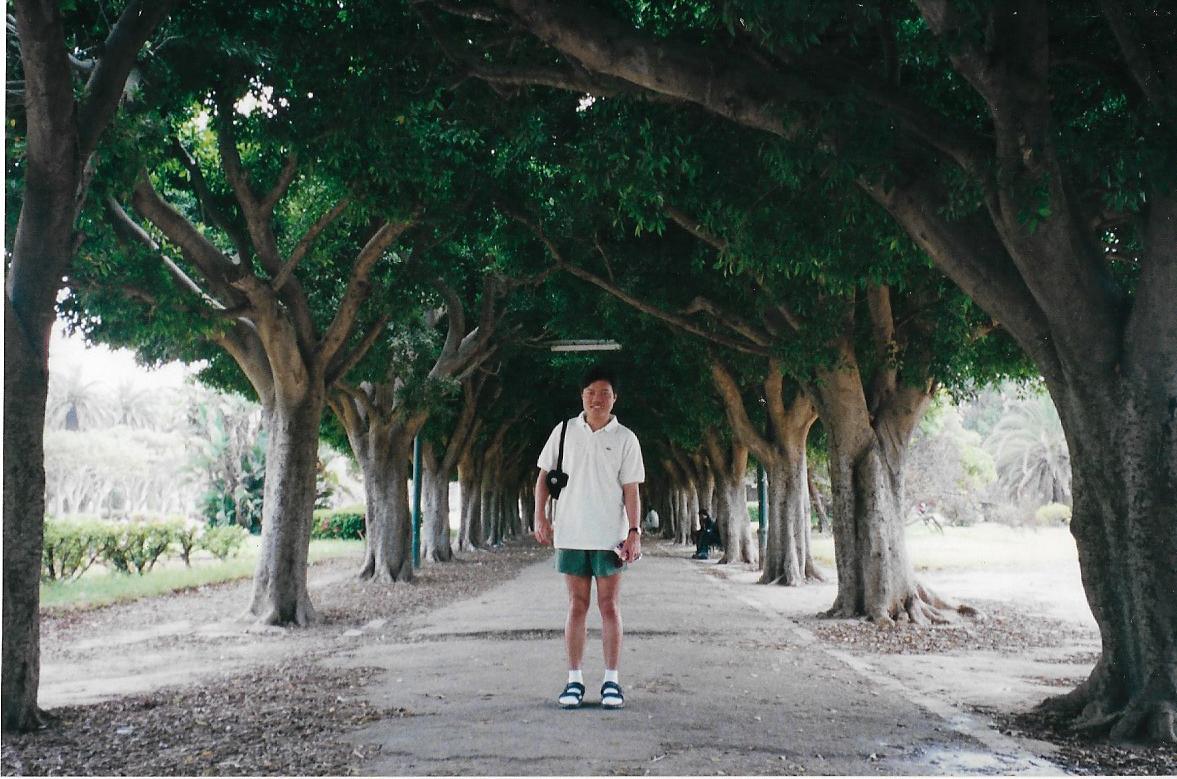
Casablanca Park

So I packed my bags, bade my folks goodbye, and started a new life outside of my dear Philippines, leaving family and friends behind. It was tough, believe me, but the adventurous and explorer in me made me forget about the possibility of getting homesick. I was looking forward to see what’s out there, what’s in store for me when I tackle that new managerial role, the new life that awaits me and the kind of life that I’ll be living, and new friendships and acquaintances that will develop. My feelings then were more of excitement than fear of the unknown. It was my first, so I was both nervous and excited at the same time (don’t we all feel that way during our “firsts”).
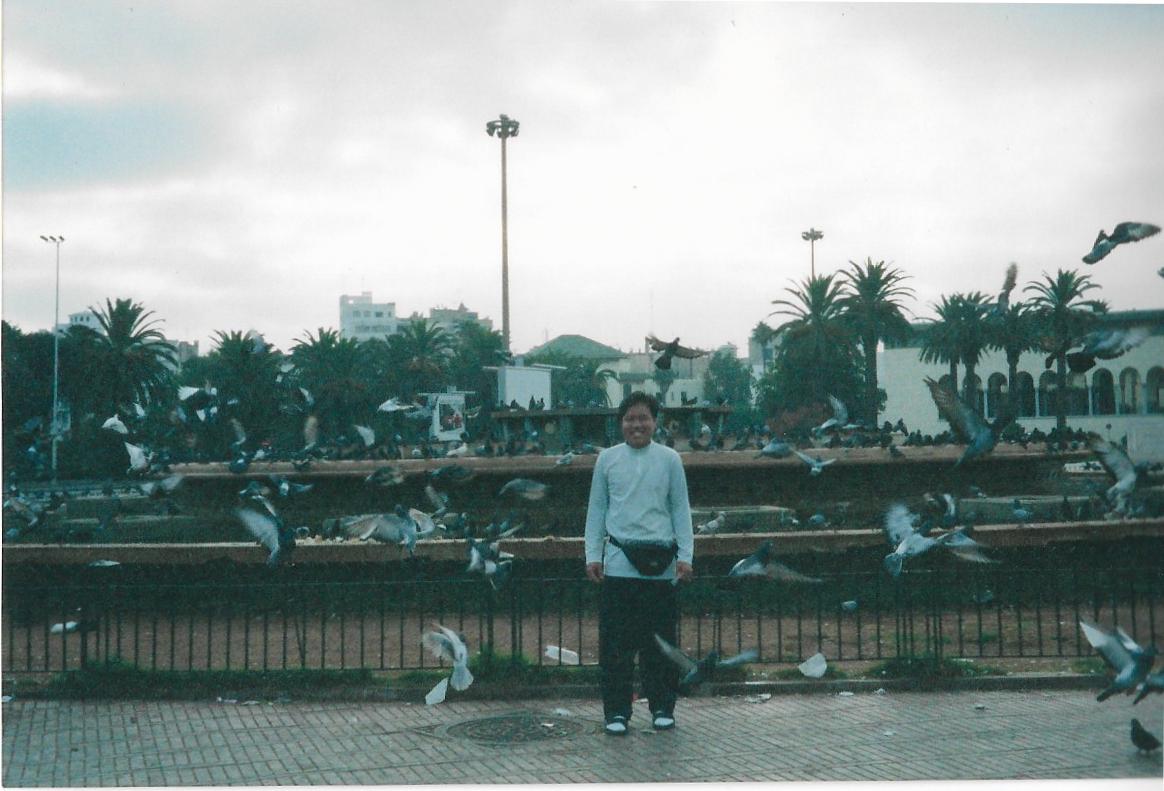
Weekend winter stroll with the pigeons (Casablanca)

I settled in Casablanca towards the tail-end of winter so it was still very cold (7-9 degrees celsius) by my own tropical standard. I have not lived in a place that cold before, so it took a few days to adjust, particularly in the mornings, when it can get even colder and more difficult to get up and hit the shower. But it was perfect. That kind of cold didn’t really bother me much, coz it’s more conducive for my asthma. I could sleep all day during weekends with that weather, like a bear hibernating (lol). I’d rather be under a moderately cold climate than in a hot and humid place.
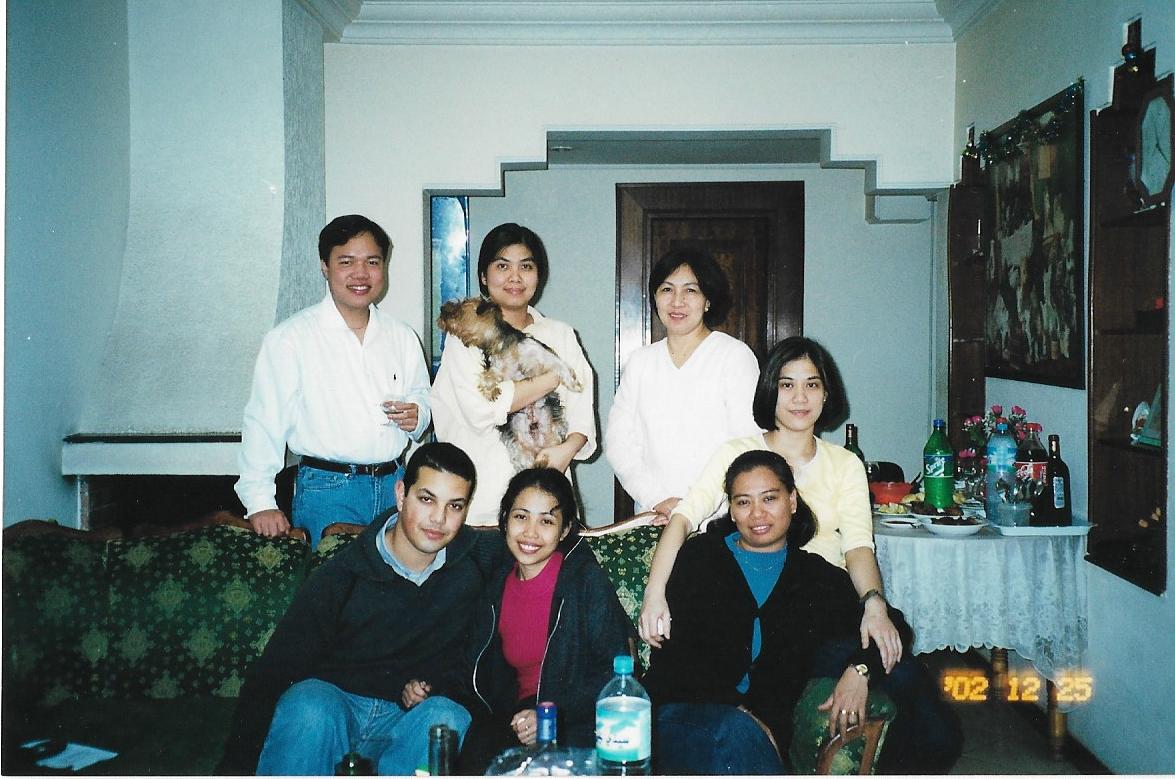
Celebrating Christmas with Filipino and Moroccan friends (Casablanca)

I have only heard of Casablanca, the movie, but since I also haven’t seen it, I really have no idea what’s in this city. Casablanca, turns out, is a nice and livable city. My apartment is walking distance to her newest skyscraper then that houses a mall, supermarket, and offices. Some of the streets and avenues are lined up with palm trees and there’s a park close by teeming with families during weekends. Mode of transportation is thru cabs, where you share a cab with total strangers (think of it like Grab share). Tea houses or kiosks abound, where you get fresh and hot Moroccan mint tea, which is perfect during cold season. Souks and bazaars are also nearby, where you will be overwhelmed with all kinds of stuff like gold, jewelry, leather, spices, dried fruits and nuts, and whatnot. Then my favorite spot, the Corniche. It’s the esplanade that exudes that Miami vibe, a place to stroll and enjoy the cool sea breeze, with rows of restos to choose from offering local and international cuisines, not to mention some of my favorite fastfood. This is where most of the hotels are in and a mall with cinemas.
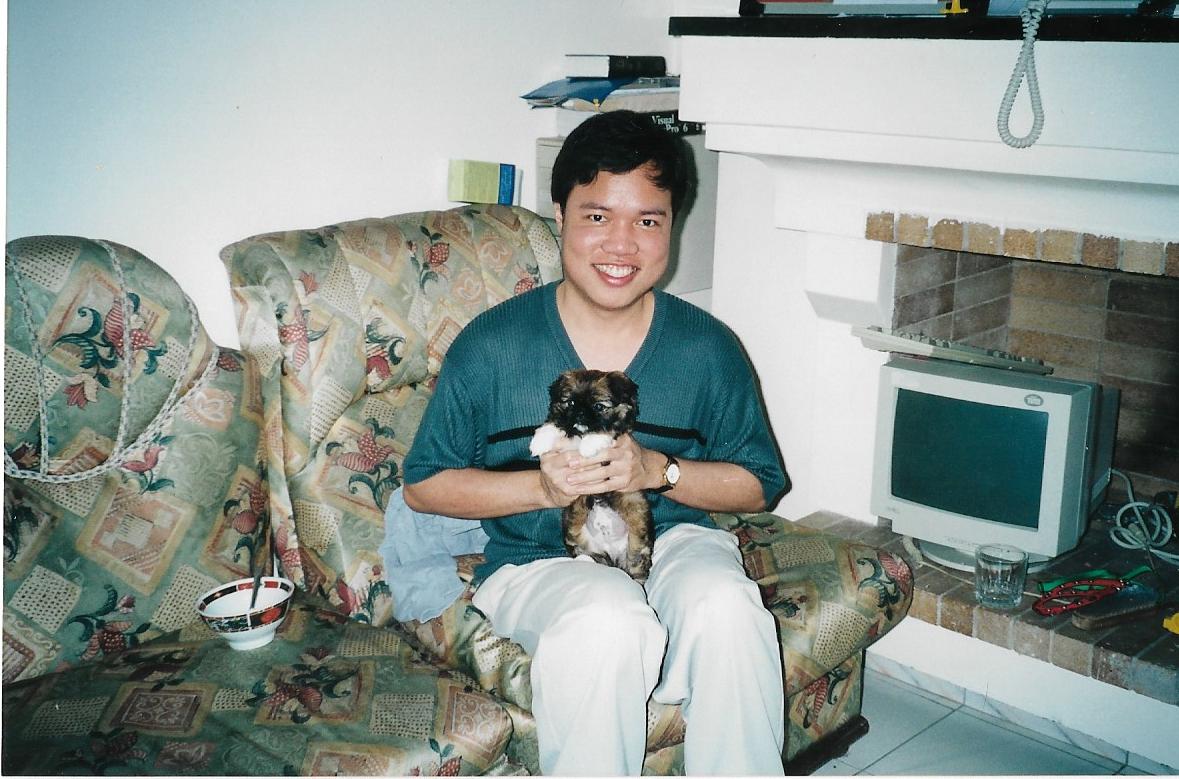
With my new puppy Bruno (Tibetan Spaniel)

So yeah, I was pleased. Casablanca is different but somehow close to home. I wasn’t really missing out on anything. It also helped that the locals are very welcoming and friendly and solicitous to foreigners which reminds me of home. Moroccans are predominantly Arabs and they are very gentle people. I haven’t witnessed any form of violence. The worst you can see is a traffic altercation where you’ll hear raised voices and hand gestures but no one throws the first punch. I also sense that they appreciate Asians more than any other foreigners. Every time I’m out to either go to the weekend market or do my grocery, I would always hear total strangers saying hi or hello or “my friend, how are you?” I sometimes get that star or celebrity complex when every time I enter an empty tea or ice cream house, locals start to trickle in and soon gets crowded, like I’m a magnet for customers (no kidding). Well it doesn’t really bother me, on the contrary, I’m flattered with the attention. It feels nice sometimes to be appreciated, particularly in a place where you are starting a new life and loneliness is your (and any other expat’s) worst enemy.
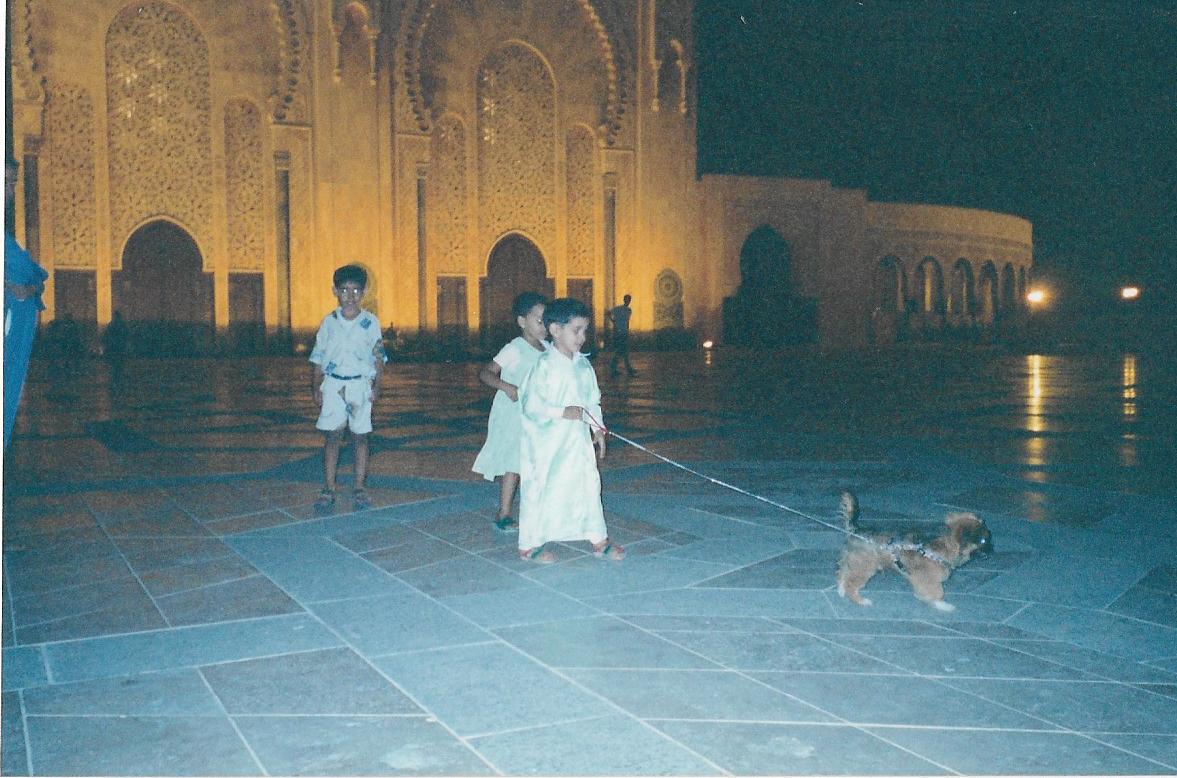
Moroccan kids playing with Bruno

Aside from loneliness, another struggle is the language barrier. Arabic is the mother tongue, while French is the language of business. Moroccans speak and write both, but only a few speak English. So I learned some basic Arabic and French words just to get by, like asking how much for an item or giving the cab driver directions. Or for greetings and just to say thank you. At work, it’s not really a problem coz I have a Moroccan secretary who writes and speaks English and acts as my translator especially during meetings with the local regulators. On hindsight, it was actually fun learning new words, which proved useful for my future travel life.
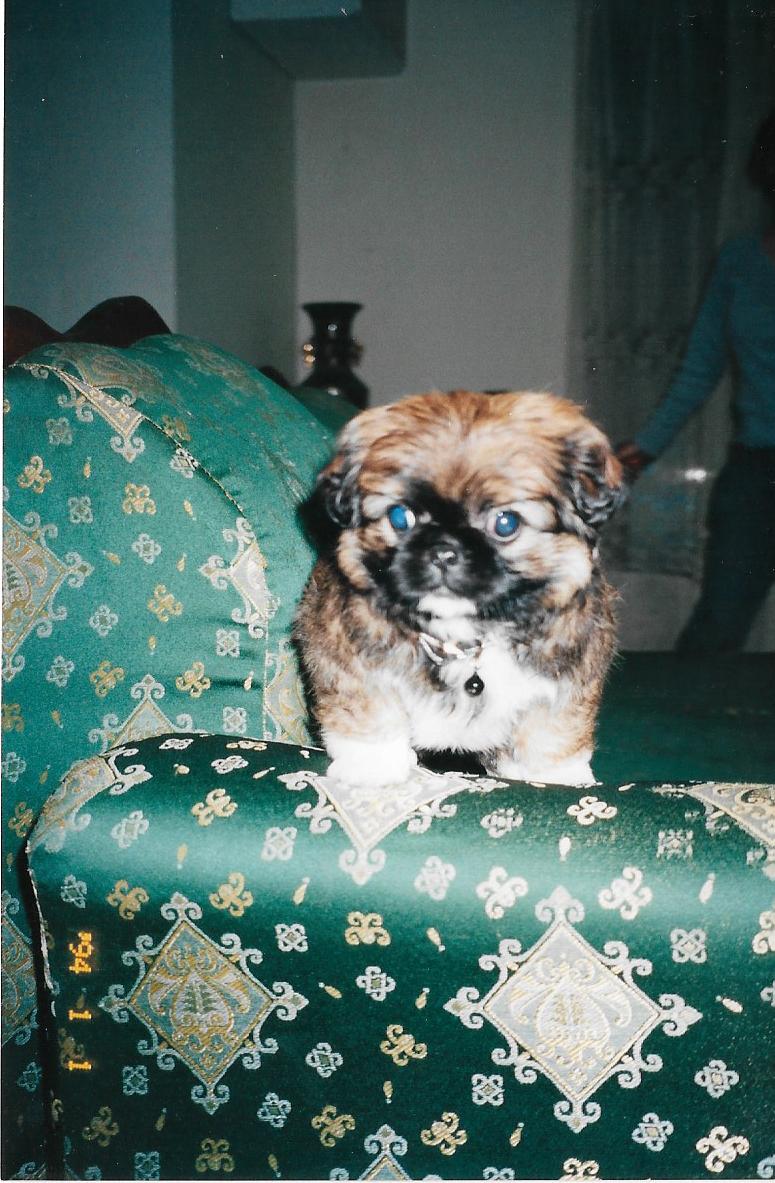
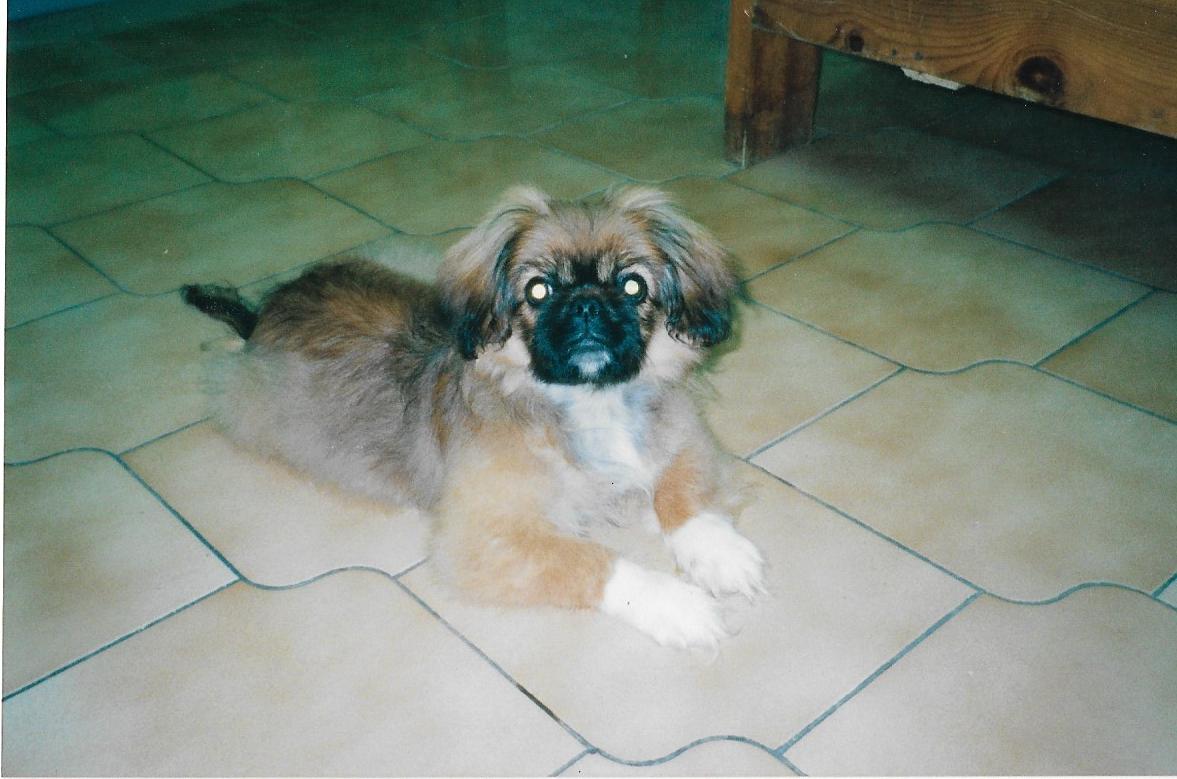
(Left) My best friend as a pup; (right) as a young adult

Getting homesick after a few months is probably normal (unless you’re really having so much fun all the time that you are already feeling at home in your new environment). So it was no surprise that a couple of months after settling in, I decided to get a puppy. His name was Bruno, a Tibetan spaniel. A few months after I got him, I would walk him at night during weekdays when I get home from work and on weekends would take him to the park. He would get excited every time I would put his harness on, so excited that he would pee before we even get to the door. The attention I’m getting outside has doubled, with Bruno now as the bigger star.
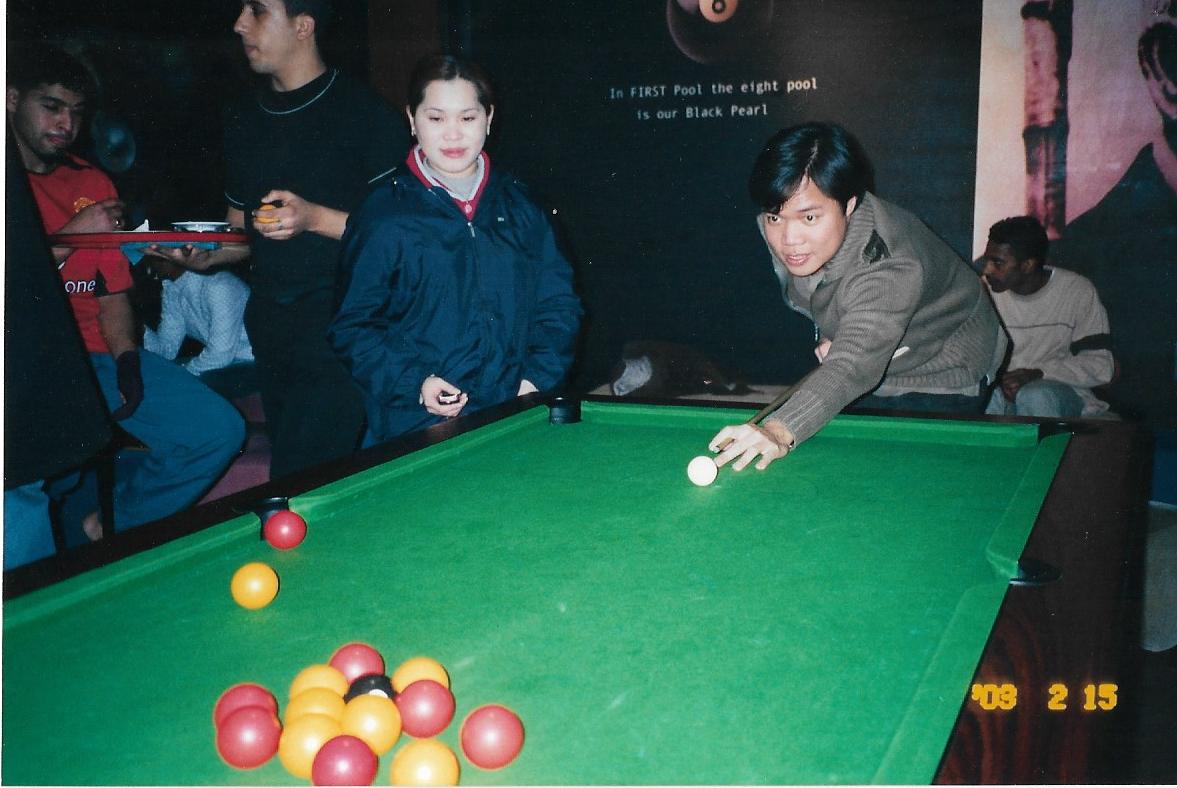
Playing billiards with friends

There were also new stuff that I tried in this past life. I went to the wet market which I haven’t done in the Philippines. I learned how to determine if raw fish is fresh or where to get pork in a country that shies away from it. I learned how to haggle, an art which I have mastered years later. I also learned how to cook where my first few attempts were epic fails. I’m a foodie at heart, so I love eating out more than cooking. I’m more of a connoisseur than a sommelier. One thing I like to do is to go to the fish market and order fish and chips. This is not your typical fish and chips like those in London. This is more like in the Nordics where fresh catch is cooked and served. I was also introduced to Moroccan food and spices, where my favorite is tagine (or tajine). It’s a savory and aromatic dish (similar to a curry) that brings out the best in Moroccan spices. Chicken, fish, or lamb, I love tagine regardless of protein. I started to appreciate wine (I’m not really much of a drinker back home) just because of the cold season. I learned how to play billiards and discovered how much I enjoyed it and I was actually good at it. So I didn’t just learn new words. I actually was living a different life.
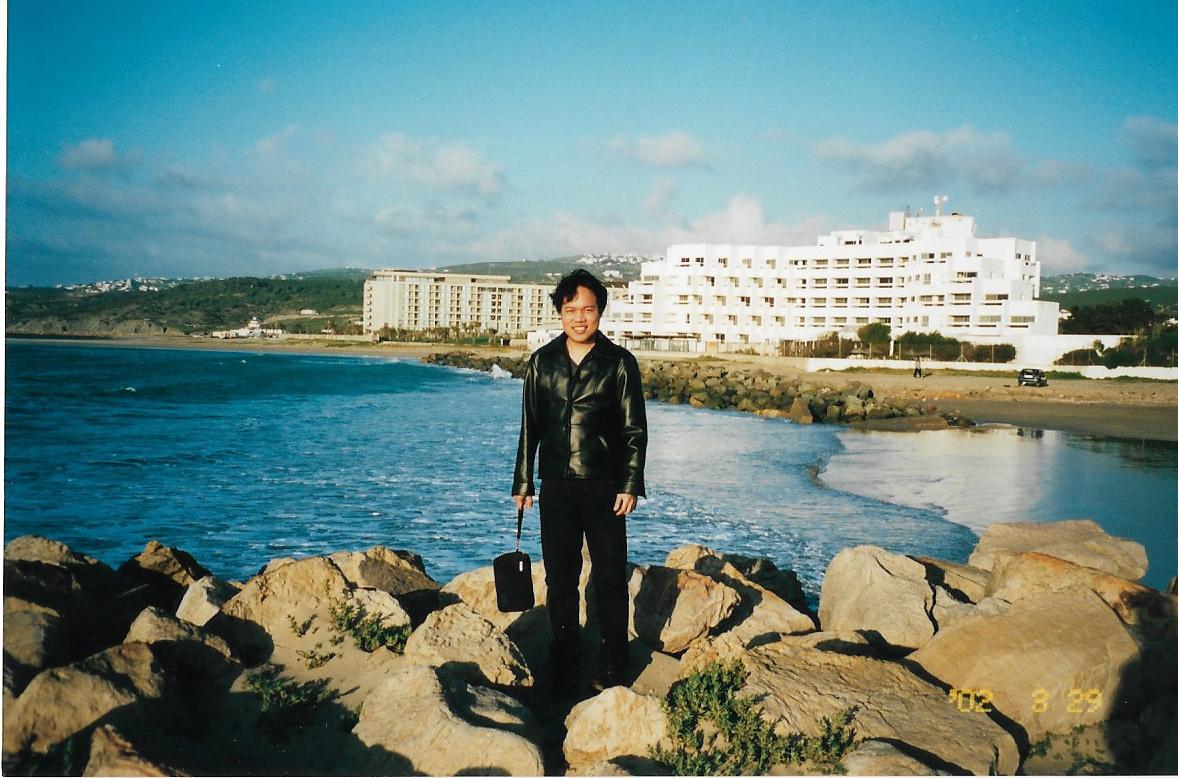
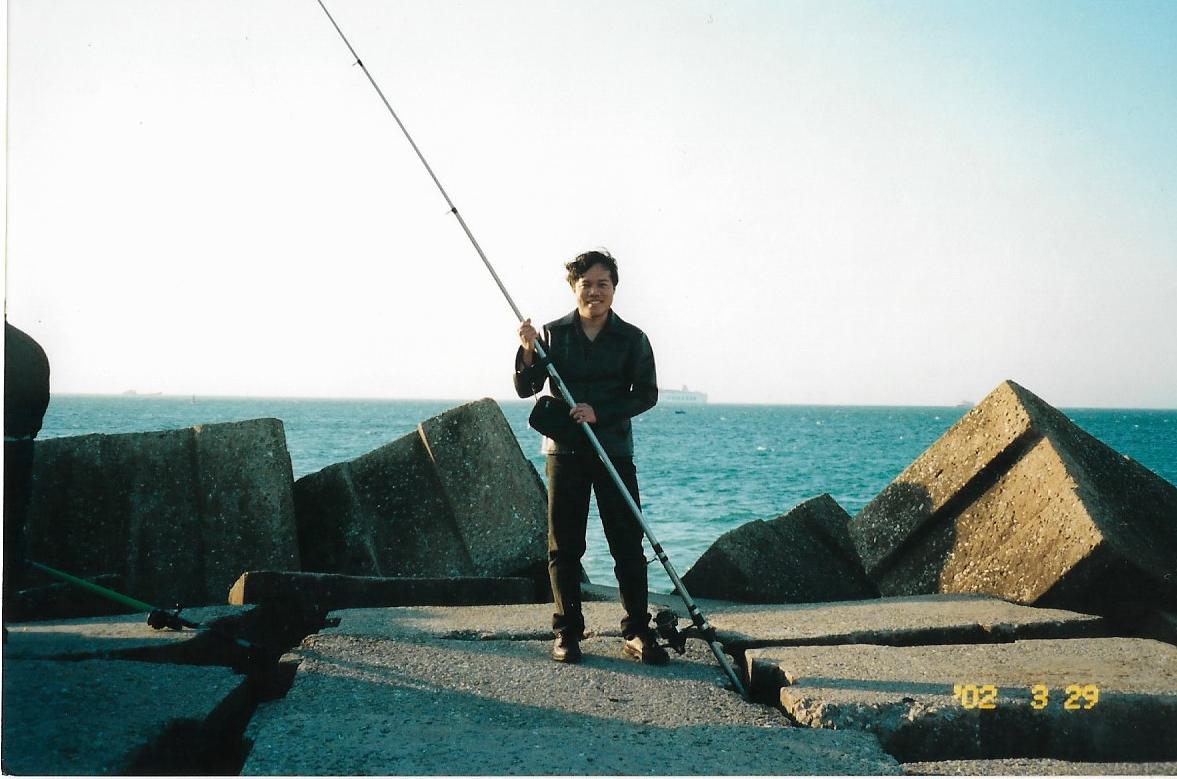
(Left): Enjoying the Moroccan coastline; (right) who wanna go fishing with me?

The wanderlust in me also took me to different parts of the country. During long weekends and holidays, I would hie off to places with friends to explore and discover the different faces of Morocco. This country is blessed with a diverse topography, so extreme that the south would have the dry desert sands while the north is covered with snow. No wonder this is a favorite location shoot of some of the memorable Hollywood movies, among which are Lawrence of Arabia (1962), The Jewel of the Nile (1985), The Mummy (1999), Alexander (2004), The Bourne Ultimatum (2007), Sex and the City 2 (2010), Inception (2010), American Sniper (2014), and Mission Impossible: Rogue Nation (2015). Hollywood movie studios even have satellite sets in the country. The first city I’ve visited is Tangier where at least a couple of the movies I’ve mentioned were shot. It is a coastal city and the jumping off point for those who would take a ferry to cross the Strait of Gibraltar to get to Malaga, the southern province of Spain. From Casablanca, we took the midnight train to Tangier where you’ll reach the northern city in the morning. You can spend the day roaming the cobbled streets or alleys or go to the souks and bazaars where a lot of western goods (mostly European) are available. Or just simply enjoy the coastline.
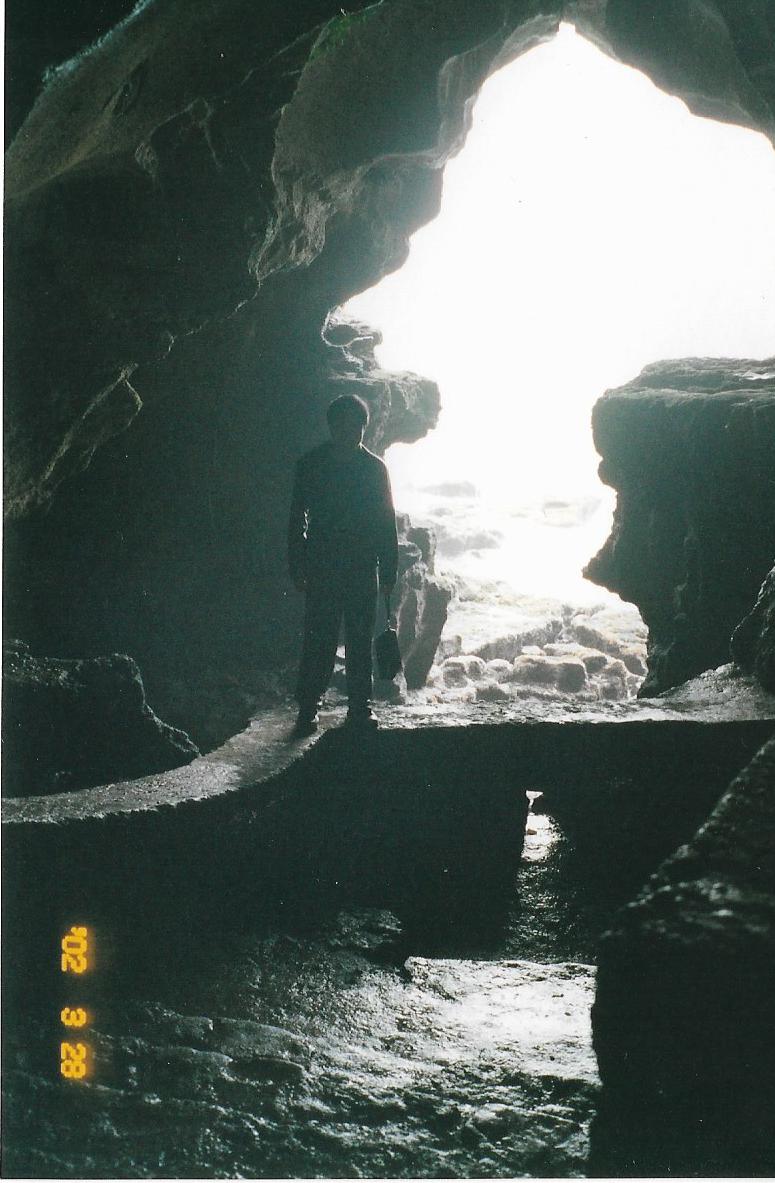
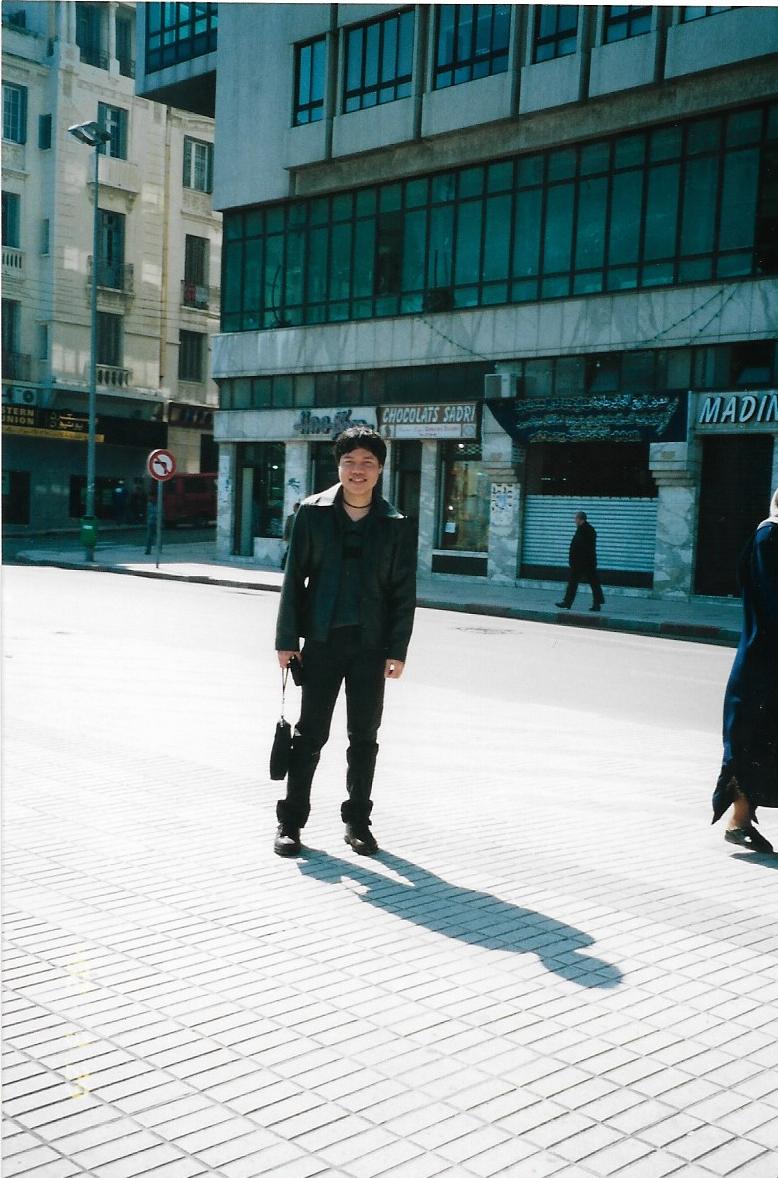
(Left) Entrance to a cave that looks like Morocco map; (right) walking the streets of Tangier

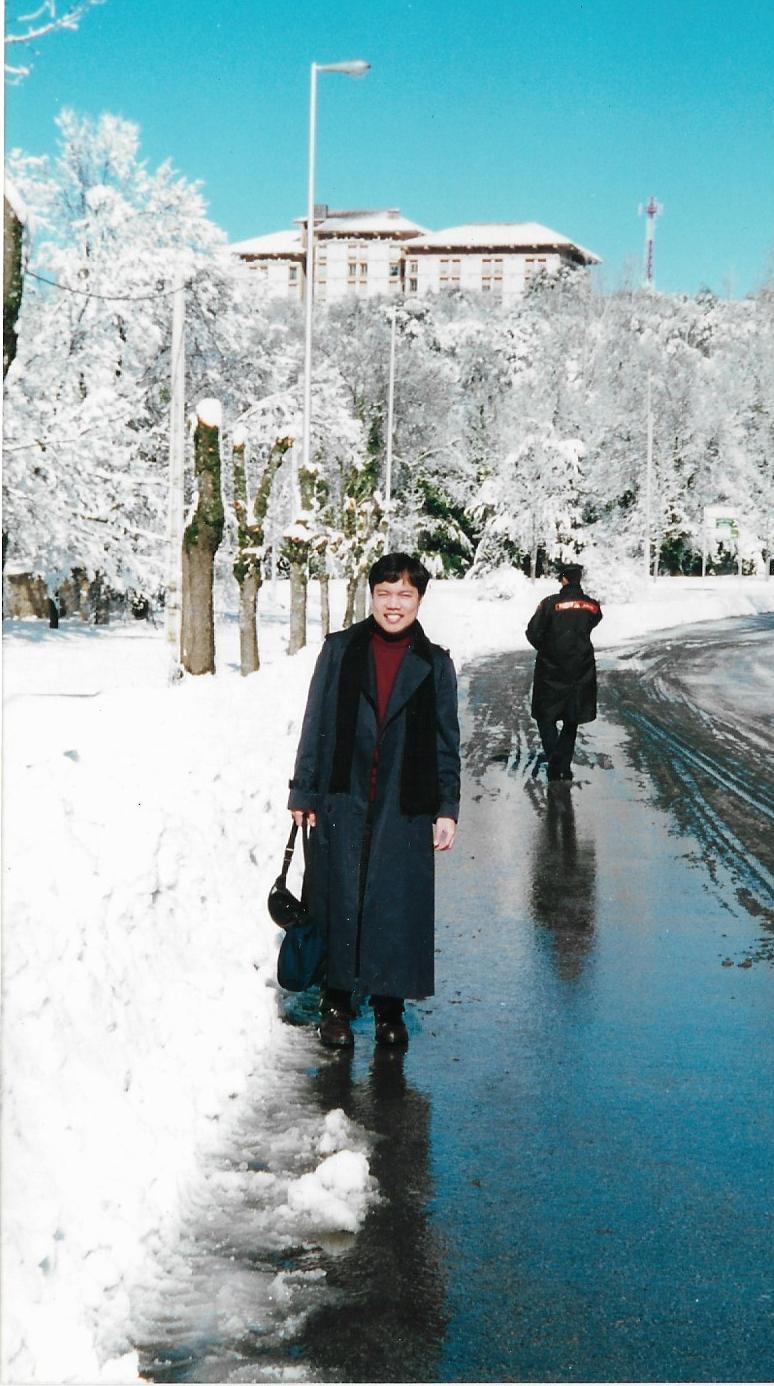
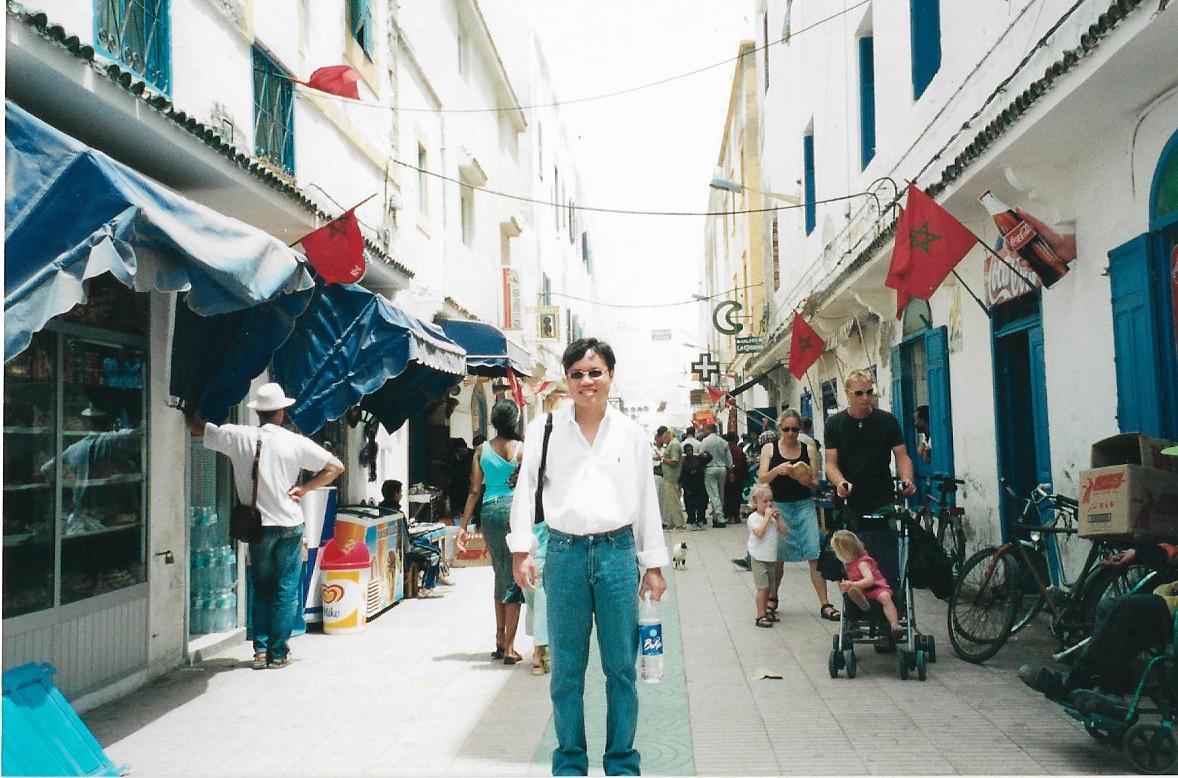
Other parts of the country worth seeing are Agadir, where the snow capped Atlas mountains provide a postcard perfect backdrop or if you really want to experience snow, you can go to Ifrane, This is where I first experienced snow, and I felt like a kid again in winter wonderland. But my fave is Essaouira. For me it’s an exotic place, a port and resort city that used to be a Portuguese fort. I was surprised to see so many tourists, given that it’s not really a familiar or known tourist destination. But I understand why it can become a major tourist spot. Imagine this, a port full of seagulls feeding on any scraps left by fishermen. A formidable and imposing fortress lined up with canons. A medina filled with shops that sell everything that you can buy from souks and bazaars around the country. I can sit all day just people watching while sipping my Moroccan mint tea. Or gaze into the sea while having the fresh catch of the day. For me it’s a hidden gem that’s just waiting to be discovered.

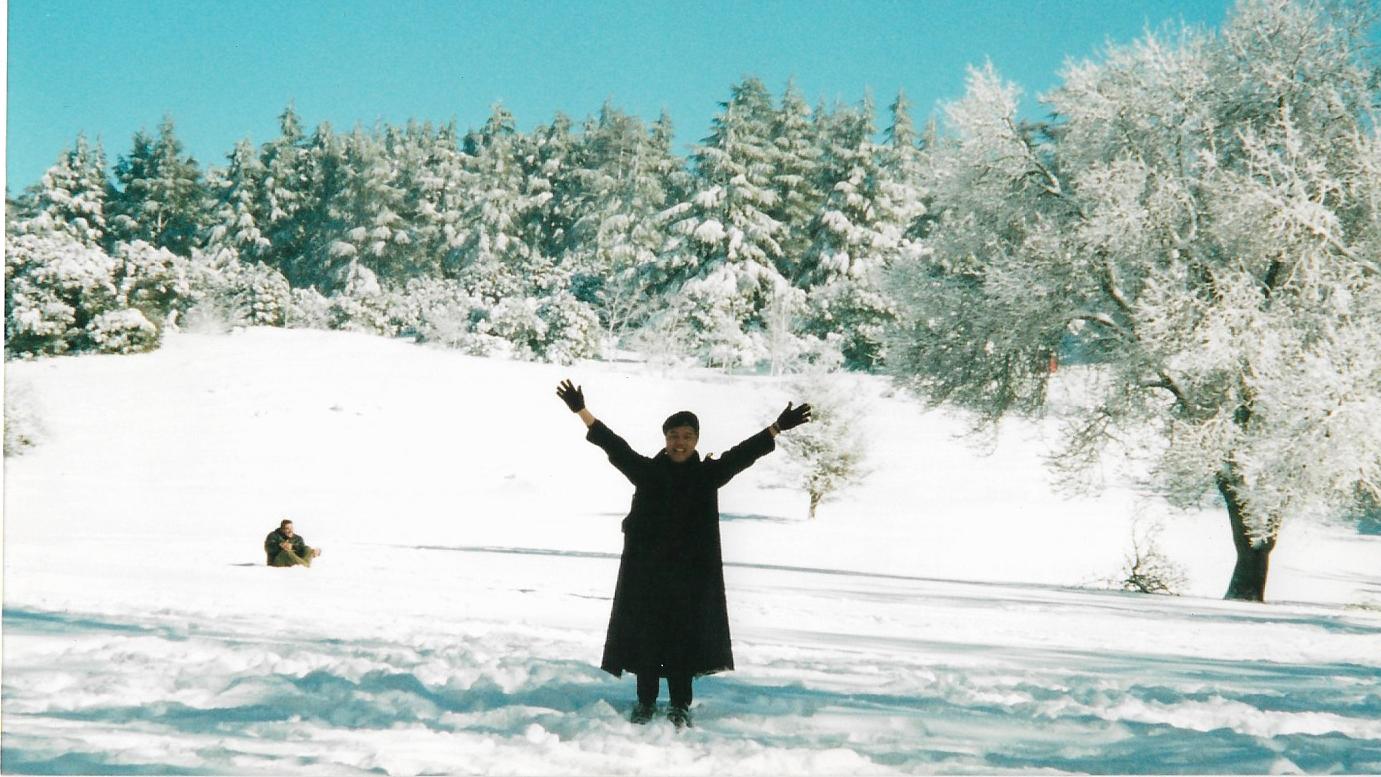
My first snow. Feeling like a kid again at winter wonderland (Ifrane)

My adventure was not only limited within the country. Because of its close proximity to Europe, it was while living in Morocco that I had my first Europe tour. I applied and got my first Schengen visa (valid for a year) which only took a few days even if it was processed in Rabat (capital of Morocco) where most of the embassies and consulates are (unlike in the Philippines where it would take weeks just to set an appointment with the embassy). Flights are short haul rather than long haul, so it’s less tiring and a lot of time saved. Upon returning to Casablanca from the tour, I thought I could already die. I haven’t only fulfilled my dream of living and working abroad, but also seeing Europe. But then again, my first taste of Europe has only expanded my horizon, It made me a lot more curious and thirst for more. Then the rest is history. I could say that it was my life in Morocco that awakened the wanderlust in me.
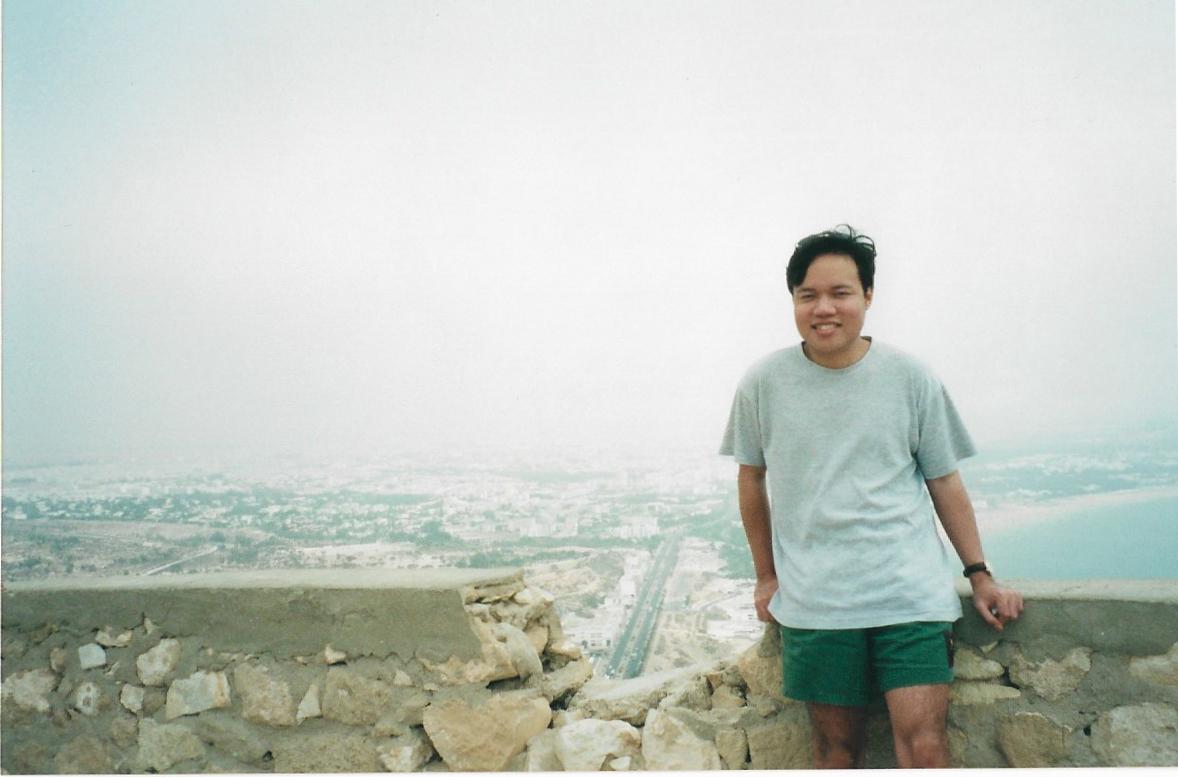
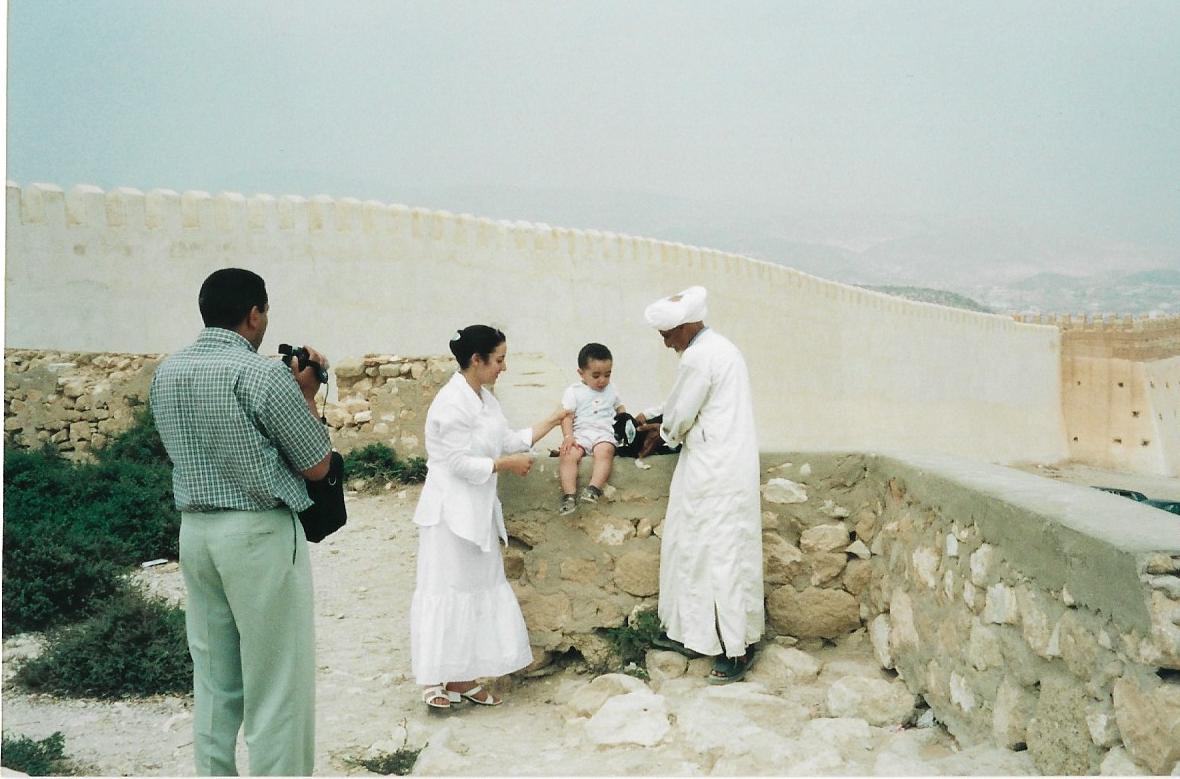
From top, left (clockwise): Agadir city view from the top of an ancient ruin; Moroccan family in the same ruin; medina of Essaouira; Essaouira coastline and Portuguese fortress

So there you have it my dear readers. A trip down memory lane. An expat life worth reliving as a way to celebrate a milestone. A past life that set the tone on how I lived (and continue to live) my travel life from there on. A first taste of Africa, a continent that continues to amaze me up to this day. A country like Morocco, so diverse and exotic, with stunning landscapes, yet humbled by its gentle people. A second home. A destination like no other. A fitting tribute to travel and to life itself.

Happy 1st anniversary. Cheers.

Up next: Homecoming
The Day The World Stood Still

Health, Movie, and Positivity Buzz

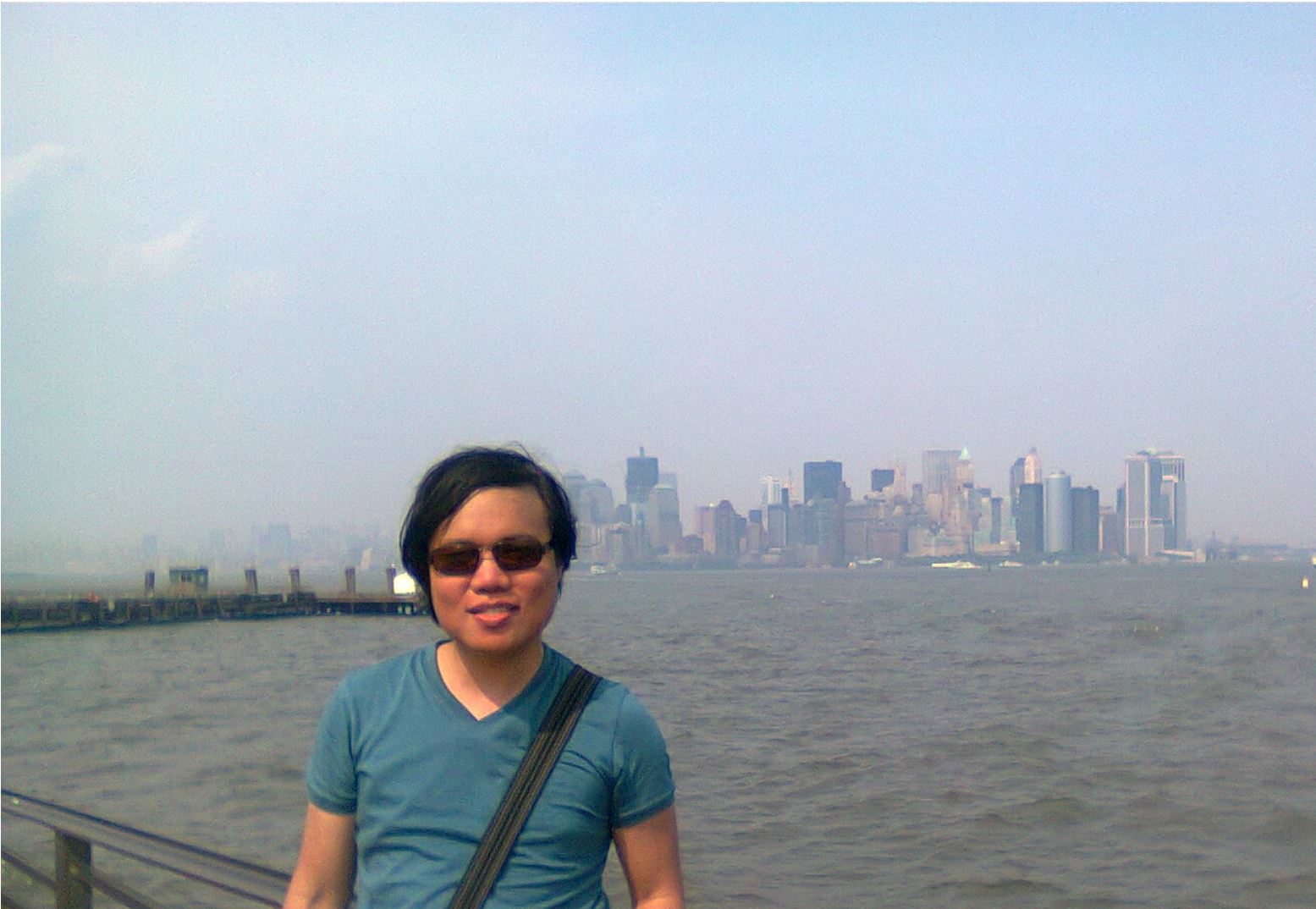
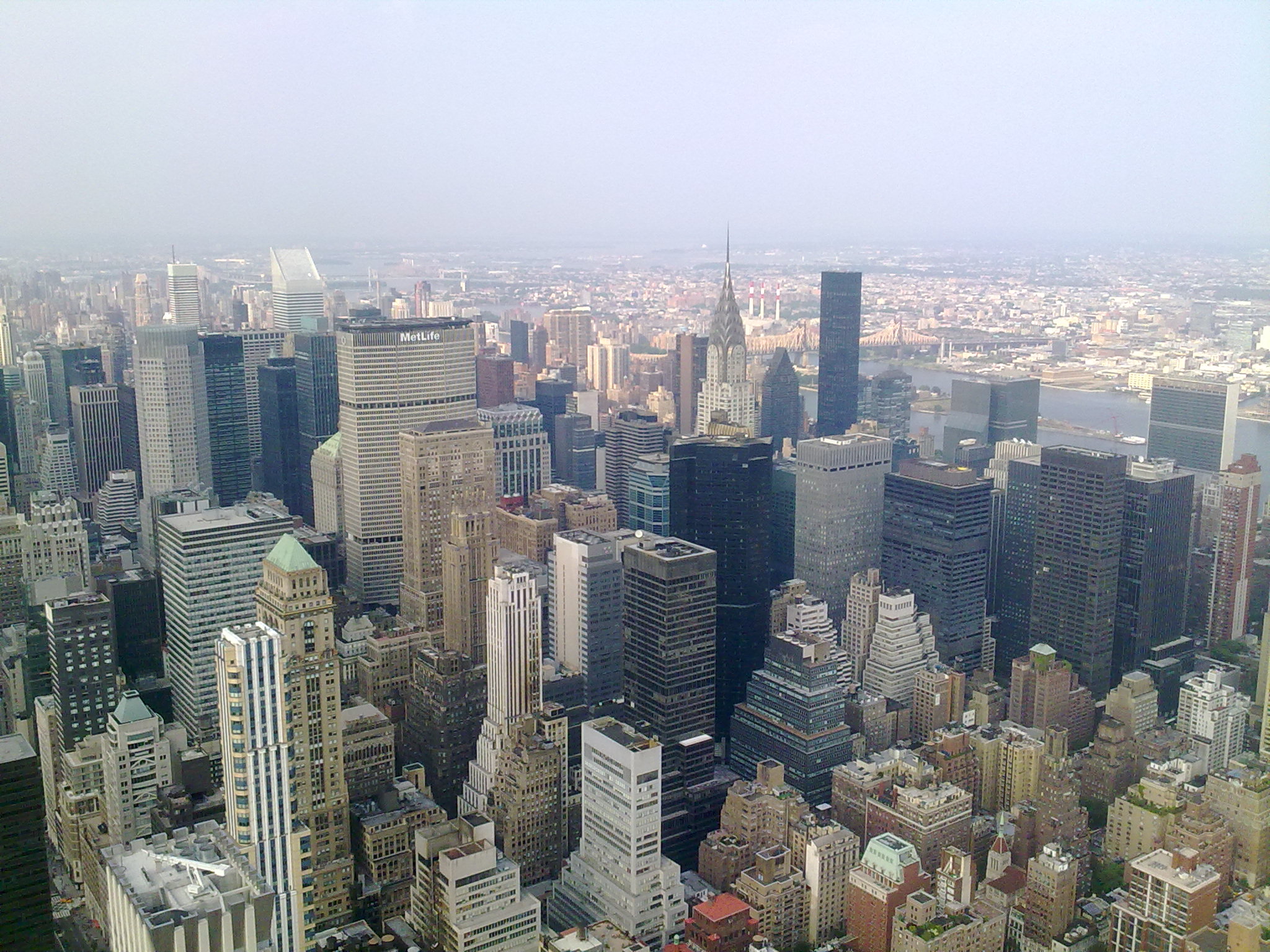
New York, the current epicenter of COVID-19 pandemic in the Americas

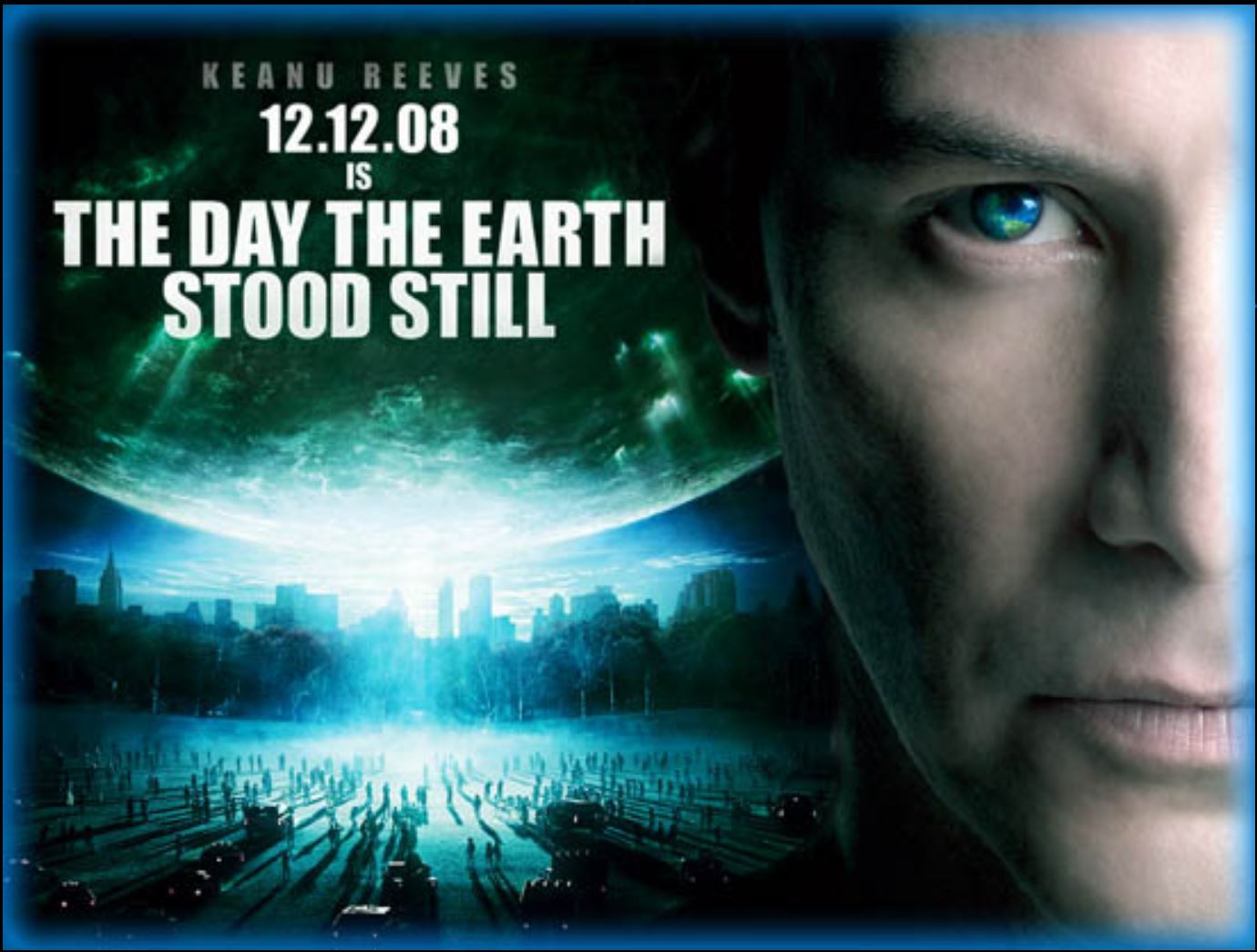
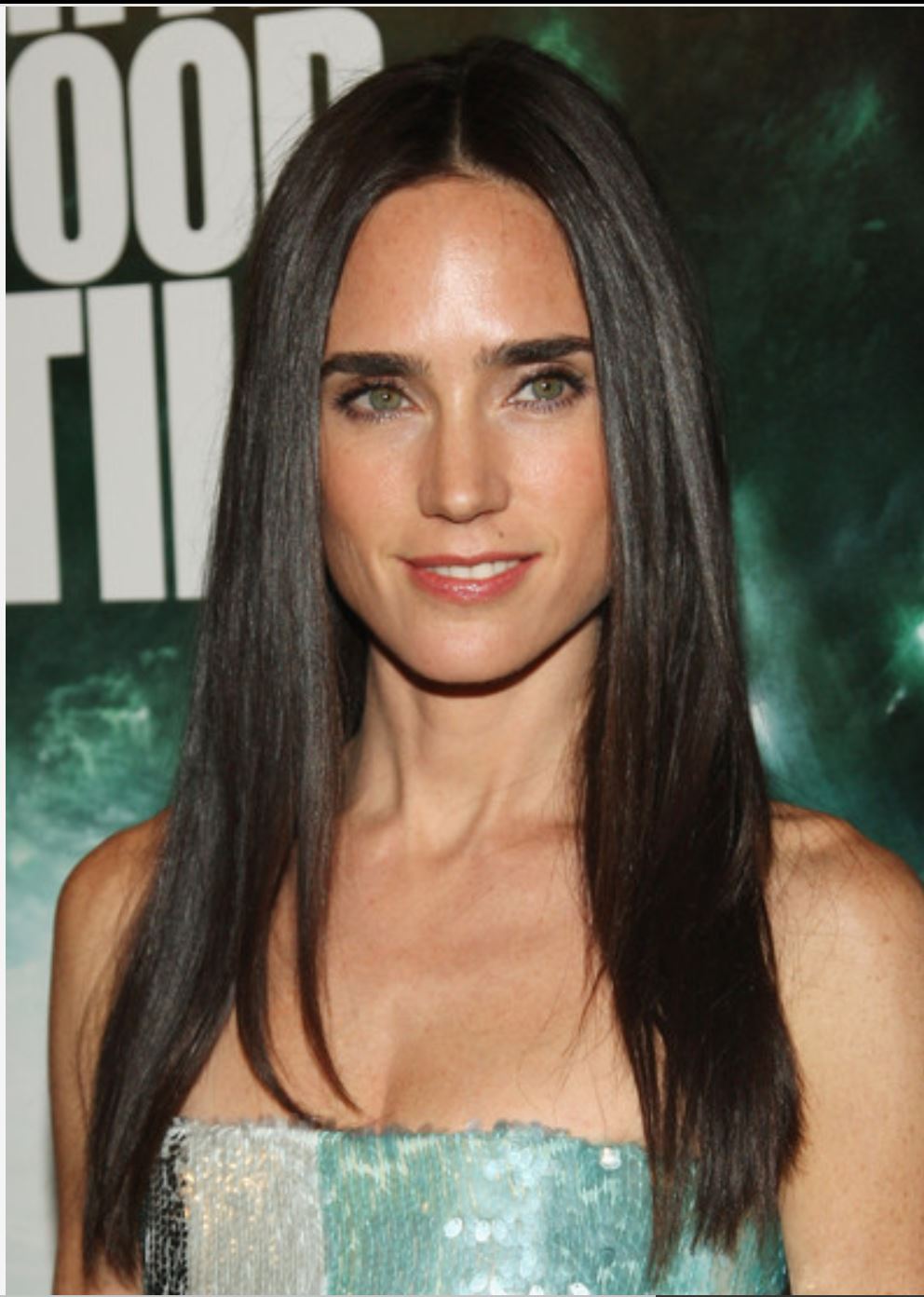
A few days ago, the movie “The Day The Earth Stood Still” was shown on HBO. It’s probably the nth time I’ve seen it, not so much because I’m a sci-fi fan, but I truly like the message of the movie. Its reruns during these times have made the messaging more relevant, given that we are faced with a similar crisis. In this 2008 film, headlined by Keannu Reeves (popularly known for movies like Matrix trilogy and the more recent John Wick franchise) and Jennifer Connelly (wife of actor Paul Bettany a.k.a Vision and seen recently in Alita: Battle Angel), an alien adapts a human body (Reeves) with the sole intent to decide on whether mankind is worth saving or need to be annihilated (for all its crimes against both nature and humanity). Along with him came a weapon of mass destruction and spheres that will serve as shelter where animals can take refuge while the earth is being ravaged by locust-like alien creatures until no terrestrial being is left standing. Sounds biblical (Noah’s Ark) and its reference to it only shows how fiction imitates life. So scientists were gathered, among which is Connelly’s character, where she ended up helping Reeves escape when authorities tried to contain him. The crisis escalated when authorities tried to employ military solution on an otherwise scientific (and to some degree philosophical) issue. With this current COVID-19 crisis, it’s sort of life imitating fiction.

One of my favorite cities in the world. To New Yorkers, my heart goes out to all of you. Hang in there. This too shall pass.

So why am I talking about this movie during this time? While running from authorities, Reeves alien character started to understand human behavior. Towards the end of the movie, he learned that there is another side to us. While we can be destructive, we are also capable of change. While we can be selfish and always think of our own self-preservation, we can also love unconditionally and possess empathy, concepts that may be vague to aliens as these are not meant to be understood but to be felt. The message of the film is that in spite of our shortcomings, we can still change for the better. That in spite of human frailty, our emotional and sociological make up set us apart from the rest of the animal kingdom. This is very pertinent and relevant as we are dealing with a health crisis right now. You can look at the alien as the coronavirus trying to annihilate us all, unless we learn how to properly and appropriately deal with it (in the same way that Connelly’s character dealt with Reeves’) and the changes we have to make to survive the crisis.

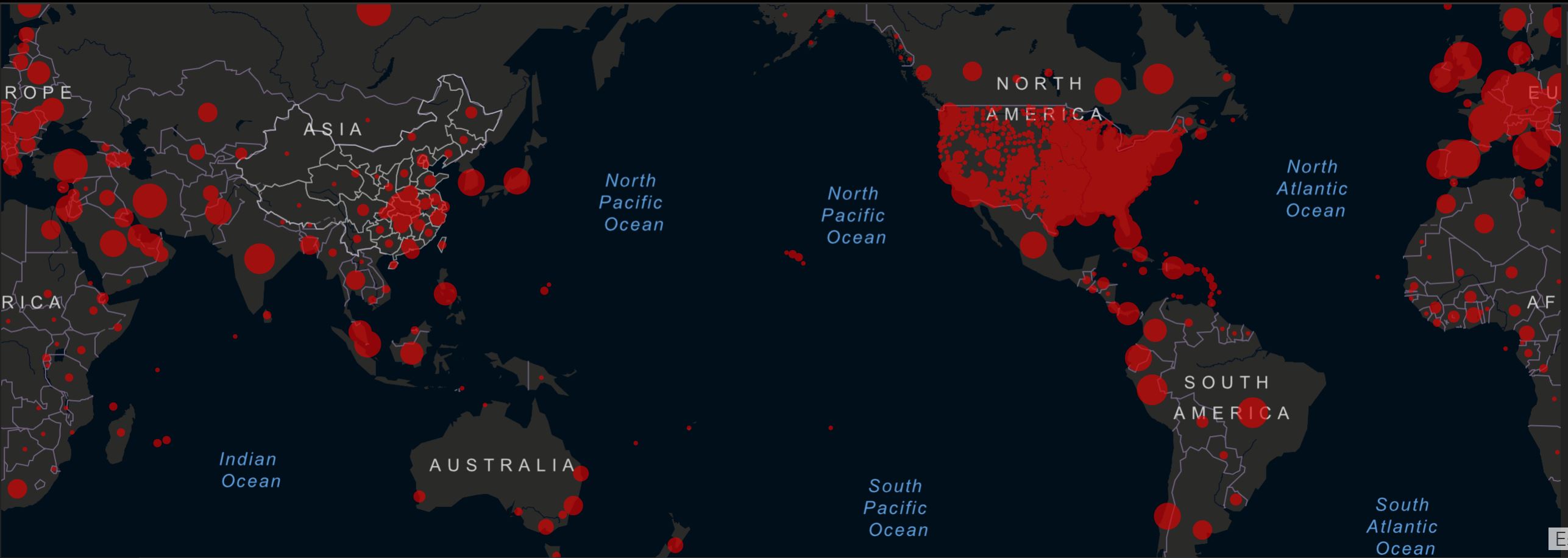
Global COVID-19 pandemic as of April 22 (Johns Hopkins University)

Knowing how to deal with the crisis and the changes that we have to do will only be meaningful if we acknowledge how this crisis started. I came across the World Health Organization (WHO) timeline in its website (https://www.who.int/news-room/detail/08-04-2020-who-timeline—covid-19) which was last updated on April 12 and also stumbled upon a link that shows a more detailed timeline that fills the gaps in WHO’s account of events. This link directed me to an article published by Hudson Institute in its website (https://www.hudson.org/research/15920-coronavirus-timeline) that was last updated on April 15. Wary of its credibility since it is the first time I’ve heard of this organization, I tried to check its reliability and was able to find a fact check site that rated articles published by this non-profit, conservative right biased U.S. think tank to be highly factual (https://mediabiasfactcheck.com/hudson-institute/). So below are the extracts from both WHO and Hudson Institute timelines (you can check out the sites for the full timelines) that I tried to piece together (verbatim) to get some sense out of what actually transpired these past few months.

Nov. 17: A 55-year-old resident from Hubei province contracts COVID-19, according to data seen by the South China Morning Post, possibly the first coronavirus case. (Hudson) 

Dec. 1: The first coronavirus case now recognized by Chinese authorities is recorded in a Wuhan hospital. The patient was initially suspected to have been infected by an animal (likely a bat) in the Huanan Seafood Market, a narrative now in dispute as researchers propound alternative origins, including that lax security procedures in the Wuhan Institute of Virology led to its escape. (Hudson)

Dec. 8: The first suspected human-to-human transmission is recorded by Wuhan doctors. A patient is observed to have the virus but denies ever visiting the seafood market. (Hudson)

Dec. 25: Wuhan doctors suspect disease transmission from patients to medical staff, further evidence of human-to-human transmission and the first instance of a threat to healthcare workers. Wuhan hospitals have experienced a steady rise in infections since the first cases. (Hudson)

Dec. 27: A Guangzhou-based genomics company sequences most of the virus, showing an “alarming similarity to…SARS.” Samples of the virus are distributed to at least six other genomics companies for testing. (Hudson)

Dec. 31: Taiwanese public health officials warn the World Health Organization (WHO) that the virus is spreading between humans. The WHO never publicizes the warning. (Hudson)

Dec. 31: The same day, the Wuhan Municipal Health Commission declares that it has no evidence of human-to-human transmission and informs the WHO of the outbreak. (Hudon). Per WHO, China reported a cluster of cases of pneumonia in Wuhan, Hubei Province. A novel coronavirus was eventually identified. (WHO)

Jan. 1: The Wuhan Public Security Bureau summons eight people to its headquarters, including Dr. Li Wenliang, who initially warned the public about the virus, accusing them of spreading “hoaxes.” Dr. Li signs a statement confessing to his “misdemeanor.” The fate of the other seven is unknown. (Hudson)

Jan. 1: An official at the Hubei Provincial Health Commission orders a genomics company to cease “testing samples from Wuhan and to destroy all existing samples.” The company’s labs had sequenced the virus’s genetic code in December with results suggesting a highly infectious virus similar to SARS. (Hudson)

Jan. 1: WHO had set up the IMST (Incident Management Support Team) across the three levels of the organization: headquarters, regional headquarters and country level, putting the organization on an emergency footing for dealing with the outbreak. (WHO)

Jan. 3: China’s National Health Commission (NHC) orders institutions “not to publish any information related to the unknown disease” and orders labs to “transfer any samples they had to designated testing institutions or to destroy them.” The order did not specify any testing institutions. (Hudson)

Jan. 3: U.S. Centers for Disease Control (CDC) Director Robert Redfield receives reports on the novel coronavirus from Chinese colleagues. The chief of staff to U.S. Health and Human Services Secretary Alex Azar informs the National Security Council. (Hudson)

Jan. 4: WHO reported on social media that there was a cluster of pneumonia cases – with no deaths – in Wuhan, Hubei province. (WHO)

Jan. 5: WHO published its first Disease Outbreak News on the new virus. This is a flagship technical publication to the scientific and public health community as well as global media. It contained a risk assessment and advice, and reported on what China had told the organization about the status of patients and the public health response on the cluster of pneumonia cases in Wuhan. (WHO)

Jan. 5: Six days after its China Country office was “informed of cases of pneumonia with unknown etiology” in Wuhan, the WHO “advises against the application of any travel or trade restrictions on China based on the information available on this event.” (Hudson)

Jan. 9: Chinese authorities announce publicly that a novel coronavirus was behind the recent viral pneumonia outbreak. (Hudson)

Jan. 9: Xinhua News Agency first reports on the outbreak. (Hudson)

Jan. 10: WHO issued a comprehensive package of technical guidance online with advice to all countries on how to detect, test and manage potential cases, based on what was known about the virus at the time. This guidance was shared with WHO’s regional emergency directors to share with WHO representatives in countries. 

Based on experience with SARS and MERS and known modes of transmission of respiratory viruses, infection and prevention control guidance were published to protect health workers recommending droplet and contact precautions when caring for patients, and airborne precautions for aerosol generating procedures conducted by health workers. (WHO)

Jan. 11: China reports its first known death due to the virus. (Hudson)

Jan. 12: Chinese authorities share the virus’s genome with the rest of the world. (Hudson)

Jan. 13: The first case outside China is reported Thailand. (Hudson)

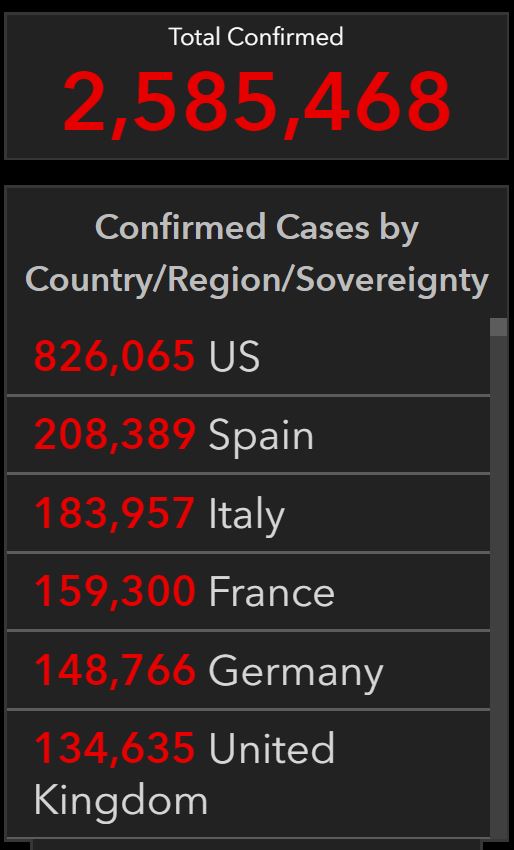
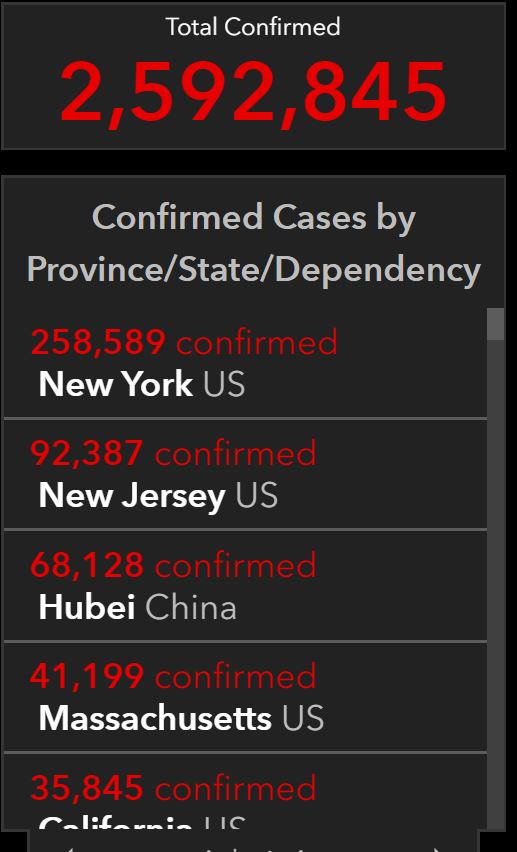
Global COVID-19 confirmed cases by country and by city as of April 22 (Johns Hopkins University)

Jan. 14: Nearly six weeks after Wuhan doctors raise the possibility of human-to-human transmission, the WHO issues a statement stressing that Chinese authorities recorded no cases of human-to-human transmission. (Hudson)

Jan. 14: WHO’s technical lead for the response noted in a press briefing there may have been limited human-to-human transmission of the coronavirus (in the 41 confirmed cases), mainly through family members, and that there was a risk of a possible wider outbreak. The lead also said that human-to-human transmission would not be surprising given our experience with SARS, MERS and other respiratory pathogens. (WHO)

Jan. 14: Hubei Provincial officials hold a teleconference with Ma Xiaowei, the head of China’s National Health Commission, who details the threat posed by the new virus. A memo from the teleconference raises the possibility of human-to-human transmission. (Hudson)

Jan. 15: Japan records its first case of coronavirus. (Hudson)

Jan. 15: China’s Center for Disease Control and Prevention in Beijing initiates internally its highest-level emergency response, which includes directions to hospitals to take protective precautions and to begin tracking cases. The directions are marked “not to be publicly disclosed.” (Hudson)

Jan. 18: Wuhan authorities allow nearly 40,000 to gather for the Lunar New Year celebration. (Hudson)

Jan. 20: Dr. Zhong Nanshan, a leading authority on respiratory health who came to attention for his role fighting SARS, confirms that the disease spreads from person-to-person. The head of China’s NHC investigatory team also confirms cases of human-to-human transmission in Guangdong province, indicating spread between provinces. (Hudson)

Jan. 20-21: WHO experts from its China and Western Pacific regional offices conducted a brief field visit to Wuhan. (WHO)

Jan. 21: The CDC confirms the first American case, a Washington resident who had returned from China six days earlier. (Hudson)

Jan. 22: WHO mission to China issued a statement saying that there was evidence of human-to-human transmission in Wuhan but more investigation was needed to understand the full extent of transmission. (WHO)

Jan. 22-23: The WHO Director- General convened an Emergency Committee (EC) under the International Health Regulations (IHR 2005) to assess whether the outbreak constituted a public health emergency of international concern. The independent members from around the world could not reach a consensus based on the evidence available at the time. They asked to be reconvened within 10 days after receiving more information. (WHO)

Jan. 23: Chinese authorities announce first steps for their lockdown of the city of Wuhan. Travel from Wuhan to other countries continues uninhibited until group restrictions are put in place on Jan. 27. (Hudson)

Jan. 24: France records Europe’s first and second cases. (Hudson)

Jan. 25: Australia and Canada record their first coronavirus cases. (Hudson)

Jan. 27: The Chinese government suspends group travel to foreign countries (individuals would still travel abroad unencumbered), three days after massive outbound traffic begins for the Lunar New Year. Over those days, travelers journeyed to Japan, South Korea, the United States, Italy, Spain, France, the United Kingdom, and South America. (Hudson)

Jan. 28: A senior WHO delegation led by the Director-General travelled to Beijing to meet China’s leadership, learn more about China’s response, and to offer any technical assistance. 

While in Beijing, Dr. Tedros agreed with Chinese government leaders that an international team of leading scientists would travel to China on a mission to better understand the context, the overall response, and exchange information and experience. (WHO)

Jan. 30: The WHO declares the coronavirus a global health emergency, while expressing confidence in “China’s capacity to control the outbreak.” The organization recommends against border closures, visa restrictions, and quarantining of healthy visitors from affected regions. (Hudson)

Jan. 30: Several provinces and cities extend the Lunar New Year holiday until at least February 13 to halt commerce and travel. (Hudson)

Feb. 1: Responding to the prior day’s announcement that the United States would suspend entry of foreign nationals who had visited China, Chinese officials criticize the move as “neither based in fact nor helpful” and “certainly not a gesture of goodwill.” (Hudson)

Feb. 2: The first coronavirus death outside China is reported: a 44-year-old man in the Philippines. (Hudson)

Feb. 3: WHO releases the international community’s Strategic Preparedness and Response Plan to help protect states with weaker health systems. (WHO)

Feb. 5: The Chinese embassy in Canberra criticizes Australia’s travel ban on entries from mainland China. (Hudson)

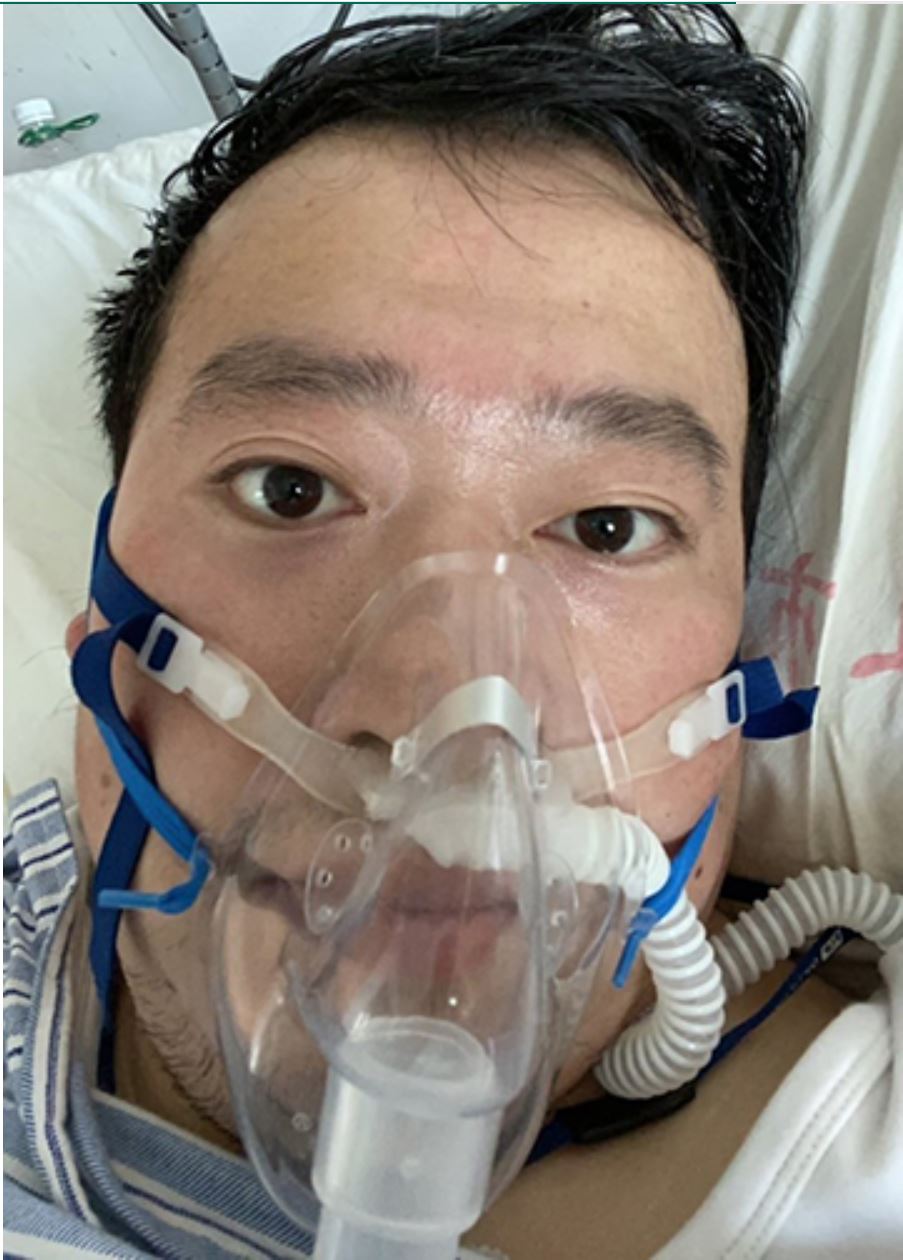
Feb. 7: Dr. Li Wenliang, considered by the Chinese public to be the foremost champion of spreading information about coronavirus, succumbs to the virus at the age of 33. His death leads to an outpouring of national anger over information suppression. (Hudson)

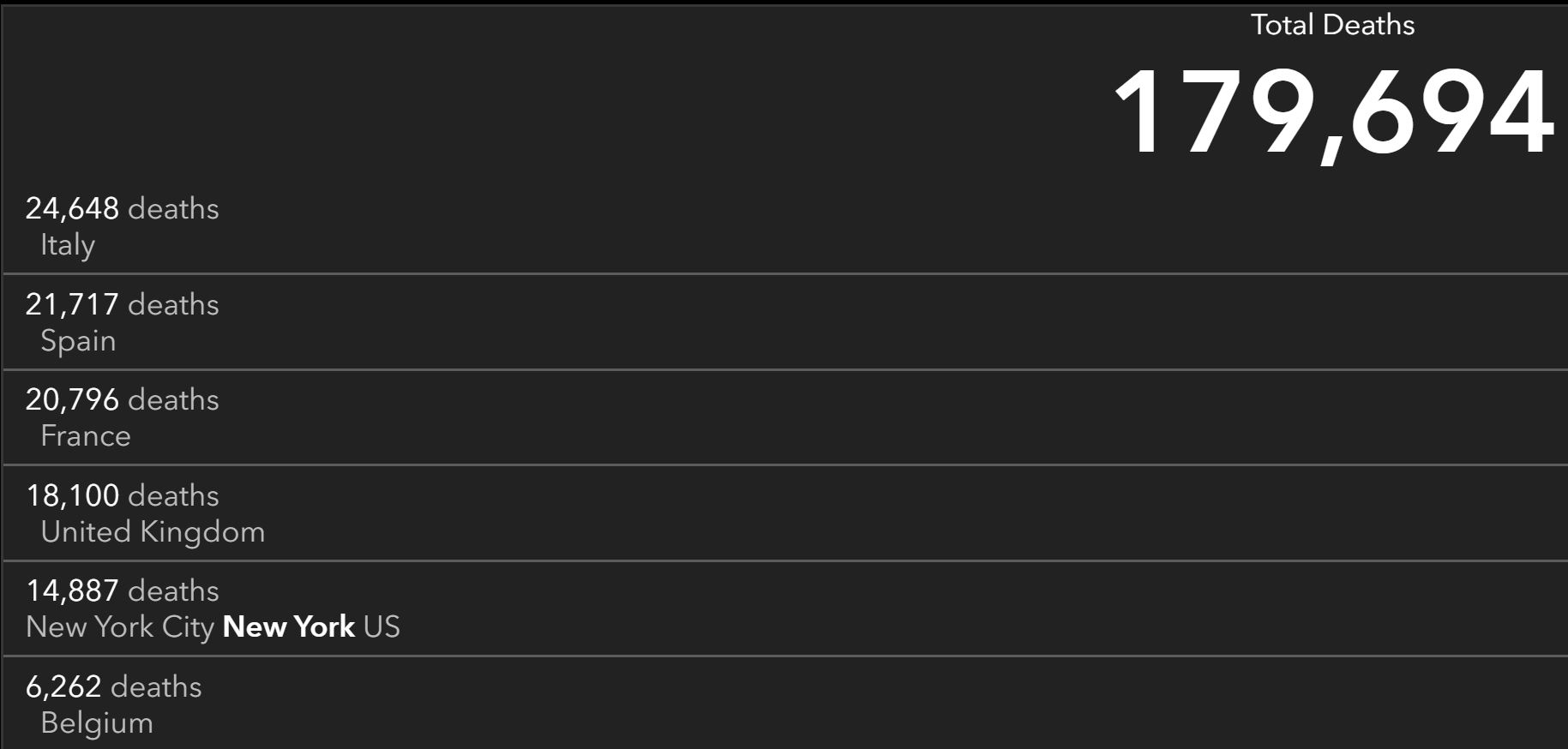
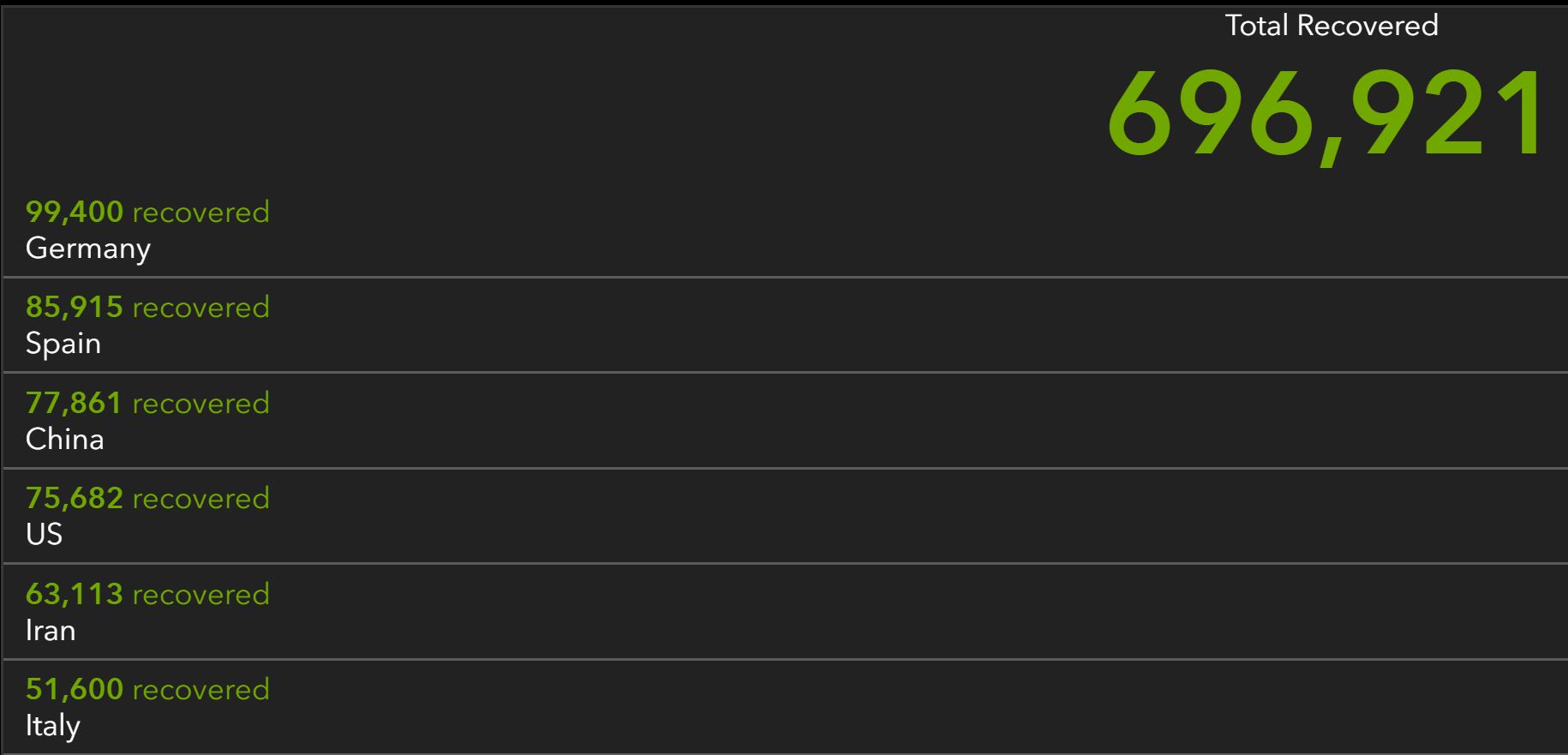
Global COVID-19 deaths and recovered as of April 22 (Johns Hopkins University)

Feb. 7: Shortly after Dr. Li’s death, the hashtag “#wewantfreedomofspeech” trends on Chinese social media platform, Weibo. The same day, along with other related topics, it is deleted by censors. (Hudson)

Feb. 11-12: WHO convened a Research and Innovation Forum on COVID-19, attended by more than 400 experts and funders from around the world, which included presentations by George Gao, Director General of China CDC, and Zunyou Wu, China CDC’s chief epidemiologist. (WHO)

Feb. 14: France reports the first coronavirus death in Europe: an 80-year-old Chinese tourist. (Hudson)

Feb. 16-24: The WHO-China Joint mission, which included experts from Canada, Germany, Japan, Nigeria, Republic of Korea, Russia, Singapore and the US (CDC, NIH) spent time in Beijing and also travelled to Wuhan and two other cities. They spoke with health officials, scientists and health workers in health facilities (maintaining physical distancing). (WHO)

Feb. 19: China expels three Wall Street Journal reporters in response to an op-ed headline. (Hudson)

Feb. 21: Iran reports its first coronavirus cases from an unknown source. (Hudson)

Feb. 23: Italy first reports a major surge in coronavirus cases; Codogno, near Milan, becomes the first Italian town to lock itself down. (Hudson)

Feb. 26: A São Paolo man, recently returned from a trip to Italy, becomes the first coronavirus case in Latin America, according to Brazilian health officials. (Hudson)

Feb. 28: Nigeria confirms the first coronavirus case in Sub-Saharan Africa, a businessman traveling from Milan to Lagos. (Hudson)

Feb. 29: The United States reports its first coronavirus death, a patient near Seattle. (Hudson)

Mar. 11: Deeply concerned both by the alarming levels of spread and severity, and by the alarming levels of inaction, WHO made the assessment that COVID-19 can be characterized as a pandemic. (WHO)

Mar. 12: China’s Foreign Ministry spokesman Zhao Lijian insinuates in a tweet that COVID-19 originated in America and was spread to China by the United States military. (Hudson)

Mar. 14: Friends of Chinese businessman Ren Zhiqiang report that he has disappeared. Ren had authored an essay blasting the CCP for its slow response to the outbreak, blaming its speech restrictions for exacerbating the crisis. (Hudson)

Mar. 16: WHO and partners launch the Solidarity Trial, an international clinical trial that aims to generate robust data from around the world to find the most effective treatments for COVID-19. (Hudson)

Mar. 18: China revokes press credentials from Wall Street Journal, New York Times, and Washington Post reporters. (Hudson)

Mar. 21: Chinese state media outlets circulate reports that “an unexplained strain of pneumonia” may have originated in Italy late in 2019. (Hudson)

Mar. 23: The Hubei Provincial government lifts restrictions on Hubei Province, with the exception of Wuhan. (Hudson)

Mar. 26: Spanish microbiologists report that tests sent to Spain by the CCP detected positive COVID-19 cases only 30% of the time. (Hudson)

Mar. 26: Researchers from University Hospital Ostrava in the Czech Republic report that 80% of the coronavirus antibody test kits received from the Chinese government were defective, likely because antibody tests cannot detect the illness in its early stages. (Hudson)

Mar. 29: The Dutch Health Ministry recalls over 600,000 faulty medical masks received from the Chinese government. (Hudson)

Mar. 31: The Chinese Health Commission admits it has been omitting asymptomatic cases of coronavirus to date and will begin including asymptomatic carriers in its daily counts. (Hudson)

Apr. 14: The Washington Post reports that, in 2018, U.S. Embassy officials sent official warnings to Washington after visiting the Wuhan Institute of Virology. One cable concerned the Institute’s research on bat coronaviruses and warned that their potential transmission “represented a risk of a new SARS-like pandemic.” (Hudson)

Apr. 15: Sources report that the growing consensus among U.S. officials is that the virus originated in a unit studying bat coronaviruses at the Wuhan Institute of Virology, which is central to China’s effort to become the global leader in identifying and combating viral outbreaks. (Hudson)

Photo courtesy of Mike Massie

Just like in the movie, the fear of the unknown pervaded the atmosphere, where man’s destructive nature has manifested. Why was the information on the virus and its potential transmission contained from the rest of the world in the early days of contagion? It was not until Jan 14 when WHO technical lead acknowledged that there may be limited transmission. That was more than a month since Chinese doctors first suspected of human-to-human transmission on Dec 8. Those five (5) weeks were crucial, where time is a function of viral transmission and that the spread would definitely have multiplier effect. Why were 40,000 people in Wuhan allowed to gather for the Lunar New Year celebration, six (6) weeks after the first suspected transmission? It reminds me of Philadelphia’s Liberty Loan Parade of September 1918 (featured in National Geographic channel), where more than a week into the Spanish flu virus spread among 600 sailors, the state didn’t cancel the parade and went on with it on September 28 that attracted some 200,000 people (story is also on CNN.com). Philadelphia ended up with more than 12,000 deaths and about 47,000 reported cases in six weeks. A century and a year later, seems like history repeated itself.

Still, the alien (in this case the virus) lives with us. Why did WHO recommended against border closure or travel ban more than two (2) weeks after its technical lead announced that there may be ‘limited transmission’ (a term that, in the context of a flu-like illness, is borderline oxymoron)? How did WHO utilize the information it received from Taiwan on Dec 31 about the potential human-to-human transmission? What did governments of countries with weak health systems do after WHO released the Strategic Preparedness and Response Plan on Feb 3?

There are lots of questions which would likely be left unanswered. One bright spot though was Dr. Li Wenliang. Just like Connelly’s character, Dr. Li tried to understand the alien (in this case the virus), defied and went against the foreign secretary (played by Academy award winner Kathy Bates) and the military (in this case the Chinese authorities) and changed the outcome by facing the crisis with courage, conviction, sense of humanity, and a heart. Like Connelly’s character, Dr. Li became a hero to the world. Unlike Connelly’s character who lives in the hands of the alien, Dr. Li died in the hands of the virus.

(Left) Jennifer Connelly, plays the fictional heroine in the movie who saved the world from total annihilation; (right) Dr. Li Wenliang, the real life hero and whistleblower who succumbed to the same virus he tried to protect the world from. Our prayers are with you and your family.

There are lessons to be learned by just simply going through these series of events. Like anything else, information is key. I can find solutions to a problem if I have all the pertinent and relevant information that I need. Censorship may be a norm under authoritarian regimes, but during these health crises, nothing can be achieved if vital information is suppressed or withheld. Time is of the essence, where the sooner we acknowledge the problem and share essential information, the better the likelihood of a positive outcome. We can set aside ideological differences for the sake of international cooperation. Politics has no space in crisis like this, much more disinformation, especially when lives are at stake. We can prove that in spite of our destructive nature, there is still that other side to us, where we can still care for and look after each other. A watershed opportunity for us to change.

I’m looking forward to the day that the world would stand still and reflect on what we have done (sin of commission) and haven’t done (sin of omission). That day when we accept our mistakes and missteps, that we are our own worst enemy (and not the virus). That day when we start to believe that we can potentially become the virus of future past. Not until we own up to and be held accountable for our sins and frailties that we can truly move on and heal as one.

My Gut Feel Against The Virus

Health and Positivity Buzz

(Disclaimer: The blogger is not a doctor, microbiologist, virologist, or homeopathic specialist. He is none of such kind. What you will read in this article comes from his own personal experience and common sense.)

Italy, the current epicenter of COVID-19 pandemic in Europe. My heart goes out to all of you.

During these past few days that I have been on self-quarantine (only goes out to buy food and groceries but always with a mask and alcohol spray on hand not only to protect myself but also to protect others), I’m besieged with both heartwarming and disappointing news. I was already set to write an article with working title “The Politics of Toilet Paper” which would be about how a health crisis (or any other crises for that matter) brings out the best and the worst in us. On second thought though, what good will that article bring during this time when COVID-19 cases are rising and lives taken? So such article may not be appropriate at this time that I have to rethink that one. In the meantime I have been wondering how I can help in my own little way through this blog.

What drove me into writing this article instead was the news of the death of the Dad of someone I know. He died before knowing that he tested positive of COVID-19. Because of quarantine protocols, his family wasn’t able to say goodbye as his remains have to be cremated right away. I know the feeling. I went thru a similar situation where I wasn’t able to say goodbye when a loved one passed on. Believe me, I went through all the phases: grief, sorrow, anger, denial, depression, and eventually acceptance. It is only through the latter that one can truly move on. It’s not easy, but at the end of the day you still have a life to live and you have to stay strong for those you still hold dear.

So what are my thoughts about this virus? It helped that I have a doctor for a sister who initially told me that like SARS earlier, the virus that causes COVID-19 also belongs to the same family of coronavirus. The primary mode of transmission is thru droplets, which demystify the earlier notion that it is airborne (in a way that tuberculosis is spread). So it is only transmitted when someone coughs or sneezes (this is where social distancing makes real sense) and not thru breathing the same air that an infected person also breathes. It is spread further when an infected person, thru his hands, get in contact with the droplets and body fluid such as when he covers his face when he coughs or sneezes and then touches anything from doors, elevator buttons, grocery items, etc. Anyone who touches the same and get his hands in contact with soft body tissues (membranes) like the eyes, nose, and mouth will potentially get infected, given that the virus can live in surfaces for sometime (no one really knows how long it can survive outside of its host, but apparently it can live longer on smooth surfaces compared to uneven ones like in clothing materials). This is where frequent hand washing or disinfecting (thru spraying alcohol) is essential, as well as cleaning all surfaces that are being touched or used (such as door handles, elevator buttons, eating utensils, even grocery items like those chips in foils where you touch the potentially infected packaging before eating the contents with your hands). On the other hand, the mask is a protective gear that you may need when in enclosed spaces such as elevators, cars, or when social distancing may subconsciously be forgotten (like queuing in a supermarket check out counter or drugstore). So my thoughts are that this is no different than how one catches a flu or a cold virus and how one fights and recovers from the same may also work for this virus.

Though COVID-19 virus may be more deadly than its cousins (though casualties from flu and cold virus infections worldwide are significant particularly during winter), there has been no cure but only prevention thru getting vaccinated. As of this writing, there is still no vaccine in sight for COVID-19 (unlike its cousins where you can now get vaccinated for certain flu virus strains) and having that vaccine available may take a while. So how do you fight a virus that is nothing more than a flu or cold virus strain but can wreck havoc on our internal organs? Methinks that the answer lies in the gut.

As some would say, the best offense is a good defense. Our bodies respond to any foreign matter or substances that breach our first line of defense (skin, mucus membrane, etc.). This is triggered by our immune system. Our immunity will fight off anything from microbes (bacteria and virus) to body organs (such as organ transplant). It is the same immunity that will help in our recovery and may even hold back future invasion (ie developing immunity to certain bacteria strains which infection you have recovered from previously). That’s why when we were kids, every time we get sick, we actually develop resistance and immunity. Unless one is immuno compromised (such as having weak immunity by taking immuno suppressant drugs for transplant recipients or suffering from a hyper active immune system resulting to autoimmune diseases), it is imperative that we need to keep a healthy immune system not only to hold the fort but to keep our defenses in check.

How do I keep my immunity in check? How do I support my immune system to fight viral infections? There are five (5) ways and all these are from my own personal experience. But before I share the same, there is one very important thing to note: you need to first understand your body. You need to know how to listen to your body. I know the stages that my body would go thru when I get sick. It would start with a sore throat, runny nose, sneezing, feeling feverish, darkening and thickening of phlegm or sputum (the last two would already confirm that I have an infection), coughing, asthma, lightening of phlegm or sputum, coughing to expel the sputum (the last two means that I’m on my way to recovery). I have observed before that my body does not respond well to synthetic medicines (pharmaceuticals). That’s why I hate getting sick. Coz aside from what my body goes thru when I get sick, the medicines I’m taking (at least before I ventured into alternative medicines) have different effects on me, depending on what medicine I’m taking. It may come in the form of drowsiness, shaking of hands, lethargy, and overall weakness. So it exacerbates what one would already consider a miserable situation. So understanding and listening to your body would tell you what works for you. This leads you to explore and discover the best health alternatives and options.

So after years of understanding and listening to my body, the first way of keeping my immunity in check is keeping my gut healthy. A strong and healthy immunity starts with a well balanced gut. It can be achieved by having a healthy biome in the gut. This is where probiotics come into play. For those who are not familiar with probiotics, these are good bacteria that reside in the gut and intestines. A healthy person would normally have a healthy balance of good and bad bacteria. When bad bacteria overruns the good ones, that’s when our immunity is compromised and weakens our defenses. Taking antibiotics when we get sick will kill the bad bacteria but will also kill the good ones. So I never had antibiotics in the last 20 years (except when I went thru my spinal surgery last year) because I have become a probiotic advocate. Right now, I’m taking different probiotic supplements and have tried different strains, such as those produced in Japan, New Zealand, and US. Probiotcs are also found in natural sources, such as yogurt, kimchi, and balsamic vinegar. If you decide to start on a probiotic regimen, choose the one with multi strains, coz there are nuances in the roles that these good bacteria play in our bodies.

The second way is preempting the progression of the infection. At the first sign of symptoms (in my case sore throat), I would already take my herbal and organic supplements. An effective way of suppressing the initial infection is by taking manuka honey. I discovered manuka honey in one of my trips to New Zealand and has proven to be very potent in fighting and helping recover from initial stage of the infection. By preempting its progression, you are effectively preventing a full blown infection. In my case, this means my body won’t have to go thru subsequent stages after the initial sore throat. This means I have averted a miserable situation.

New Zealand, where I have discovered some of the best herbal and organic supplements

The third way is supporting your immune system fight against the virus thru the use of enzymes and certain essential amino acids. I know that unlike amino acids, little is known about beneficial enzymes (or some would not even know what enzymes are), but based on my readings, I have discovered that there are enzymes that can actually help kill viruses and other microbes. Our bodies produce enzymes (such as digestive enzymes) but there are enzymes that are not found in our bodies that can actually assist in destroying viruses. Viruses (and other microbes), just like any other organism’s survival instinct, would produce what they call biofilm or ‘envelope’ to protect themselves. This biofilm is impenetrable for most pharmaceuticals and can actually mask the virus that our immune system may not be able to detect its presence. You can liken it to Harry Potter’s cloak of invisibility. So while it is already wrecking havoc on our internal organs, particularly our respiratory system, our immune system may have a hard time getting into the virus because of this biofilm. Aside from the biofilm, the virus also has a protein shell (capsid) that protects the nucleus (nucleic acid). To kill the virus is to get to its nucleus. So with this dual protection (biofilm and shell), our immune soldiers (T-cells) will have to fight harder. Compounding this is the ability of the virus to replicate itself. Think of it like the fight scene between Doctor Strange and Thanos in Avengers: Infinity War where in this case, the virus is the former (when he replicated himself) while the latter is your T-cells.

There are at least two enzymes that I’m taking and at least one essential amino acid when I feel that I’m about to get sick. These are serrapeptase and nattokinase for the enzymes and lysine for essential amino acid. Serrapeptase is an enzyme produced by bacteria of silkworm which the same uses to dissolve the cocoon when it becomes a moth. Nattokinase on the other hand, is derived from the Japanese fermented soybean called natto and produced by a particular type of bacteria during the fermentation process. Apparently, both enzymes can penetrate through the biofilm in the same way that it can dissolve the cocoon (in the case of serrapeptase). Once the biofilm is dissolved, the cloak of invisibility is removed. To breach the protein shell, some of the supplements I’m taking contain hydrolytic enzymes such as protease and cellulase. These enzymes break down proteins into amino acids thru hydrolysis. Since both biofilm and shell are made of proteins, this combination of enzymes that are not produced by our bodies will work together to break down the proteins, hence destroying the virus shield and exposing the nucleus This is when the other enzymes produced by our bodies can digest the nucleic acid, hence “killing” the virus. However, some of these enzyme supplements have side effects, such as thinning of blood. So if you are suffering from low blood pressure or taking any blood thinning drugs, you have to avoid taking these supplements. Lysine, on the other hand, is an essential amino acid that can apparently suppress viral replication. It’s called “essential” coz it’s one of amino acids that are not produced or found in the body.

The fourth way is to have inflammation in control. I came across this newspaper article yesterday (https://technology.inquirer.net/97774/covid-19-lung-patterns-show-few-clues-for-treating-pneumonia) which only further validates what I’ve known all along: the root cause of all illnesses is inflammation (at least from my experience). The infection (bacterial or viral) is the trigger but what will cause complications is the uncontrolled inflammation. Pneumonia, one of the known complications from COVID-19, occurs when the lung’s air sacs (those that are filled with oxygen from the air we breathe and permeates thru the blood vessels for it to run throughout our extremities) are inflamed. Inflammation occupies space, so the more inflamed the sacs are, the less oxygen is absorbed by the body. I know this coz my Mom had several bouts of pneumonia two years ago and her oxygen levels have to be constantly checked even until today (she also has a standby oxygen tank at home in case her oxygen level drops). Older people have lower lung capacity not just because of old age but also due to other underlying health conditions that they are suffering from. That’s why their oxygen levels need to be checked constantly particularly when they are exhibiting symptoms. As we all know, oxygen is essential for all our body organs to function (including our brains).

To keep inflammation from going haywire, I used to take non-steroidal anti-inflammatory drugs (NSAIDs) such as mefenamic acid. I have opted for non-steroids coz as a kid, I used to take corticosteroids for my asthma (another illness from inflammation) and I didn’t like the side effects on my body. However, NSAIDs also have side effects, like gastritis, so I have to look for herbal or organic alternatives that have anti-inflammatory properties. This is where I’ve discovered curcumin, oregano oil, and magnesium. Curcumin is the essential nutrient in turmeric known for its anti-inflammatory properties. Oregano oil is not only known as anti-inflammatory but also anti microbes. Magnesium is a mineral that is known to control inflammation. I don’t only take these supplements when I’m sick. I take these daily as preventive medicine. But I take it in moderation. As they say, a pound of cure is worth an ounce of prevention.

Lastly, I also ensure that my immunity doesn’t go out of control particularly when I’m sick. As per the newspaper article (which I’ve known already for a while), in certain conditions, our immune system can go crazy in its attempt to fight infection, to the point that it is also attacking the infected organs (similar behaviour as autoimmune diseases when the immune system goes out of control and attacks healthy cells). For this, I’m taking colostrum. Colostrum is the first form of milk derived from cows or any other mammals. It apparently has immuno properties that can keep a balance immunity therefore reducing the probability of the same getting out of control.

My journey to alternative medicines did not occur overnight. Nor has my doctors’ blessings. It took a lot of readings (and to some degree a leap of faith) and experimenting different herbal and organic supplements and discovering the ones that actually work for me. I can’t exactly say that it is effective (I don’t have any scientific or medical proof of any correlation between my health status and these herbal and organic supplements). Some would call it self-medication, but I would like to see it as holistic wellness. What I know is that I don’t have to take pharmaceuticals to get thru every flu or colds. What I know is that I passed my pre-surgery battery of tests last year (which I wrote about in my earlier article on MLNRD where I even mentioned that I have a heart rate of an athlete) in spite of my unhealthy eating habits and no exercise or sports. What I know is that any infectious bacteria that my body will catch will not develop resistance against antibiotics coz I’m not taking any. I must be doing something good.

So before you embark on your own discovery, you need to understand and listen to your body. Take time to do some readings (which you have plenty during this period of quarantine) and find what alternatives can be potentially applied for your specific condition. Coz it doesn’t follow that just because it works for me means that it would also work for you. You have to take into consideration your health condition before embracing alternative medicines.

To quote University of the Philippines Chancellor Fidel Nemenzo “the most effective response to public health emergencies is our ability as a community to look out for each other.” This is my way of looking out for the rest of the world. You can do the same by sharing your own experiences that may help pave the way to recovery. Now that you know what I have been taking these past few years, you can do your share by only buying what you need and not hoard health supplements. Doing otherwise means that you are depriving those who may need it the most, those who are in a life-and-death situation. Let’s shed the greediness during these challenging times. You don’t want to be the subject of my unwritten article “The Politics of Toilet Paper,” do you?

Be safe everyone and look after each other. Say a little prayer as well.

Italy: How Thou I Love Thee? (Let Me Count The Ways) – Part 2 of 2

Travel and Positivity Buzz

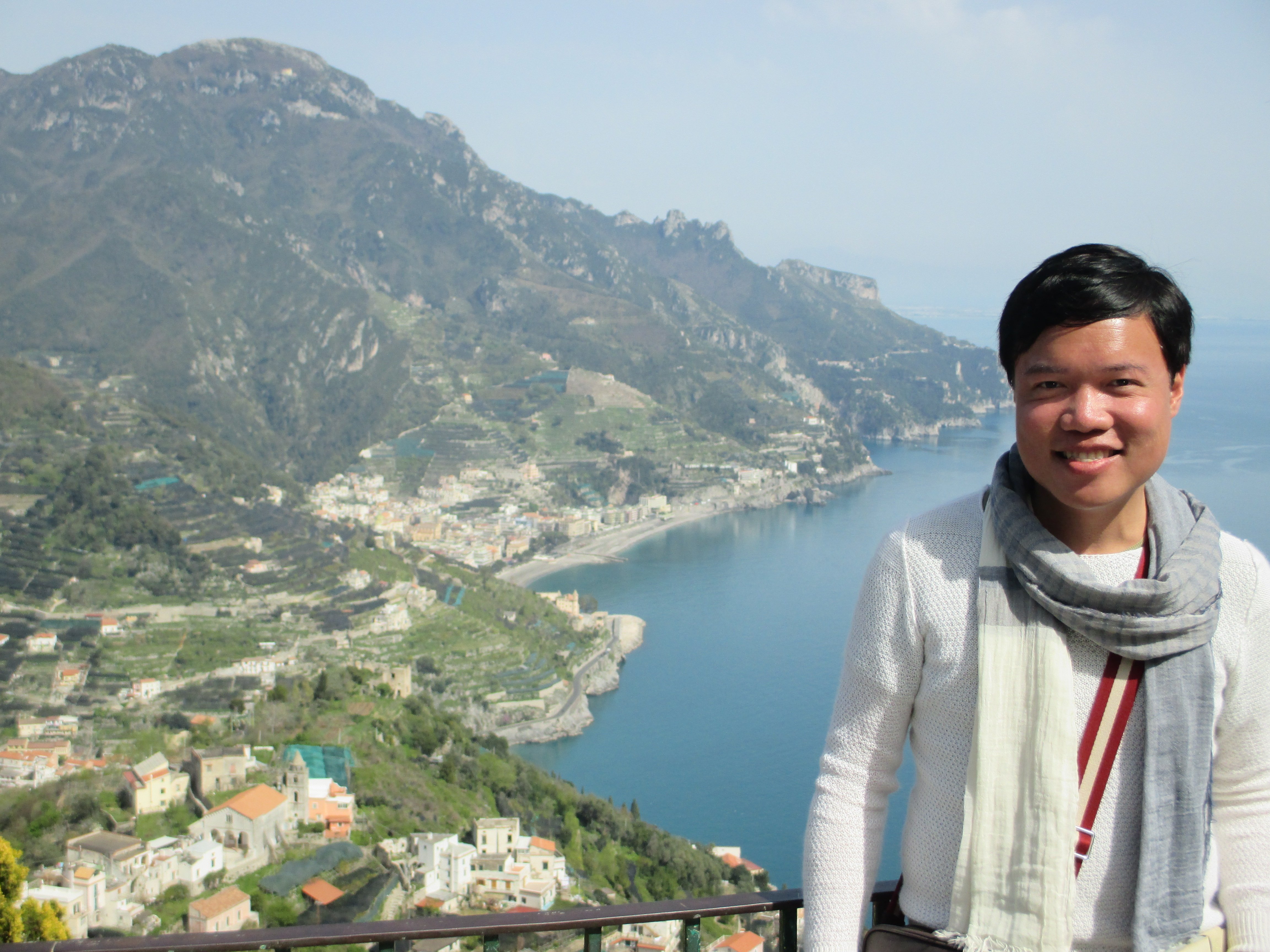
Amalfi Coast (Italy)

I mentioned in the first part of this article that I’ll be going on my 3rd trip to Italy in spring. Unfortunately, both Italy and the Philippines (as well as anywhere else in the world) are going thru health crisis from the spread of coronavirus (COVID-19). Just a couple of nights ago, Metro Manila (a cluster of cities that include the capital Manila and the central business district Makati where I live) has been declared under what they call “community quarantine” for 30 days to contain the spread of the infection. In other words, lock down. We cannot fly out of Metro Manila to any destination in the country. Though we are still allowed to fly out internationally, thing is, with the rising incidence of COVID-19 cases in the country, the Philippines is now one of the countries banned by Qatar from entering their territory. Since I’ll be flying Qatar Airways with layover in Doha, that means I have to wait and see how this crisis pans out.

Stunning landscapes (Amalfi Coast)

Italy is the current epicenter of the pandemic in Europe where some of the European countries have banned travel to and from the said country. This means that flying there would compromise the other legs of my scheduled Europe trip. I don’t want to spend my holidays on quarantine in another country (I’d rather stay at home then), so would likely forgo the trip to Italy this year. I suppose my wish on Trevi fountain (to return someday) will not happen this year, so I have to find other destinations where I could regain my good spirits. As shared earlier, my feng shui says that my spirit essence is weak this year, which explains why I’ve been feeling down at the start of the year. My feng shui also says that more travels will help uplift my spirit essence, but under this worldwide pandemic scenario, not sure really which place is safe to go (can’t travel domestic as well under this community quarantine). Maybe one of those eastern European countries like the underrated Slovenia or see again Croatia and Montenegro. At this point in time, I honestly don’t know. I even haven’t thought of what to do with my flight bookings.

Short stops for stunning views (Amalfi Coast)

So while pondering on where to go next, why don’t I take you thru the second time I went to Italy. This happened two years after my first trip. If I remember it right, at that time I was contemplating of going to Turkey, Israel, and Jordan. However, that was the time when the crisis then was terrorism particularly in that region, so I have to change my travel plans. It was my sister who broached the idea of Amalfi Coast. I haven’t heard of that place before, so when I checked it out online, I knew right away where I want to go.

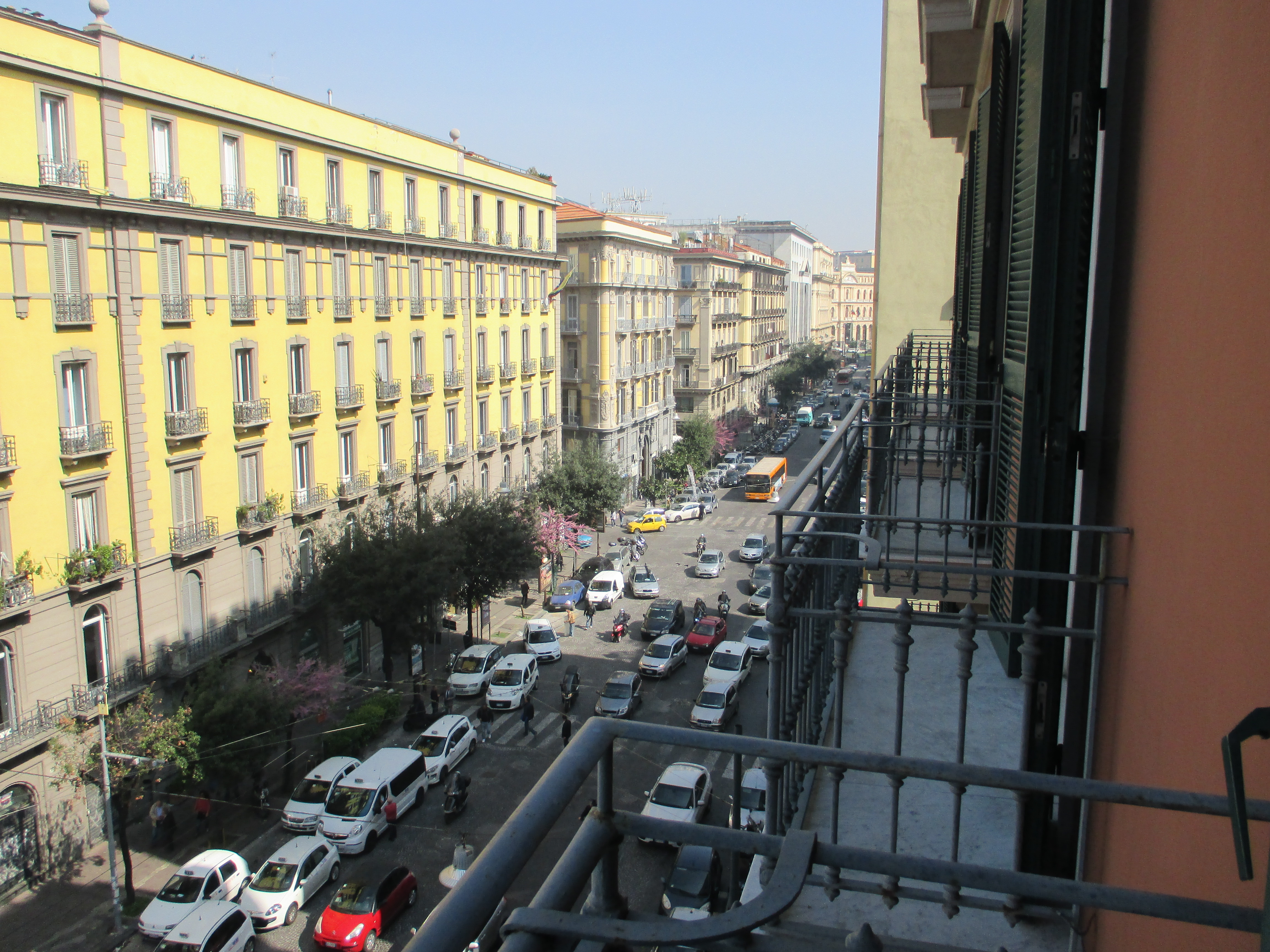
View from my hotel terrace (Naples)

So I booked a flight (via Frankfurt) with Malaysia Airlines. At that time, it wasn’t really a popular airline given the mystery around the disappearance of one of its airlines, but fact is, it has a very good safety track record prior to that incident. So I wasn’t that concerned about their safety record when they went on promo where I got a business class seat for $1,600 only (before taxes and surcharges) which is a good buy in a time when the prevailing rates for the same seat class are more than $3,000 for roundtrip fares from Manila. Since it’s one of the Southeast Asian carriers, I knew that topnotch hospitality service is expected which is common among airlines in the region (sorry to say but the best service that I have experienced among airlines that I’ve flown with regardless of seat class are those that are from the region like Singapore Airlines, Thai Airways, Malaysia Airlines, and even our very own Philippine Airlines). Regardless whether you are flying in a Boeing or Airbus, business or coach, it’s really the staff that counts, people who try to make a difference and in this case, Southeast Asians are arguably the best.

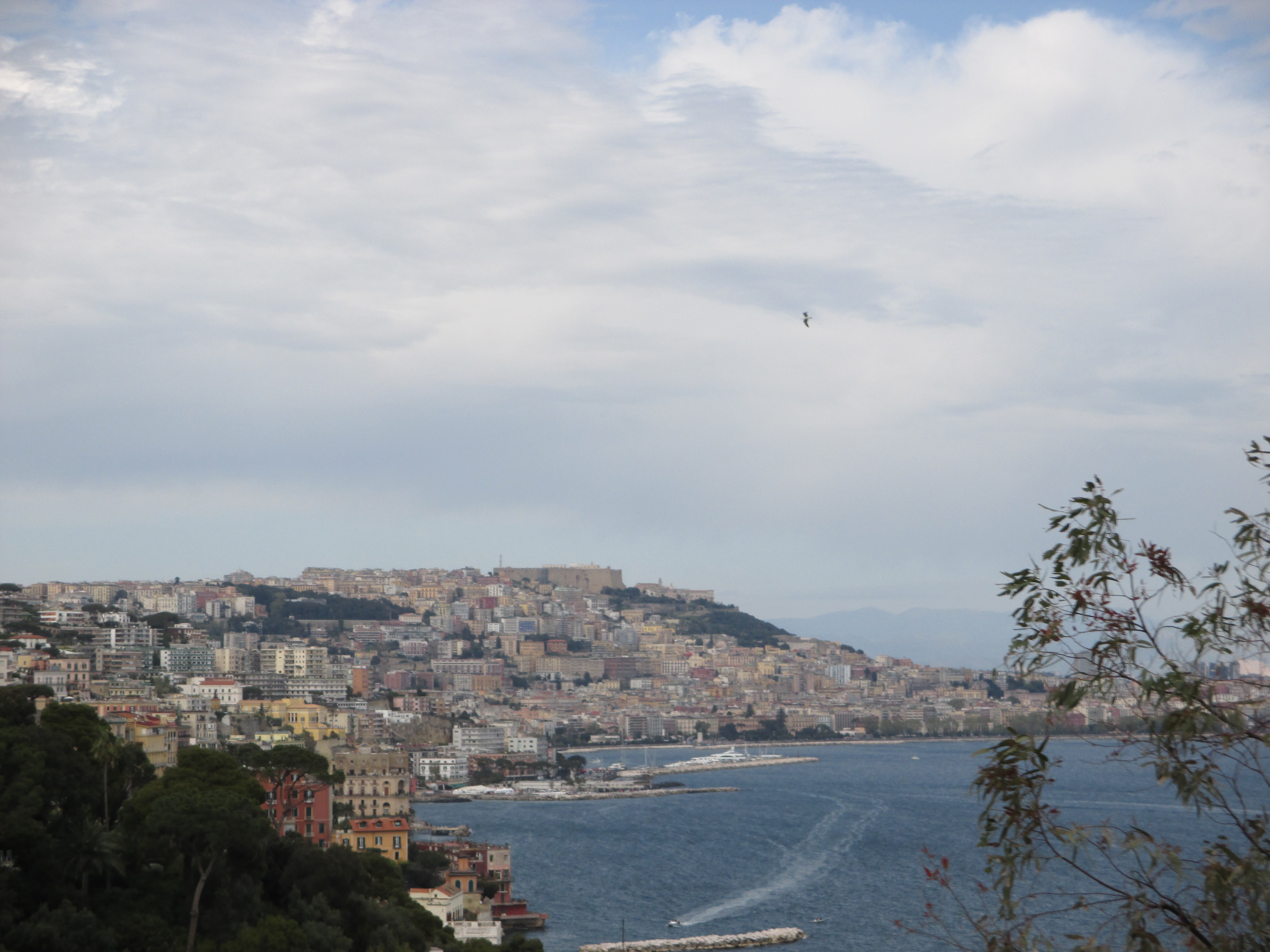
The City of Naples and Mount Vesuvius

My first stop was Naples (you can pronounce it the way American English would pronounce it where the first syllable is pronounced as nay, since Italians or specifically Neapolitans are already getting used to it, but you can please your host city by just saying Napoli pronouncing the first syllable as nah). From the airport to the city, my first impression was the place is filthy. This became more apparent when I started walking around the city. What crossed my mind then was that Neapolitans have no concept of a waste/garbage can. There were litters everywhere! It seems that it’s cool to just drop your trash and just move on, expecting that someone will follow thru and clean it up for you. Not cool at all. I’m not a clean freak, but I still have the decency to respect my environment, and when I say environment, that includes people around me. Apparently, there’s a prevailing notion there that the farther you go south (of Italy), the dirtier it gets (Naples is on the southern part of the country).

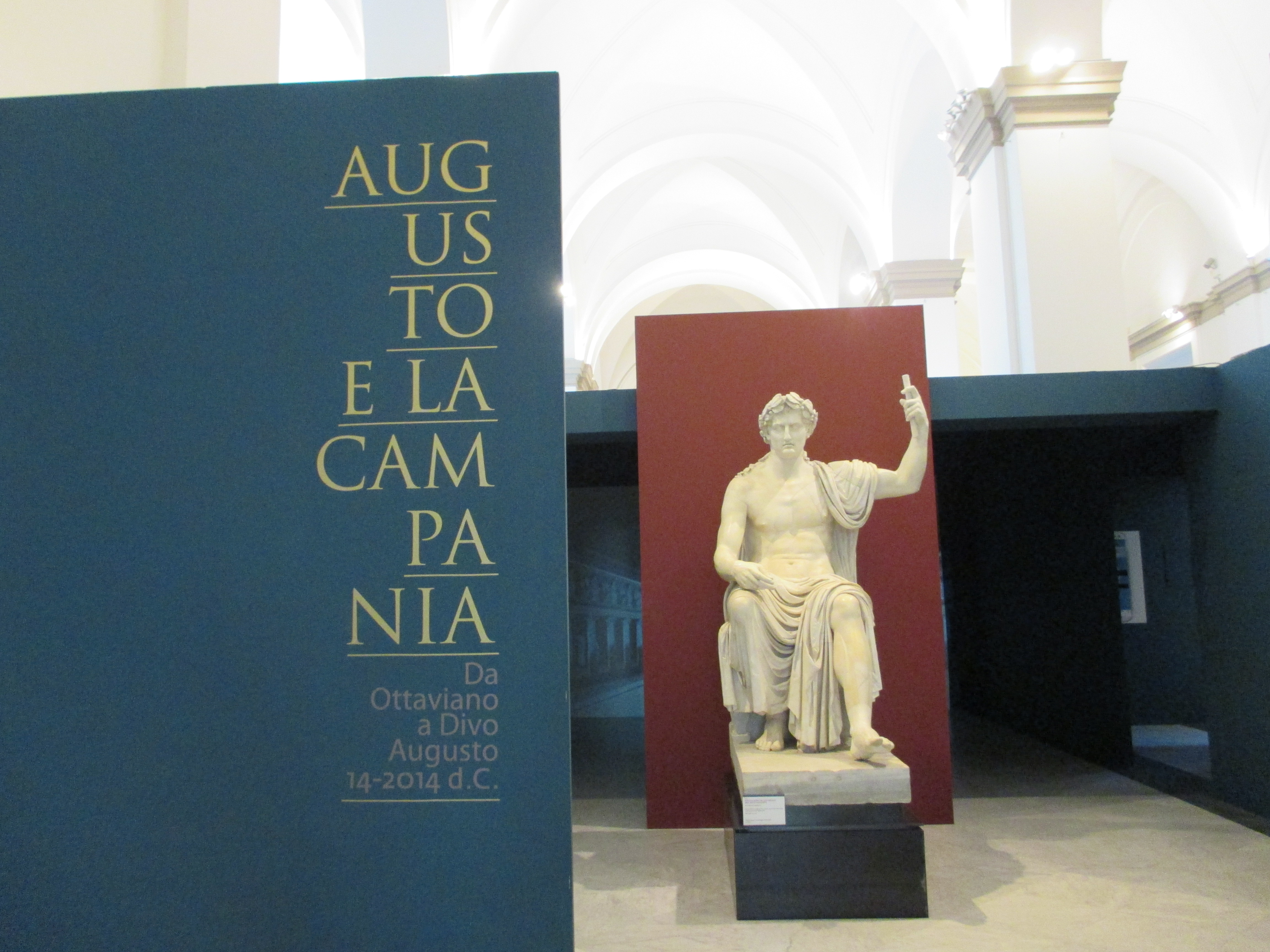
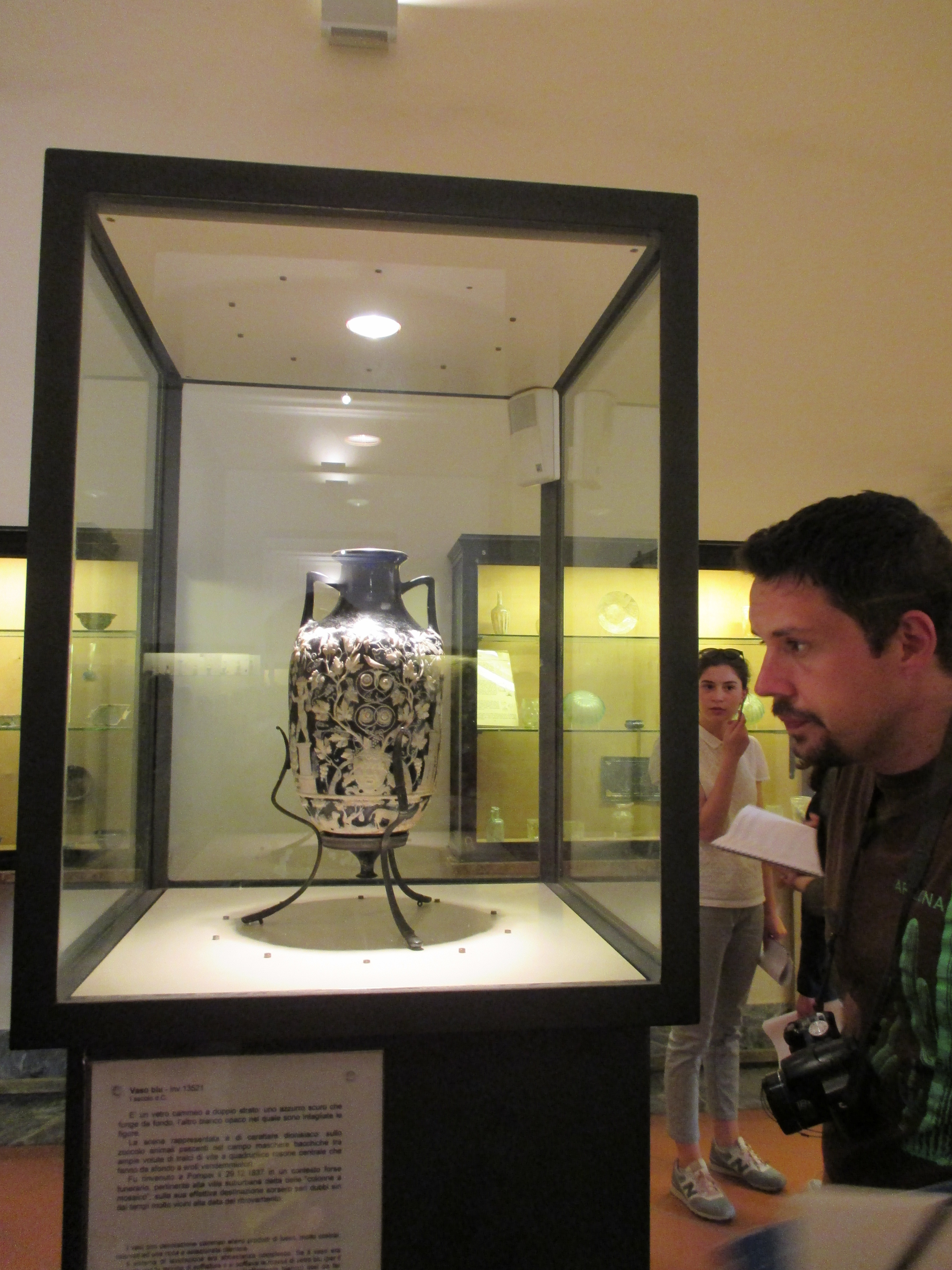
National Archaeological Museum (Naples)

One of the things that I love to do when visiting a place for the first time is to check out its museums. So I did just that in Naples where I went to its National Archaeological Museum. I can’t remember whether I enjoyed it the same way I would enjoy other museums in my past travels, or whether it has vast collections of artifacts. But just like any museum, my takeaways would always be that sense of history and ancestral way of life and the important gift that every visit to a museum would give which are lessons of humanity.

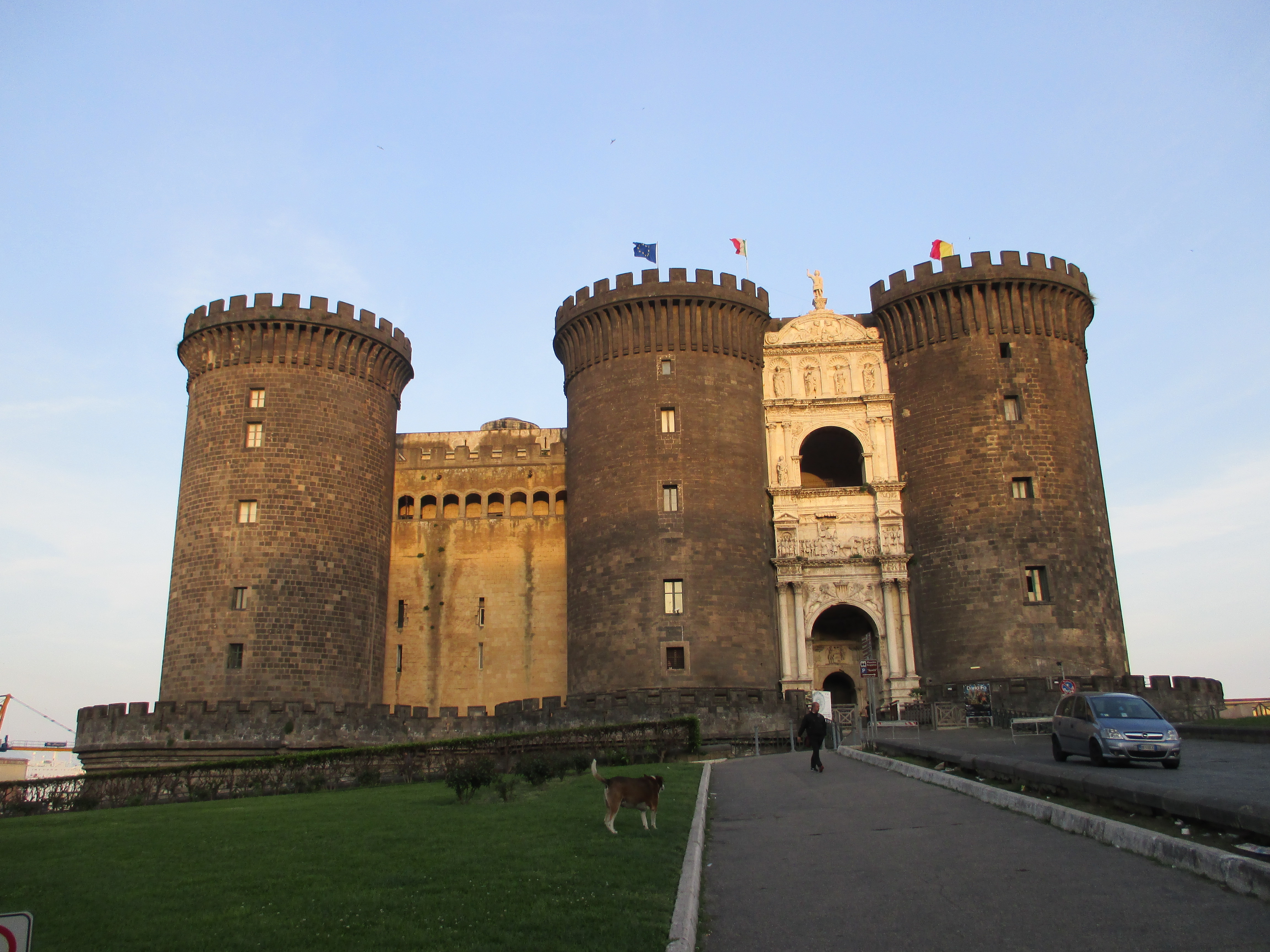
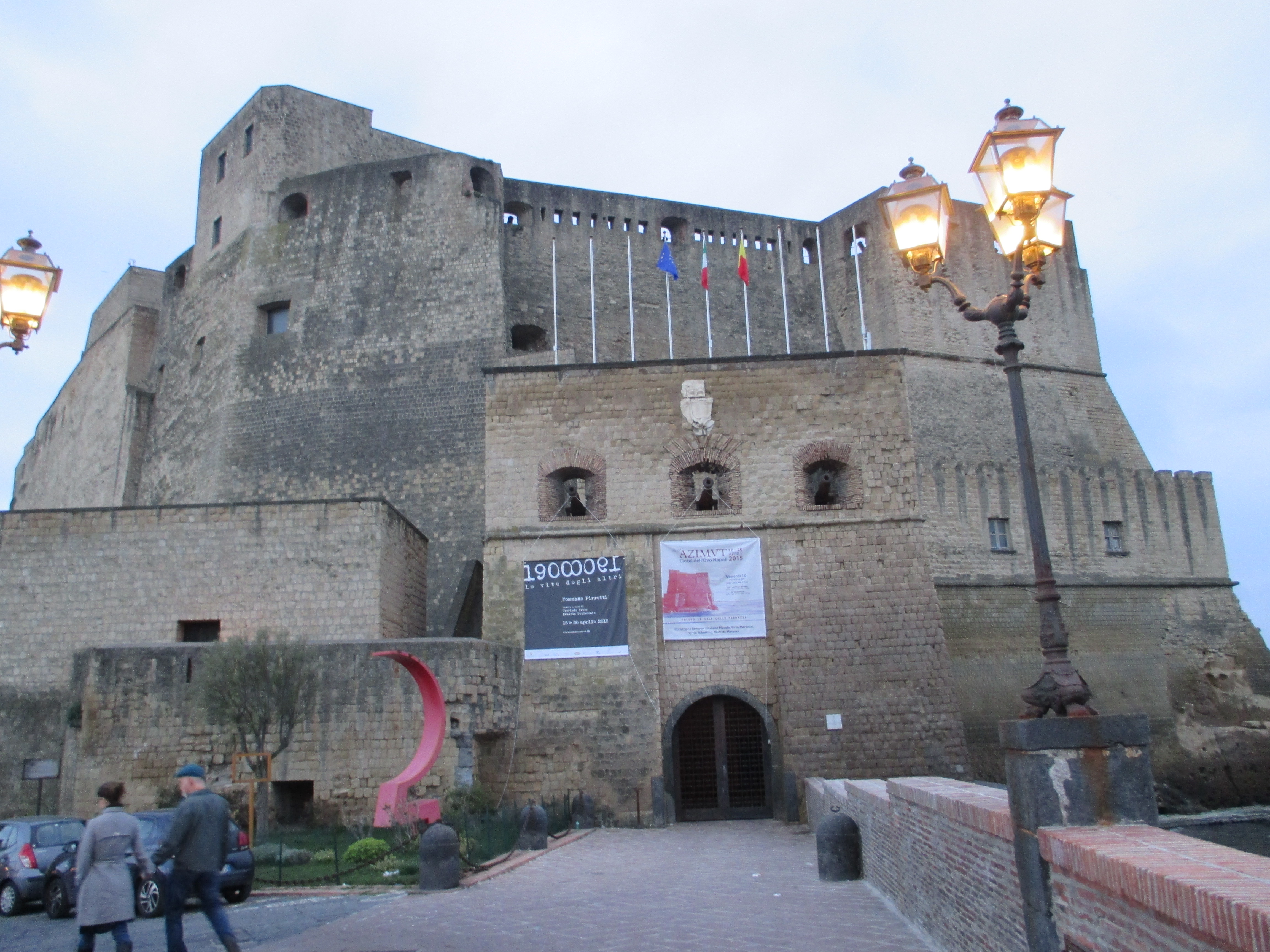
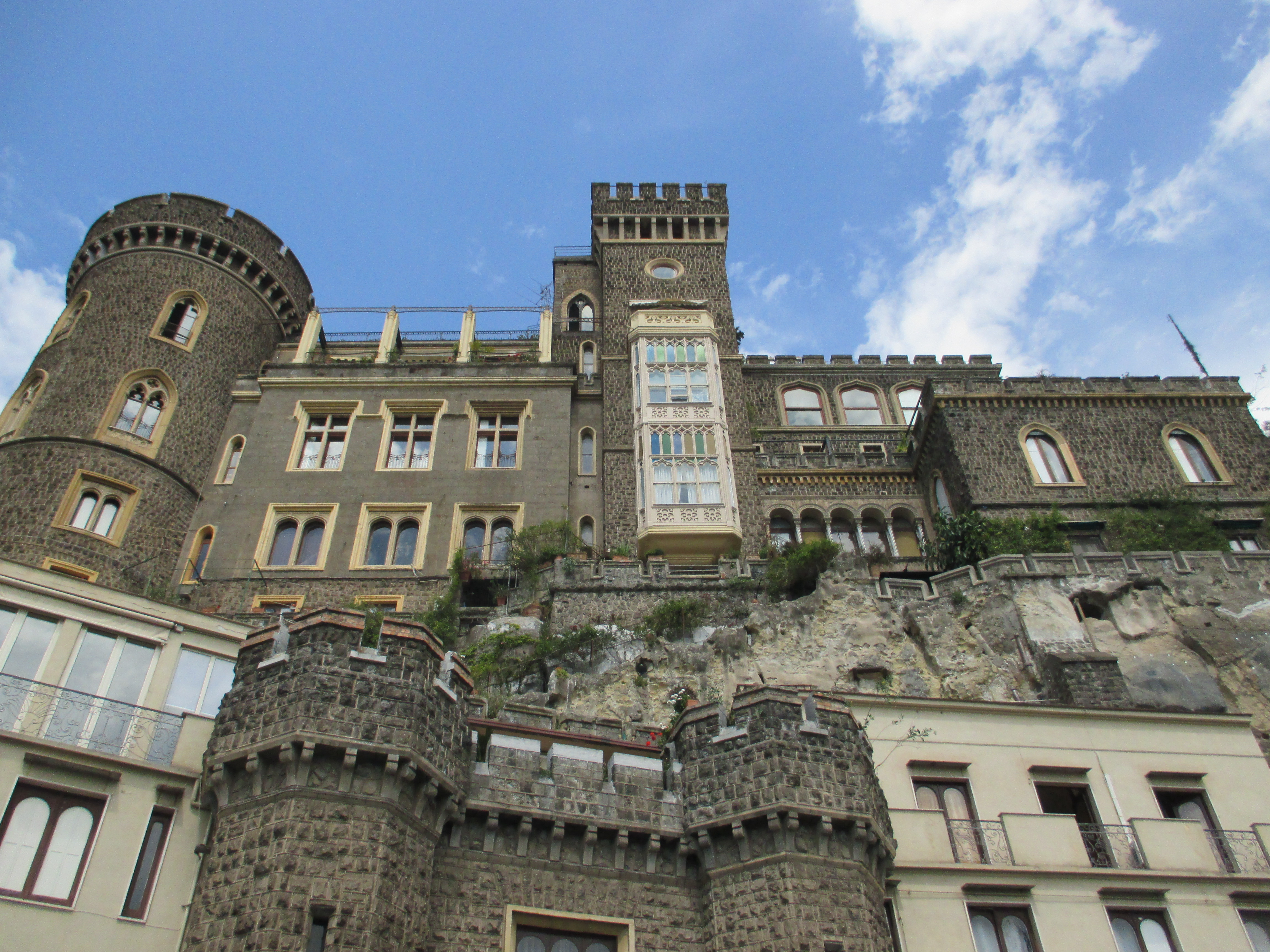
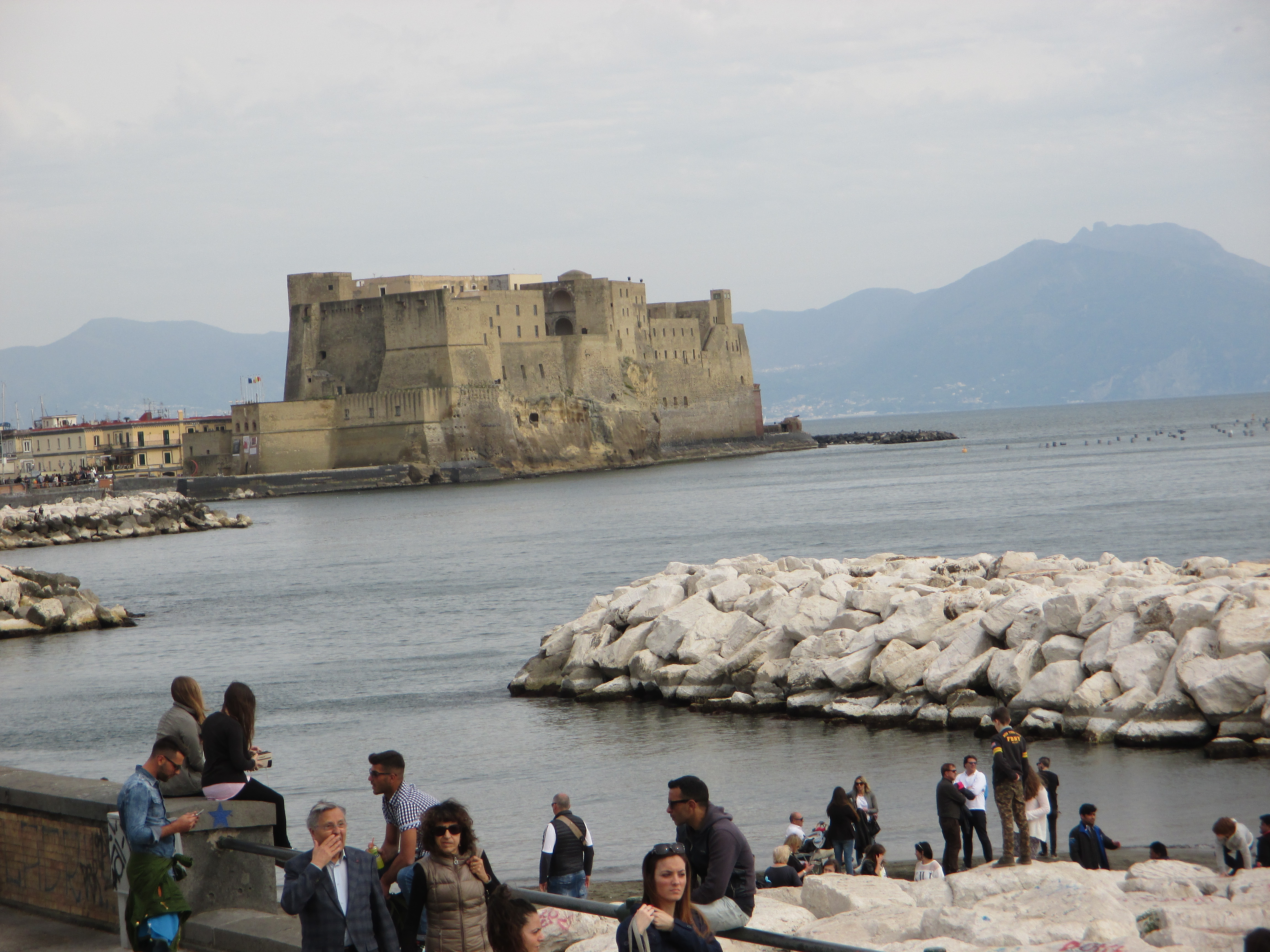
The castles of Naples: (left) Castel Nuovo (right) Castel Dell’Ovo

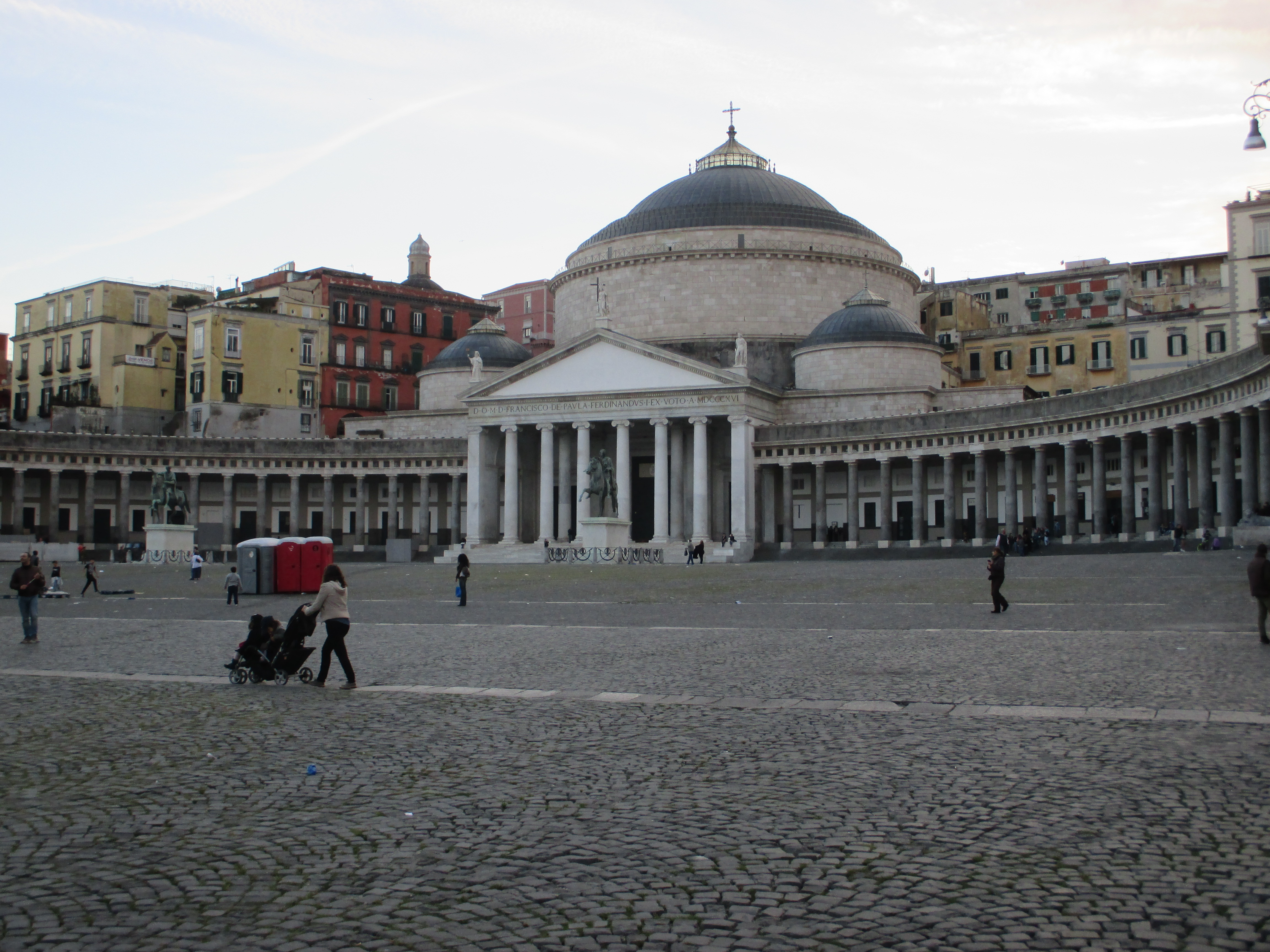
The city itself is like an open museum. There’s the Piazza del Plebiscito with its massive square where the church of St. Francis of Paola is on one side and the Royal Palace on the other. Around the city are numerous remnants of its past, from castles to churches, from old architectural heritage to various squares (piazza). To give this city a postcard perfect scenery, there’s Mount Vesuvius as backdrop to an already beautiful landscape and seascape, a fitting and dramatic addition to a place that’s very rich in history. I will give you a closer look to this majestic volcano later on when I take you thru Pompeii.

Piazza del Plebiscito (top left) and other city sights

The city coastlines are a marvel to watch. I love the leisure walk on the long promenade along the coastline, enjoying the view of the sleeping volcano and the tranquility of the Mediterranean sea. I don’t know what magic or spell this body of water has on me, but every time I’m in a place within its reach (such as Barcelona, Malta, Dubrovnik, Budva, Mykonos, and Santorini), it always gives me that feeling of joy, awe, mystery, and serenity. Though it doesn’t surprise me knowing that my feng shui element is water, which may explain why I’m always drawn to it. It’s like my own unicorn. Stopping for some gelato during these walks is just icing on the cake. One thing I noticed is that the farther you go along the coastline away from the city, the cleaner it gets.

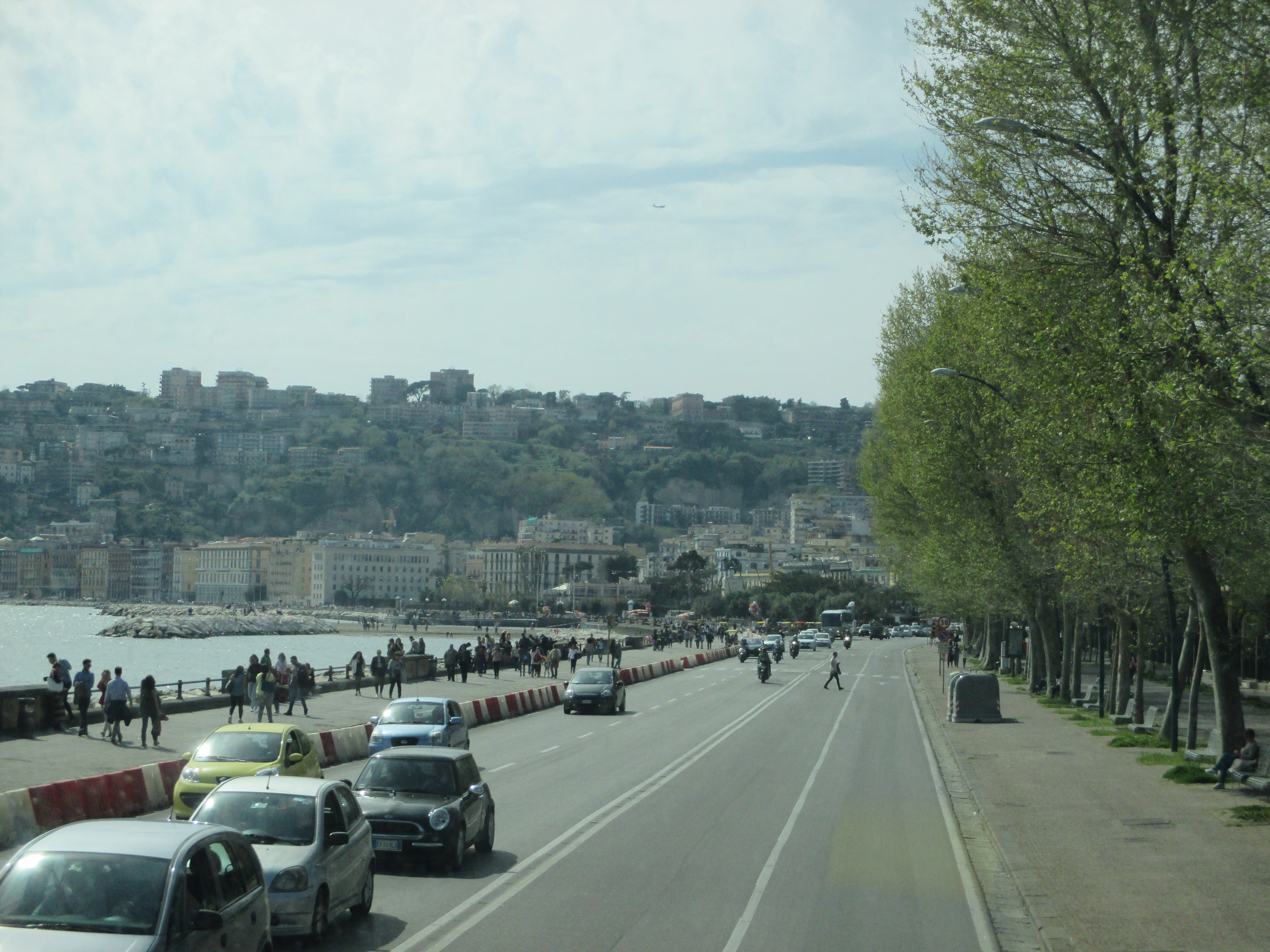
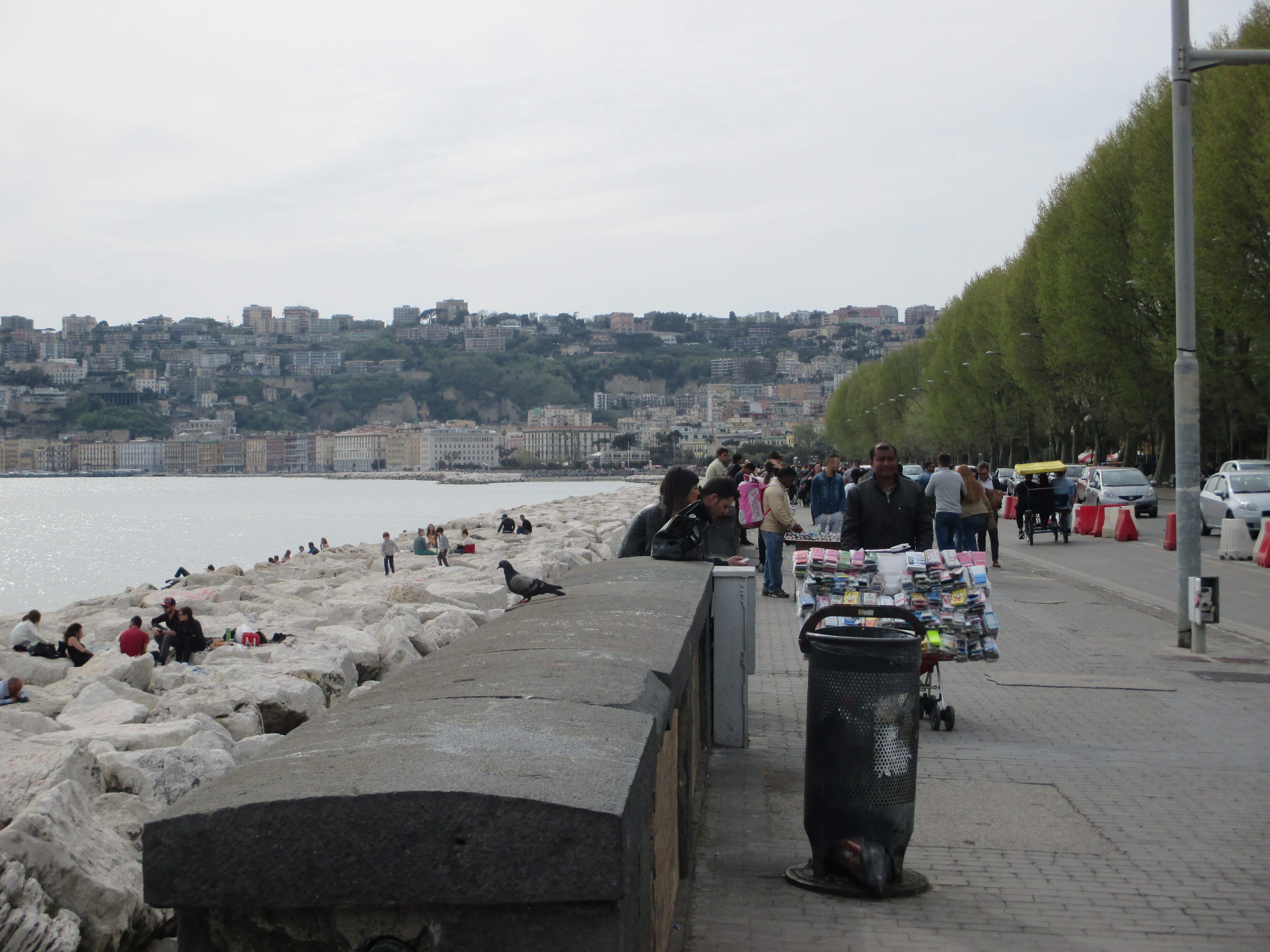
City coastline and promenade (Naples)

Next stop is Pompeii and Mount Vesuvius. Speaking of open museum, nothing would probably beat Pompeii. If you’ve skipped your history class, you’ve probably missed out on one of history’s events of monumental scale that teaches and leaves every generation a lesson. This is when the whole city of Pompeii was buried by lava and thick volcanic ashes and other debris instantly when Mount Vesuvius erupted. Known as an ancient sin city, it was preoccupied by human frailty that it has lost any sense of safety. Long before I read about Pompeii in history books, as a young kid, I’ve watched a biblical movie that showed what happened to this ancient Roman city and its people. Every now and then, it feels like history’s repeating itself. This health crisis that we are facing now particularly in my country is nothing different than Pompeii. We’ve been preoccupied by power (as they say, power corrupts) and greed that our leaders, decision makers, security and safety agents have essentially failed us. As a people though, there’s still hope. I think that’s the only difference between Pompeii then and our country now. People got buried then and didn’t get the chance to escape. We still have a chance to escape from this vicious cycle of power and greed. It’s not the virus that will change our ways. It’s the lesson we get in every adversity as a result of our own frailty. That is if we as people are willing to take heed the lessons of history.

(Left) Ancient city of Pompeii (whole city escavated from thick volcanic debris; (right) on top of Mount Vesuvius crater

So to show how strong I was (mind, body, and spirit), I started climbing the sleeping volcano. Mounting the volcano thru its rocky trail can be tiresome, to the point that my whole body almost gave up. At that point, I was already muttering “what the hell was I thinking?” I still have other places to visit and it’s not worth being adventurous at this leg of the trip if I break my back (that was long before my spinal surgery, but was already suffering from slipped disk condition). Then I saw two elderly couple in canes climbing down on their way back to the slope. I thought if this lovely couple was able to make it to the top, then why can’t I? After my newfound inspiration and strength (mind and spirit, body is still weak), I decided to go all the way, knowing fully well that the trip back would be more perilous than the way up, with more chances of rolling down the slope with a single misstep.

Sorrento (Italy)

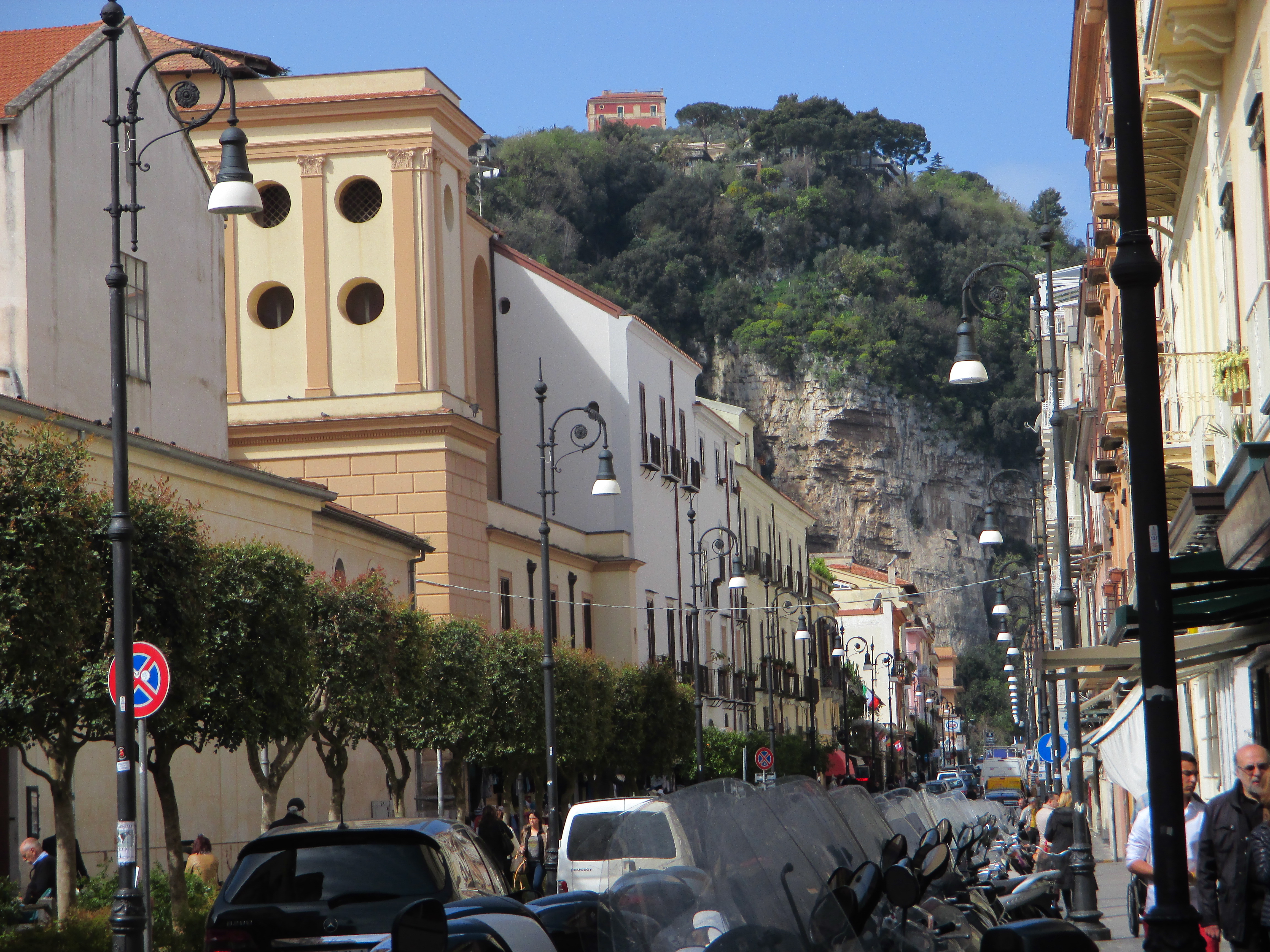
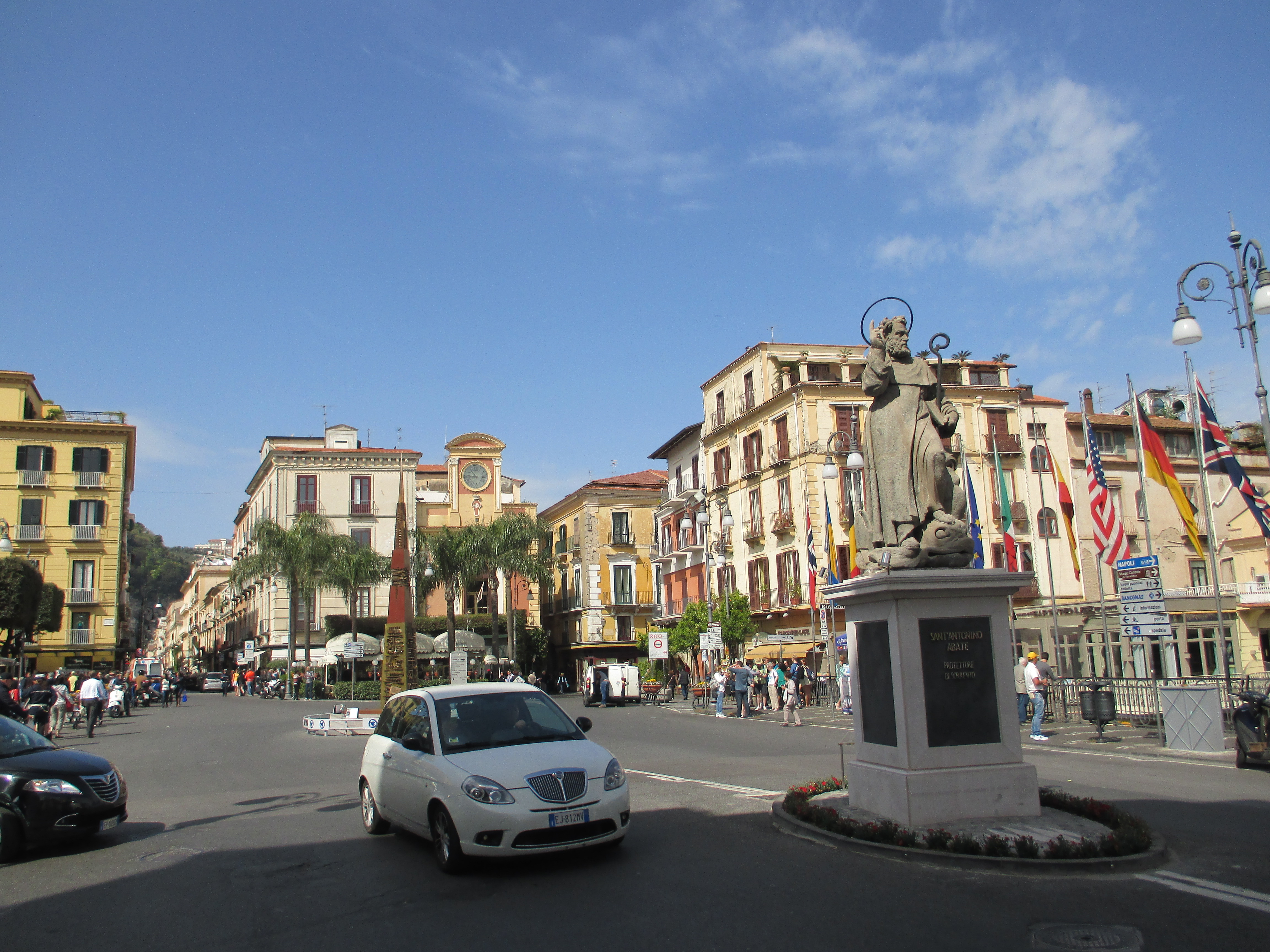
On to what I have been looking forward to all trip: Amalfi Coast. It’s one of the most beautiful coastlines in the world, where a series of quaint towns sit along it. First of the towns is Sorrento. It is popularly known as the home of limoncello, a native liqueur from Sorrento lemons. Every time I would dine in Italy, it would almost always come with a shot of limoncello at the end of each meal and now I know where it comes from. It has this strong acidic (like concentrated lemon juice) yet sweet taste that is soothing to the throat and kind of have a cleansing effect on the palate. Along the way, you can see lemon trees lining up the road. The town proper is scenic at the very least, where narrow avenues are lined up with colorful buildings.

Positano (Italy)

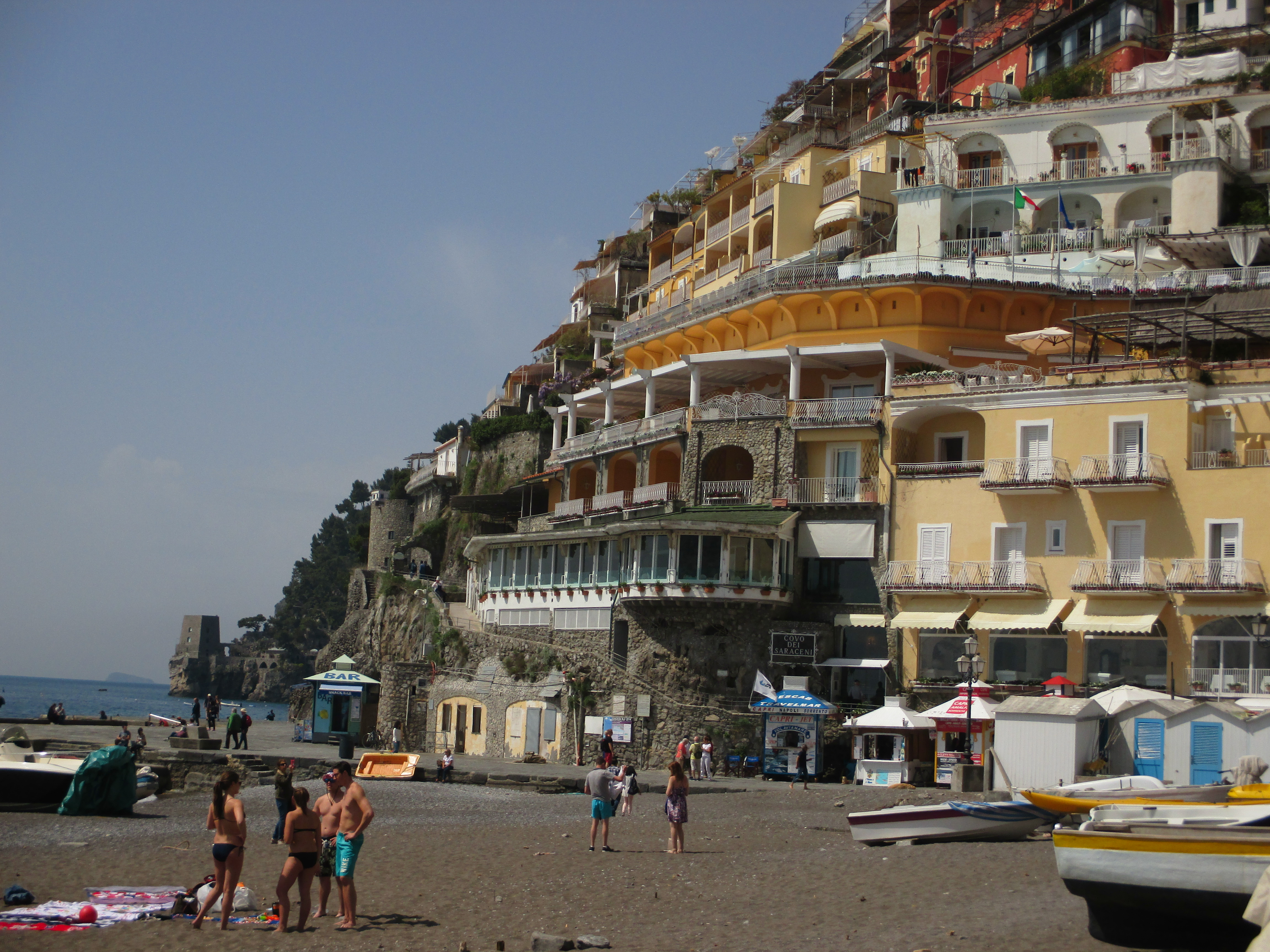
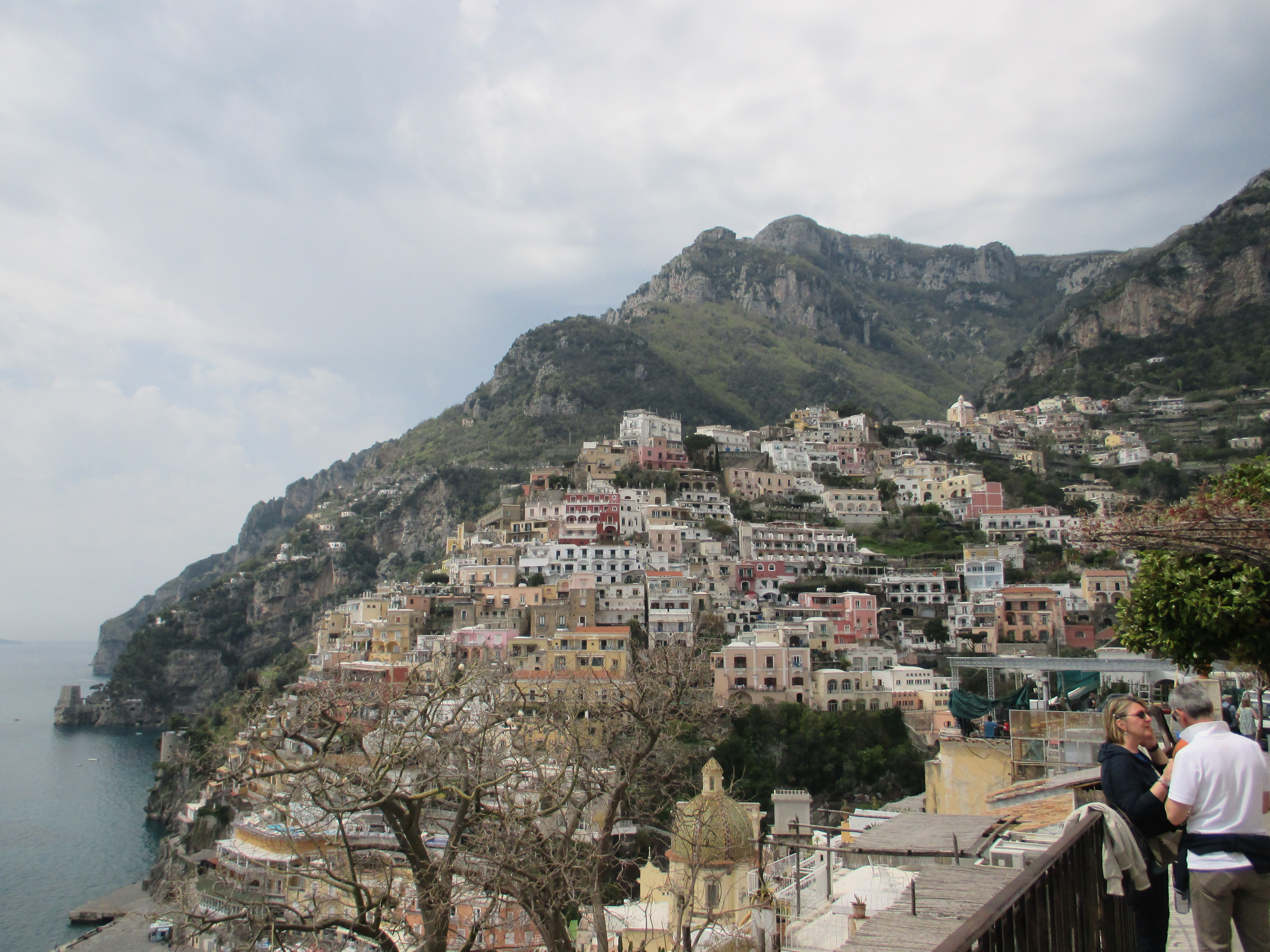
Next town is Positano. One of my favorite places in the world, this town is perched on a cliff (like Santorini), so it is hilly with steep and narrow alleyways lined up with shops that sell anything from clothes, arts and crafts to items made from lemons (perfumes, essential oils, liqueurs). It’s a very picturesque town, where colorful buildings adorn the cliff that meets the sea. There is a small beach, which adds an essential element to an already postcard perfect landscape and seascape. Its beauty is mesmerizing, that you’d be captivated enough you wouldn’t want to leave.

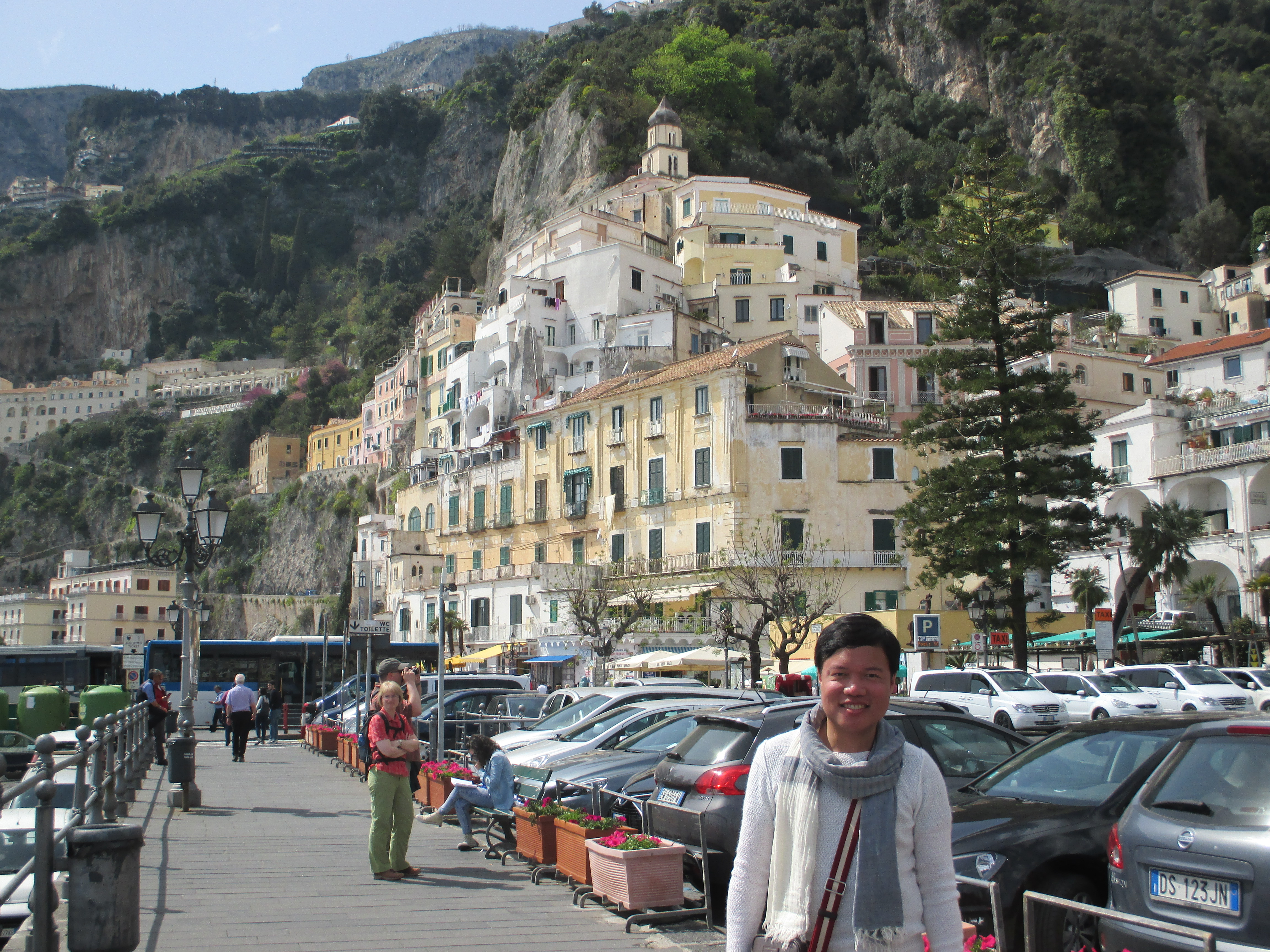
Amalfi (Italy)

Then there’s the town of Amalfi (where the coastline is named after). It has a bigger beach than Positano, but doesn’t have the same wow factor. Don’t get me wrong, it has its own charm, where anyone who comes here would still be captivated by its resort-like vibe and the mountain backdrop filled with houses. Plenty of dining options to choose from, more than probably what Positano can offer.

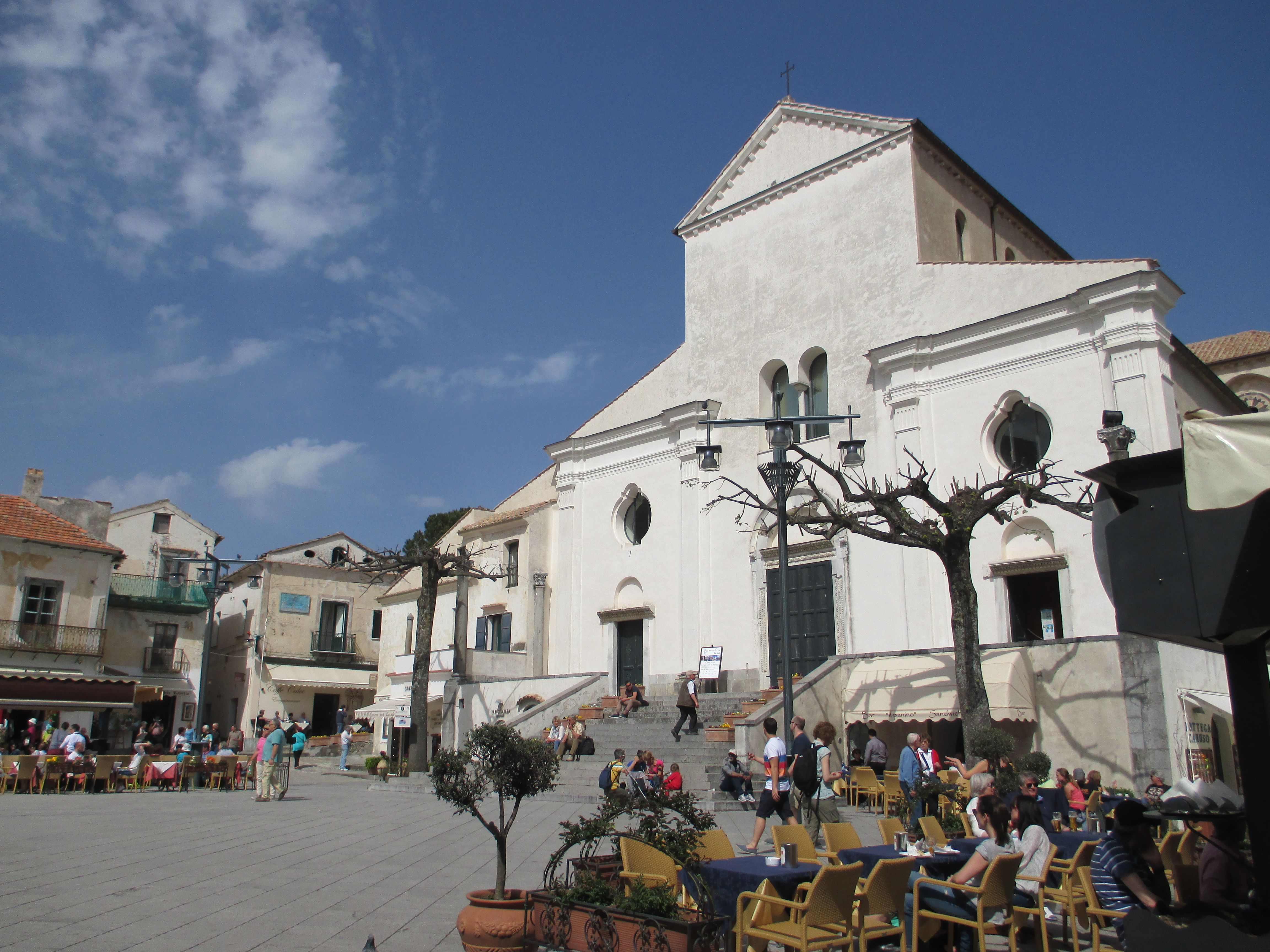
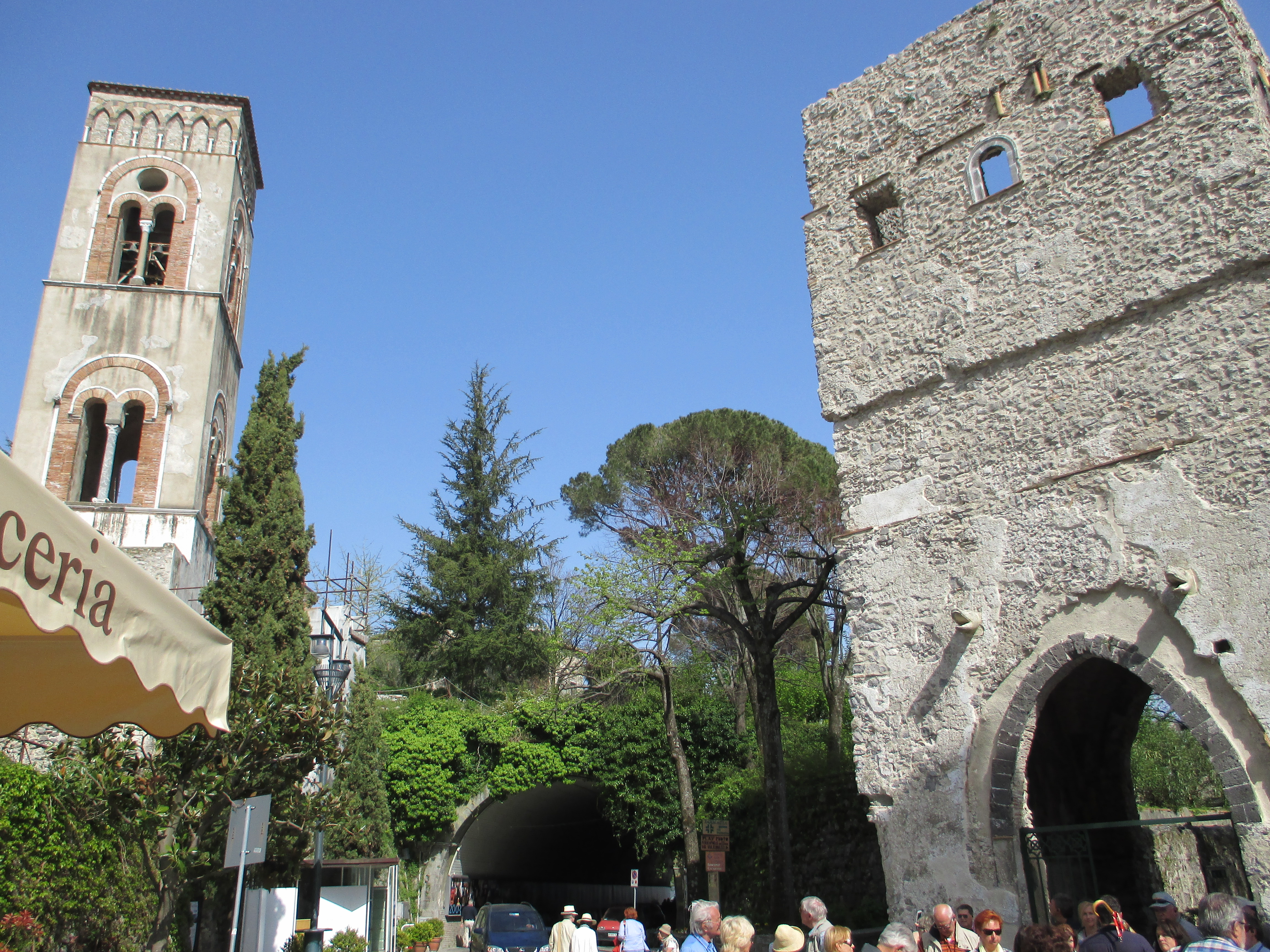
Ravello (Italy)

The last town is Ravello. It probably has the most rustic charm among the towns, where it has able to preserve a few remnants of its heritage. It’s the smallest among the four towns, yet endearing enough to make you linger a little bit longer than you would normally give places like this. Since it is on the farther end of the coastline, the calming sea views on one side and the mountainous terrain on the other side are some of its highlights.

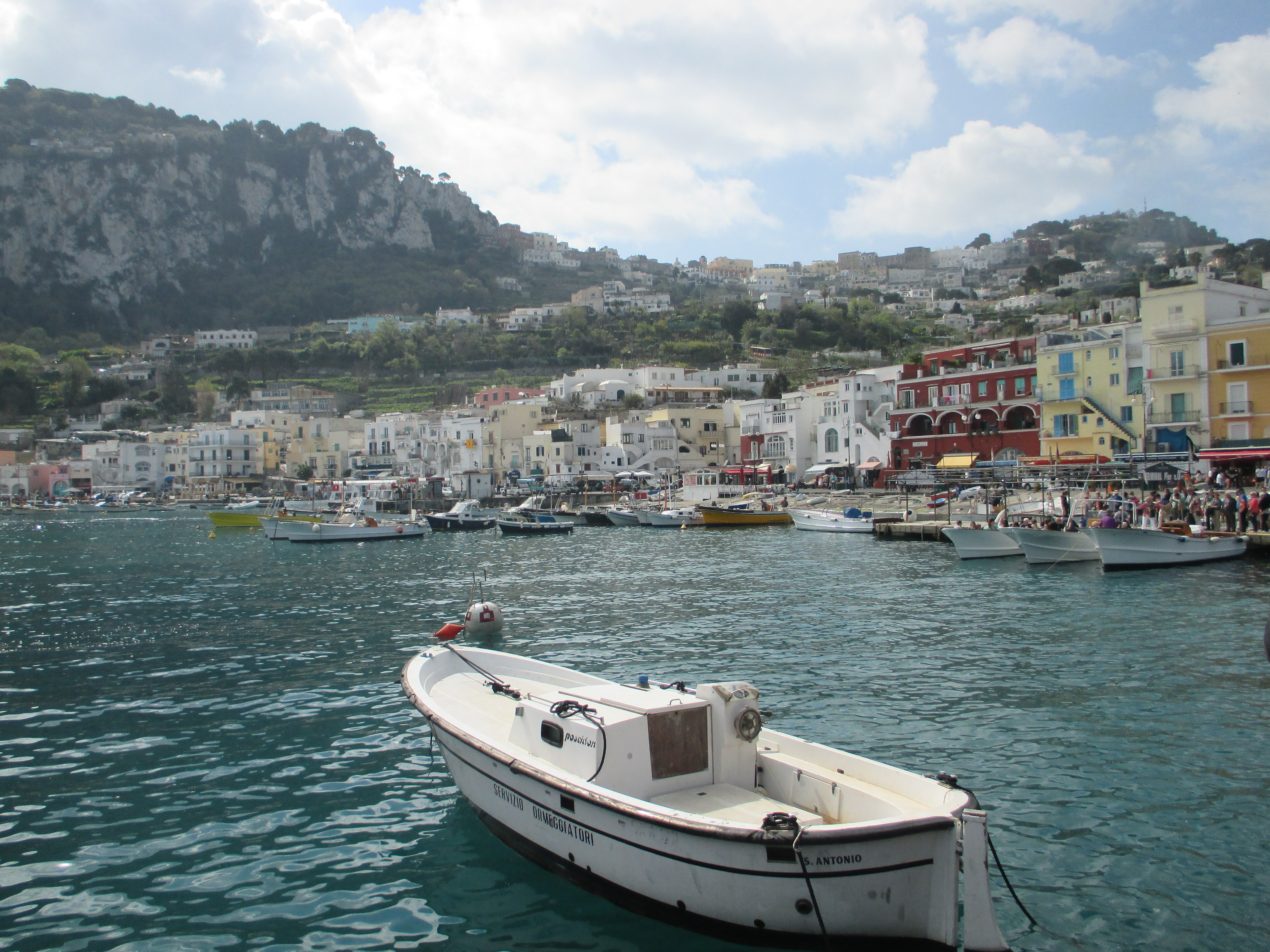
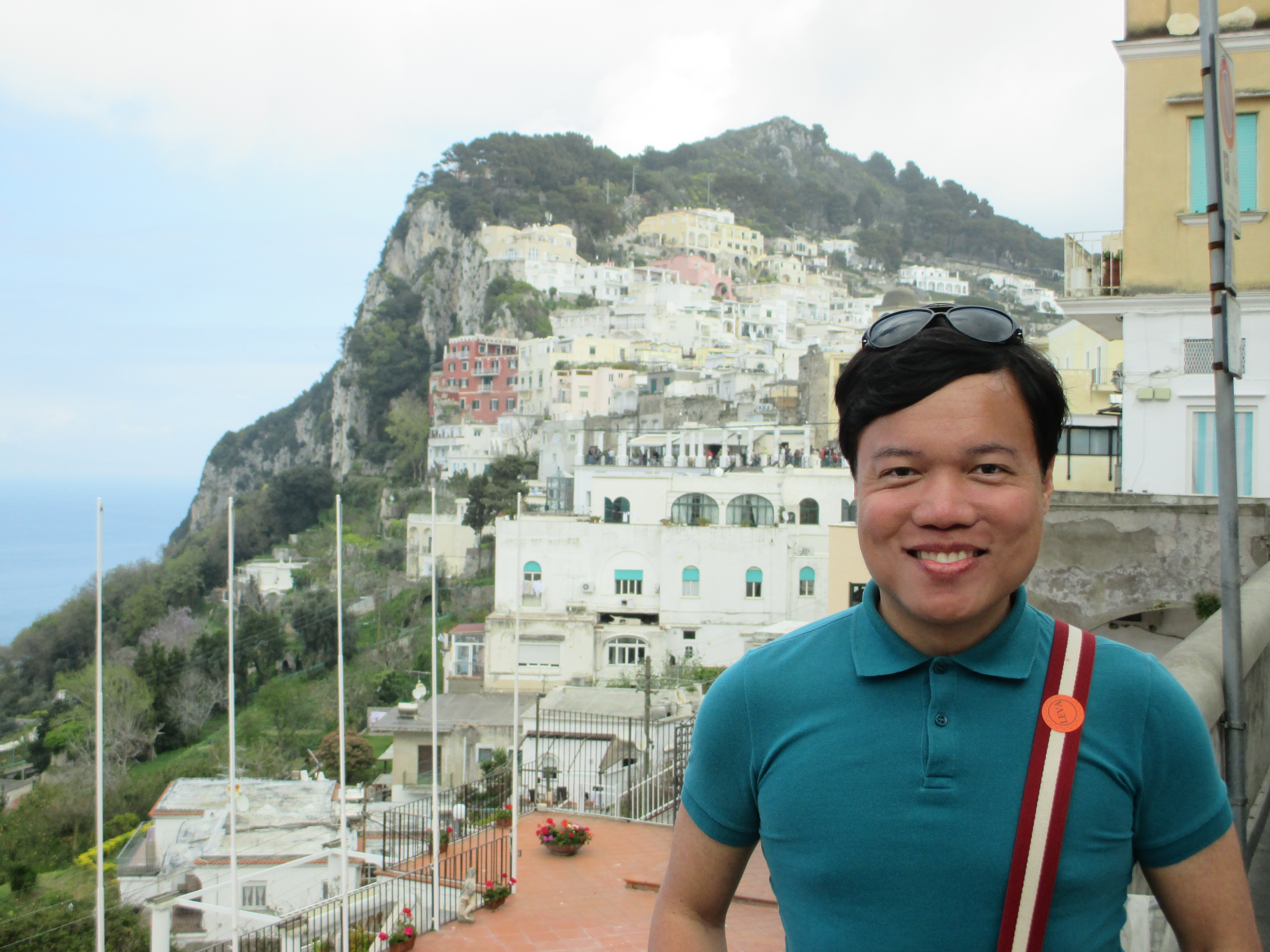
Island of Capri (Italy)

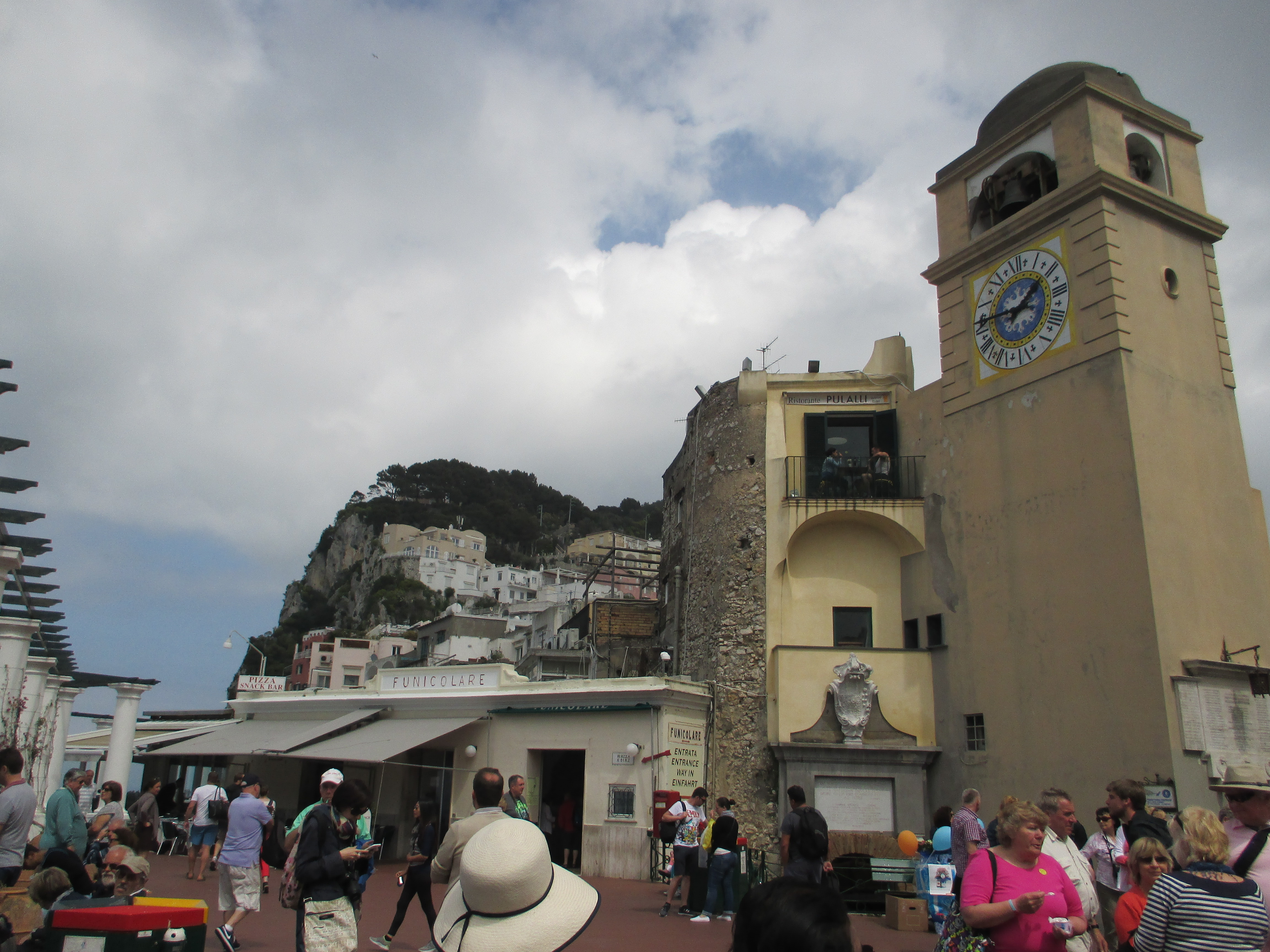
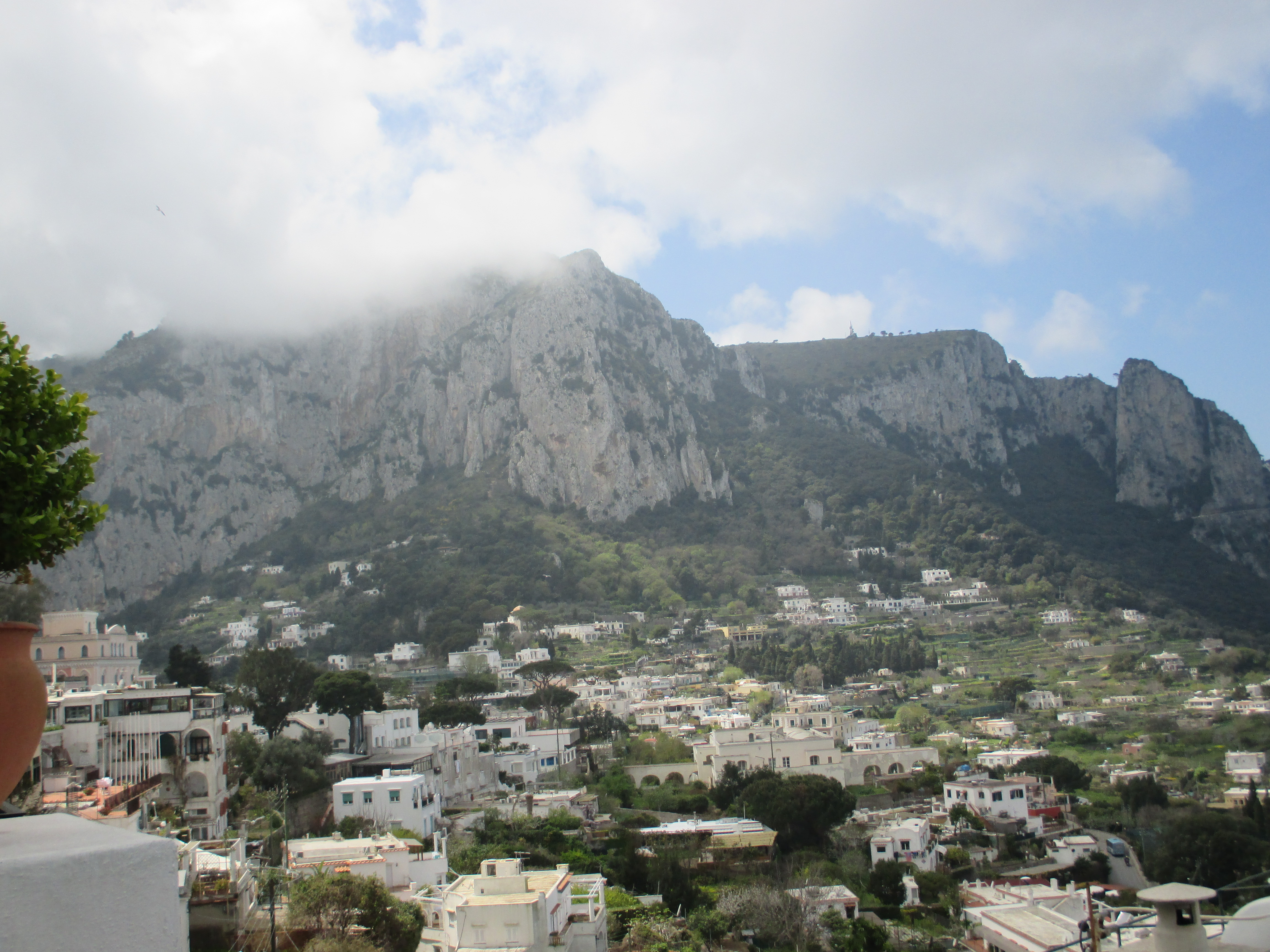
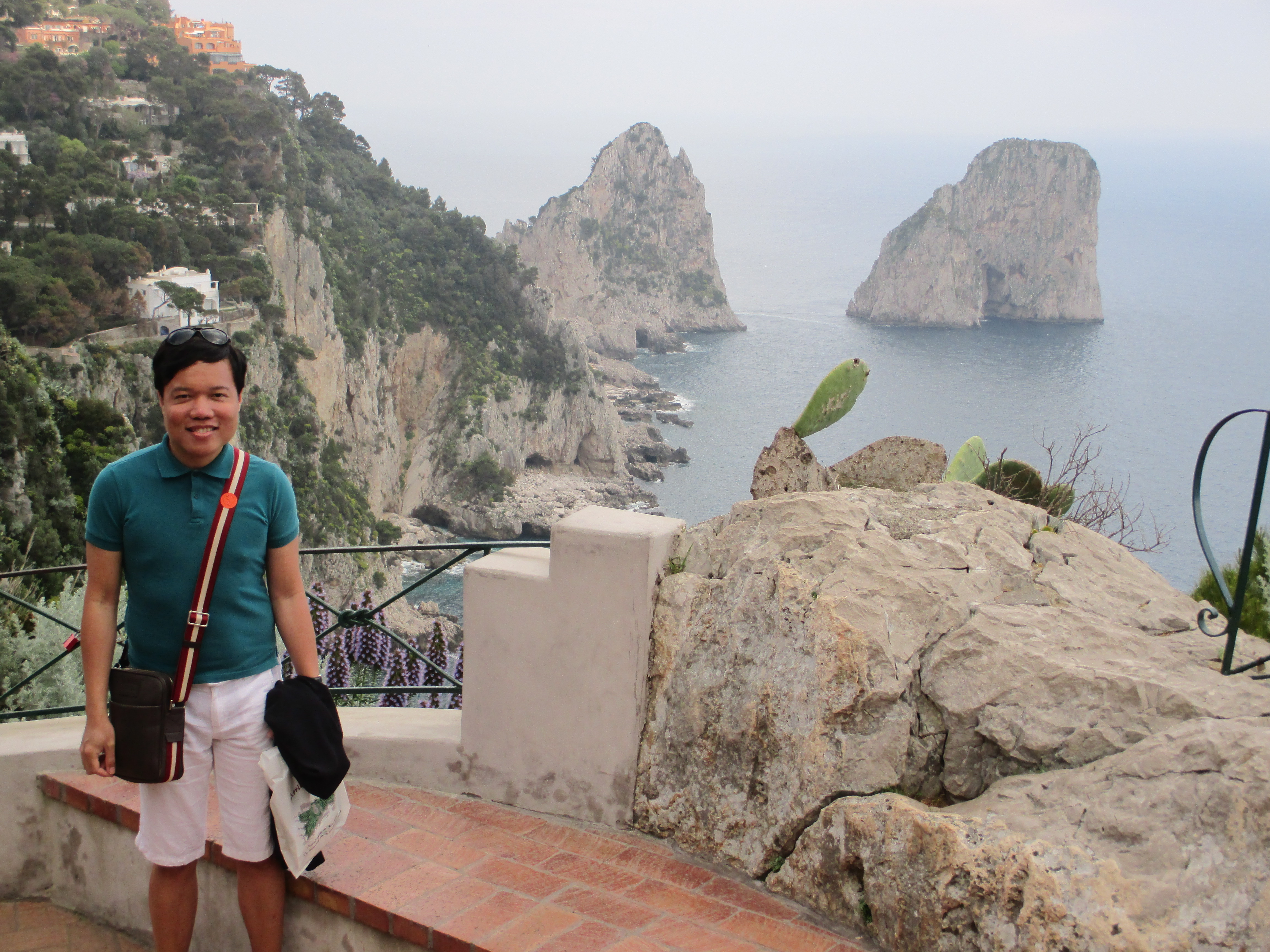
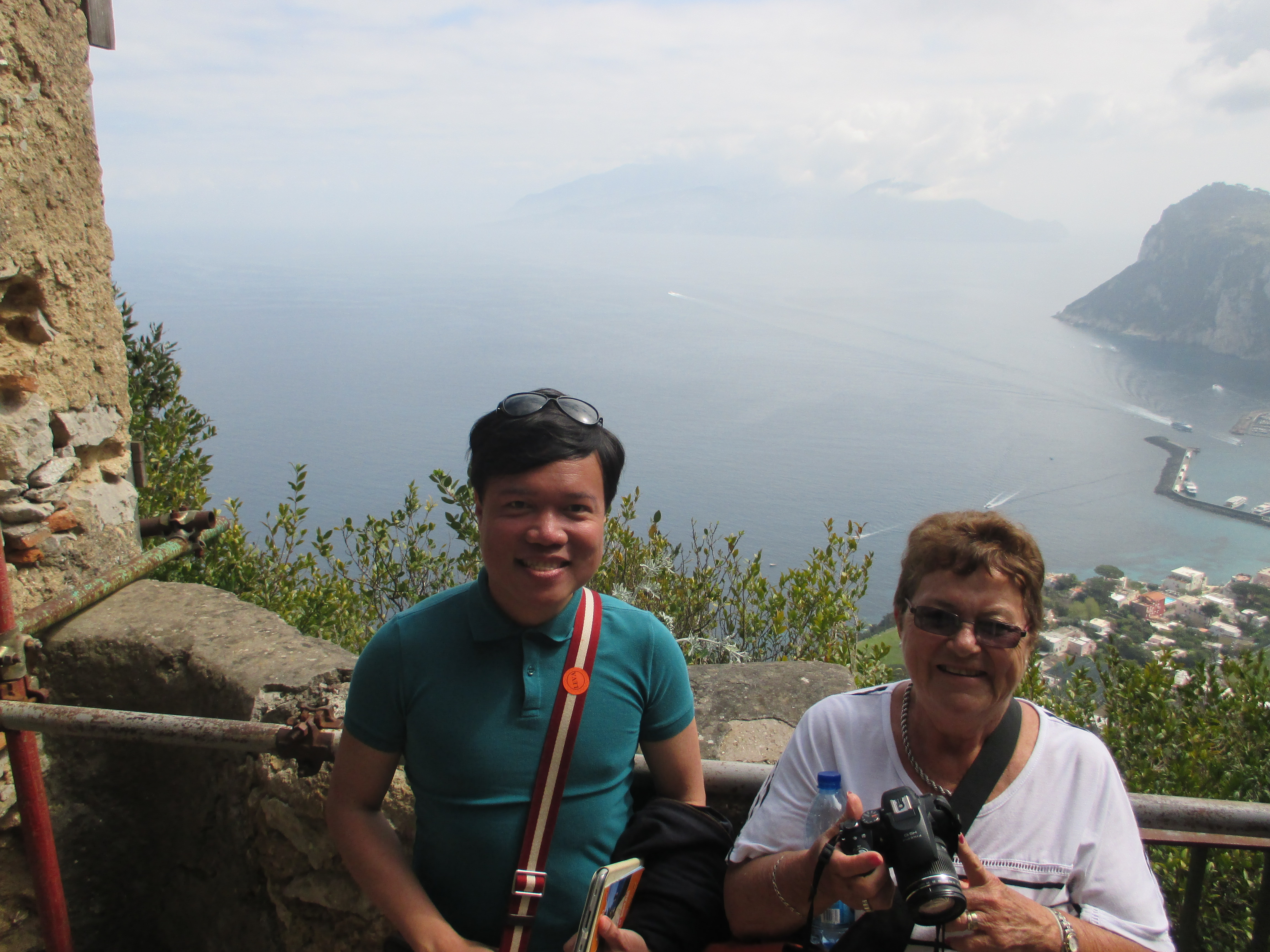
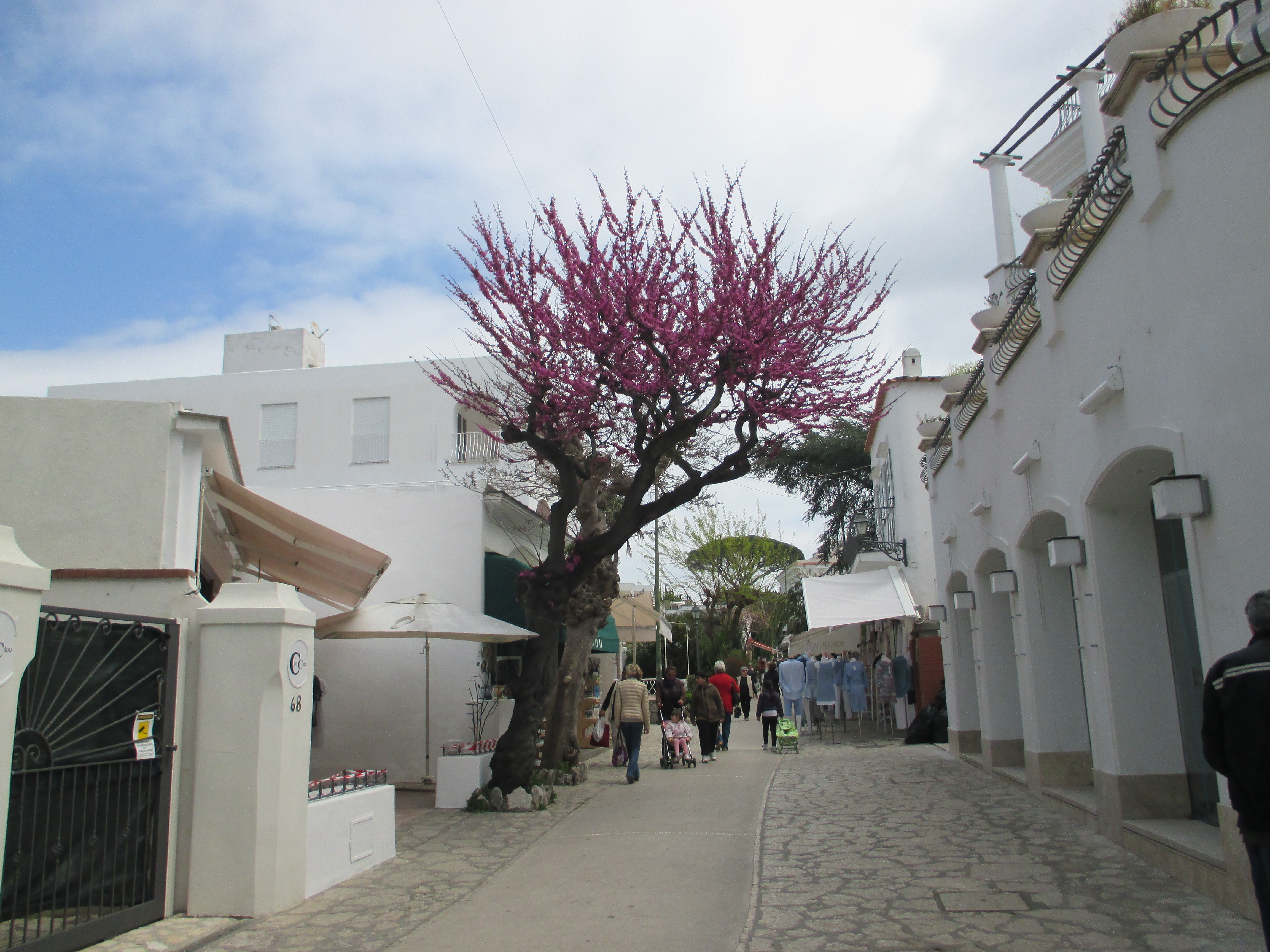
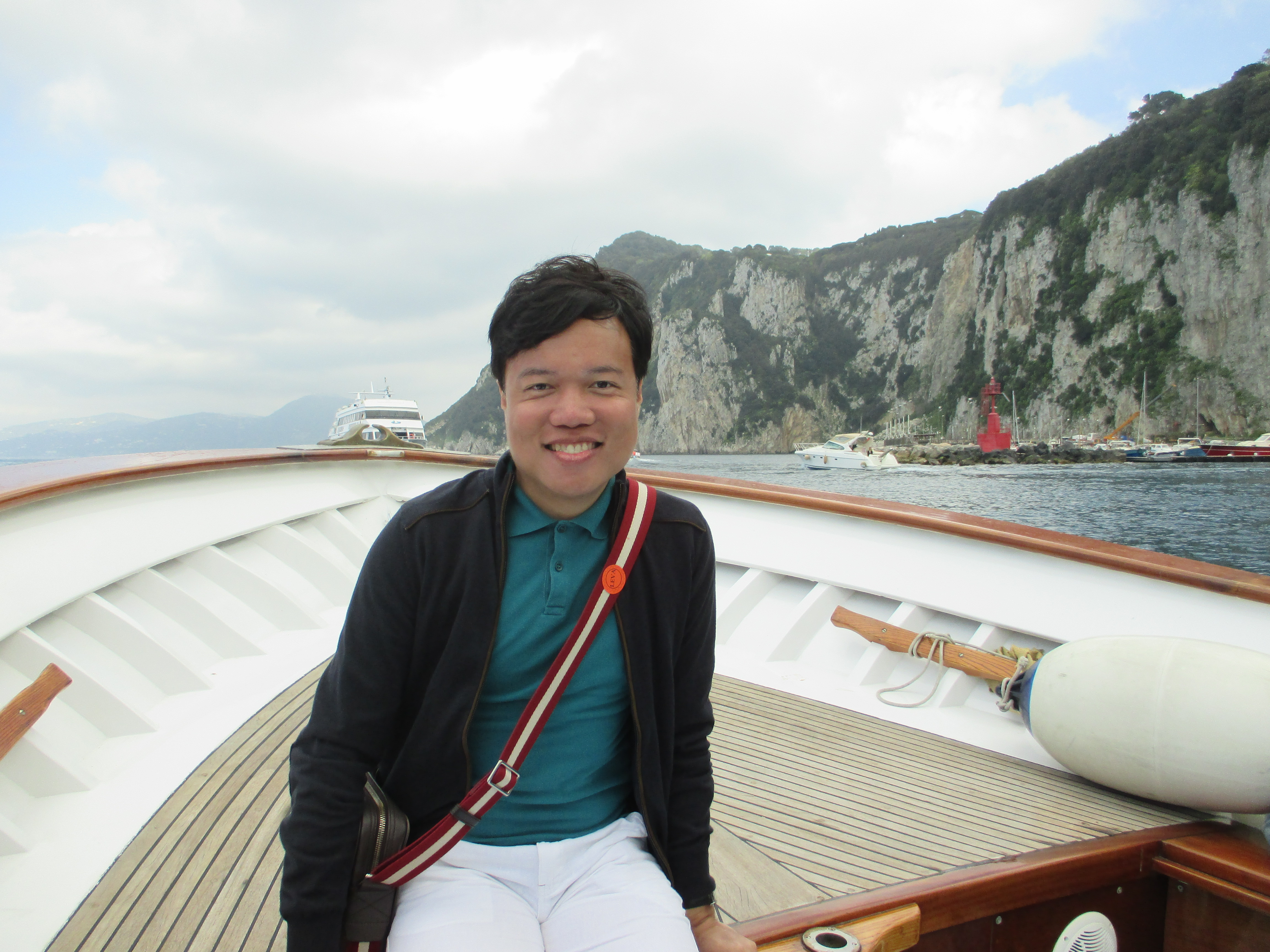
A trip to Naples won’t be complete without taking a side trip to the island of Capri. Known as the playground of the rich and famous, I know now why some of the world’s biggest celebrities are drawn to it. Though not blessed with nice beaches like those in Mykonos and Santorini, this island has a certain charm that kind of cast a spell on you. The whole time you’re there, you’re kind of spellbound, The island is divided into two towns, one called Anacapri on one side of the island and Capri on the other side. Anacapri is steeper, which makes it more difficult for walking. There’s a small cluster of shops and restos at the town proper. This is where I had lunch with a friend named Matthew who I met in the trip. A Korean-Canadian IT guy based in Canada who is off from work for two months to traverse the whole Mediterranean coastline starting from Barcelona to Marseille to Monaco to Amalfi Coast and onward to Venice. What an adventure! But what I was more amazed at was how he was able to take time off from work for two months! How I wish I can travel for two months as well. So now I have that same itinerary in my bucket list and hopefully can cross it out in the near future.

(Left) A south american lady asked to have a photo with me (not sure if it’s because she learned I am from the Philippines or I am just naturally charming lol; (right) who says only Japan and Korea have cherry blossoms?

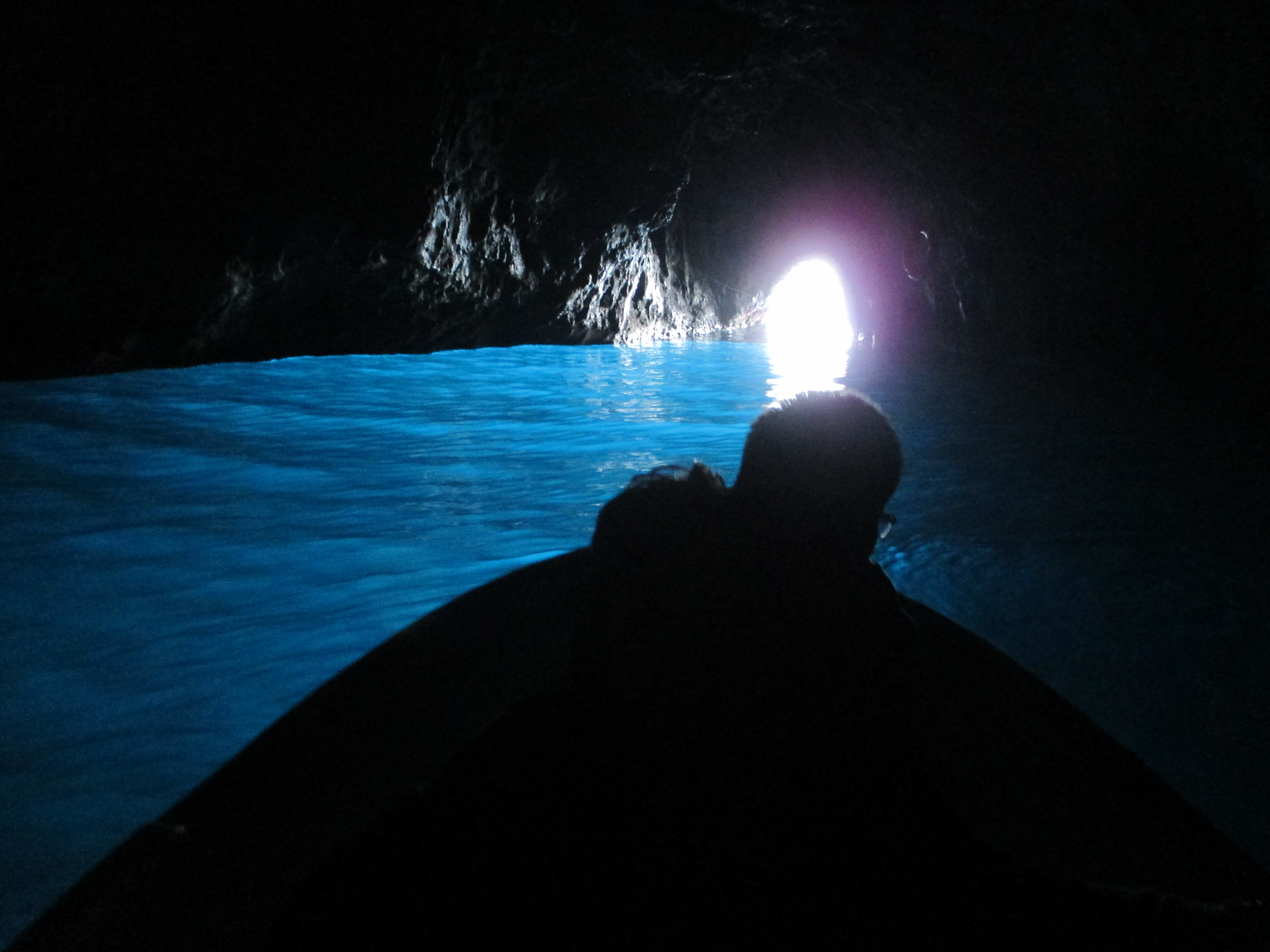
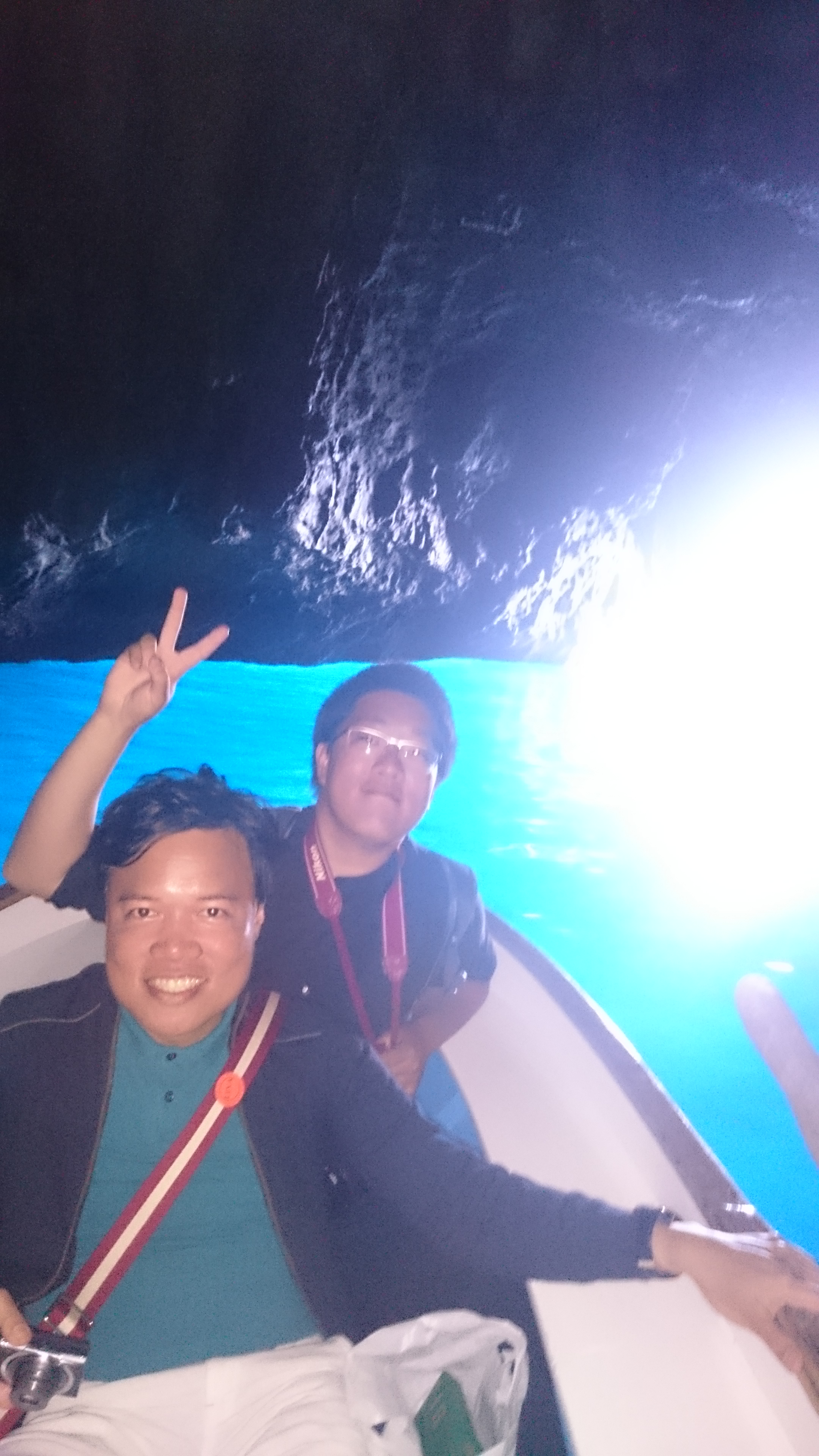
Funny though that in spite of all his travels, Matthew hasn’t heard of tiramisu. Each of us had one and he can’t stop raving about how good it was that I ended up giving him my own plate. Tiramisu is pretty common in the Philippines, so I thought since this guy just discovered how delightful the said dessert was, he might as well go crazy on it. After lunch, we went to the other town (Capri) and this is where most of the shops and restos are, selling anything from clothes to ceramics to souvenir items. We also went to see the Blue Grotto, a cave on the other side of the island where we have to take a speedboat to get near the entrance then transfer to a smaller boat that could fit into the cave. Once inside, you’ll probably be awed with the most beautiful shade of blue water that’s very sharp up close and piercing thru your senses. The last time I’ve experienced that wicked blue color was in Malta’s own Blue Grotto.

Blue Grotto with Matthew (Capri)

On the trip back to Naples, we met this German couple who struck a conversation with us. They shared stories about their own travels, how they love South of France (another dream destination of mine) where roads and parking lots are filled with luxury cars (of course, Germans love their cars). They said it’s everywhere. Matthew has just been there (where he mentioned that you can actually see the sea floor with corals, that’s how crystal clear the waters are which actually explains why I fell in love with Mediterranean sea in the first place), so they told me that I should also visit. Yeah, cool. Then the guy shared how he and his wife can afford all their travels, by taking us thru their investment strategies. See, who says travel is all leisure?

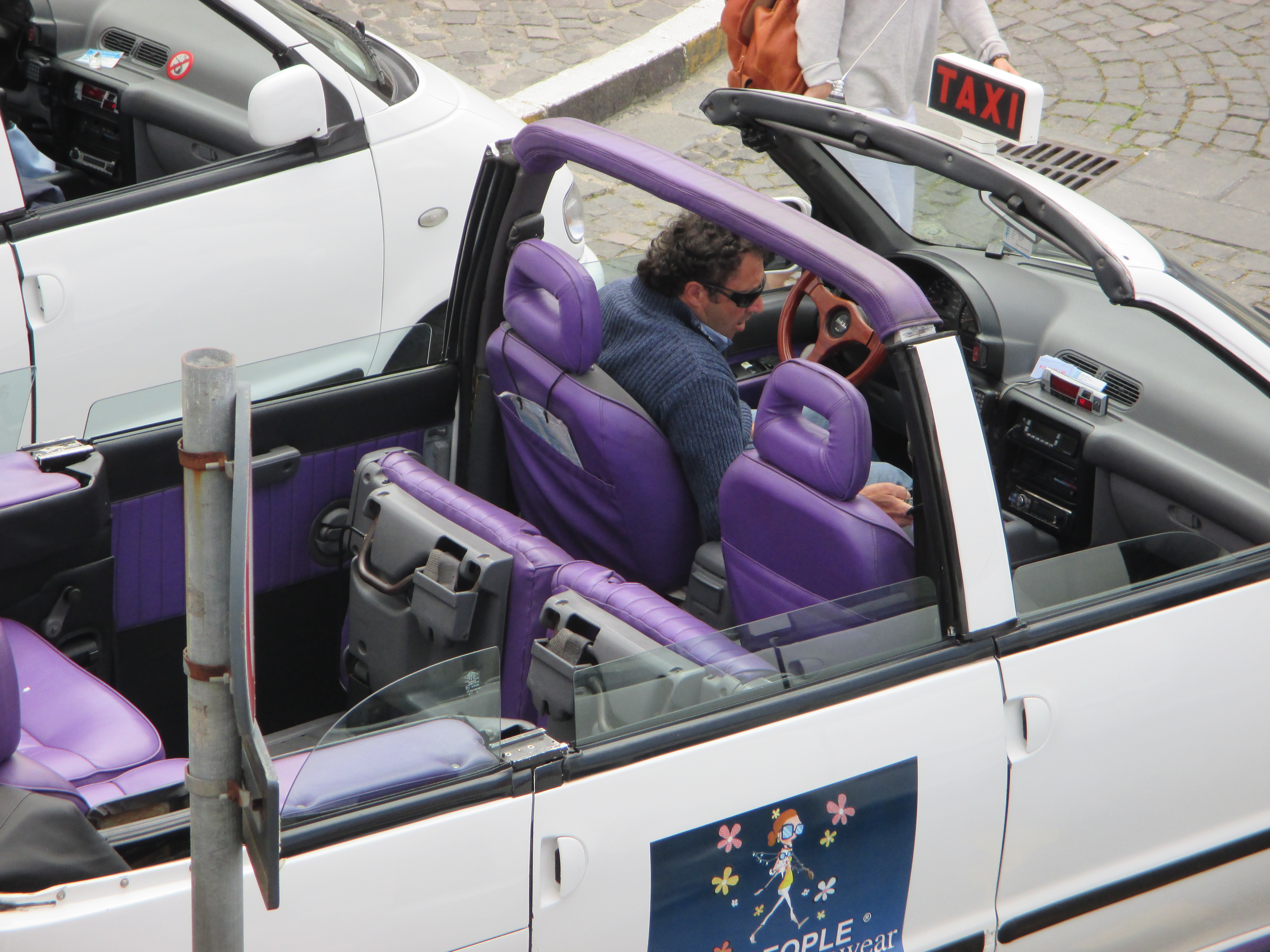
Capri cabs and speedboat

Looking back, that’s one of the trips that I truly enjoyed. Though I have already counted the ways I love Italy in the first part of the article, yet there are still so much more why I keep coming back. The country is a complete package. Its natural beauty is already worth a visit, the harmony between the land and Mediterranean sea is just enticing to feel and see. The magical effect of the sea on me is why I love to be anywhere near it, and Italy’s coastlines are just perfect spots to commune with the sea. But again, more than its beauty, I love Italy because of what it offers for the mind, the body (did I mention that Naples is the home of Neapolitan pizza and ice cream?), and the soul, which makes it, hands down my favorite country.

I love Italy!

Italy: How Thou I Love Thee? (Let Me Count The Ways) – Part 1 of 2

Travel and Positivity Buzz

Rome, Italy

I’ll be going to Italy again in spring so I thought why don’t I write something about my past trips to this beautiful country that I consider my favorite. It would be my 3rd trip and this time, with a purpose. Since the start of the year, I’ve been feeling down. I don’t know exactly what it is. Maybe because most days I was under the weather, but it’s not just that. It’s not also the occasional bad days (who hasn’t?). I was able to find some answers when I’ve finally found a copy of my favorite annual feng shui book. It’s the Fortune and Feng Shui by Lillian and Jennifer Too (I used to buy the one authored by Master Joseph Chau Kam Shing, but since it’s hard to find in local bookstores, I discovered the one by the Toos and both feng shui masters share similar forecasting skills and writing styles). Unlike Filipino feng shui masters who would come out with very commercial versions (you need to have this and that to activate your luck which you can buy from our stores) and tend to come off as negative rather than turning negative into positive, their Malaysian and Chinese counterparts would focus more on what’s in store for the year so that one can be prepared. It’s not that it’s going to happen, but more of being prepared when it happens.

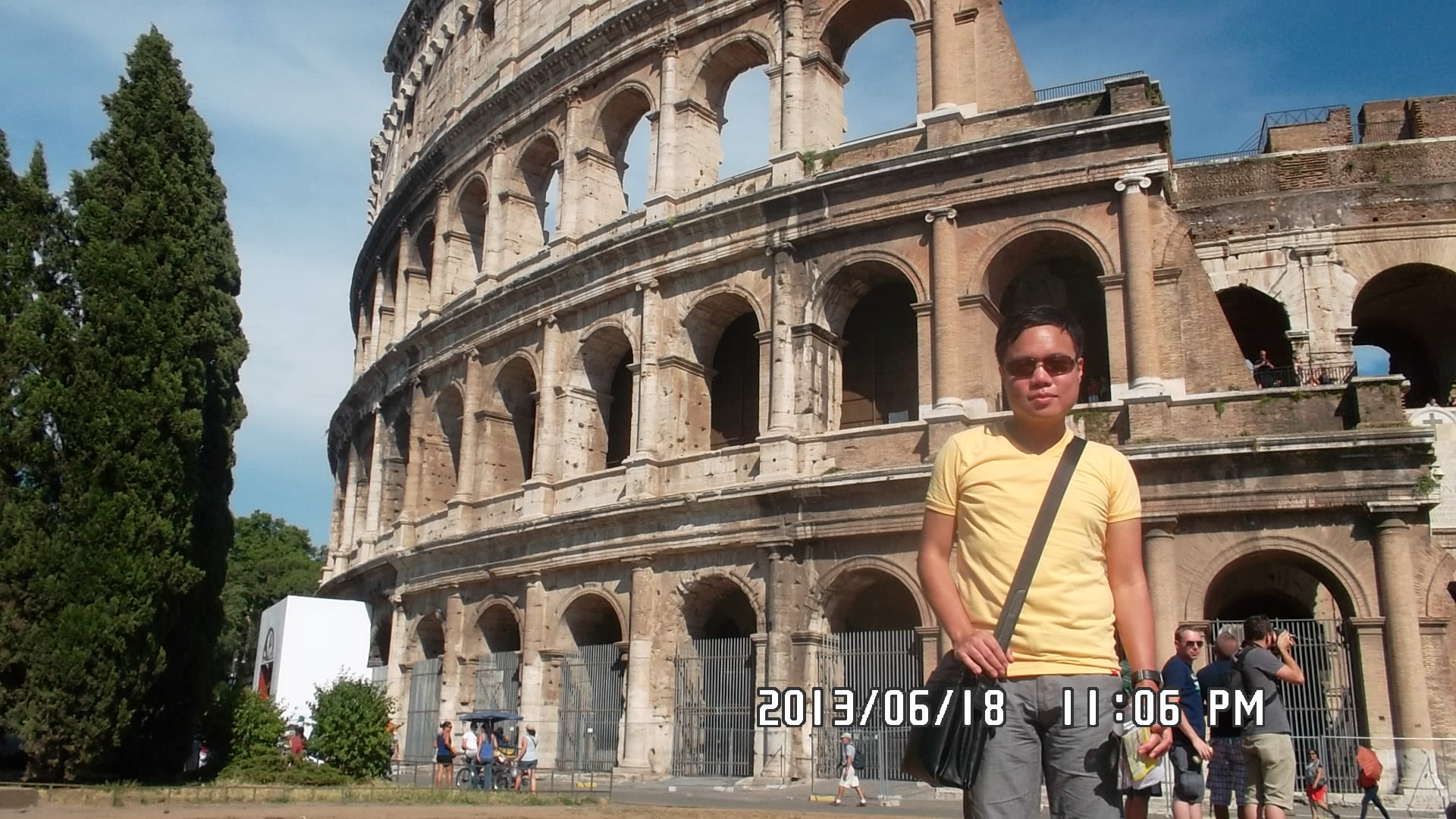
Colosseo, Rome

So my feng shui confirmed what I thought and felt all along. My spirit essence is weak. Though I have a good life force, what I was feeling these past few days is a result of what the book says as “while on the surface you come across self-assured and strong, inside, you have pockets of uncertainty about your abilities.” In other words, lack of self-confidence. The book continues: “Perhaps something happened early in the year that shook this confidence – a betrayal, a disappointment, or even a downright bad turn of events that upsets your sense of stability. Whatever it is, dig in your heels and stay strong.” Very true indeed. Something happened in the workplace that shook me a bit, that even with a strong and stable core, it created a void and emptiness inside.

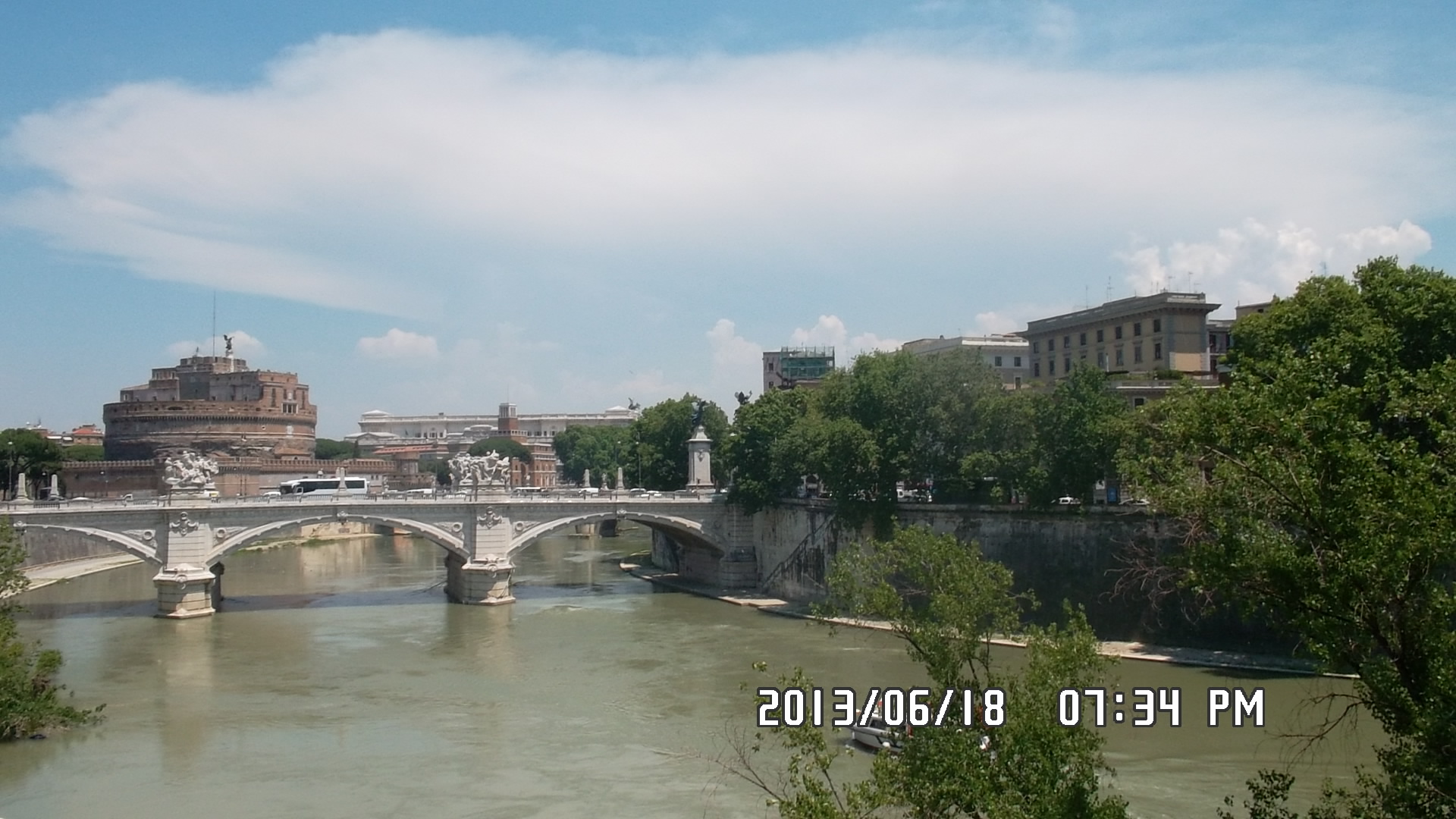
St. Angelo Castle and Bridge (Rome)

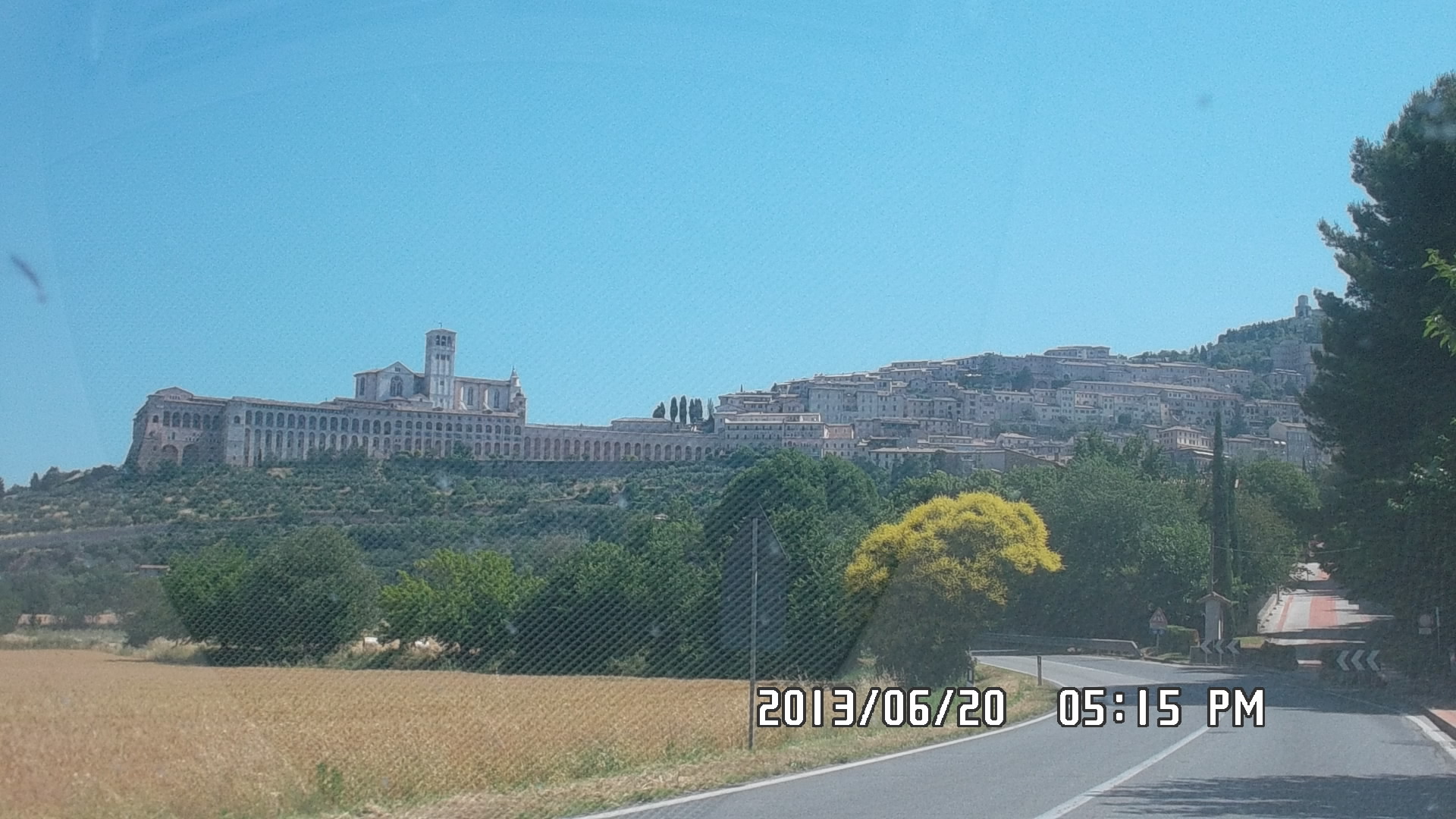
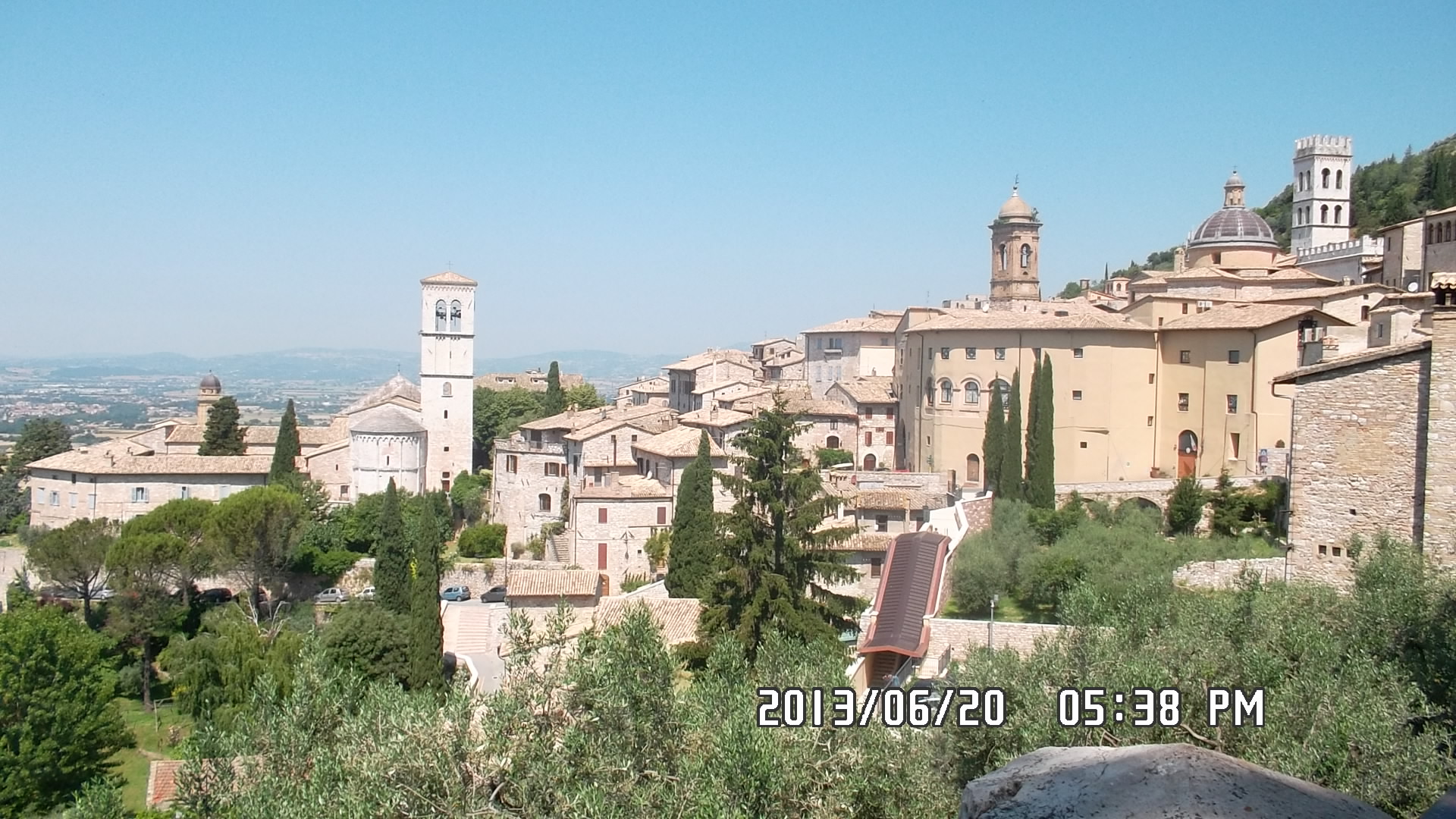
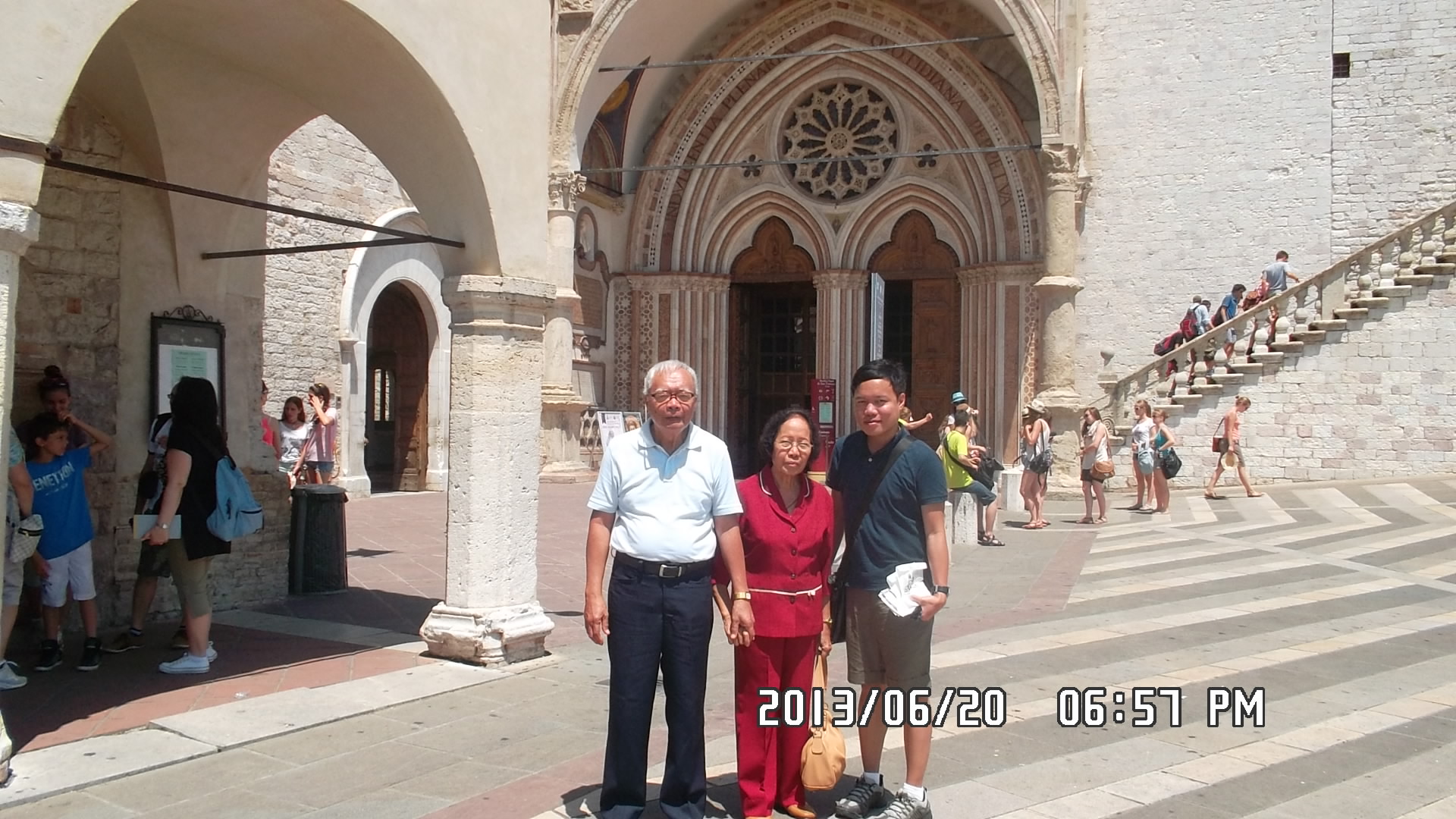
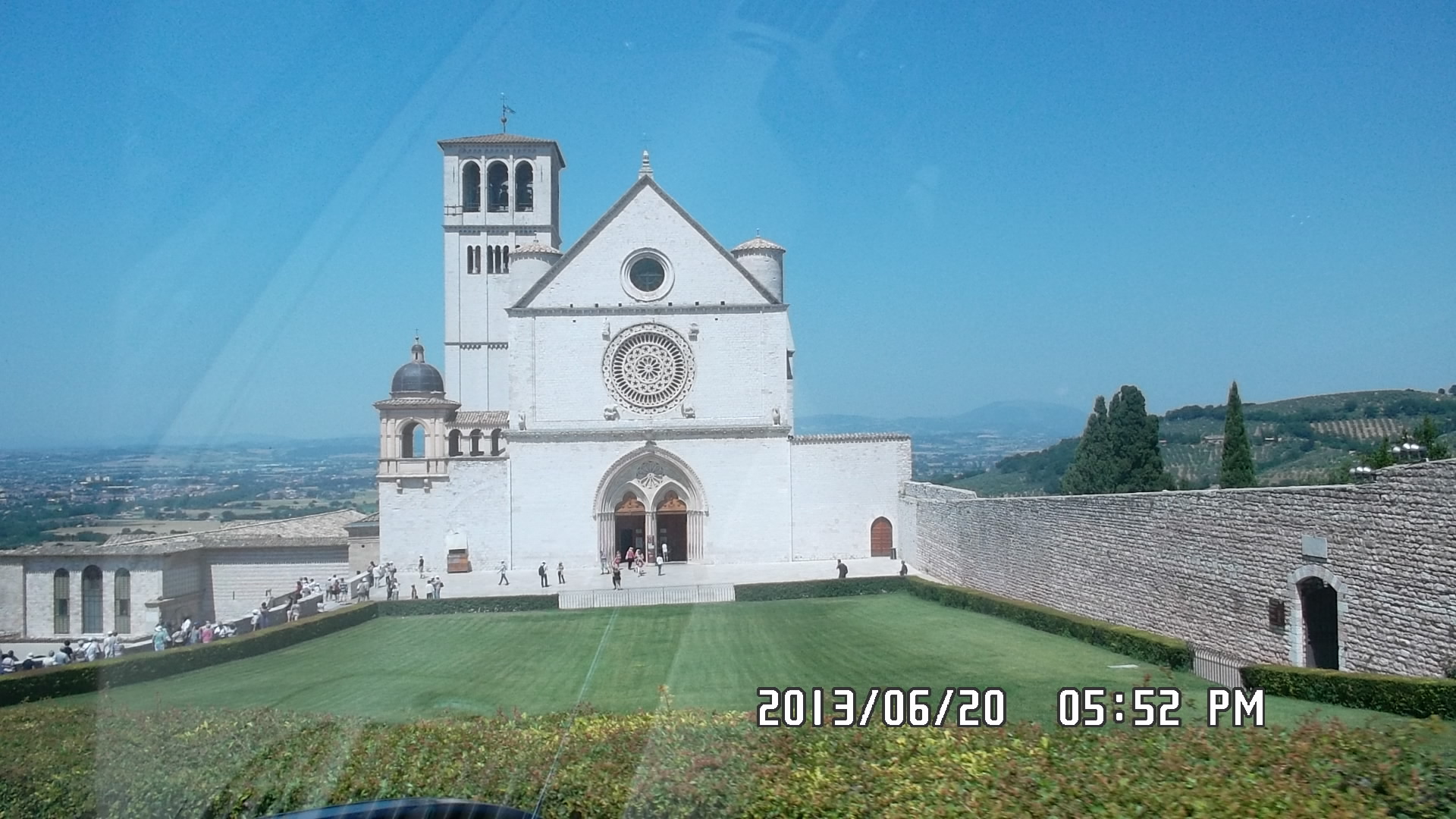
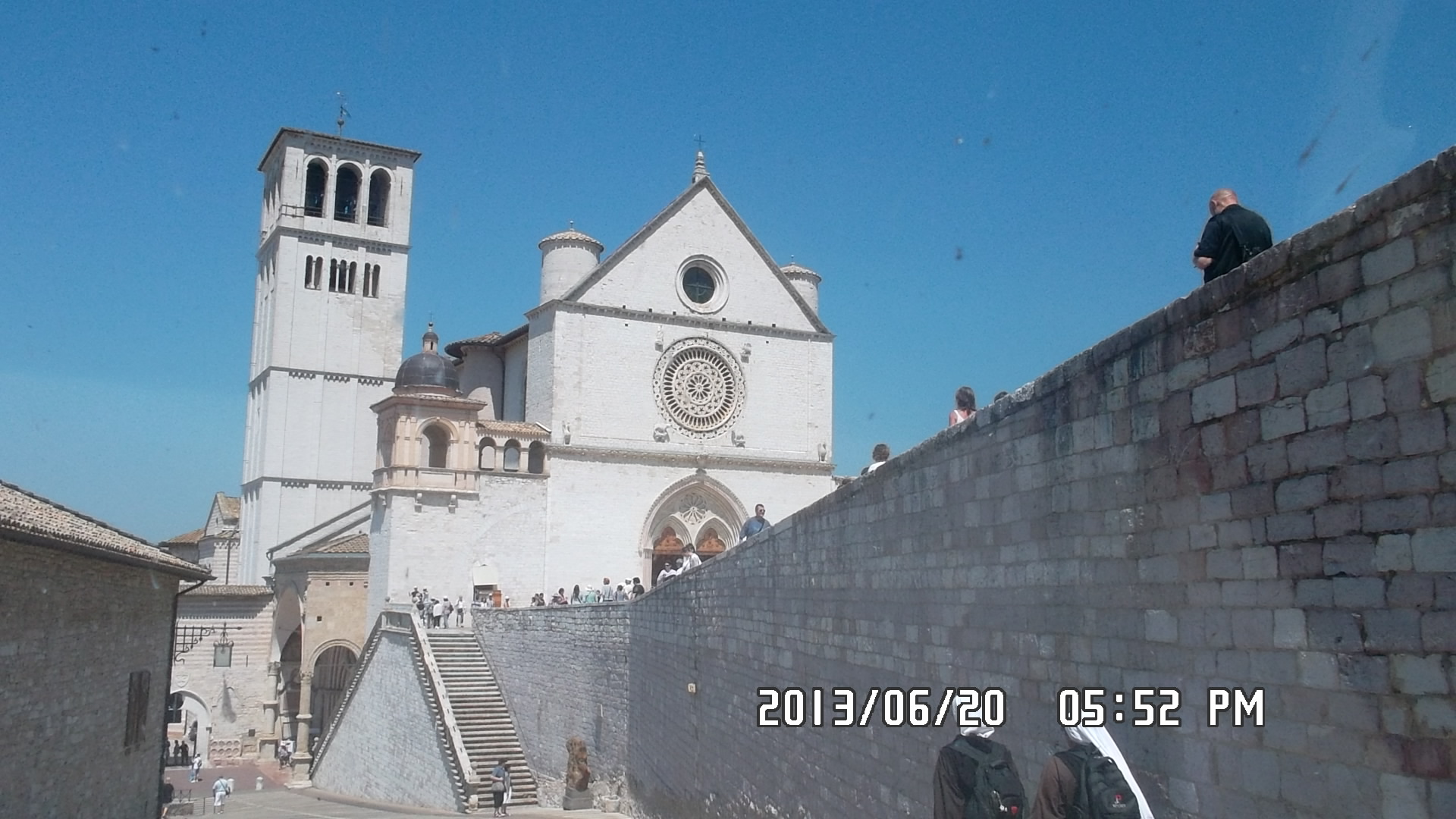
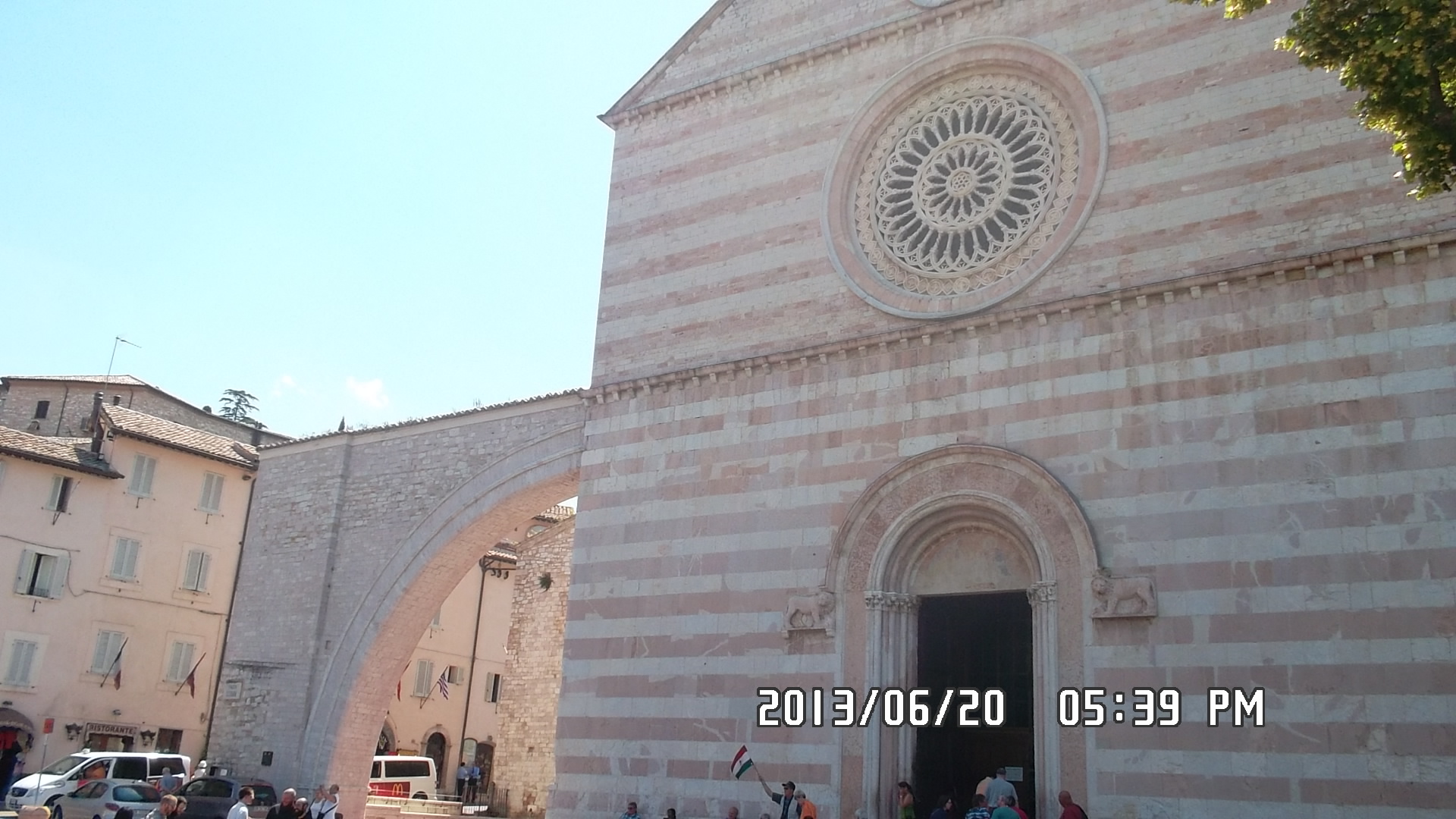
What the book suggest is to travel more this year. That’s what I actually intend to do. So my first order of the year was to book a flight to my favorite country. The purpose is to go on a pilgrimage. The last time I did that was on the 100th year anniversary of the apparition of the Blessed Virgin Mary in Fatima, Portugal in 2017 (which I wrote about in my earlier article “Dear Mama Mary”). It’s been almost 3 years since then. This year, I intend to go back to Assisi, the place where the tombs of two of my favorite saints (St. Francis and St. Claire) are enshrined. The first time I was there (almost 7 years ago), it was more of a destiny fulfilled. This time, it is to regain my good spirits. What better way to fill that void and emptiness than feeding one’s spirituality.

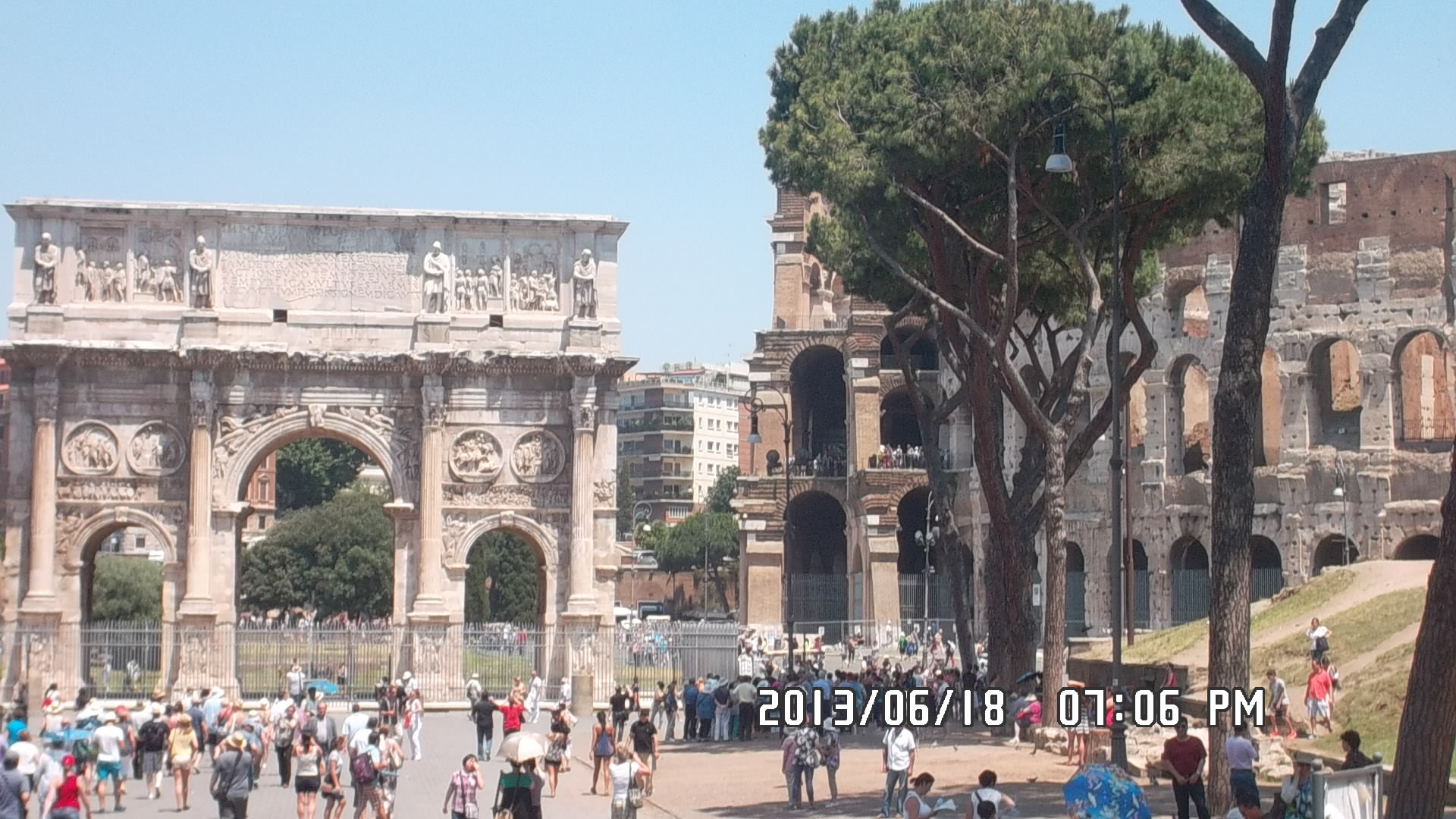
Arch of Constantine and Palatine Hill (Rome)

So I’m going on a short retreat, a spiritual journey. But before that, let me share my past trips to Italy. My first time was with my folks, who were also with me in Assisi. We flew to Rome from Manila and stayed there for a week (including the side trip to Assisi). That was the time when Air China was offering business class seats for $999 (before taxes and surcharges) which I got during the annual travel expo. Preparing for that trip wasn’t a walk in the park. First was getting my folks the visas. I hate to admit it, I had to tap family connections for that (I’m unapologetic though, knowing that I did it for my folks and not for myself). I was particularly concerned for my Dad, since it would be his first travel abroad (my Mom has a US visa and has traveled a few times before). Unlike me who is a wanderlust, my Dad is the exact opposite. He doesn’t really like leaving home. The last time he moved was when he left his hometown to marry my Mom. He never went back. Not that he dislike traveling, he just like the stability of being at home (that’s probably where I got my sense of stability). Second, because of their advance age, it was hard to find an insurance company that can cover their travel insurance. I have to shop from different travel agencies for the best coverage (only a few insurance companies cover senior citizens) and it doesn’t come cheap. So I did all these while still being very effective at work. I should get an award for being very good at multi-tasking.

Rome and Vatican City

Vatican City

In Rome, we stayed at Mercure Roma Piazza Bologna using my Accor card. Odd thing happened upon check-in. I thought the rate published online (member’s rate) is the price of the room regardless of occupants. So while booking the room for my folks, I may have inadvertently placed 1 occupant (since I’m used to just booking for myself). I was told that the price is different if the room is occupied by 2 persons. Tired and weary from the long flight, I didn’t argue anymore and paid the extra surcharge for their room. I thought this can only be true in Italy. So off we went to our separate rooms to get that much needed rest from jetlag (especially for me who did all the lifting and dragging of our luggages).

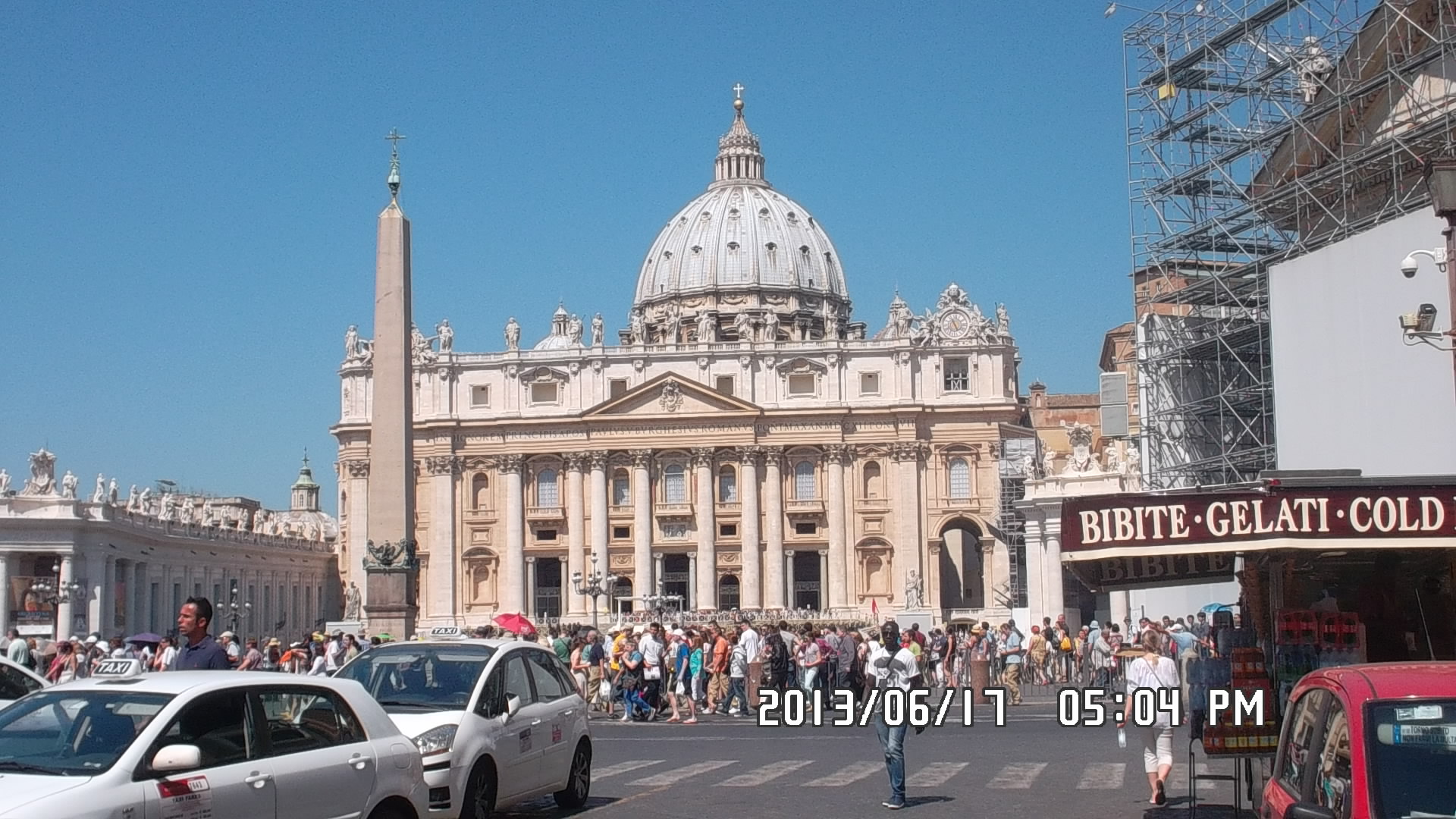
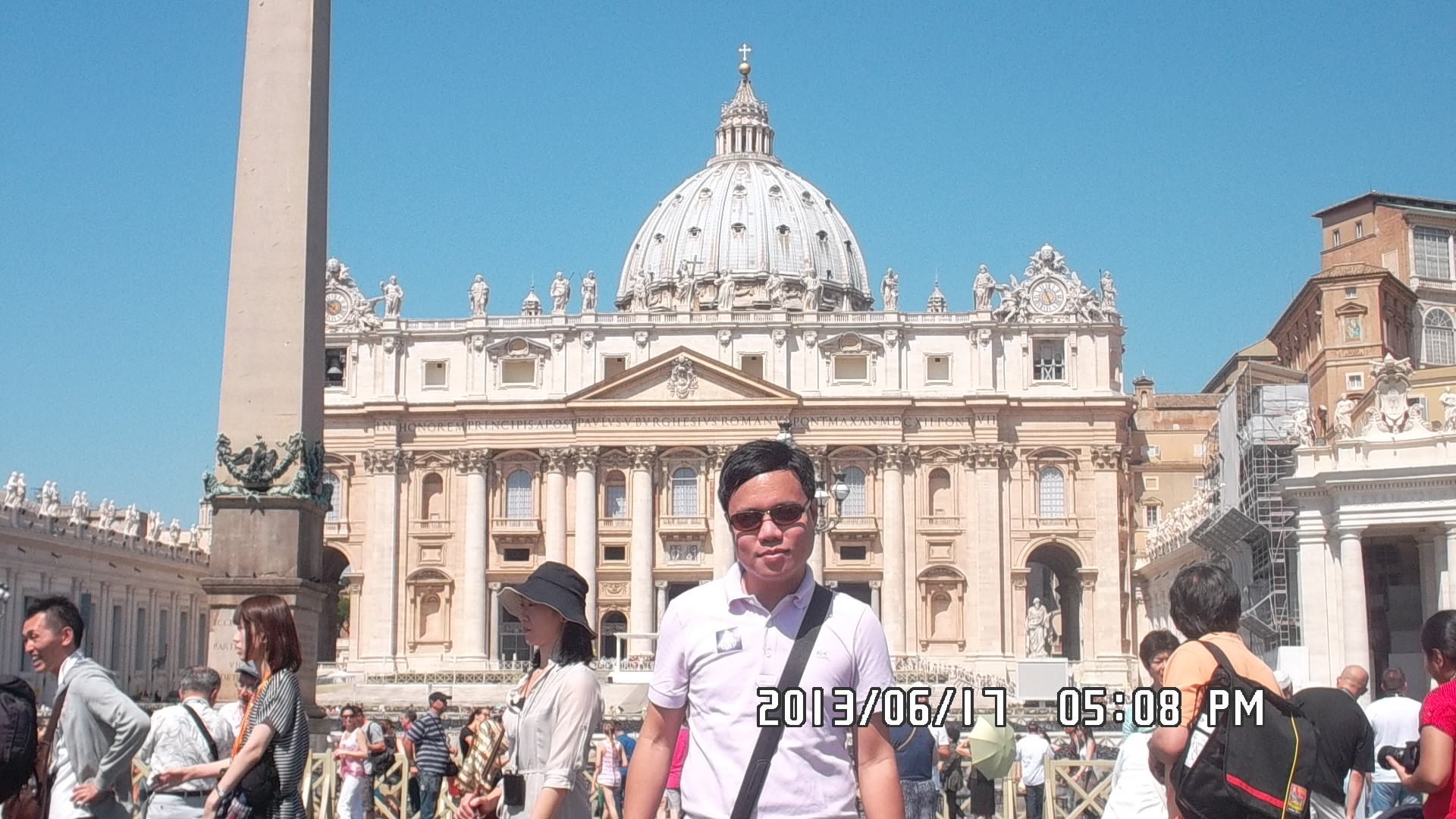
St. Peter’s Basilica and Square

The following day, I could sense during breakfast that Dad was excited to go sightseeing. Our first stop was St. Peter’s Basilica and Square in the Vatican City. In pictures and on TV, it seems grand and humongous in scale. While there, it wasn’t really, visually. That’s the first of many feelings of being underwhelmed that I went thru while in Rome. Maybe I have put my expectations of Rome at such unreasonably high levels that I may have overlooked how beautiful and right-sized it was. As they say, TV adds ten pounds to a person on it, so maybe it made an average sized basilica and square look like large structural wonder on a massive square. When we arrived, the square and the surrounding areas were packed mostly by bikers. Initially, I thought we were in the wrong place (the underwhelming scale and the crowd of leather attired bikers made us wonder if we were in the right place). It was actually the canonization of the patron saint of bikers (if I remember it right) with Pope Francis leading the rites. We stayed a while in the vicinity and after the rites have concluded and the crowd started to disperse, we made our way to the square. A few photo ops later, my Mom asked “So where is St. Peter’s Square?” I said, “Mom, you’re standing right there.” She laughed, but still had that confused look, probably still wondering whether we are in the right place (she later said that the square looks larger on TV). Aside from the usual tourist crowd that was bustling in the square, there were also robe and rosary beads attired beggars doing their thing. I saw Mom giving alms to every beggar that approaches her that soon started to build up around her. She was giving at least one euro coin each and I was petrified. I said “Mom, why are you wasting money on alms?” Giving me that quizzical look, she retorted by saying that we should give something because they look holy. Huh? (place face palm emoji here) Rather than start an argument, I let her be, until she ran out of coins. A few visits to the square later, she probably realized that not only she’s giving some 60 pesos or more worth of alms to each beggar (which you can already buy a McDo Happy Meal in the Philippines), but that they are no different from street beggars at home, most likely ran by a syndicate. I let out a sigh of relief when she started saying no even if they look “holy”.

Meet my folks, the fashion appropriate Mr. & Mrs Smith (kidding). Thank you for the good genes (and not so much for the bad).

I was able to secure skip-the-line tickets for me and my folks and we were ushered directly to a private door of the basilica. Inside, it was beautiful. Just like every other church, cathedral, or basilica in Rome, the interiors are adorned with murals, intricate sculpting, and mosaic windows. Probably overwhelmed with the beauty and sacredness of the place, I saw Dad in tears. It was my first time to see him cry. Both my parents are devout Catholics, so I would understand if he’s a bit upset because of the impact of being at the center of Catholicism. So I asked “Dad, why are you crying?” He replied “Indi ko ma imagine na makalab-ot ako diri” (I never imagined that I could be here). Those were definitely tears of joy. I’m not sure whether it’s because he just experienced for the first time the joy of travel, being in a sea of tourists from around the world, or that in the deepest recesses of his mind he had always wanted to see this place every time he sees it on TV only that he didn’t have the opportunity. So having seen him that happy was priceless.

The Colosseo Arena (Rome)

We went to see other religious spots as well. Not very far from the basilica and square is the Sistine Chapel, famous for the art work that Michelangelo did on its ceiling. Outside of Vatican, we saw a lot of chapels, churches, and cathedrals (as in a lot). Two of my favorites are St. John Cathedral (Basilica di San Giovanni in Laterano) and Basilica of St. Mary of the Angels (Santa Maria degli Angeli e dei Martiri). I like the former because to me, it has the most beautiful interiors. It’s like being in a museum or a palace filled with works of art. The latter was special to me, coz when I entered the place, there was this whiff of cold air that welcomed me, something that I’ve never felt before, like a soul or spirit that has been waiting for my arrival. Maybe my guardian angel’s way of telling me that I’m in a holy place, a very good place. I’ve never felt so peaceful and calm and blessed.

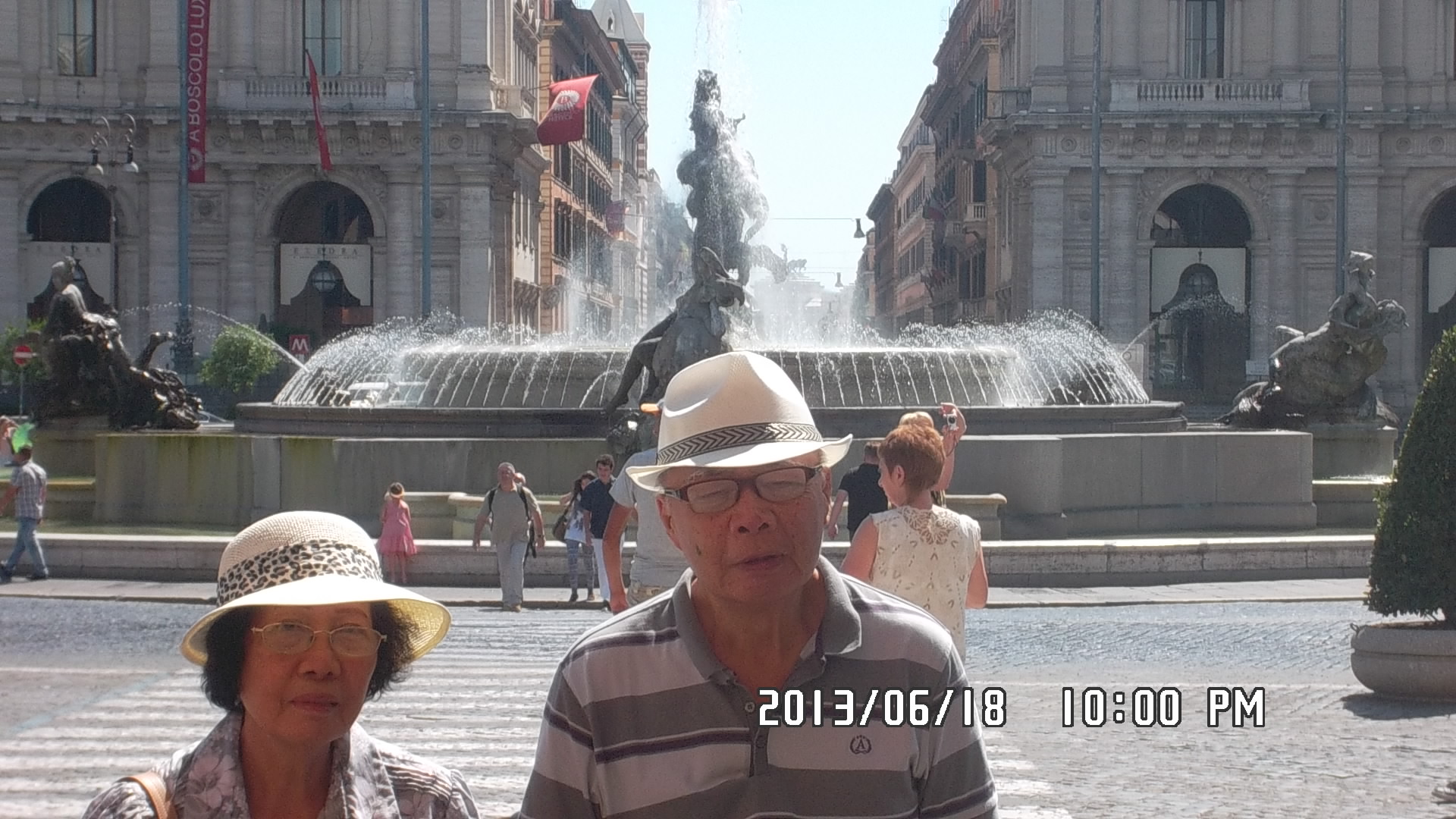
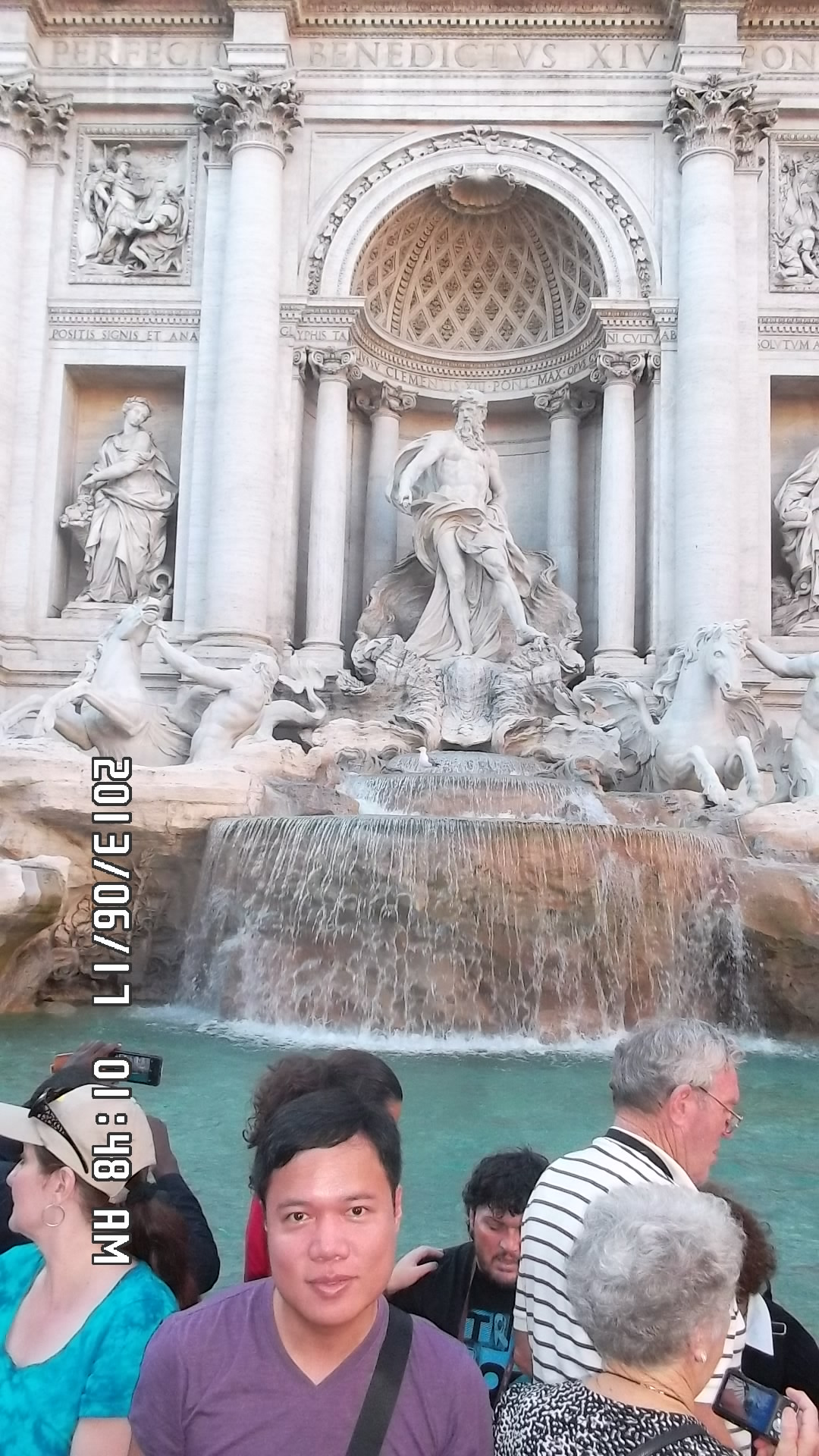
(Left) Dining al fresco; (Right) Trevi Fountain

Of course we didn’t miss the must-see tourist spots. There’s the imposing and very popular Colosseum. The ruined facade is as magnificent as the concrete arena. I’m just awed with everything inside and outside of this ancient ruin. Not to be missed is the Trevi fountain (where you throw in a coin and make a wish), where one of my wishes was to return someday, and looks like it’s going to happen. Other notable spots are the Pantheon and Piazza Navona. Another spot, the Spanish Steps, is attractive not so much for the steps but for the dining options around the area (we’ve found some good restos around Vatican and Trevi fountain as well). One thing that I love about Italy is the food. Anything Italian is just delicious. From pasta to pizza to gelato, My Dad’s eyes would light up every time he hears gelato, like a kid in a toy store (though my Mom would always remind him of his sugar levels). We tried different restos and dishes that there were times that I would crave for fastfood because we ate Italian all the time, but I know for a fact that my folks are not really fond of junk food. Maybe that’s the reason why they were able to endure all the walking, particularly with my Dad who had a mild stroke a couple of years earlier and has mobility concerns since then. It just amazed me how much walking he did without any untoward incident. Maybe the Italian or Mediterranean diet did wonders for him.

Assisi

Approaching Assisi (Italy)

When I was younger, I dream of visiting Assisi. I don’t know why and why I’m fascinated with the place. All I know was that it’s the birthplace of St. Francis and St. Claire, two of the saints I would pray to especially in times of need. Maybe it’s some kind of a religious or spiritual calling, but the two have been good to me that both have been my go-to when I pray for divine intervention. So I made sure that I had Assisi in our itinerary in my first trip to Italy. I have to face that calling. I have to fulfill that destiny.

Assisi, Italy

I booked a chauffeur driven limo to take us to and around Assisi. Though there were cheaper options, I cannot put my folks on a train or in a tour bus from Rome. The former would be grueling for them, the latter would deprive us of the time to reflect and savor the place. The driver picked us up from the hotel. Mom and Dad were already waiting in the lobby when he arrived and as usual I was running fashionably late. While waiting for me in the car, Mom struck a conversation with him and like any typical Filipino mom, she shared that I’m an accomplished finance professional back home. So the driver’s initial impression was that he’ll be meeting an older, respectable, gentleman. When he saw me come out of the hotel, wearing a collared shirt and shorts and got into the car, he was surprised. He said I looked like a 28 year old yuppie (well, he didn’t exactly say yuppie, but you know what I mean). So after all the pleasantries, he took us to a 2 hour drive to Assisi.

St. Francis Basilica (Assisi)

While approaching Assisi, I can see this old city perched on a hill. I know then why I was drawn to the place. It looks and feels familiar, like I have been there before. You may call it deja vu, but I can’t shake off that feeling that maybe I have lived there before, in my past life. Or maybe it’s just faith that’s messing up with my mind. Whatever it was, it can’t be denied that the place is beautiful. When we arrived, we could already feel the warmth, tranquility, and serenity and the gentle breeze of fresh air that welcomed us. In spite of its old charm, the feeling was refreshing.

St. Francis Basilica facade (perched on top of a hill)

So I finally paid my respect and homage to the tombs of St. Francis and St. Claire enshrined in their respective basilicas. St. Claire’s remains are still intact, a miracle by itself. Mom thought it was a statue, but I have to explain to her that St. Claire’s body hasn’t really decomposed over the centuries and just preserved by wax.

Dad checking out his sandwich while Mom chatting with the driver

Over lunch, the topic of conversation was my youthful looks and truffles (not the chocolate but the garnish). The driver can’t get over the fact that I was not in my 20’s anymore. So I told him that he’s just sweet talking me, but to prove that he’s not, he called the waitress and asked her how old does she think I was. She said I look late 20’s. Not satisfied, he called another resto staff. She said I look like a 21 year old lad. Flattered with all the compliments (who wouldn’t?), I shifted the subject to truffles, since most of the dishes we ordered were garnished with the same and I was very curious about it. Apparently, truffles are harvested by hand underground, like root crops, and it’s not something that can be grown or cultivated like in a garden or farm. Since it’s very organic and rare, it’s very expensive. But most Italian dishes, particularly pastas and meats are garnished with it, as it seems to elevate flavors and aromas. If you have tried truffle pasta, you’ll surely know what I mean.

St. Claire Basilica (Assisi)

My first trip to Italy left a good and lasting impression on me. It is first and foremost a family destination. The memories that I had with Mom and Dad in this country I will cherish forever, knowing that I’ve spent and witnessed some priceless moments with them. Second, this is the mecca of Catholic faith, belief, and spirituality. With plenty of sacred grounds to cover, this is a good place to embark on a spiritual journey, to find oneself in times when one is feeling at the crossroads of life. Third, we love the food as much as Italians do and it’s not just because of the flavors and aromas but the health benefits of Mediterranean diet. Fourth, the ancient charm and abundance of ruins and artifacts are lessons of humanity that today and future generations can learn from. I love Italy not because of its beauty, but because the country feeds the mind, the body, and the soul.

Up next: Naples, Pompeii, Amalfi Coast, and Capri

Saigon: Manila on Bikes

Travel Buzz

Saigon, Vietnam

Vietnam marks a milestone in my travel life. It is the 30th country that I have visited (8th in Asia) and Saigon (now known as Ho Chi Minh City) is the nth city/place that I have been to (I’ve lost count of all the cities, towns, and places that I have seen in all 5 continents that I have set foot on). Vietnam has always been in my radar, but just like Japan, I have no explanation as to why it took me this long to finally book a flight and visit one of its cities. Maybe the proximity to my country made me think that it’s very accessible that I can visit it anytime I want (hence I’ve prioritized travelling to countries that are farther and require plenty of planning and preparation).

Bikes everywhere!

I decided to visit Vietnam last December when I came across an online article that puts the said country in its top ten countries to visit. I’ve been to 7 out of 10 in the list (the other 3 were Iceland, Vietnam, and a South American country I forgot), so I thought why not squeeze in Vietnam in my travel itinerary for the Christmas holidays so that I could claim bragging rights that I have been to 8 out of 10. I have already booked a Thai Airways return flight to Bangkok from Manila using my Krisflyer miles (see my previous article “A Tale of Two Pattayas”) so I thought maybe I could book a return flight to Saigon from Bangkok and just take my return flight to Bangkok hours before my return flight to Manila (so that I don’t need to spend an extra night in Bangkok and will save me airport transfers). I chose Thai Airways as well for the Saigon leg, so that I can have my check-in luggage sent directly to Manila on my return flight (unlike if I took a different airline where I have to pass thru Bangkok’s immigration upon arrival, claim my checked-in luggage from the carousel, and check in at the departure area, and pass thru the immigration again). Though my Thai Airways return fare to Saigon was not cheap (compared to regional budget airlines), I thought it was a hassle free travel and was happy with my decision.

Pullman Saigon Centre

Saigon is not really unfamiliar to me. The name of this place has been planted in the consciousness of Filipinos in the late 80s when the creators of the hit West End and Broadway musical “Miss Saigon” came to Manila to hold auditions for roles in the production including the lead role of Kim, the main and tragic character and center of the story. After a worldwide search for Kim (you can check out the documentary in YouTube), they have finally found not one but two potential Kims in Manila (Grammy nominated artist Lea Salonga, now popularly known as the singing voice of Princess Jasmine in the song “A Whole New World” in Disney’s animated movie “Aladdin” and Monique Wilson), where Lea was chosen for the said role (and later claimed a Tony award for Best Actress, probably the first Asian to win such award) and Monique as her understudy. There were other Filipinos who got secondary roles, so it ended up with mostly Filipino cast. If I were a bit older and already living in Manila then, I would have auditioned as well. Yes, I can sing and act, and my musical credentials include auditioning and being cast for a role in a local production of “Joseph, The Dreamer” that ran for 6 nights with full house each night (so I can say it was a hit musical production, from local perspective, which I remember I wasn’t paid because the proceeds went to charity, and I just did it for the love of the arts and philanthrophy) and was a member of my high school choir that won the competition to represent the region in the National Music Competition for Young Artists (NAMCYA). Years later, my sister, brother-in-law, and I were able to catch Miss Saigon at West End during its revival run in London (the lead male character, The Engineer, which role was originated by Oscar nominated actor Jonathan Pryce, was reprised by a Filipino theater actor named Jon Jon Briones in this production, who was splendid by the way in the said role). So going back to Saigon, it also helped that this city is at the center of the Vietnam War as presented in our history books (as well as in the musical), so I thought this is one place rich in history as well as in culture.

My upgraded room (Pullman Saigon Centre)

I booked a room at Pullman Saigon Centre using my Accor card. Though a high-end hotel, it wasn’t really pricey (Saigon is not an expensive city) so I thought why not enjoy a little luxury for a mid-scale hotel price. I was also surprised that my reserved room got upgraded. They gave me not only a bigger room (looks like a junior suite), but a corner room that has a 180 degree view (with floor to ceiling windows, it really gave me a very nice view of the city from my room). Check in was a breeze, and as usual got a free drink voucher (one of the perks of being an Accor member) which I availed at the Rooftop Bar on Christmas eve, enjoying my favorite cocktail for free. The location is also good, where it is just a few minutes walk to the Walking Street, and a few minutes ride to various places of interest.

Saigon skyline at night

What strikes me about Saigon is that it looks and feels like Manila. Some areas remind me of Quiapo, Ermita, and Sampaloc (I live in Makati City, the central business district, and I don’t go and see places outside of Makati anymore). It felt like I never left home. The resemblance is uncanny: hole in the wall business establishments, construction boom, gentle and solicitous people, a mix of the old and the new. Maybe I was in the wrong side of the city, but the abundance of French colonial heritage that I was looking for was not there (or is it in Hanoi?). What I did see a lot though were motorcycles!

Ben Thanh Market

But before I get started on the bikes, I did see some of her tourist spots. First stop was Ben Thanh Market, apparently one of the must-see in Saigon. This one reminds me of the Grand Bazaar of Istanbul. Housed in a covered building, rows and rows of stalls selling all kinds of stuff (food, clothing, souvenirs, designer knock offs, coffee beans, etc.) that to a certain saturation point, it starts to feel like a monotony where you see the same stuff all over again (unlike Istanbul’s Grand Bazaar where there is so much variety like gold, jewelry, spices, carpets, art works, etc.). One thing to take note though is that even for a jaded traveler and bargain hunter and expert haggler, sometimes you can still get fooled by sweet talk and sad stories. In my case, this happened when I was eyeing a souvenir item where the seller was telling me about her day (that she hasn’t sold an item yet and has nothing to bring home to her family) and she’s selling the said souvenir at a discounted price. Though I was able to haggle for a much lower price, I realized a day later (after seeing the same item in another location) that I got ripped off. The price is lower in that location compared to what I thought was already a good price (so looks like she upped her retail price by 3x to make her discounted and the final price look like a good buy). Though travelers don’t have the luxury of time to shop for prices for a simple souvenir item, it is still worth being on your guard for vendors who use sad stories as sales talk and try to strike a chord or pull at heartstrings as sales strategy. I may be too naive to know that (in spite of all my travel and life experiences), being an empathic and generous person, but I know that I am still a work-in-progress, and have learned to quickly move on from the feeling of being a victim and just let karma takes its course.

Notre Dame Cathedral (Saigon)

Next stop was Notre Dame Cathedral. Though I wasn’t expecting it to be grand, but still left me underwhelmed. I’ve seen her sister in Paris (before it got razed by fire last year), and she doesn’t come close in terms of beauty, character, and intricateness. Her European sister was very gothic, both exteriors and interiors, where you would even feel the eeriness inside (that’s how goth it was) while hers looks more like Spanish (like the cathedrals in my country) than French heritage. No one was allowed to go inside, so I cannot describe how it is or what’s in it, The gardens outside though are nice, which remind me of the gardens in between Hagia Sophia and the Blue Mosque in Istanbul.

A tale of two cathedrals: (left) Notre Dame Cathedral Saigon; (right) Notre Dame Cathedral Paris

Right across the cathedral is the old postal office building where the main attraction is the facade of the building. Nothing spectacular, just another French architectural heritage for you to admire. Inside, it is now full of stalls and kiosks selling all kinds of stuff (like a smaller version of Ben Thanh Market and this is where I found that same souvenir item at a lower price). Another tourist spot is the Independence Palace, which is on the other side of the large park across the cathedral. The architecture is of modern design (like that of the 70s/80s) but I didn’t check out what’s inside (there’s an entrance fee and I wasn’t really in the mood to be reminded of how dreadful wars are). Around the area are nice cafes and restaurants to hang out (particularly on the sides of the large park) and her two biggest malls (Vincom Center and Saigon Centre) are just a few minutes walk away.

Old Central Post Office (Saigon)

You can actually see all these in one day by just walking. You can start from Ben Thanh Market, then walk towards Saigon Center. From there, you can walk to the Independence Palace. You can take a quick detour to Vincom Center, then back to the Palace and have a leisurely walk across the park to get to both Notre Dame Cathedral and the old postal office. So you think that if I’ve known better, I would do all these in one day by walking? Hell no! This is where I get started on the bikes.

Independence Palace (Saigon)

Simply put, there are just too many bikes. They take up every iota of space available including the sidewalks. The worst part is that no one seems to follow road courtesy. I’m not even sure if there are any road safety regulations. In other words, there is just no discipline. You try to cross the street when the pedestrian green light is on, yet you’ll still be cut off by bikes. Some are even counter flowing. The sidewalks are different battlefields (or more like minefields). Here, there are no road lanes and traffic lights (it’s a sidewalk for Pete’s sake) so in their minds, it’s free for all. No rules. Everything’s fair game. I love to walk while exploring a new place, but I’ve never been so scared walking in all my travels.

Walking Street (Saigon). Even this street is not spared by bikes (right).

No wonder I don’t see many locals walking (it’s normally just tourists you see walking). Every local seems to own a bike. Saigon is a good place to walk, but because of the sheer number of bikes on the road, for me it’s one of the most dangerous places for walking. If you dare to walk, you need to further expand your peripheral vision (more than 180 degrees if possible). Coz you’ll know exactly what will hit you. Even the so-called Walking Street is not spared. Unlike its namesake in Pattaya, half of the stretch here is still used by bikes. So it’s pretty ironic that it’s called “walking” street, when you won’t expect that it’s gonna be bike free (as ironic as side “walk”).

Dining at two of my fave restos in Saigon: Dim Tu Tac & Crystal Jade Kitchen (Saigon Centre)

So how did I get by while I was there? I took the Grab (Southeast Asia’s version of Uber) most of the time. It’s not expensive (normally a dollar from my hotel to Saigon Centre during off peaks). I would take Grab even for short distances (which I would normally walk under different circumstances). I would rather pay for a ride than risk walking. That’s how much I value my life.

Would I go back to Saigon? Nah. Probably not. It’s Manila, only on bikes! I just hope Manila doesn’t evolve into another Saigon. A daunting prospect that actually gives me the chills.

Enjoying the rooftop view with my fave cocktail (Rooftop Bar, Pullman Saigon Centre)

A Tale of Two Pattayas

Travel Buzz

Pattaya, Thailand

I would normally hie off to beaches during the Christmas season. That has been my yearly practice, not so much because of the cooler weather this time of the year but to just get out of the Philippines where this season can be very stressful. To those who haven’t been to the Philippines this time of the year, this is the worst place to be in given that almost everyone is outside of their homes either to be somewhere to have endless Christmas lunches and dinners. or to do piece meal shopping for gifts and groceries, or to see the Christmas displays and lights in malls and parks. These create the most horrific traffic in the metropolis, worse than any given day (traffic is already horrible on normal days), especially where I live (Makati City which is the central business district) where getting from point A to point B would be an epic journey. Cases in point: just driving to Rockwell Center where I would normally go to watch a movie, dine out, or do my shopping would already take me about an hour when it’s just 1.7km from where I live; getting to see my orthopedic surgeon for my post surgery consult will take me about the same time when it’s only about 2.9km from my place. Not to mention that you have to contend with reckless drivers, both in cars and on motorcycles. So you can imagine my stress and frustrations during this time of the year when you cannot do your usual routine without having to go thru this road ordeal.

Stress-free holiday (Pattaya Beach)

That’s why I have created by own tradition and I am unapologetic about it. I may sound like a Christmas grinch, but I already have so much Christmas memories from the old tradition that I’d rather make a new one that is stress-free. And what better way to stay free from being stressed than the soothing effect of the sun, sea, and sands. This is where Thailand comes to mind, which is one of my favorite Southeast Asian destinations. I have discovered Pattaya for the first time last year, and I thought why not go there again to see the other side.

Dongtan Beach

Yes, there are two sides of Pattaya. Just like Bali (where you have the main beach Kuta and the quiet side that is Nusa Dua), Pattaya has main beach called Pattaya, and the quiet side that are Jomtien and Dongtan beaches. Same as last year, I booked a flight via Bangkok using my Krisflyer miles (Singapore Airlines frequent flyer program). For 40,000 miles, I got a roundtrip business class ticket for Thai Airways (member of Star Alliance along with Singapore Airlines) and only paid about $70 for taxes and surcharges. Not bad given that this is a direct flight, compared last year where one leg of my flight was with Singapore Airlines where I have to spend a few hours layover in Singapore airport. I arrived in Bangkok late in the night, which is fine given that I don’t have to contend with bad traffic if I have arrived earlier in the day.

My hotel room in Bangkok (Novotel Bangkok Silom Road)

Same as last year, I booked a room at Novotel Bangkok Silom Road using my Accor card. What I liked about this hotel is that aside from its location, it offers a value-for-money buffet. For 299 bht and 700 bht for lunch and dinner respectively, I can eat as much fresh shrimps and mussels as I want along with other fares such as salmon and kani sashimi, kebab, pasta dishes, pastries, and fruits. The only difference is that dinner offers unlimited alcoholic and non-alcoholic drinks and frozen desserts. I love the fresh shrimps (red shrimps and river shrimps) that are so delicious (the red shrimps have that sweet taste that makes it different from the ordinary shrimps here in the Philippines; the only time I have tasted shrimps this good in it’s fresh form was in Lisbon, Portugal). So for the price it was worth it. Not only the food was good, but the room was also value for money. For less than a $100 a night, I got a spacious room that came with the basic amenities. My only complaint is that it didn’t come with bathrobes and slippers, the only stuff that I would love to have in a hotel room (I can do without the other amenities as I bring my own bath essentials when I travel).

Eat-all-you-can buffet (river shrimps, red shrimps, mussels, & squid)

I used Klook for the first time for my airport transfers as well as city transfers (Bangkok to/from Pattaya). I find their prices reasonable and it was actually very efficient. Unlike last year where I have to queue outside of the airport arrival area to get a taxi ticket number and wait again for my turn to get a cab (that could take a while especially if there aren’t as much cabs as passengers), with my pre-arranged airport transfer, all I did was to look for the Klook kiosk inside the airport arrival area and the rep called my designated driver and ushered me out of the airport when the car is already on its way to pick me up. So it was less hassle than before, plus the fact that you have to wait inside the airport instead of outside, where you can avoid the heat and the pollution outside.

My room in Pattaya last year (Rabbit Resort Pattaya)

It would take about 2 hours to get to Pattaya from Bangkok by car. That’s why I arranged for a premium car (Klook provided me with Toyota Fortuner) for a smoother ride given that I just had spinal surgery and I wanted to have a more comfortable road trip. Last year, I stayed at Jomtien/Dongtan area, where I booked a room at Rabbit Resort Pattaya. The reason why I chose this non-Accor hotel was because it is one of the few hotels in Pattaya that offers a resort vibe. The rooms are villa-like, where the interiors look like a traditional Thai house. So it’s not your typical hotel room that looks tired and dated. The hotel is owned by a Thai husband and an American wife whom were introduced to me during my stay. If my memory serves me right, the name of the hotel actually came from their surname, and not from that Easter bunny. The wife is actually the one who was around most of the time, meeting and entertaining guests, so the service and hospitality were more personal than casual (similar to my accommodation in Santorini). Since I also booked the Christmas eve dinner in the hotel, she invited me to join her and her husband, along with her two nephews from the US who were visiting Pattaya for the first time, in their dinner table, knowing that I was travelling alone. It was a sweet gesture, but I didn’t want to intrude in a private family affair, so I politely declined.

Jomtien Beach

The reason why this is the quiet side of Pattaya is because the area is less crowded with lesser commercial establishments than the main beach. There is a restaurant row in the commercial center where I reckon the food was good, as well as convenience stores and shops, but other than that, there are no malls or attractions that will keep the crowd in except for the beaches. But the perceived serenity and privacy of the area also attract the wrong kind of people. Not the petty thieves but the sexually obsessed ones. Not sure if it’s because I look like a local, but that doesn’t give foreigners the right to treat locals like sex objects or commodities, particularly in public (unless if you are in sexually charged streets or establishments which are not uncommon in this country). Maybe such behavior is tolerated in this country’s culture (hence the choice of word “obsessed” rather than “perverted” cause that behavior towards locals could be the new normal). Just to give you an idea. I was having lunch al fresco along the beach road when this burly white guy stopped on his track, stood across my table, and made sexual gestures (it seems like he wanted to get off al fresco with matching tongue action). Rather than get offended (I’m already used to guys making sexual and non-sexual overtures in my travels), I actually found it amusing and awkward coz I’m not sure if he was trying to seduce me, harass me, buy/hire me, or just trying to be sexy. Good thing I was wearing shades (so no direct eye contact), so I stared back and gave a smirk (like ‘eh’ or ‘meh’). He just eventually walked away, licking his bruised ego. That incident didn’t happen once, but I have mastered the art of fending off unnecessary attention from these type of guys.

Temple of Truth

On my way back to the resort from Temple of Truth last year, my cab passed by this area that I thought didn’t exist. It was along the promenade of the main beach where there are these hotel and restaurant rows as well as malls and shops. The area reminds me of Gold Coast in Australia (where I spent the Christmas season a couple of years earlier) that has that Miami vibe. That’s why this year, I decided to go back to Pattaya and stay in this area, to experience what this side of Pattaya has to offer. Here, it’s like a melting pot of the world (like NY), where tourists from all corners abound. You know that your city has arrived (from a tourism perspective) when hordes of mainland Chinese tourists are dropped off and picked up by tourist buses. This is true across all popular cities around the world that I have been to lately. Though I try to avoid crowds like this, but I also cannot give up a place that has the right balance that I’m looking for, where you can have the sand and the sea and soak in the sun on one side of the road and the convenience of the malls and your hotel where you can cool off from all the sweating and enjoy some good food, cold drinks, and even movies on the other side of the road.

Relaxing on the lounge by the poolside (Hotel Baraquda Pattaya MGallery by Sofitel)

I booked a room at Hotel Baraquda, which counts among the M Gallery collection of Accor hotels around the world. It’s a boutique hotel, so it’s not massive like other 5-star hotels in the area. But in spite of its smaller scale, the room is spacious with its own balcony that has pool view. It came with bathrobes and slippers among other amenities (as should be) and what makes this room different from the other hotel rooms that I have stayed in was the lighting control that you can set depending on your mood. But just like any hotel room, it looks and feels tired and dated. Even the towels need to go (rough and worn out like those in Novotel Bangkok Silom Road) and should be replaced with new, fluffy sets.

My room in Pattaya this year (Hotel Baraquda Pattaya MGallery by Sofitel)

The area is a far cry from the side of Pattaya that I stayed in last year. One thing I’ve noticed is that there seems to be as much massage parlors as restaurants in the area. Like for every two restaurants, there would be a massage parlor in between, I wonder whether these establishments actually make money given the competition. Then there are the big and small malls. The one I would frequent to was the Central Festival mall, which was not only close to my hotel (there were at least two smaller malls that were nearer), but it has everything that I look for in a mall. I was glad to find an Ippudo branch there (for my favorite Akamaru ramen) as well as new finds such as the Shabu Shi by Oishi, an eat-all-you-can shabu shabu place with a buffet of sushi, sashimi, and tempura, a drink buffet (different soda and green tea variants), and your choice of ice cream and sherbet, all for 419 bht. When you enter the place, they would ask you to choose among the four broths (chicken, tom yum, a black broth that was on the sweet side, and a milky broth that I didn’t try). Then they will usher you to a seat facing a moving belt of raw proteins (the ones I liked were pork belly sliced thinly like bacon, crystal shrimps, clams, and fish fillet) and vegetables for you to pick up and dip into the boiling broth of your choice. It takes about a minute or two for the protein to get cooked (you know when they’re ready once they started floating) and once drained of the excess broth and into the plate, I would dip my chopsticks on the chili sauce provided separately and tap the meat to give it a thin spread of the sauce, just enough not to overpower the taste and heat of the cooked meat. I enjoyed it so much that I went back almost every lunch and had dinner once as well (I would suggest lunch though since it looks like lunch leftovers were the ones being served for dinner). The mall also has cinemas where I got to catch the latest Star Wars franchise (The Rise of Skywalker).

Eat-all-you-can shabu shabu (Shabu Shi by Oishi, Central Festival Mall, Pattaya)

Another thing that I loved about Thailand is the Japanese influence on its food and consumer goods. Aside from those Japanese restos that I have mentioned, a lot of other Japanese restos abound both in Bangkok and Pattaya, There is even a level in Central Festival where Japanese restos mostly occupy the whole floor, aside from the predominantly Japanese kiosks at the basement food court. The supermarket in the mall carries Japanese products (like those in Isetan store in Central World Bangkok which is a specialty department store carrying Japanese products level after level), so if you are fond of anything Japanese or Thai, you only need to be in Bangkok and/or Pattaya to enjoy the best of both worlds.

(Left): Akamaru ramen and spicy gyoza (Ippudo, Central Festival Mall, Pattaya); (Right): Sushi & sashimi (Shabu Shi by Oishi, Central Festival Mall, Pattaya)

The Pattaya that I know now is different from the Pattaya I knew then. The place that I knew then may be quiet and peaceful, even sweet, but has some unexpected dark side to it. The place that I know now is lively, noisy, crowded, and sexually charged environment, yet no surprises, knowing fully well what to expect given its seedy reputation. This is where it gets interesting, where even the sexual undertones of Walking Street hasn’t prevented it from becoming a family destination just like Amsterdam’s Red Light District which has become a major tourist spot in that part of the world. In contrast, the Pattaya I knew last year has become a shadow of the Pattaya that I know now, where from my vantage point, this year’s Pattaya looked wholesome and harmless, in spite of popular belief.
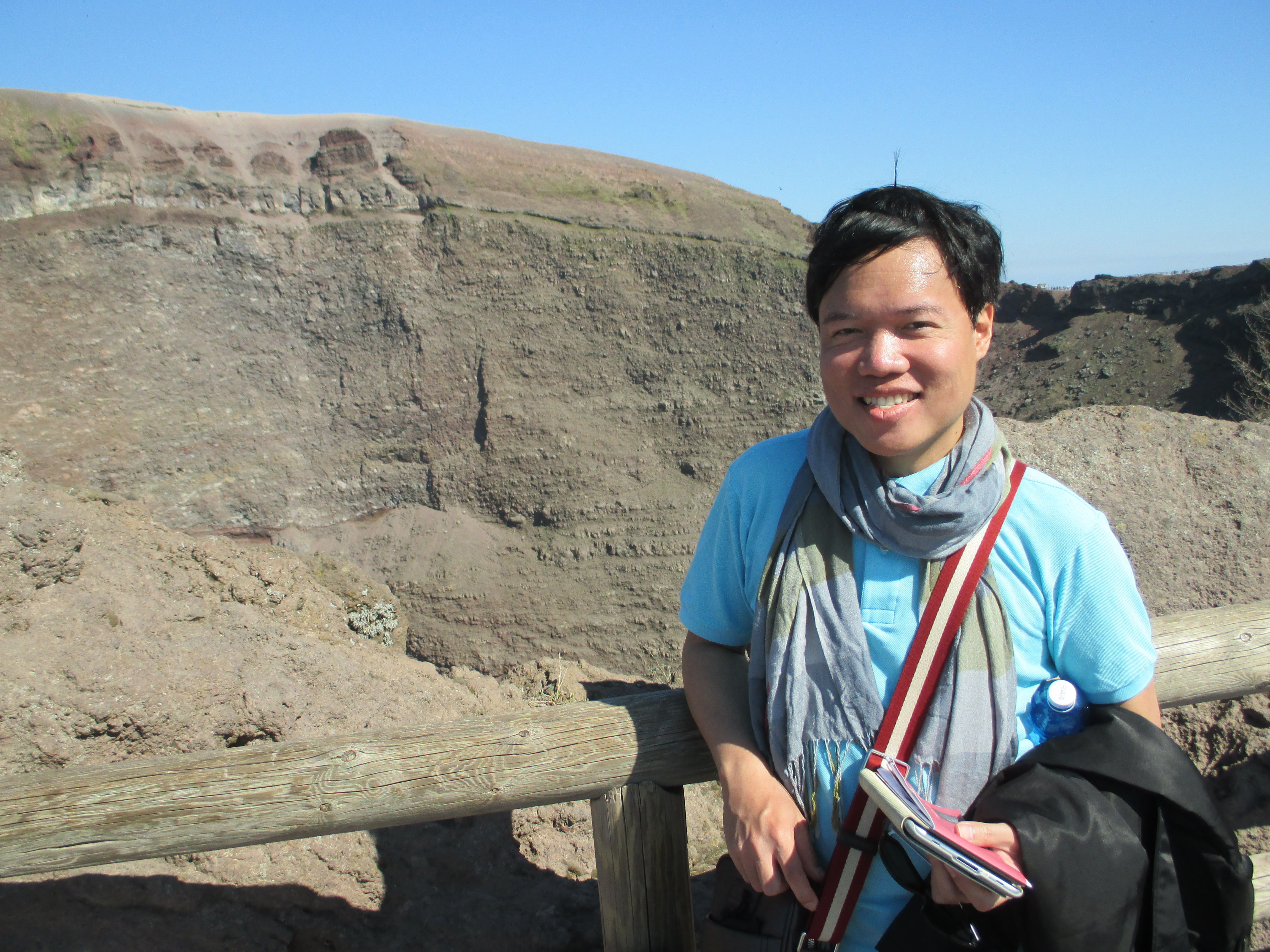
Walking Street (Pattaya)

On my flight back to Manila, the stewardess gave me a local Thai paper (in English) where my horoscope for the day reads something like “Turn away from the old ways…create new traditions…” I thought this is exactly what I have been doing the past few years, and I don’t believe I’d even consider turning back to the old ways anytime soon, unless Christmas season becomes less stressful in my country.

Creating my own Christmas tradition (thru stress-free stuff that I love to do)

Nevertheless, wherever you are, whatever tradition you follow, whenever you’d feel like taking an escape, Christmas is still worth celebrating your own way (and that’s ok). So I’m sending Christmas cheers to everyone. Coz we all deserve it.

Merry Christmas!

“Knives Out” at “Downton Abbey”

Movie Buzz

Poster courtesy of Wikipedia

One of the things that I love to do is going to the movies. I go to the movies once or twice a week (sometimes even more if a few good ones are screening on the same week) so you can say I’m a movie fan. Sorry, no Filipino films for me, unless the occasional, once in a blue moon, critically acclaimed ones. That’s why I always dread this time of the year when all Metro Manila theaters will only screen Filipino films (thru the so-called Metro Manila Film Festival) for the whole two weeks starting Christmas day, coz that means nothing that I could see and enjoy during the holiday break. Whatever foreign movie out there that I could see before then I’d already watch before leaving the country and travel to places where I can catch new Hollywood releases (which will only be shown in the Philippines in the new year after the filmfest run). I haven’t written a movie review yet so having one is sort of a breather from all the travel, food, health, and positivity articles in this blog.

The title of this review seems to be misleading coz it’s actually titles of two movies that I have seen recently and really liked. Figuratively speaking though, “knives out” bear semblance to the theme of Downton Abbey, a period film that came on the heels of a successful TV series run (which I haven’t watched a single episode, so going into the movie I wasn’t really sure if I would be able to appreciate it given the lack of familiarity). That theme refers to the actions of the Downton Abbey household helpers (particularly the kitchen staff) when they staged some sort of a coup after they have been relegated to almost nothing during the very important visit and stay of the King and Queen of UK. It’s not often that his and her royal majesties stay in your own house, so I could only sympathize with the household staff when they have been pushed aside by the royal staff (which Buckingham Palace sent as advance party) in their own house. In their eagerness to leave a good impression to their royal guests and to show their kind of hospitality in this once in a lifetime opportunity, they plotted against the snotty minions and came out victorious in the end. This of course is without the absence of comical situations along the way.

There were other themes explored by the movie with the purpose of getting that message of tolerance and inclusivity across. This is a period film, so the prevalence of intolerance against LGBT and women rights have been put into proper context. The movie, by itself, has successfully manifested the fact that in this day and age, humanity has gone a long way in accepting LGBT community and independent women, without the need to hide one’s truth. Pride and prejudice (like that other period film with the same title) run in the veins of this movie, and placed carefully not to offend the senses but to categorically make a statement of what human nature is about. Our propensity to please, hide our truth afraid of its consequences (isn’t it that truth should actually set us free?), varying degrees of jealousy, and self-preservation are all shown in a simple, clear, no frill manner but presented as situational comedy. This is where I believe the film succeeded the most.

Poster courtesy of Wikipedia

It helped that the ensemble cast was a delight to watch. Maggie Smith (of the Harry Potter series and First Wives Club) was the perfect choice for the role of the household matriarch who has this long standing feud with a distant cousin played by Imelda Staunton (of Maleficent) who is now part of the royal entourage and for the longest time guarding her own truth. The characters Tom Branson (played by Allen Leech) and Thomas Barrow (played by Rob James-Collier) have their own impact-filled stories to tell amidst the drama and already chaotic household. Lady Mary Crawley (played by Michelle Dockery who was nominated 3 consecutive times in the Emmys for her performance in the TV series) raised that question which most of us would have asked at least once in our lifetime: “Is it all worth it?” There are times in our lives where everything seems to be a struggle, so it is a valid and reasonable question to ask even just at the back of our minds.

Another movie that explored the varying facets of human nature (and how these manifest in different shapes and form) as well as the human psyche is Knives Out. It is another whodunnit film along the same genre as 2017’s Murder On The Orient Express (where Kenneth Branagh’s character seems to live parallel lives with that of Daniel Craig’s character) but served two, three, four ways. The protagonists in both films were commissioned to investigate a murder and went thru a roller coaster of a ride to find the truth (truth can be evasive nowadays) but unlike its predecessor, the new film stands out because of its wicked screenplay and storytelling that keeps you second guessing yourself. Never a dull moment. In Knives Out, a wealthy family patriarch (played by Christopher Plummer who seems to be typecasted in these roles such as in 2017’s All The Money In The World) was found dead in his den and an investigator was brought in (played by the prolific Daniel Craig who is popularly known as the recent reincarnation of James Bond) to determine whether the cause of death was murder or suicide. Of course everyone is a suspect (or person of interest), and this is where it gets interesting, when each family member, all of whom have a stake on the family fortune and automatically gave each a motive to kill, has other reasons why he or she wants him dead. Secrets, lies, murder (or suicide?). Essential elements that were placed like Easter eggs which Detective Blanc (Daniel’s character) has to hunt.

It’s a delicious and sexy movie that Rian Johnson (director known for 2017 Star Wars: The Last Jedi) has put together with the help of a splendid screenplay. Shout out to the writer of the screenplay. Well played. Like Downton Abbey, the cast was a delight to watch. Ana de Armas’ (of 2017’s Blade Runner 2049) performance resonated well with me (no wonder she was just recently nominated for a Golden Globes Best Actress Award). She is the Tom Branson in this movie. Michael Shannon still gives me the creeps, even if he isn’t playing a mean guy in this movie (like in 2017’s The Shape of Water and 2012’s Premium Rush), or is he? If you miss Don Johnson (millennials would probably know him as Dakota Johnson’s dad), you’ll surely get a hell of a comeback in this movie. You’ll also find out what’s the big fuss over Chris Evans’ sweater. Of course, Daniel Craig gave another polished performance, just like almost everything else in his body of work.

Go catch these movies while you can. If you ask “is it all worth it?” then I say, yes, it is.

The Contrasting Colors of Tokyo and Kyoto – Part 2 of 2

Travel Buzz

(Left) Arashiyama Bamboo Grove; (Right) Tokyo Skytree viewing deck

In the first part of this article, I mentioned that my sister, brother-in-law, and I are going to Japan in December. After my surgery a few weeks ago (see article “MLNRD at St. Luke’s Medical Center-Global City: The Good, The Bad, and The Ugly”), we have decided to cancel the trip (we actually have tickets already which we bought when China Airlines had a promo a couple of months ago where we got business class tickets for only $800). We thought that it would be winter in Japan this time of the year and winter clothes would require big luggages and given that I cannot lift and carry anything more than 15% of my weight post surgery, we decided to go next year instead. I’m planning to go now to a sunny destination (where all I have to bring are a few shirts, shorts, tanning lotion, slippers, and swimwear) and I’m thinking Thailand and Vietnam. Now that Japan is off the table, let me pick up where I left off in the last article.

Kyoto

Gion District (Kyoto)

From Tokyo, I took the train to Kyoto using my JR pass that I mentioned in the first part of this article. The pass is not a ticket itself, so you have to go to the nearest JR office to avail a reserved ticket by presenting your JR pass. It took about 3 hours to get to Kyoto using the Shinkansen or bullet trains. While in transit, I got a call thru Viber from Manila HR office that I was scheduled for a final interview for a new role that I was interested in. Before embarking on this trip, I have already hurdled a series of interviews with interviewers from the different Asia Pacific hubs and the final interview would be with the director from the US office. I told HR that I’ll be back in the office the week after so I can take the interview there. However, the director was in London that time and wants to conduct the interview London time (which is more convenient for these two time zones) so he wanted to do it the following day before flying back to the US. So I gave HR my Kyoto hotel number so that the director can call me there in the afternoon (5PM Kyoto or 8AM London).

Japanese frozen treats: Lady Borden ice cream (left) and shaved ice topped with fresh ripe mangoes (right)

I checked in later that afternoon at Ibis Styles Kyoto using my Le Club Accor. I already have an itinerary in my mind so I decided to see the Kinkakuji Temple or the Golden Pavilion which is considered as one of Japan’s most beautiful temples. Unfortunately, it was already closed for the day (they close early, I reckon 5PM) so I ended up exploring the surrounding gardens and had a frozen treat after (Lady Borden ice cream by Lotte Co Ltd, apparently the market leader in Japan for ice cream and frozen desserts) which was just what I needed under the summer heat. Japan loves its ice cream especially during summer months (and winter as well) so it’s not surprising to see vending machines at tourist spots, including temples, carrying frozen treats.

Mt. Inari footpath (Fushimi-Inari)

There were two things that I was looking forward to in this leg of the trip. The iconic Mt. Inari (Fushimi-Inari) footpath and Kobe beef. So the next day, I decided to see Mt. Inari and know more about this popular spot. Folklore has it that this place enshrines the god Inari, who is revered as the god of the rice harvest, commerce, and business. A fox symbolizes the messenger of the god, so you will encounter shrines along the footpath that have statues of foxes. I even bought souvenirs (fox tokens) in one of the shrines for good luck (maybe bringer of good news in the future). The climb was not that steep, but because of the steps and the scorching summer heat. it was really difficult to complete the hike (get to the apex of the mountain) particularly when I was literally drenched in sweat and my back and legs were already killing me. Upon reaching the mid point of the trail, I thought I had enough, so I’ve decided to go back but took a different path that was more like flat foot trail rather than stair-like steps. Good thing that I took this path instead, coz while the steps have those series of reddish torii (which are actually more on the orangy side) that made this place postcard perfect and iconic, this alternative trail down is where most of the shrines are along the footpath. So I got to experience both the path of torii (these were donated or offered by different individuals and companies that came together and created this beautiful mountain trail) and the path of shrines.

The red and white dot on the board (that says “you are here” in Japanese) shows how far I’ve climbed Mt. Inari

Tired and dehydrated, I got myself another frozen treat. This time, it came in the form of shaved ice topped with a very generous serving of fresh ripe mangoes. Simple, raw, nothing extraordinary, but refreshing. I was just so happy to see it. Reminds me of home, when I realized that I have an interview to make. It was already past 3 in the afternoon and I need to be back in my hotel by 5. I got to my hotel with about an hour to spare, so I rested for a while and freshened up before the call. I thought I’m going to pick up where I left off after the interview. So I went the minute I hung up the phone, putting the thought of whether I got the role or not in a box and set it aside in the meantime while I continue to enjoy the rest of the trip.

Kobe beef teppanyaki. The presentation is spot on (Premium Pound Sanjo-Kiyamachi).

The foodie in me has to try at least once the famous Kobe beef. So I went around looking for the best Kyoto restaurant that offers a delicious Kobe beef teppanyaki. I found Premium Pound Sanjo-Kiyamachi popular for its aged Kobe beef. It took me a while to find it (damn Google maps) but was just happy to discover it. From the time I got seated, I could already sense that I was in the right place. The ambiance was classy (no tacky decors or in your face setting) and the staff speak good English. The chair was so comfy (I like eating in a very comfortable chair) and the service was spot on. Then the Kobe beef. What can I say? Probably as good, if not better, than the wagyu beef I had in Tokyo. Not only that the food and service were great, it was probably the first time where I truly felt the Japanese hospitality in all my dining experiences in Japan so far.

(Top) Arashiyama Bamboo Grove; (Below) Hanamikoji-dori (Gion District). Geisha caught on camera (real or fake?).

I went to see two more popular tourist spots: Arashiyama Bamboo Grove and the Gion district. The former is known for its dense bamboo forest. I kinda lost getting there, which apparently has two gates, one that can be reached thru the subway train, while the other thru a vintage train that passes thru scenic suburbs. This is the closest that one can commune with nature and would have been great if there were pandas to complete the experience (lol wishful thinking). Gion district, on the other hand, is known as Kyoto’s geisha district. Contrary to popular belief, a real geisha is rarely sighted, as she would normally be inside a cab and will only alight once she reached the door of her tea house where she works and will stay inside the whole time. Geishas don’t go out to mingle with pedestrians and they are not often seen in public. So those you see walking the streets of Hanamikoji-dori, or at the Tatsumi bridge, are either fake ones or some wannabes who just want to dress up like one. A friend of mine asked me if I have seen the movie “Memoirs of a Geisha” and I told her yes but that was a fictional and tragic depiction of a geisha. It doesn’t even come close to a real geisha or even a mako (geisha apprentice). I told her that Westerners should be educated of real geisha culture. A legit geisha is one who performs tea ceremony and does her job professionally (just like everyone else), with utmost dedication and commitment to the art of preparing and presentation of the Way of the Tea. That’s why not everyone can have tea ceremony with a real geisha, coz if I were travelling with a group, we would have probably shared the expense. That’s how expensive a tea ceremony is with a legit one (no, I didn’t have tea ceremony in case you’re wondering, coz I don’t want to spend that much).

Choose your path to luck: Take the stair-like steps of the torii path to see the apparently century old tree where whoever goes under its roots will have good luck or take the flat foot trail and make several stops to the different shrines that will bring you blessings of the gods.

The impression left by these two cities on me was that the backdrop may be different, but they share similarities in a lot of ways. Tokyo surely belongs to the digital world where the shades are neutral, metallic, to some degree muted and tempered yet can burst into a kaleidoscope of colors while Kyoto still maintains that old earthly charm yet with organic tones of vibrant, primary hues. Like in a canvass, the contrast is well defined (no doubt about it), but I also can’t help but think that there’s a commonality between the two that can’t be ignored, like the still objects in a painting. Both share the love for good, well-made beef (Wagyu and Kobe), aged to perfection. Both share the same belief in the supernatural, the goodness of luck, and blessings of the deities (Tokyo’s ema and Kyoto’s foxes). This is not something to be shrugged off, coz though the new role was mine to lose, I soon realized that it wasn’t a good fit for me, but I was just glad to know that I was lucky to have the opportunity and that some higher powers guiding me thru to discern what’s really good for me. But ultimately, what captivated me more than the perceived omnipotence of the shrines/temples on one hand and the heated toilet seats and automated bidet on the other was the spirit of the Japanese people, the discipline and good-naturedness that simply rub off quickly. This is the best that both cities can offer, where the crust may be different, but the core is the same. Just being around them makes one feel really good.

Arigatou Gozaimashita!

Columbusbee says “Thank You Dear Readers!”

Positivity Buzz

Global footprint of columbusbee.blog

Five months in and 17 articles after (plus one re-publication and one welcome post), columbusbee.blog has reached its first milestone by breaching one thousand views/visits from 23 countries in 4 continents. Columbusbee’s heart is full coz what started as a hobby is now a blog that is being read from the four corners of the world.

(Left) Breaching one thousand views/visits as of November 2, 2019; (Right) top 10 countries

As a neophyte blogger, the biggest satisfaction that I could get is not only that my articles are being read but readers find the same helpful…

and inspiring…

and getting the best compliment yet that sums it all up.

So thank you dear readers from Australia, Canada, Cyprus, France, Germany, Greece, Hong Kong, Hungary, India, Indonesia, Japan, Malta, Pakistan, Philippines, Portugal, Serbia, Singapore, Slovakia, South Korea, Thailand, Turkey, United Kingdom, and United States and to everyone else out there. Travel, food, health, and positivity are truly universal languages that resonate well among us.

The smile says it all (Rockefeller Center, Manhattan)

Continue to join me in this journey and relive the articles (click on the permalinks below) or find an interesting one that you may have missed to celebrate this milestone. If you have any questions on any of the articles (or anything in general), feel free to contact me at franz8.cinco@gmail.com.

Happy reading!

“Hey, it’s me”

https://columbusbee.blog/2019/05/19/hey-its-me/(opens in a new tab)

“Deconstructing A Myth: Travel Is Only For The Rich?”

https://columbusbee.blog/2019/05/20/deconstructing-a-myth-travel-is-only-for-the-rich/(opens in a new tab)

“How To Apply for Schengen Visa – Embassy of Greece in Manila”

https://columbusbee.blog/2019/05/21/how-to-apply-for-schengen-visa-embassy-of-greece-in-manila/(opens in a new tab)

“Mendokoro Ramenba: Arguably The Best Ramen in Manila”

https://columbusbee.blog/2019/05/25/mendokoro-ramenba-arguably-the-best-ramen-in-manila/(opens in a new tab)

“How to Apply for Turkey e-Visa”

https://columbusbee.blog/2019/05/30/how-to-apply-for-turkey-e-visa/(opens in a new tab)

“The Joys of Travelling (Solo)”

https://columbusbee.blog/2019/06/01/the-joys-of-travelling-solo/(opens in a new tab)

“Travel In Style (Without Breaking The Bank) – Part 1 of 2”

https://columbusbee.blog/2019/06/11/travel-in-style-without-breaking-the-bank-part-1-of-2/(opens in a new tab)

“Travel In Style (Without Breaking The Bank) – Part 2 of 2”

https://columbusbee.blog/2019/06/29/travel-in-style-without-breaking-the-bank-part-2-of-2/(opens in a new tab)

“#ihaveflaws”

https://columbusbee.blog/2019/06/15/ihaveflaws/(opens in a new tab)

“Greece: Of Myths, Mediterranean Food, and Beaches – Part 1 of 2”

https://columbusbee.blog/2019/07/14/greece-of-myths-mediterranean-food-and-beaches-part-1-of-2/(opens in a new tab)

“Greece: Of Myths, Mediterranean Food, and Beaches – Part 2 of 2”

https://columbusbee.blog/2019/07/21/greece-of-myths-mediterranean-food-and-beaches-part-2-of-2/(opens in a new tab)

“Istanbul: The Ancient City That Never Sleeps”

https://columbusbee.blog/2019/08/10/istanbul-the-ancient-city-that-never-sleeps/(opens in a new tab)

“The Danna Langkawi: A Brief Escape to Remember”

https://columbusbee.blog/2019/09/07/the-danna-langkawi-a-brief-escape-to-remember/(opens in a new tab)

“Dear Mama Mary”

https://columbusbee.blog/2019/09/14/dear-mama-mary/(opens in a new tab)

“Remembering Miriam Defensor Santiago”

https://columbusbee.blog/2019/09/21/remembering-miriam-defensor-santiago/(opens in a new tab)

“The Contrasting Colors Of Tokyo And Kyoto – Part 1 of 2”

https://columbusbee.blog/2019/10/14/the-contrasting-colors-of-tokyo-and-kyoto-part-1-of-2/(opens in a new tab)

“MLNRD at St. Luke’s Medical Center-Global City: The Good, The Bad, and The Ugly”

https://columbusbee.blog/2019/11/01/mlnrd-at-st-lukes-medical-center-global-city-the-good-the-bad-and-the-ugly/(opens in a new tab)

Coming Soon: “The Contrasting Colors Of Tokyo And Kyoto – Part 2 of 2”